Urban Participation with Multi-User Virtual Reality
On November 26 and 27, the Bauhaus Participation Lab (BPL) hosted a workshop on citizen participation using Virtual Reality.
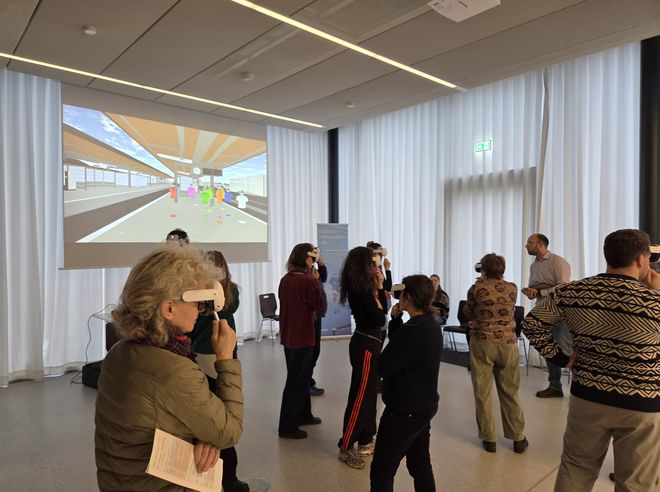
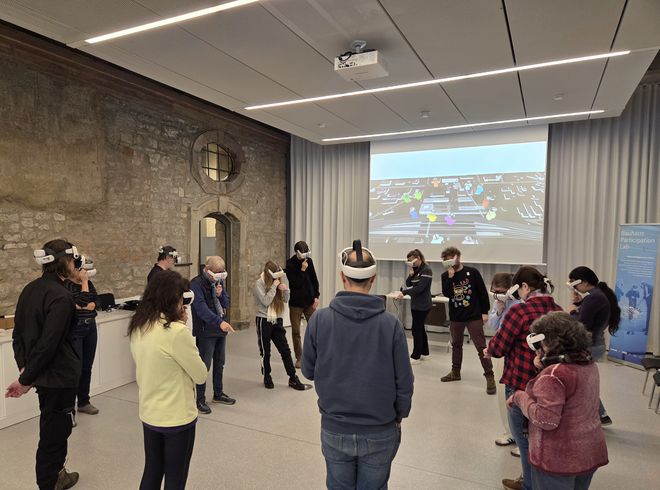
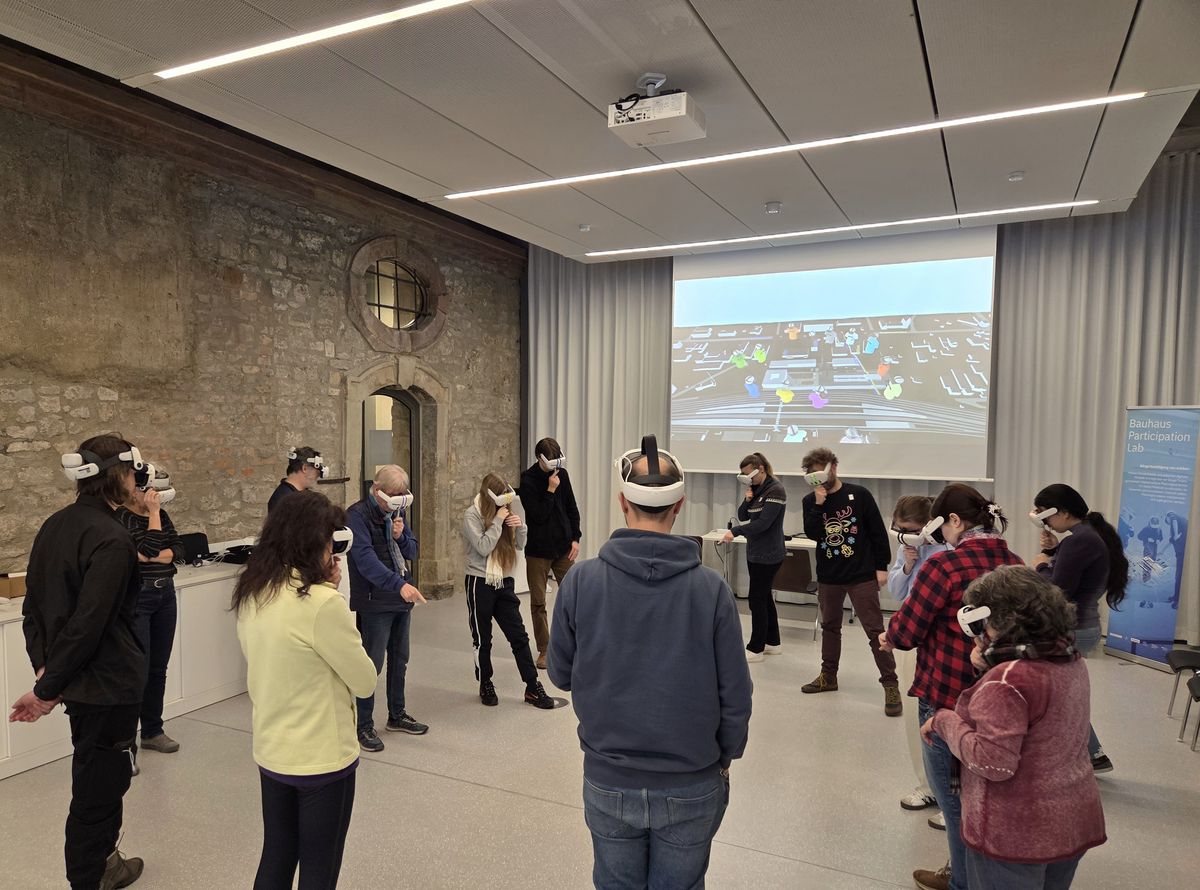
The Bauhaus Participation Lab (BPL) once again hosted a workshop on citizen participation using digital technologies at the House of the Weimar Republic. In its second year of the project, BPL is expanding its focus: in addition to jointly exploring virtual urban environments using VR headsets, the team is now also developing digital tools that allow participants to evaluate urban design proposals directly within the VR environment.
In collaboration with our technology partner Consensive (www.consensive.com), new interaction and evaluation tools were developed and tested for the first time under real workshop conditions. The basis for this was a current planning example from the City of Weimar’s Urban Development Office: the future development of the area behind the main railway station into a modern mobility hub.
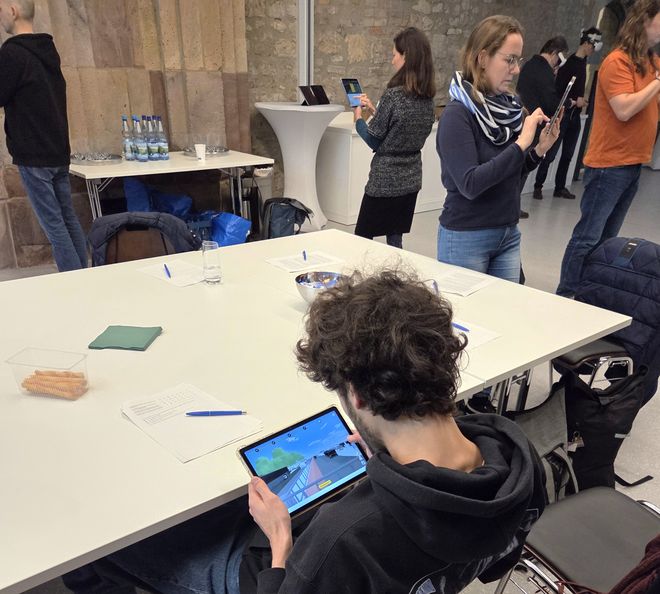
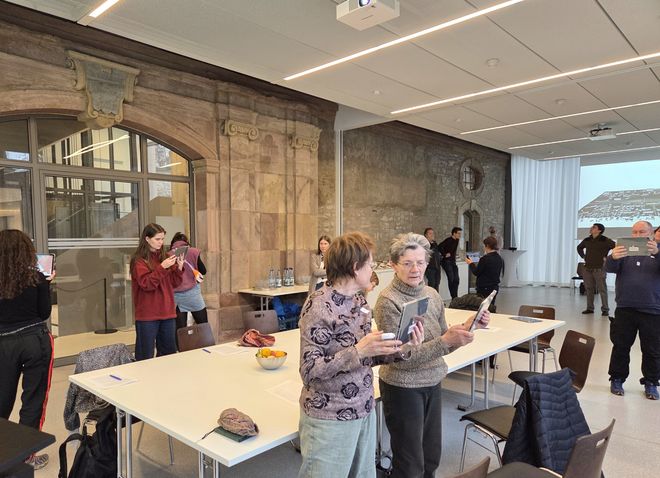
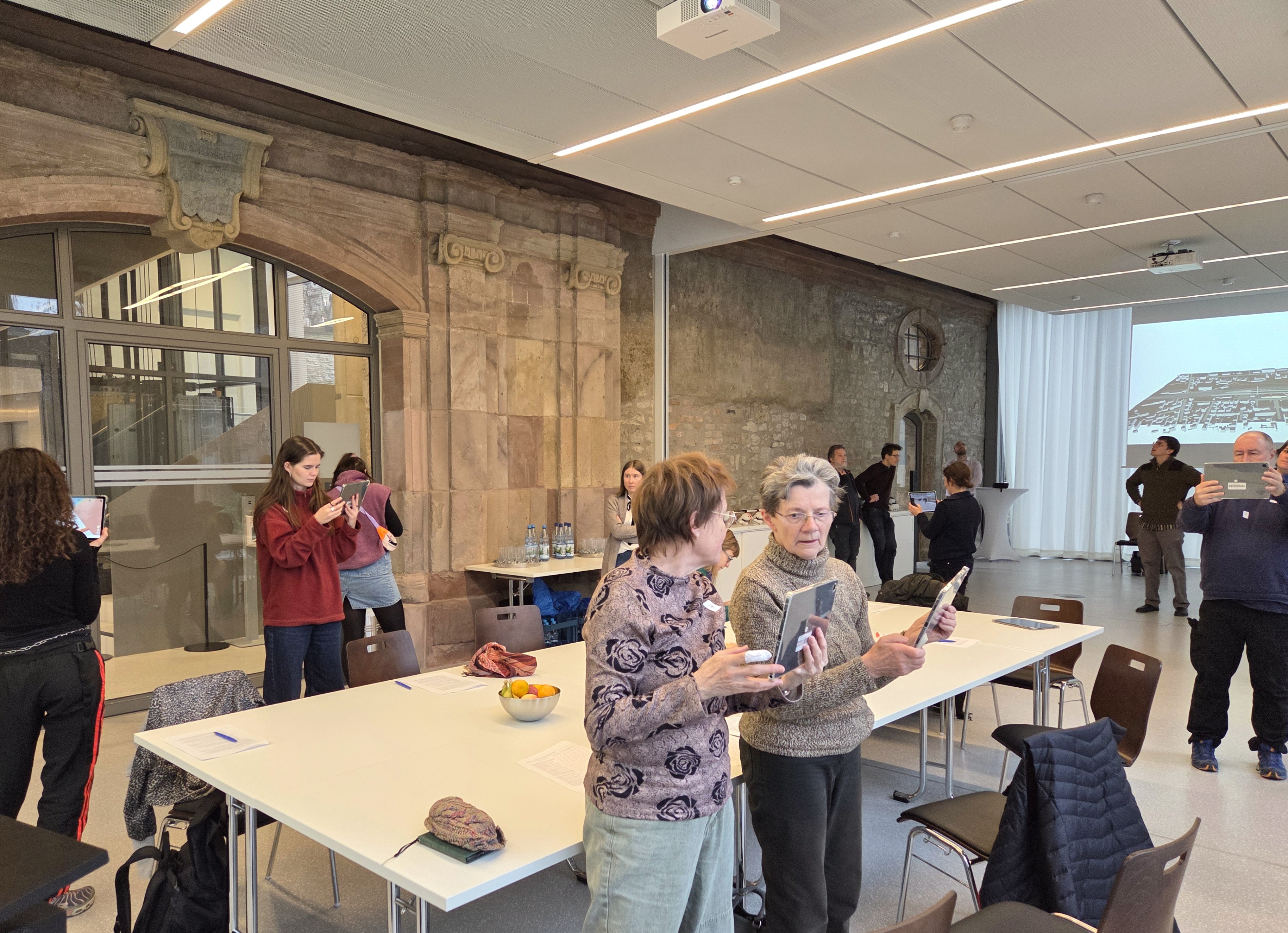
The offer met with broad interest. A total of 41 citizens from all age groups took part—from students and working professionals to senior citizens. The heterogeneous composition of the group enriched the discussions and provided diverse perspectives on the planning area. In addition to the moderated VR walkthrough, led by Carola Heide (Stadtenwicklungsamt Weimar), participants were also able to explore the designs independently via a specially developed web viewer on tablets.
Feedback from participants was consistently positive. This demonstrates that innovative digital technologies—despite frequent concerns regarding accessibility and ease of use—can be made understandable and easy to use for a broad audience.
The BPL is pleased with the strong interest and the constructive contributions from participants. In the coming year, a third workshop format will follow, in which additional functions and application possibilities of digital participation tools will be tested.
The Bauhaus Participation Lab is a research project funded by the Federal Ministry of Education and Research (BMFTR) as part of the funding track “Digitale Kommune” (see: https://www.interaktive-technologien.de/projekte/bpl).