
Modernisation of the Coudray Campus progressing: New faculty building open
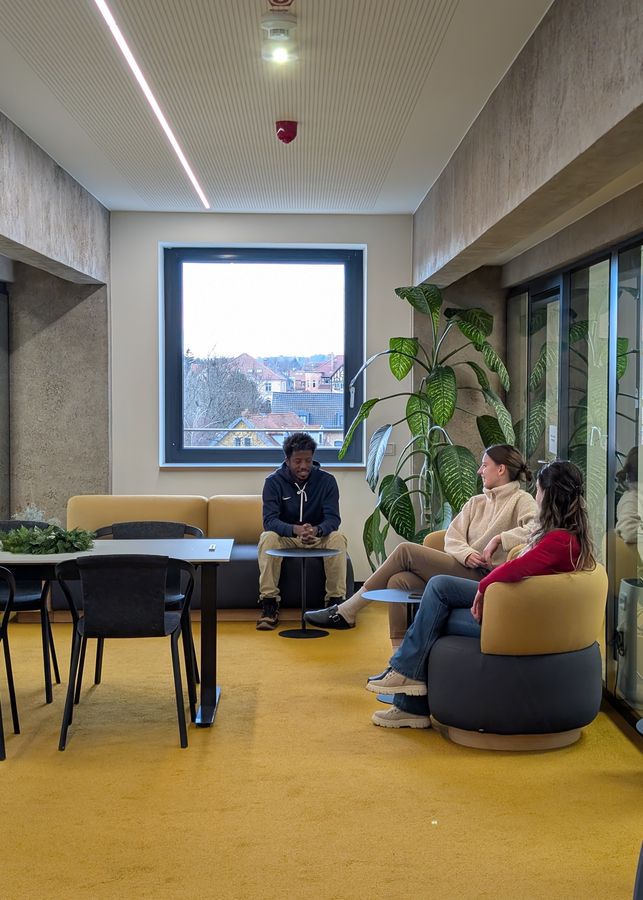
Following several years of extensive refurbishment and modernisation, the university building at Coudraystraße 7 has been fully reoccupied since early December 2025. With the completion of the first construction phase, the Faculty of Civil and Environmental Engineering at Bauhaus-Universität Weimar now has a state-of-the-art location offering laboratory, seminar and office spaces for several professorships. Work on the ground floor – including seminar rooms, computer pools and specialised laboratory areas – is still ongoing. Completion is scheduled for spring 2026.
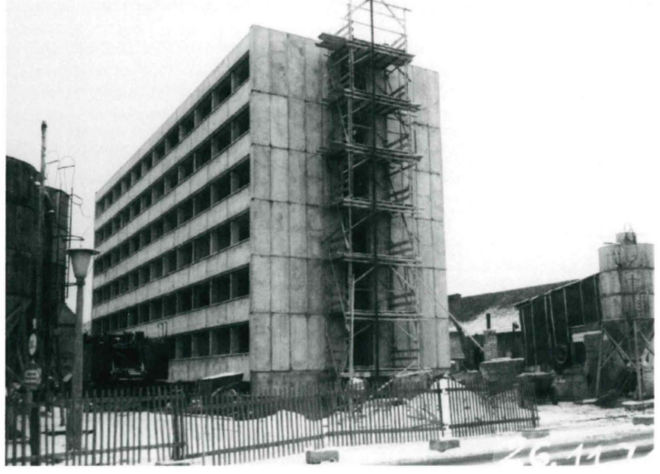
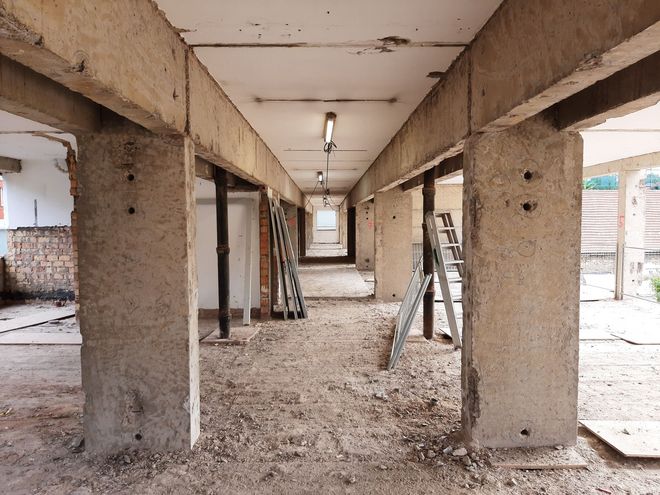
The high-rise building, originally constructed in 1971 and designed by Prof. Lahnert, P. Karsten, S. Donde and K.-J. Winkler, has undergone extensive structural strengthening in recent years. Since the initial dismantling and demolition work began in 2020, the interior layout has been completely redesigned and technically modernised. With around 2,500 square metres of usable floor space, it now provides optimal conditions for research, teaching and administration.
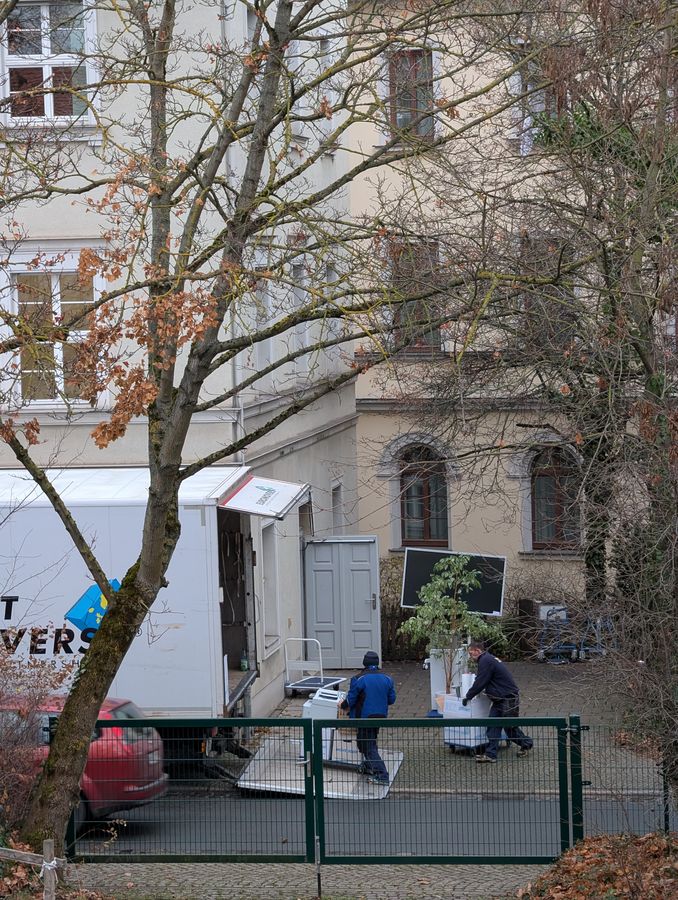
The relocation of the building’s 16 former occupants already posed a logistical challenge in 2020: the building had to be completely vacated due to the impending modernisation. Interim accommodation was arranged at various sites across Weimar, some of which required prior structural adjustments.




The following units of the Faculty of Civil and Environmental Engineering have now moved into Coudraystraße 7:
• BuiltEnvironment Management Institute (BMI, 1st and 2nd floors)
• Bauhaus Institute for Future-Oriented Infrastructure Systems (b.is, 3rd and 4th floors)
• Chair of Building Physics (5th floor)
The completion of this construction phase marks a key milestone in the site’s development: Coudraystraße 7 will serve as an important core location for the Faculty of Civil and Environmental Engineering, strengthening the spatial concentration of the university’s activities.
With the return to the building, not only does new life move back into this striking landmark – the modernisation also brings lasting benefits for research and teaching conditions at the faculty.