On May 27 and 28, 2026, the Chair of Steel and Hybrid Structures organized two interesting one-day field trips focusing on steel and timber construction as part of the field trip week hosted by the School of Civil and Environmental Engineering.
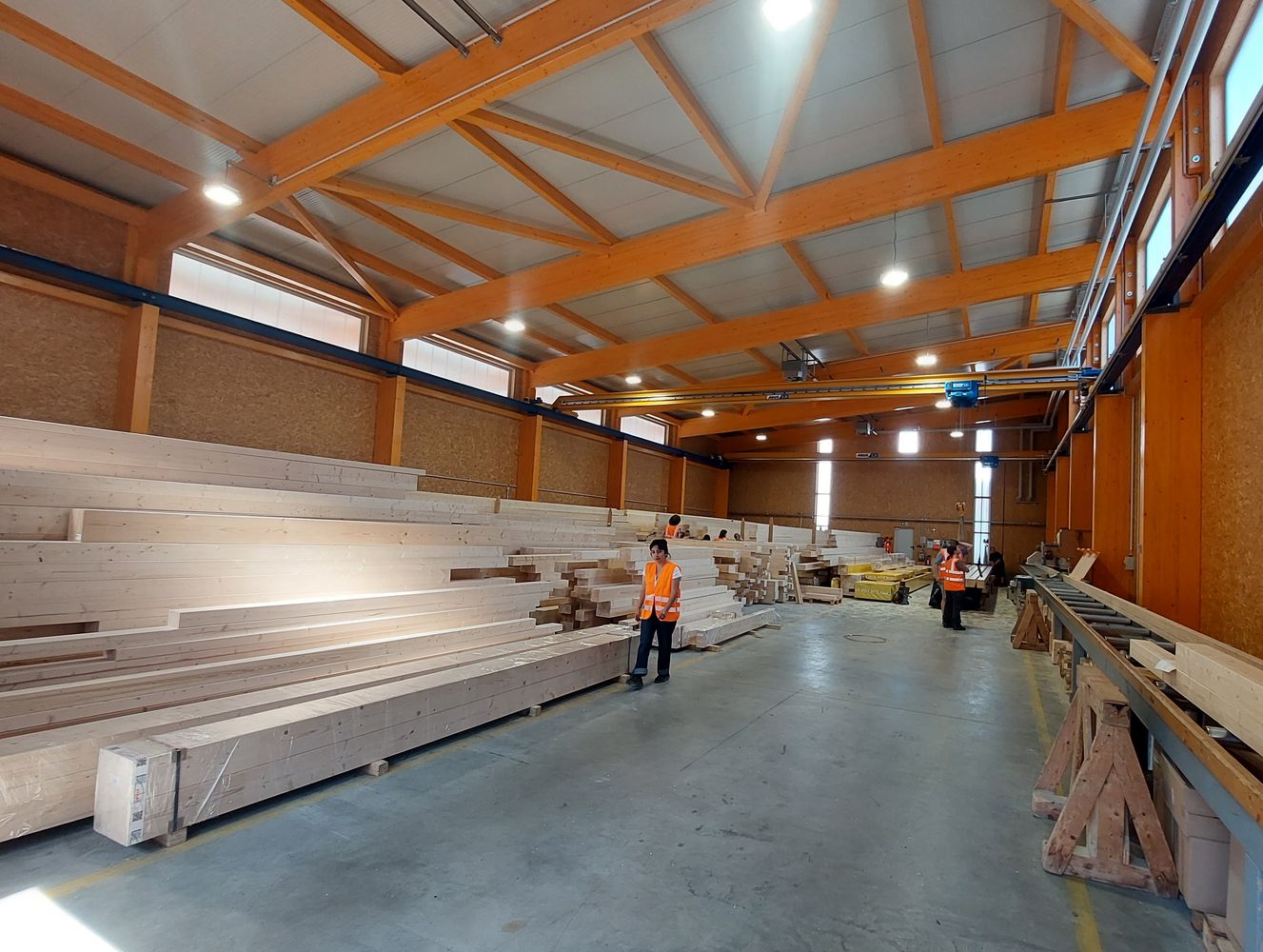
The excursion on May 27 was dedicated to timber engineering and structural preservation. Starting at Thüringer Holzwerke Hermsdorf GmbH, the students gained a comprehensive insight into the production of custom-made glued-laminated timber beams. From planing the technically dried raw wood lamellas, to finger-jointing the lamellas and gluing them into curved or straight components, to planing the components and the subsequent CNC-controlled joinery, all production steps were explained and demonstrated.


Factory Tour of Thüringer Holzwerke Hermsdorf GmbH
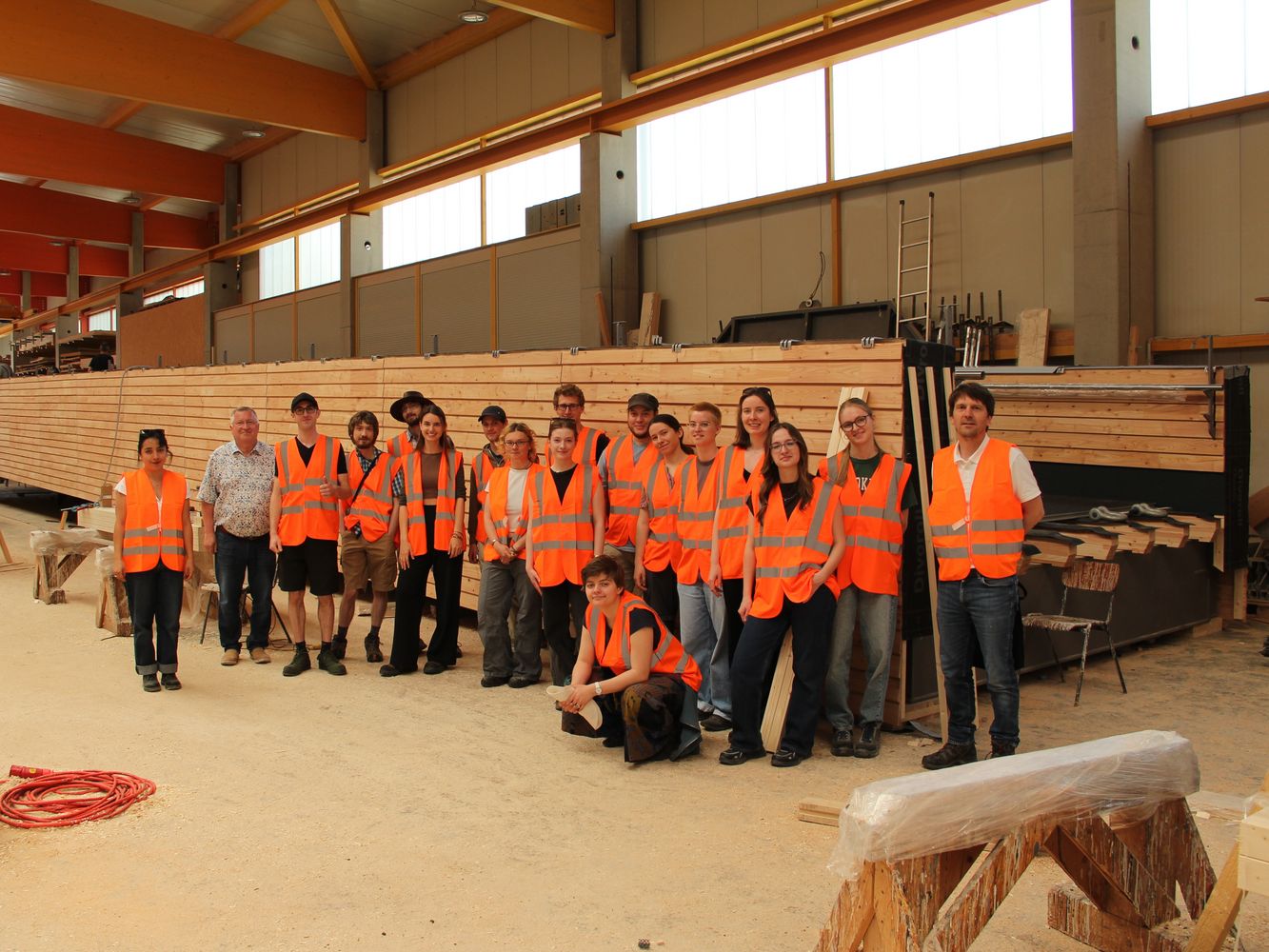
During the subsequent visit to STRAB Ingenieurholzbau Hermsdorf GmbH, the students were able to tour the new timber-frame warehouse, scheduled for completion in 2025, which features glued-laminated timber columns anchored in arrowhead foundations and a crane runway supported by them. In the company’s timber-framing hall, the students gained further insights into the production of modern engineered wood structures. During the visit, the group was able to marvel at, among other things, the complete prefabrication of a 34-meter-long and approximately 4.4-meter-wide pedestrian and sidewalk bridge in a structurally protected trough design for the Weikersheim train station (Baden-Württemberg), which was to be transported to its destination by heavy-haul truck just a few days later and hoisted into place in one piece. d at the IGS Ingenieure office.
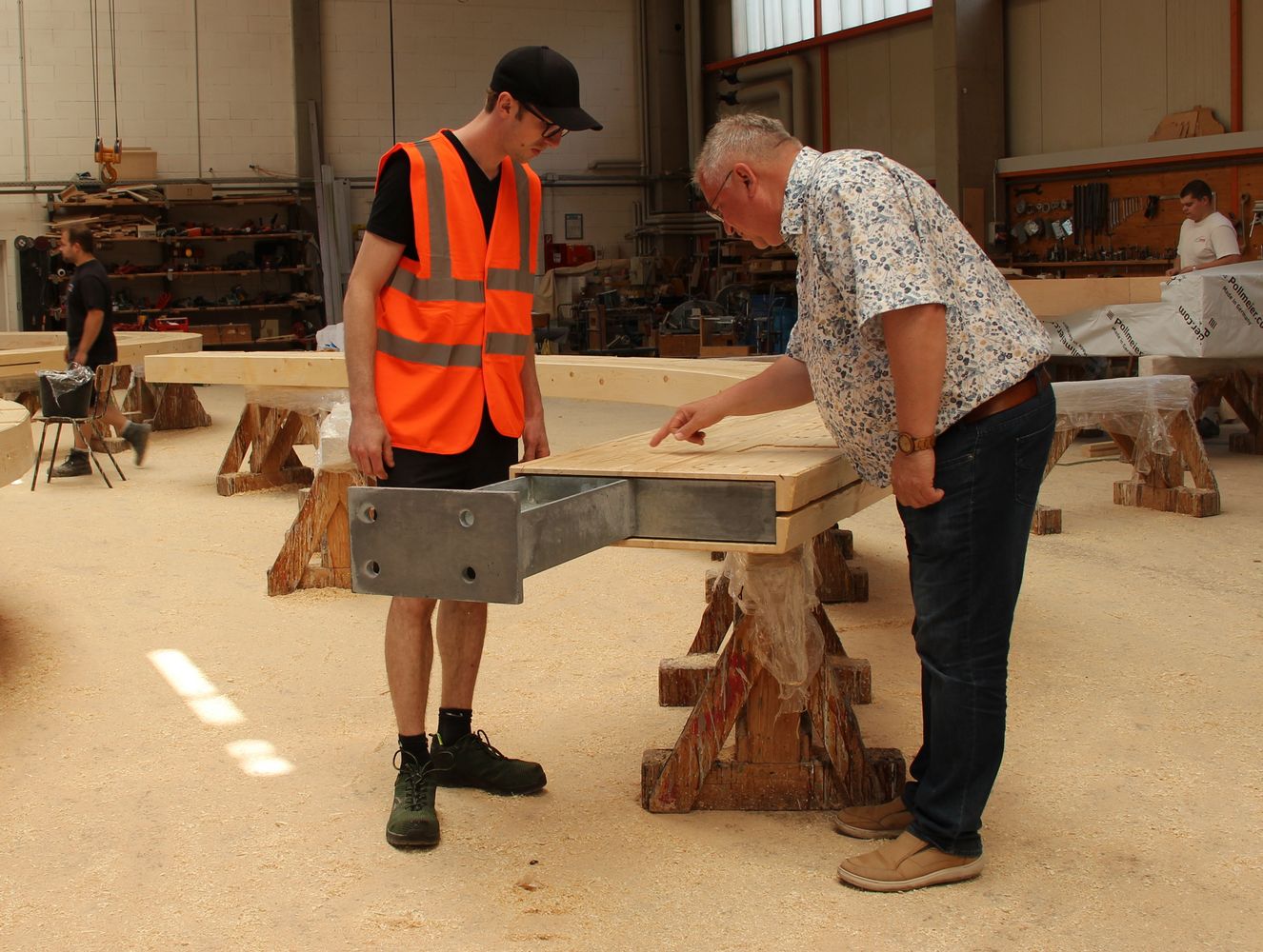

Factory Tour of STRAB Ingenieurholzbau Hermsdorf GmbH
Following the tour of the New Hunting Lodge in Hummelshain, the afternoon was devoted to the topic of building preservation and restoration under historic preservation regulations. Mr. Hohberg from the Förderverein Schloss Hummelshain e.V. (Friends of Hummelshain Castle Association) shared interesting facts about the building’s history and its various uses, as well as the structural stabilization and restoration measures carried out over the past 10 years; which has been working since 1998 to preserve the hunting lodge and residence of the last Dukes of Saxony-Altenburg—built between 1880 and 1885—from falling into disrepair. Using specific areas of damage as examples, Mr. Schmidt-Schuchardt explained the measures implemented by Bennert GmbH at the property to dry out the structure and combat dry rot, as well as the subsequent restoration of the building fabric, which had suffered severe damage from the attic, through the stucco-decorated wooden beam levels, down to the basement.
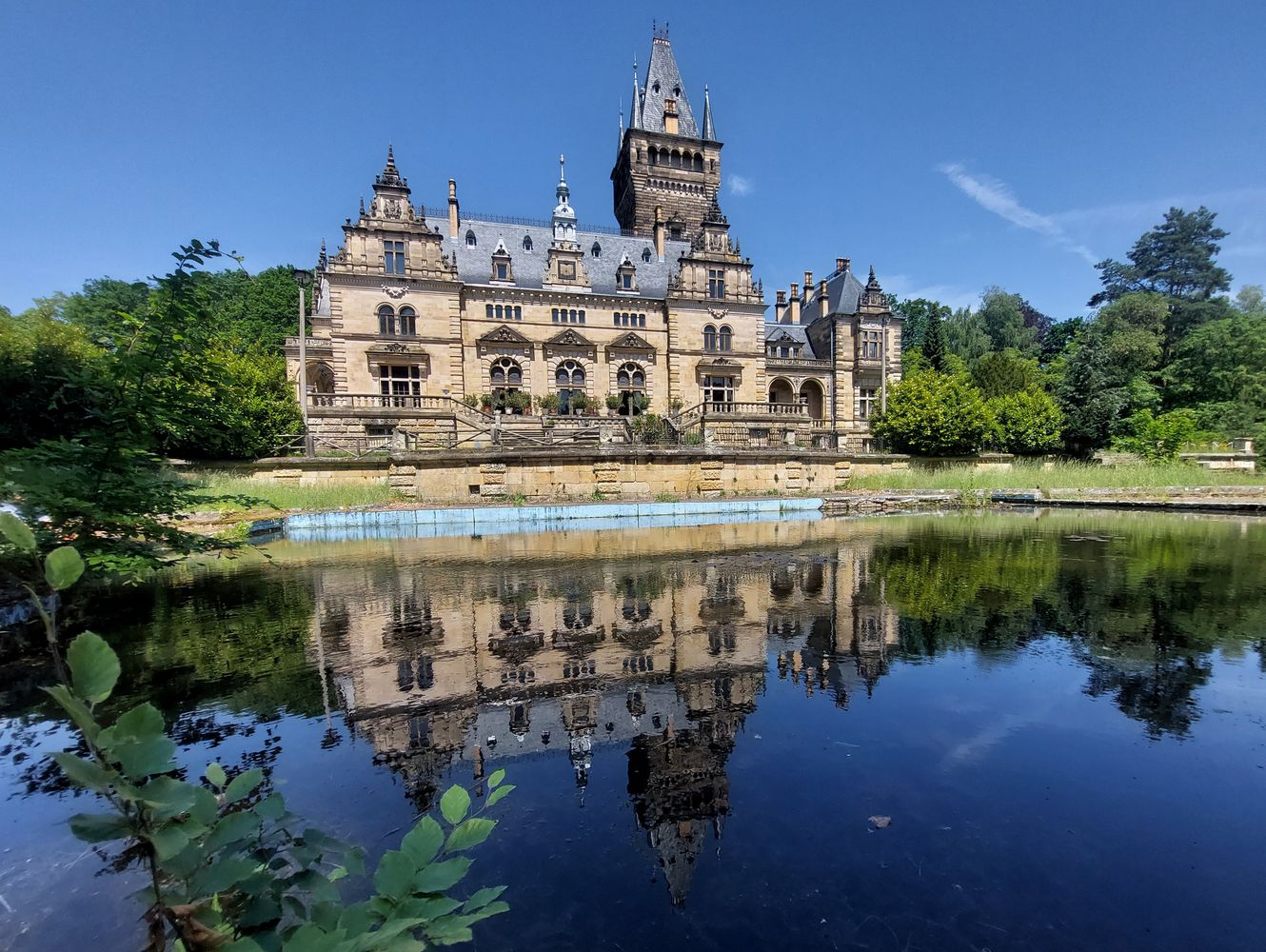
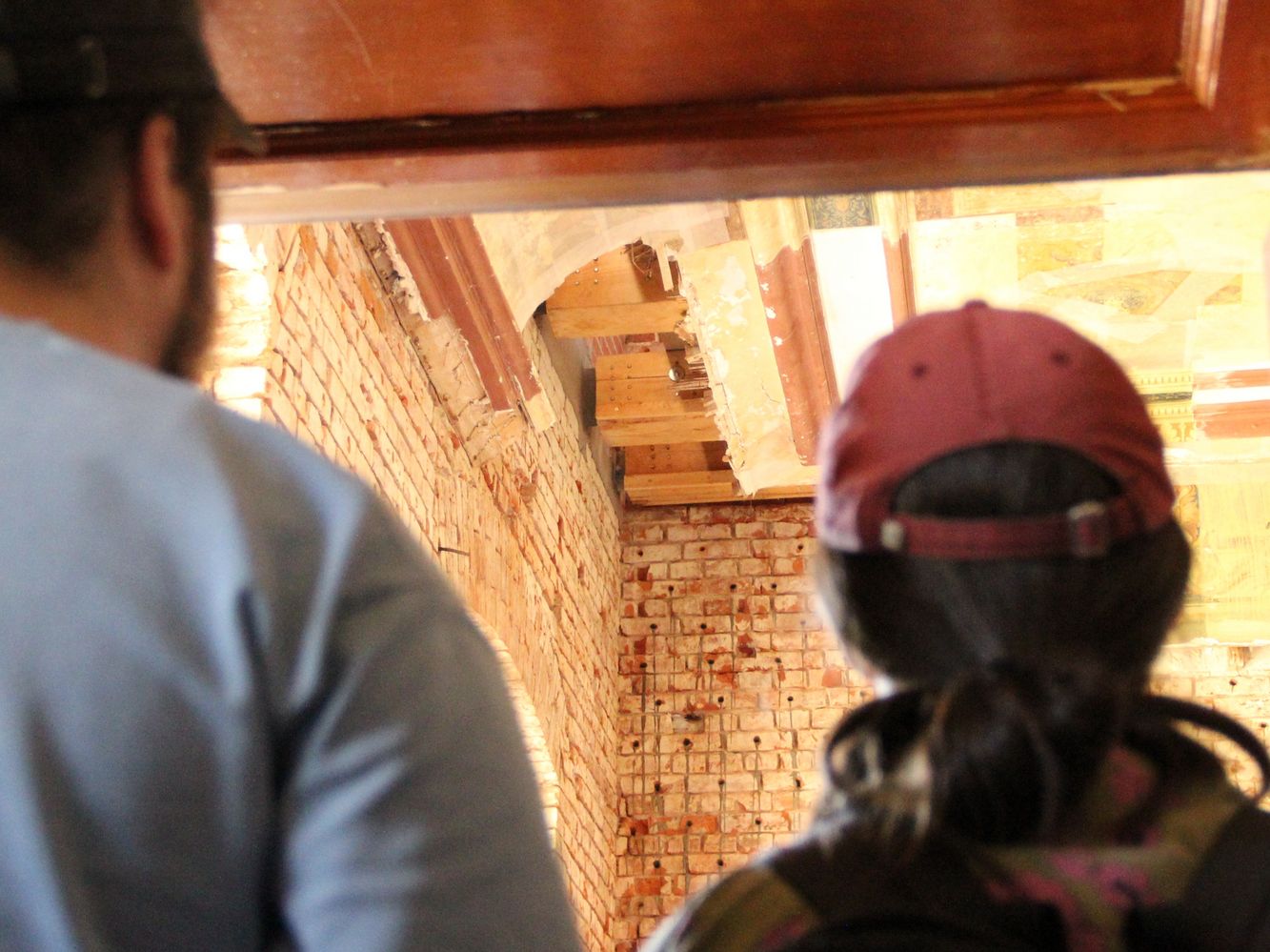
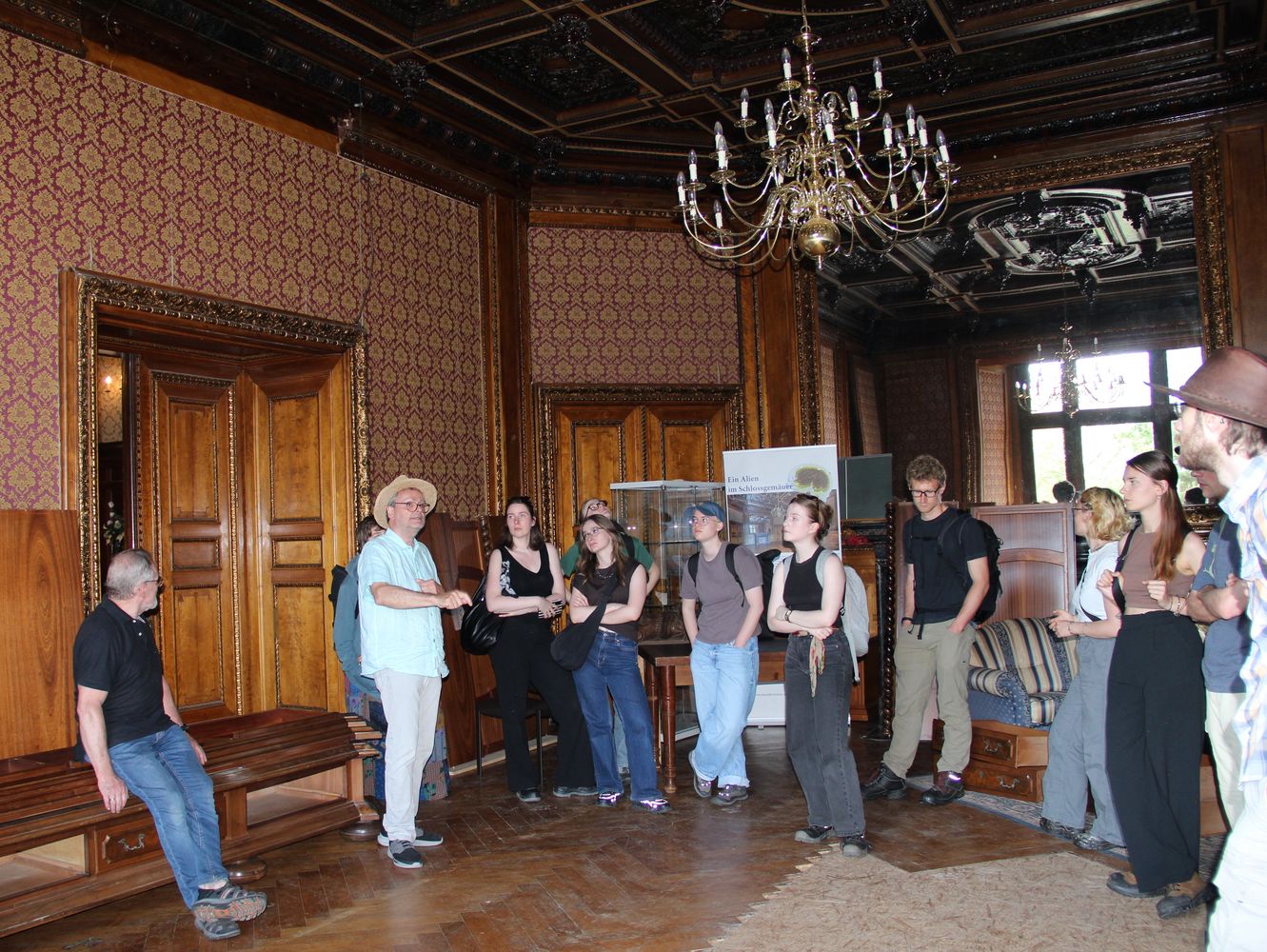
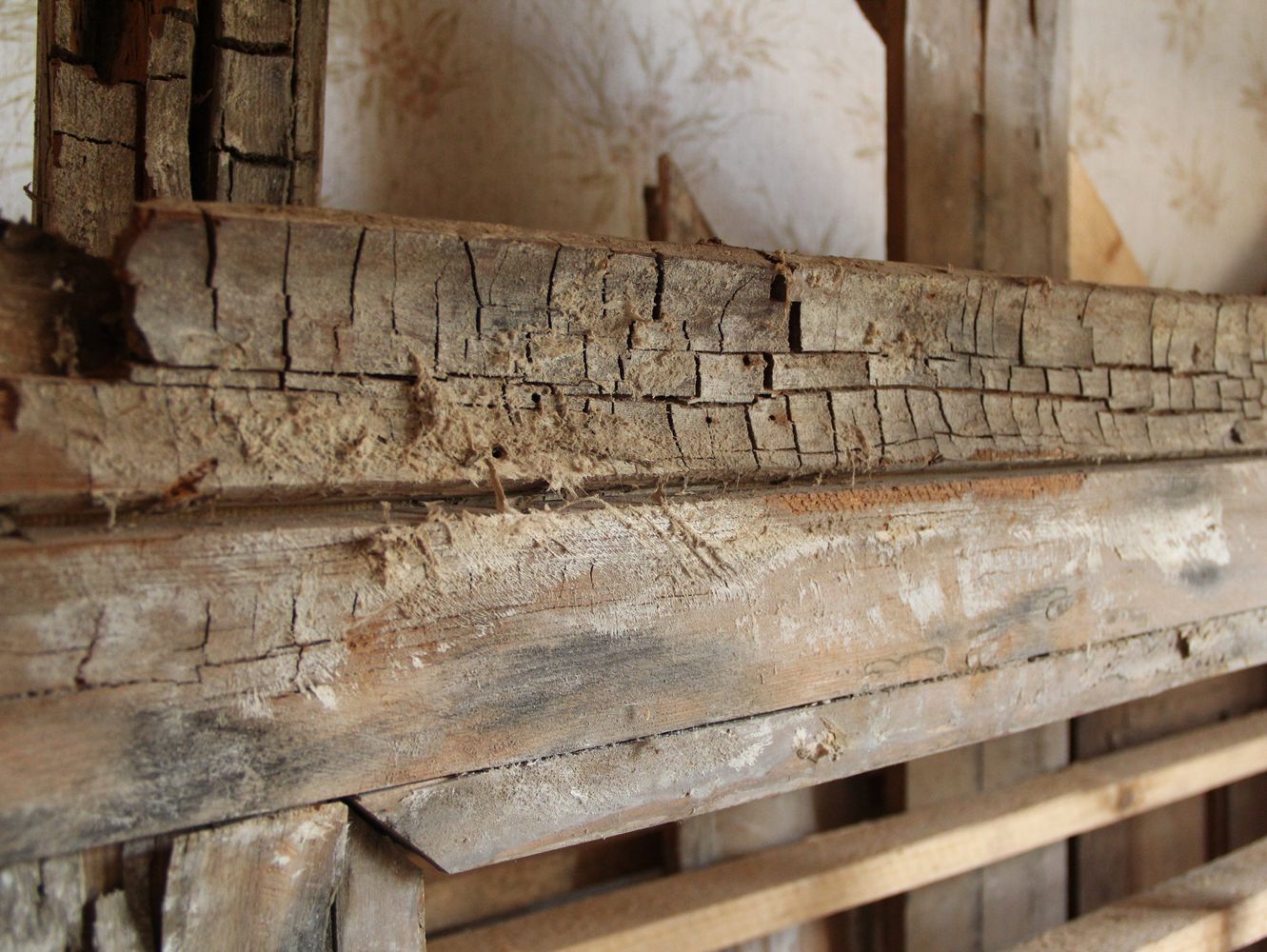
Tour of the New Hummelshain Hunting Lodge
The field trip on May 28 focused on steel construction and provided students with a comprehensive insight into the Thuringian steel industry.
The field trip began with a visit to a construction site where Mitteldeutsche Hartensein-Industrie AG—MHI Group—is building an asphalt mixing plant. The MHI Group, a company founded in 1906 and headquartered in Hanau, is one of the most successful building materials producers and transportation infrastructure contractors in central Germany and covers a broad spectrum across the entire value chain in infrastructure construction. In the asphalt sector, the MHI Group is one of the leading producers in the region. The company produces various types of asphalt for a wide range of applications, including asphalt concrete for roads and traffic areas. Asphalt mixing plants represent some of the most challenging civil engineering structures in the field of steel construction: they combine load-bearing structures, conveyor systems, silo and container structures, as well as platforms and work platforms that must withstand dynamic loads.
The construction site gave the students a realistic impression of the planning and logistical challenges involved in erecting steel structures. The accompanying experts explained assembly procedures, on-site safety protocols, and how to handle heavy-load installations. A particular highlight of the first stop was the opportunity to climb the structure. This gave the students a panoramic view of the construction site and the surrounding area.
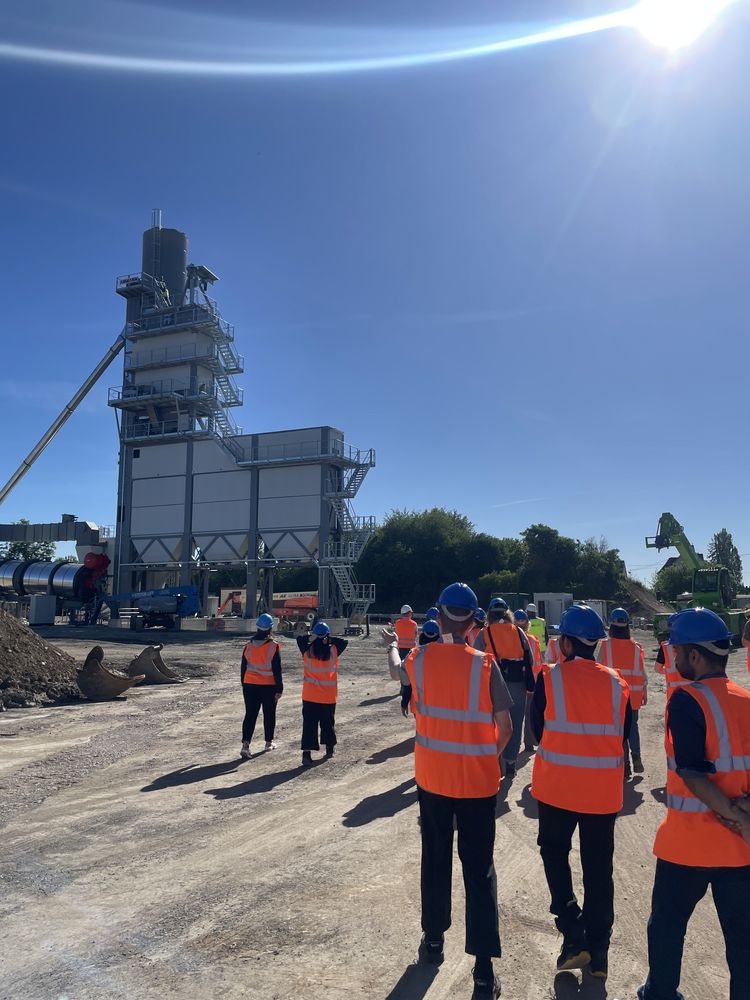
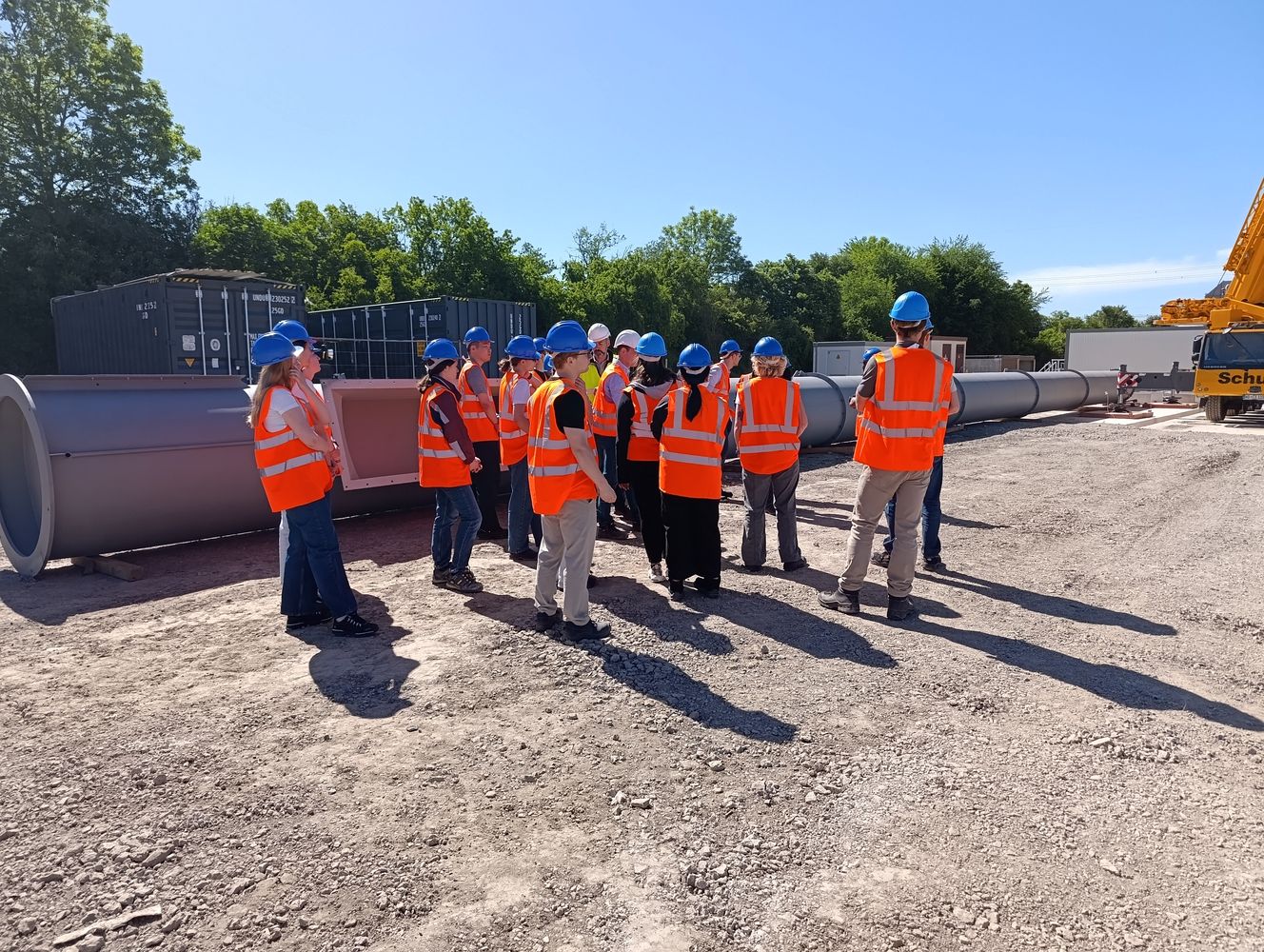
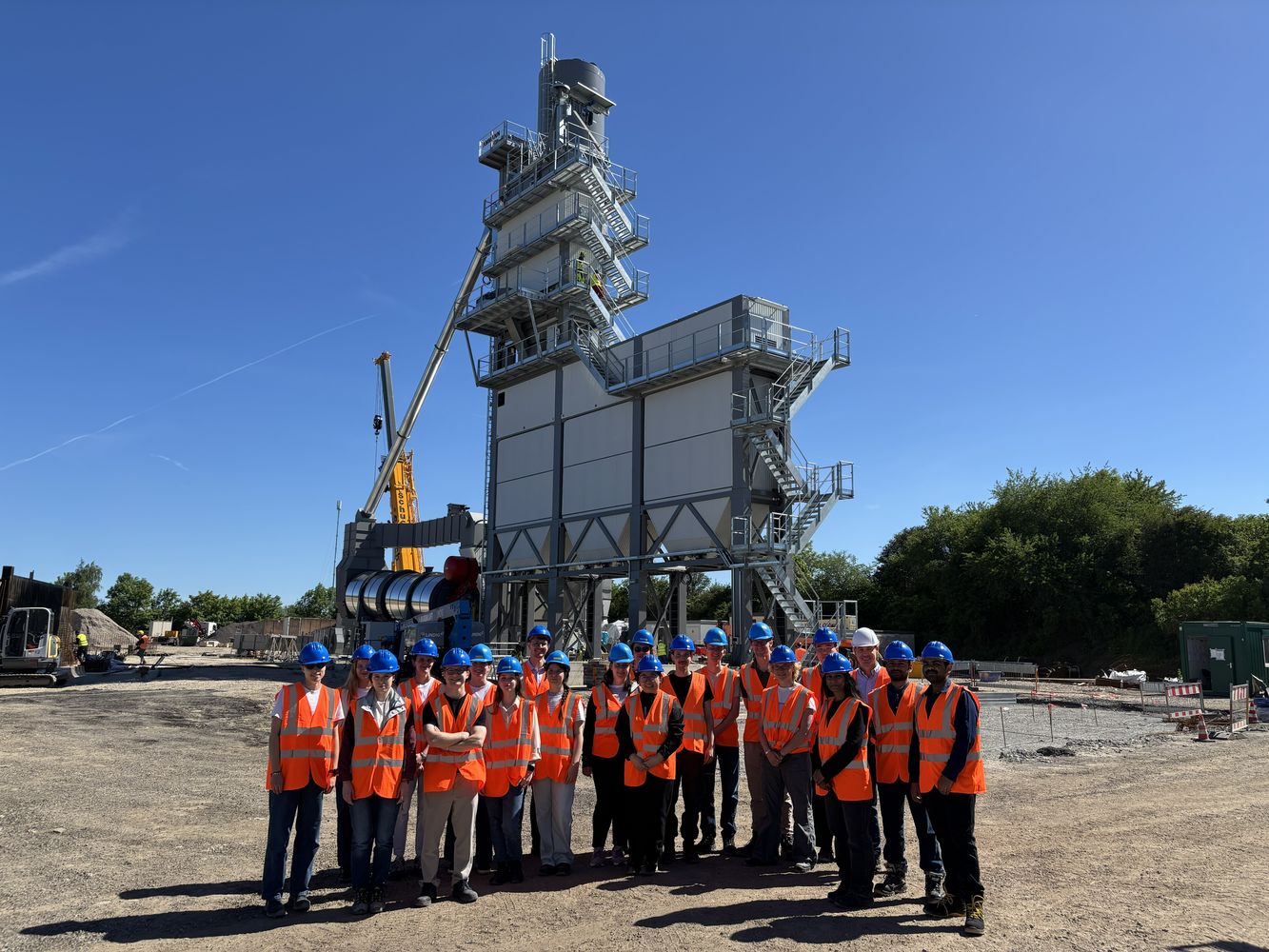
For their second stop, the group visited RSB Rudolstädter Systembau GmbHR in Rudolstadt—a medium-sized, family-run company with over a century of tradition in steel and metal construction. The company has evolved into a sophisticated systems integrator and offers the entire service chain, ranging from engineering services, steel construction, metal fabrication, and facade construction to assembly, project management, and technical building planning.
The students had the opportunity to gain insight into all areas of the company’s production: A wide variety of steel profiles—including various beam profiles and sheet metal of different thicknesses—are stocked in the warehouses. The proper storage, labeling, and sorting of the material highlighted the logistical requirements of modern steel construction companies. In the production halls, the students were able to follow the entire manufacturing process: from cutting the blanks using saws and flame-cutting systems, to drilling and milling connection points, to welding the components. Finally, the surface treatment—in particular corrosion protection through blasting and coating—was explained.


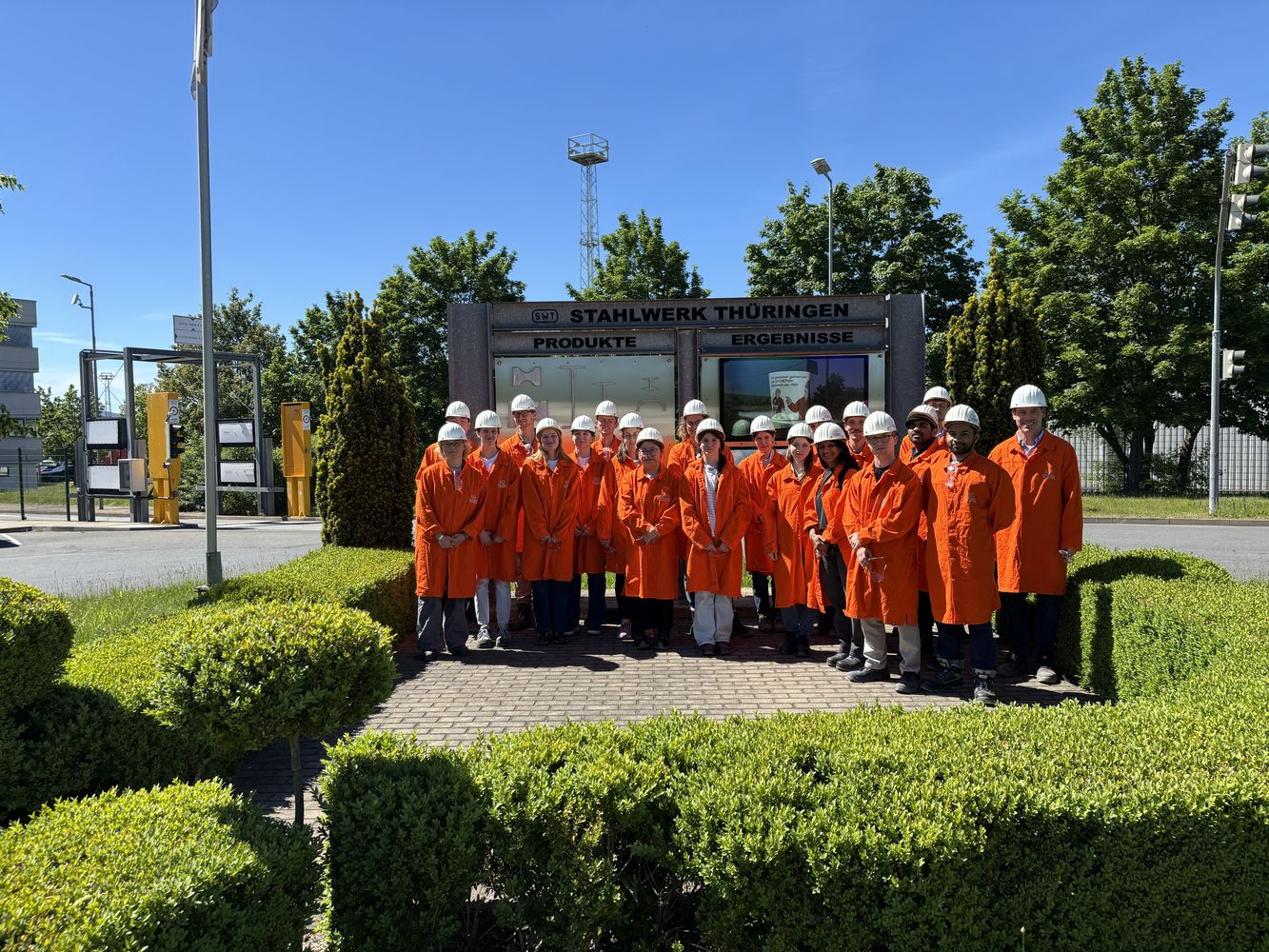
The excursion concluded—and reached its climax—with a visit to the Thüringen Steelworks in Unterwellenborn—the only steelworks in Thuringia. The site’s history dates back to 1872, when the Maximilianshütte Ironworks Company from Sulzbach-Rosenberg, Bavaria, received approval to build a steelmaking facility. Steel has been produced at the site continuously since 1878. Stahlwerk Thüringen is an electric steel mill specializing in structural steel. Its raw material consists entirely of recycled steel scrap, which is melted in an electric arc furnace and processed into liquid steel. After being cast in the continuous casting line, the material is rolled into finished structural sections in the modern section rolling mill and then cut to manageable lengths. The product range includes more than 250 different profiles.
Two dedicated employees from the steel mill accompanied the students on a detailed tour of the entire production line. Starting at the scrap yard, where delivered scrap metal is sorted and prepared for the melting process, through the impressive electric arc furnace, and on to the continuous casting and rolling mills, the students were able to experience every step of production up close. The accompanying experts not only explained the technical processes but also discussed quality assurance, energy management, and the plant’s sustainability strategy.