

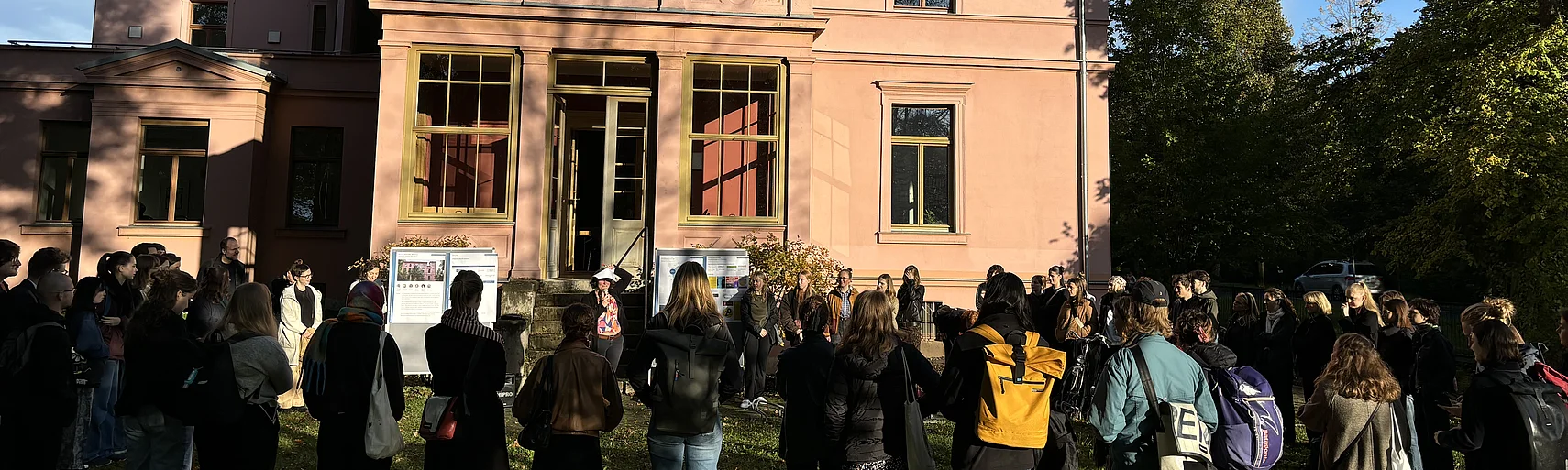
Our Identity
The Institute for European Urban Studies was founded in 2004 within the Faculty of Architecture and Urbanism at the Bauhaus-Universität Weimar as a centre for research and coursework. Issues relating to urban and rural spaces and their interrelationships are addressed here within an international and interdisciplinary framework.
The Institute’s strength lies in its integration of research- and design-oriented approaches: Taking material, social and discursive spaces as their starting point, the nine professorships affiliated here – Urban Planning, Spatial Planning and Research, Urban Studies and Social Research, Landscape Architecture and Planning, Urban Architecture, Urban Design I, Urban and Regional Design, Conservation and History of Architecture, and European Cities and Urban Heritage – contribute to the development of interdisciplinary spatial expertise in coursework and to the shaping of fields of research, drawing on diverse academic perspectives and employing a variety of methodological approaches.
IfEU Film (2019)
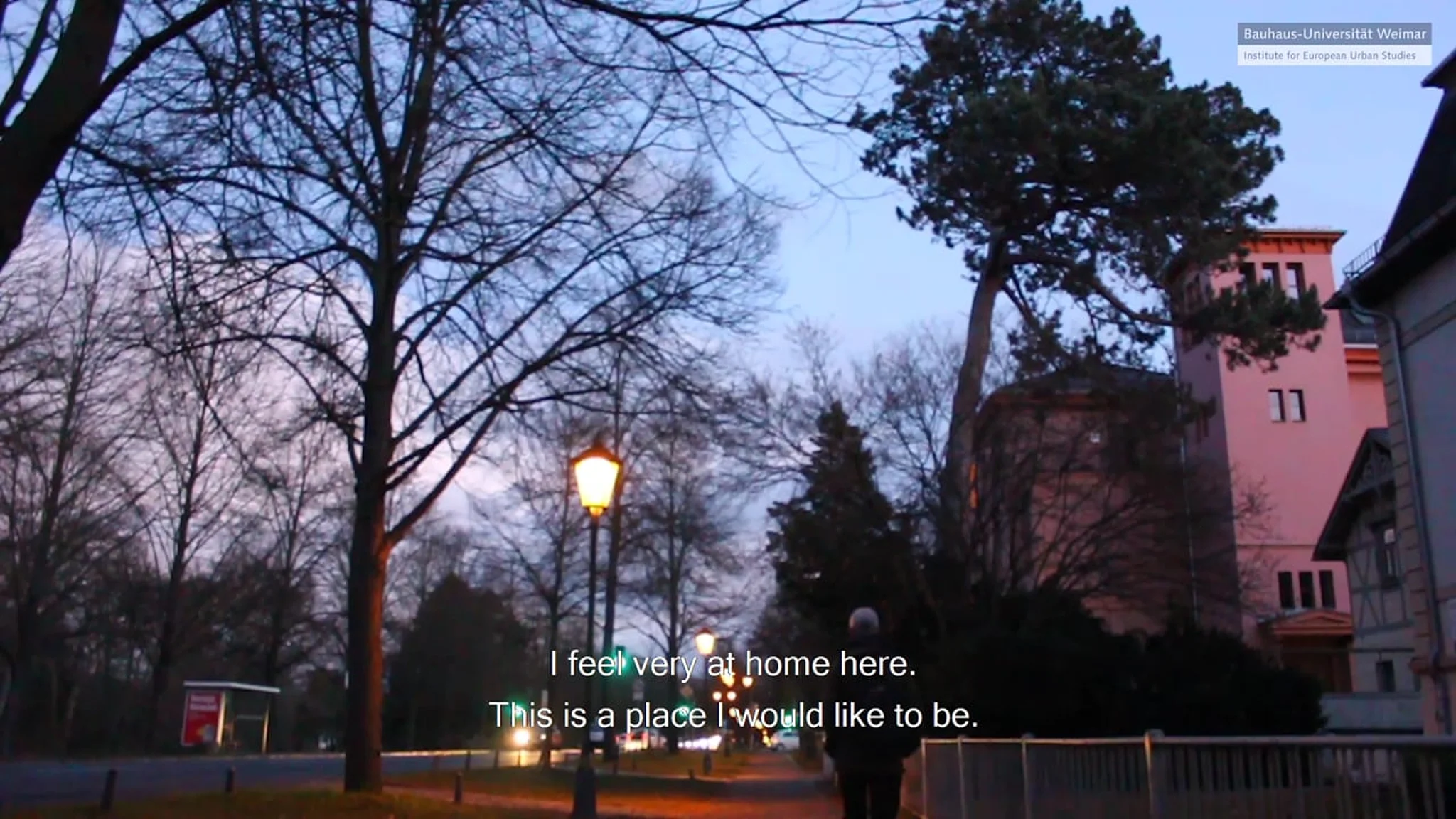
This film is a collection of interviews with professors, teaching / research associates and students at the institute, conducted in 2019.
Many thanks to everyone involved, including those who worked behind the scenes on the film:
Film and production: Elodie Vittu, Simona Grüter-Bîrgaoanu
Camera and interviews: Miriam Neßler, Moritz Twente
Editing and colour grading: Jascha Fibich