

Media Ecologies, M.A.
Degree
Faculty
Standard period of study
Language
Admission procedure
Application deadline
How do media shape our understanding of planetary crises? This English-language M.A. unites media studies and environmental humanities to explore media as ecology and ecology in media.

Prof. Dr. Henning Schmidgen presents the Media Ecology master's program online.
Media Ecologies: Understanding Media Networks and Environments
On the one hand, it opens up the possibility of understanding media in the sense of ecologies, i.e. not simply as individual media (radio, television, computers, etc.), but also in terms of media networks and milieus.
On the other hand, it explores the fact that ecological knowledge, ecological awareness and ecological perception are always based on media-related and mediatised matters, i.e. it demonstrates that it is “the” media that make the problem of the environment recognisable as such in the first place – from photographs of the Blue Planet, by way of maps, graphs and curves, to computer models of climate development. The course therefore shows not only media as ecology, but also the important, if not decisive, role that the media play in ecology.
The thematic focus is thus on issues not only of climate change, but also of digitalisation, updating the past and anticipating the future, always within the framework of the interests of students and teachers.
How long does the programme last and how is it structured?
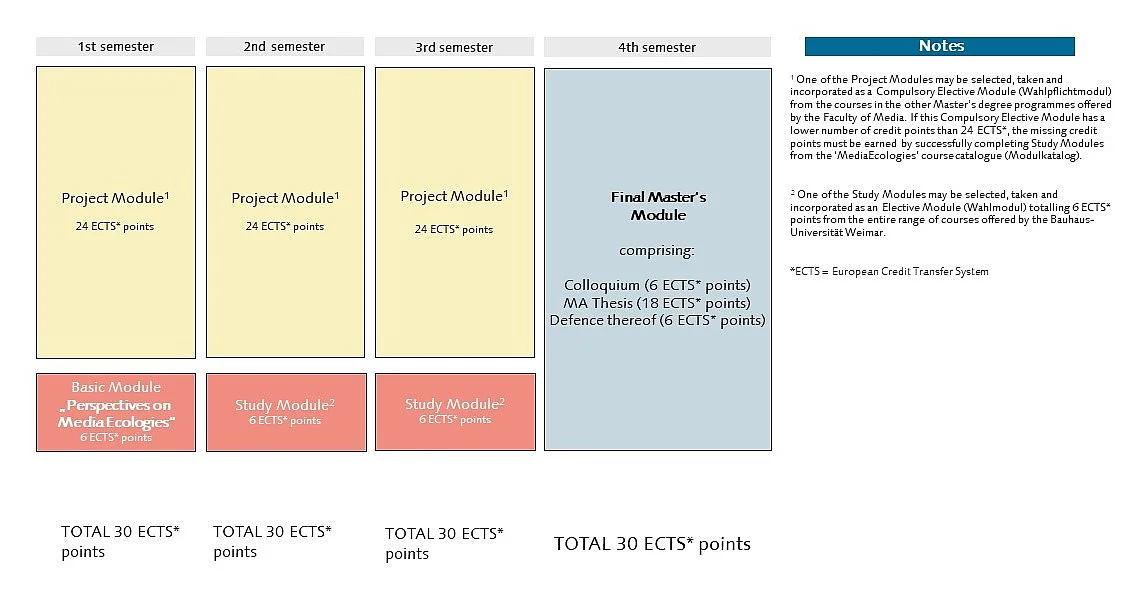
The standard study period of the consecutive English-language Master’s programme in Media Ecologies is four semesters. The programme comprises a total of 120 ECTS (European Credit Transfer System) points.
What are the main thematic focus areas of the degree?
The study and project modules offered cover subjects such as Digital Environments, Planetary Media and Archive Ecologies, supplemented by lectures and courses on the History and Theory of Ecology, the Anthropocene and Natural Philosophy. The programme also includes interdisciplinary compulsory elective and elective modules, which can be chosen from the full range of courses offered by the Faculty of Media, in particular Computer Science, as well as the entire programme of the Bauhaus-Universität Weimar’s Faculties of Civil and Environmental Engineering, Architecture and Urbanism, and Art and Design.
Which core modules are included in the study programme?
- Perspectives on MediaEcologies (basic module): introduction to core questions and methods
- Project modules: students work in interdisciplinary teams on subjects such as Digital Environments, Planetary Media und Archive Ecologies.
- Compulsory elective and elective modules: individual specialisation via modules from other university Faculties and Departments, including Computer Science and Civil and Environmental Engineering
- Master’s module: completion and defence of Master’s thesis in English, comprising a total of 18 ECTS (European Credit Transfer System) points, including accompanying colloquium
Further information on the modules offered can be found in the degree programme’s Module Catalogue or by consulting the relevant course schedule directory in BISON.
Which teaching methods are used throughout the programme?
The teaching of the Master’s degree programme in Media Ecologies is dominated by a culture of open-minded thinking and characterised by original and unconventional approaches and methods in which group work, film essays, excursions, e-learning and a lively, international culture of debate and discussion all play a vital part.
What skills and competencies will students develop?
The aim is to develop in-depth academic knowledge and skills in dealing with media ecologies, as well as with social and cultural problems and issues. These skills may be analytical-critical, historical, theoretical, organisational or practical in nature and are essential for the development and acquisition of academic knowledge.

Prof. Dr. Lorenz Engell
Professorship of Media Philosophy
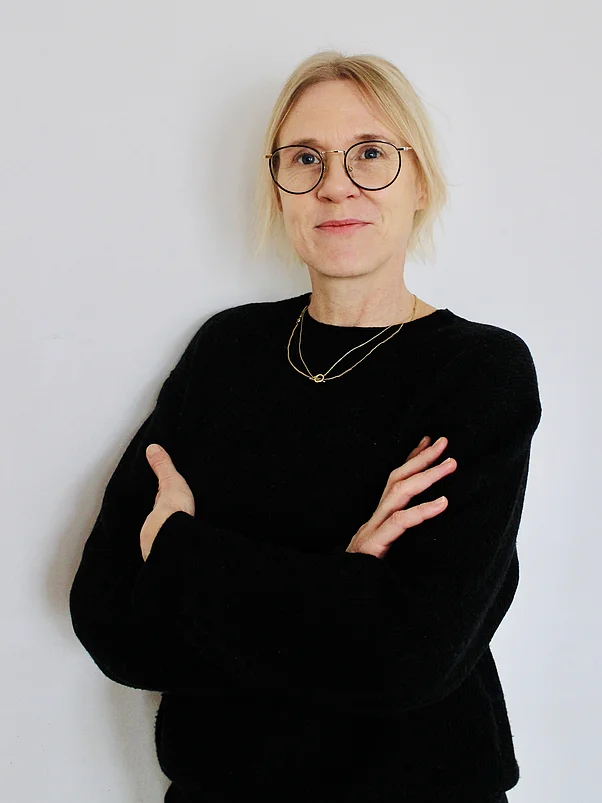
Prof. Dr. Rebekka Ladewig
Professorship of History and Theory of Cultural Techniques
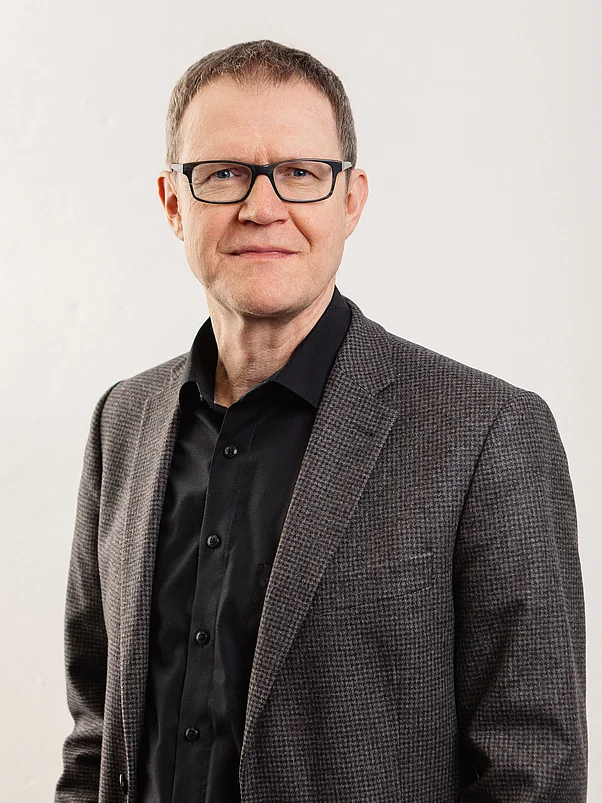
Prof. Dr. Jörg Paulus
Professorship of Archival and Literary Studies
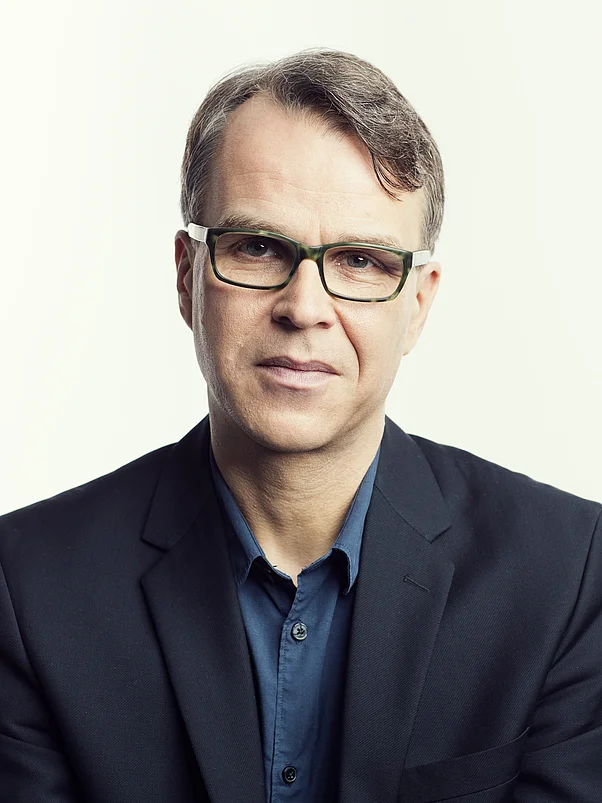
Prof. Dr. Henning Schmidgen
Professorship of Media Theory and History of Science
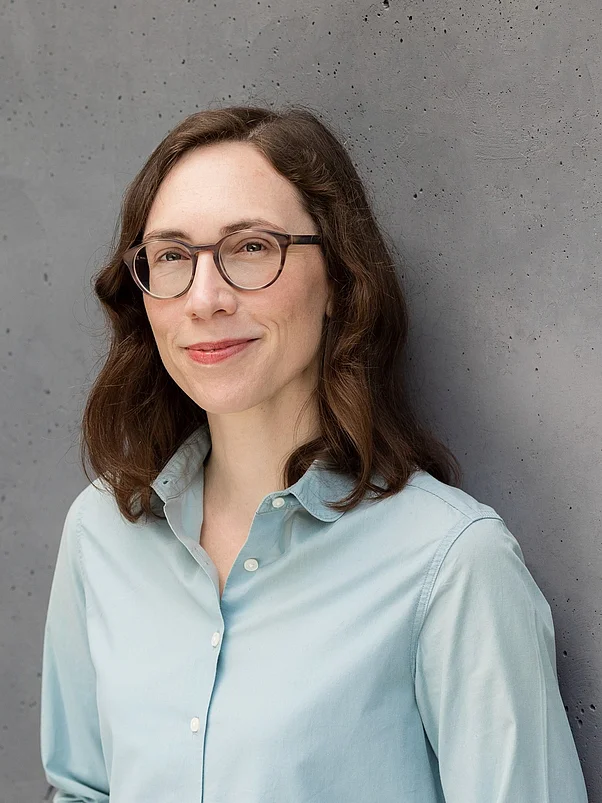
Jun.-Prof. Dr. Sabine Wirth
Professorship of Digital Cultures

Dr. Irina Kaldrack
Society and Digialization (Lecturer)
Who is the Media Ecologies Master’s programme designed for?
The programme is aimed at graduates of relevant Media Culture and Media Studies degree programmes who can be assumed already to have acquired a broad theoretical and methodological knowledge of the subject. This will provide a sound basis for them to be able to develop specialised consideration, investigation and practical application of media as ecology and the media in ecology, especially within the framework of Media Studies.
What are the admission requirements for the Media Ecologies M.A.?
- Bachelor of Arts degree in Media Culture or Media Studies, or an officially recognised first university degree qualifying for entry to a profession in a relevant subject, with a final grade of at least 2.3
- Letter of motivation (in English) of approximately 1-2 pages. This should include an overview of the applicant’s previous academic education and relevant professional/practical training, as well as a summary of their future (research) goals with reference to the focal points of the programme.
- Proof of English-language proficiency of at least B2 level as set out by the Common European Framework of Reference for Languages (CEFR), for example IELTS or TOEFL
- a) Proof of native language skills (acquisition of a higher education entrance qualification or a first professional qualification in an English-speaking country) or
- b) Proof based on one of the following certificates
– IELTS band 6.5 or better,
– TOEFL Internet-based Score 85 or better,
– Cambridge Certificate (B2 First (FCE)) or an equivalent certificate. - c) German Abitur with English B2
What are the application deadlines for EU and international applicants? Where can I submit my online application?
Application deadline: Students may only commence their studies in the Winter Semester (application deadline: 30.09.; enrollment deadline: 30.09.)
» Online Application
Prospective students who have obtained their first university degree outside the European Union (EU), must apply via: www.uni-assist.de. (application deadline: 15 July; enrollment deadline: 30 September)
What career opportunities are available for graduates of the Media Ecologies Master’s programme?
Graduates of the Master’s degree programme in Media Ecologies are outstandingly well-prepared for careers requiring a high degree of involvement in the academic, cultural and business fields, for example:
- research and tuition in the fields of Media Ecology or Media Studies, for example as part of a doctorate/PhD programme
- curatorial and editorial work in museums, archives, and other cultural institutions
- design of entertainment and academic media programmes in the museum and exhibition sector
- conceptual planning and organisational work in public and private institutions and businesses
Exchange Partners Media Ecologies
Austria
City: Vienna
University: University of Applied Arts Vienna
Faculty: Institute of Studies in Art and Art Education/Transcultural Studies
Places: 1
Language: German
Support: Dr. Irina Kaldrack
Canada
City: Montreal
University: Concordia University
Faculty: Faculty of Fine Arts
Places: 2
Language of instruction: English
Support: Prof. Dr Henning Schmidgen
City: Vancouver
University: University of British Columbia
Faculty: Department of Central, Eastern and Northern European Studies
Places: 2
Language of instruction: English
Support: Prof. Dr Jörg Paulus
France
City: Paris
University: Université Paris Cité
Faculty: UFR Lettres, Arts et Cinéma
Places: 2
Language of instruction: French
Support: Dr. Katja Hettich
Poland
City: Wroclaw
University: University of Wroclaw
Faculty: Faculty of Letters
Support: 2
Language of instruction: Polish/English
Support: Prof. Dr. Jörg Paulus
Slovenia
City: Ljubljana
University: Univerza v. Ljubljani
Faculty: Faculty of Social Sciences
Places: 1
Language of instruction: Slovenian/English
Support: Prof. Dr. Andreas Ziemann

Annette Reese
Koordinatorin für Studium & Lehre, International Counsellor
Downloads
Frequently Asked Questions (FAQs)
What makes Media Ecologies unique?
Media Ecologies is the world's first MA programme combining media studies and environmental humanities. Unlike journalism or communication management programmes, we focus on critical theory and research.
Is this a journalism programme?
No. Media Ecologies is a research-oriented programme for students interested in critical media theory, not professional journalism training.
What are the admission requirements?
BA degree (180 ECTS), English B2, no tuition fees, no prior work experience required. Application deadline: 15 July or 30 September.
Can I pursue a PhD after this programme?
Yes. As a university programme (not Fachhochschule), Media Ecologies provides direct access to doctoral studies.
How much does it cost?
No tuition fees for any student, regardless of nationality. Only Semester Contribution
Do I need German language skills?
No. The programme is taught entirely in English. But we recommend learning a bit of German for everyday life in Weimar.

Prof. Dr. Henning Schmidgen
Academic Advisor and Head of Degree Programme