
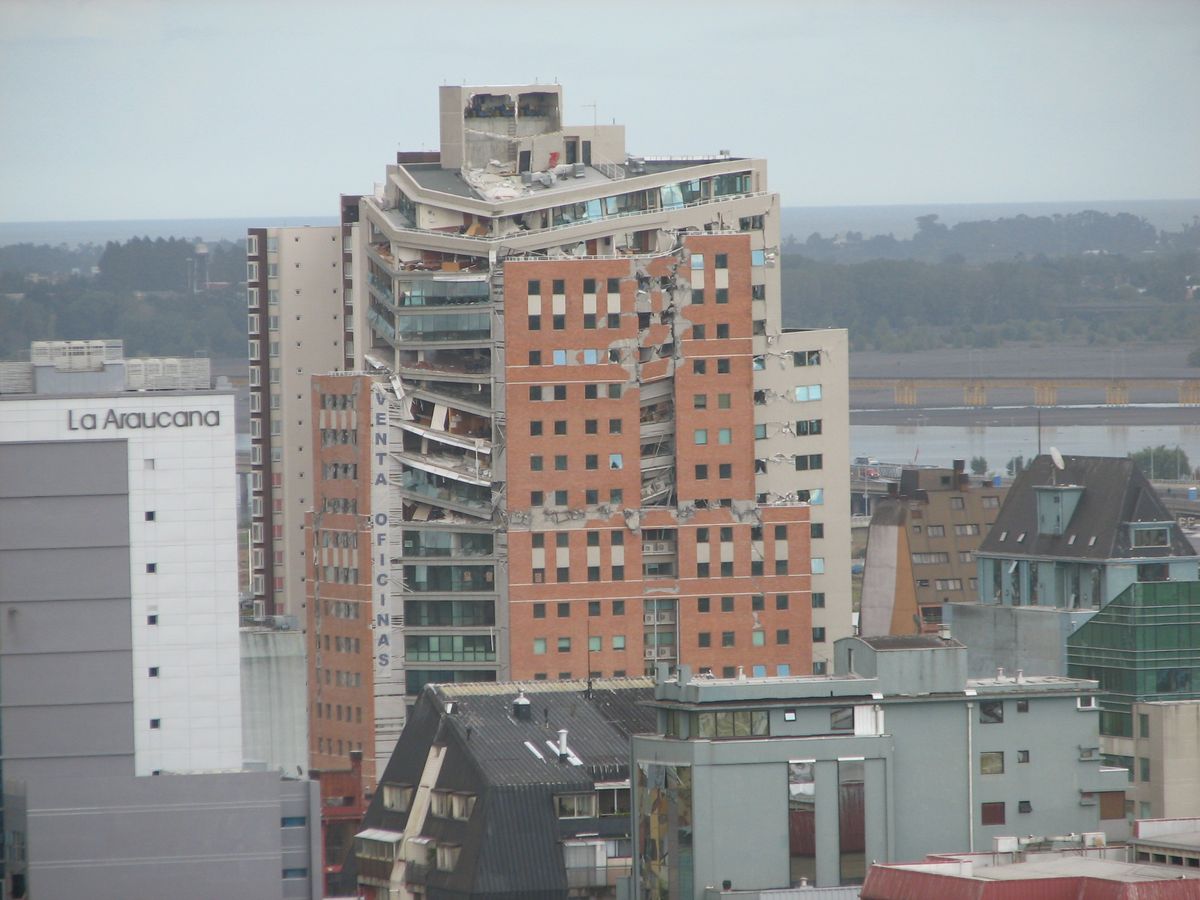
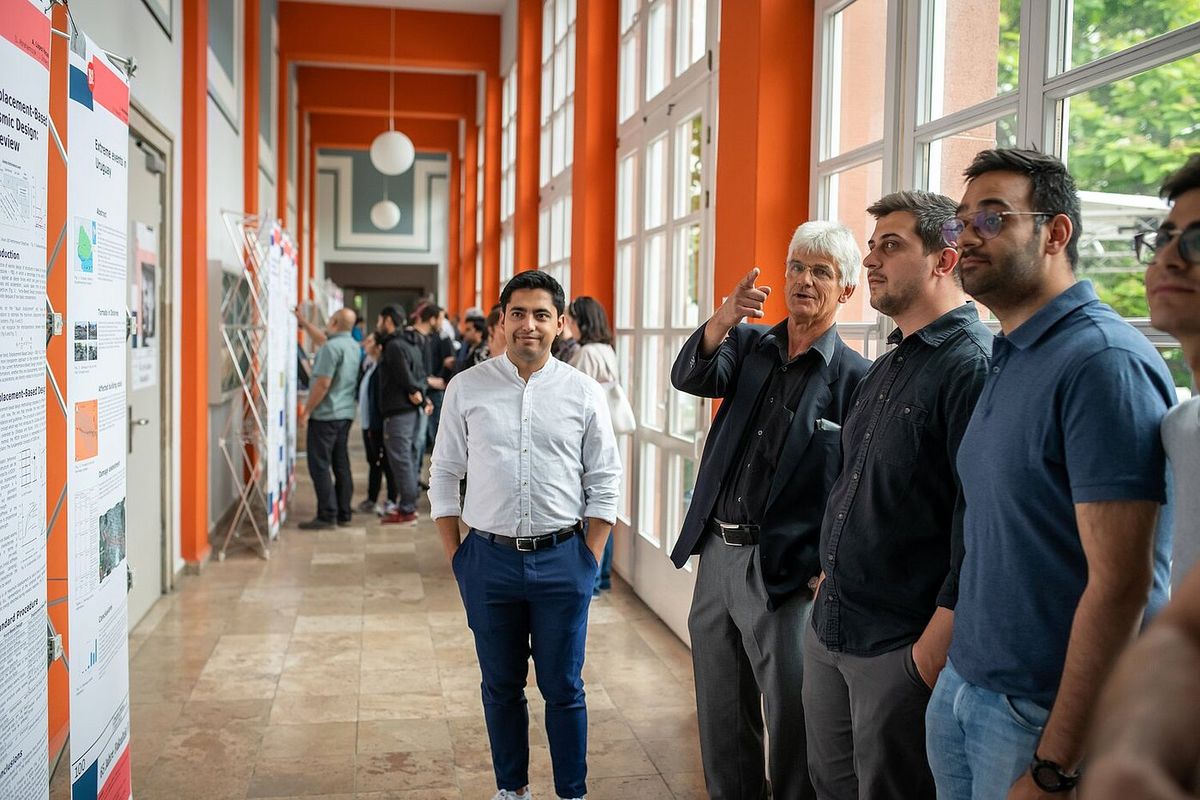

30 Years of Earthquake Damage Analysis Centre (EDAC): Workshop on Analysing Damage Caused by Extreme Natural Hazards
The Bauhaus-Universität Weimar’s Earthquake Damage Analysis Centre (EDAC) is celebrating its 30th anniversary. To mark this occasion, they are hosting a workshop on damage analysis of extreme natural hazards in Weimar on 26 March 2026. The workshop will focus on current developments, interdisciplinary perspectives, and future challenges in research, teaching, and practice.
Natural Hazards as an Interdisciplinary Challenge
Natural hazards are real; they require decisive action when they have the potential to cause significant damage. Analysing the damage caused by extreme events is only one aspect of this, but it is an essential foundation for better understanding risks, making buildings more resilient, and making sure communities are properly prepared.
Addressing natural hazards can only be successful within the currently existing fields if interdisciplinary cooperation is taken into account.
Taking Stock – Shaping the Future
Although the workshop will also look back on the 30-year history of EDAC, the main purpose of the event is to provide a forum for discussing current issues, exploring new topics and potential partnerships, and honouring the more than four decades of close cooperation with the GFZ Helmholtz Centre for Geosciences in Potsdam. From designing safety-relevant facilities and developing seismic building codes to establishing the »Deutschen Task Force Erdbeben« and joint earthquake missions, the Bauhaus-Universität Weimar and the GFZ Helmholtz Centre for Geosciences in Potsdam have maintained a close partnership. This collaboration has consistently been realised through concrete research projects and, thanks to its interdisciplinary approach, has delivered nationally and internationally recognised contributions to natural hazard and risk research.
One key objective of the anniversary workshop is to generate research-focussed and project-specific support for the »Natural Hazards and Risks in Structural Engineering« international Master's degree programme. In this regard, plans have been made to establish an advisory board that will assist with the future development of the programme.
Programme Highlights
The workshop is divided into three themes sessions:
Session 1 (11:00 - 12:30): Natural Hazards – Needs and Benefits of Cooperation
Contributions on current developments at the Bauhaus-Universität Weimar, research approaches and areas of collaboration, and a review of milestones, contributions, and influence of the EDAC on natural hazards research.
Session 2 (1:30 - 3:00): Natural Hazards and Code Development
Presentations on resilience and risk concepts in earthquake design, on the development of seismic standards in Germany, and on experiences from field work and seismic monitoring.
Session 3 (3:30 - 5:30): Challenges and Requirements in Research and Education
Discussion on current successes and future tasks in hazard, vulnerability, and risk analyses, on the handling of existing buildings in teaching and standardisation, and on methods and tools for damage analysis.
Round Table Discussion
During the break between sessions 2 and 3, at around 3:30, the new earthquake terminal in the foyer of the Marienstraße 13 lecture hall building is scheduled to open.
Workshop: Damage Analysis of Extreme Natural Hazards
26 March 2026, 11 am to 5:30 pm
Marienstraße 13, Lecture Hall D
The workshop is open to all interested parties. The event can be attended both on-site in Weimar and online via participation link. We ask that those interested register by 16 March 2026 by e-mail to silke.beinersdorf[at]uni-weimar.de.
Phone enquiries: +49 3643 584581 (Dr. Silke Beinersdorf)
Further details can be found on the Earthquake Damage Analysis Centre website: https://edac.biz/edac30