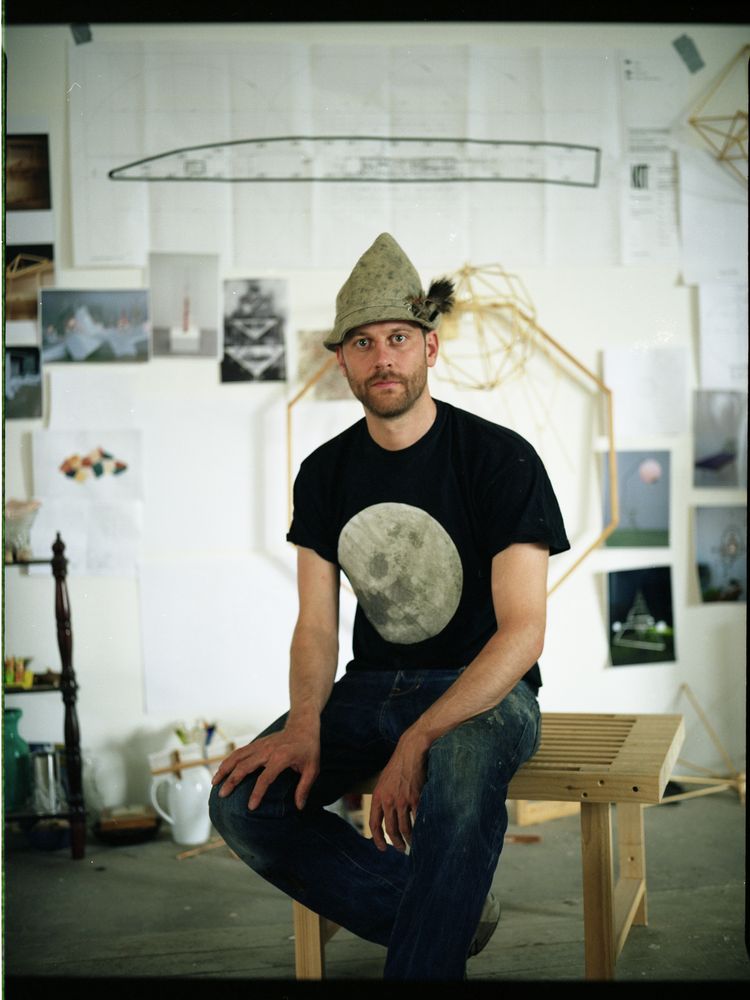
Prof. Björn Dahlem
Superspace
Sculpture, Object, Installation
Geschwister-Scholl-Straße 7, Room 003
99423 Weimar
Phone: +49(0)3643 / 58 32 05
E-Mail: bjoern.dahlem[at]uni-weimar.de
Björn Dahlem is an internationally renowned artist. Since 2017, he has taught as Professor of »Freie Kunst« with a focus on installation art. His work translates cosmic phenomena, philosophy, and everyday culture into large-scale installations, sculptures, and objects.
Björn Dahlem’s Superspace is an experimental space for thought and action dedicated to artistic expansion of reality, visions of the future, and speculative world models. Superspace understands art as a space of potential for new forms of thinking and as a system of openness that establishes bonds between art, science, narrative, and everyday reality. Through his teaching, he aims to empower students to develop new perspectives on the world and to understand art as a productive force for expanding reality.
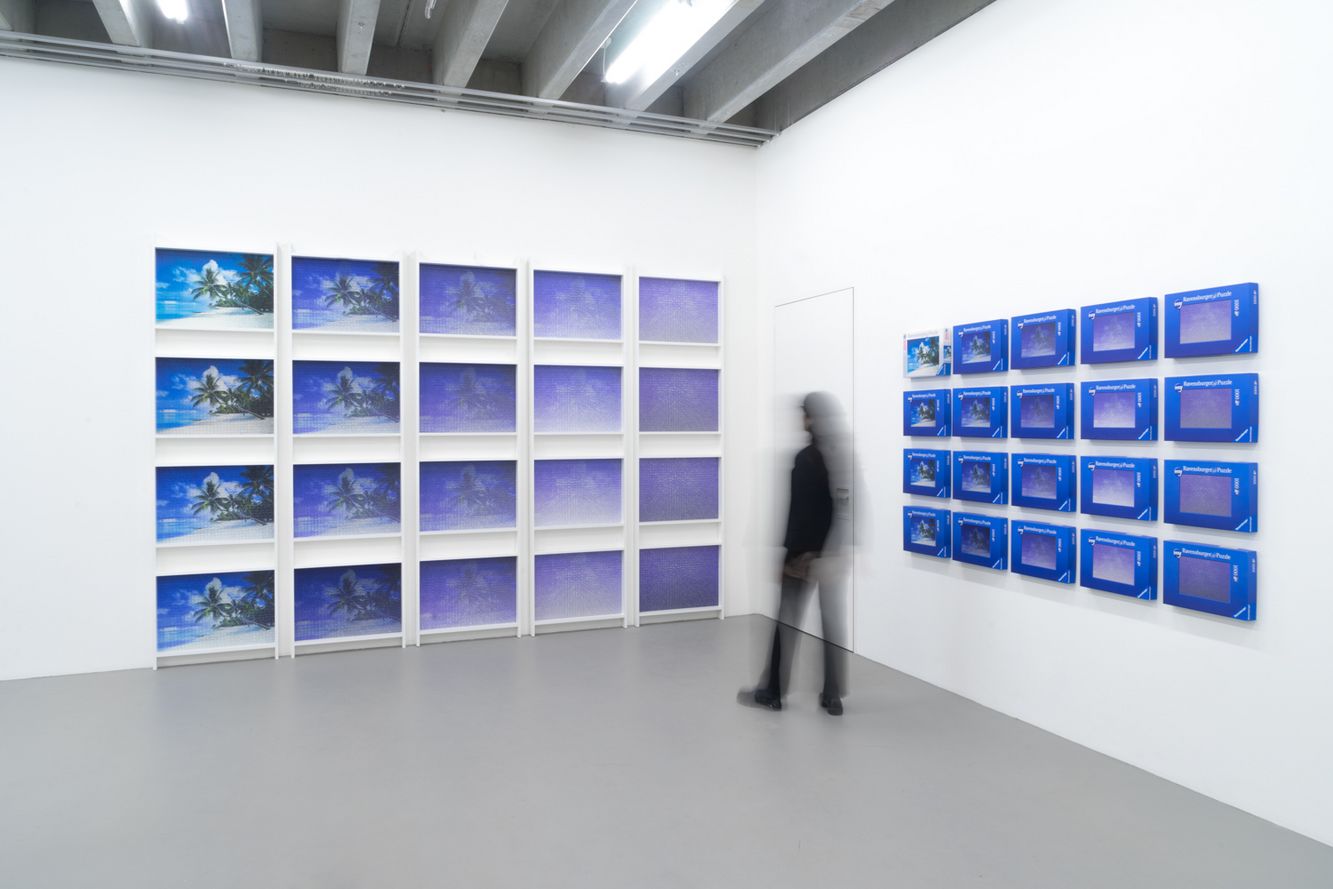
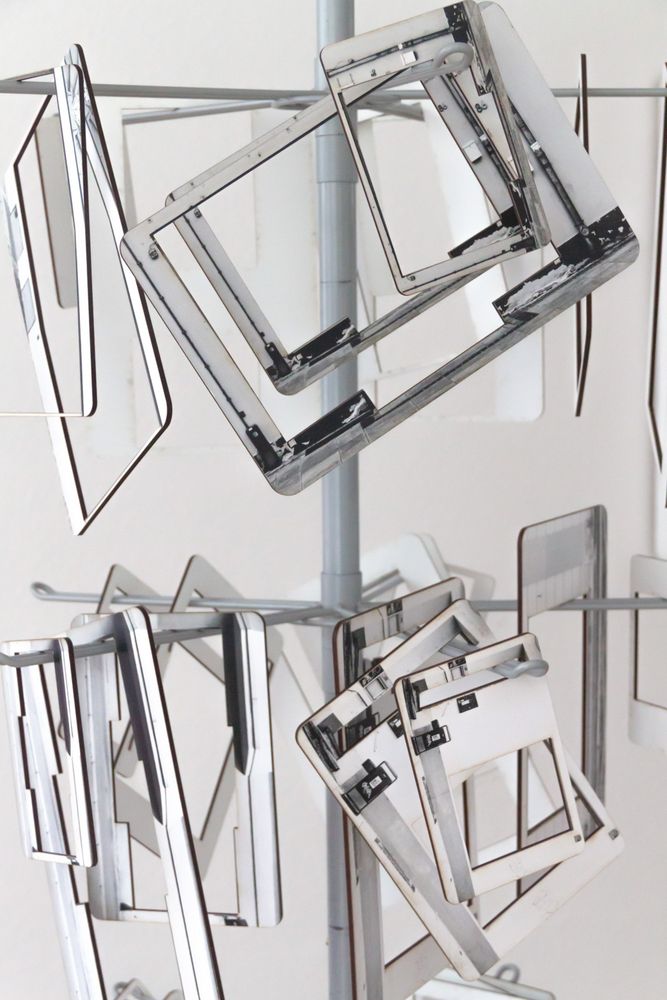
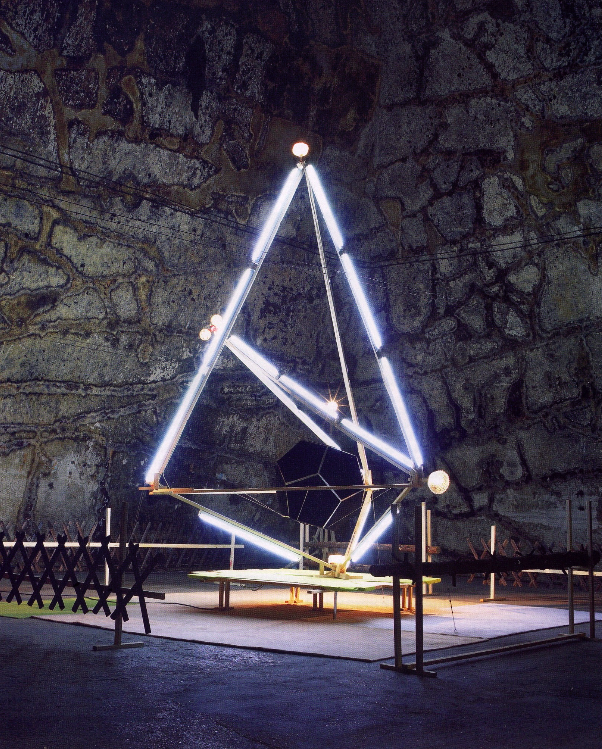
A characteristic feature of Björn Dahlem’s artistic work is his use of basic materials and techniques. Using building materials, light sources, technical objects, and found objects from everyday life and pop culture, he he creates complex spatial systems that combine scientific concepts, cosmological models, and individual narratives.
His artistic practice centres around the concept of art as an extension of reality. Art in this context is not understood as an illustration of established discourses, but rather as an independent social force for developing of new realities and as a personal, individual way to create worldviews. His teaching emphasises developing independent artistic production that is as focussed on the unknown, the speculative, and the imaginary as it is to the concrete, material world.
His work has been exhibited at venues that include the Hirshhorn Museum and Sculpture Garden in Washington D.C., the Mori Art Museum in Tokyo, the Hammer Museum in Los Angeles, the ArtScience Museum Singapore, the Museum of Contemporary Art Taipei, at the Milano Triennale in Milan, the Yokohama Biennale in Yokohama, the Hamburger Bahnhof - Nationalgalerie der Gegenwart in Berlin, and numerous other international exhibitions and museums. His work has been included in major international art collections such as at the Saatchi Gallery in London, the Falckenberg Collection in Hamburg, the Museum of Modern Art in New York, and the Mori Art Museum in Tokyo.
www.guidowbaudach.com
www.sieshoeke.com
www.instagram.com/bjorndahlem
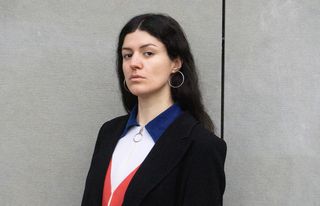
Karla Zipfel
Artistic Associate
Geschwister-Scholl-Straße 7, Room 003
99423 Weimar
E-Mail: karla.zipfel[at]uni-weimar.de
Office hours: by appointment, Mondays, 4–5 pm
Karla Zipfel, born in 1993 in Freiburg im Breisgau, completed her studies at the HFBK Hamburg under Simon Denny. Prior to this, she studied at the Burg Giebichenstein Univresity of Art and Design Halle under Stella Geppert. Her work has been exhibited at venues including the Kunsthalle Basel, the Deichtorhallen Hamburg, the Kunstverein Freiburg, and the Kunsthalle Recklinghausen.
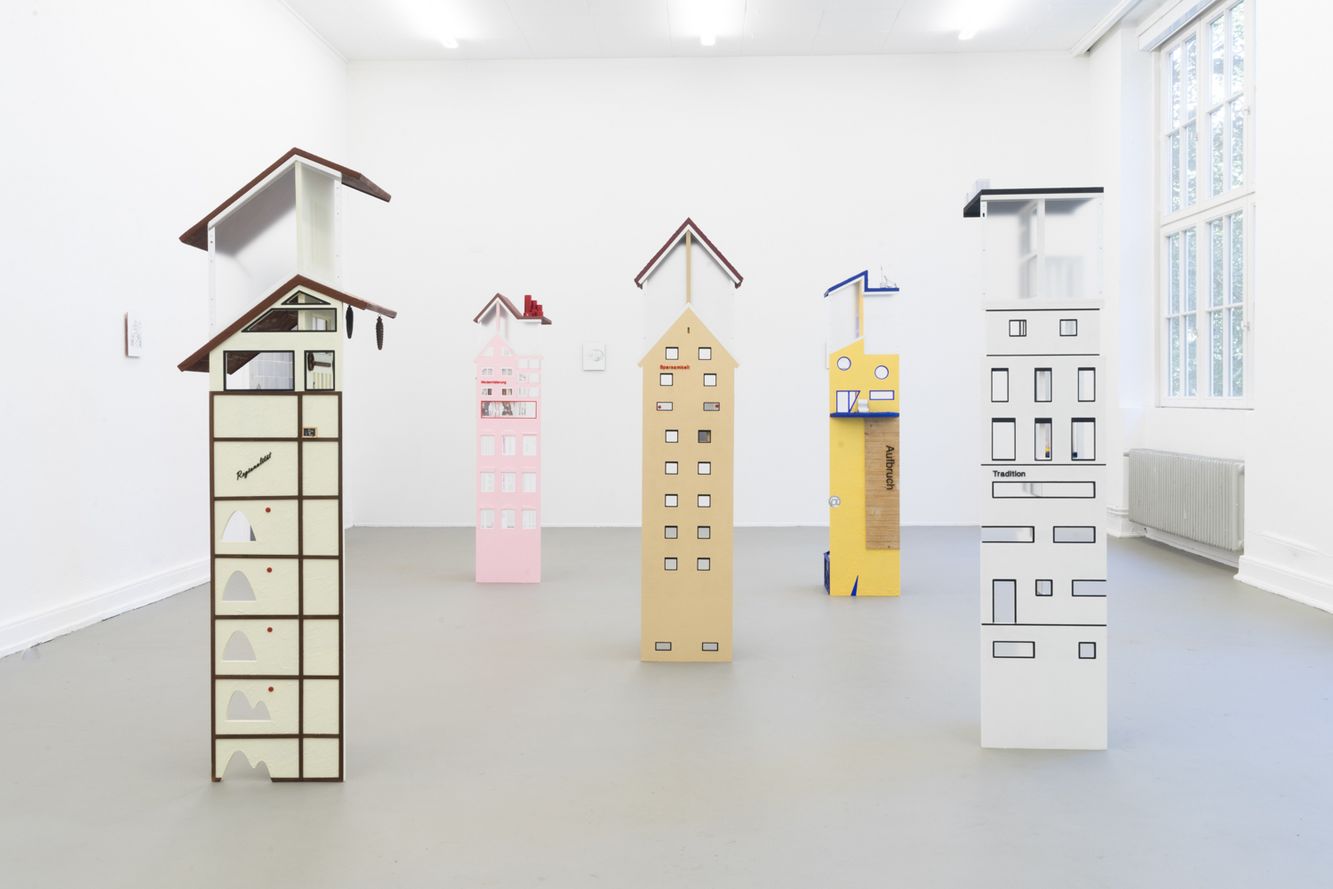
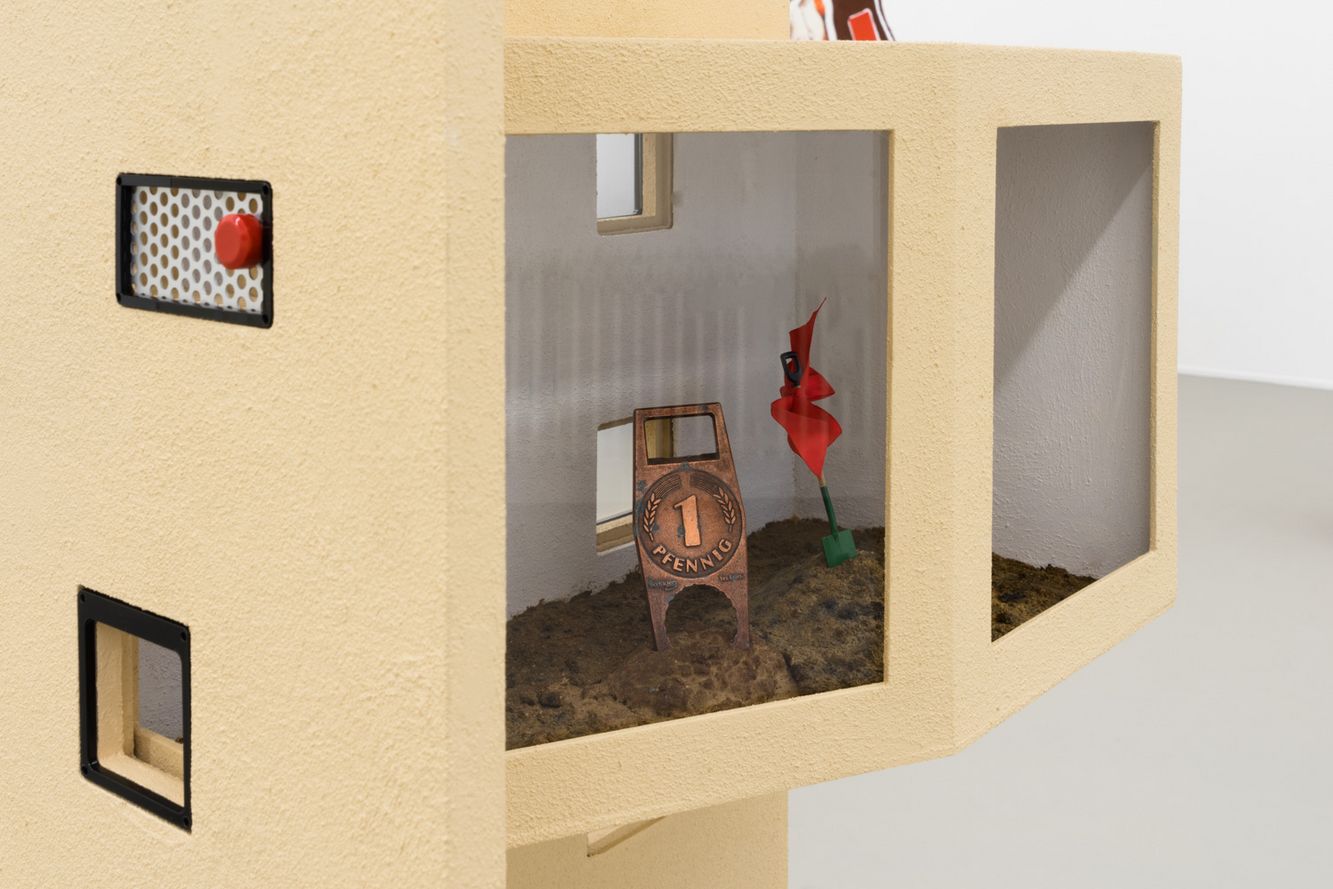
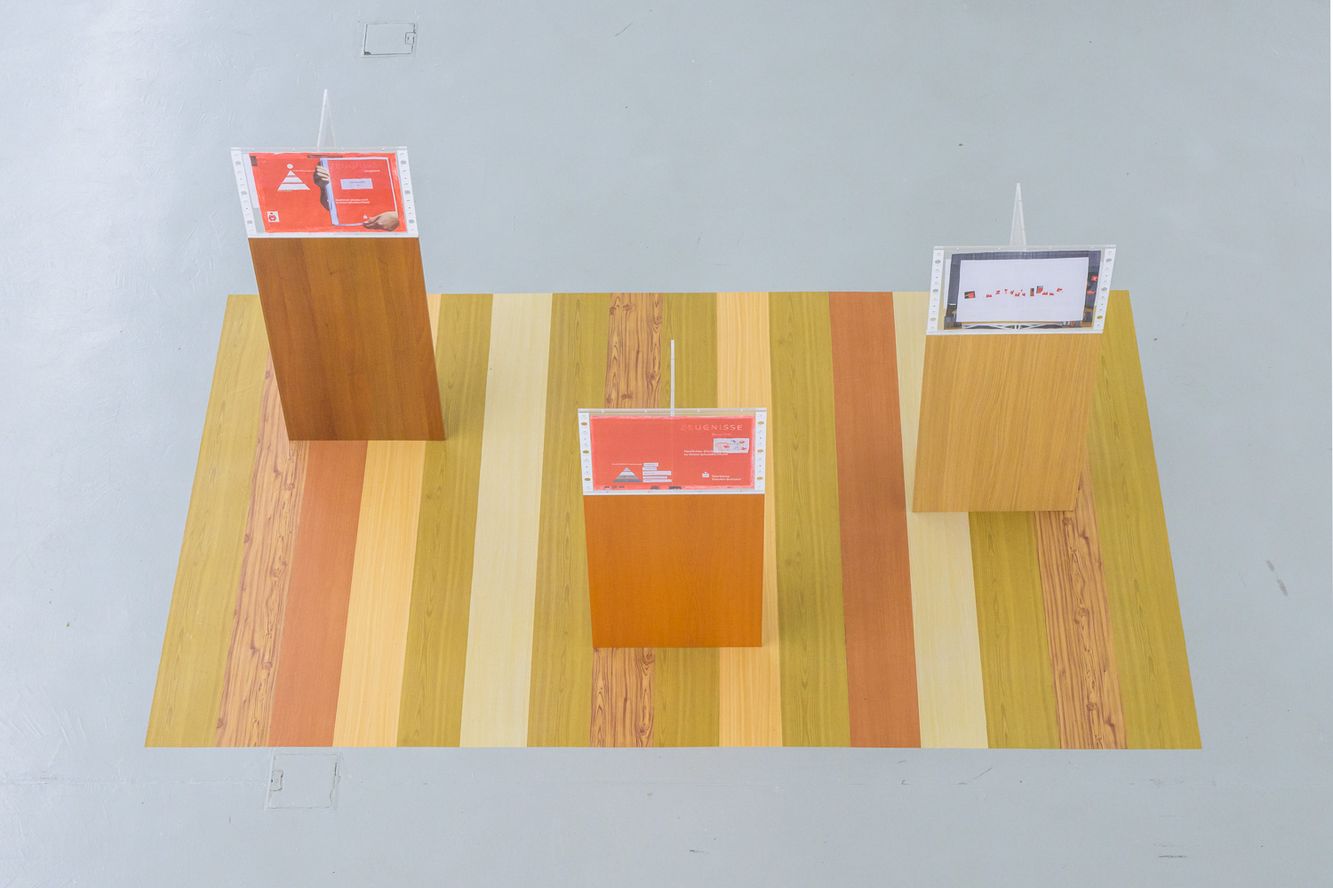
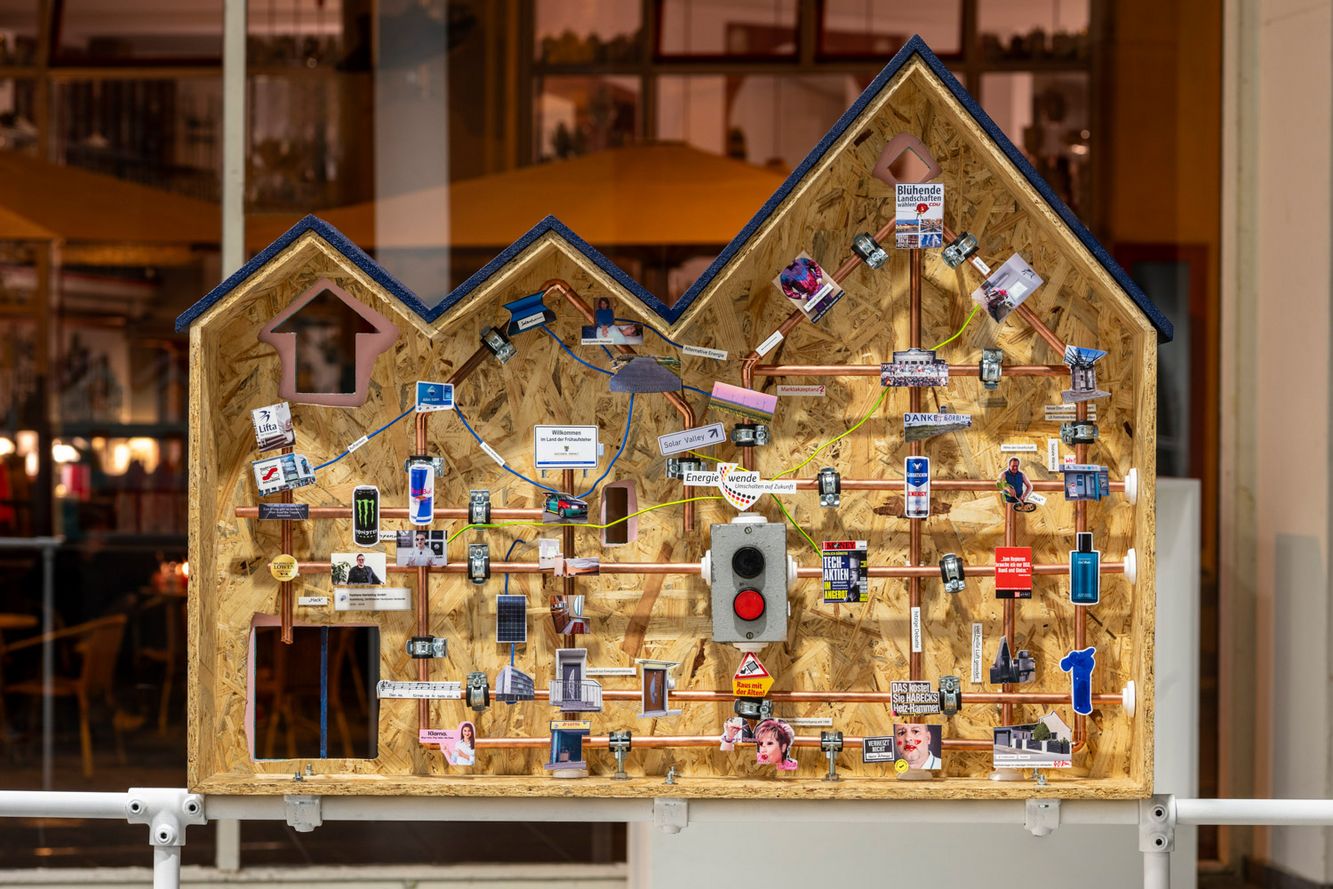
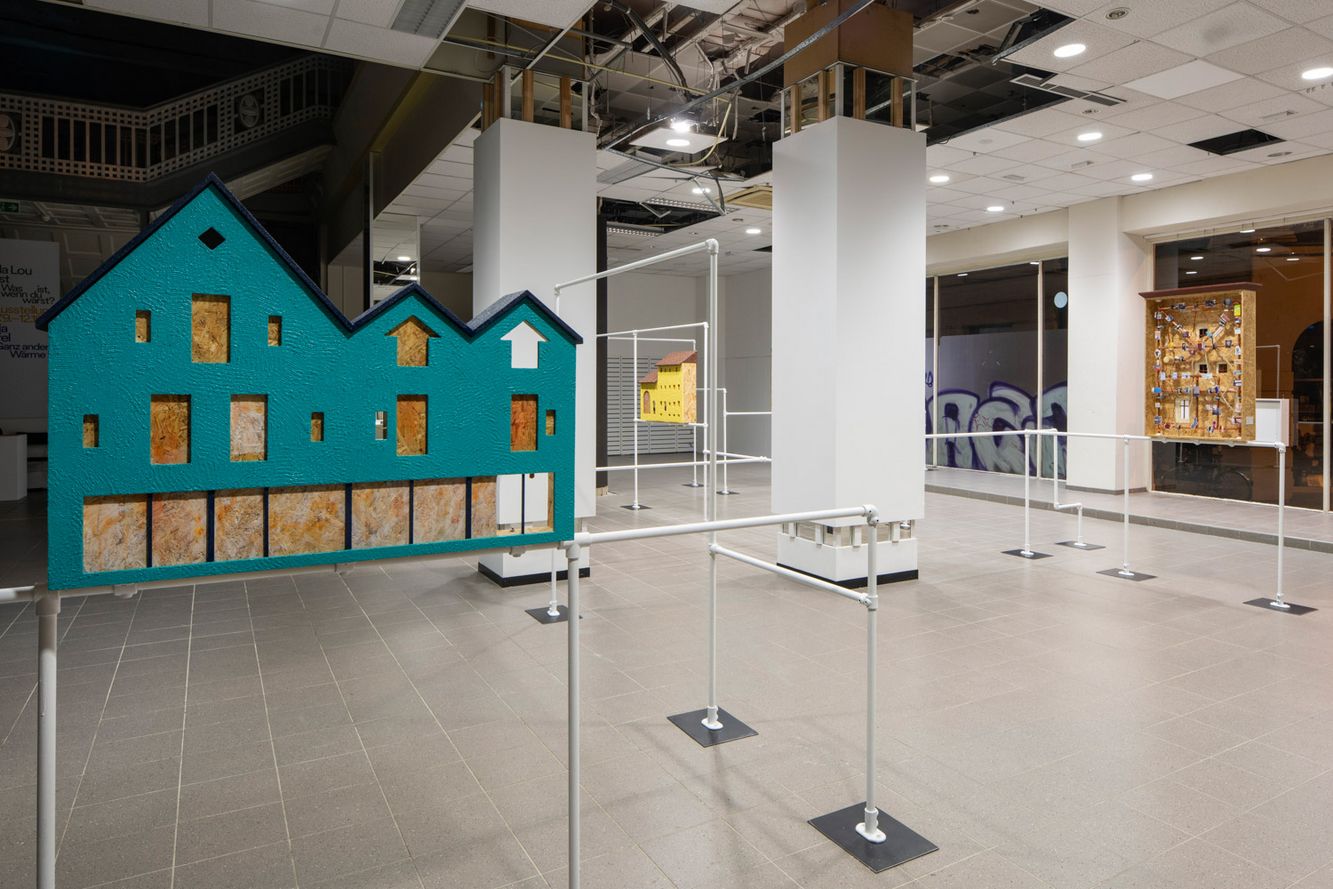
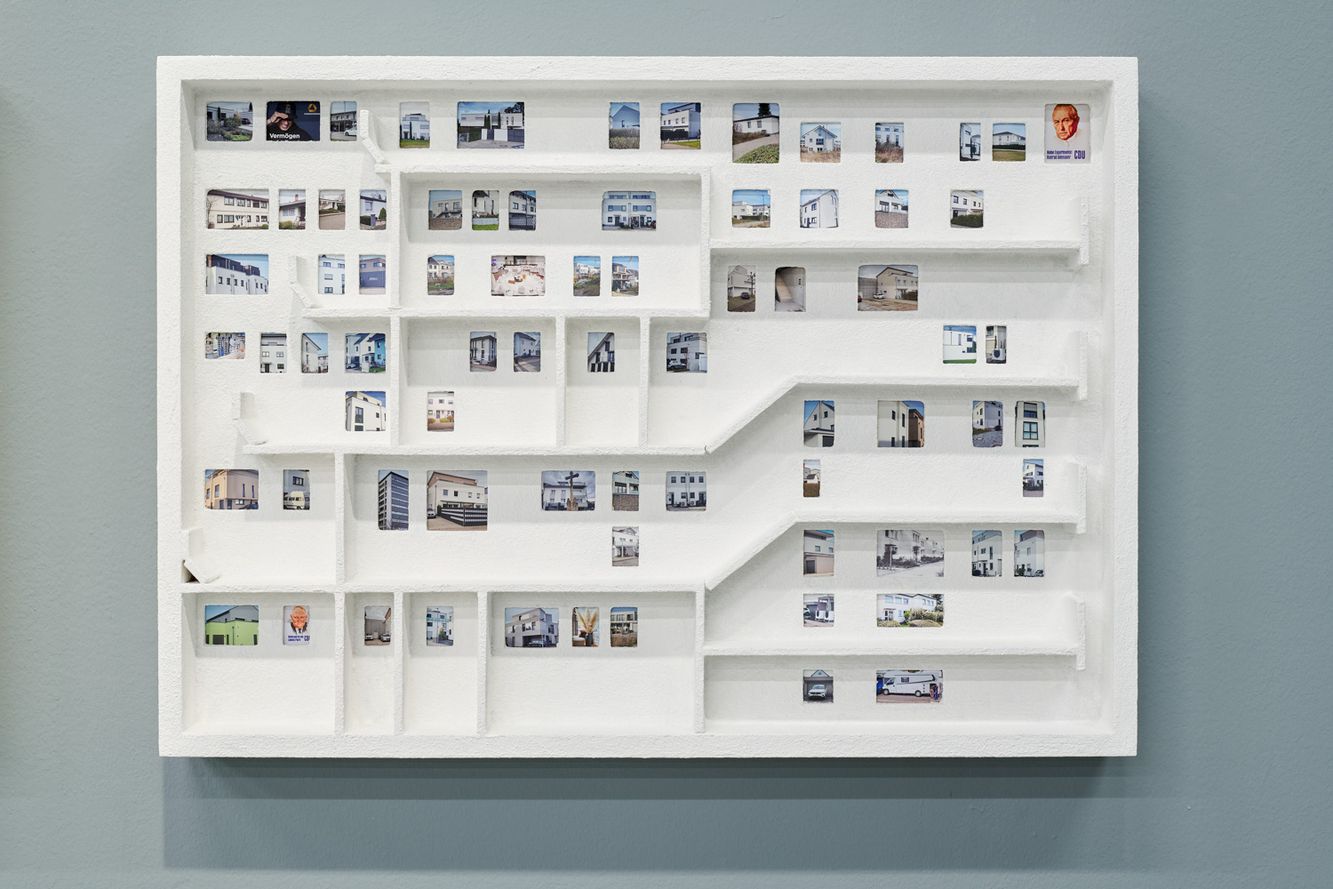
»Karla Zipfel’s work explores the relationship between residential buildings, ideologies, and the social dynamics behind façades. Her installations are inspired by both the prototypical architectural features of German residential buildings and the aesthetics of West German interior design, primarily from the 1990s and 2000s. A recurring theme in her work is the examination of the middle-class ideal of home ownership, which is attainable through diligence and hard work—in short: »Schaffe, schaffe, Häusle baue« (work, work, build a house) Her earlier work explores this West German narrative, while her more recent work addresses the relationship between living spaces, social contexts, and heating technologies in East Germany. [...]
Deconstructing and (re-)fragmenting form the methodological foundation of Zipfel’s practice, through which she exposes the illusion of the promise of prosperity. Her work makes clear that the postwar promise of social mobility no longer holds true for today’s generations thanks to rising property prices and increasing social and financial inequalities.«
Text: Martin Karcher, Katrin Krumm