
Wir beobachten im Kontext Nachhaltigkeit, dass die Verursacher von Umweltschäden als Nutznießer der Erträge ungern für die Umweltkosten aufkommen. Häufig stehen wirtschaftliche Interessen, sog. Gewohnheitsrechte oder Privilegien einer Neugestaltung der gesellschaftlich kulturellen Rahmenbedingungen im Wege. Aber die Welt ist im Wandel und bestehende Ordnungen können geändert werden. Der Weg besteht aus vielen kleinen Schritten und dem Design kann dabei, in Abhängigkeit vom Sujet, eine wichtige Rolle zukommen.
Example 1
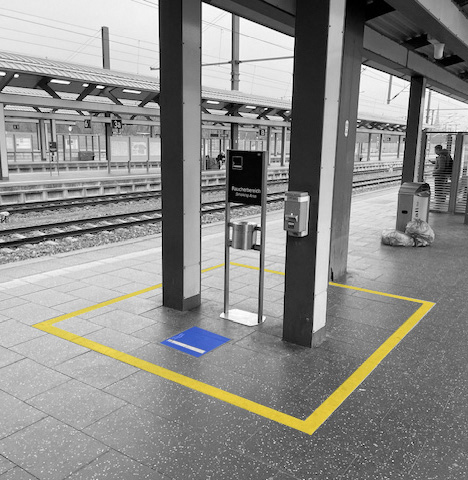
In 1980, it was still customary to protect smokers from non-smokers. On the school bus, at work, in the pub, etc., it was customary for smokers to have every freedom to smoke, and all other people who felt impaired by this had to submit. The idea that smokers had to restrict themselves was considered completely absurd. The priorities were considered irreversible – if only out of consideration for the tobacco industry – and the U-turn took almost 30 years: today, non-smokers are protected from smokers and smoking in public is strictly regulated.
Example 2
After several decades of shoe history, which followed yesterday's credo that shoes must protect and support in order to be useful at all, many shoe manufacturers and buyers are now turning to barefoot shoes, based on the well-known knowledge that walking barefoot is the healthiest way to develop the feet and maintain orthopaedic health. This step from shoes as orthoses to so-called barefoot shoes represents a remarkable paradigm shift. What began rather hesitantly and exotically in terms of product design is now aesthetically sophisticated and designed in a variety of ways; walking barefoot is now taken for granted.