The Bauhaus-Universität Weimar defines itself as an open-minded space for encounters, creation, and reflection; it is a laboratory for the present, dedicated to technological, environmental, and social transformation, new knowledge and its application in close cooperation with businesses, the community, academia and education, culture, and politics.
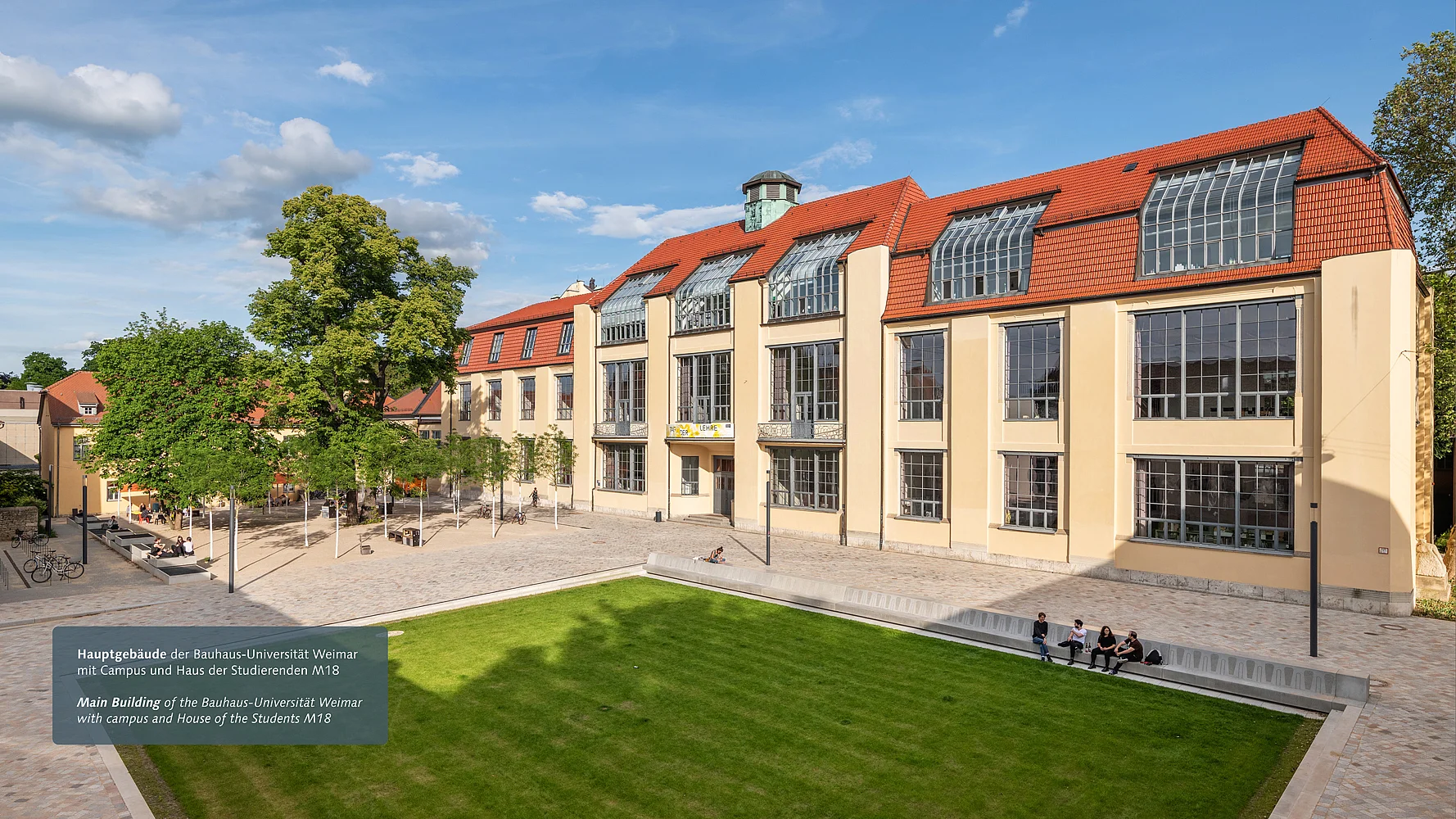
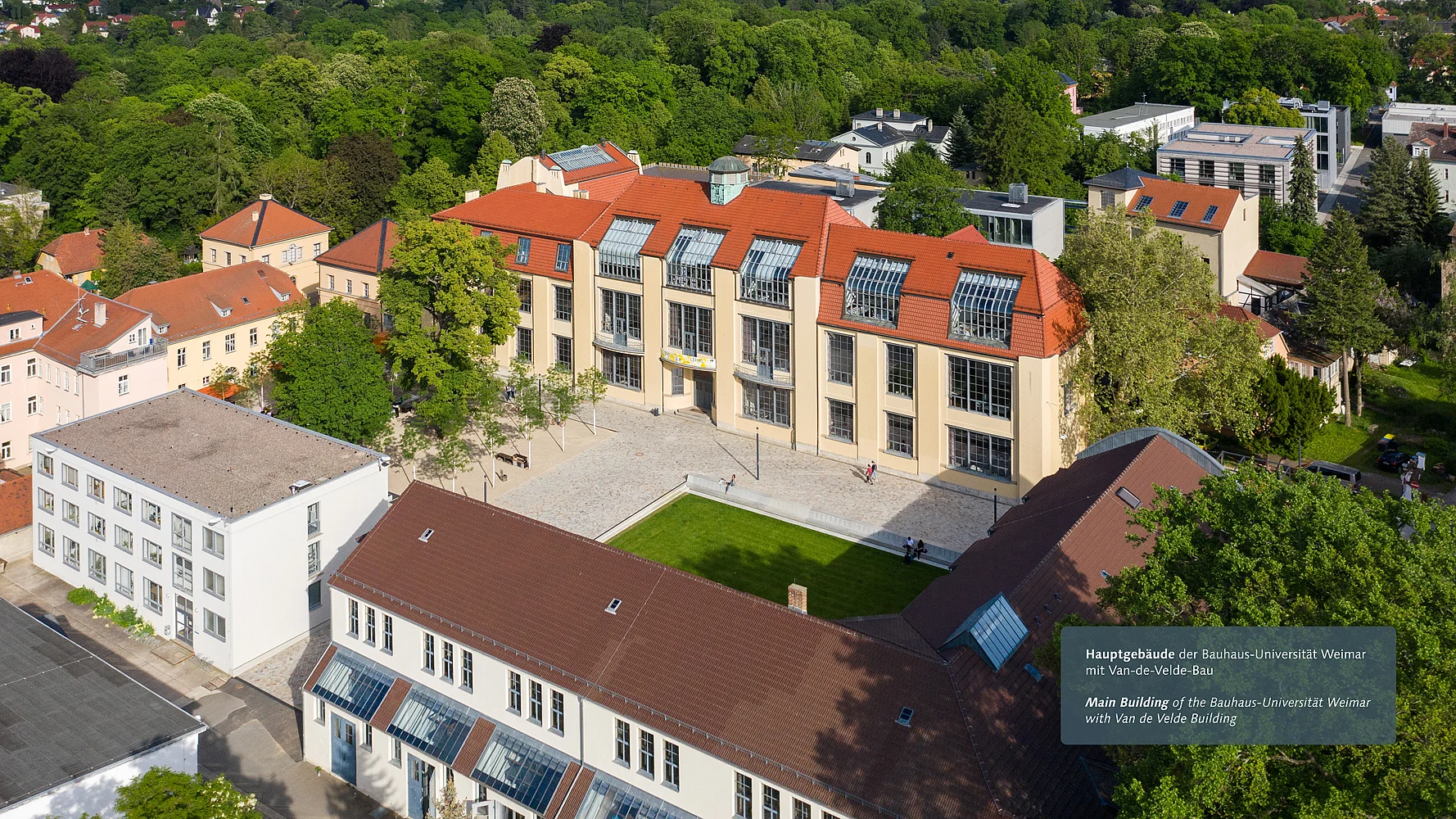
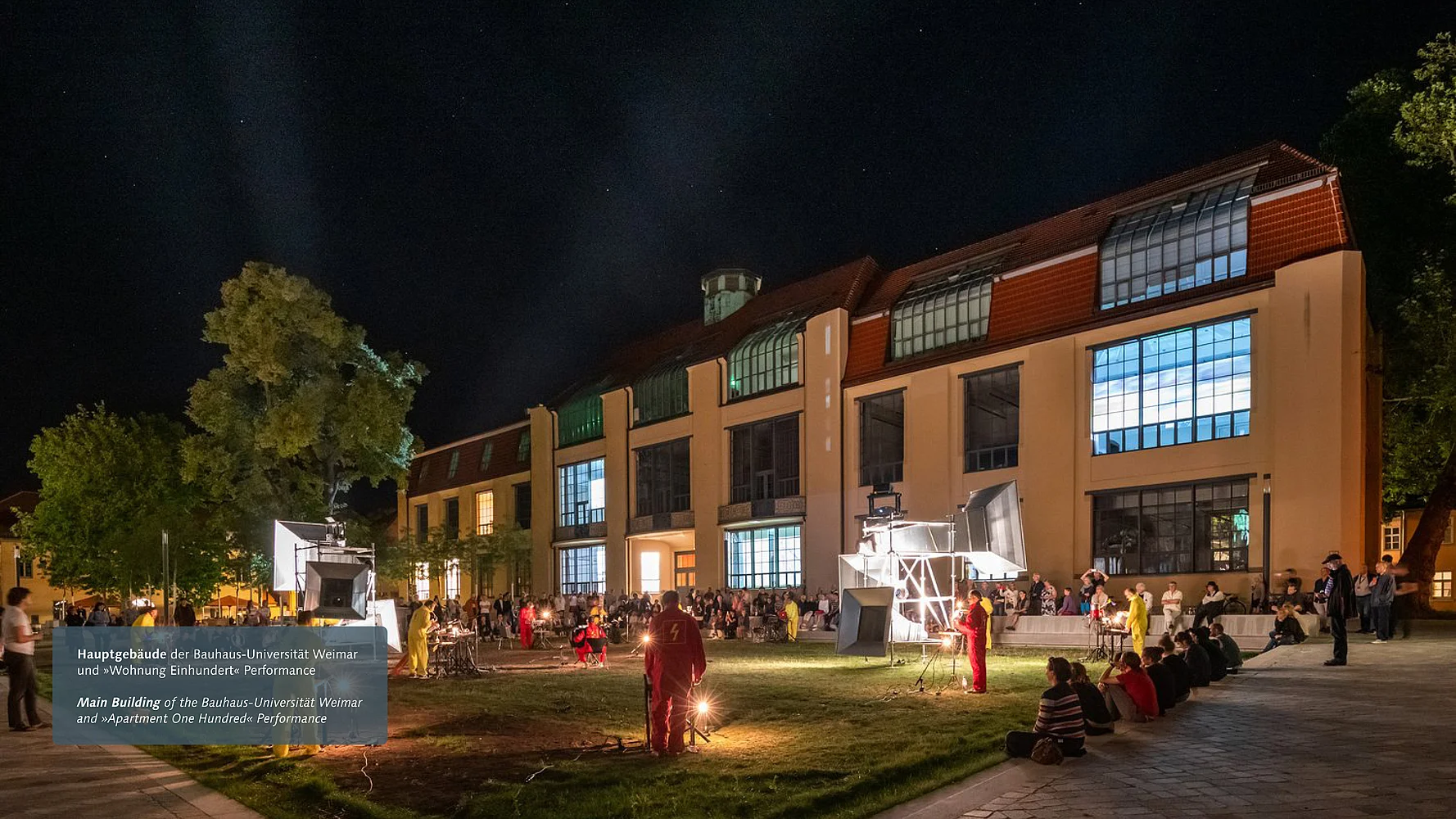
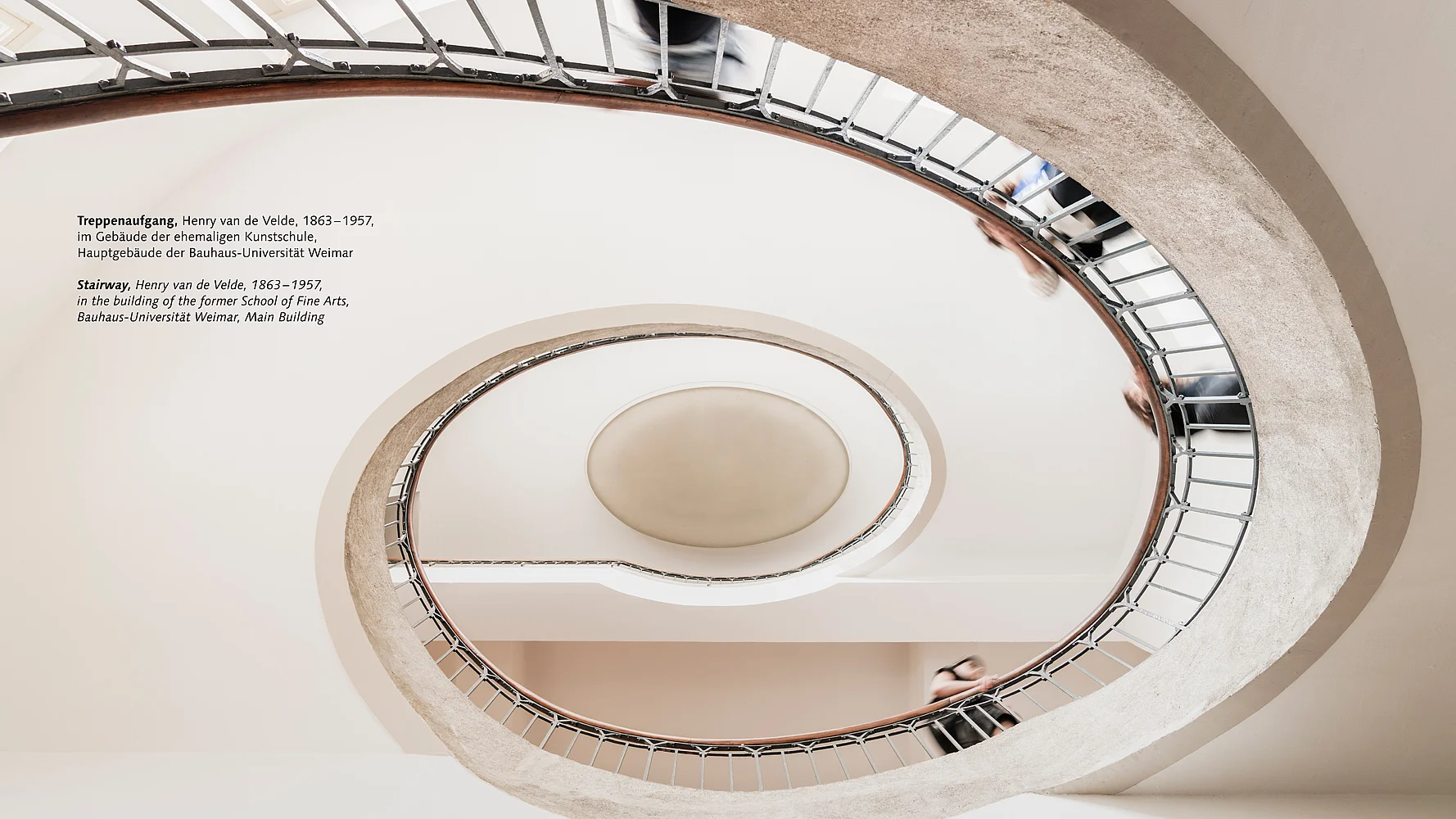
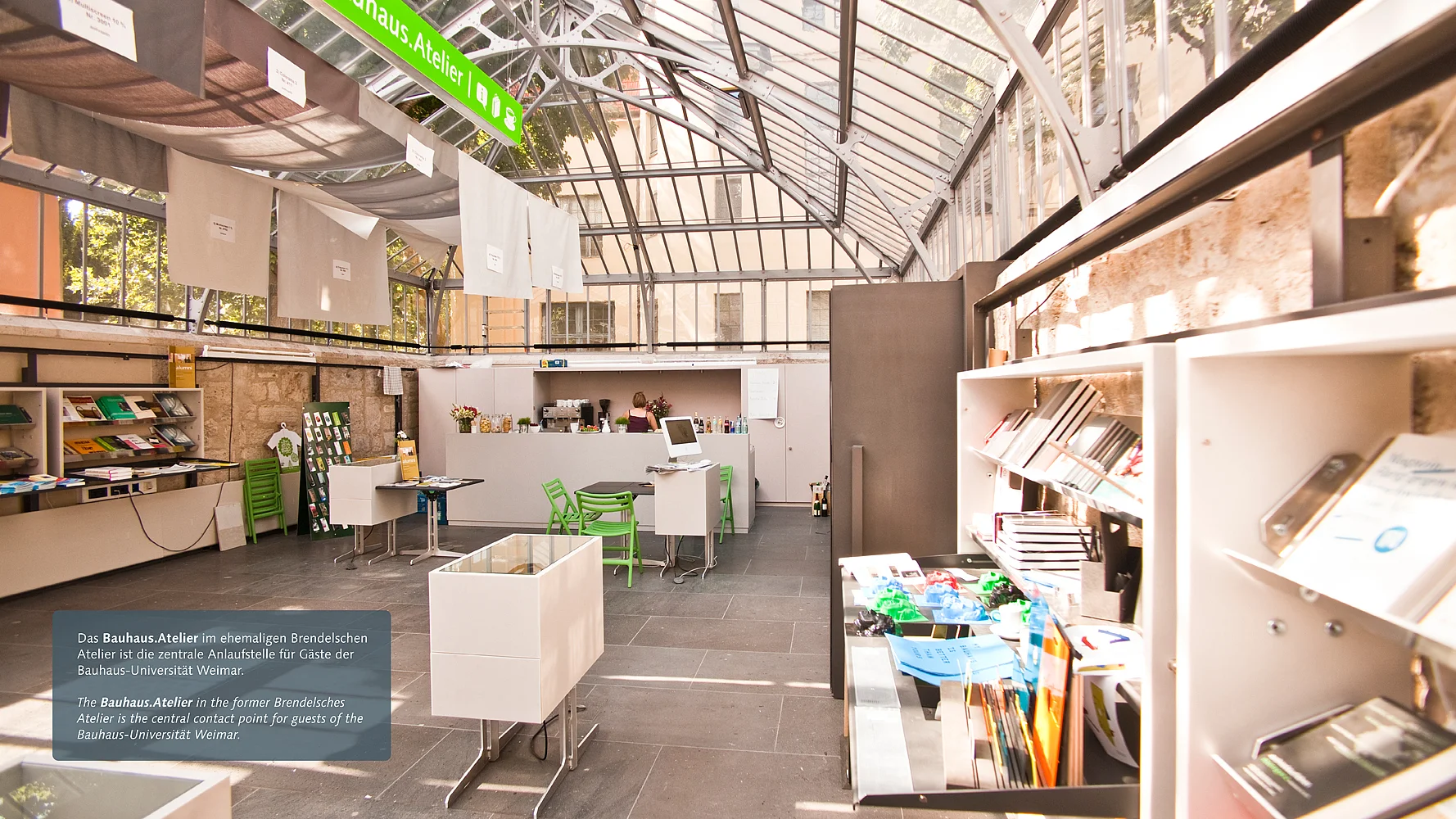
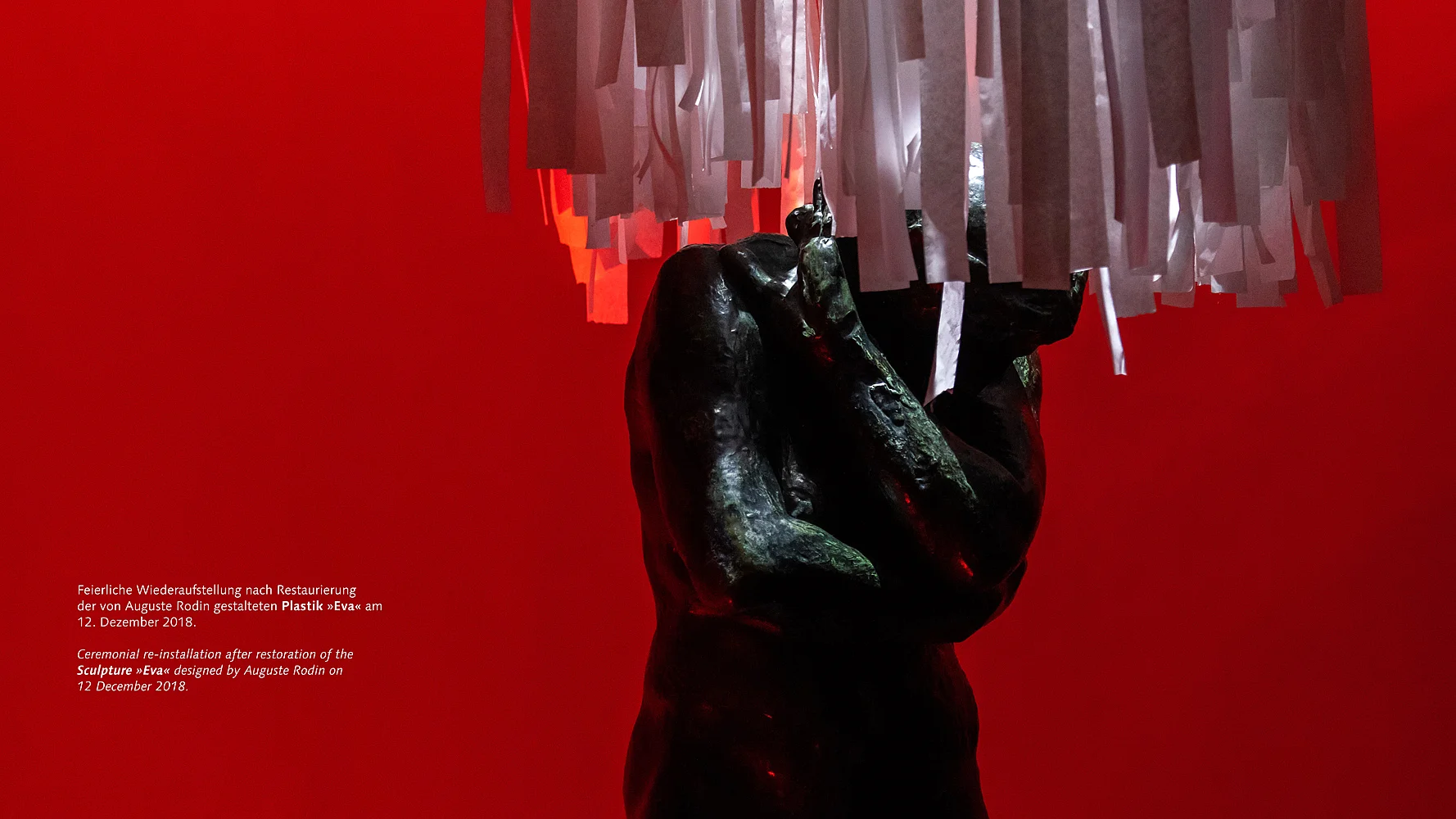
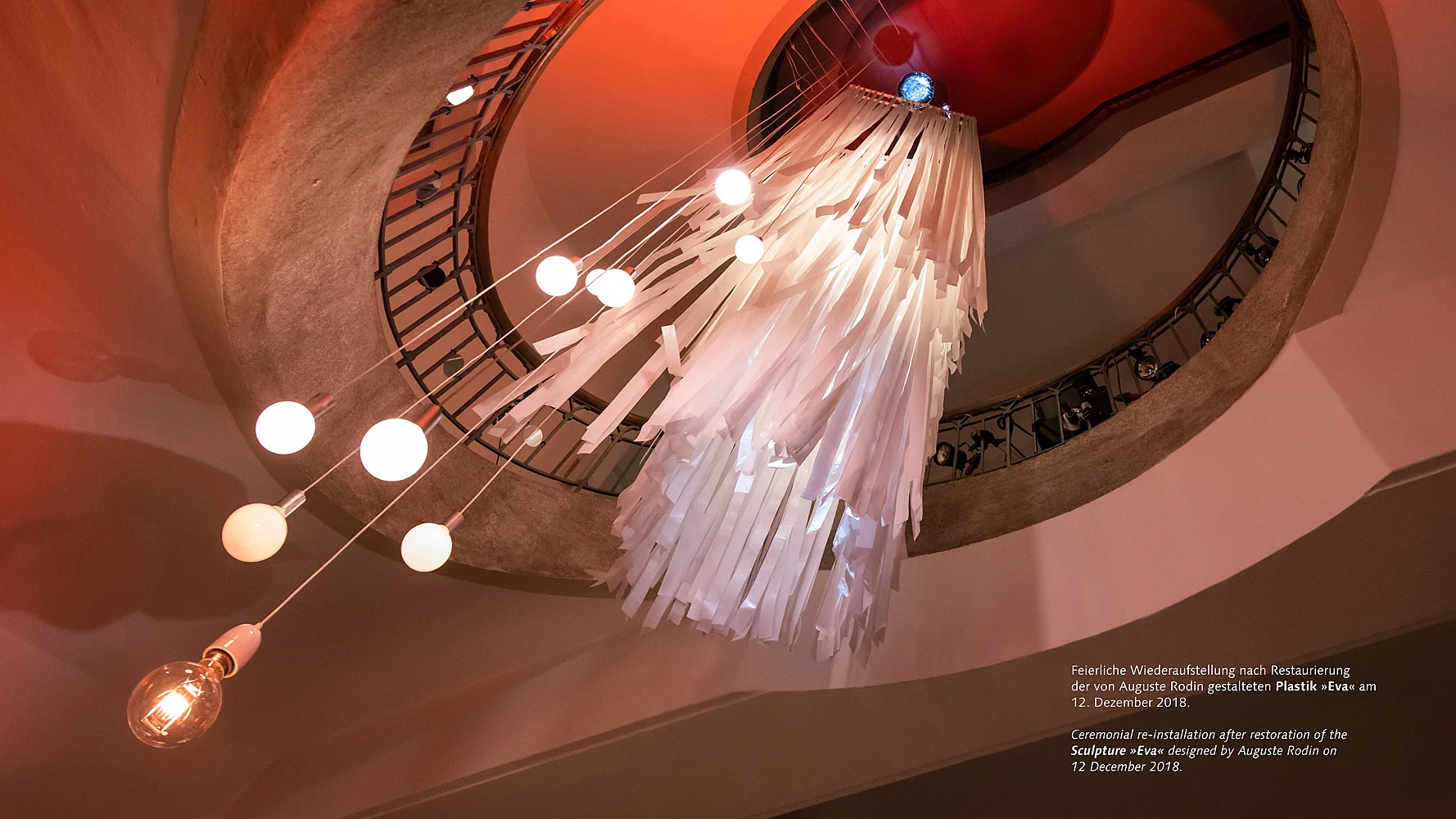
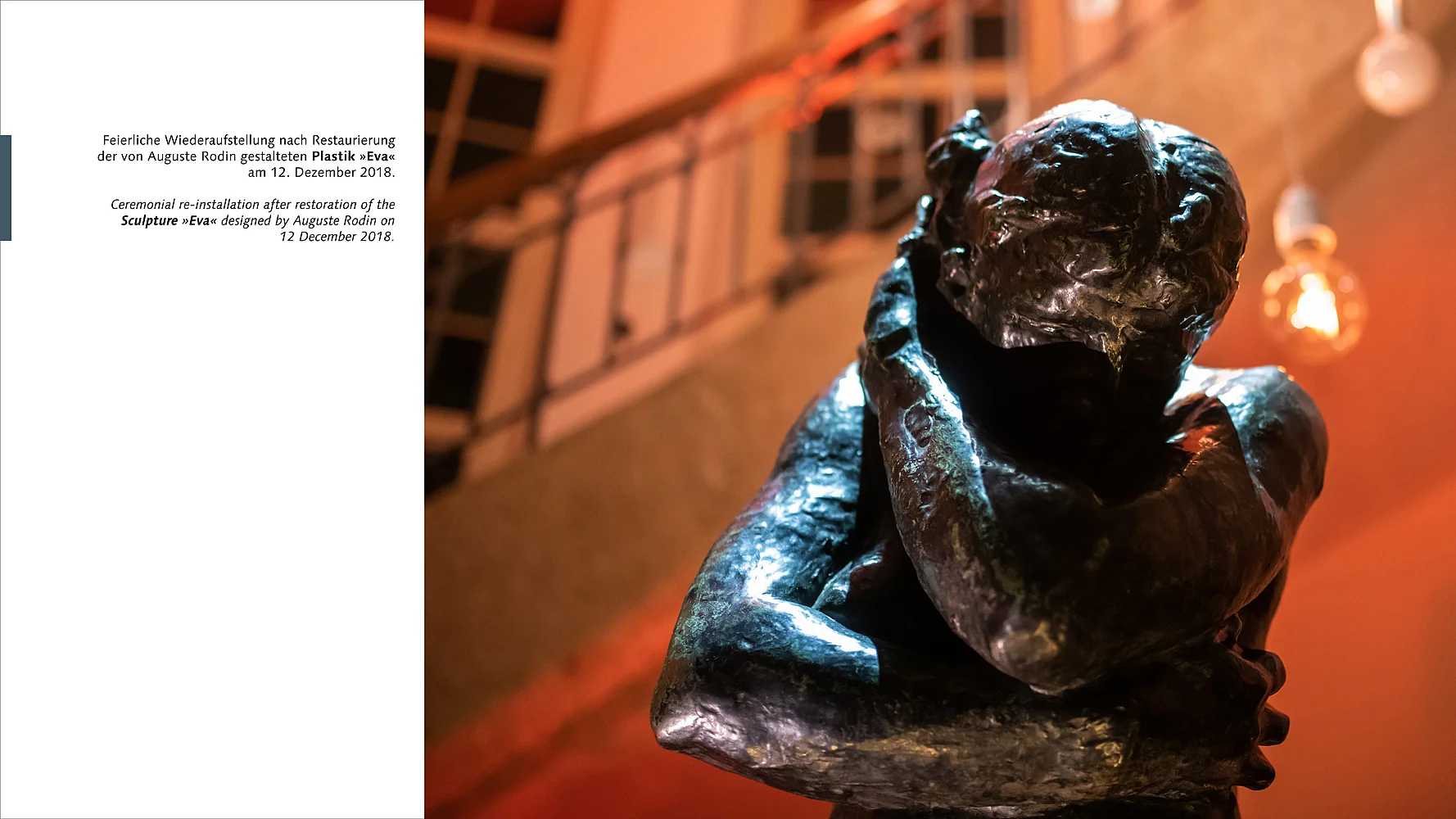
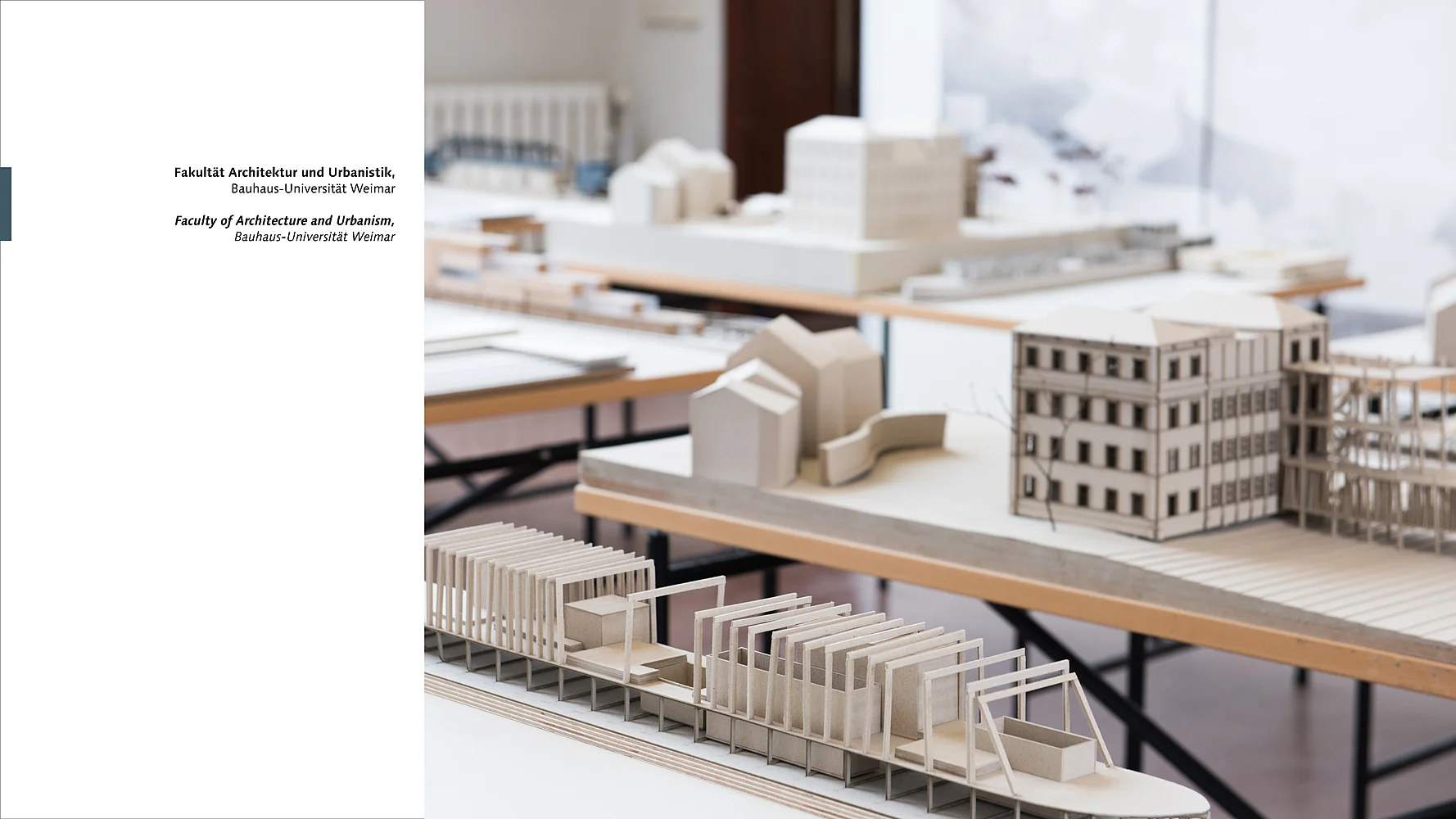
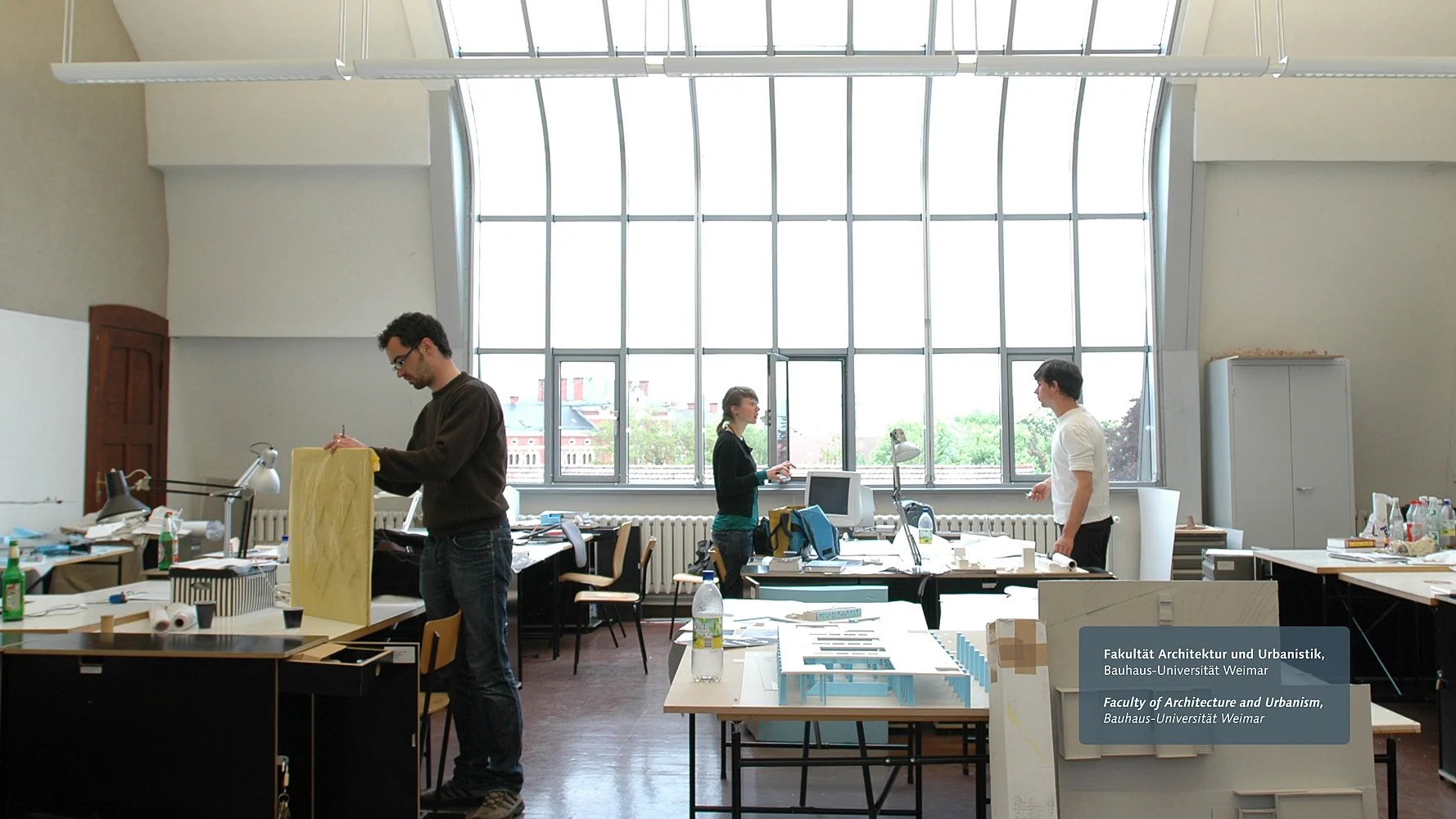
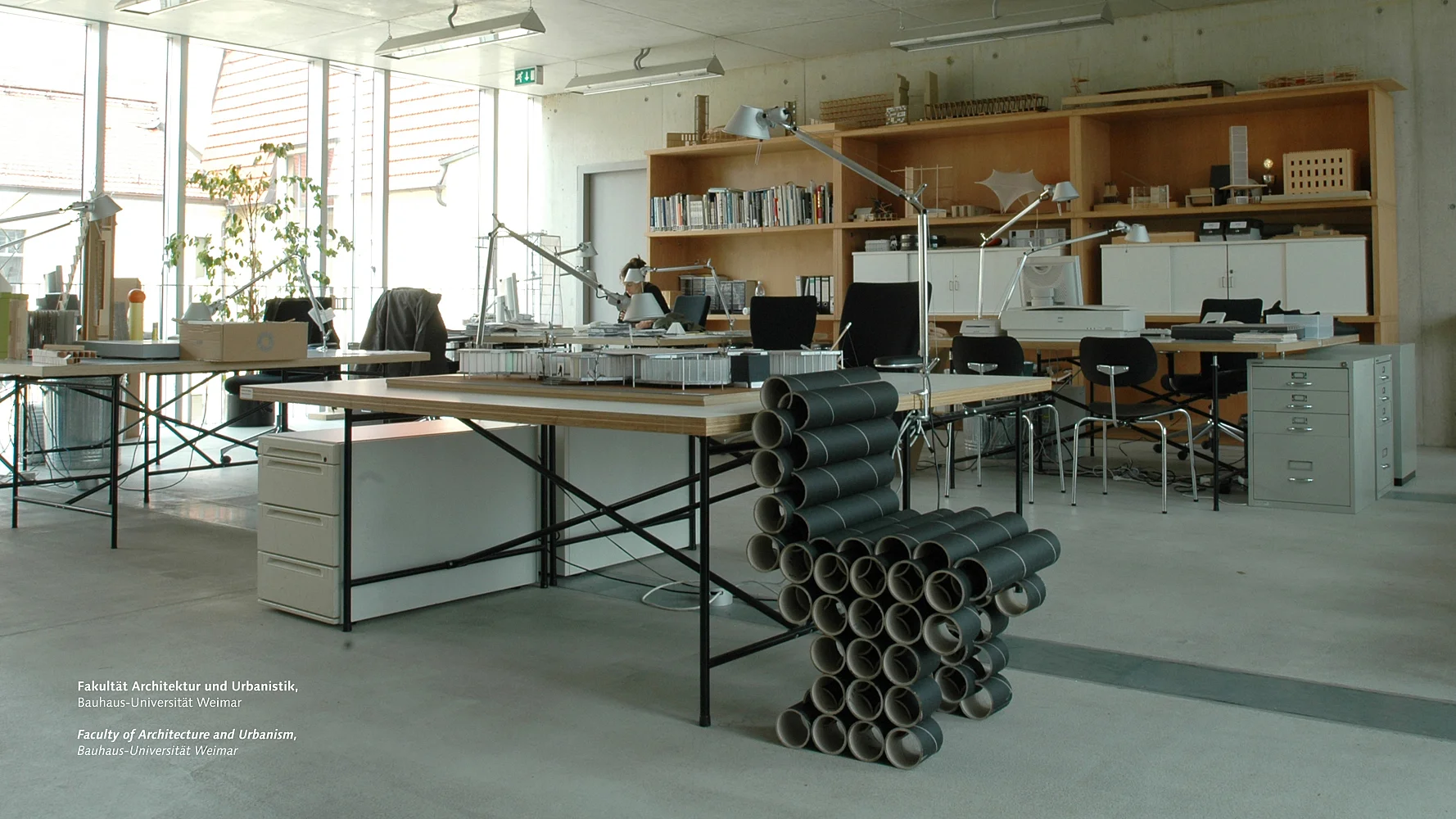
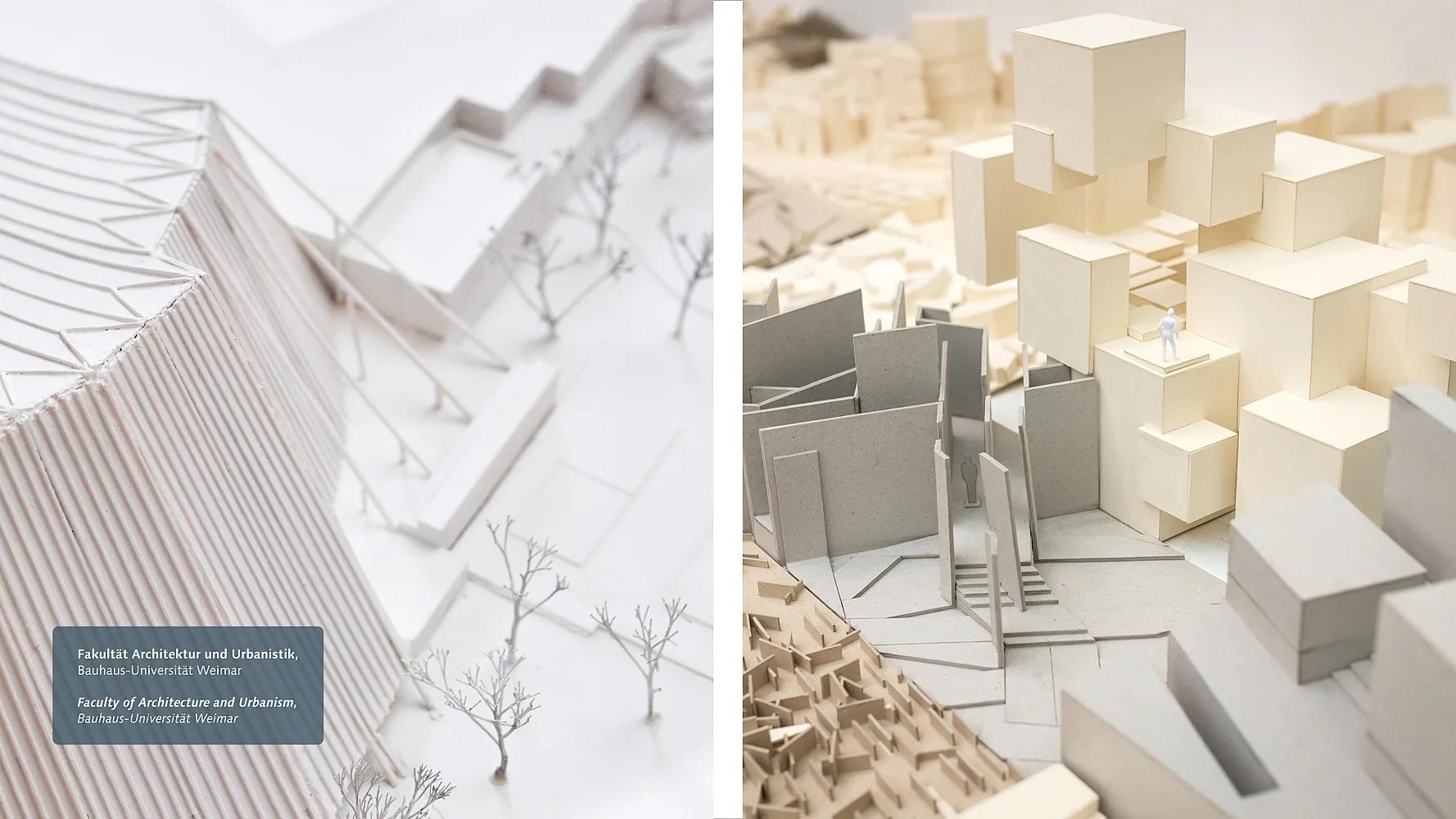
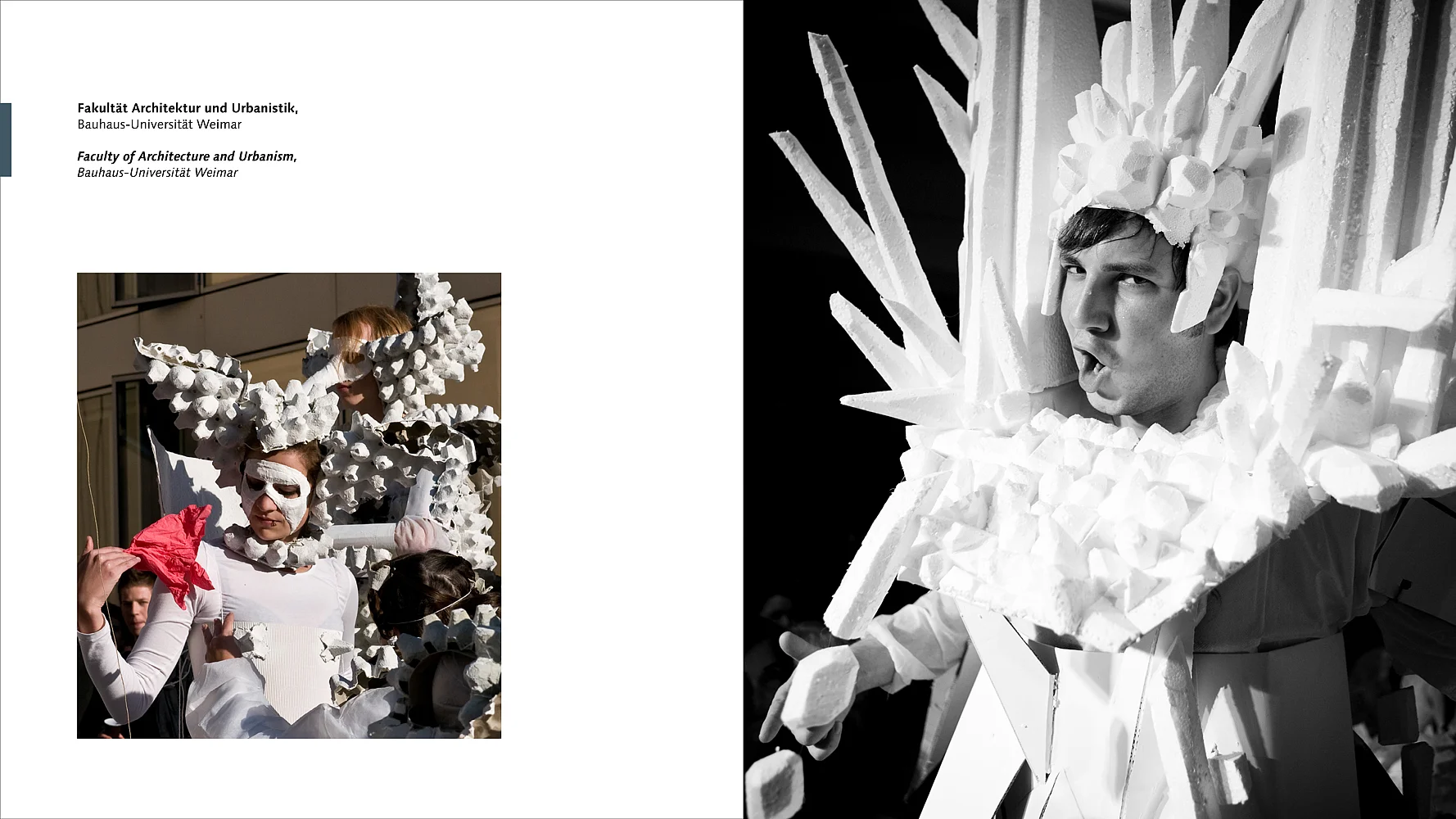
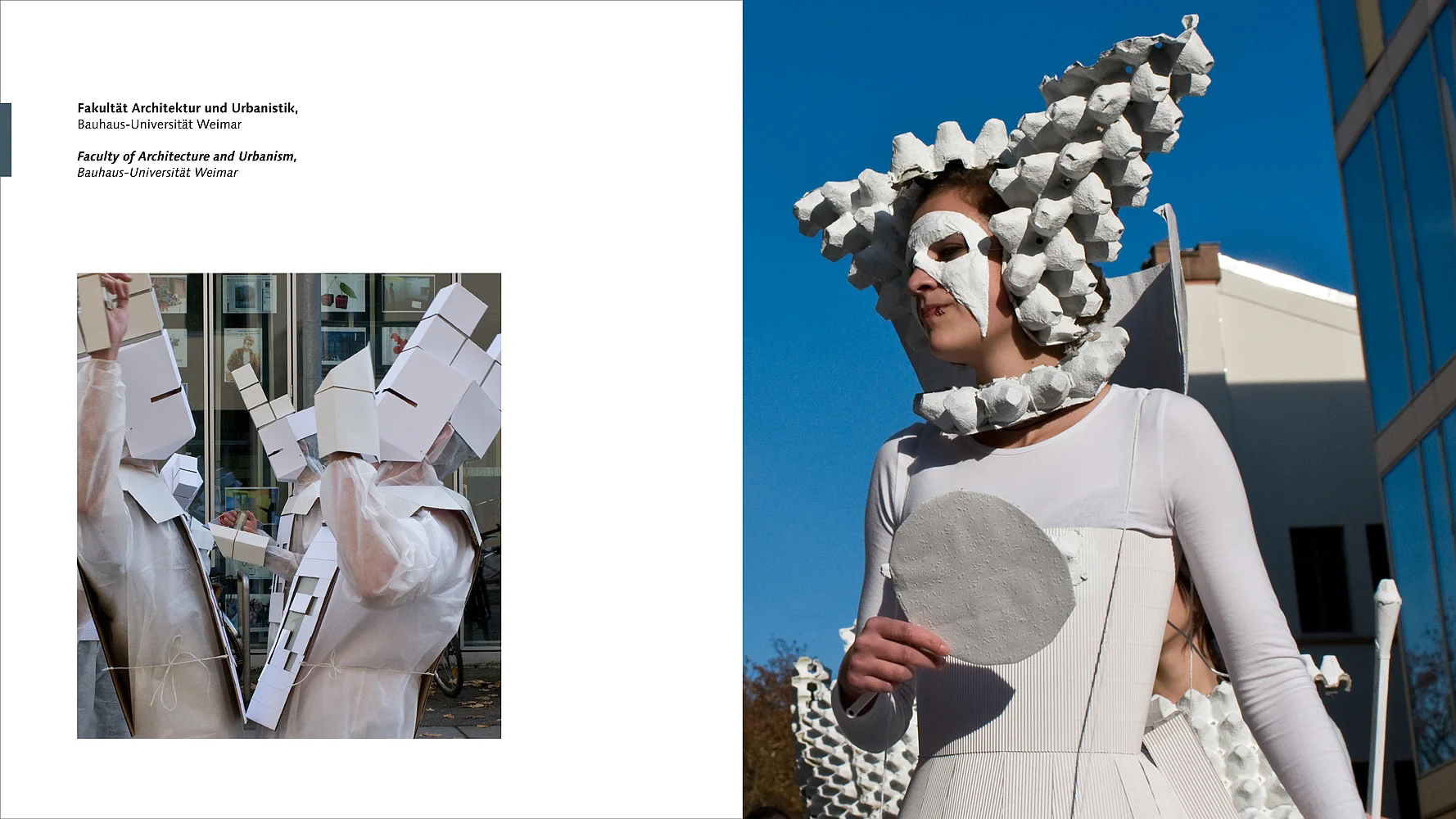
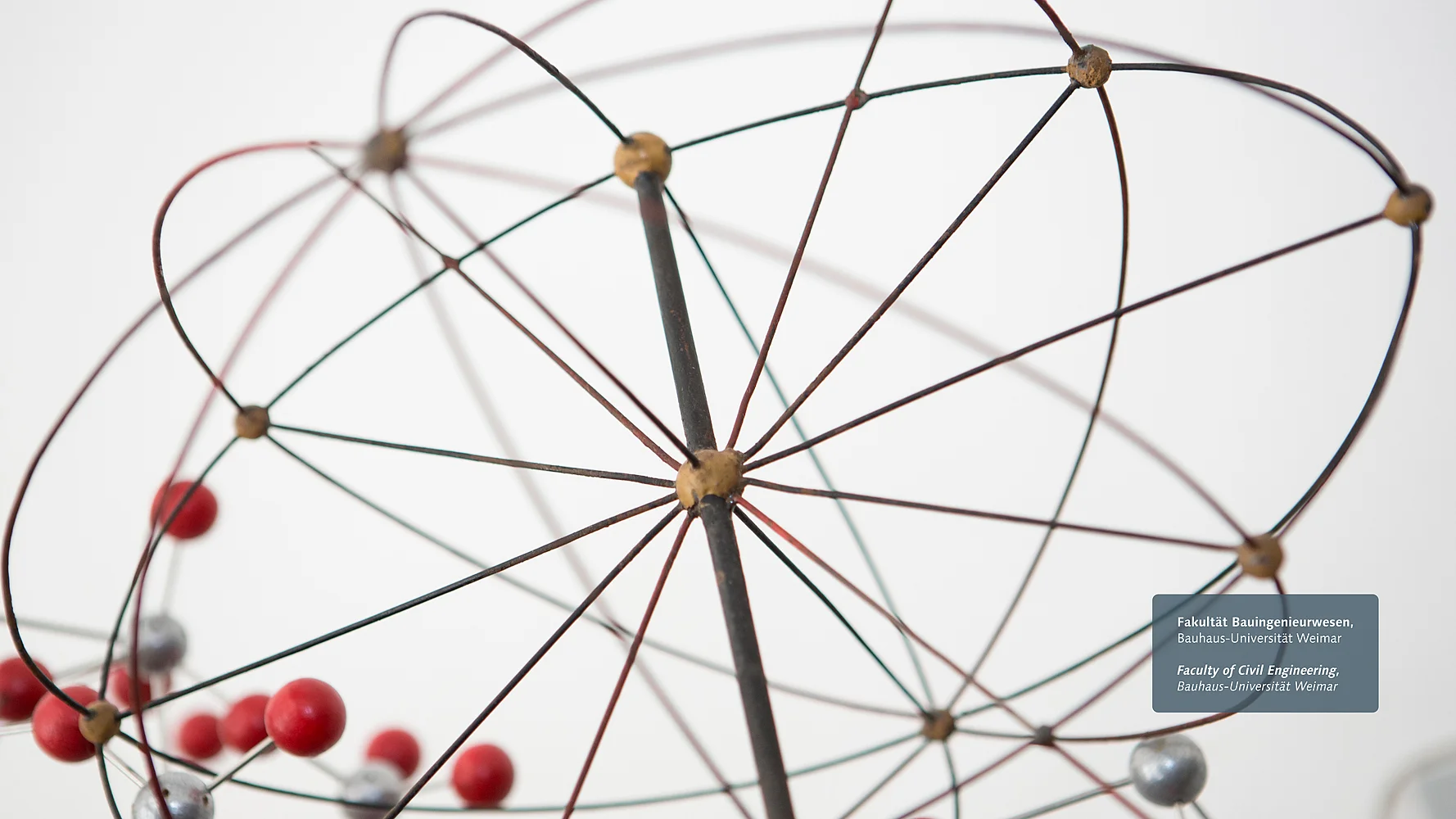
Studieren am Gründungsort des Bauhaus
Explore, think, experiment, discuss, work together, and put ideas into practice.
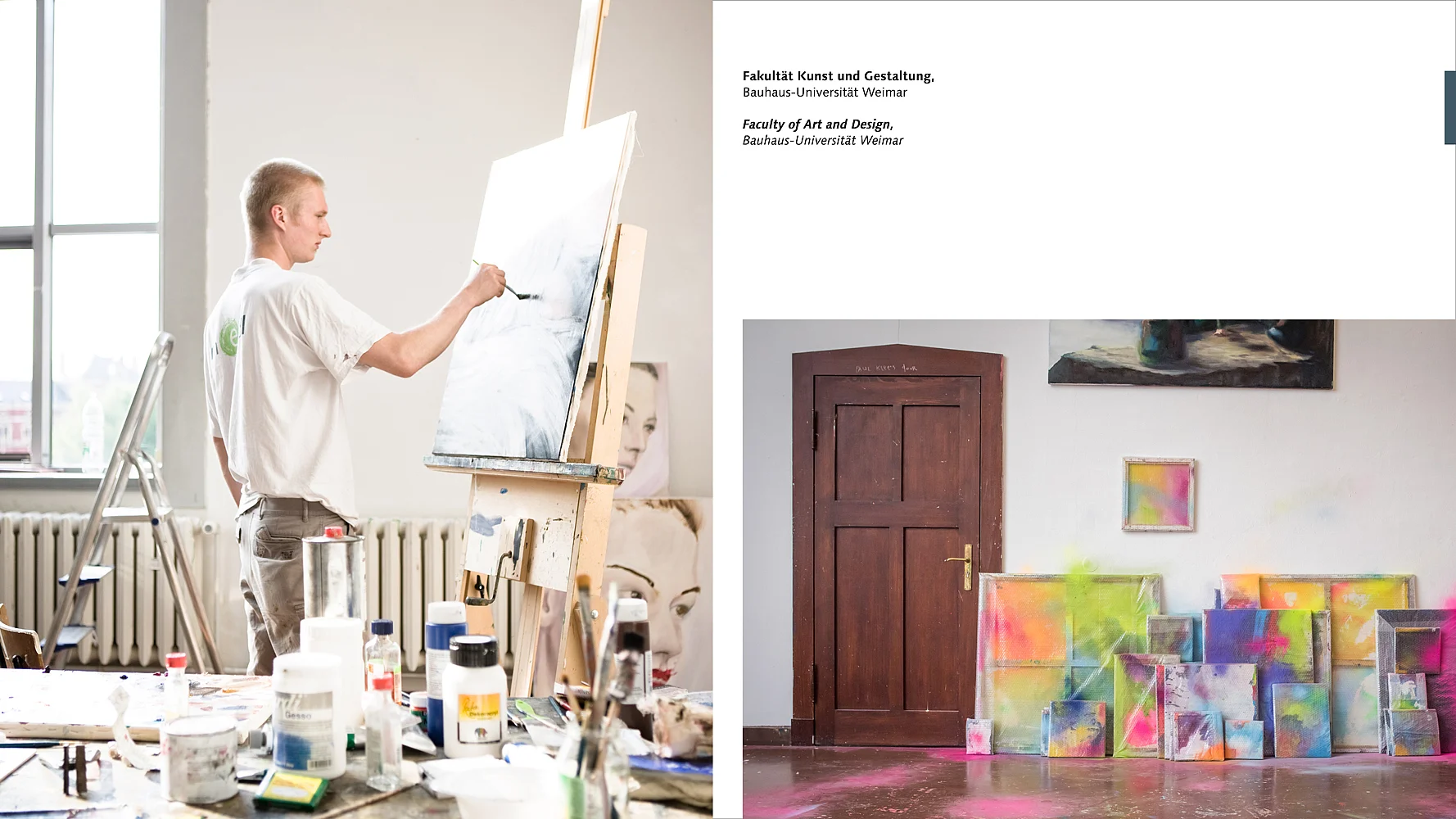
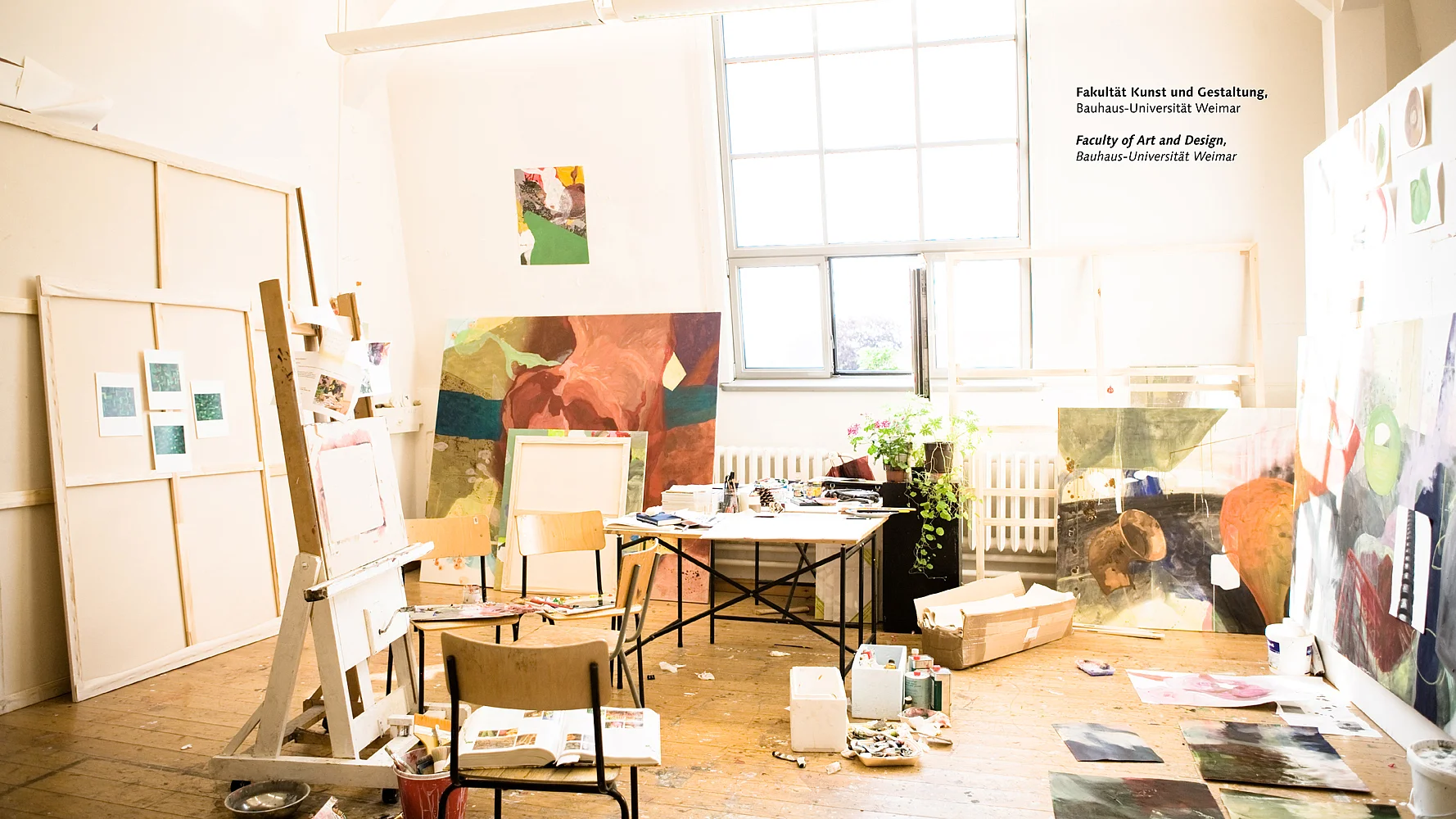
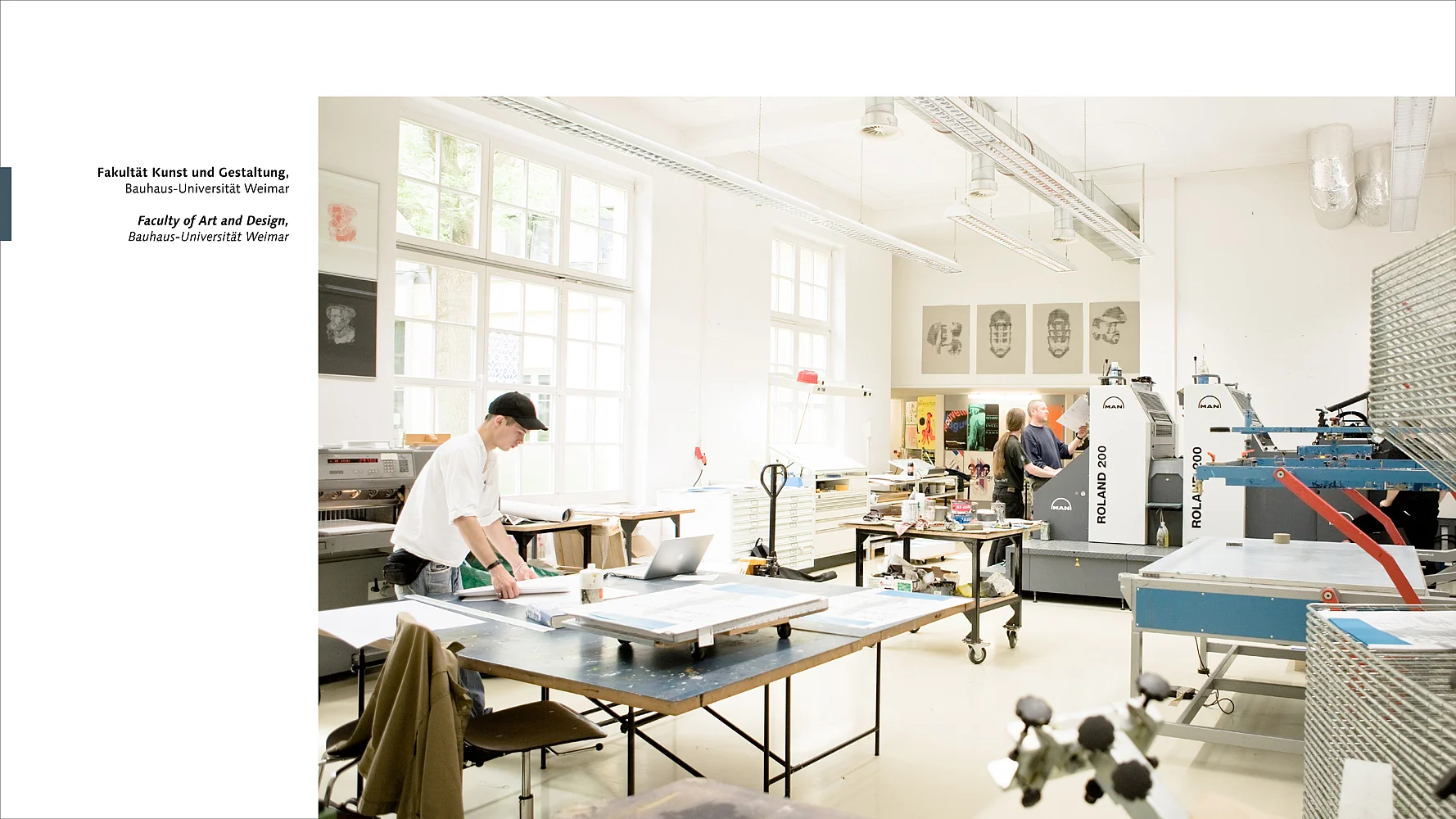
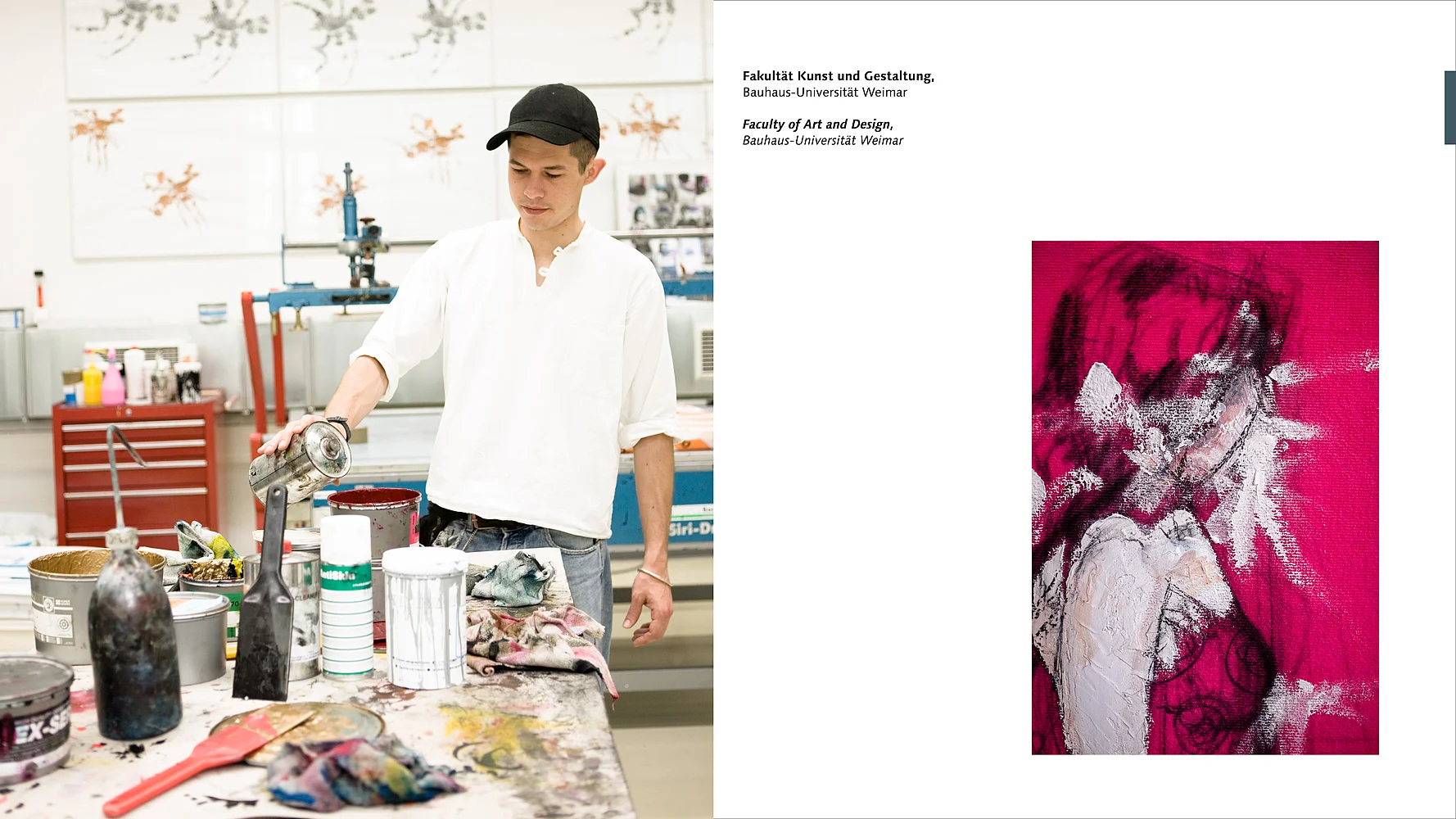
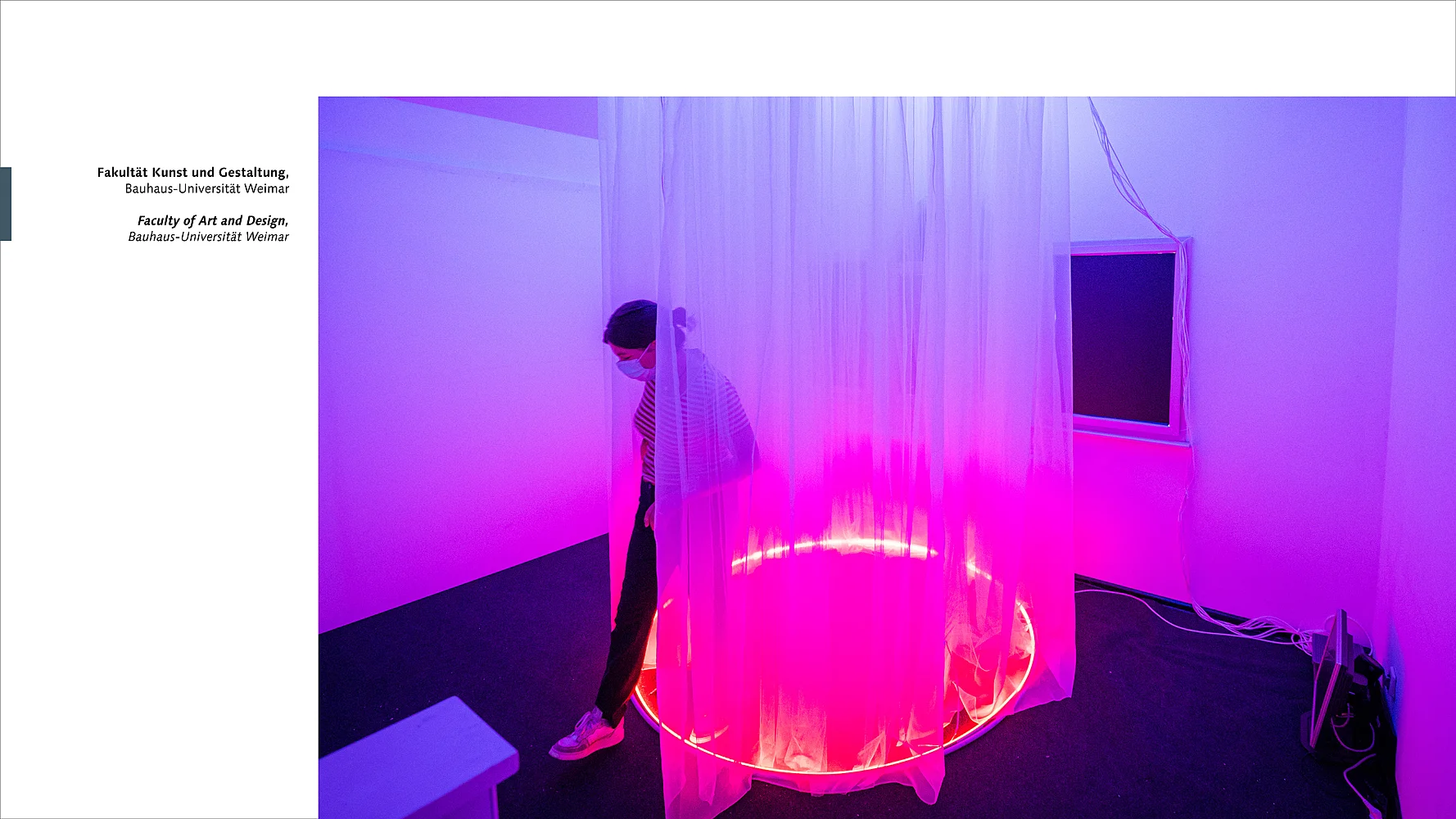
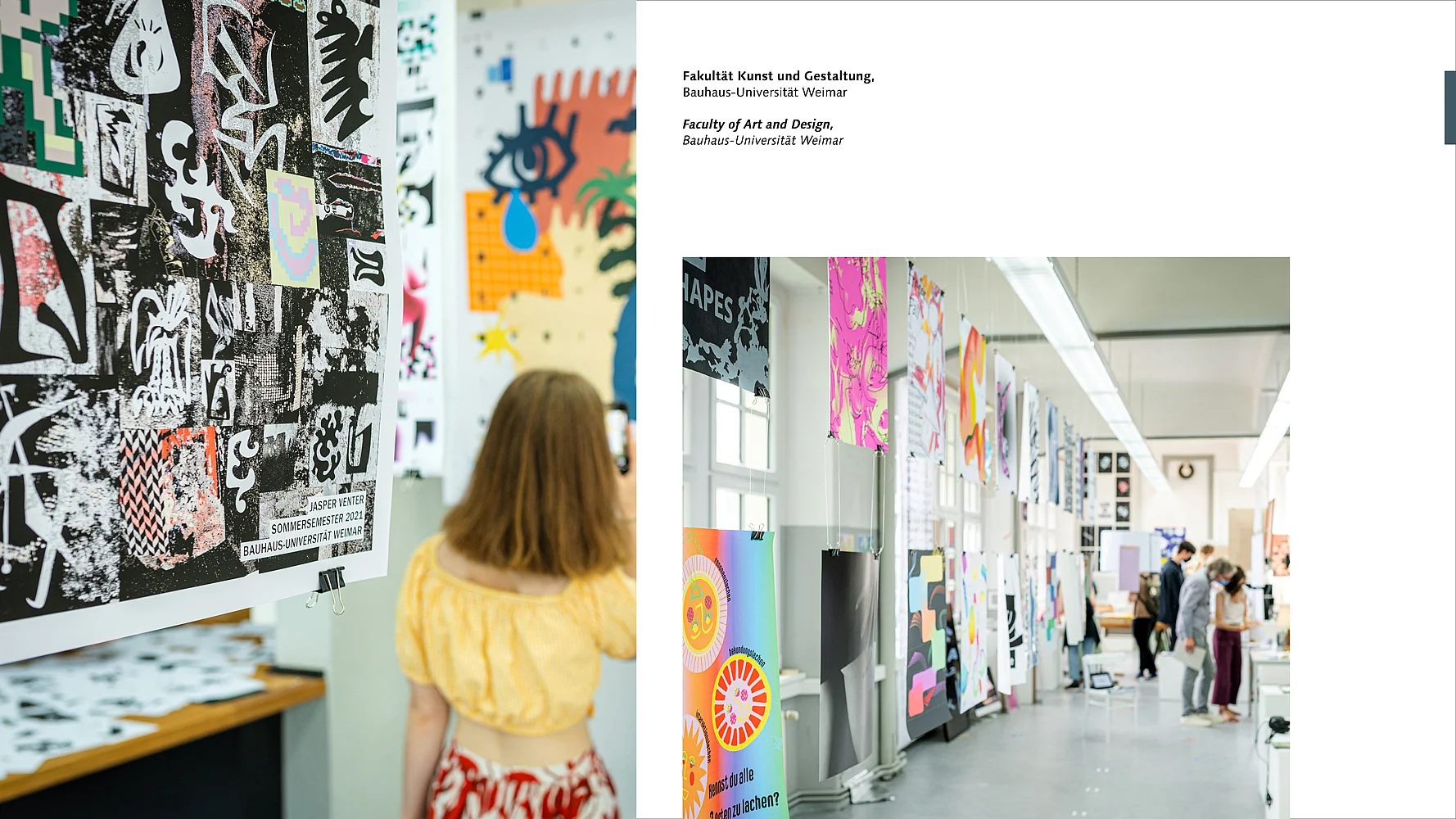
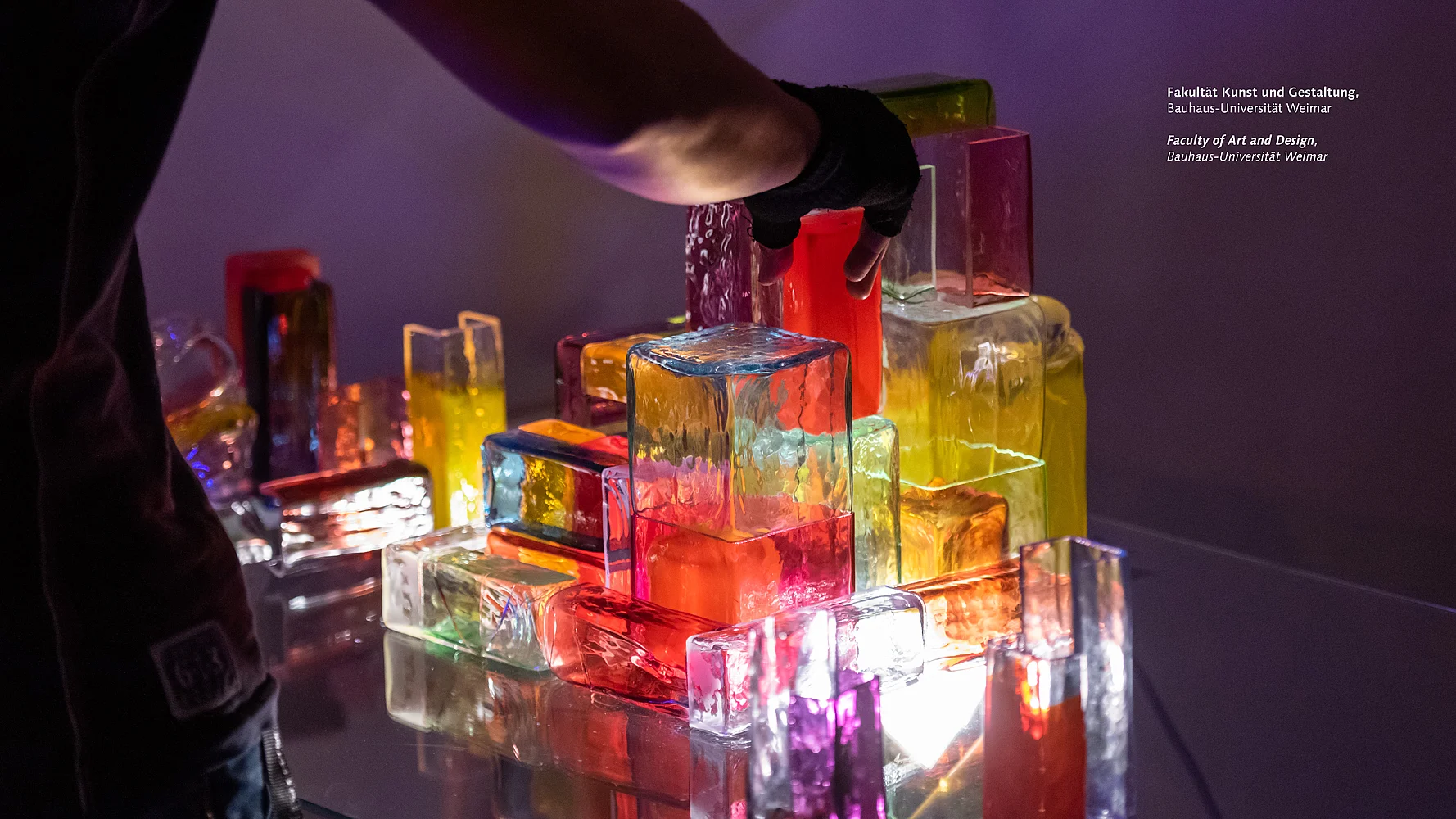
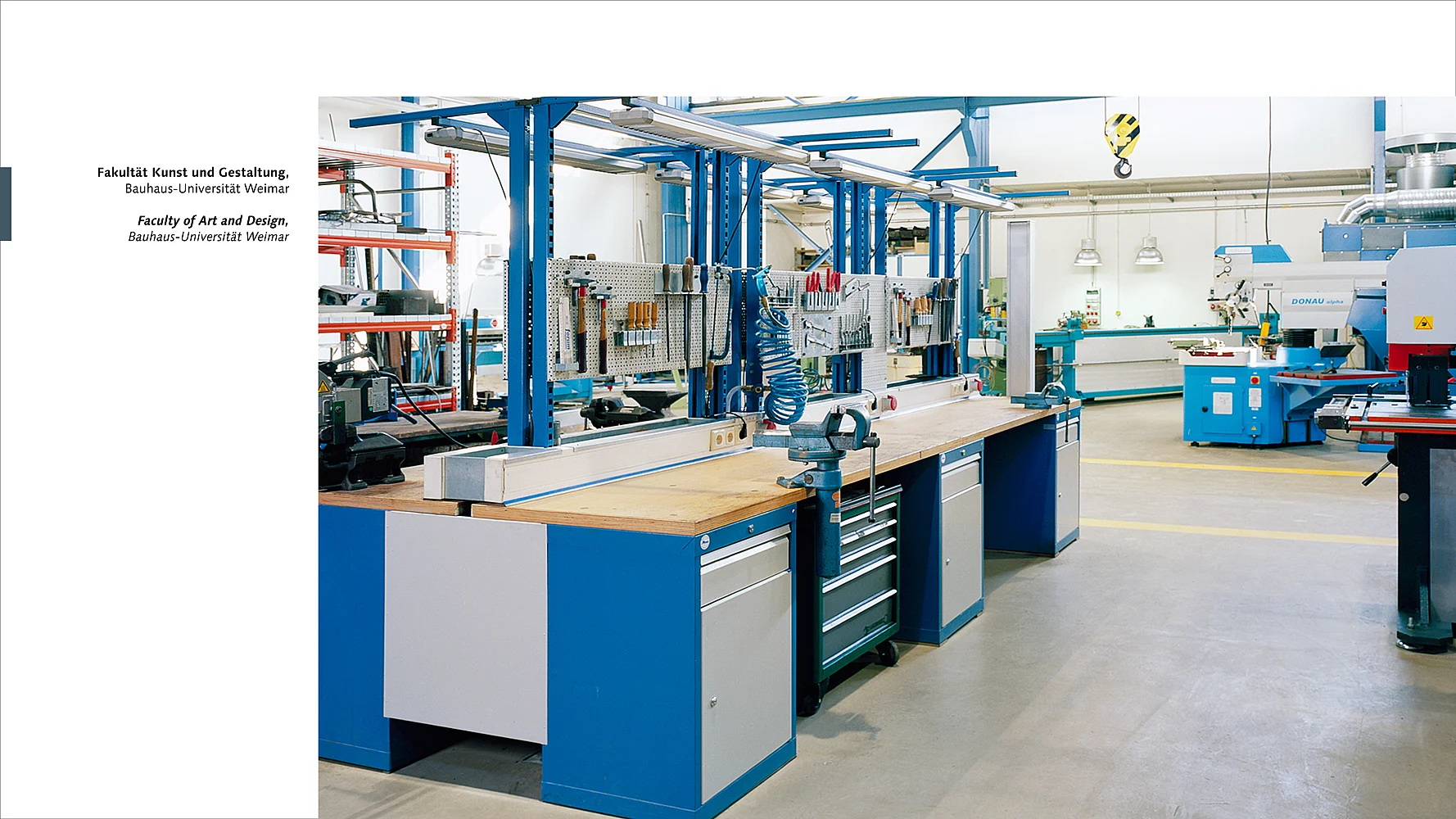
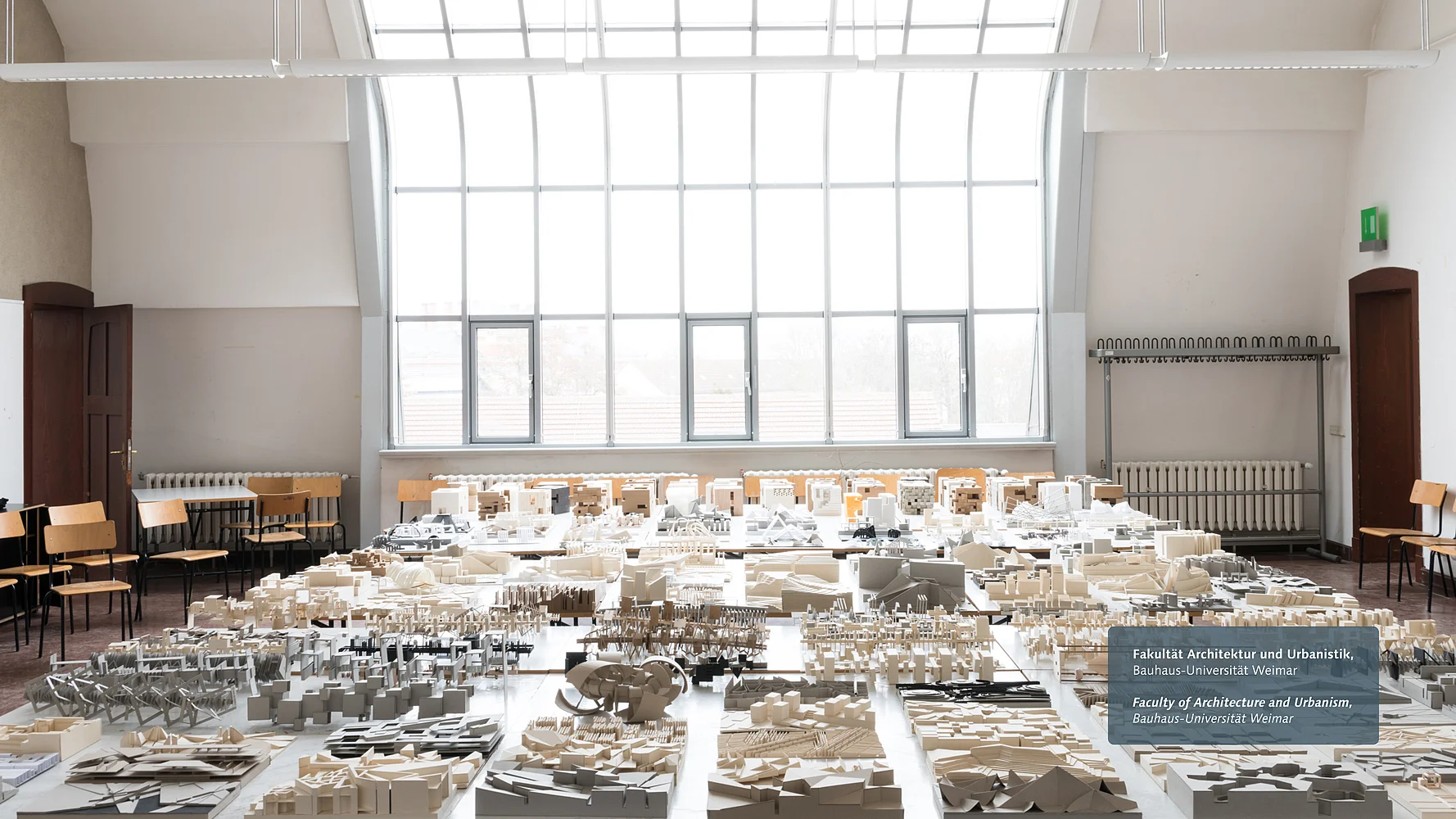
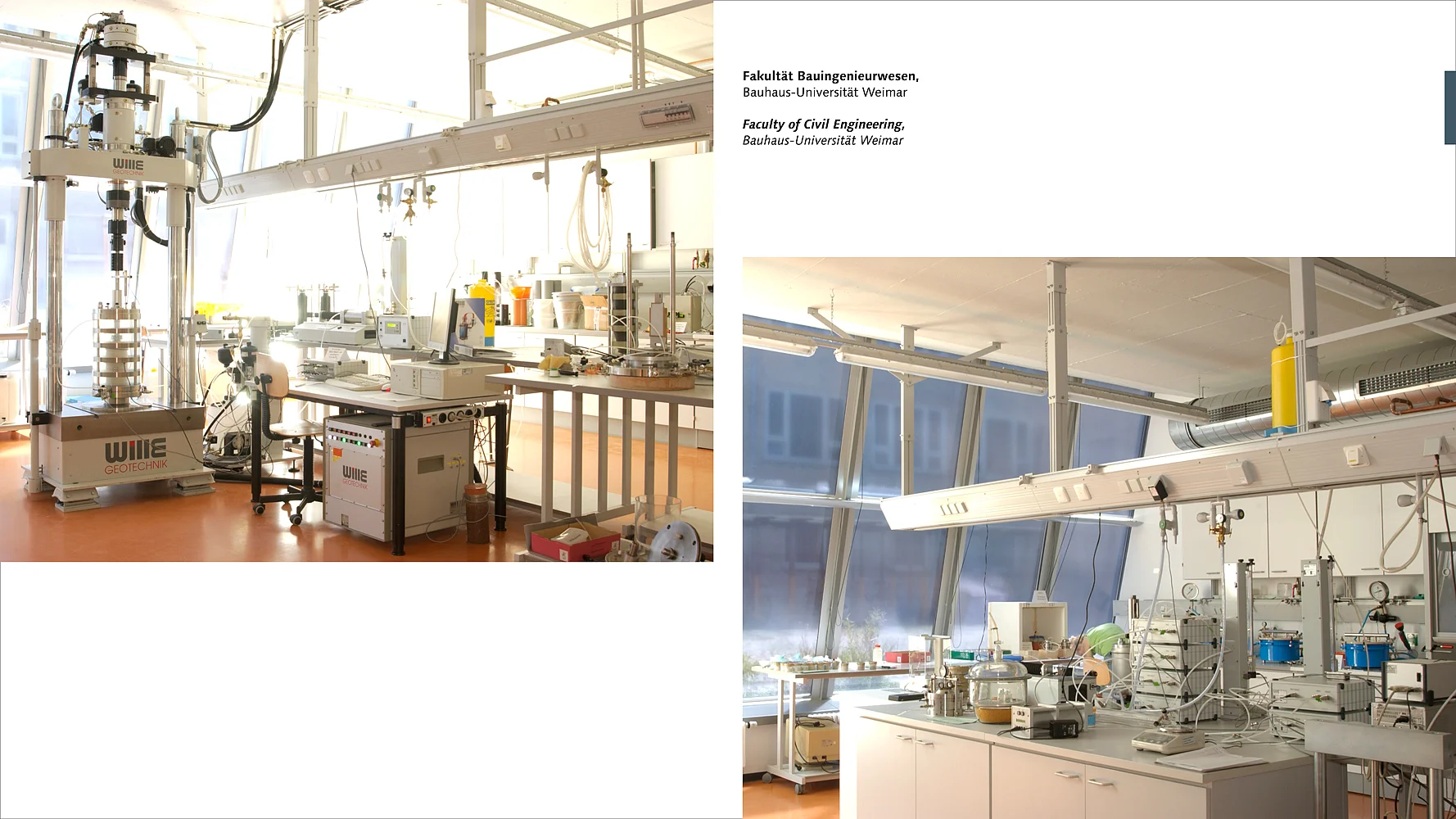
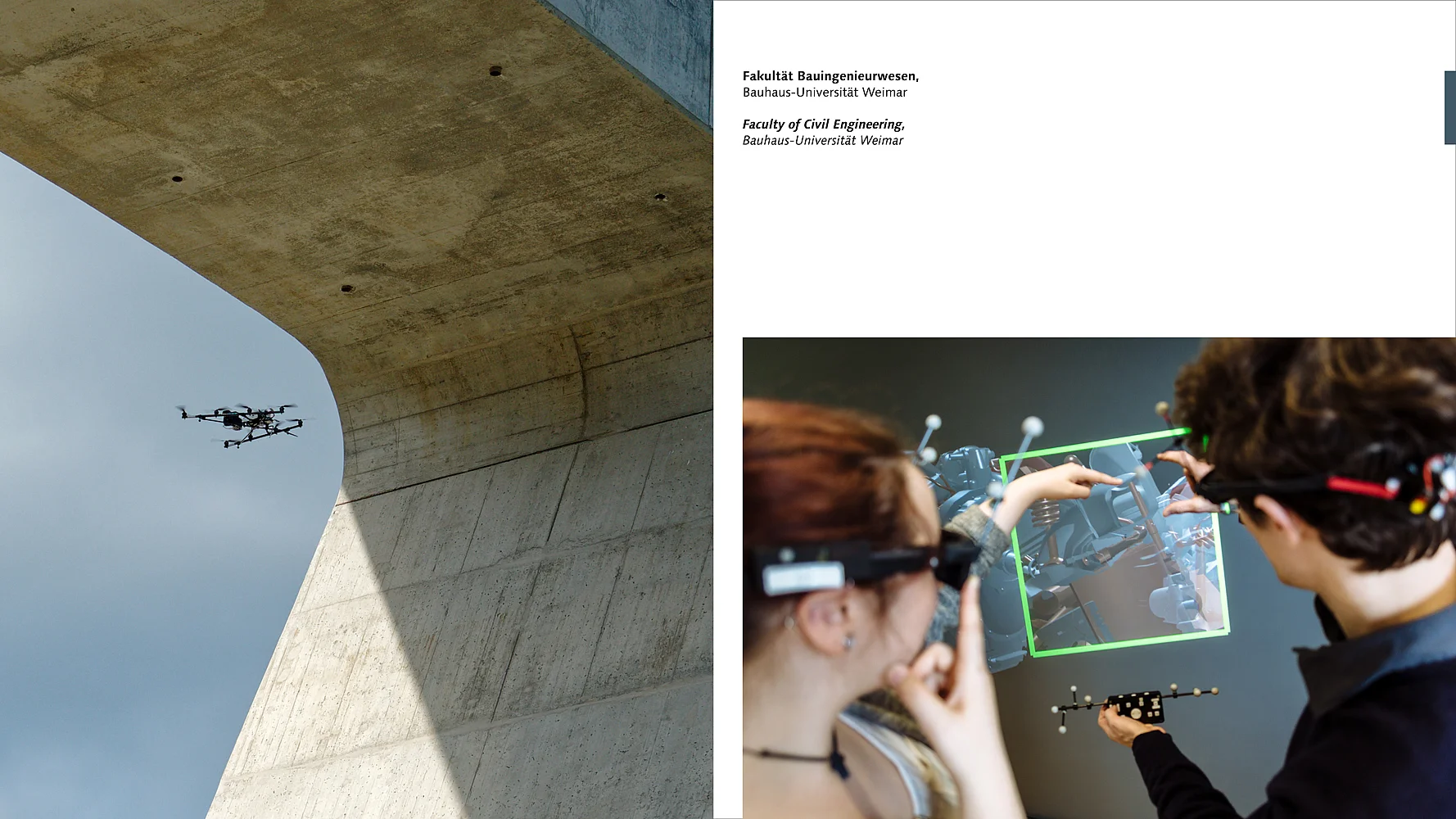
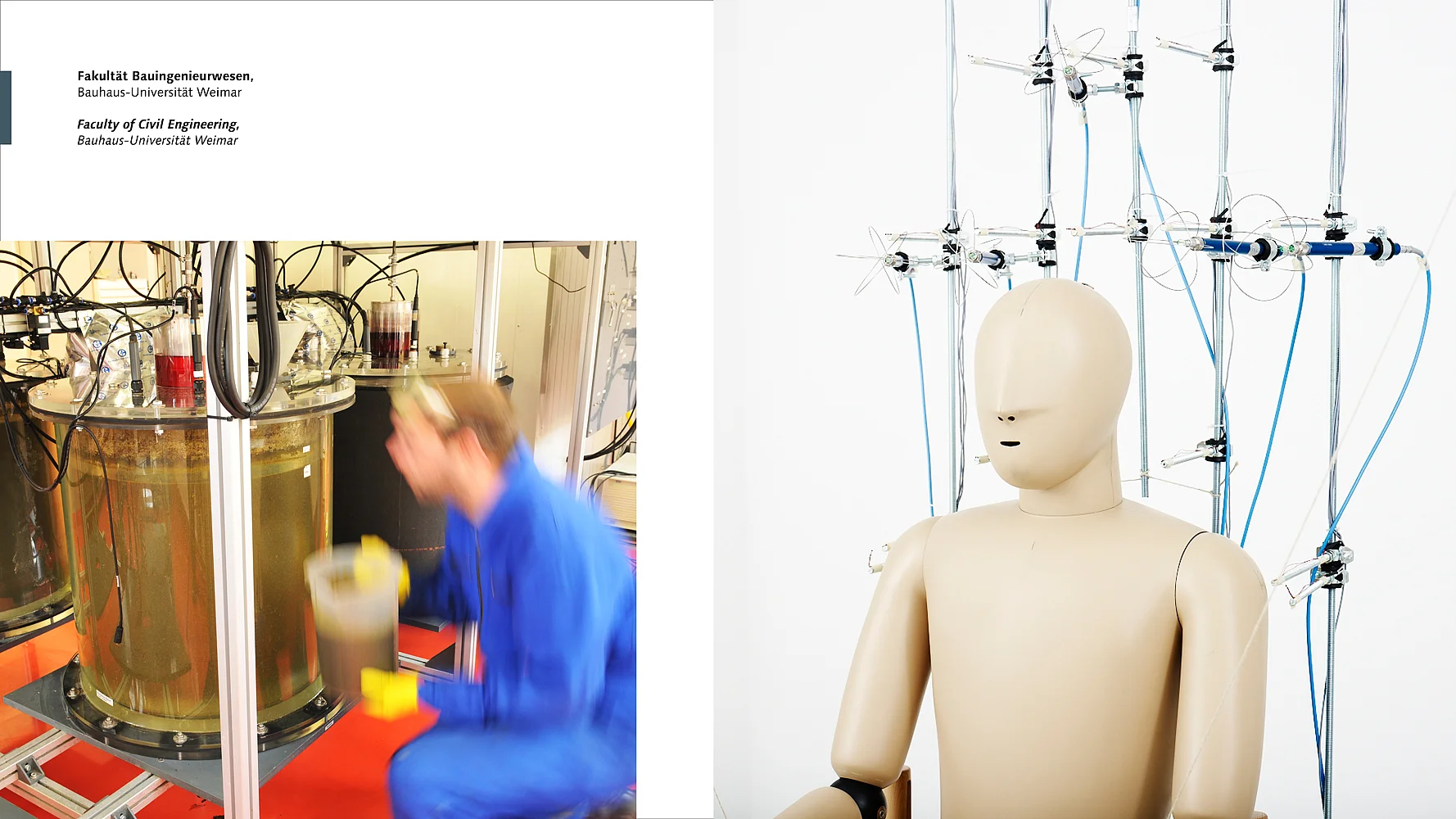
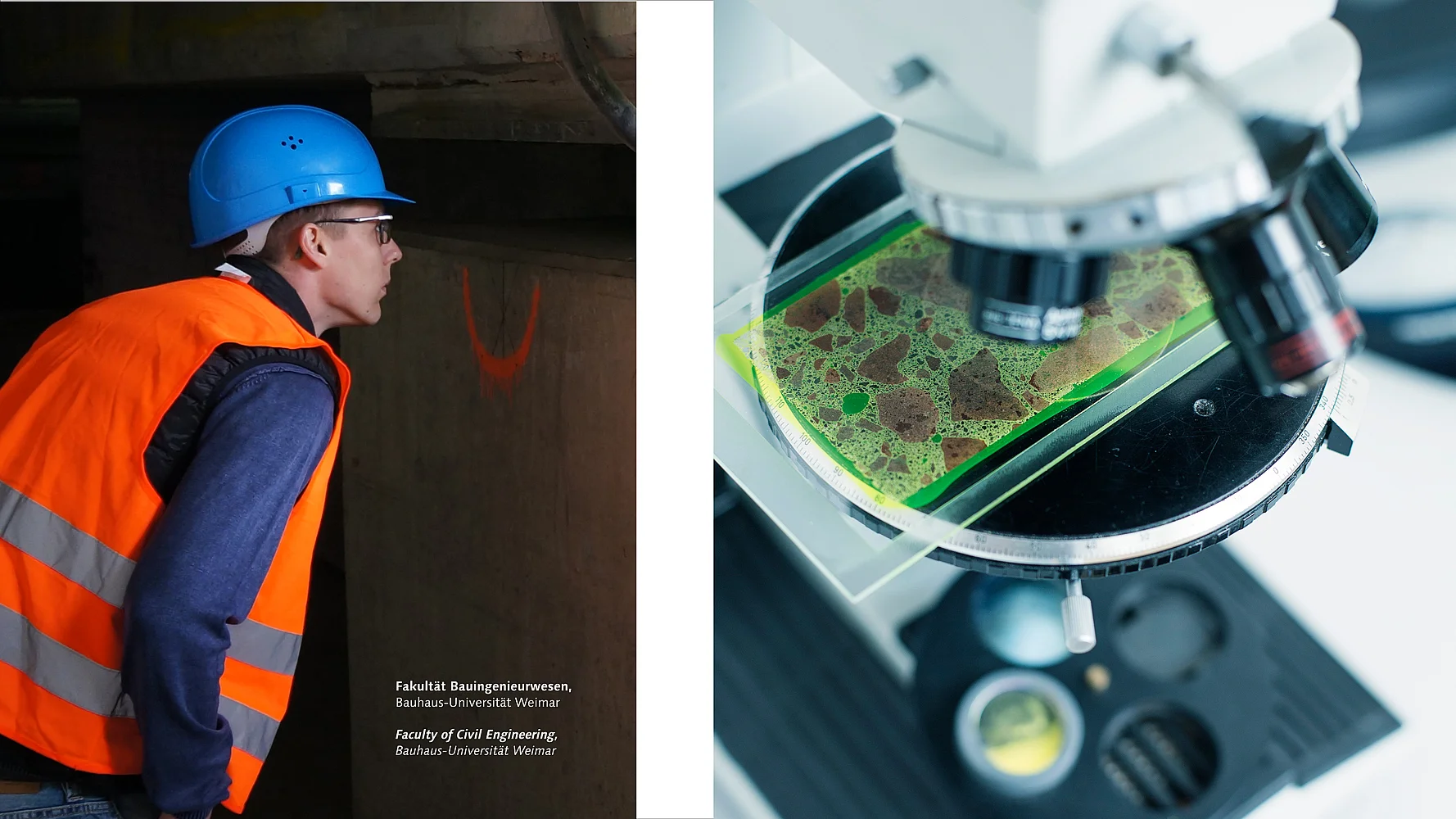
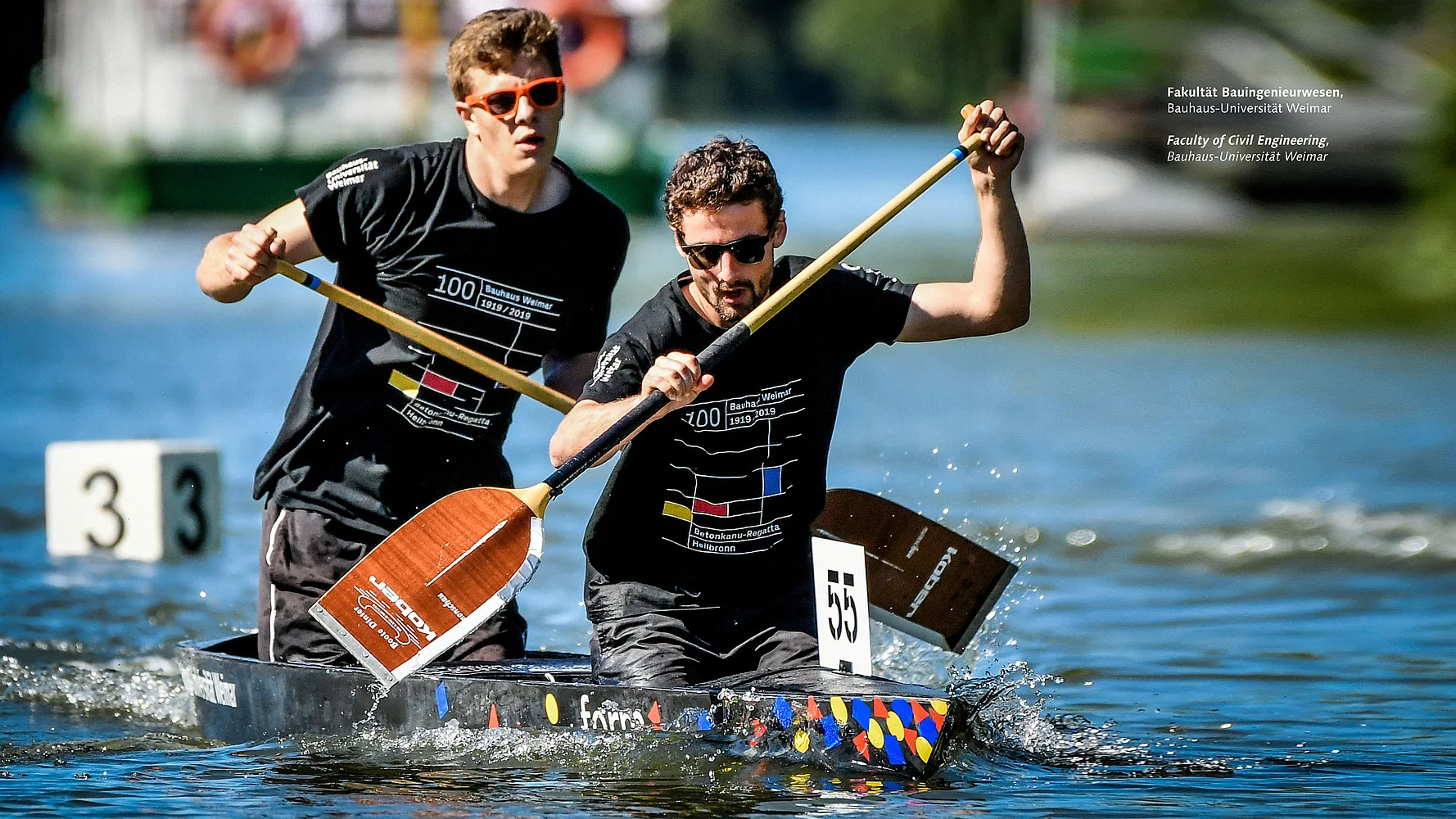
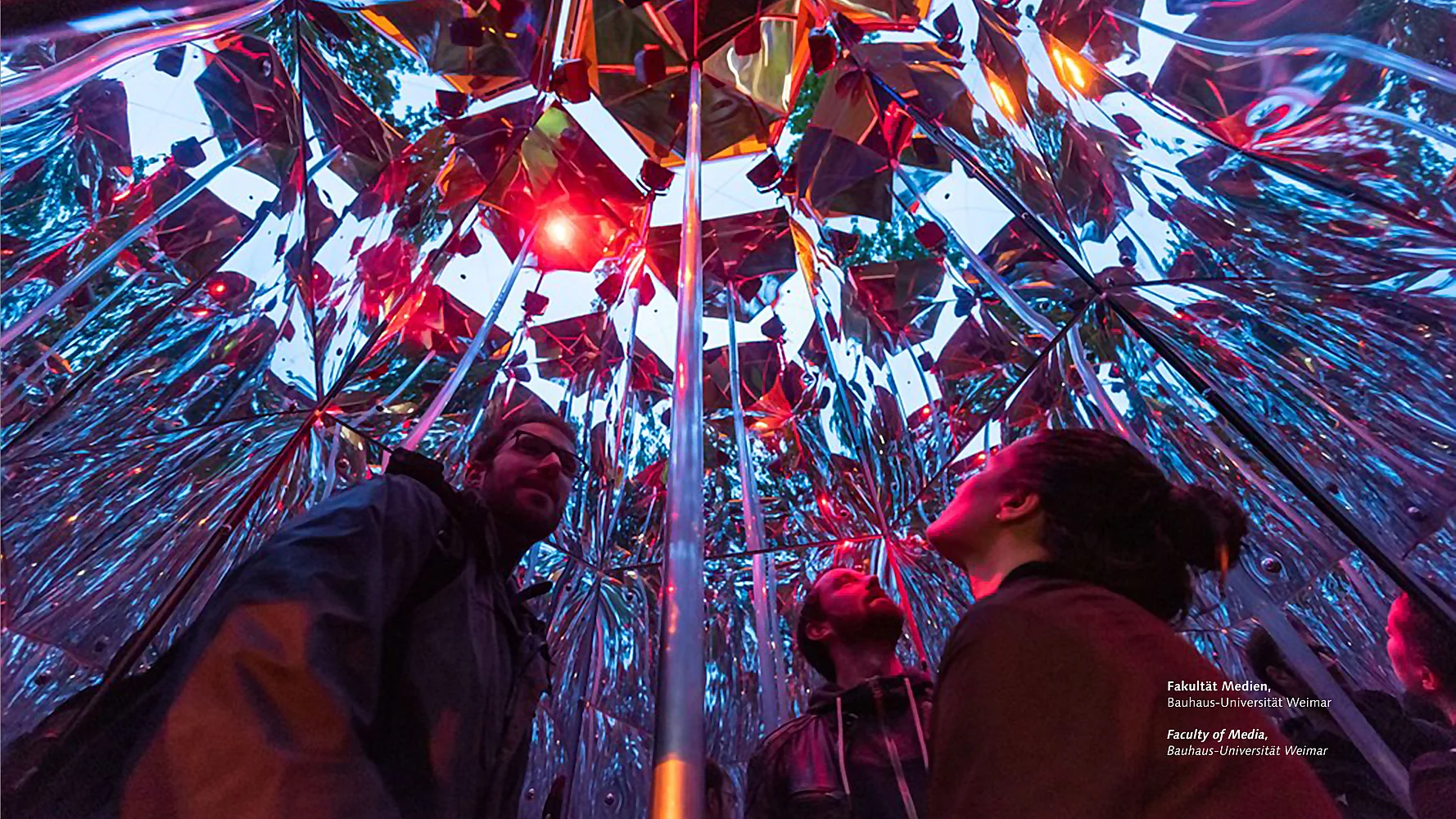
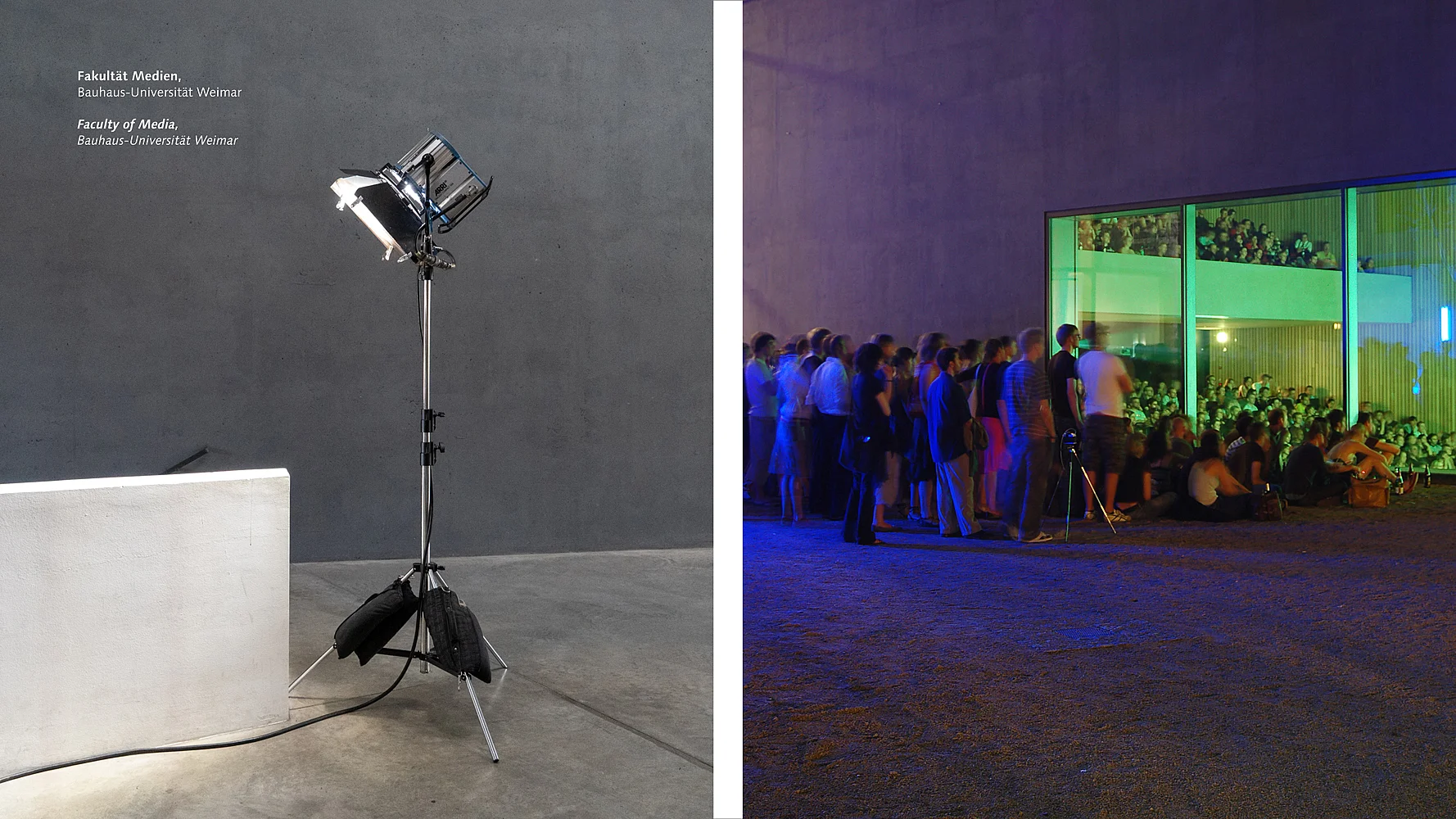
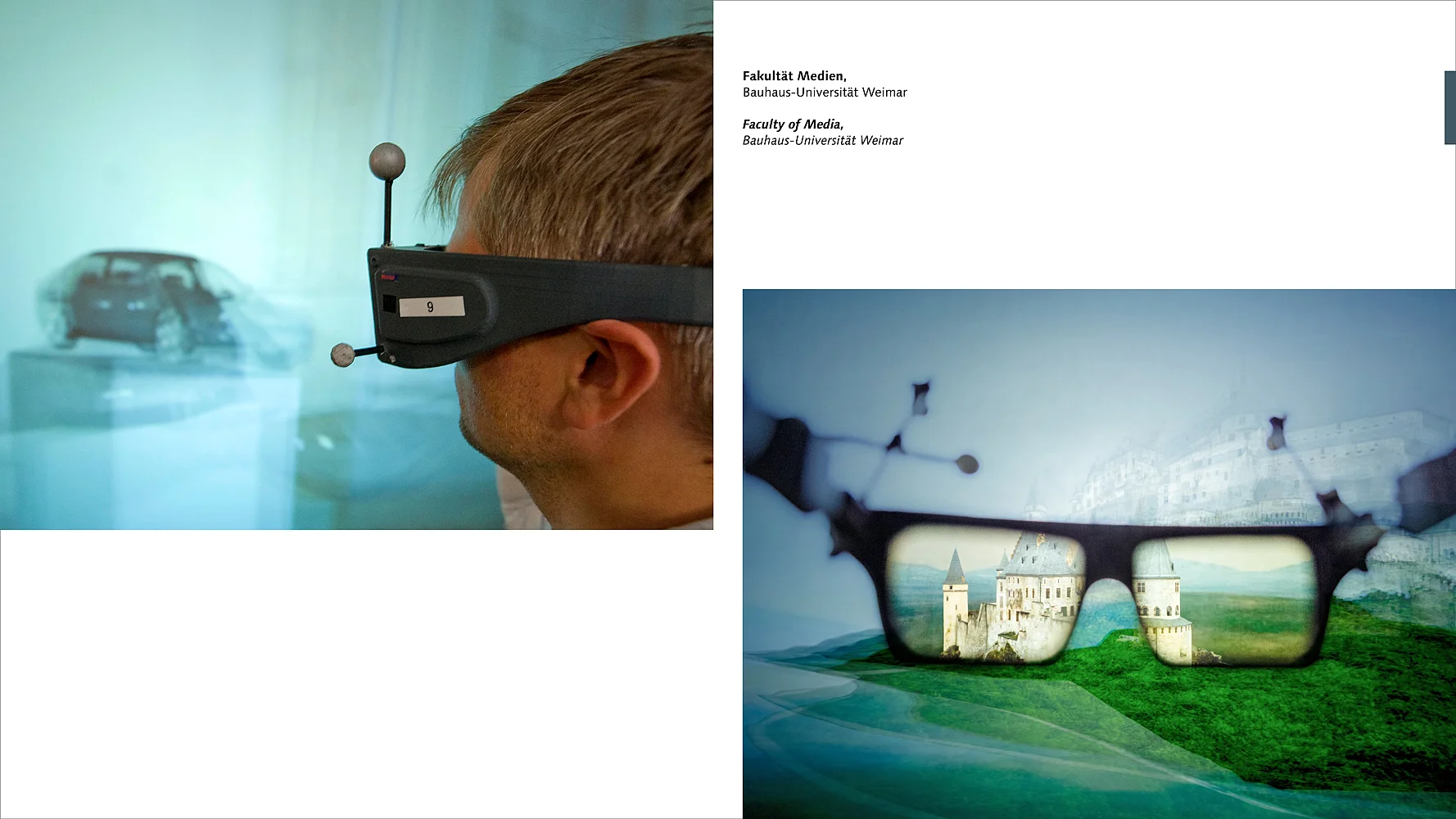
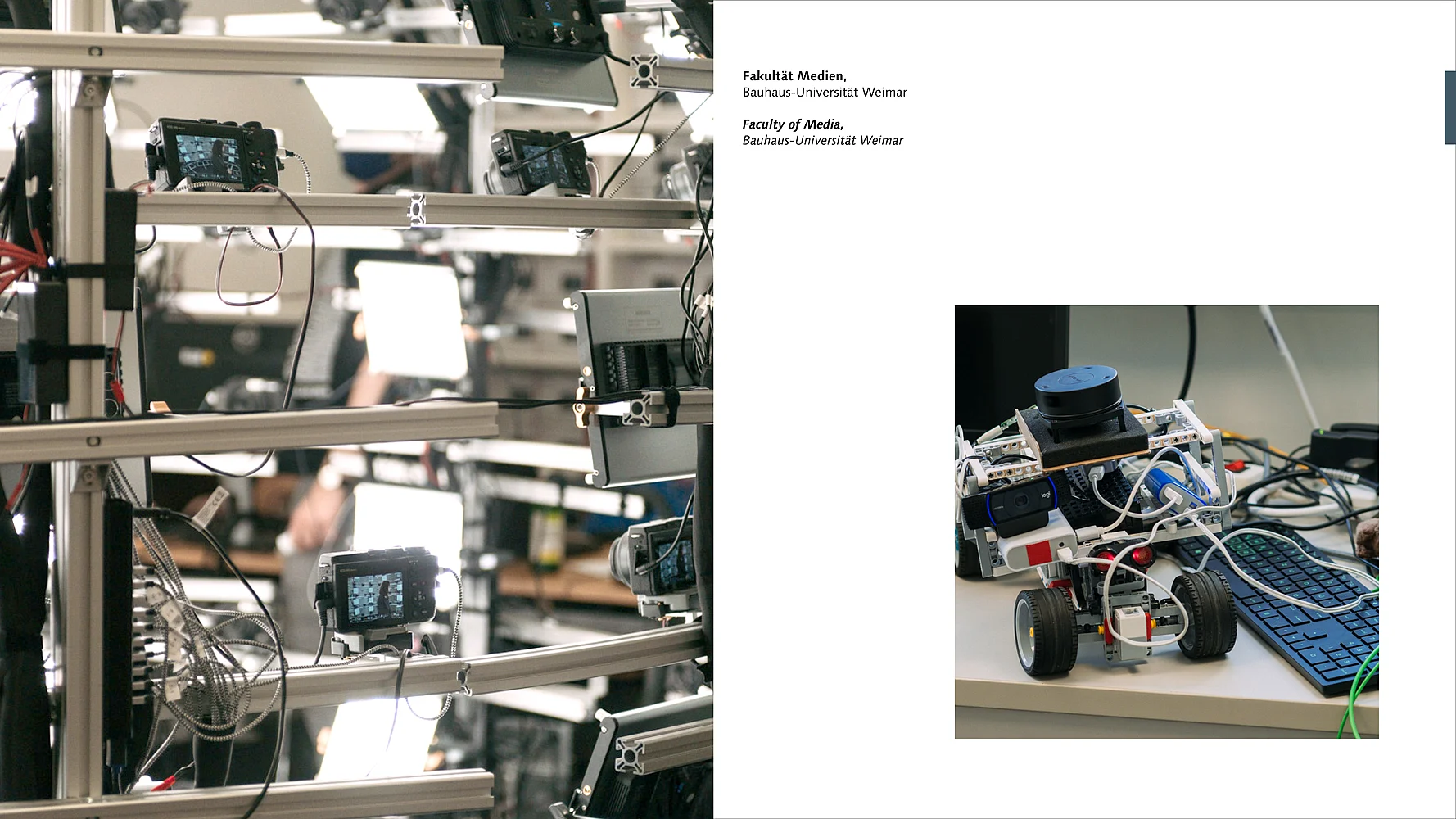
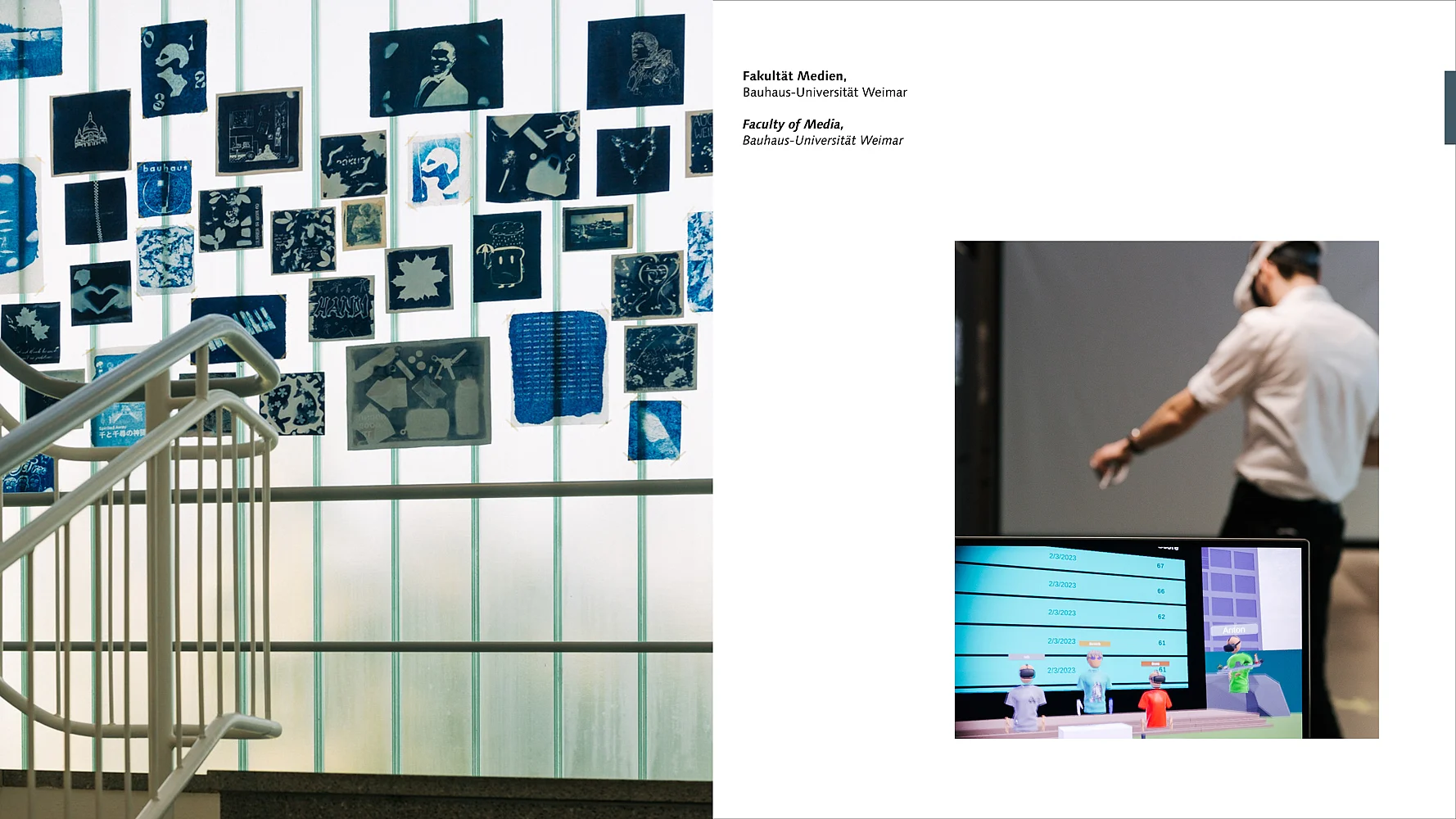
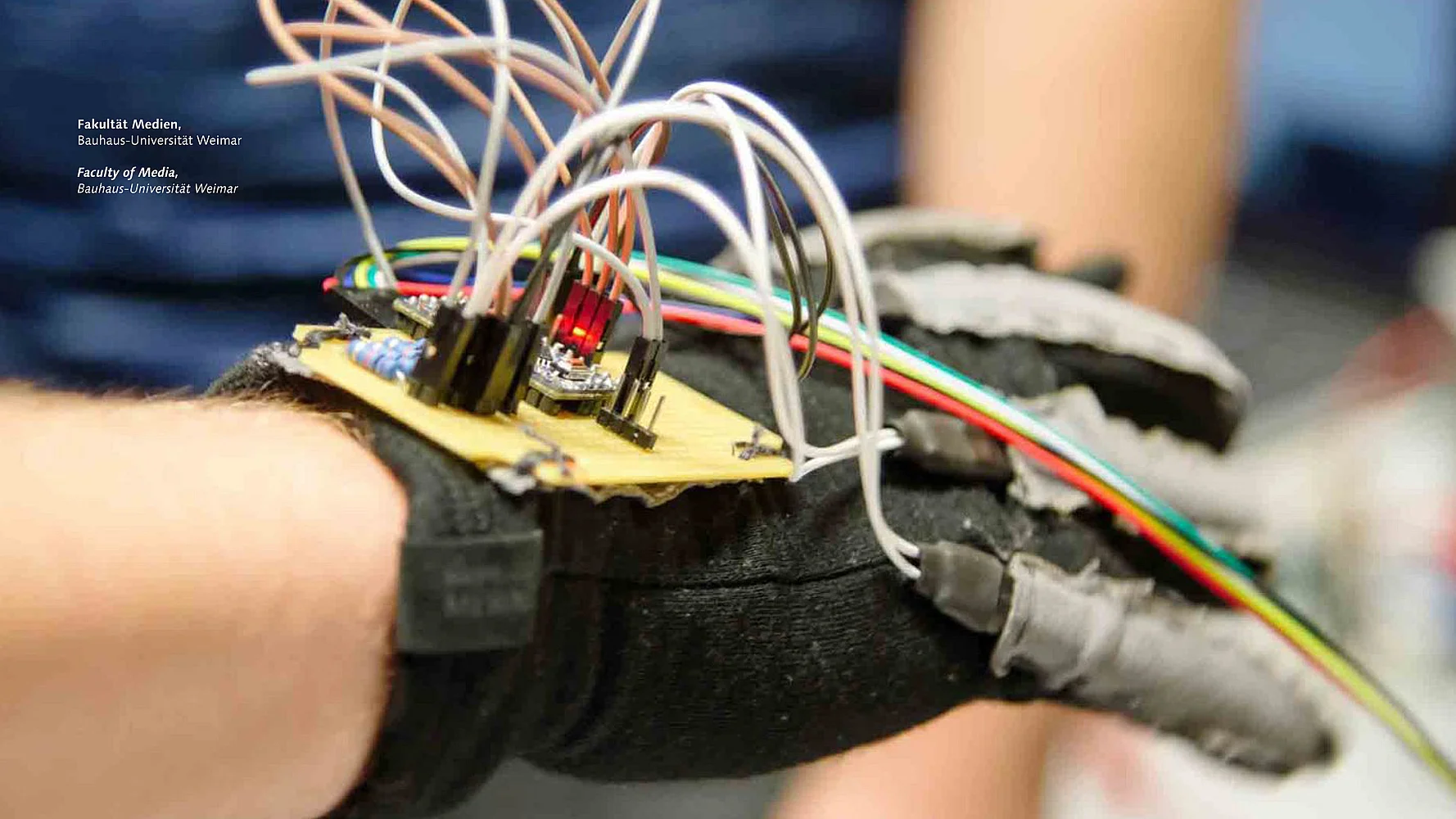
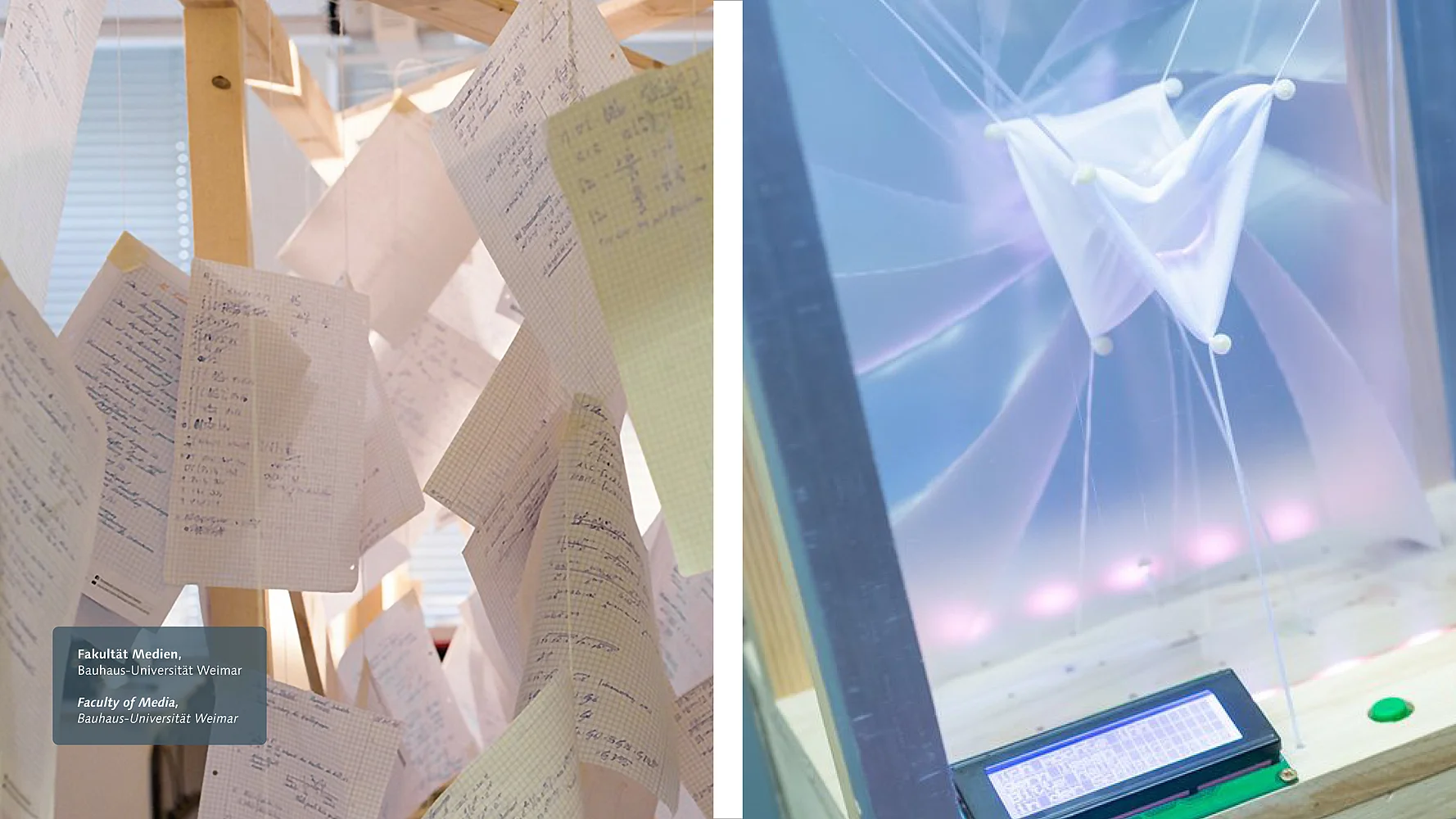
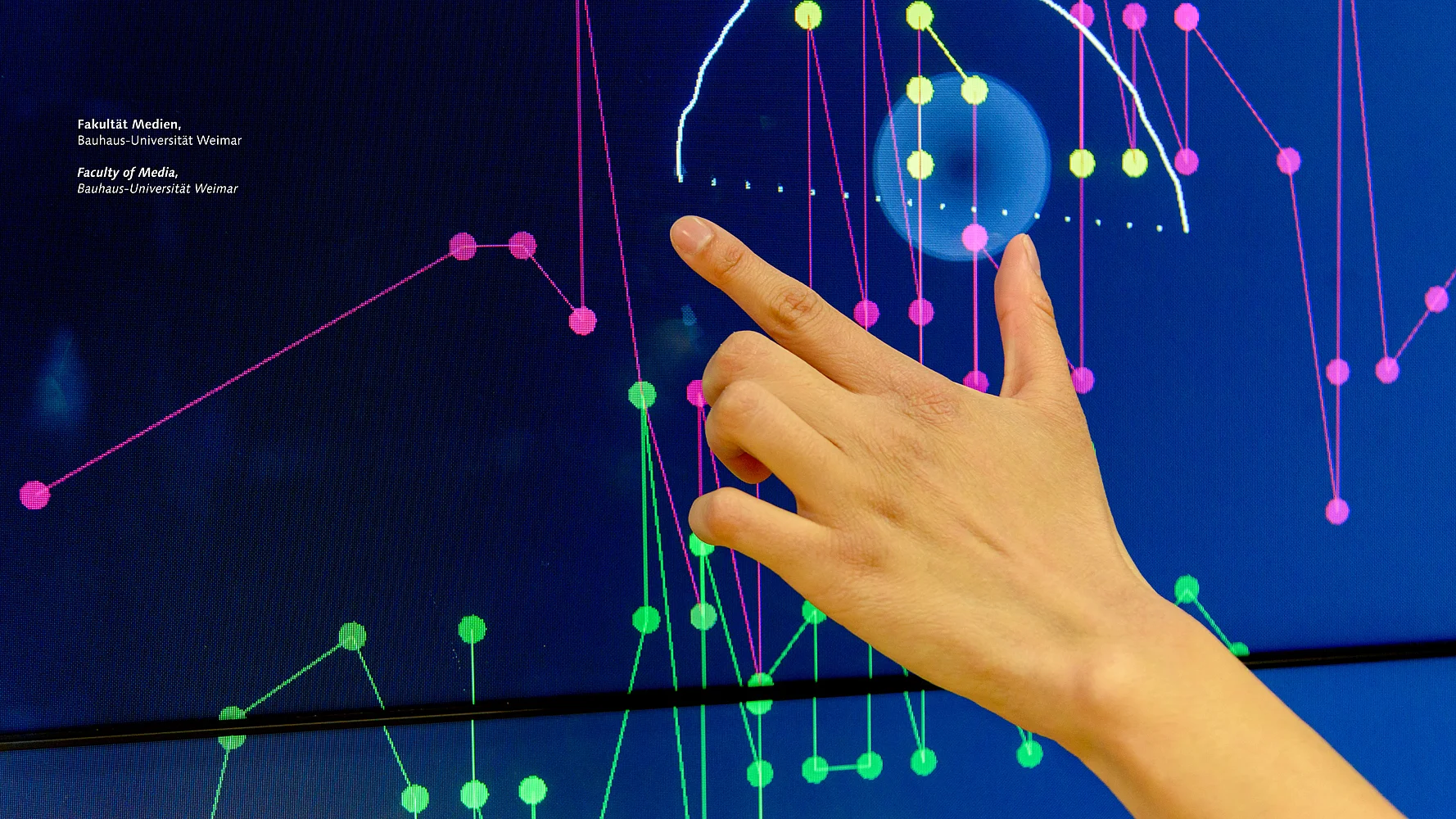
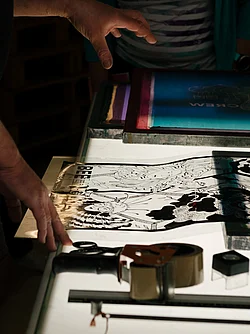
At the Bauhaus-Universität Weimar, education takes place predominantly through project-based programmes centred on real-world tasks. In-depth discussions with professors, fellow students, and staff in the workshops and laboratories make up a key part of this. There is a strong focus on experimentation and everyday student life typically takes place in workrooms, studios, and lecture halls.

What Sets Us Apart
Date
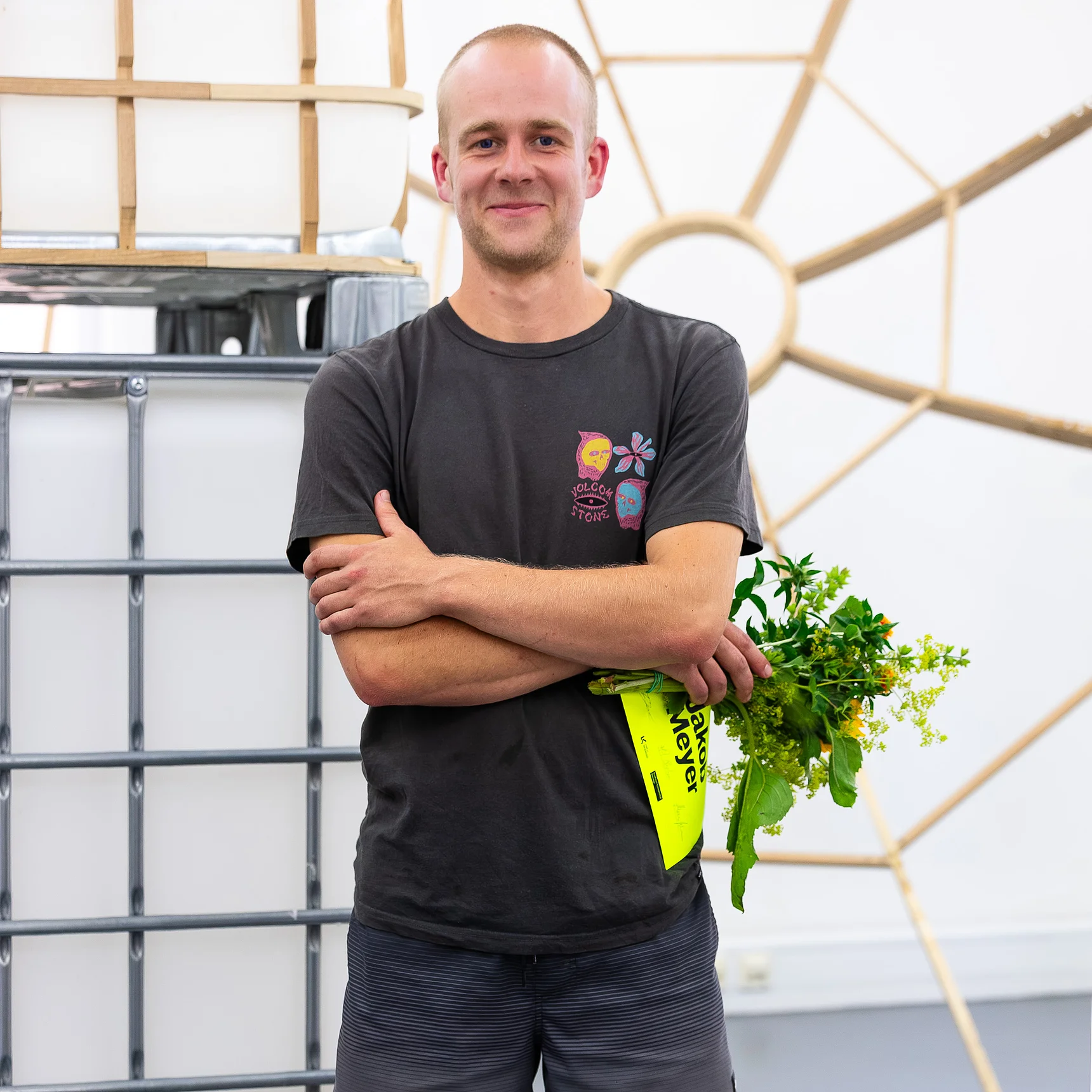
Jakob Elias Meyer Wins Lyonel Kunstpreis 2026
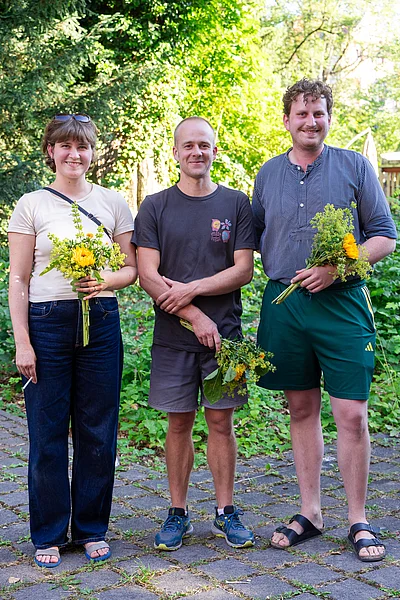
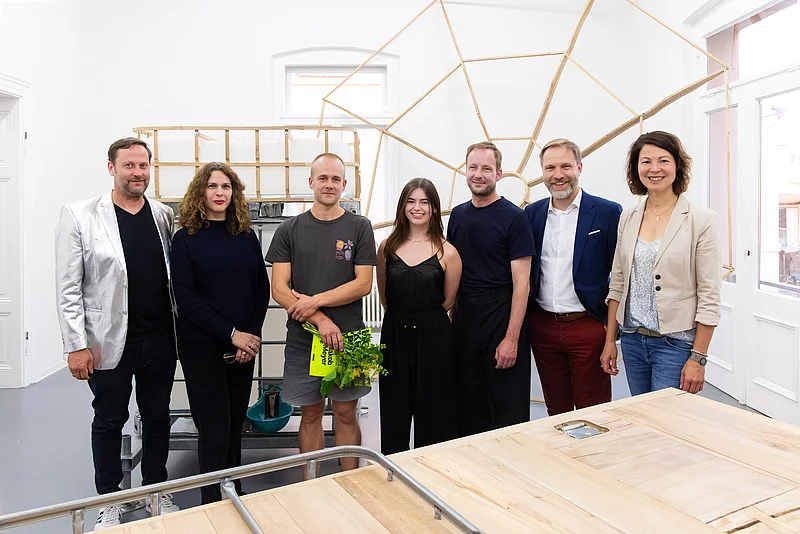
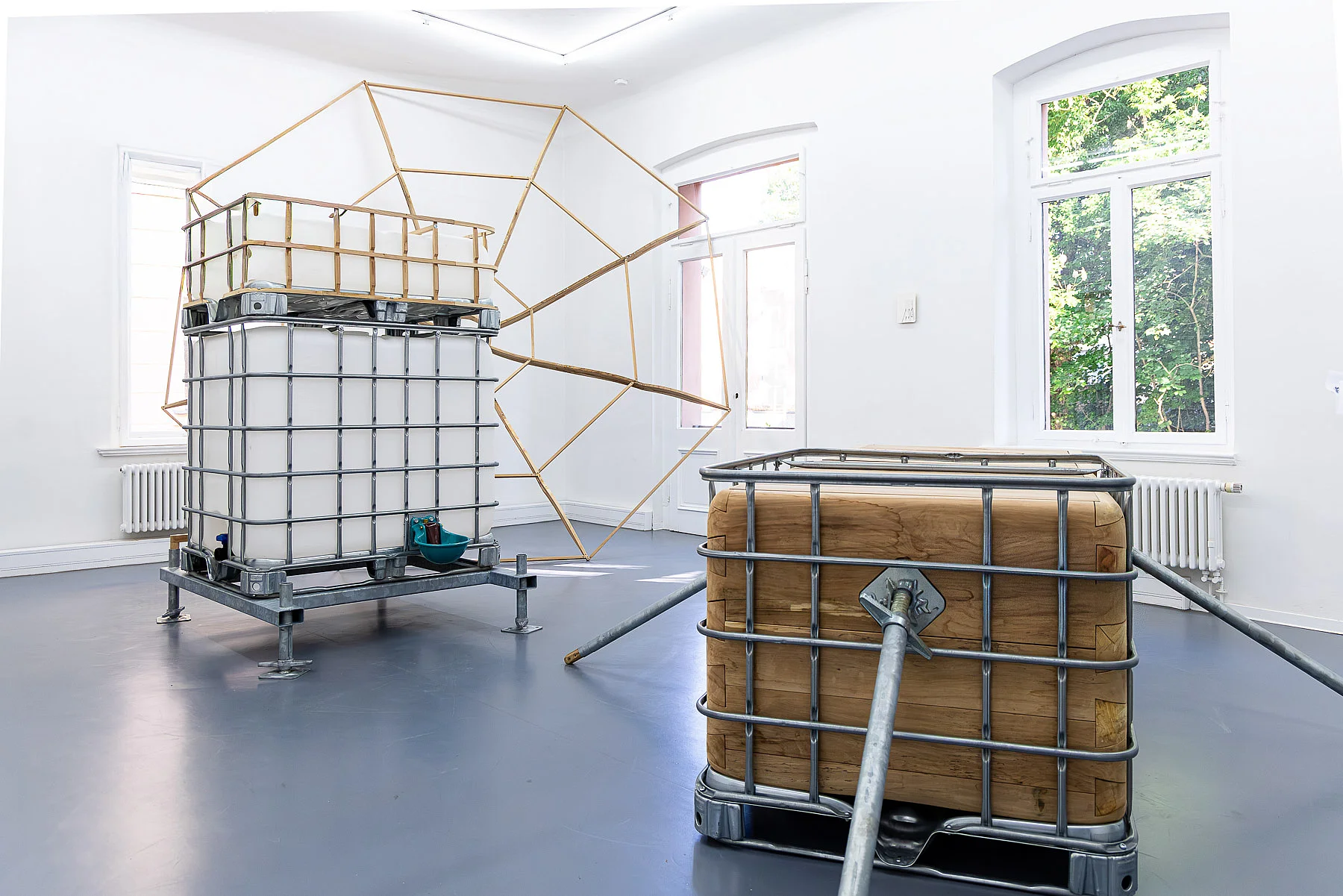
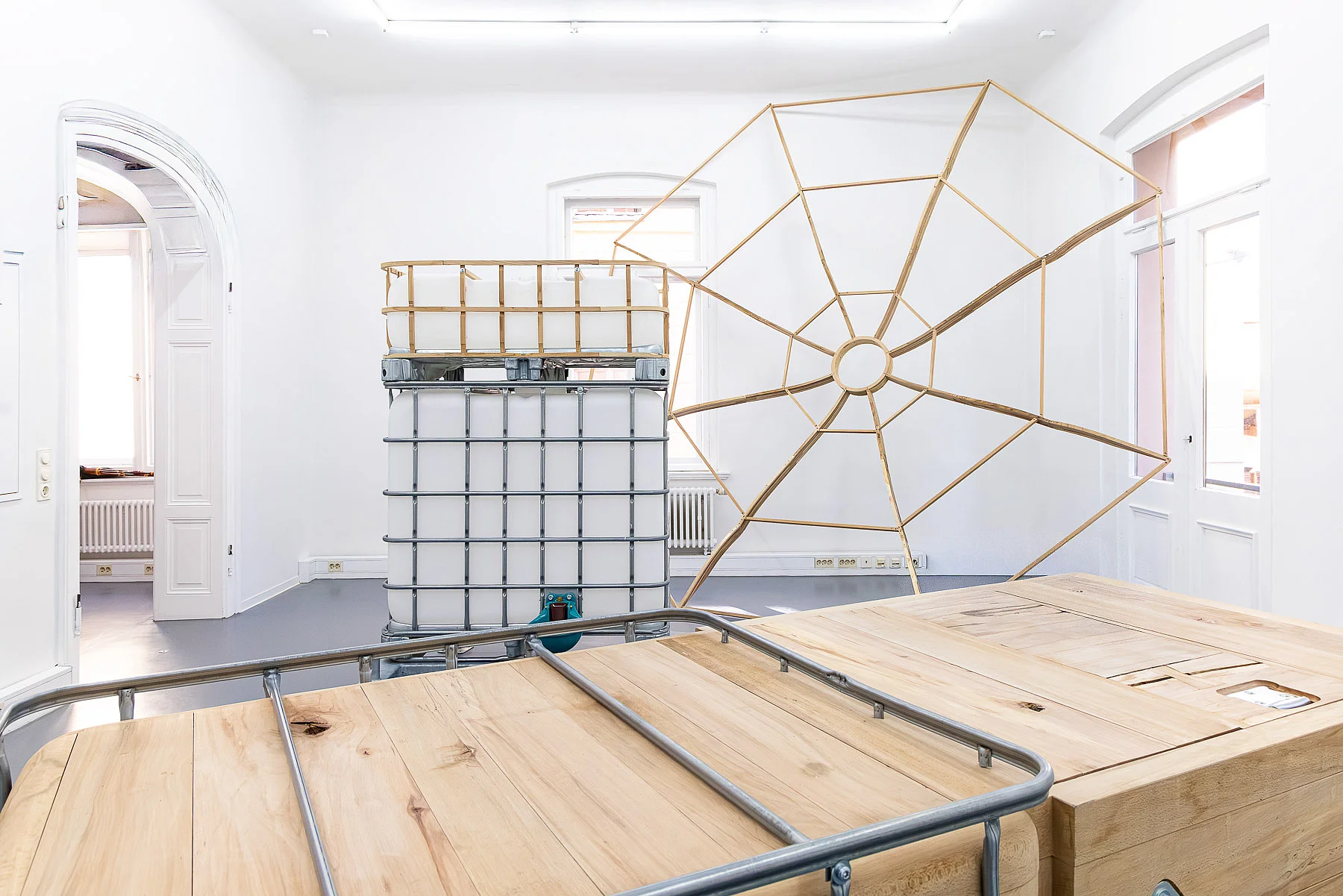
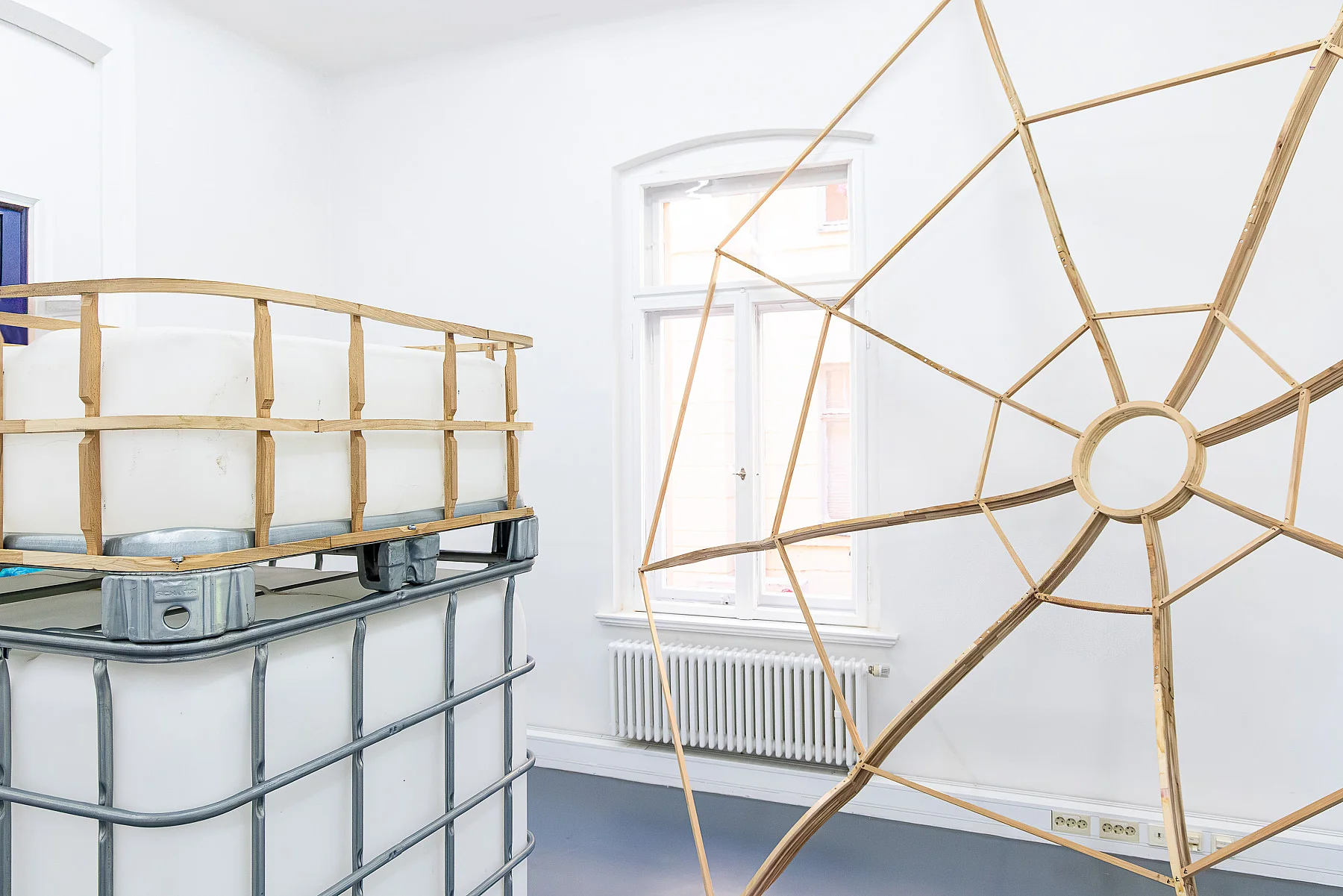
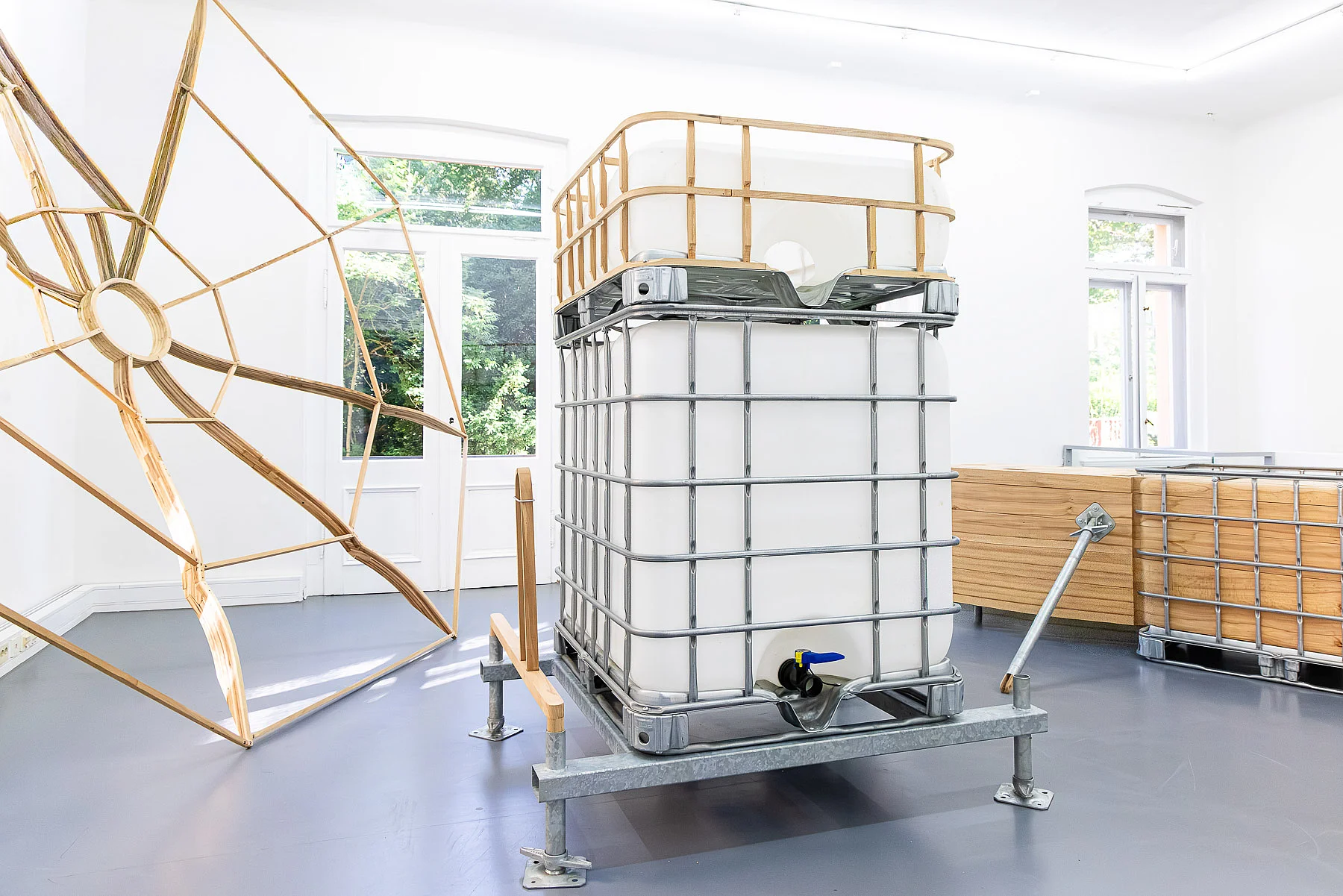
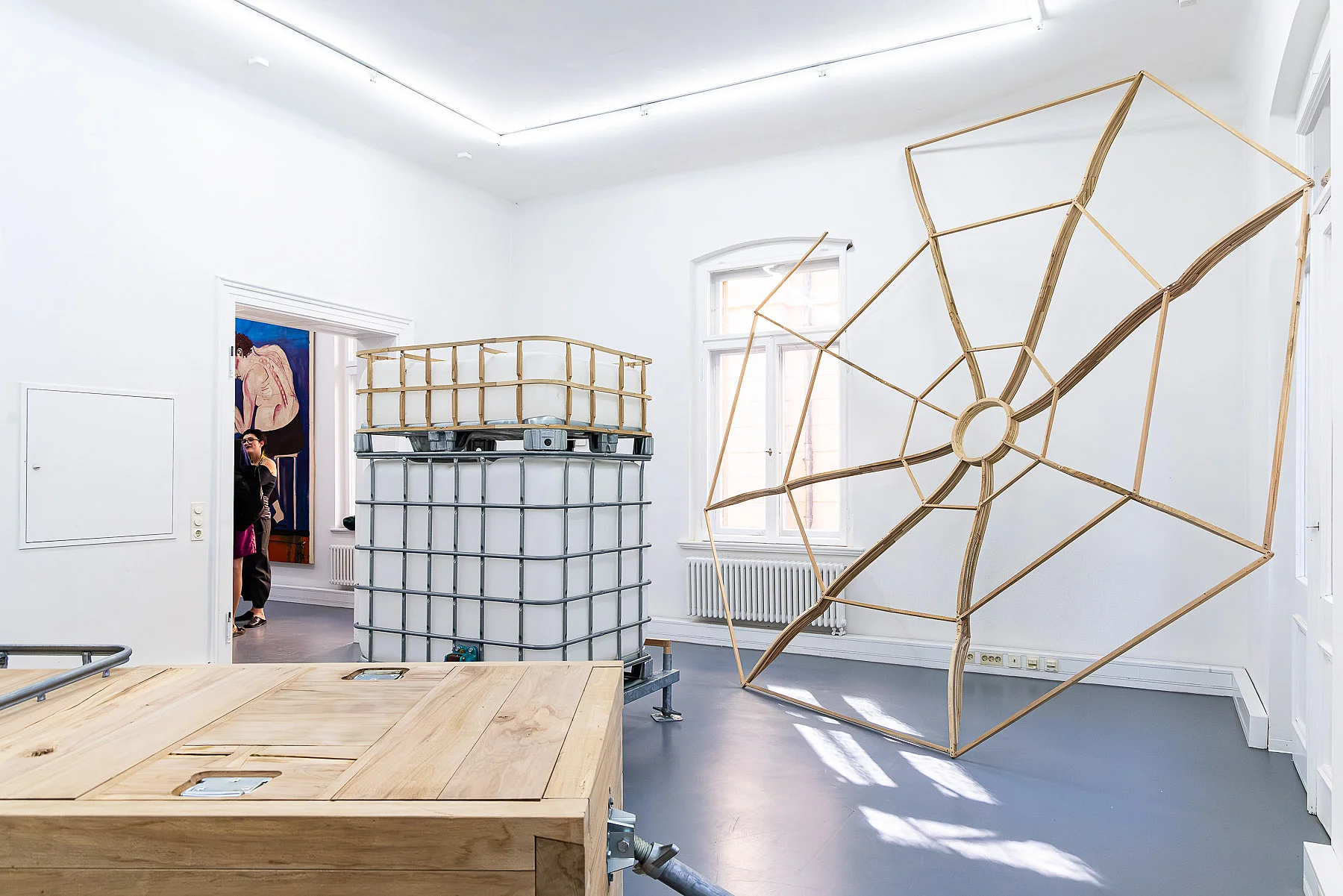
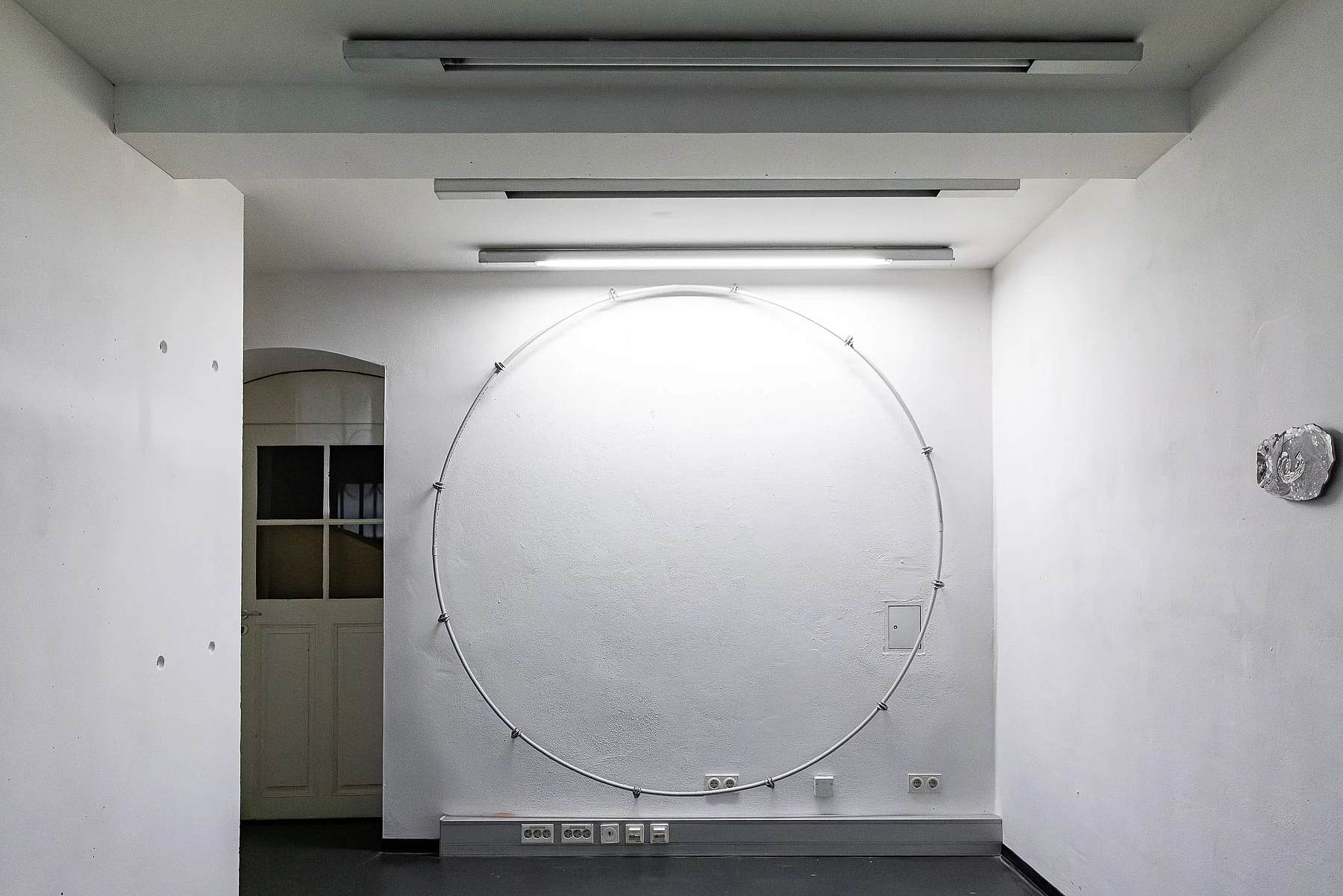
»We are delighted to unanimously present this year’s Lyonel Kunstpreis to Jakob Elias Meyer«, stated the jury of their decision. »Jakob Elias Meyer transforms efficiency-driven agricultural technology into intriguing forms that defy functionality. In doing so, he juxtaposes artisanal precision with industrial mass production. The resulting installations combine ready-made objects and handcrafted elements. His »Subsistenzprovisorium«, which is at once monumental and delicate, Meyer explores technologically mediated relationships between humans and the world.«
Agricultural motifs establish connections in Jakob Elias Meyer’s artistic work. By doing this, he refers to animals, land cultivation, construction, and constructive processes. Meyer draws on historical and modern craft techniques, experiments with the related materials, and develops new methods and structures from them.
A key concept for him is »Bauer«: Unlike the English term »Farmer«, the German emphasises not ownership, but the activity itself. For Meyer, the term combines two core aspects of his work: building as a constructive act, and a relationship to animals and the cultivation of the land.
A total of three graduates were nominated for the Award this year. All of the final projects, including Jakob Elias Meyer’s»Subsistenzprovisorium«, will be exhibited as part of a group exhibition for summaery2026 on Saturday, 11 July 2026 from 12 – 8 pm and Sunday, 12 July from 12 – 6 pm at Berkaer Straße 11.
Contact Jakob Elias Meyer:
www.jakobeliasmeyer.com
www.instagram.com/jakobeliasmeyer