Between Past and Future
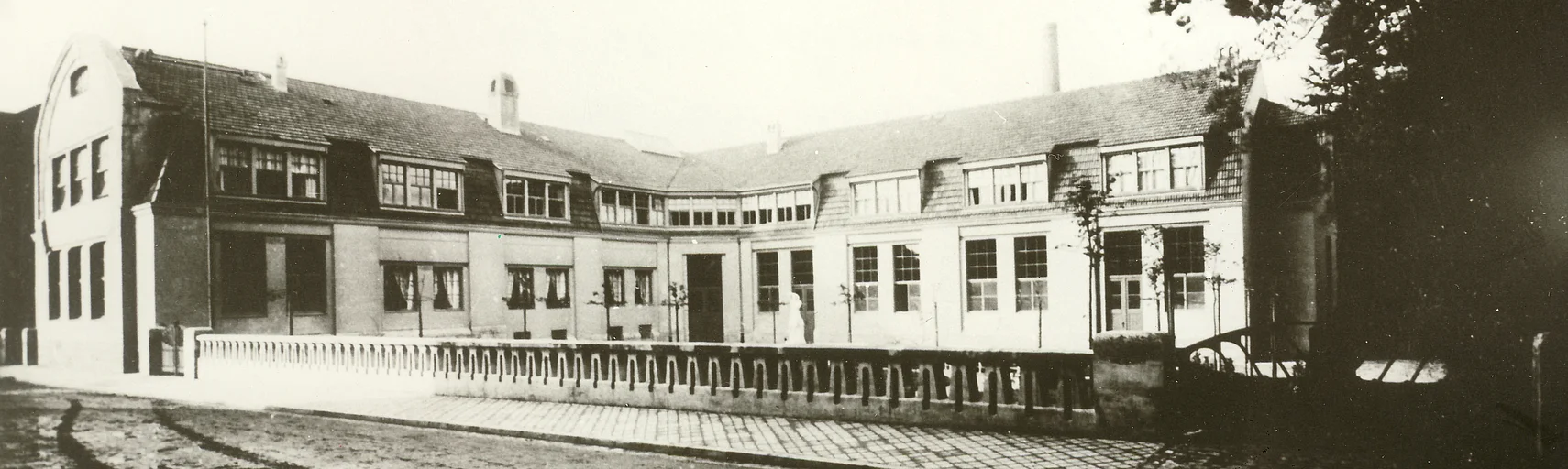
The history of the Bauhaus-Universität Weimar dates back to 1860. Originally founded as the Grand Ducal Art School, it was later established by Henry van de Velde as the Grand Ducal Vocational Arts School. In 1919, Walter Gropius founded the State Bauhaus in what is now the Main Building of the University. Artists, designers, and architects from various disciplines and from all over the world came to Weimar and developed new forms of teaching, learning, and designing, making the city an epicentre for international modernism..
The University’s development has been influenced by social changes, new academic fields, and the interplay between disciplines. Today, the Bauhaus-Universität Weimar combines architecture and urbanism with construction and the built environment, art and design, and media. The term »Bauhaus« represents not only a historical legacy, but also open-mindedness, an experimental spirit, and interdisciplinary exchange.

Art School for Painters, thereby founding the visual arts
in Weimar. Its most famous pupils were
Max Liebermann and Max Beckmann.

founded the School of Applied Arts. He
subsequently built, based on his own drafts,
two new buildings which are now known as the Vande-
Velde Ensemble and are listed as
UNESCO World Heritage Sites.

Bauhaus in Weimar; the avant-garde
coursework was shaped by Johannes Itten,
Lyonel Feininger, Paul Klee and Wassily
Kandinsky, amongst others.

Walter Gropius and the other
Bauhaus members move to Dessau.

under the leadership of the architect Otto Bartning
and is offering a standard architecture degree programme for the first time
.

tendencies and ideas’
. Only 3 of the previous 32 academic staff
are being retained. The murals
by Oskar Schlemmer are being whitewashed.

signalled the shift towards a
technically oriented education.
With the establishment of new faculties
of Civil Engineering and of Building Materials Science
and Technology, the institution is renamed
the University of Architecture and Civil Engineering (HAB). It develops into the
most influential university of architecture and civil engineering in the GDR.

(1996), the university is responding to current developments. In line with the
Bauhaus philosophy of the unity of art
and technology, it is consistently committed to
developing a unique academic profile
with an artistic and technical focus,
and has renamed itself the Bauhaus-Universität
Weimar.

Universität Weimar’ and is taking a closer look at the various
predecessor institutions.

to have been accepted into the German Research Foundation (DFG). This serves as confirmation of the steady increase in the amount of external funding secured and the international reputation of its research.

founding in Weimar” with a
dedicated website, numerous events,
conferences and exhibits in Weimar,
on site, in Berlin and worldwide.
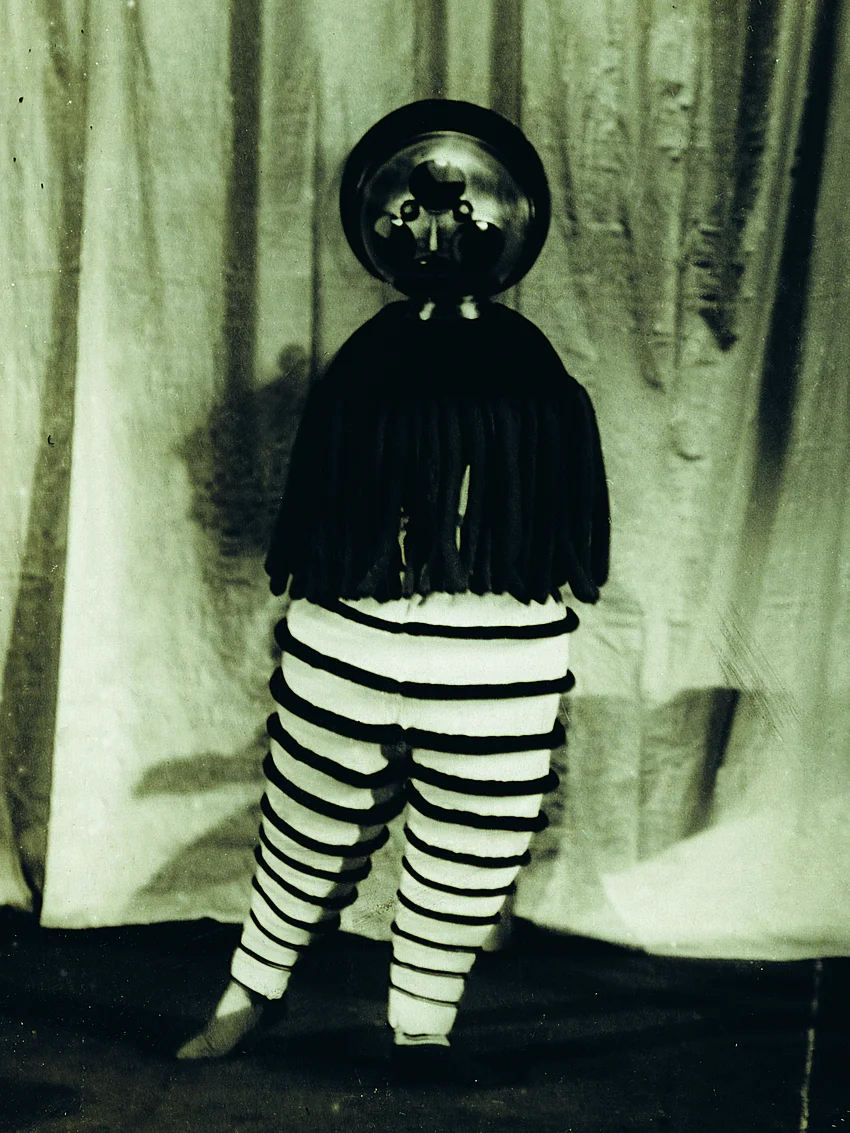

»The Bauhaus, with its sites in Weimar (Thuringia) and Dessau (Saxony-Anhalt), represents the so-called Bauhaus school of architecture which, between 1919 and 1933, applied revolutionary ideas to building design and town planning. The buildings of the Bauhaus professors, from Walter Gropius to Hannes Meyer, Lazlo Moholy-Nagy to Wassily Kandinsky, founded the Bauhaus style, which made a decisive mark on the architecture of the twentieth century.«
»Gespräche zur Hochschulgeschichte«
The »Gespräche zur Hochschulgeschichte« series is part of the Alumni-Discussions, a joint project organised by the Alumni Office, the Modernist Archive and the University Library.
The series has so far been hosted by Dr. Klaus Uhlig, Prof. Christian Schädlich, Michael Siebenbrodt, Prof. Gerd Zimmermann, Dr. Jörg Brauns, Dr. Heiko Schultz, Prof. Hans-Ulrich Mönnig, and Prof. Liz Bachhuber.