ProTELC
Digital Twin (2022) Technische Universität Ilmenau
1st Science Camp for Bachelor Students
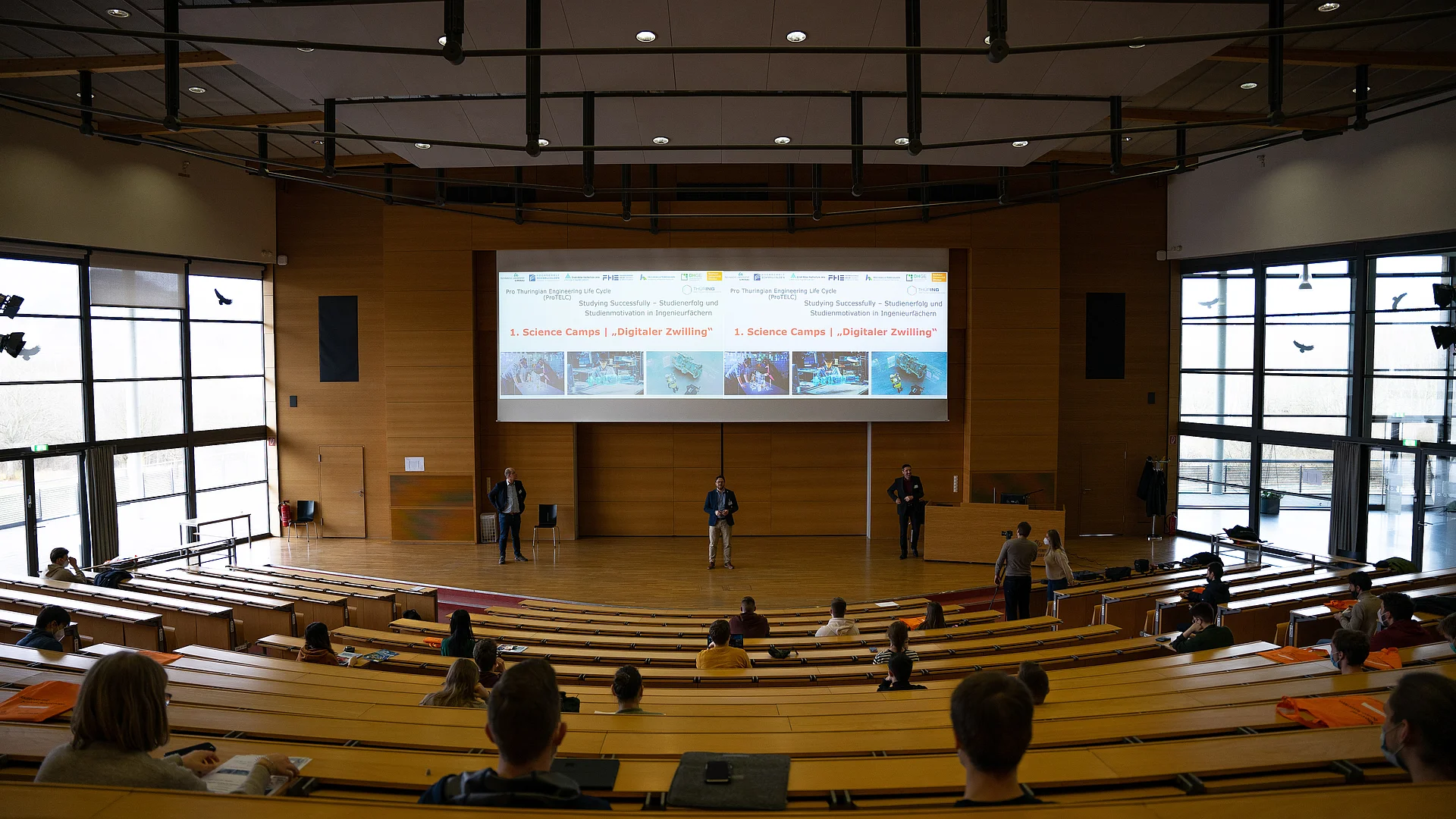
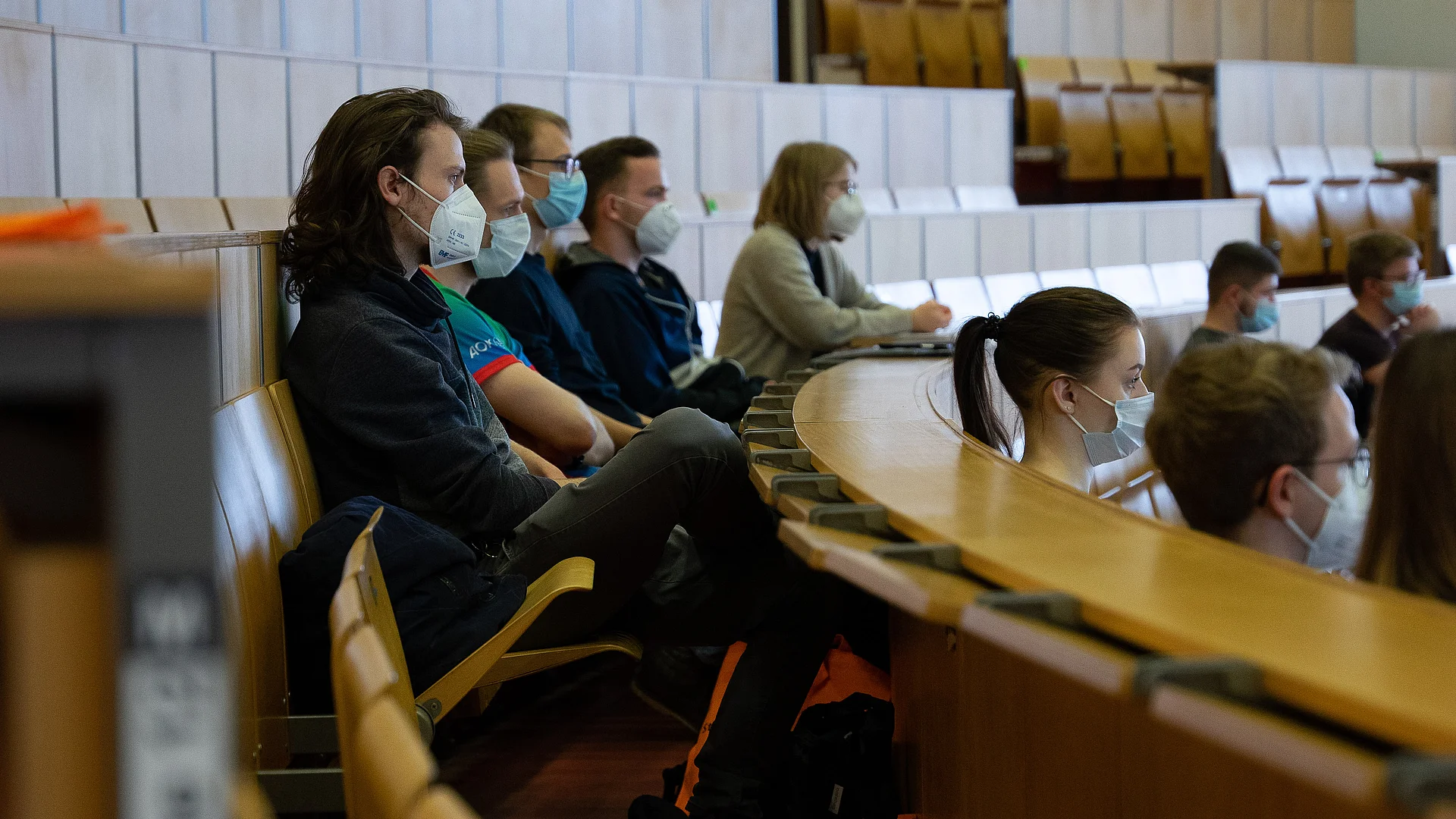
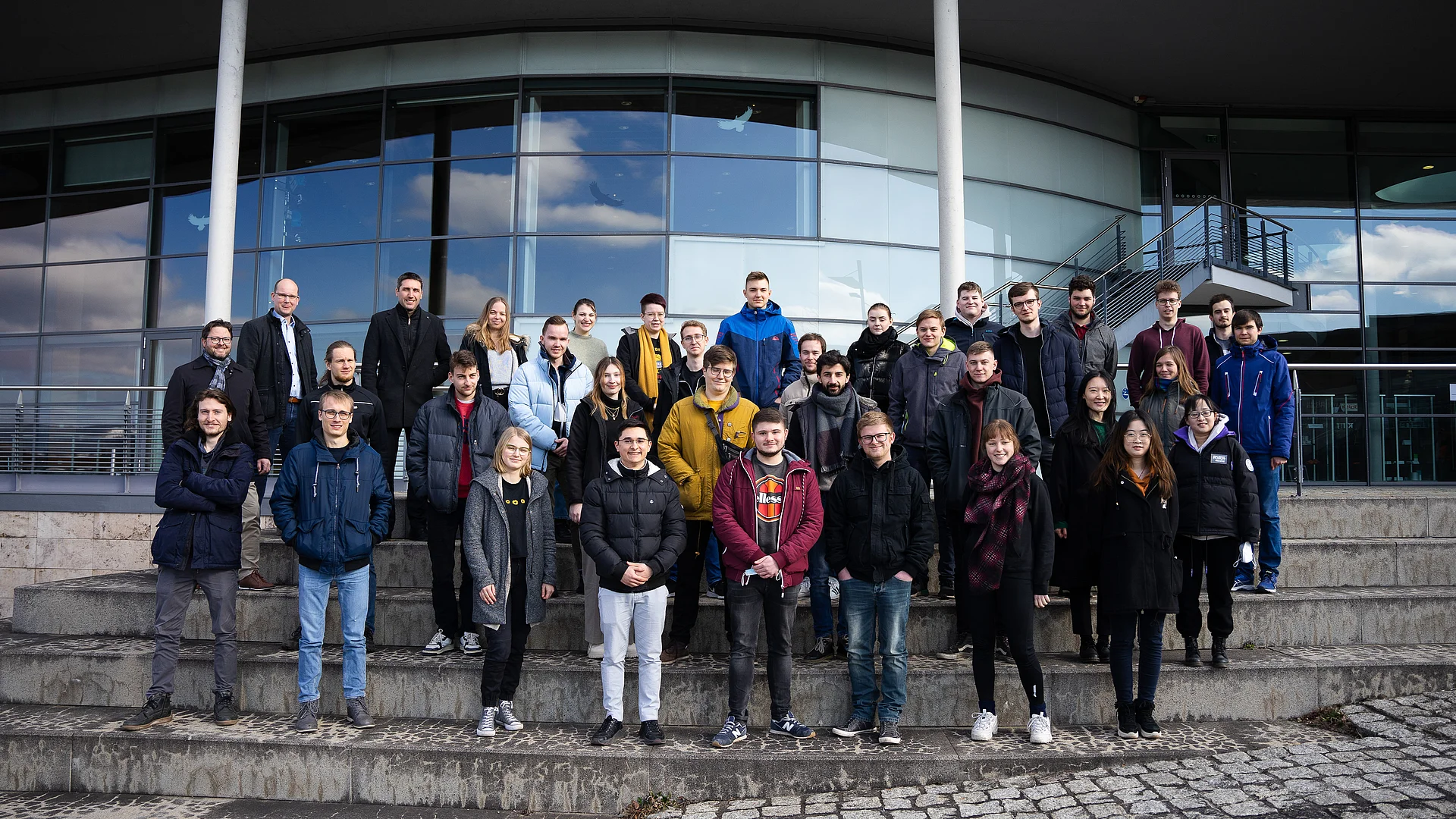
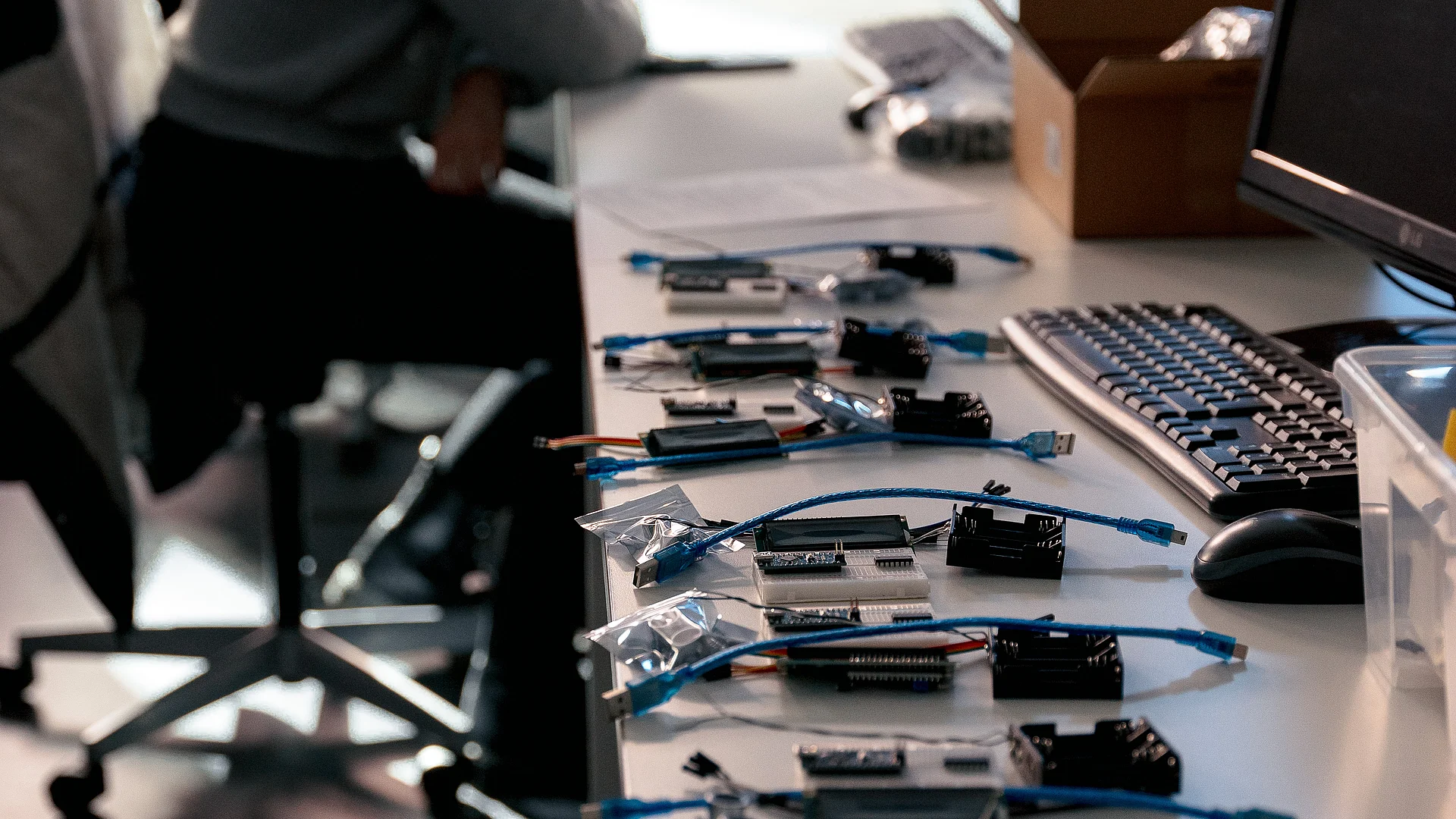
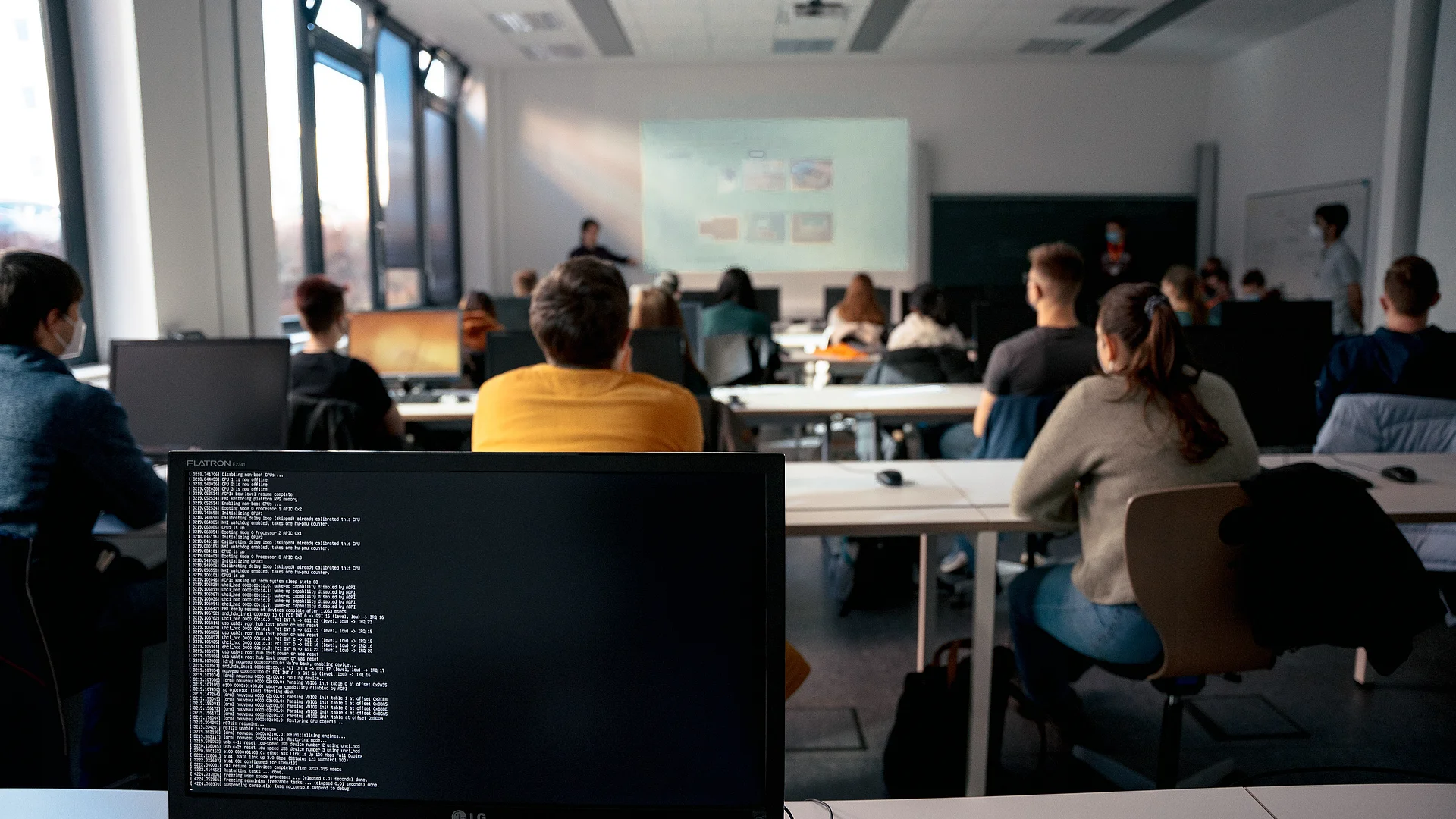
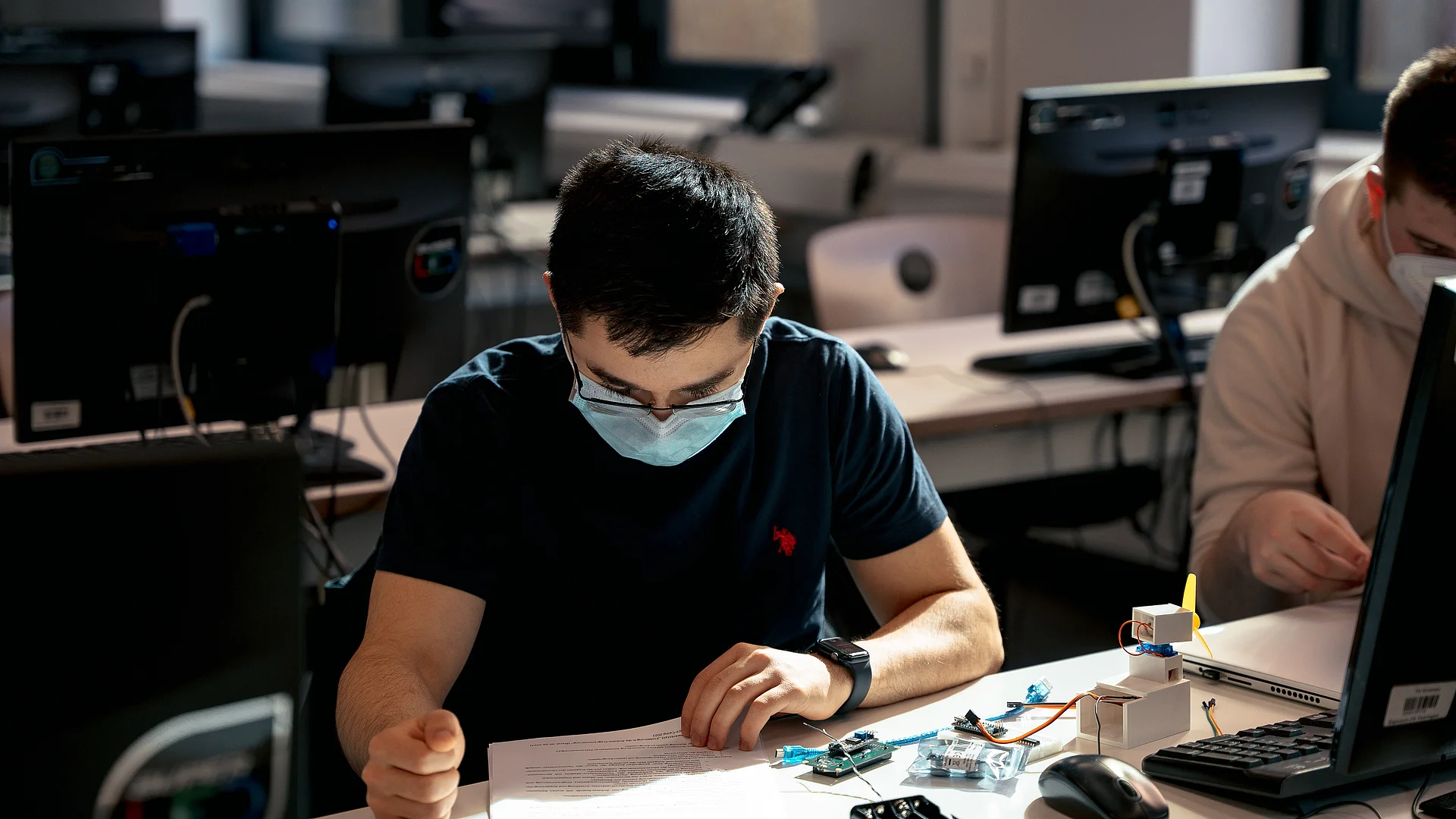
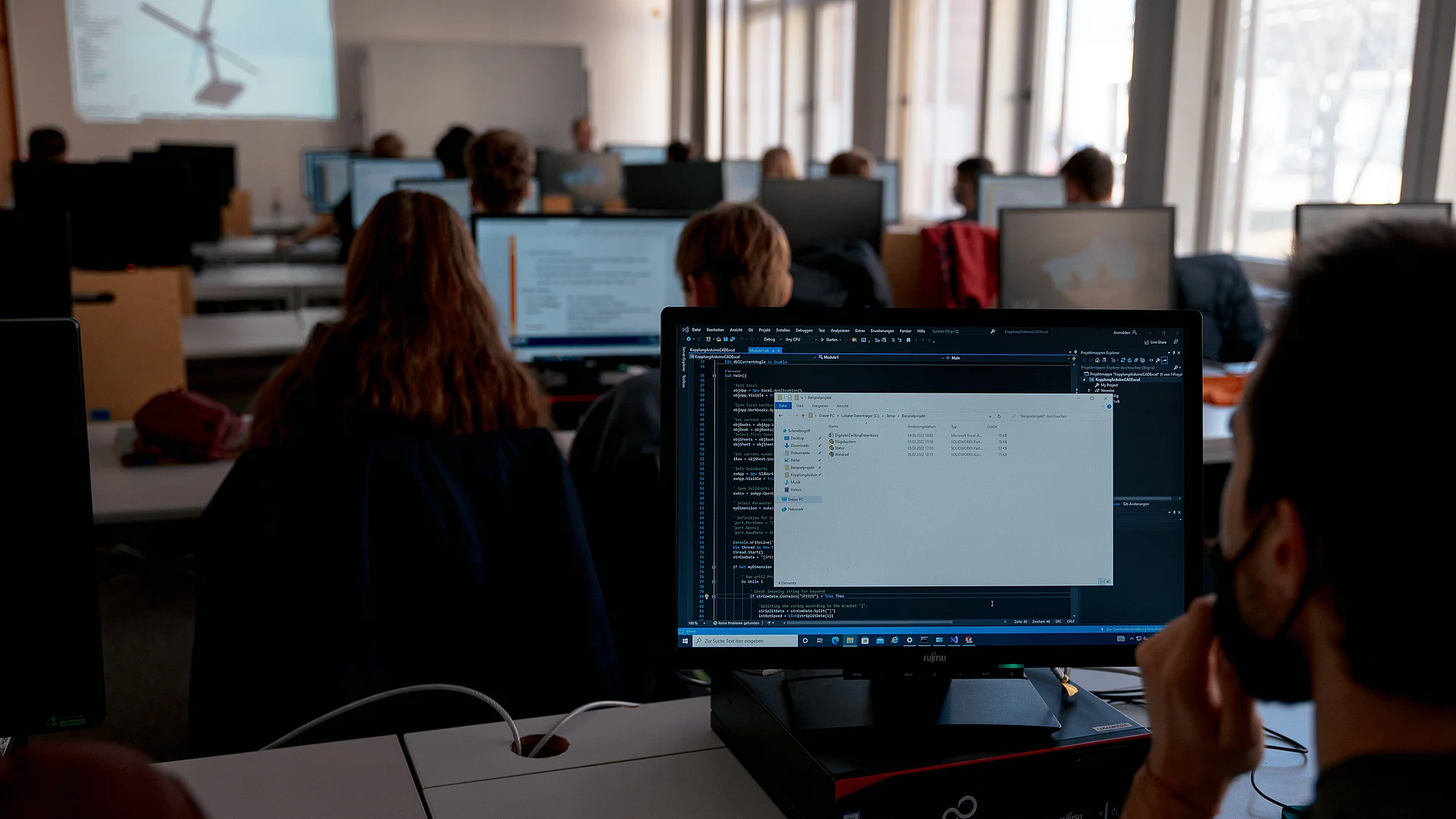
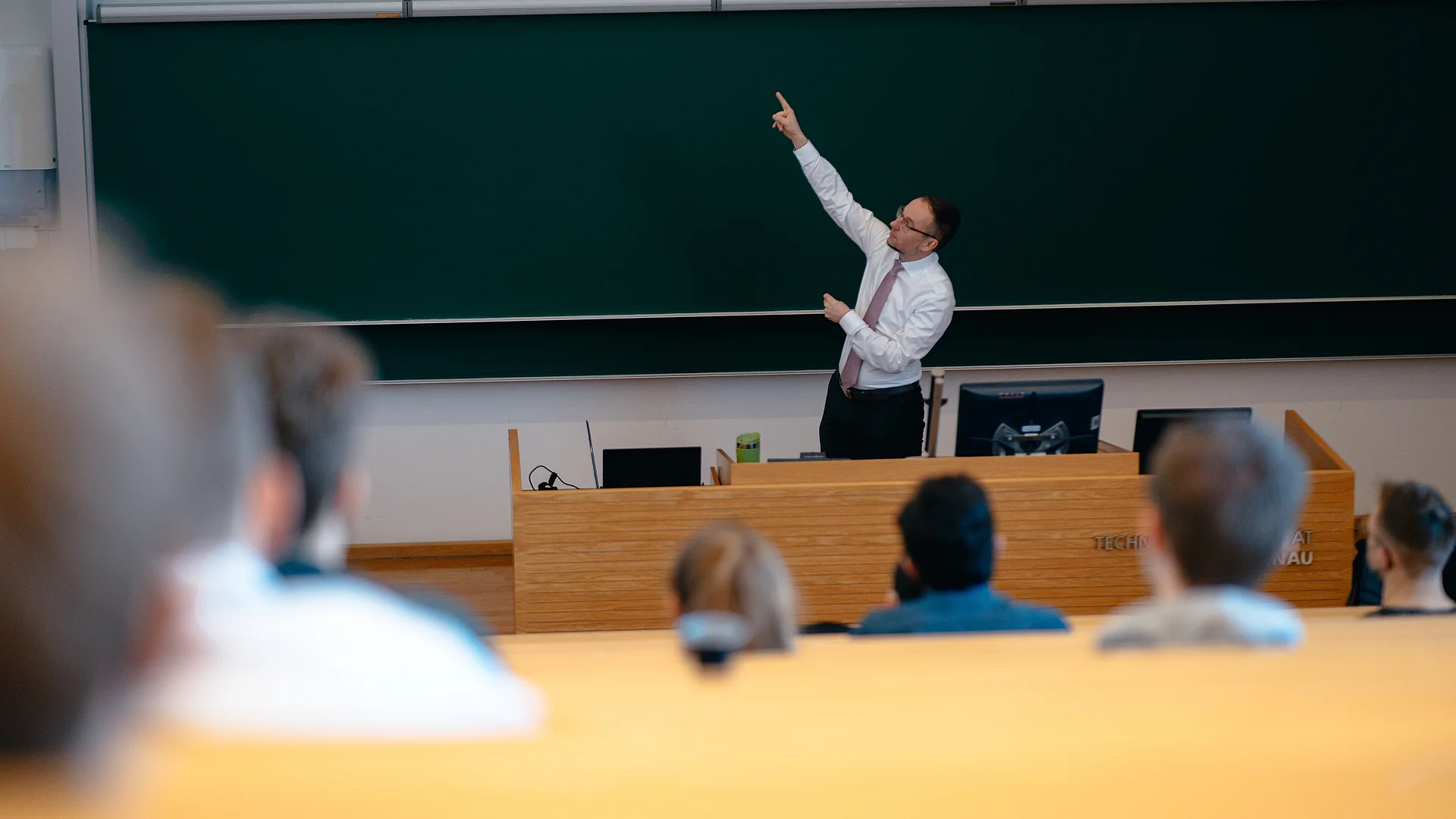
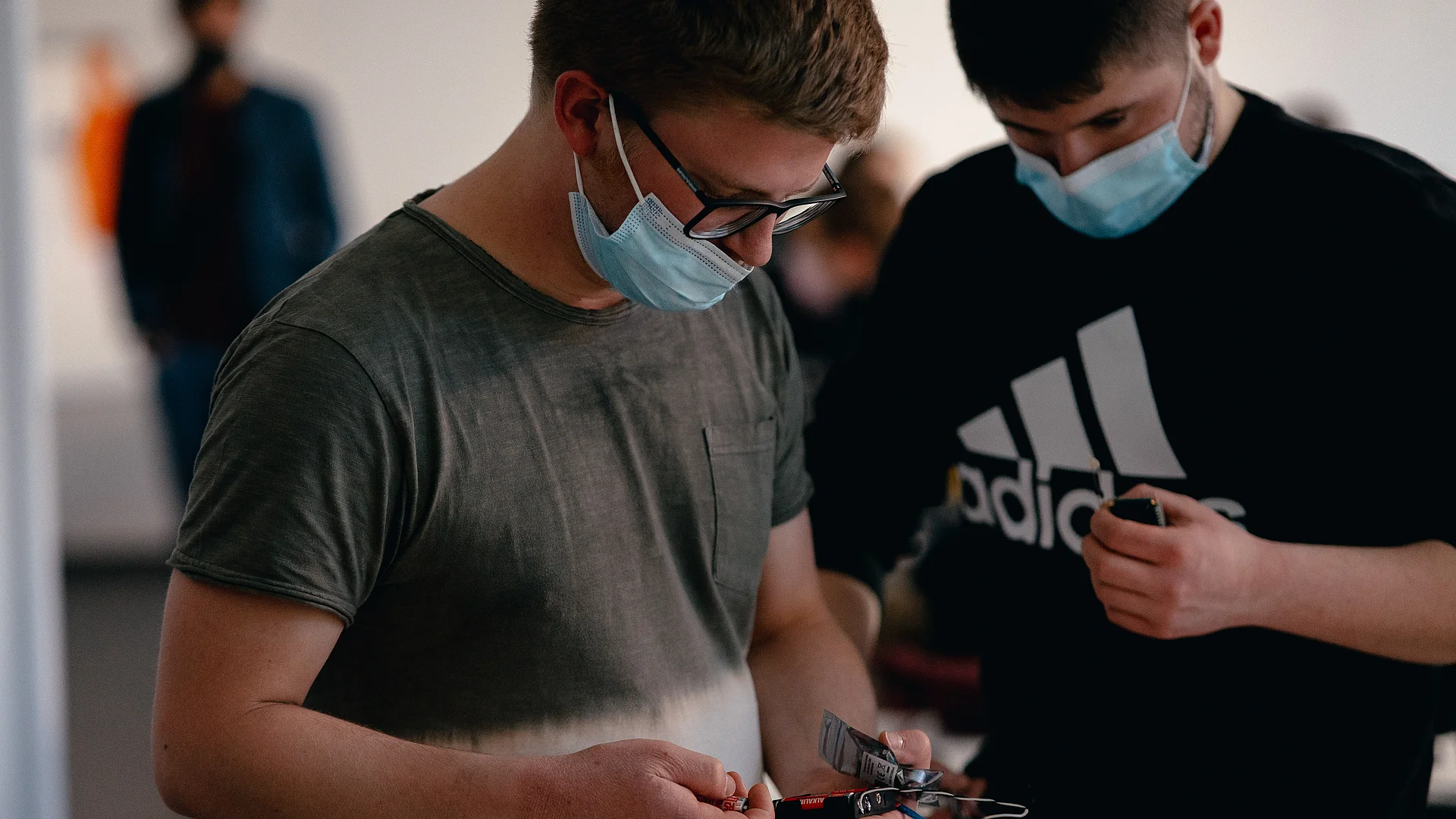
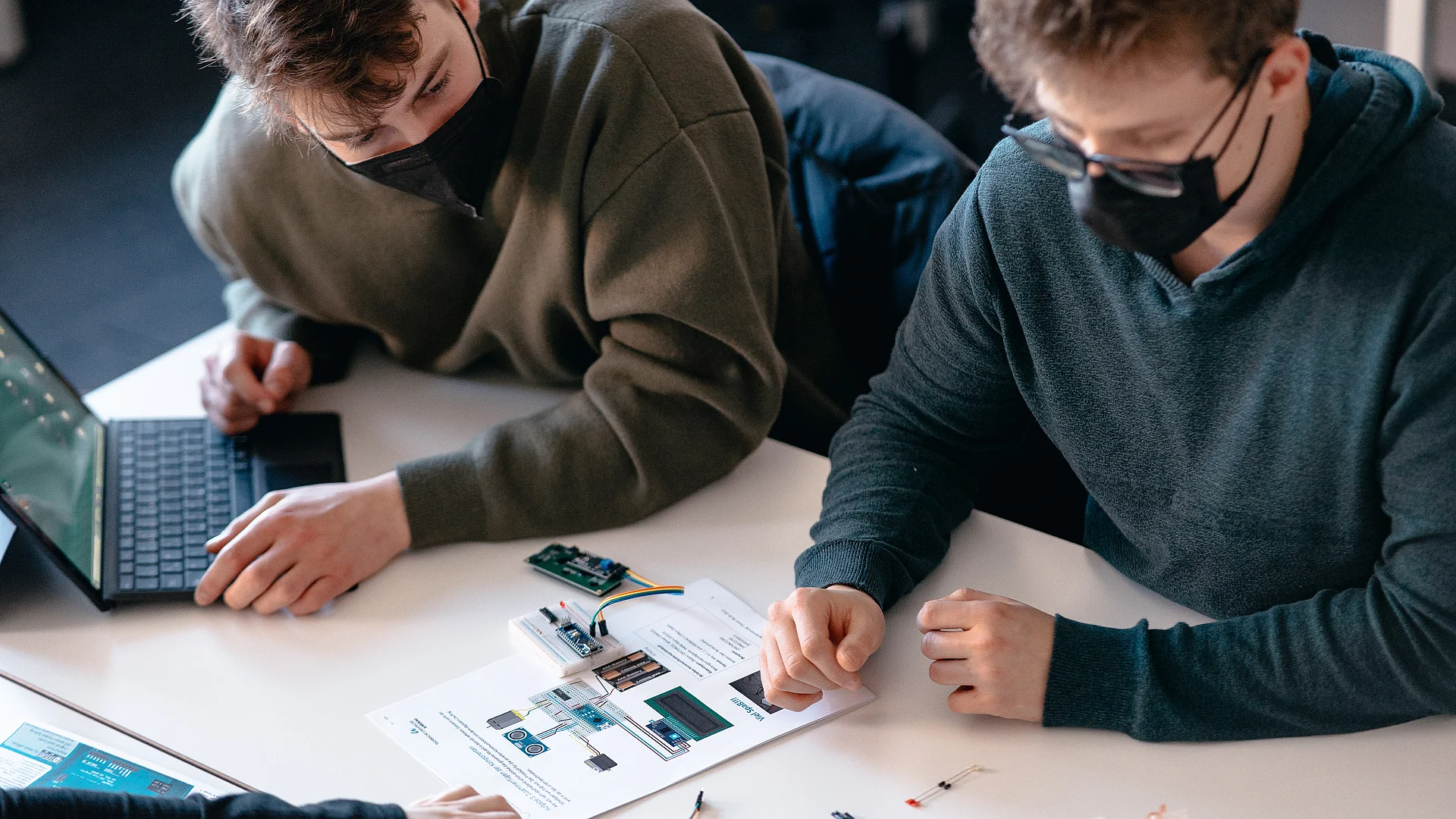
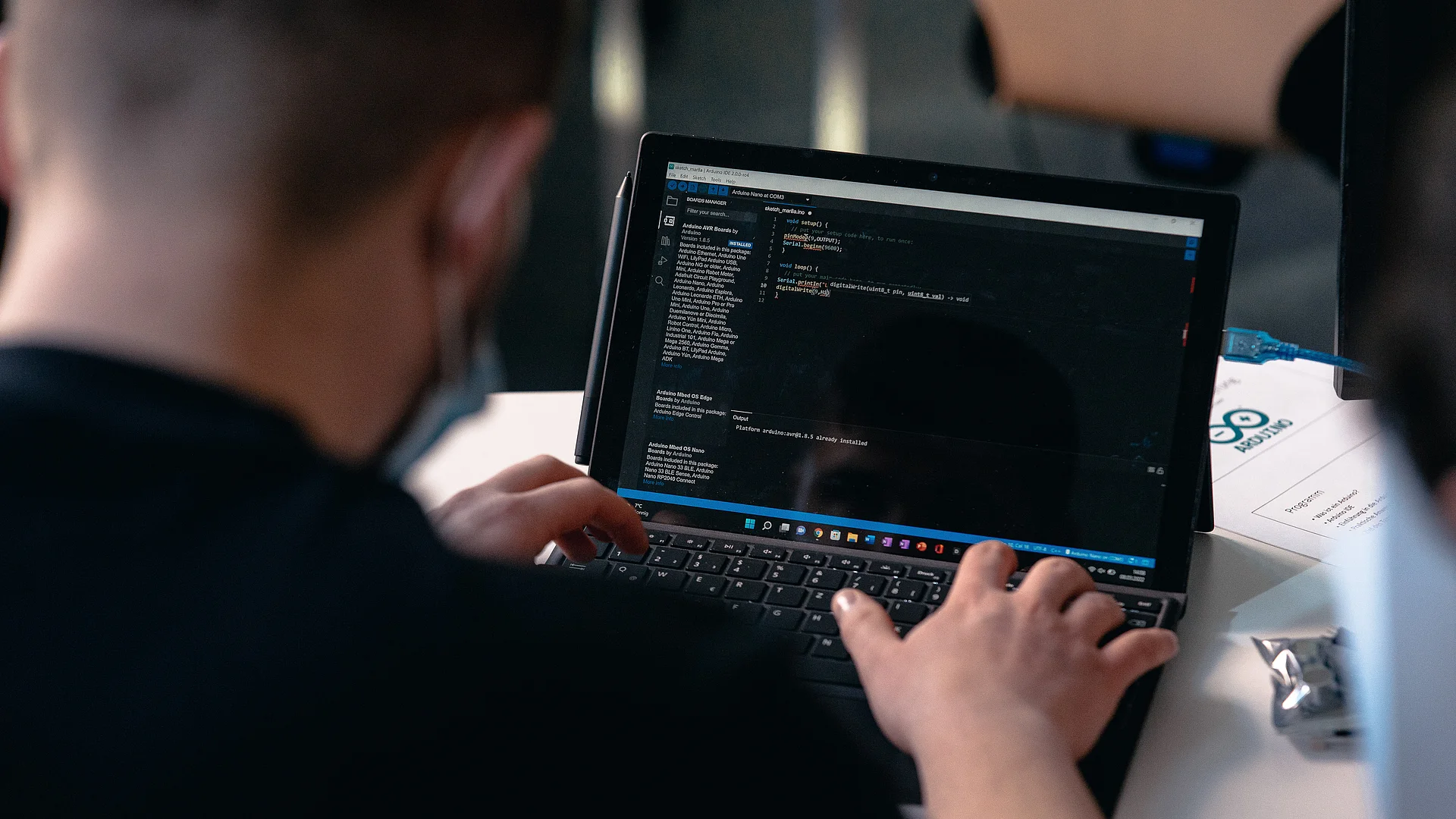
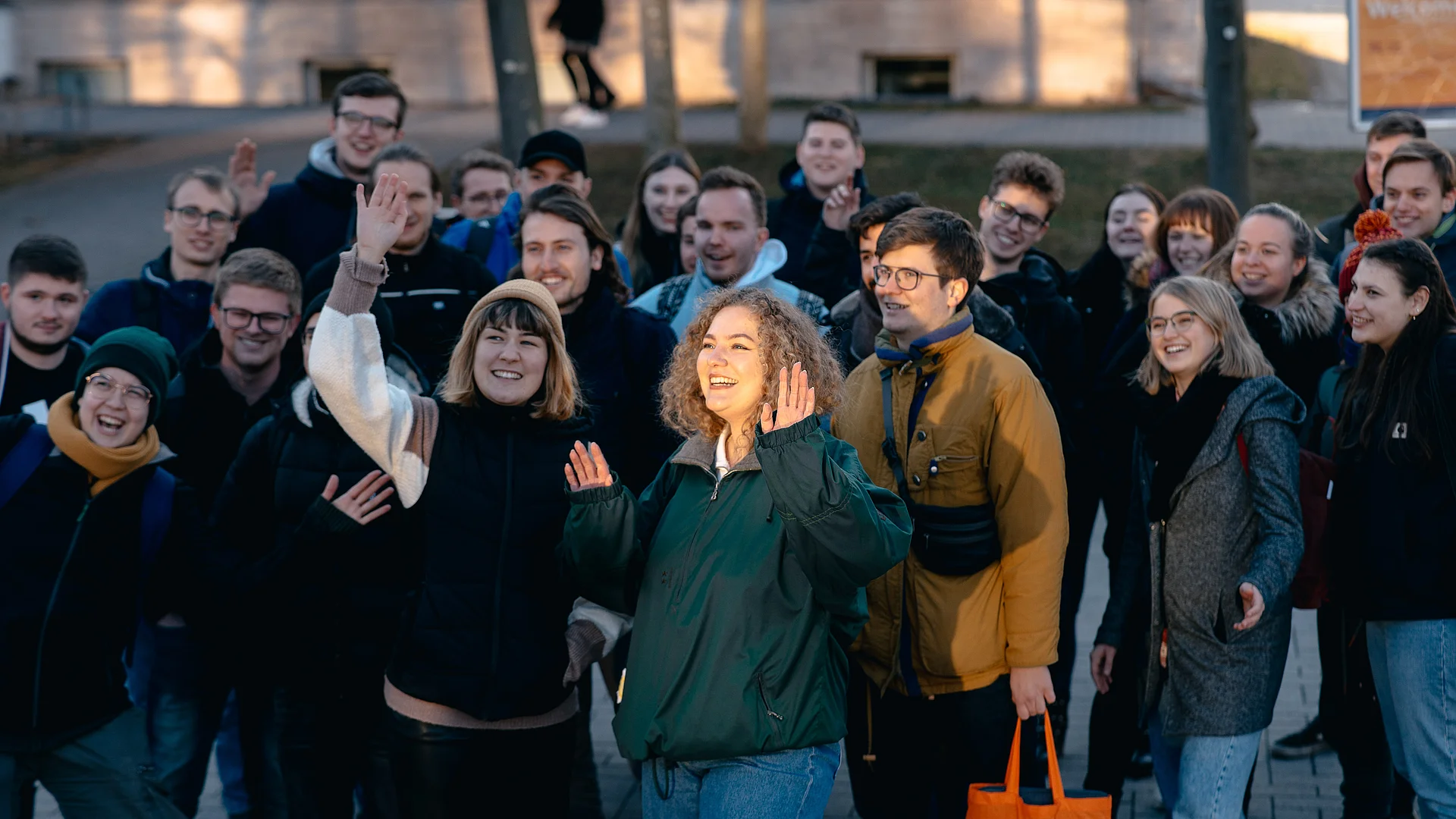
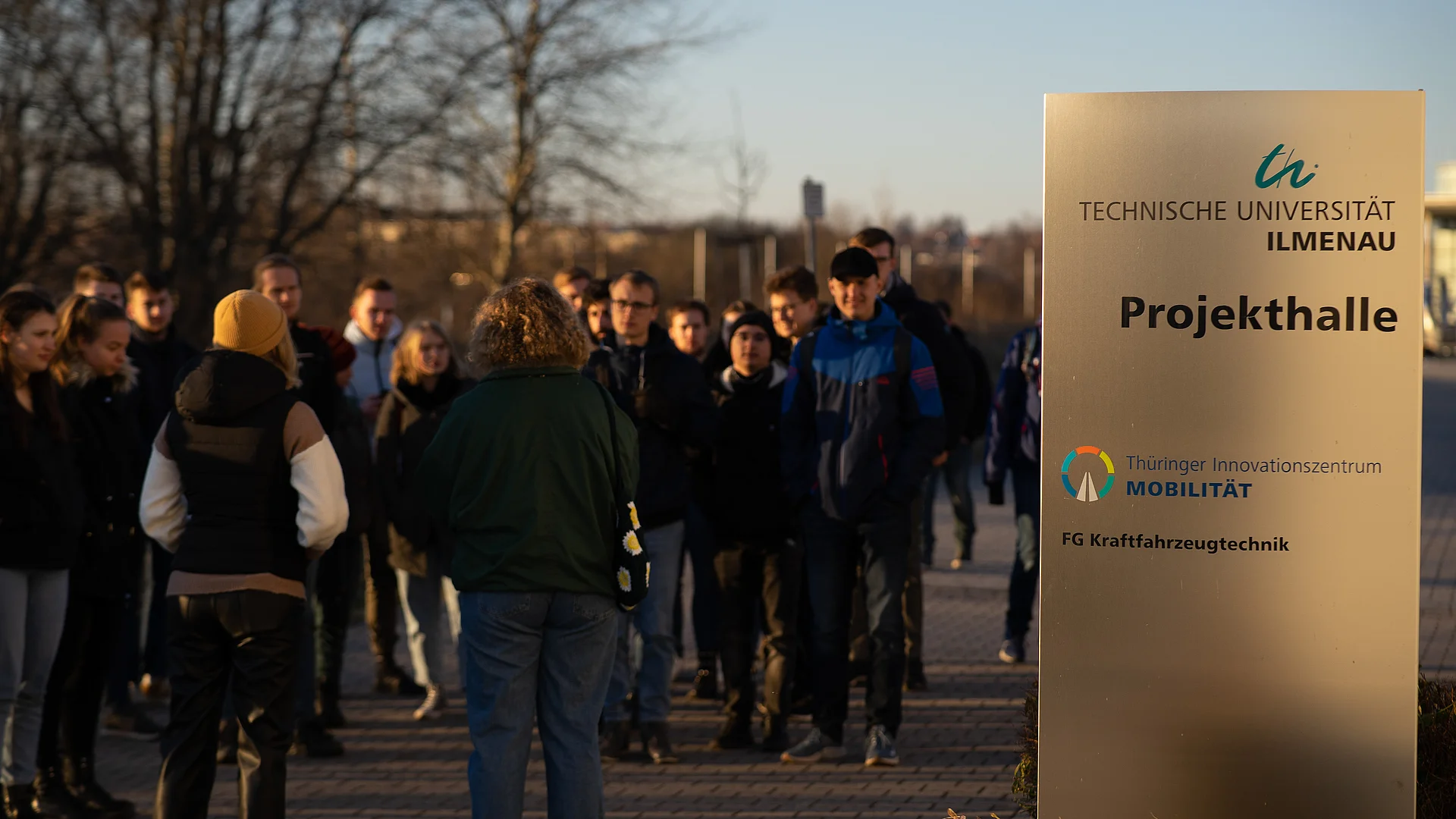
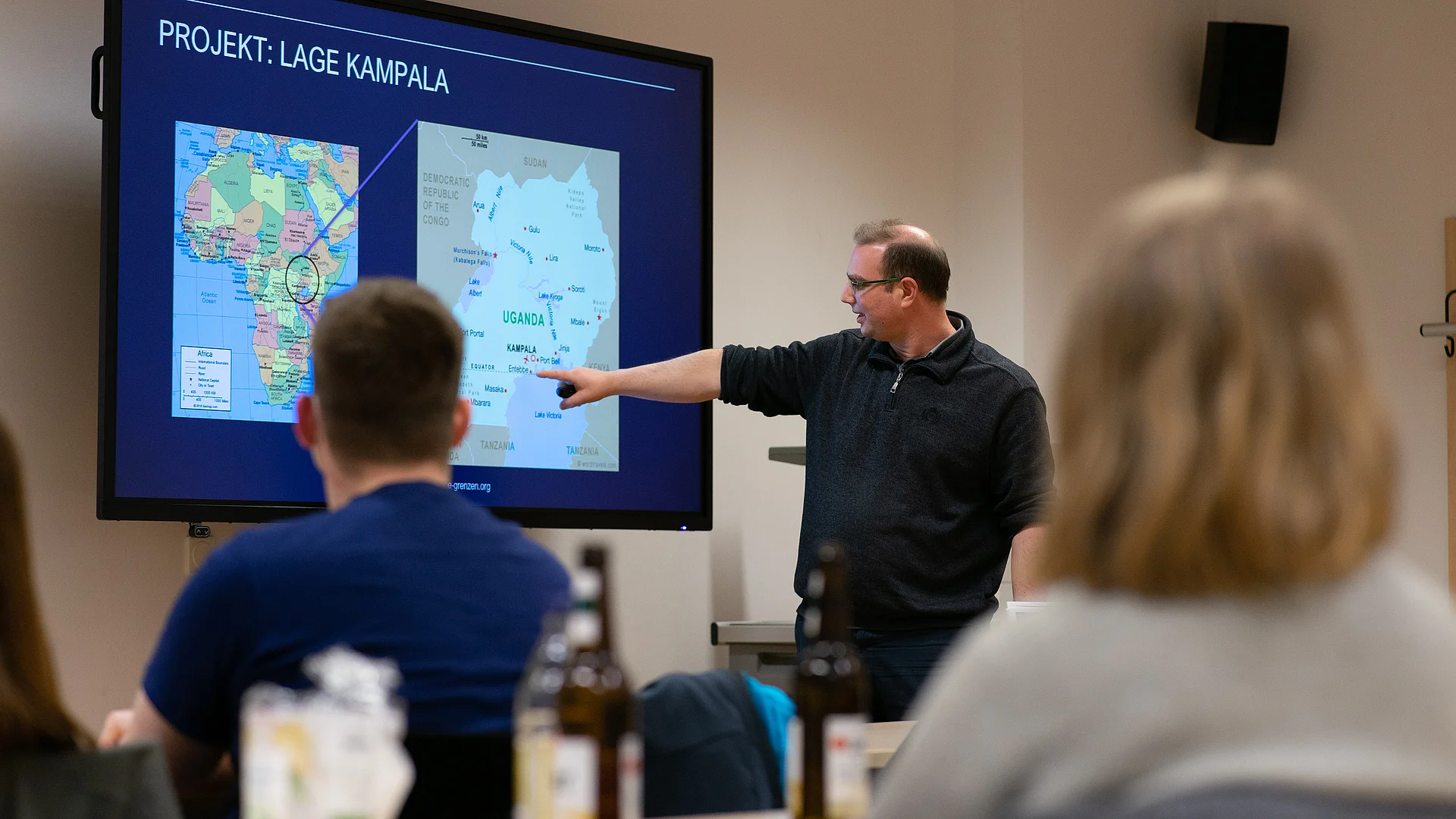
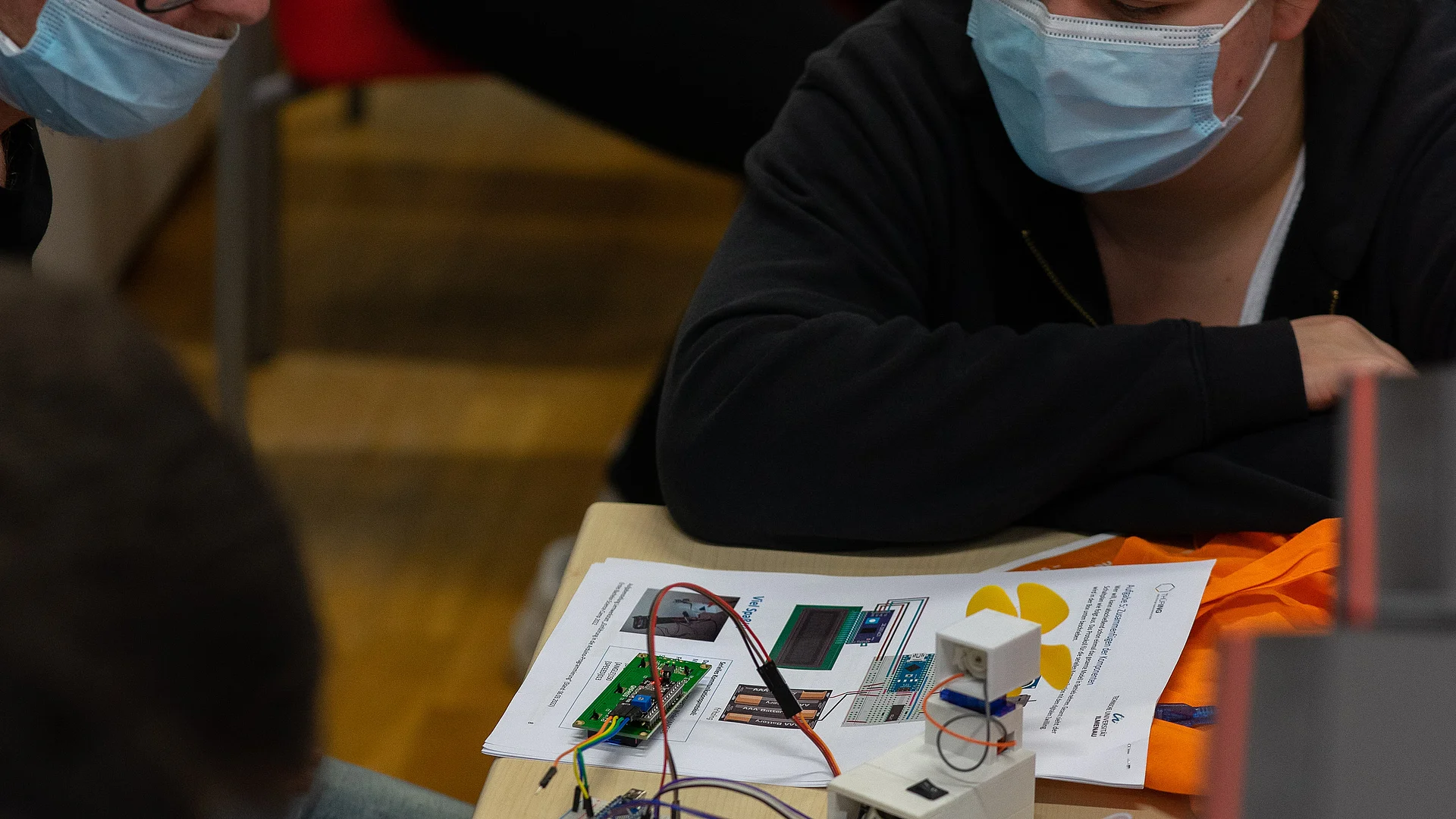
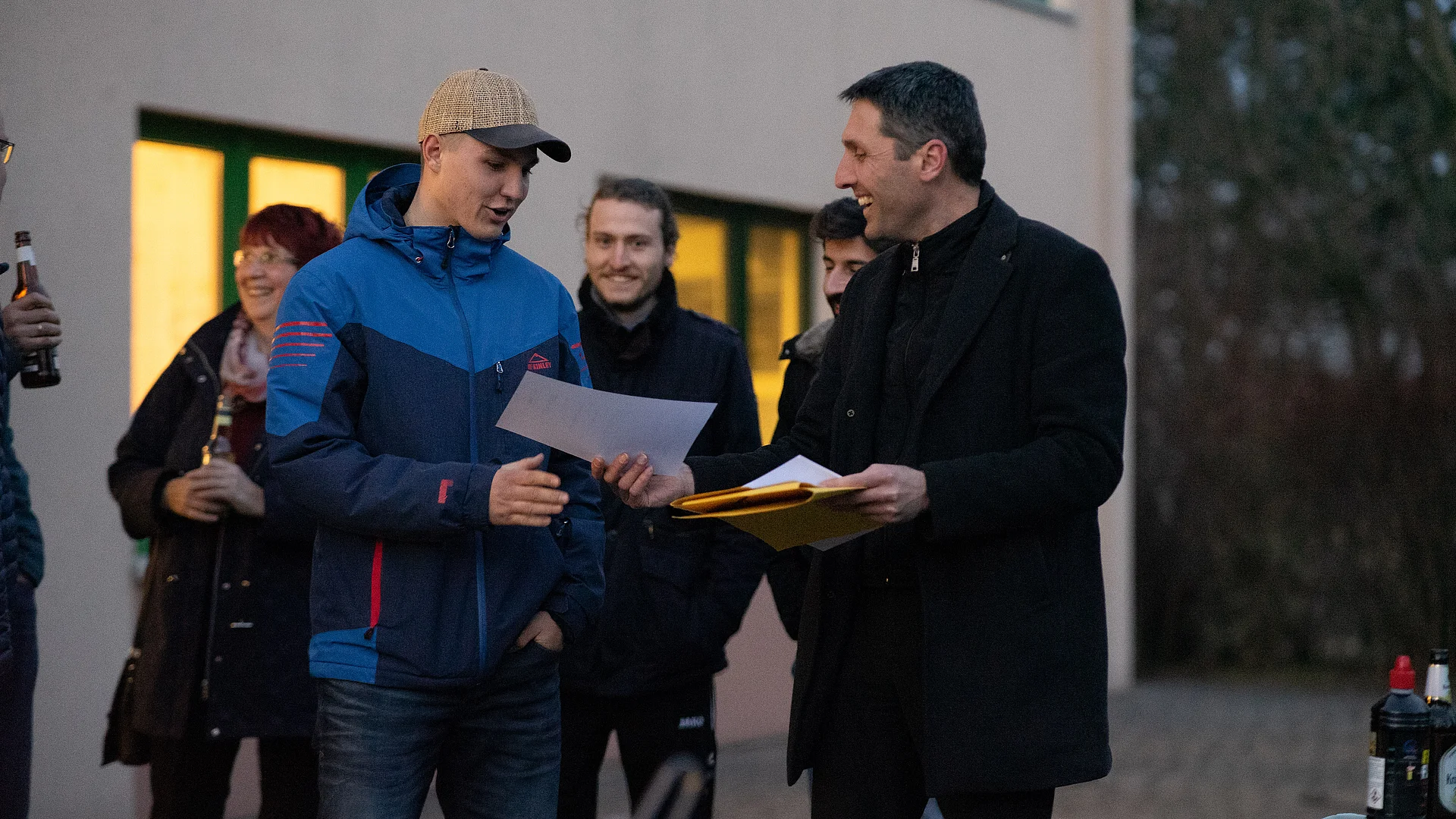
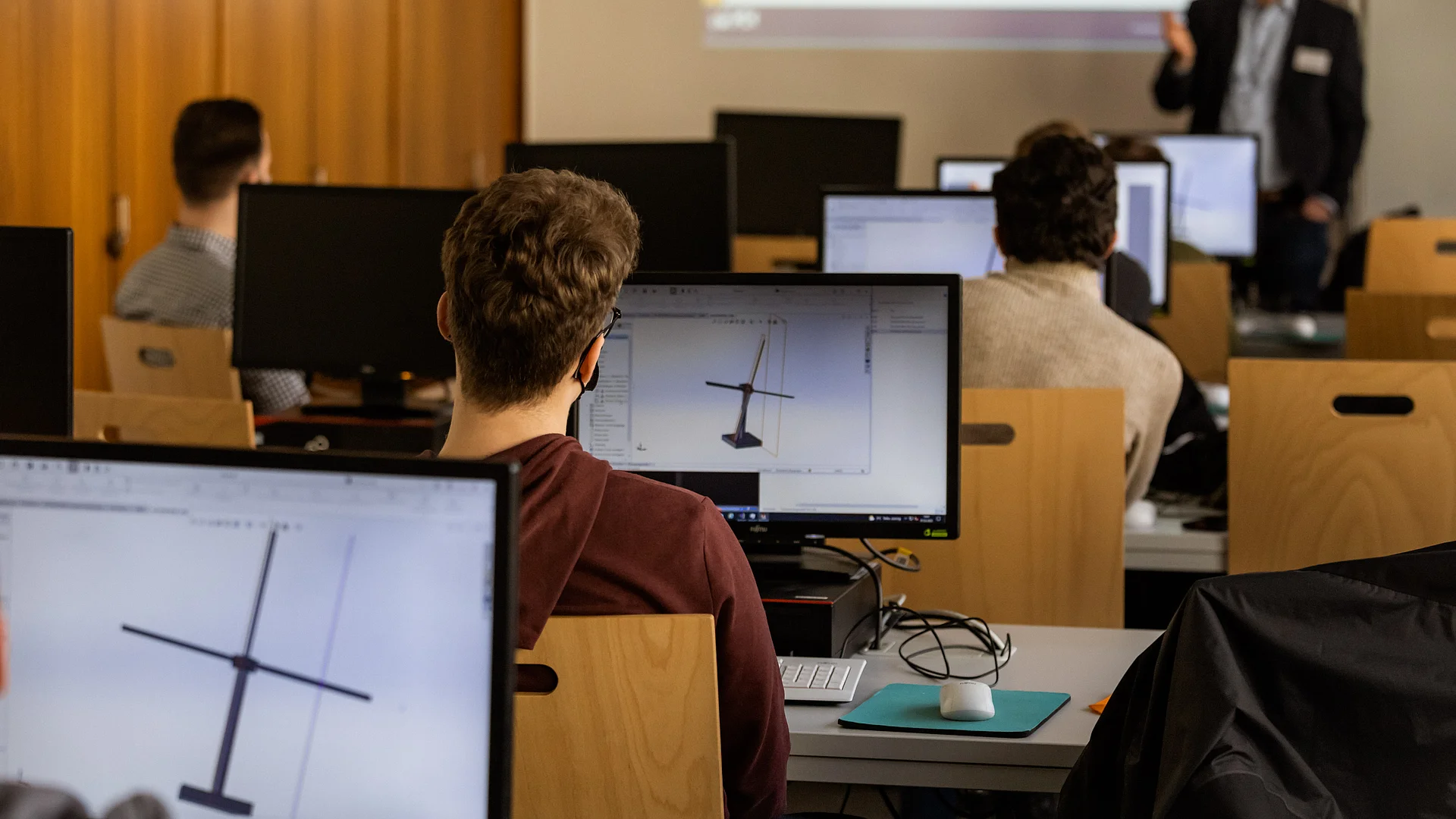
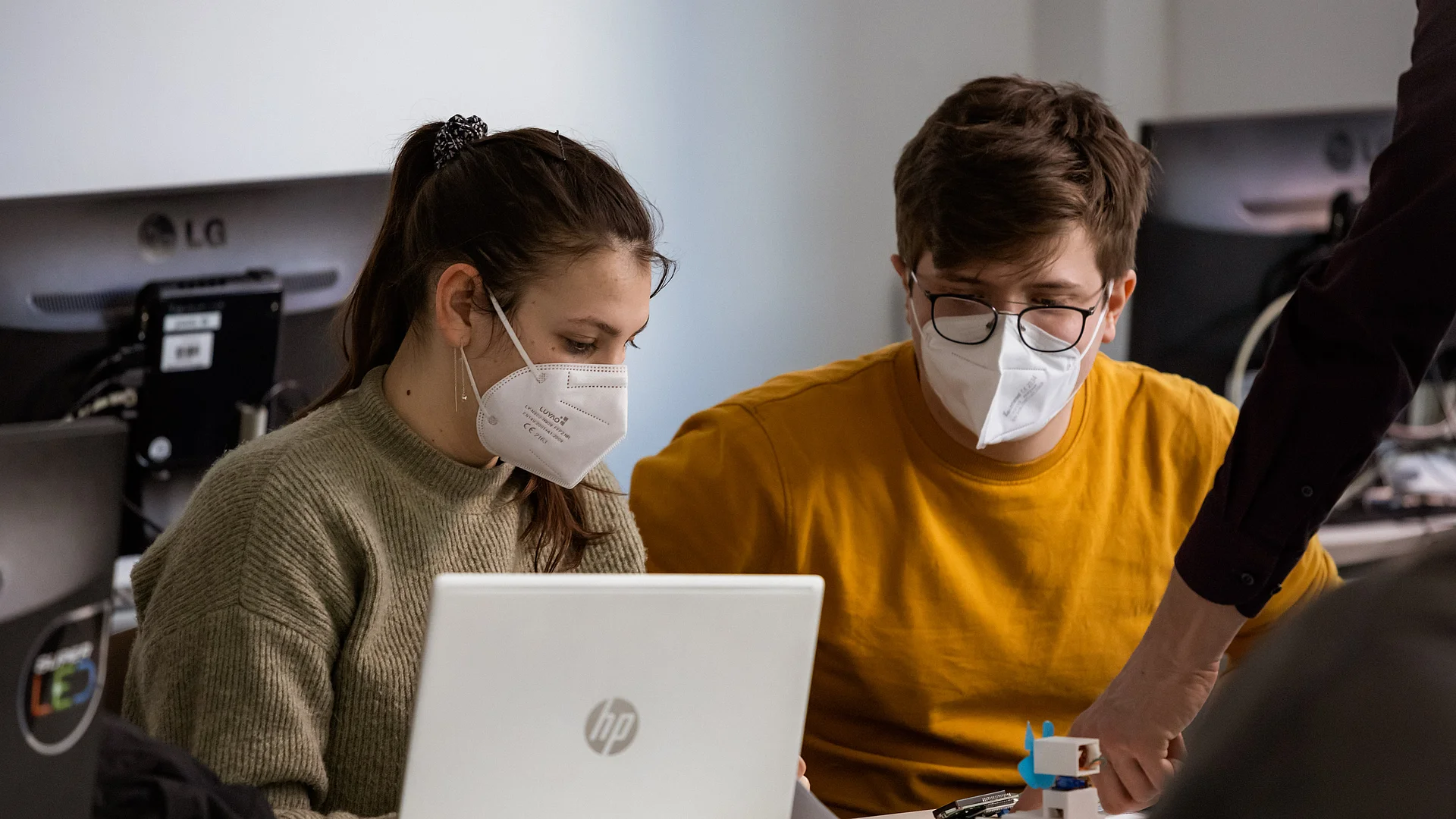
The 1st Science Camp "Digital Twin" for Bachelor students of all Thuringian universities took place from 07- 11 March 2022 in TU Ilmenau. The Science Camp focused on the basics of programming to develop digital data captured by sensors from a self-built wind turbine.
More Information: https://www.tu-ilmenau.de/unionline/en/report/details/science-camp-787



Sustainability (2022) Hochschule Nordhausen
1st Science Camp for Master Students
Sustainability (2022)
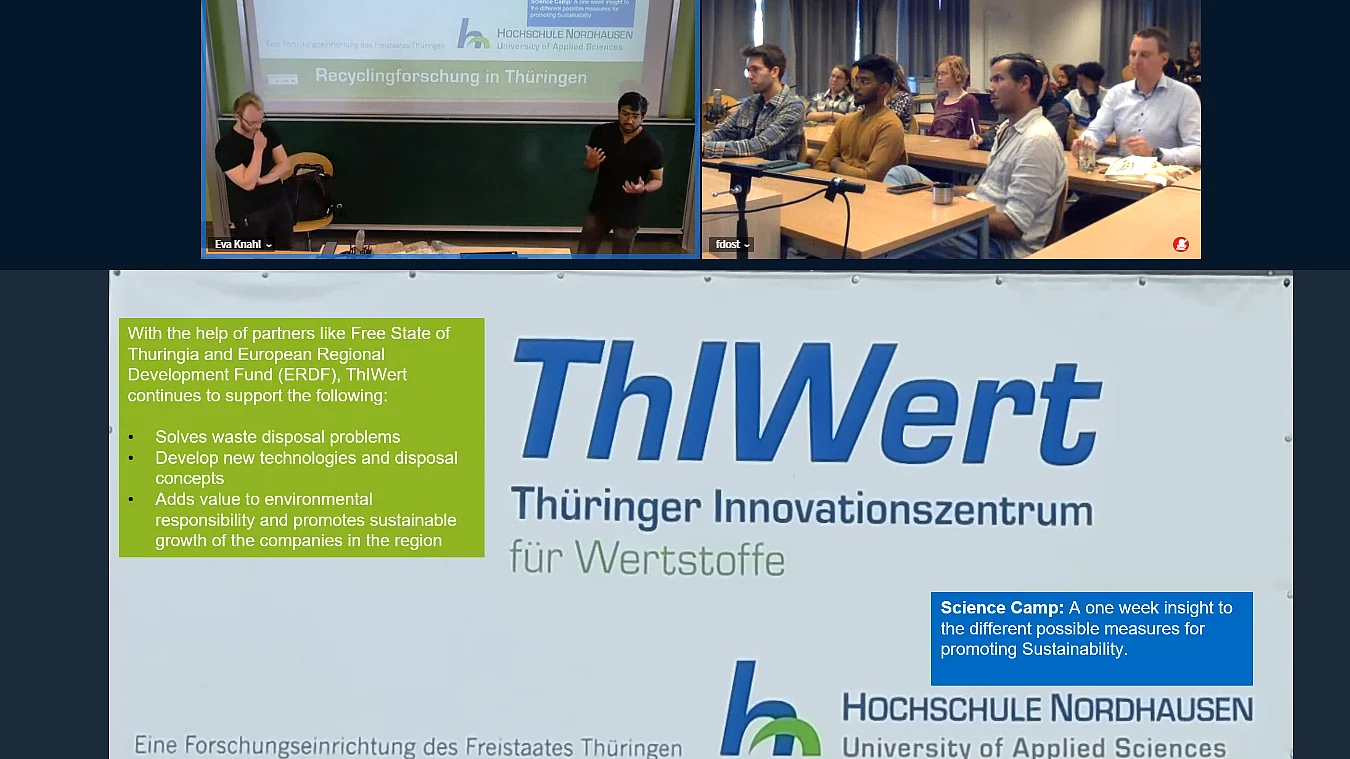
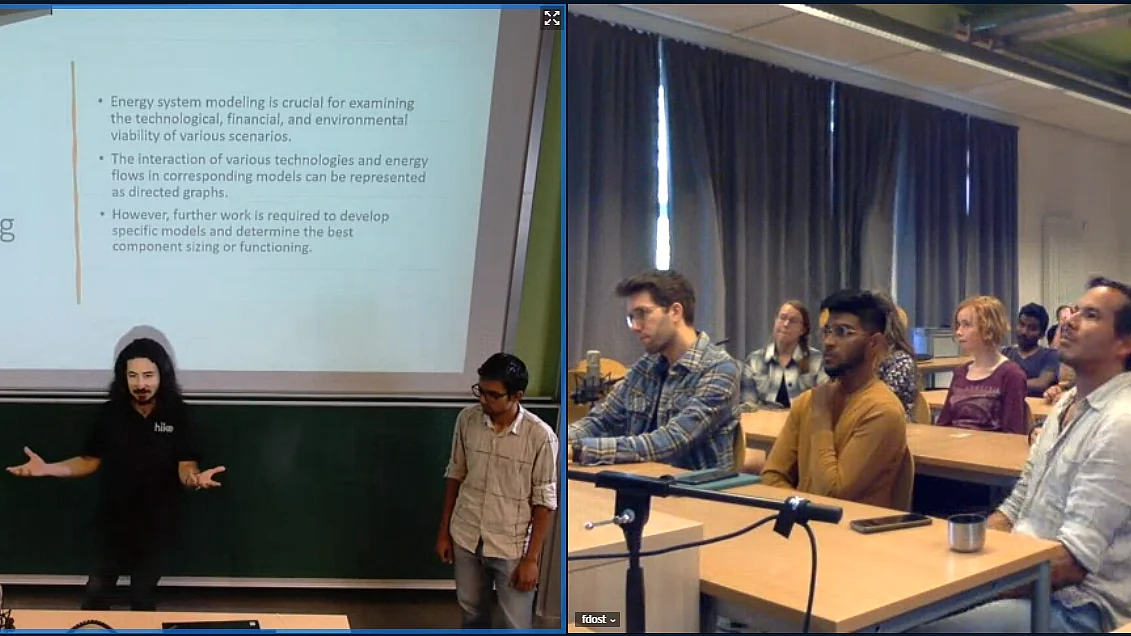
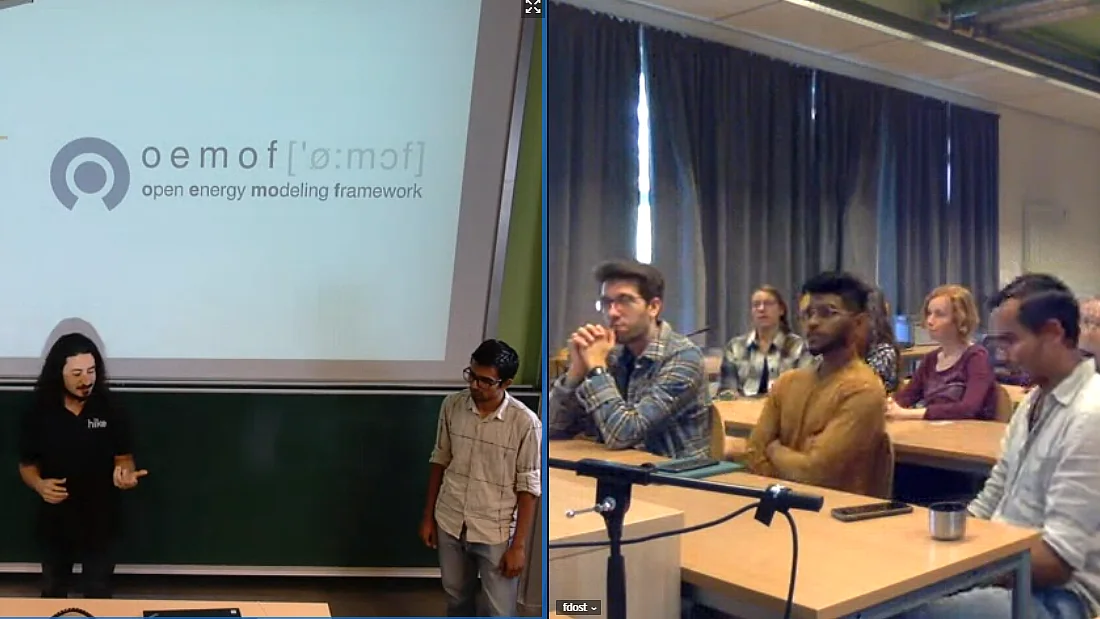
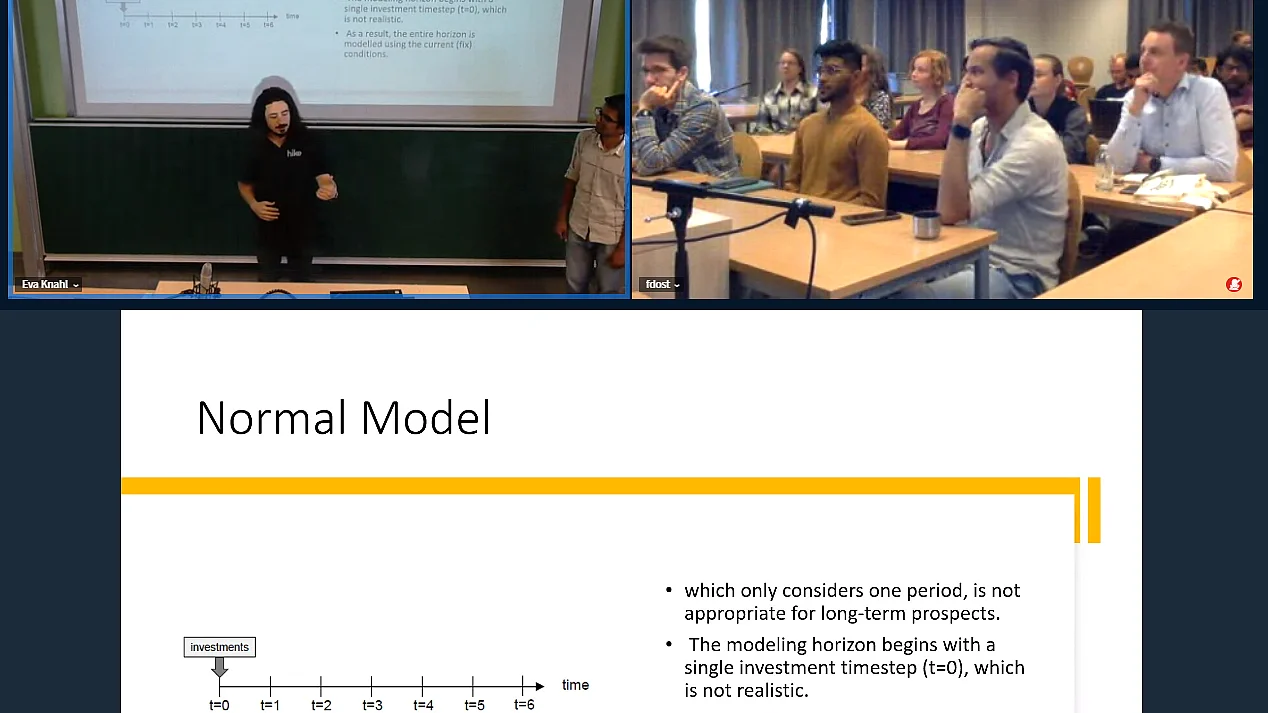
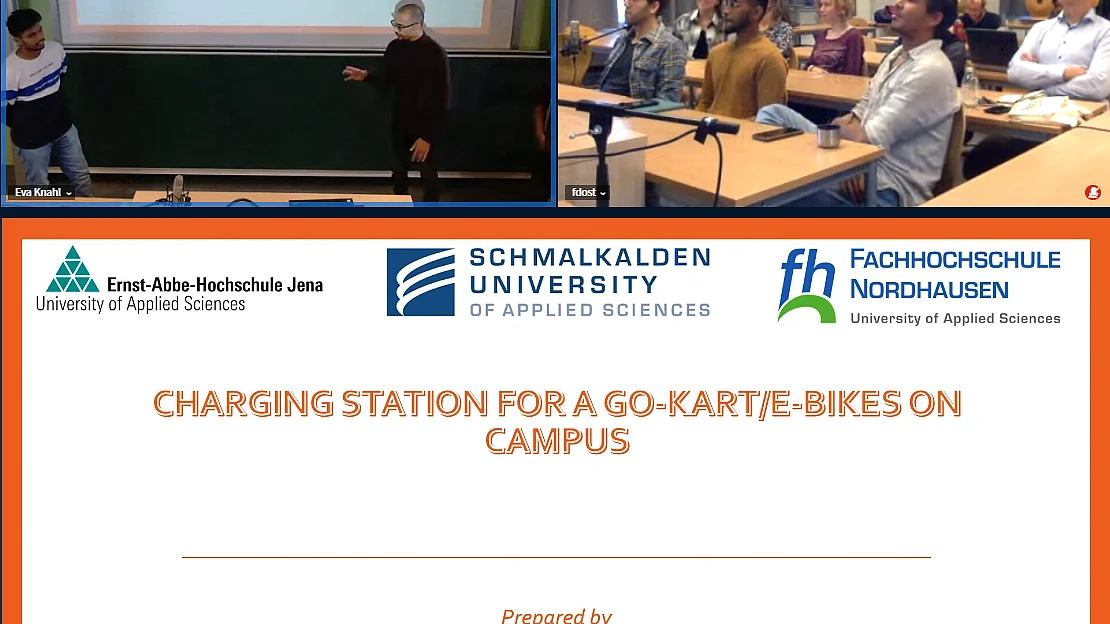
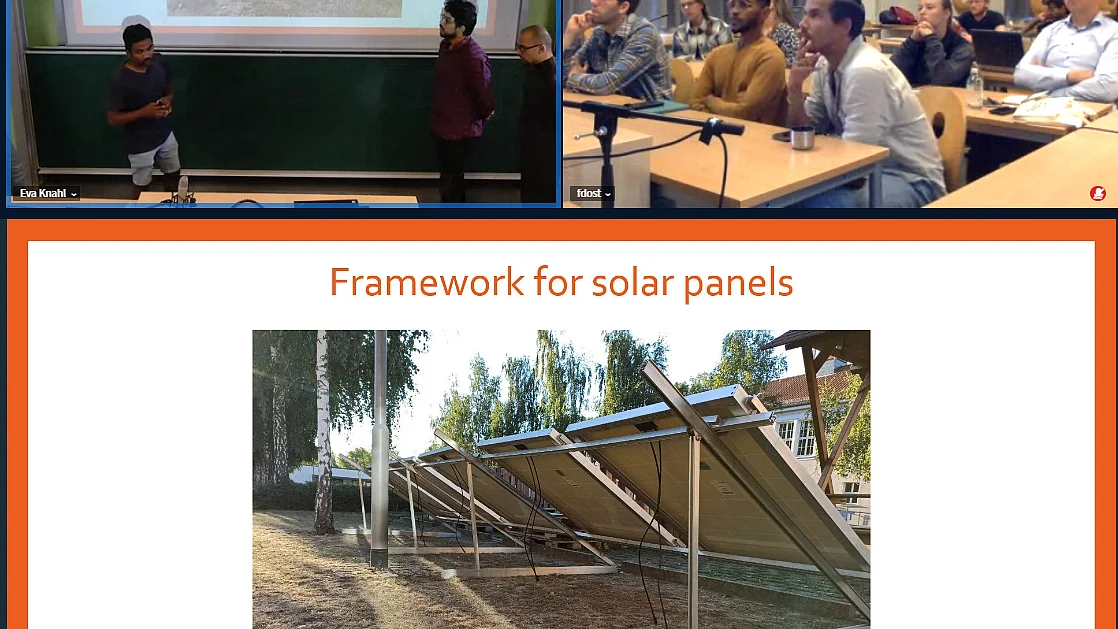
The Science Camp "Sustainability" was the first event for Master students, it took place in Nordhausen University of Applied Science. From 09.08 to 02.09.22, the Science Camp focused on diverse topics covered by the host regarding sustainability. Divided in bilingual interdisciplinary teams, projects were developed in diverse engineering areas such as: upcycling, hydrogen fueling stations, pyrolysis, electromobility and modelling of energy systems
More Information: https://www.hs-nordhausen.de/aktuelles/veranstaltungen/veranstaltung-details/784-master-science-camp/
OPTI+ (2023) Ernst-Abbe-Hochschule Jena
2nd Science Camp for Bachelor Students
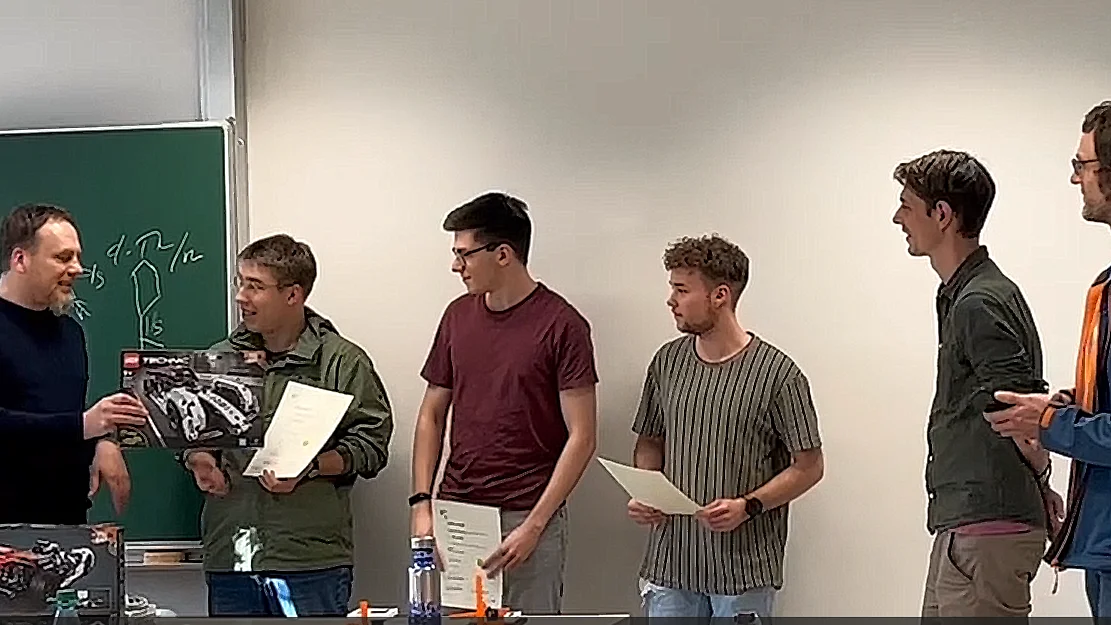
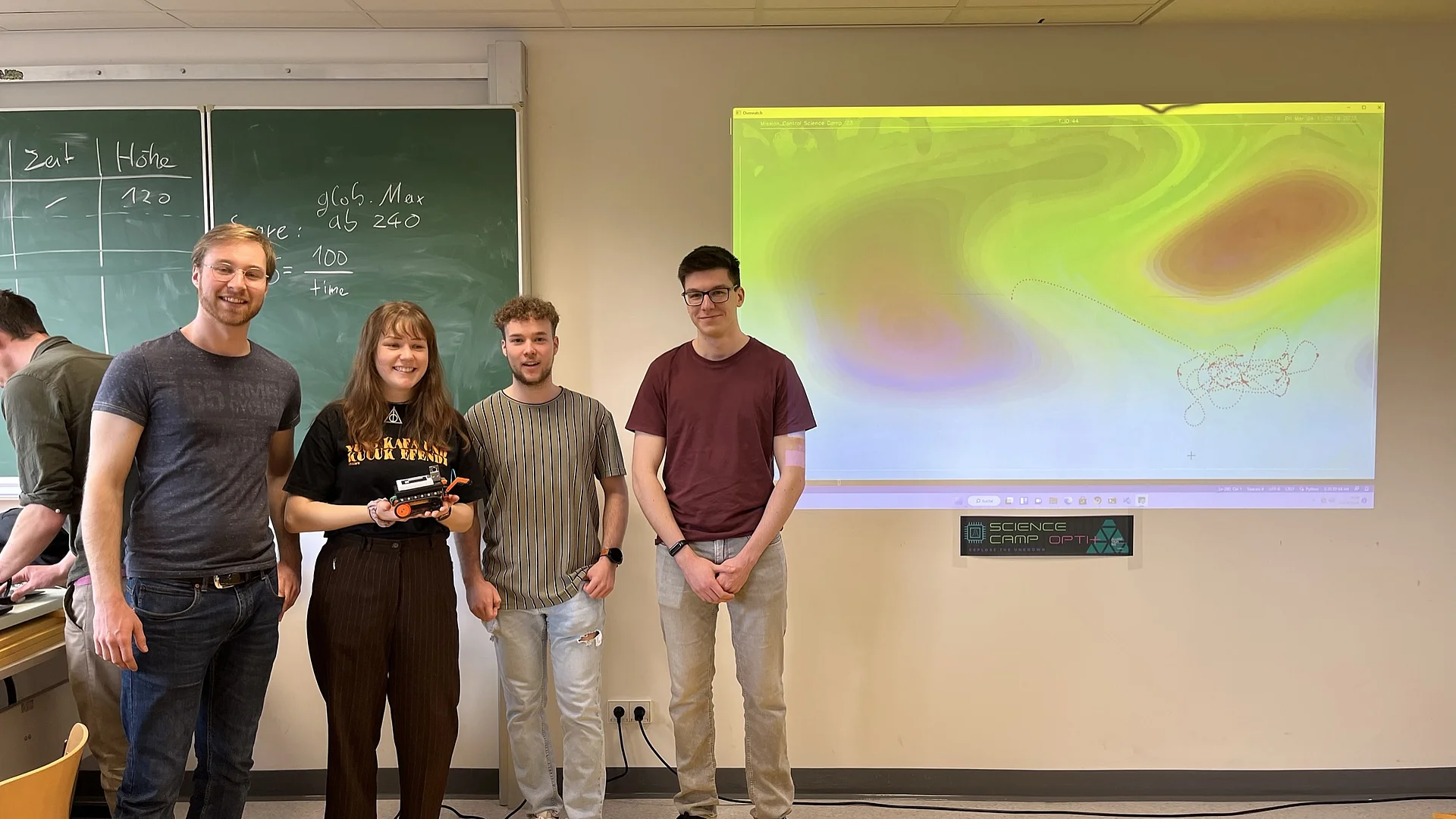
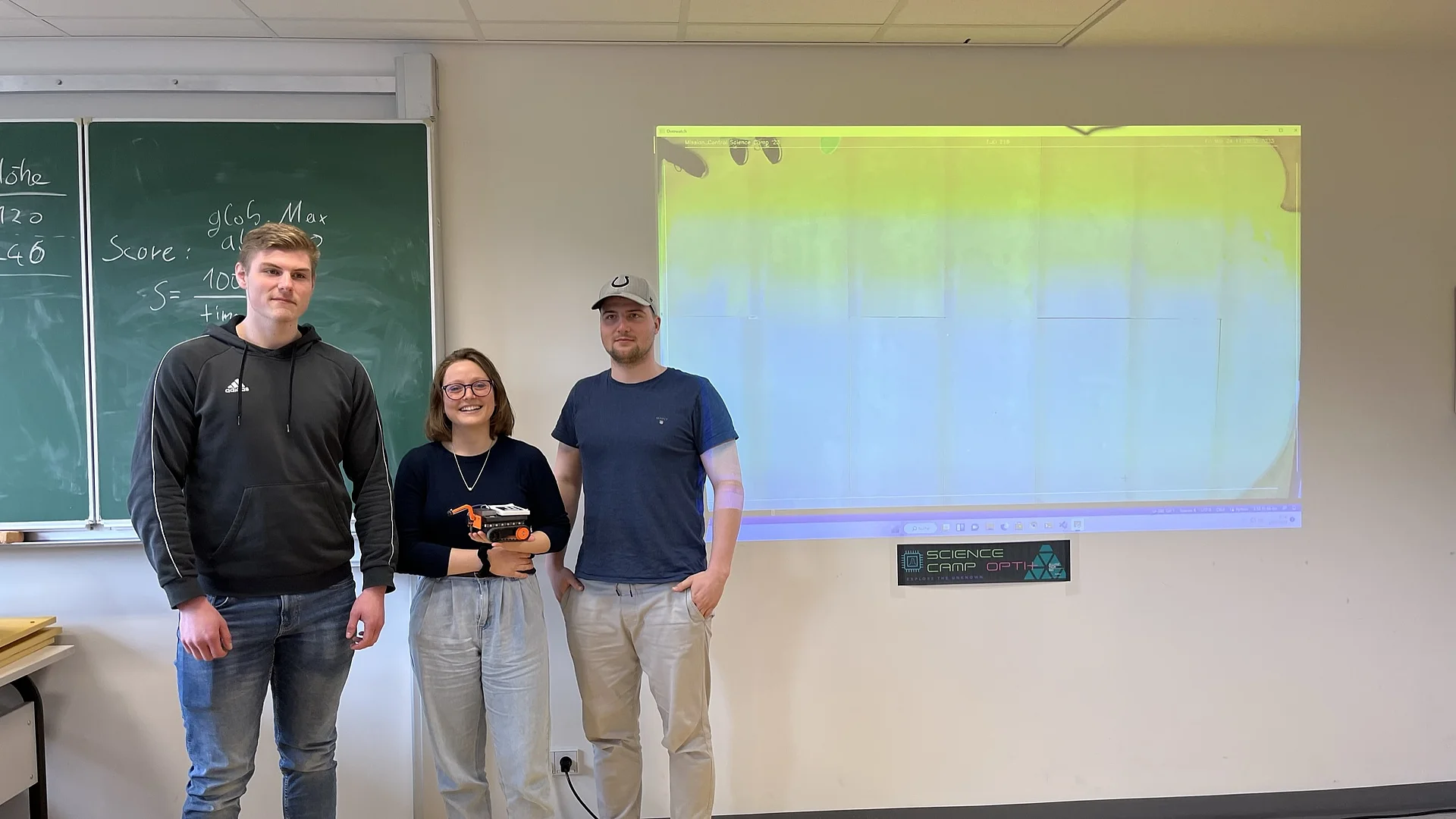
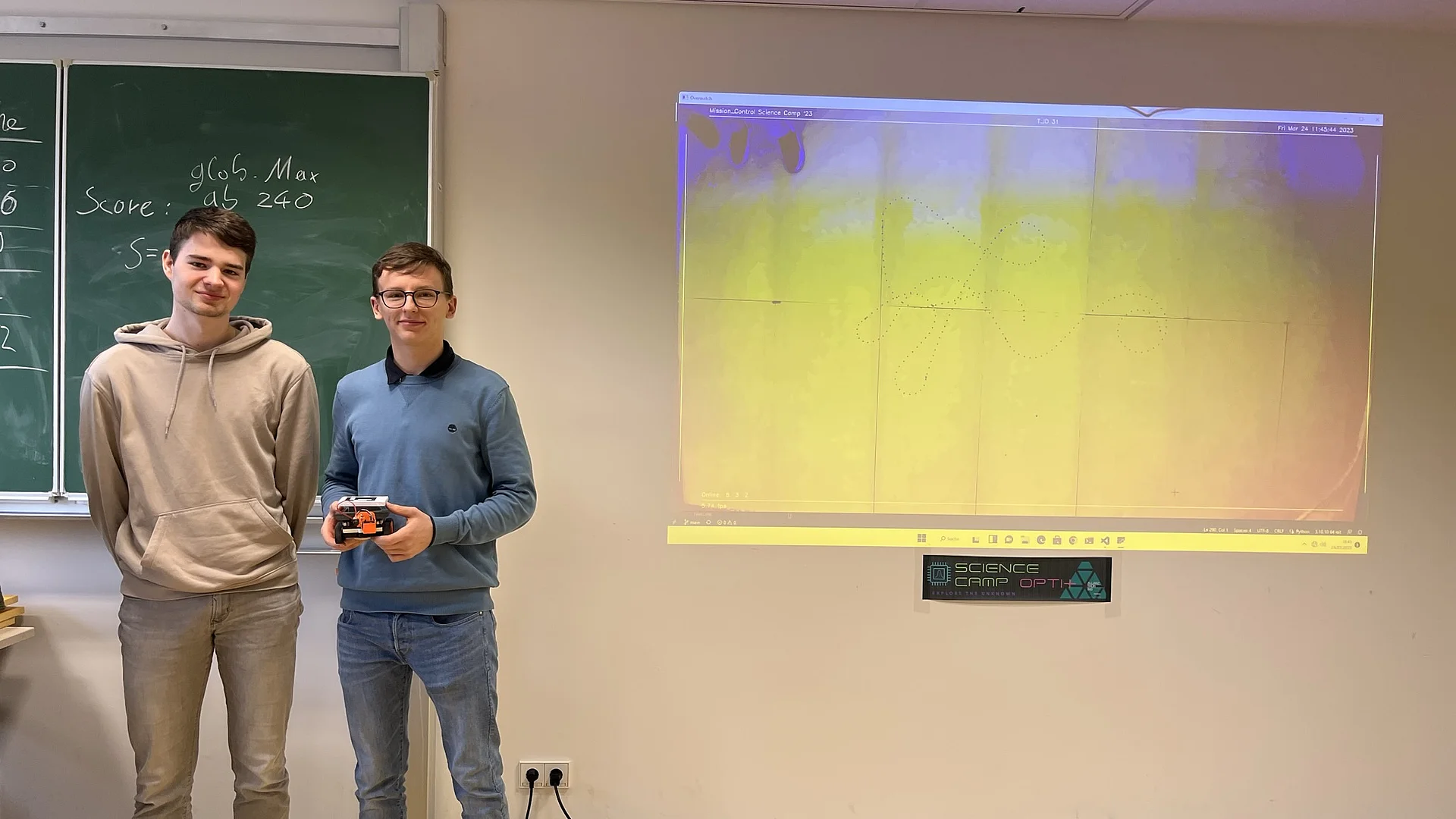
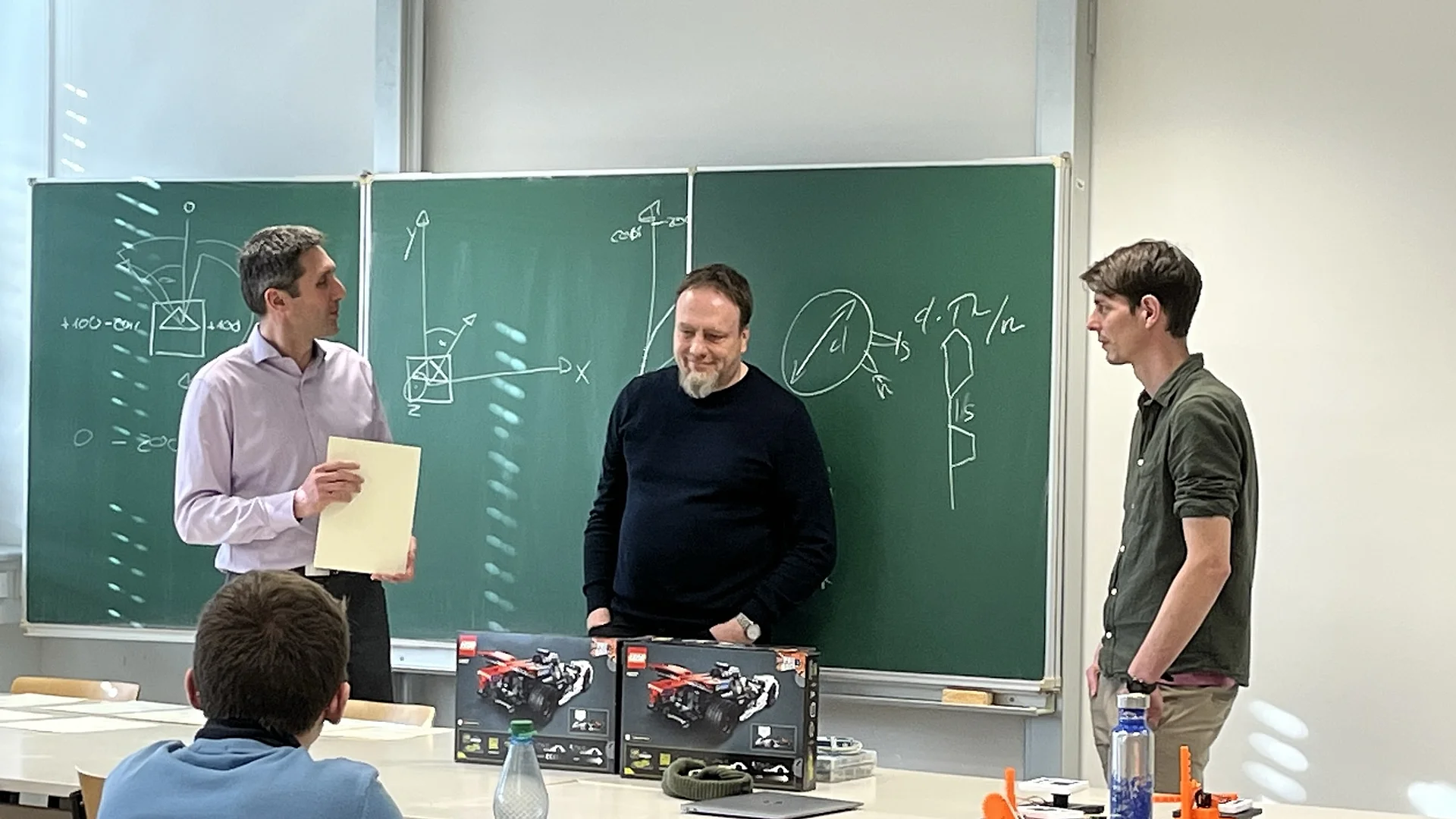
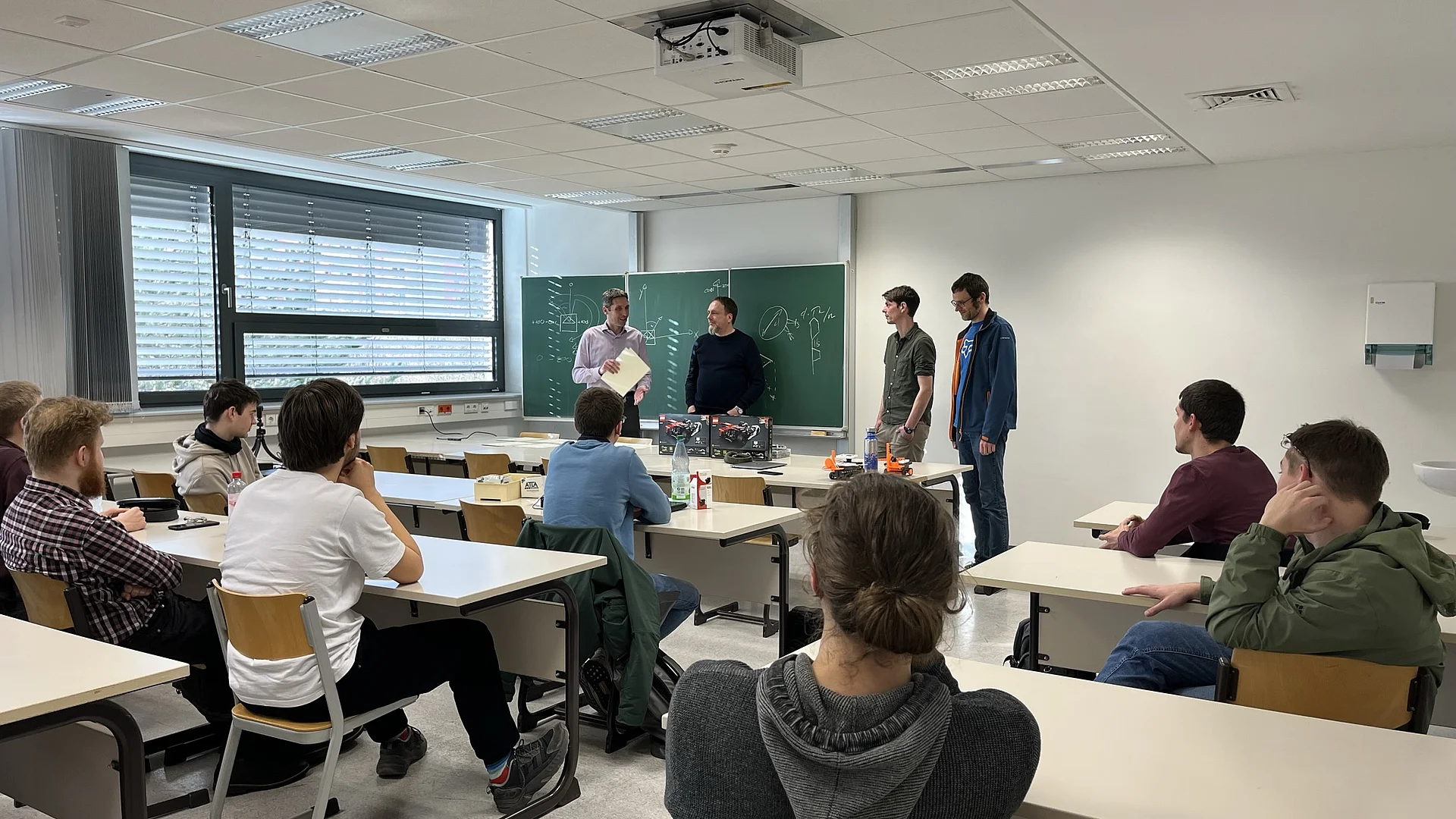
The second Bachelor Science Camp of the Alliance Thuringian Engineering took place at the EAH Jena. For two weeks, 20 Bachelor students from the Thuringian universities of the Alliance THÜR ING dealt together with the topics of automation and optimization. A time full of lectures, interdisciplinary work and talks from industry colleagues culminated with a final “Challenge” where the winners were celebrated with diplomas and prizes. Thank you to all the students whose energy and dynamics made this Science Camp come to live. See you next year!
More Information: https://www.allianz-thuering.de/studierende-entwickeln-autonom-fahrende-rover/#more-4829
ROBOBAU (2023) Hochschule Schmalkalden
2nd Science Camp for Master Students
ROBOBAU (2023)
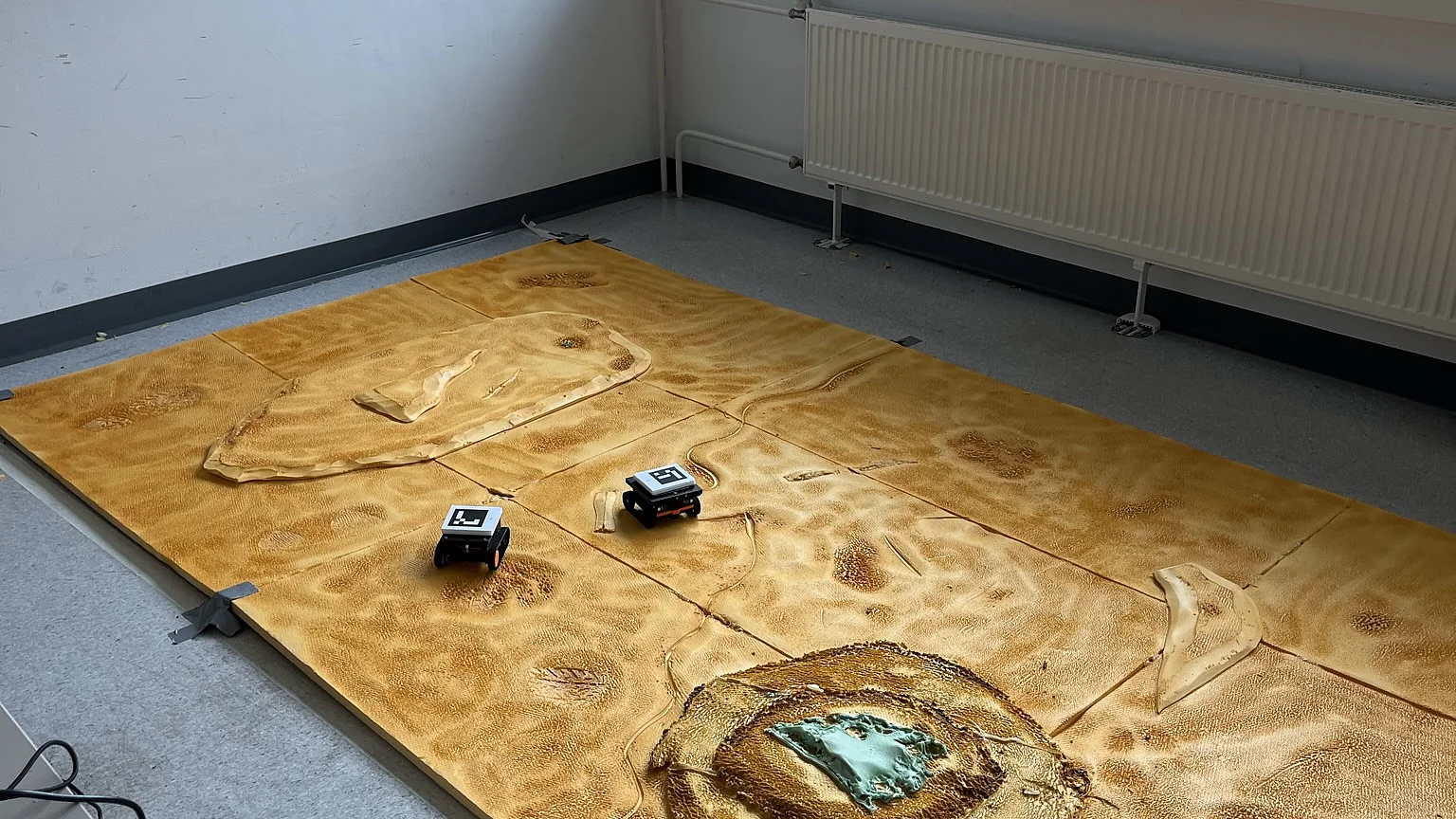
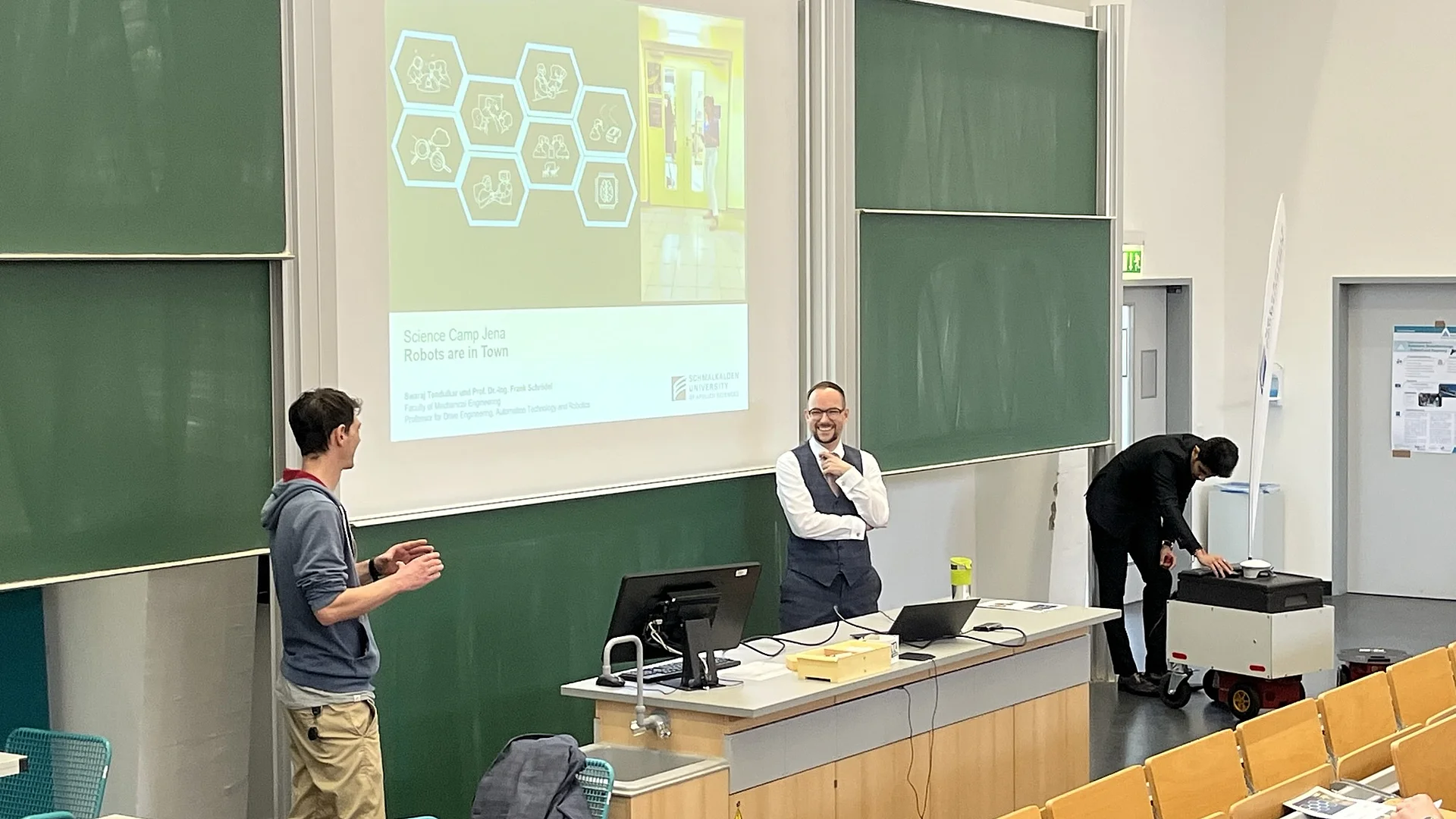
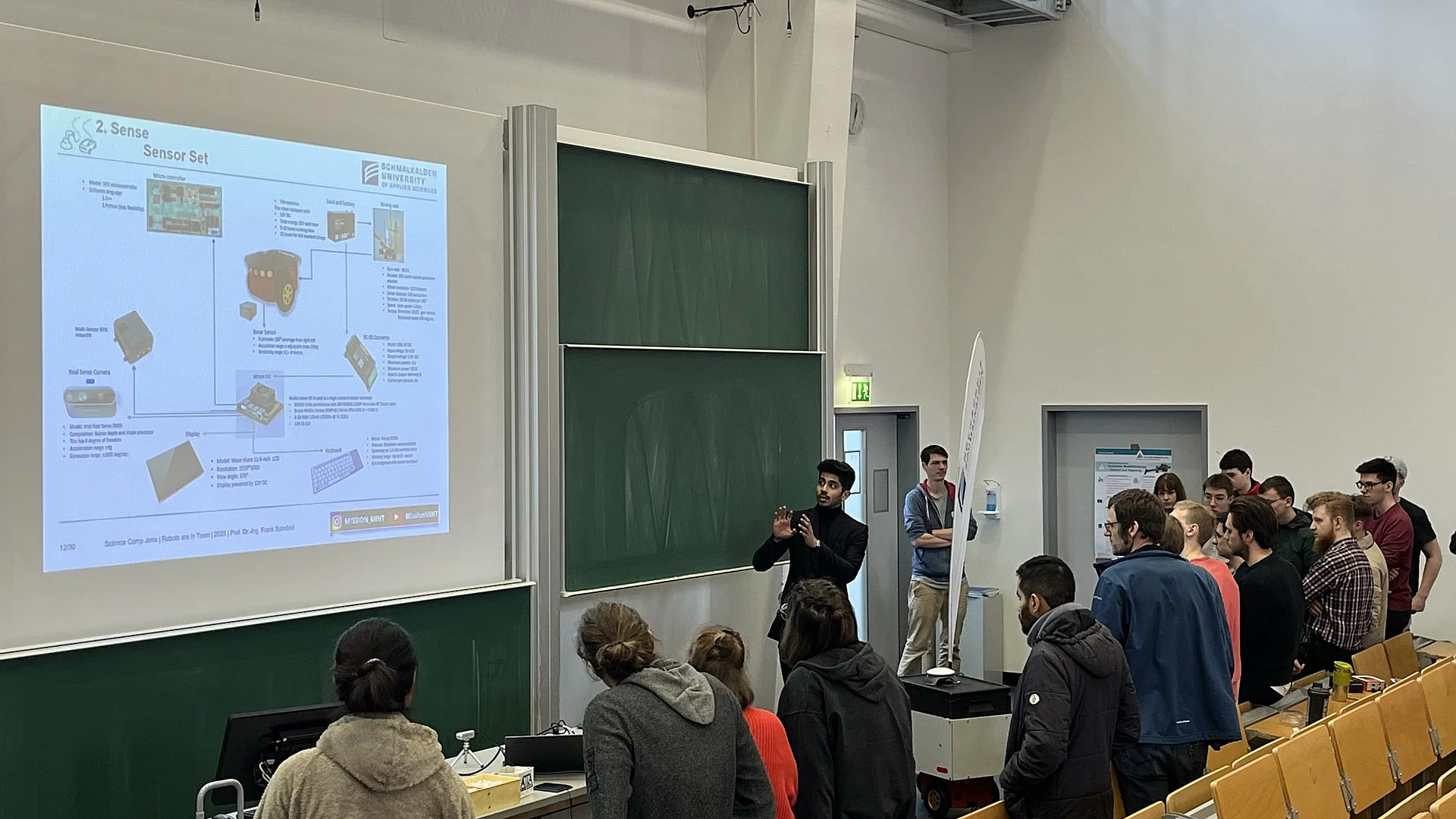
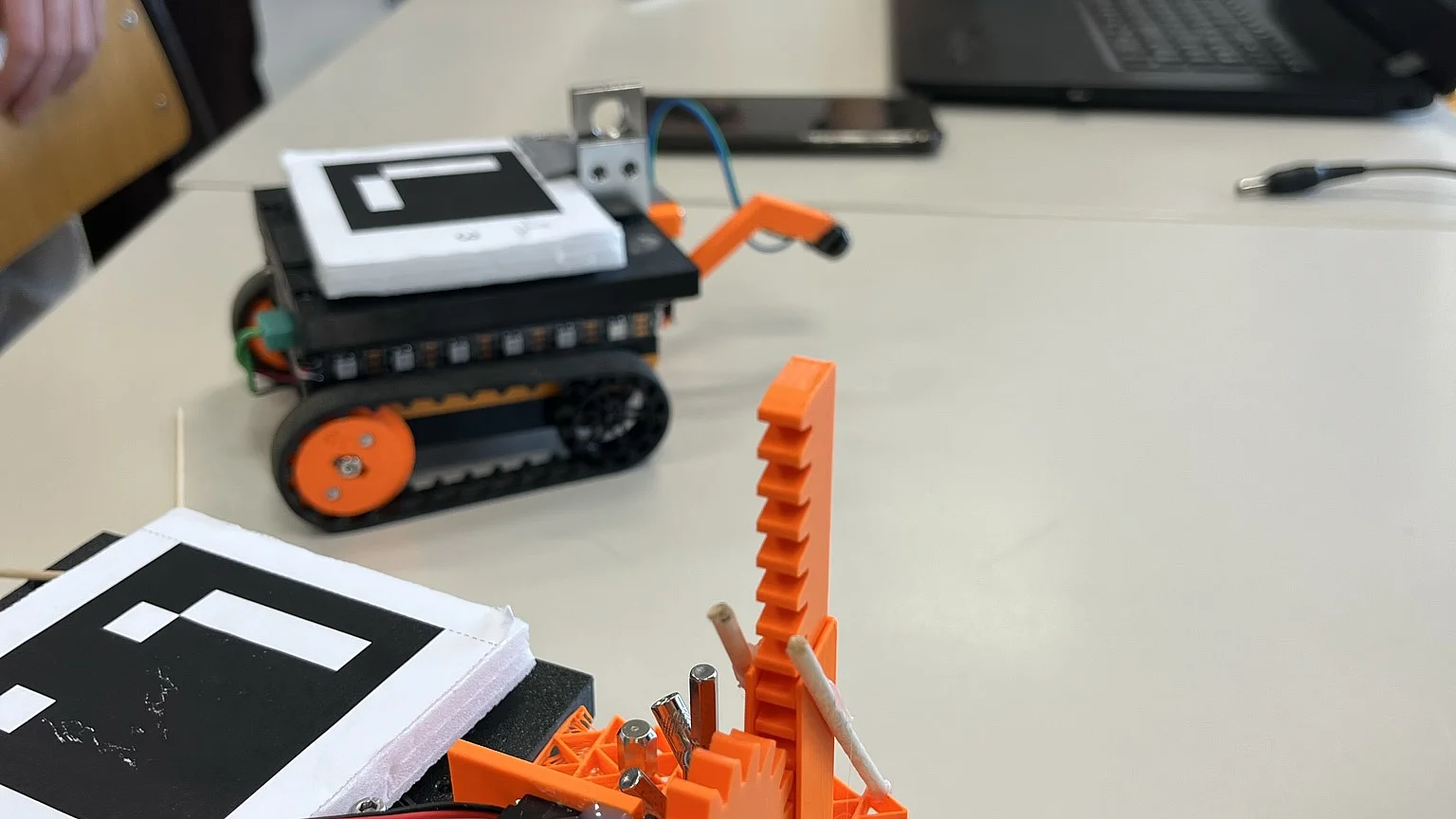
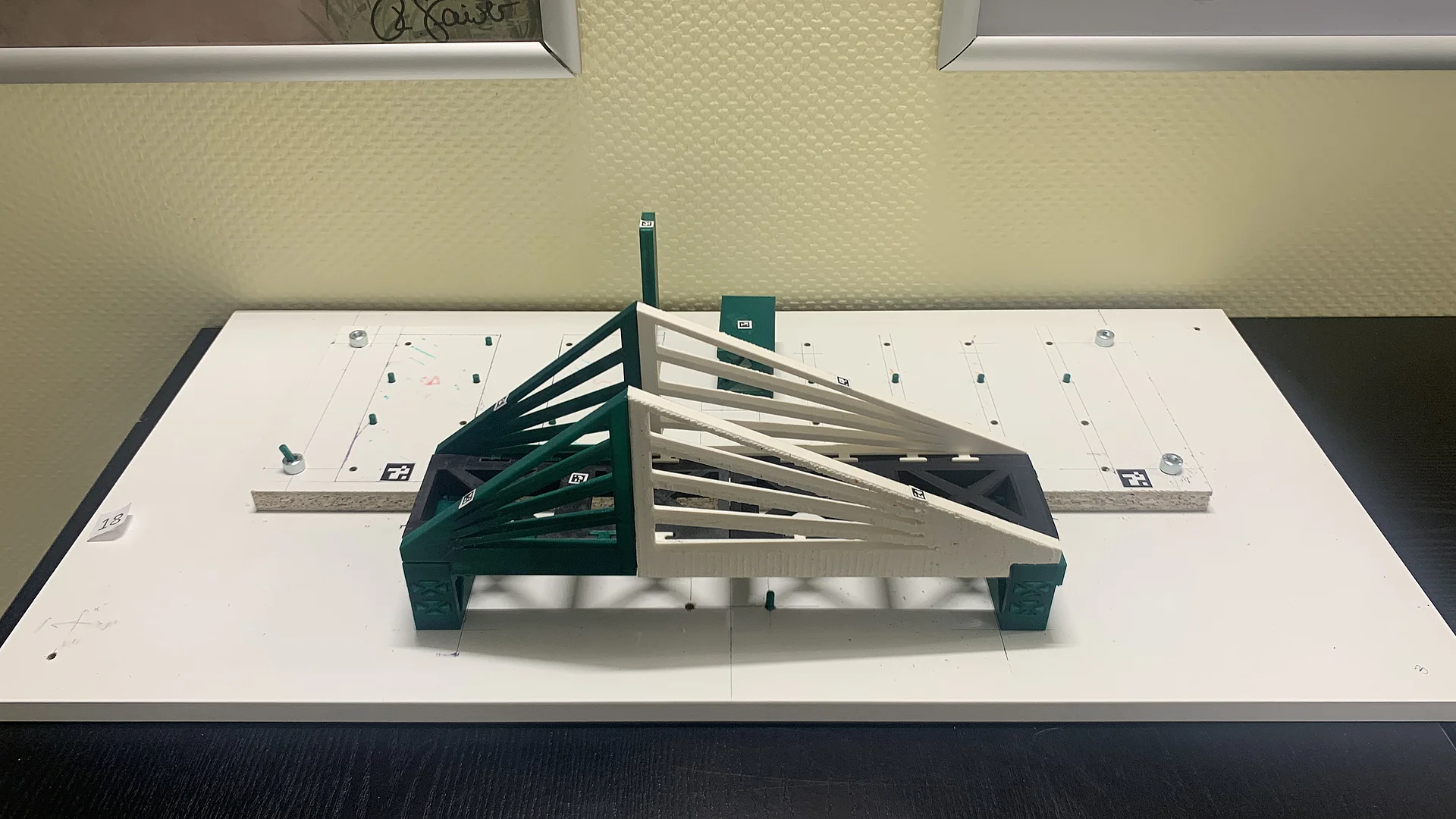
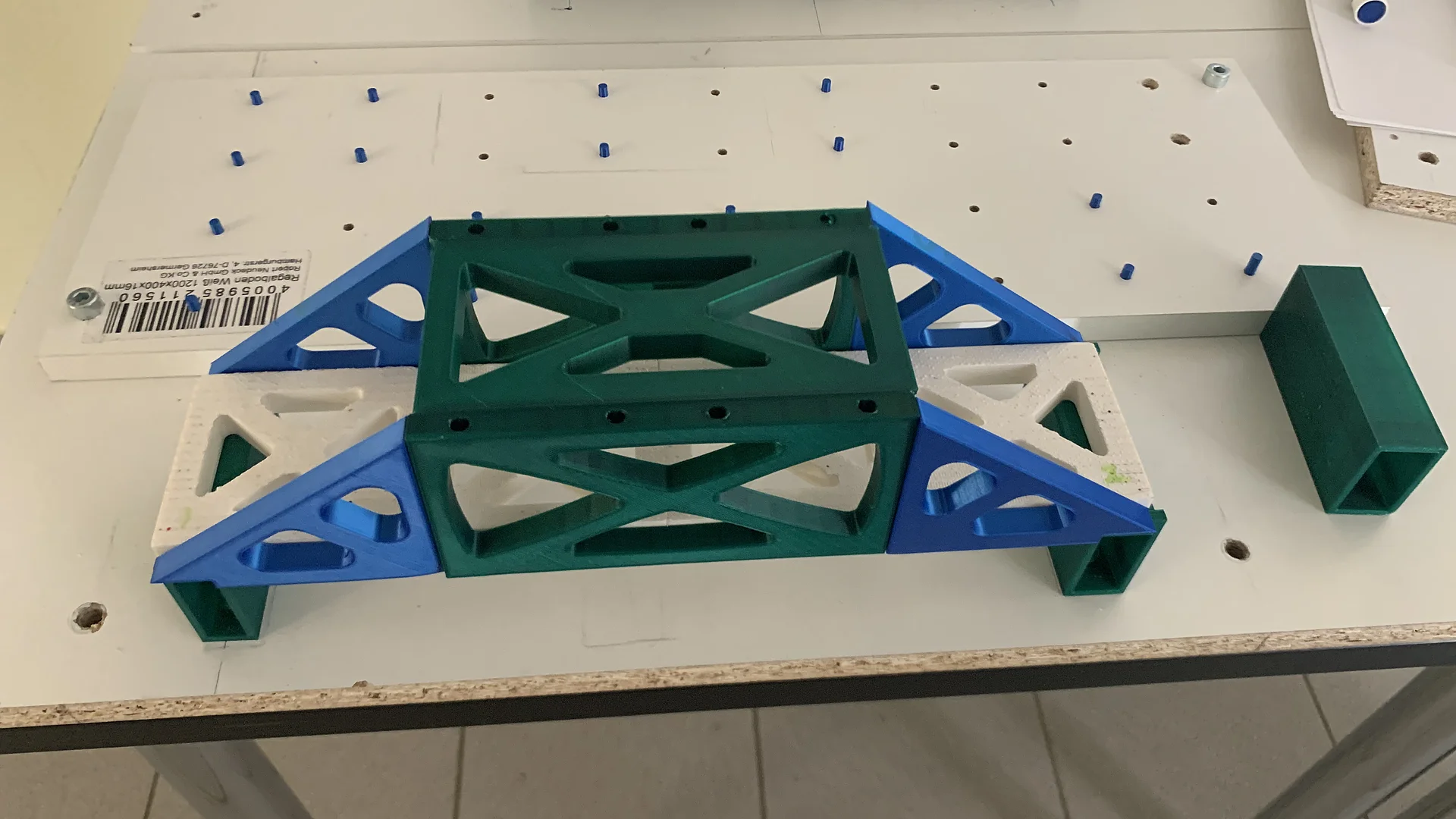
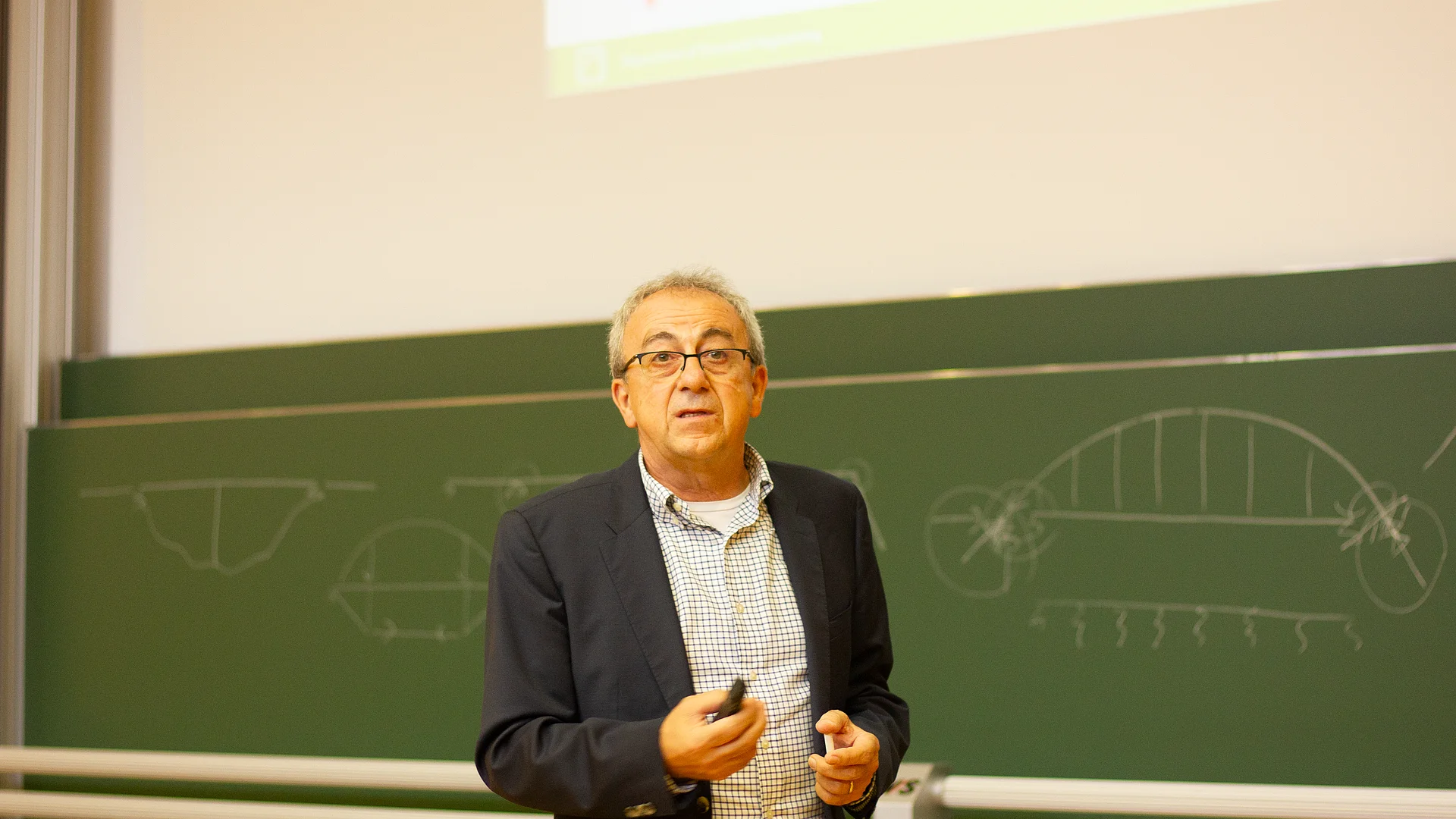
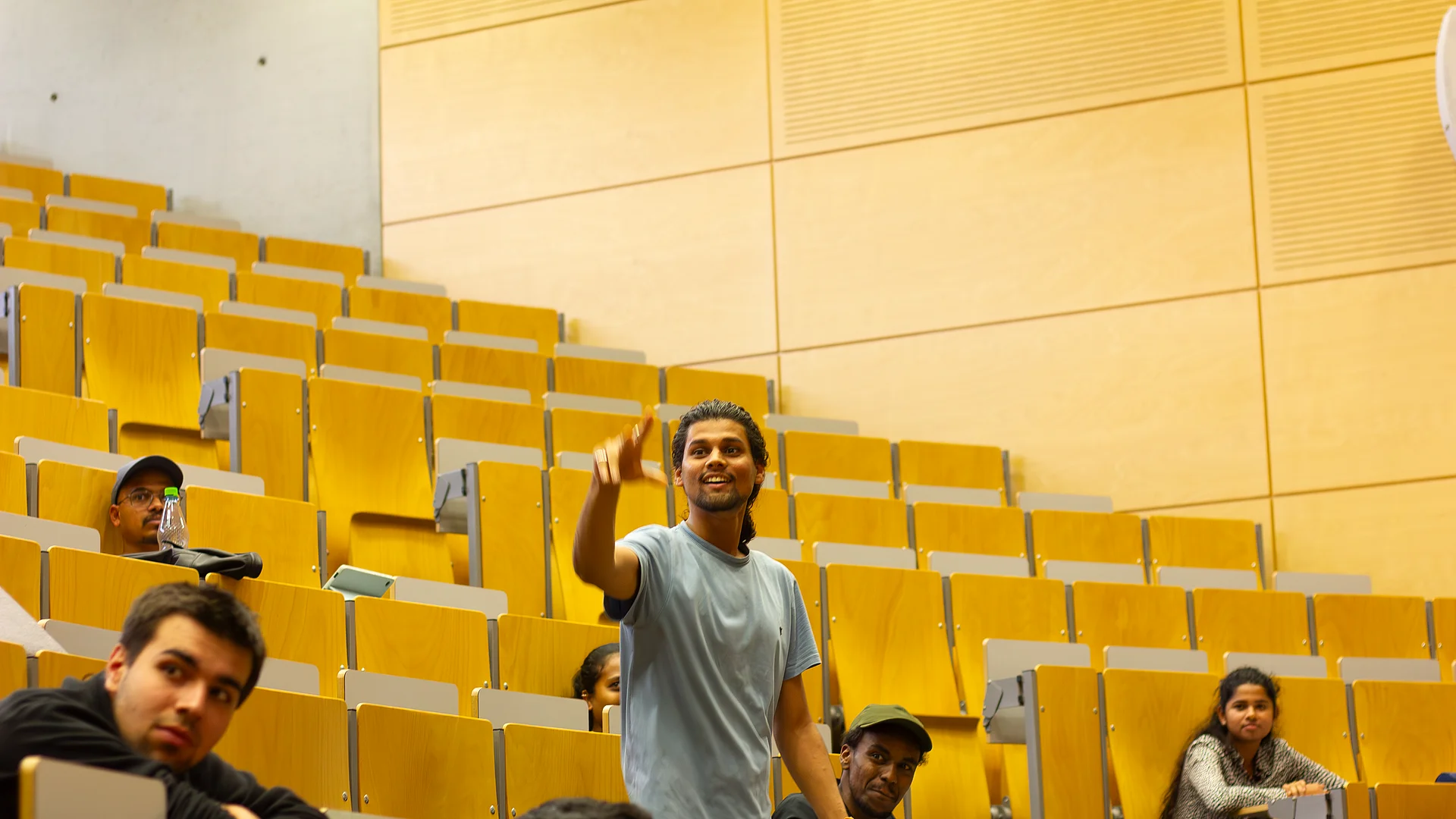
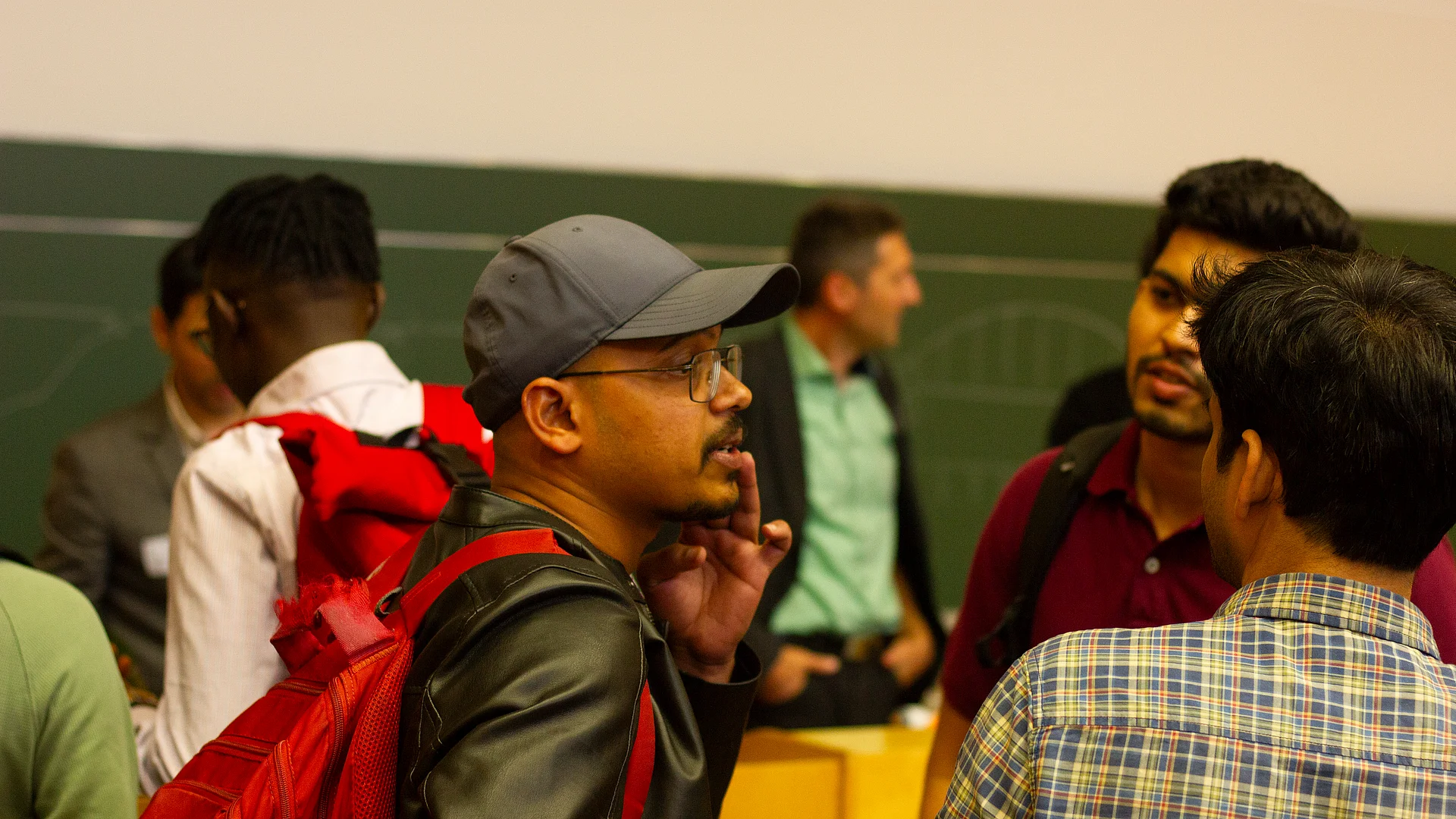
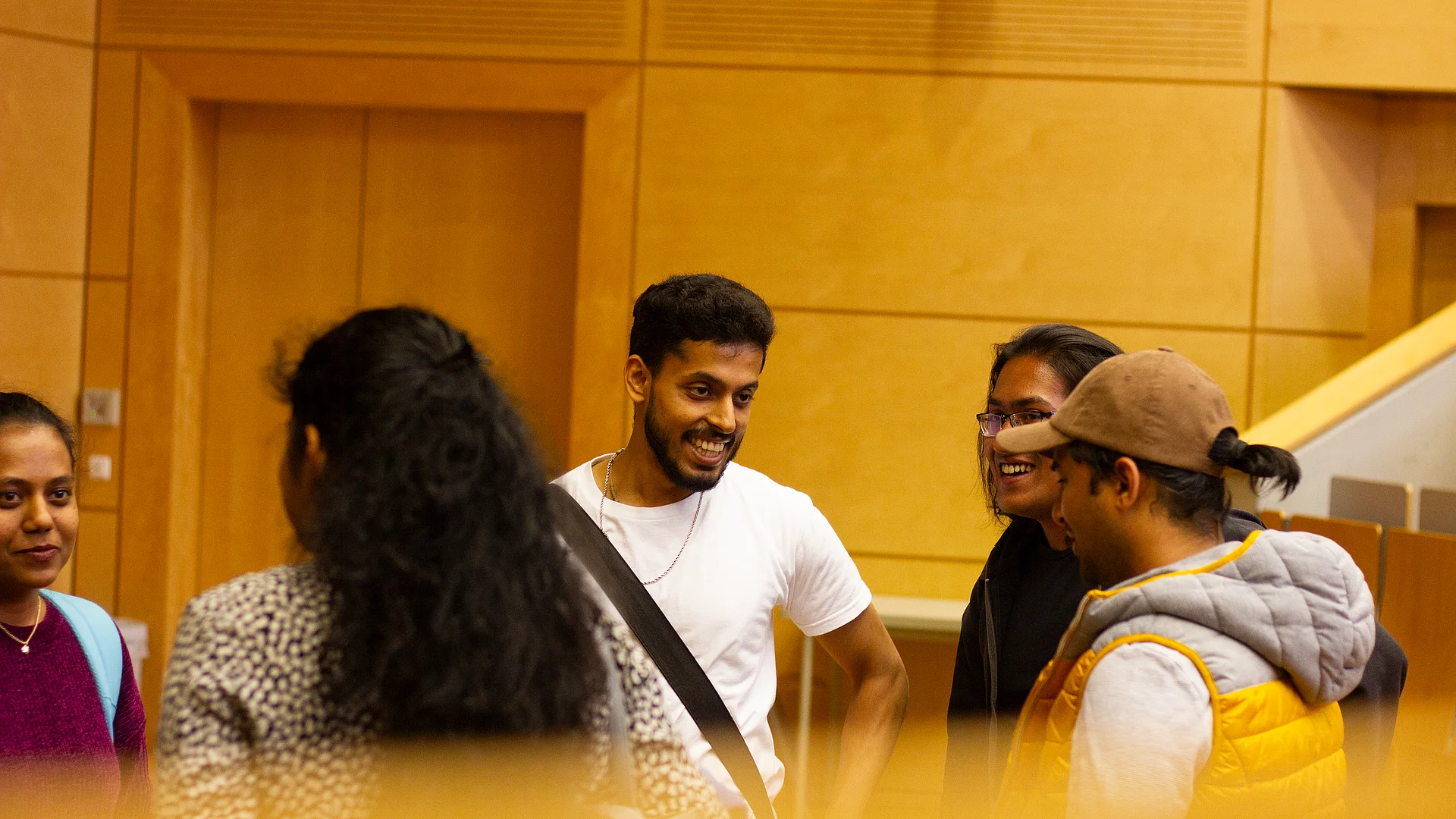
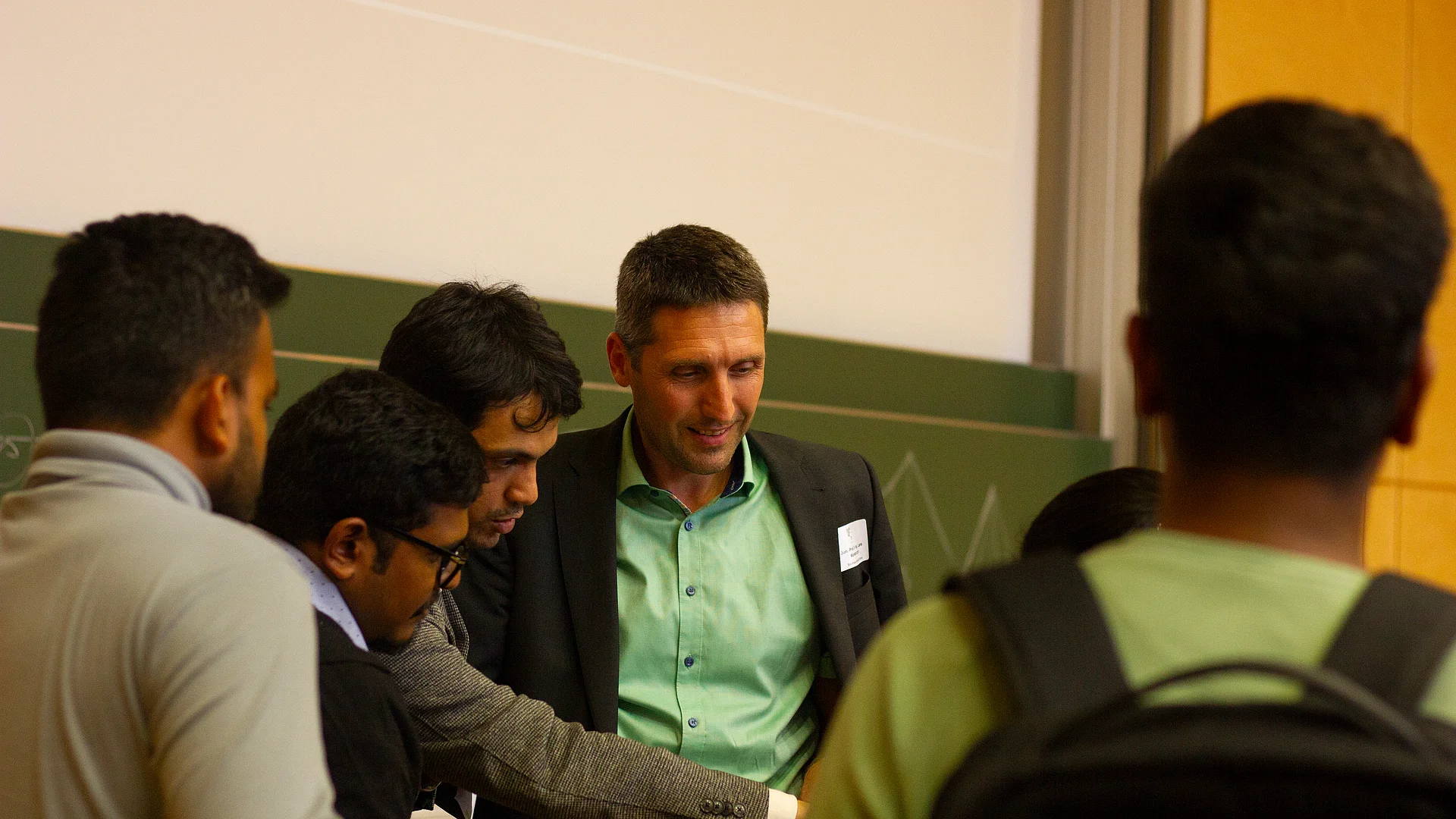
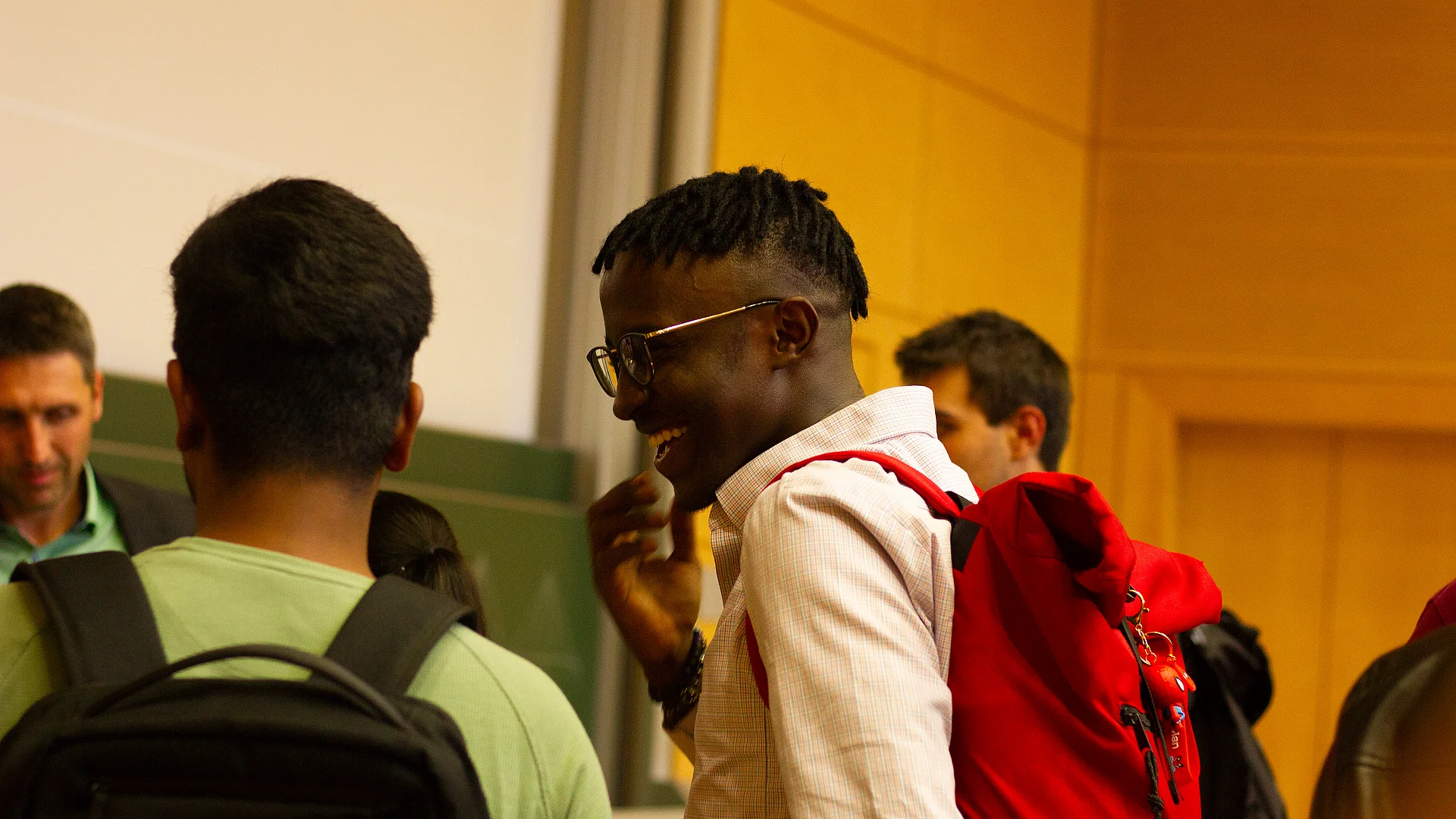
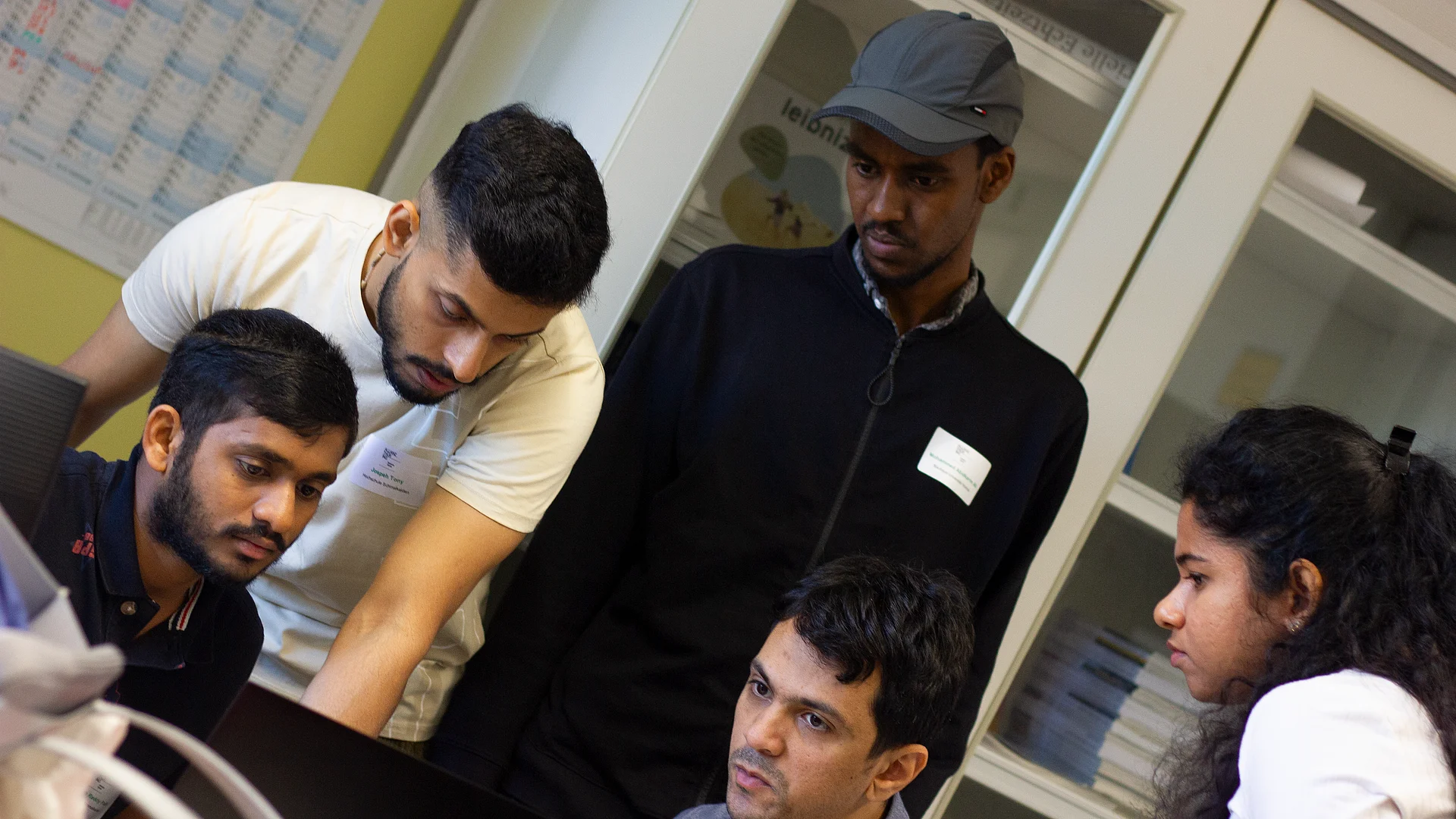
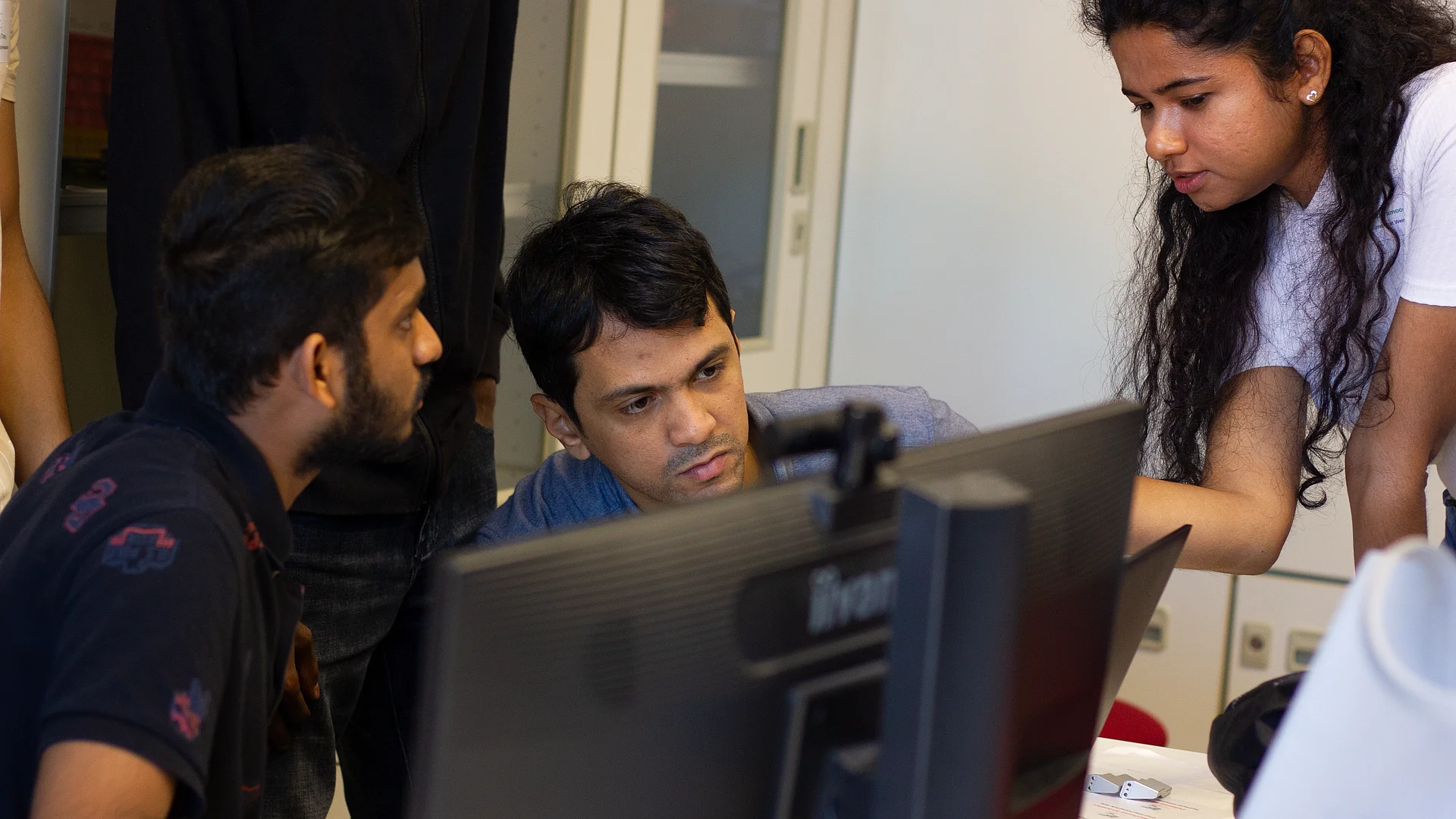
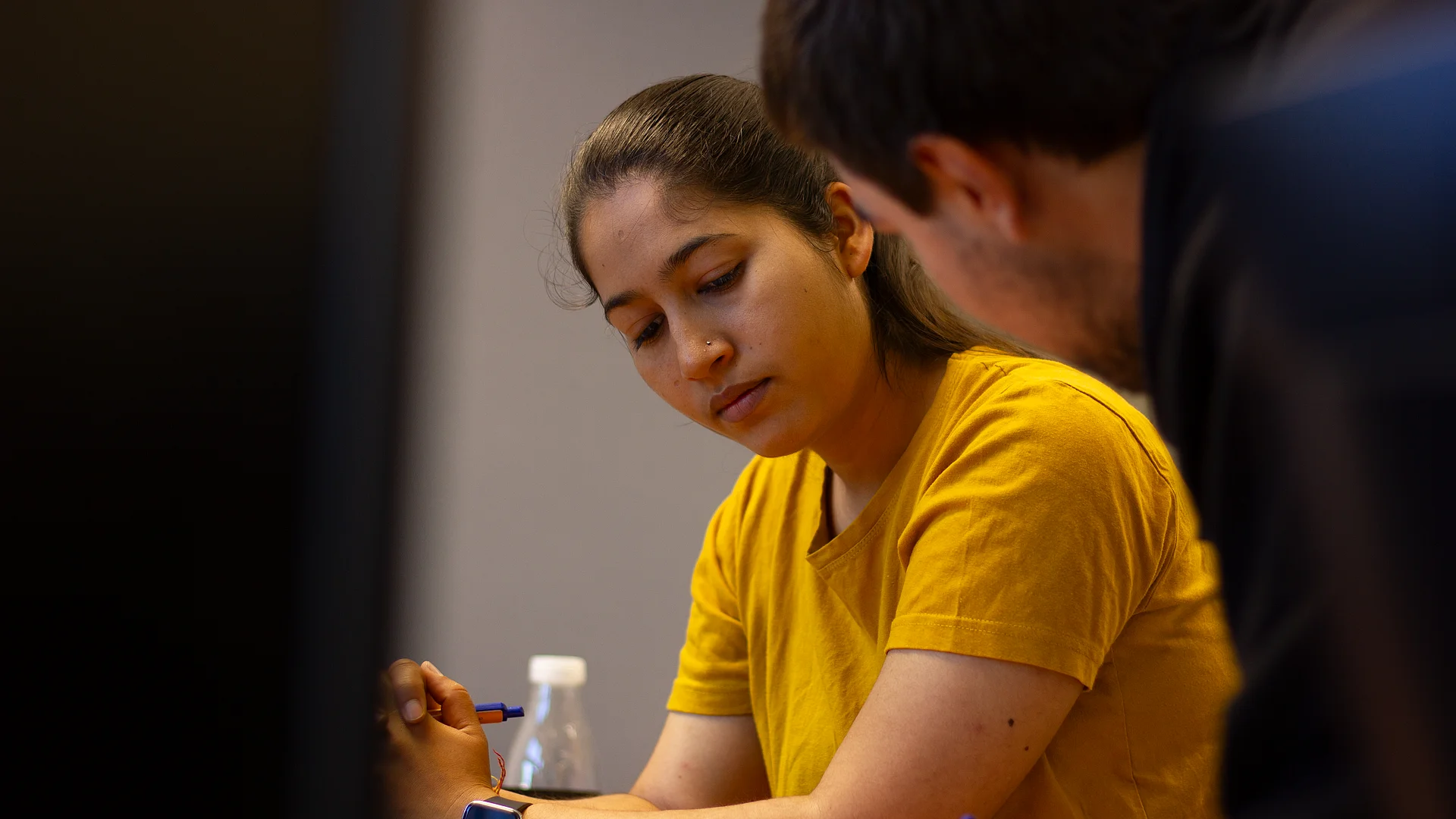
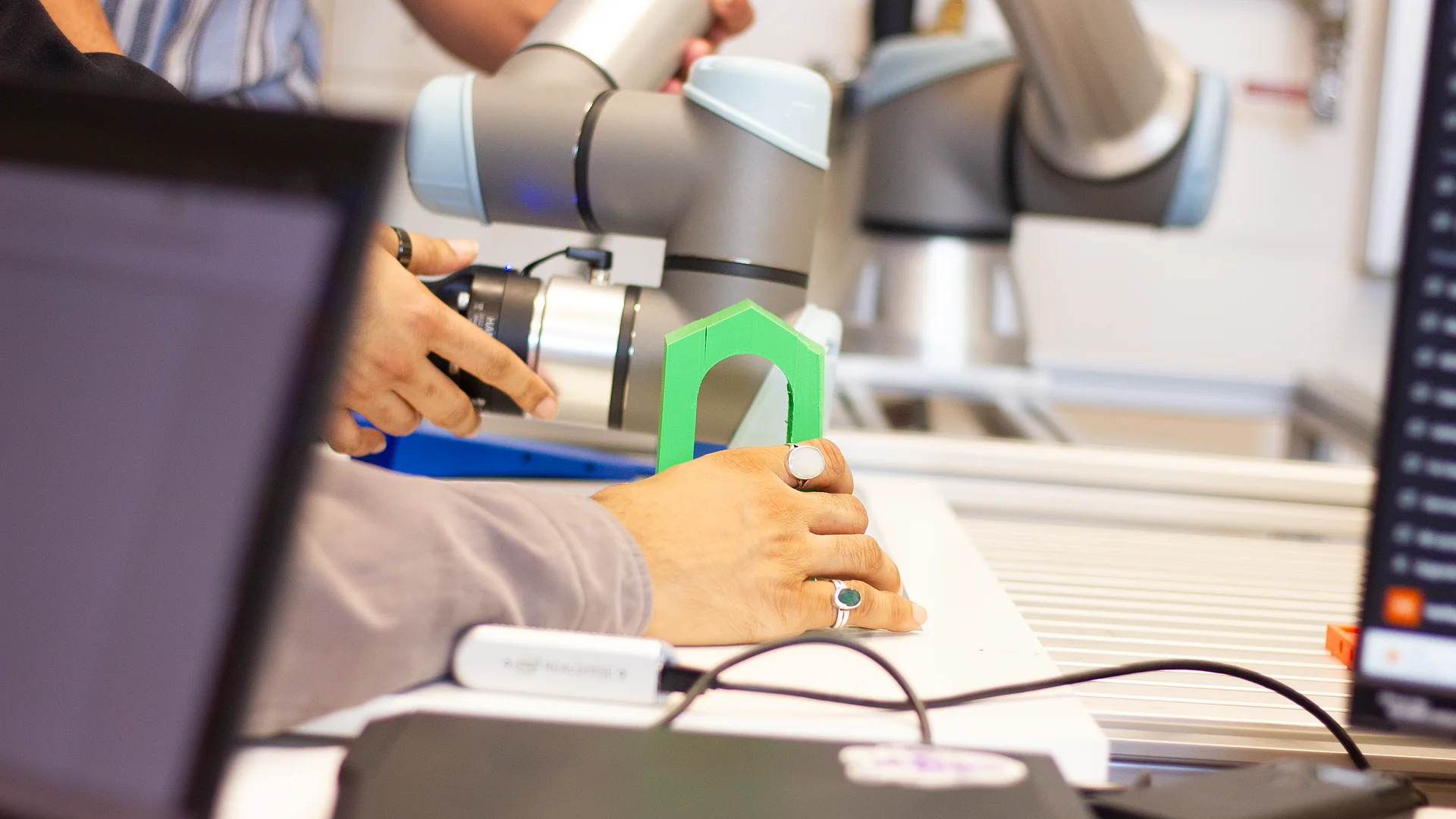
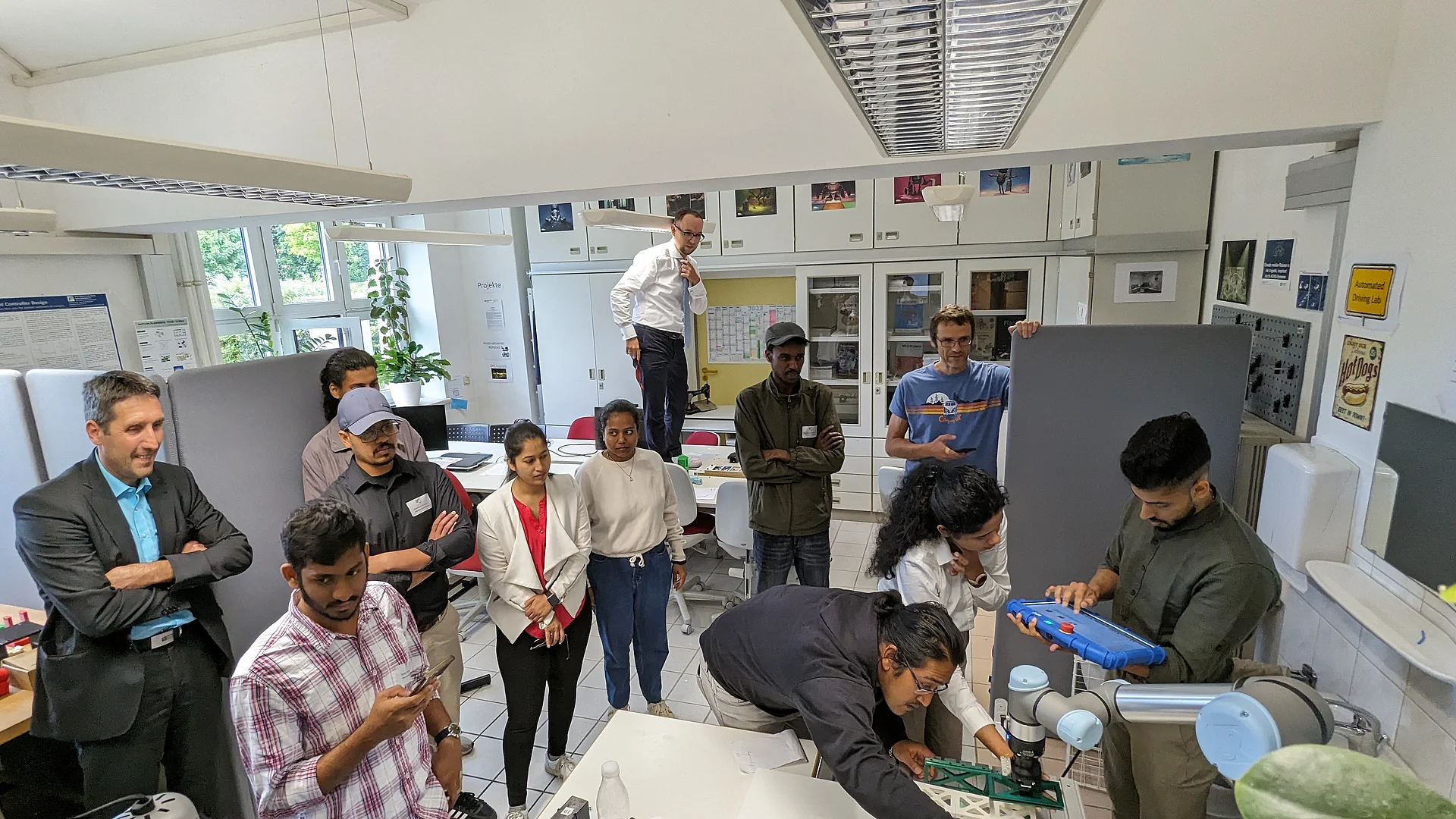
The second Master Science Camp of the Alliance Thuringian Engineering took place at the Schmalkalden University. For seven days, 25 Master students from the Thuringian universities of the Alliance THÜRING dealt together with the topics of robotics, 3D printing and civil engineering. The task for this edition consisted in the digital design of a modular bridge that could be 3D-printed and assembled with the aid of a robotic arm. Students worked in interdisciplinary teams to test their creativity and cleverness to organize and manage the task within the requested time frame. A final competition contrasted the different designs, the bridge’s load capacity and how success of bridge’s assembly.
For more details about the event visit: https://www.allianz-thuering.de/vergangene-science-camps/
For a quick look into the activities of Science Camp check out the Allianz’s Instagram video: https://www.instagram.com/reel/CyD1eZWooJd/?utm_source=ig_web_copy_link
Green2Smart (2024) Fachhochschule Erfurt
3rd Science Camp for Bachelor Students
Green2Smart (2024)
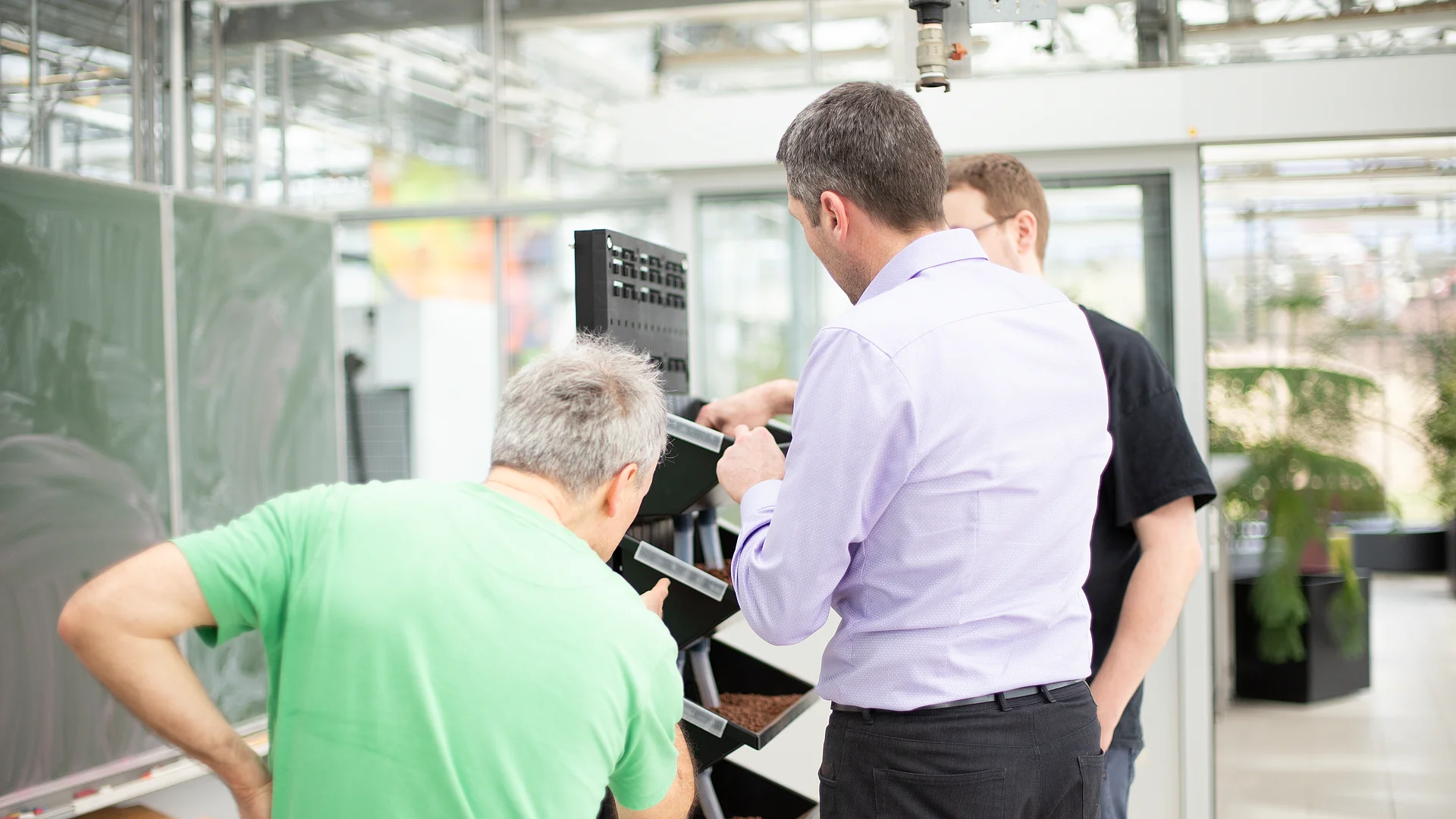
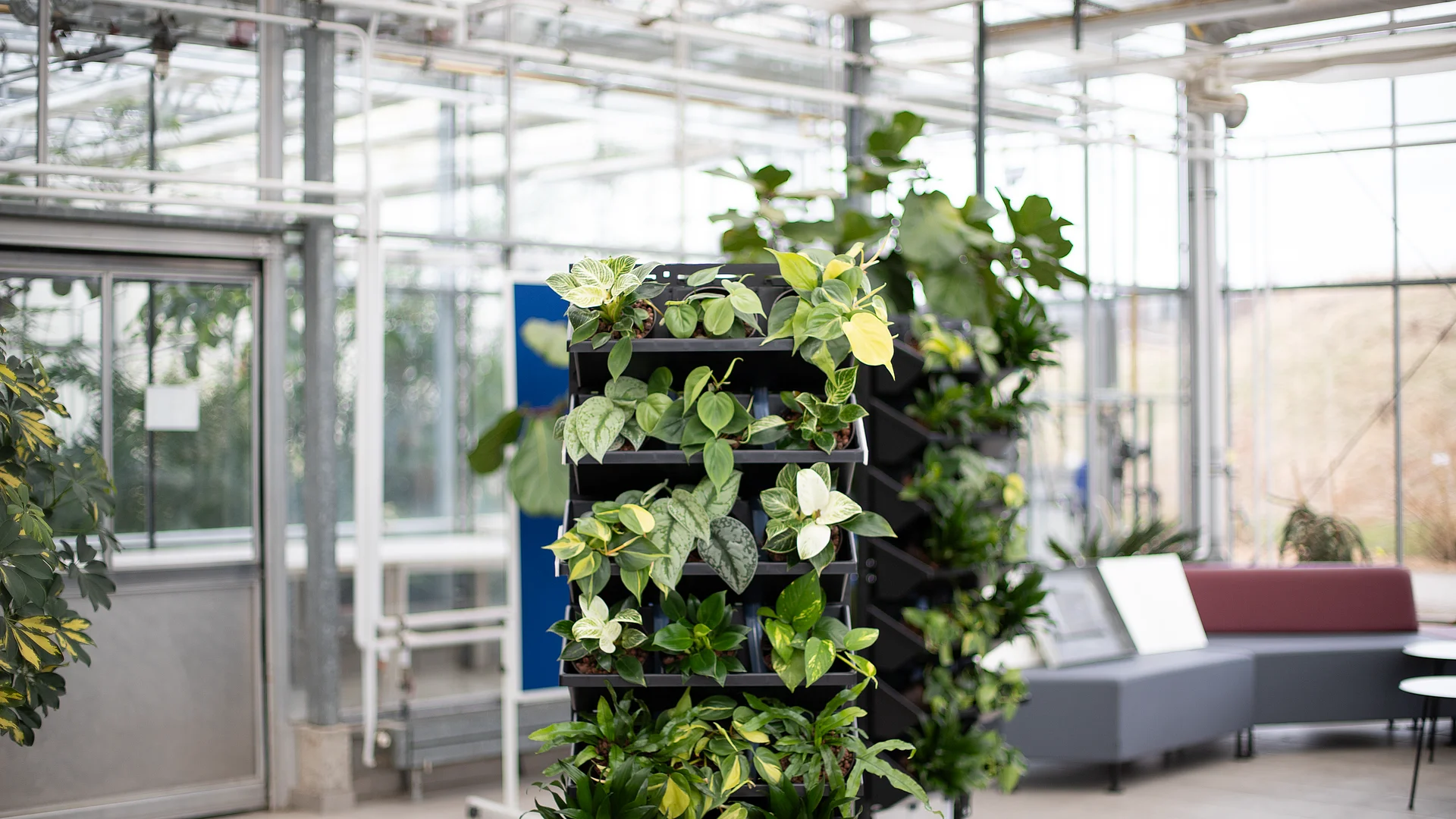
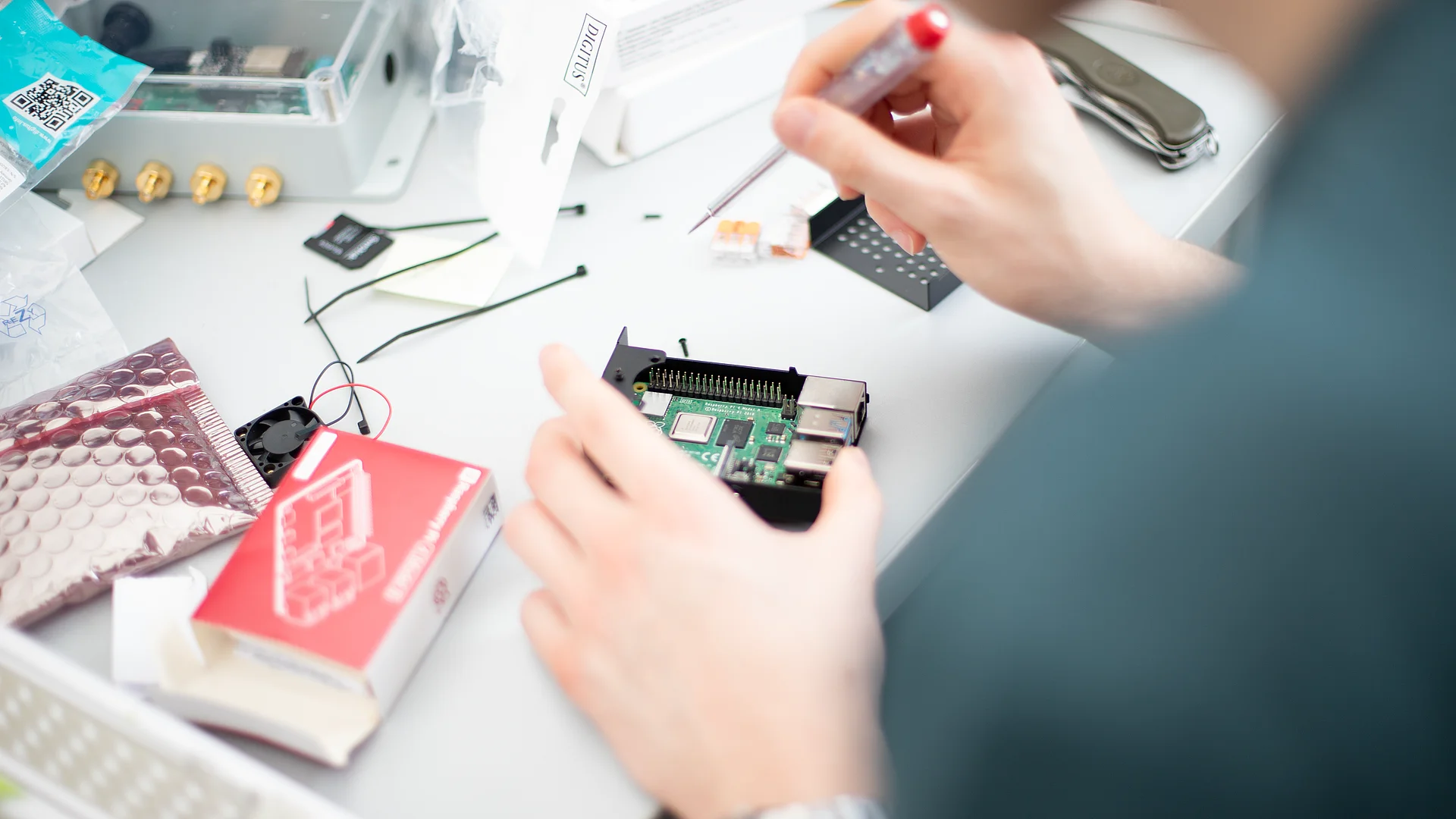
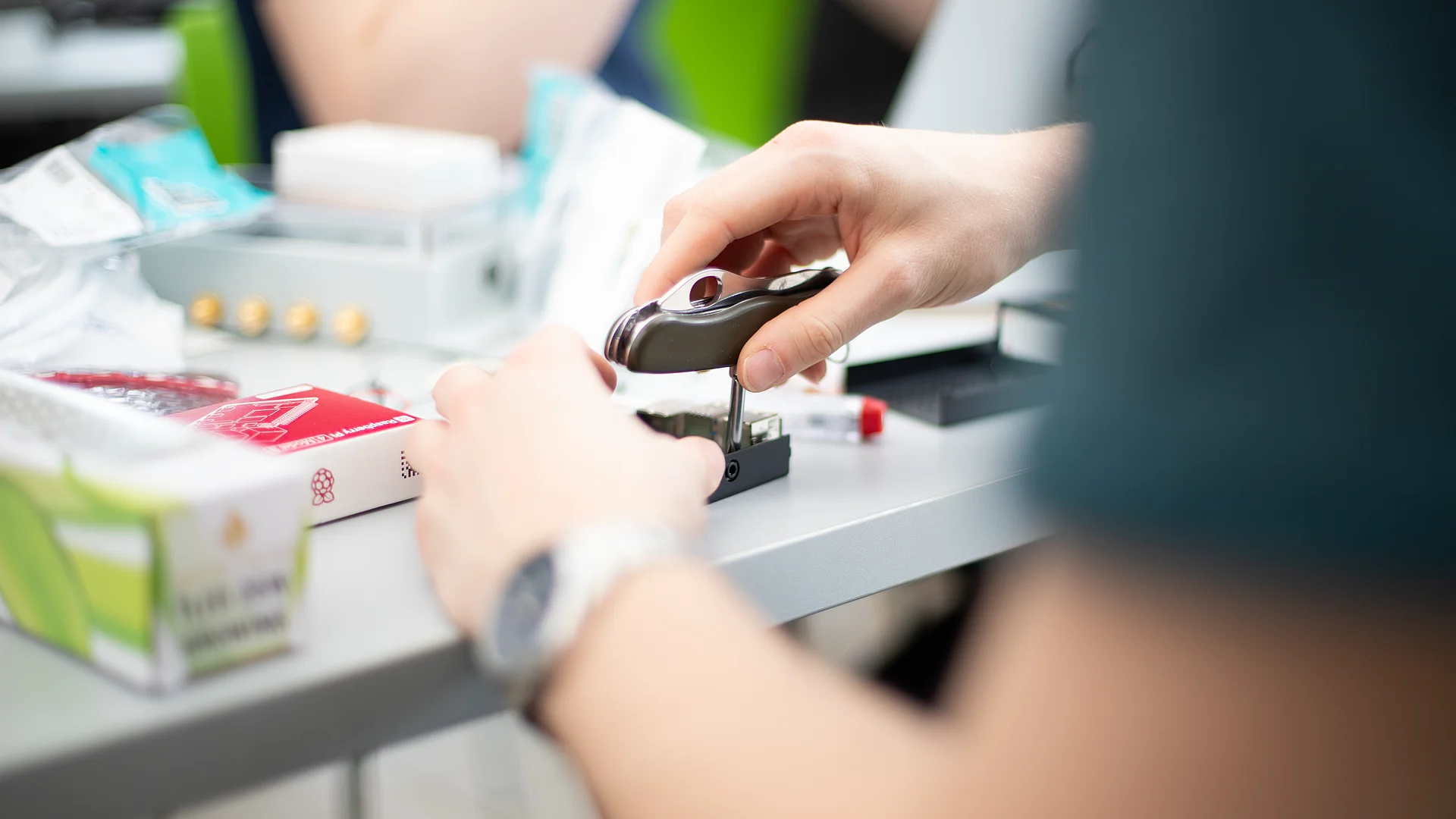
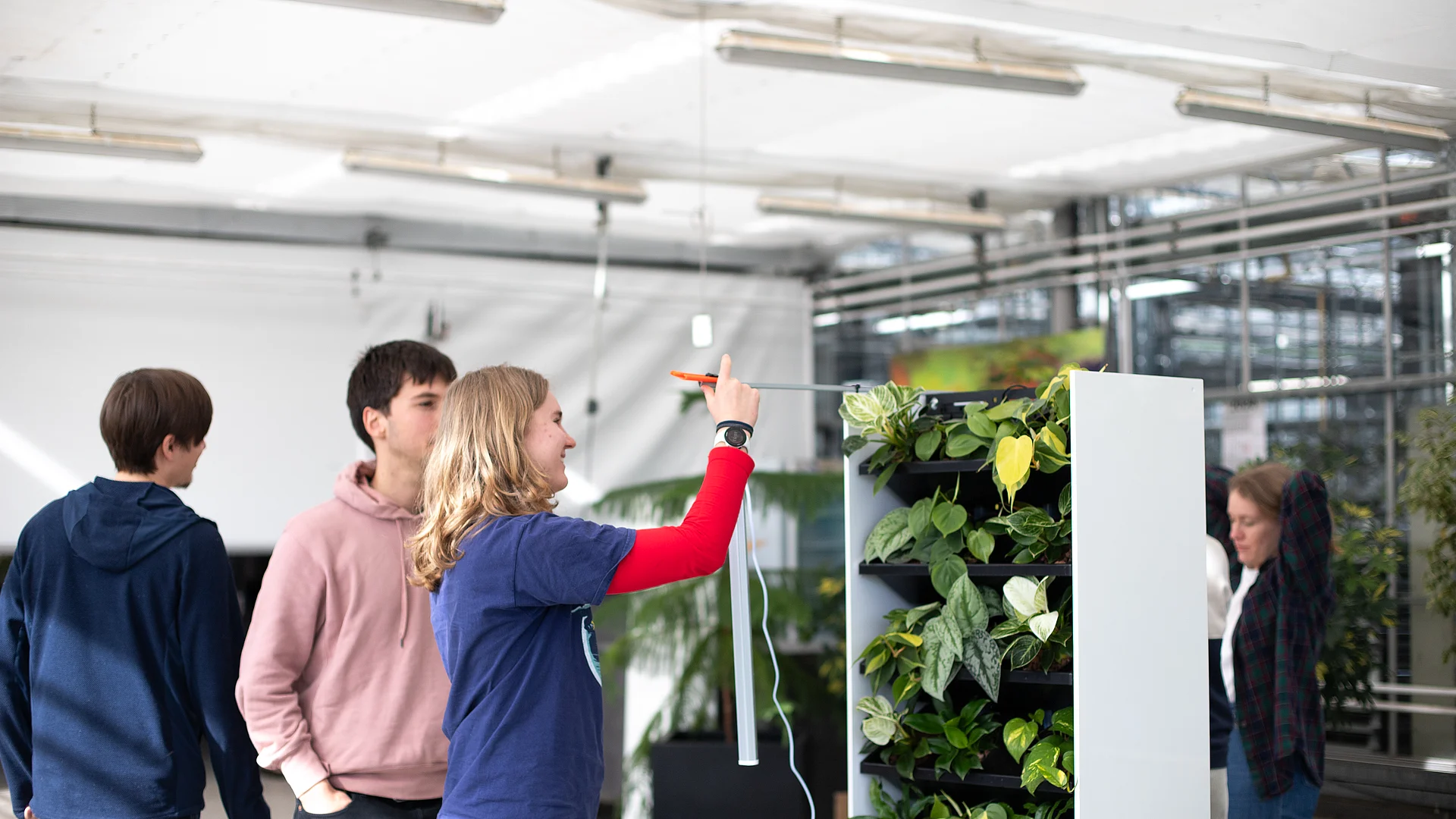
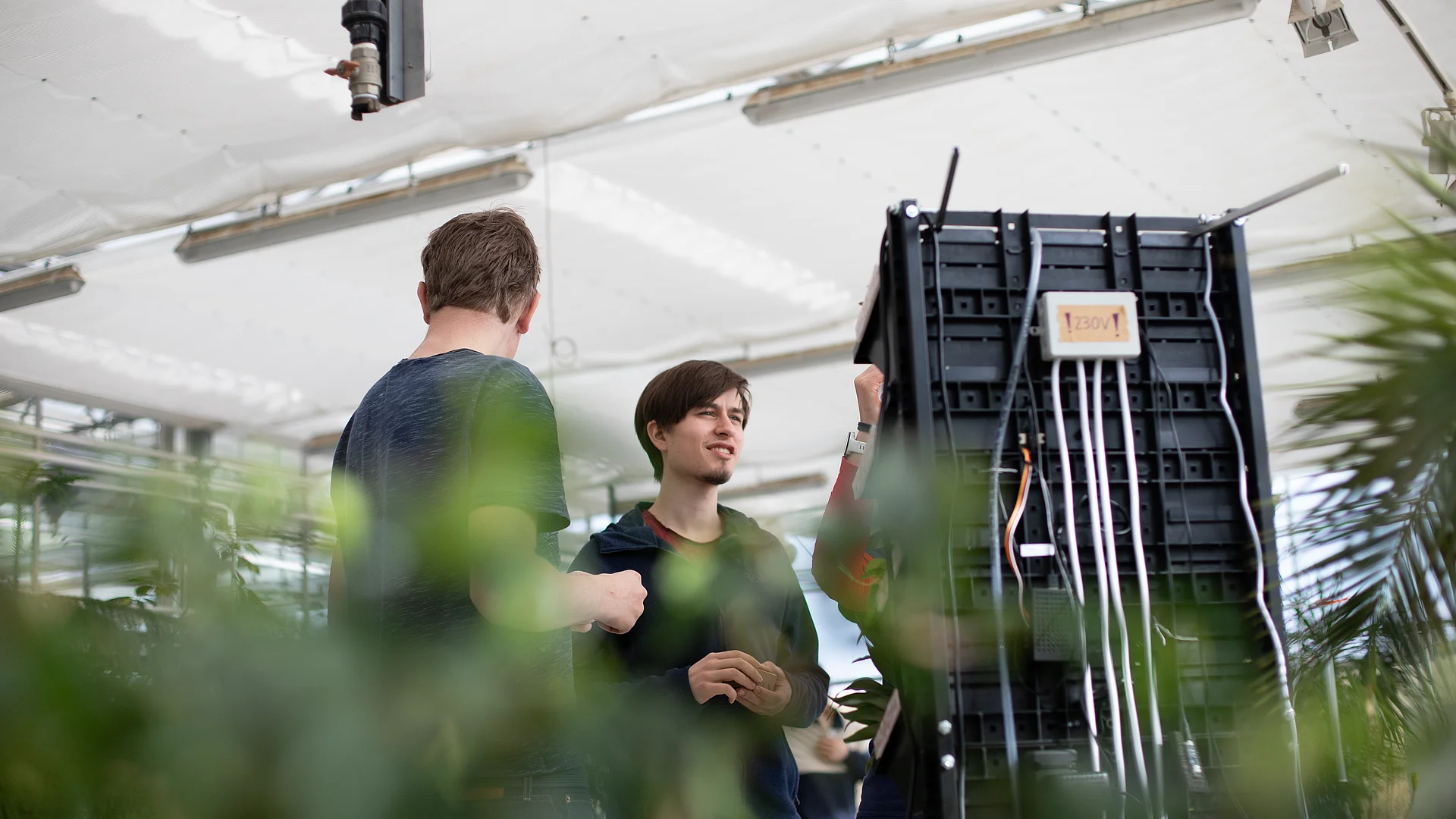
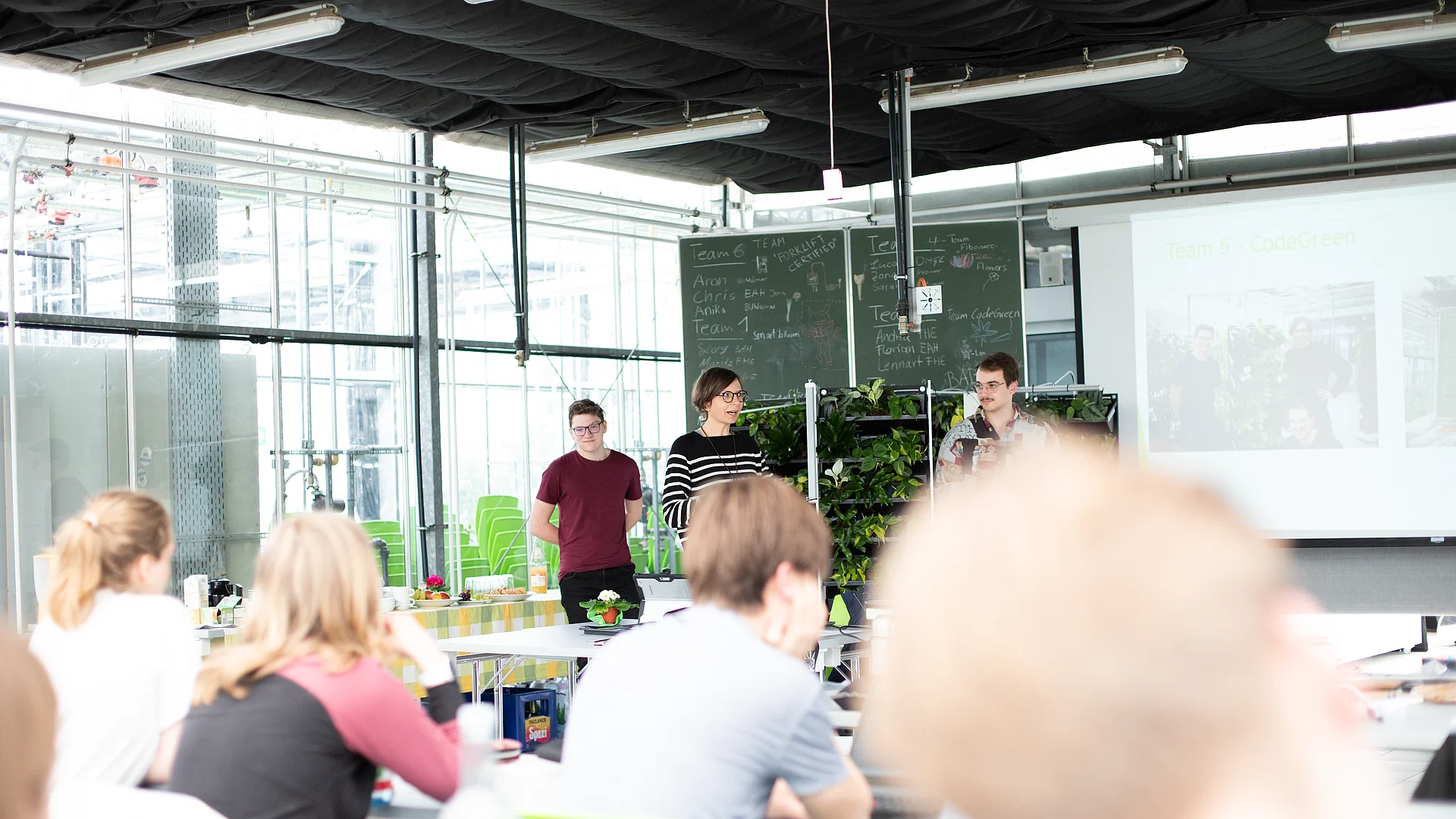
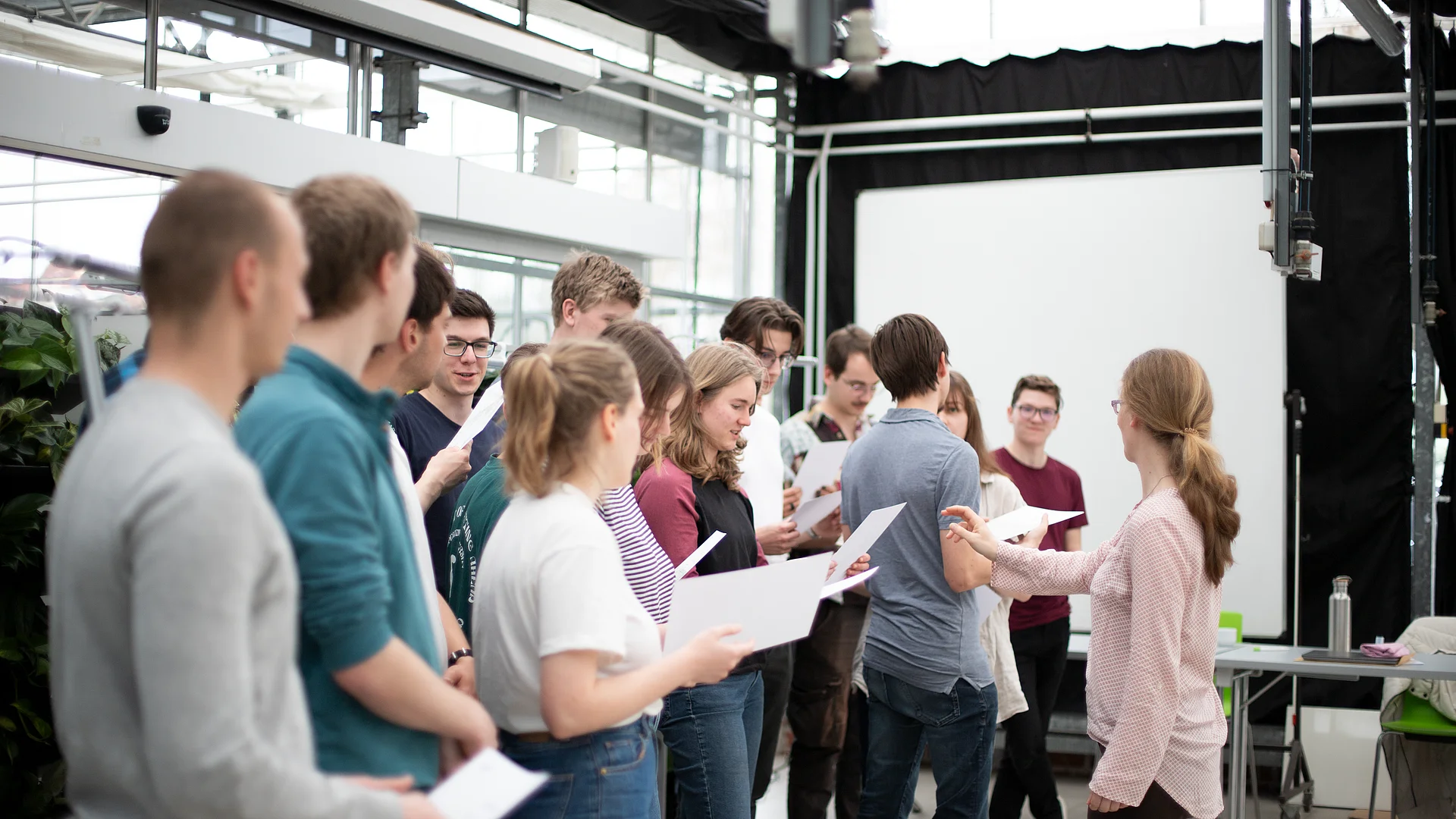
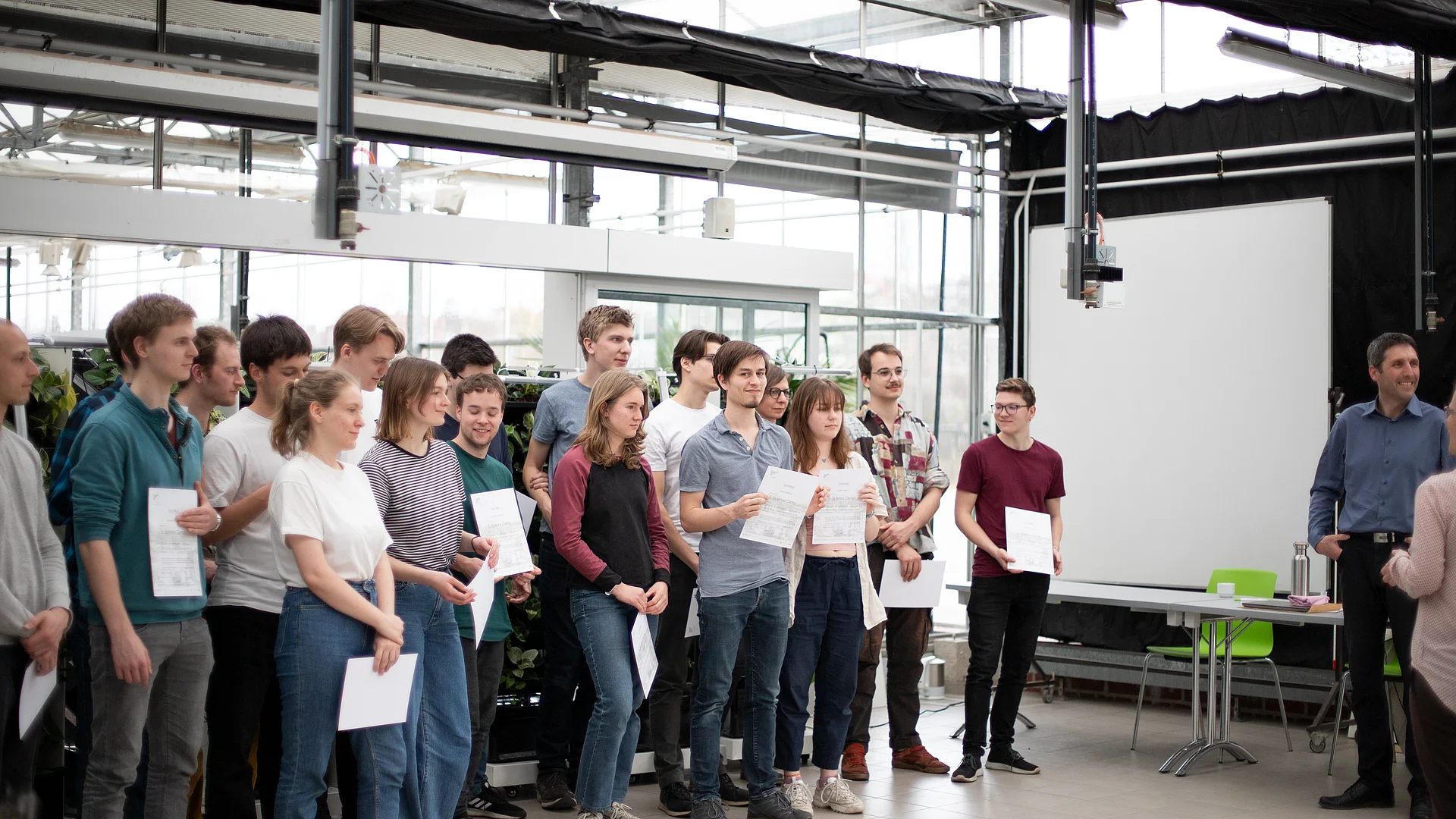
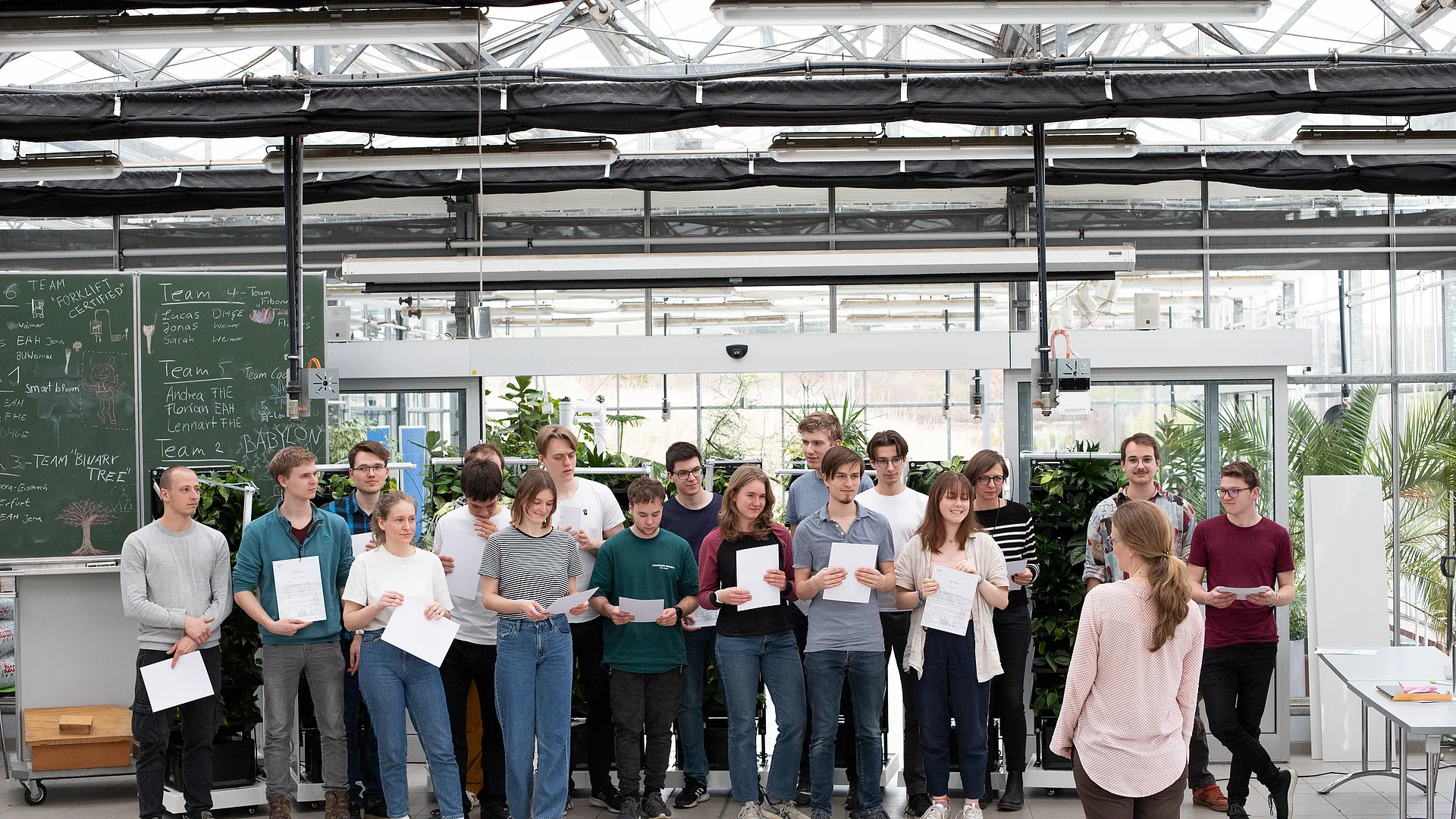
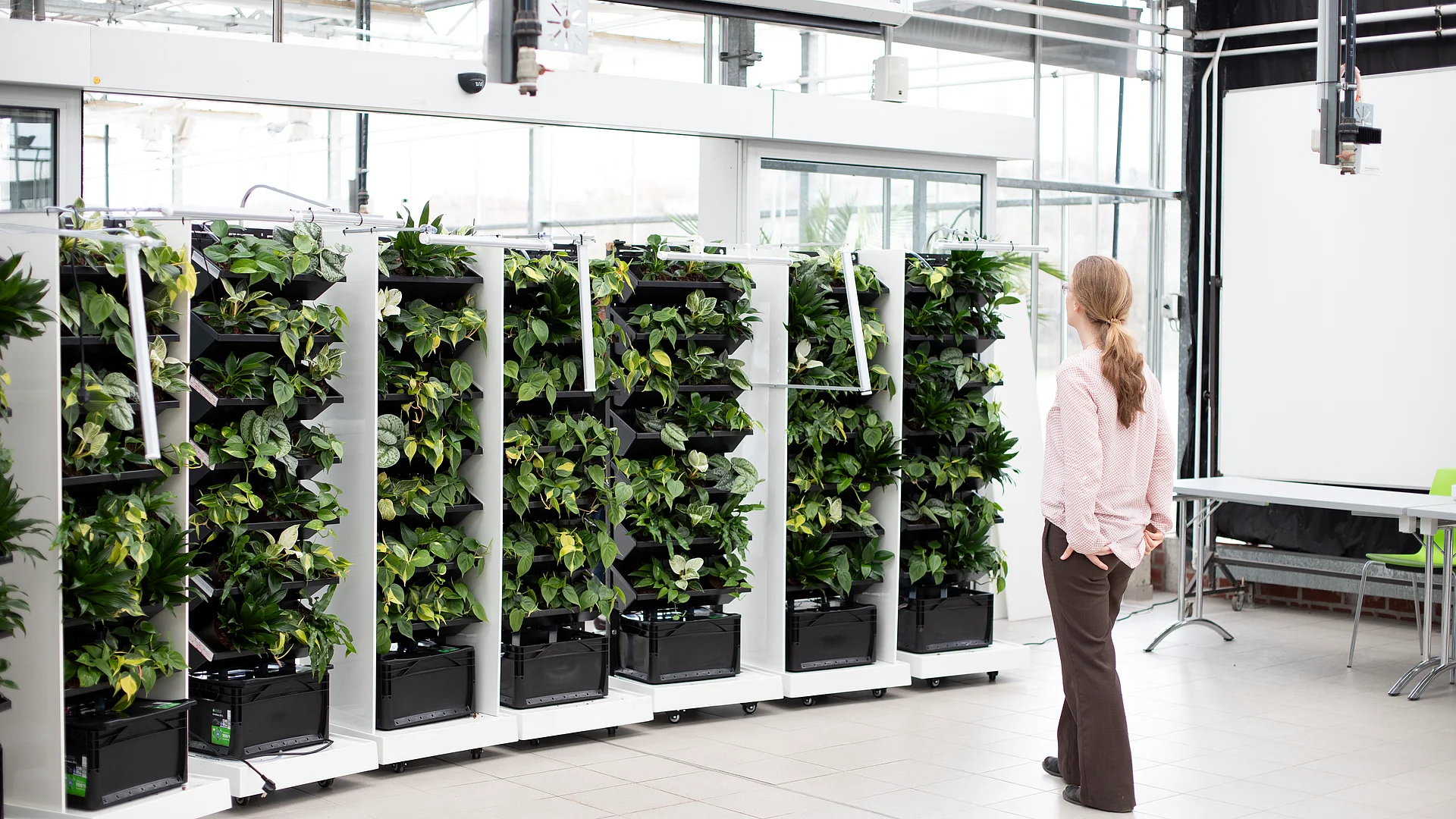
The third Science Camp of the Alliance Thuringian Engineering took place at the Fachhoschule Erfurt – University of Applied Sciences from 11.3.2024 to 20.03.2024. For seven days, 18 Bachelor students from the Thuringian universities of the Alliance THÜR ING worked in interdisciplinary teams to design and assemble a Green Mobile Wall, equipped with a monitoring system. For optimal supply of water and light, as well as the possibility to track the ambient conditions to which the plants where subjected (e.g., temperature and humidity), several sensors were installed. Teams tested their creativity and cleverness to organize and manage the task within the requested time frame, as well as to solve the challenges encountered.
After the event, the mobile walls will be distributed to the participating universities to be placed indoors. Refinement and finalization of the monitoring system will be continued in the following months. Finally, the measurements will be continued at the new location and evaluated comparatively.
The data collected will offer potential research opportunities for follow-up projects and theses. For interested students at the BUW an opportunity to know more about the results and the overall project will take place at the »summaery2024«.
We thank our colleagues from VE.PLANT GmbH who supported the developing of the system.
For a quick look into more activities from the Allianz’s check out the Instagram account https://www.instagram.com/allianz_thing/

Biodiversitätsmonitoring (2024) Technische Universität Ilmenau
3rd Science Camp for Master Students
Biodiversitätsmonitoring (2024)
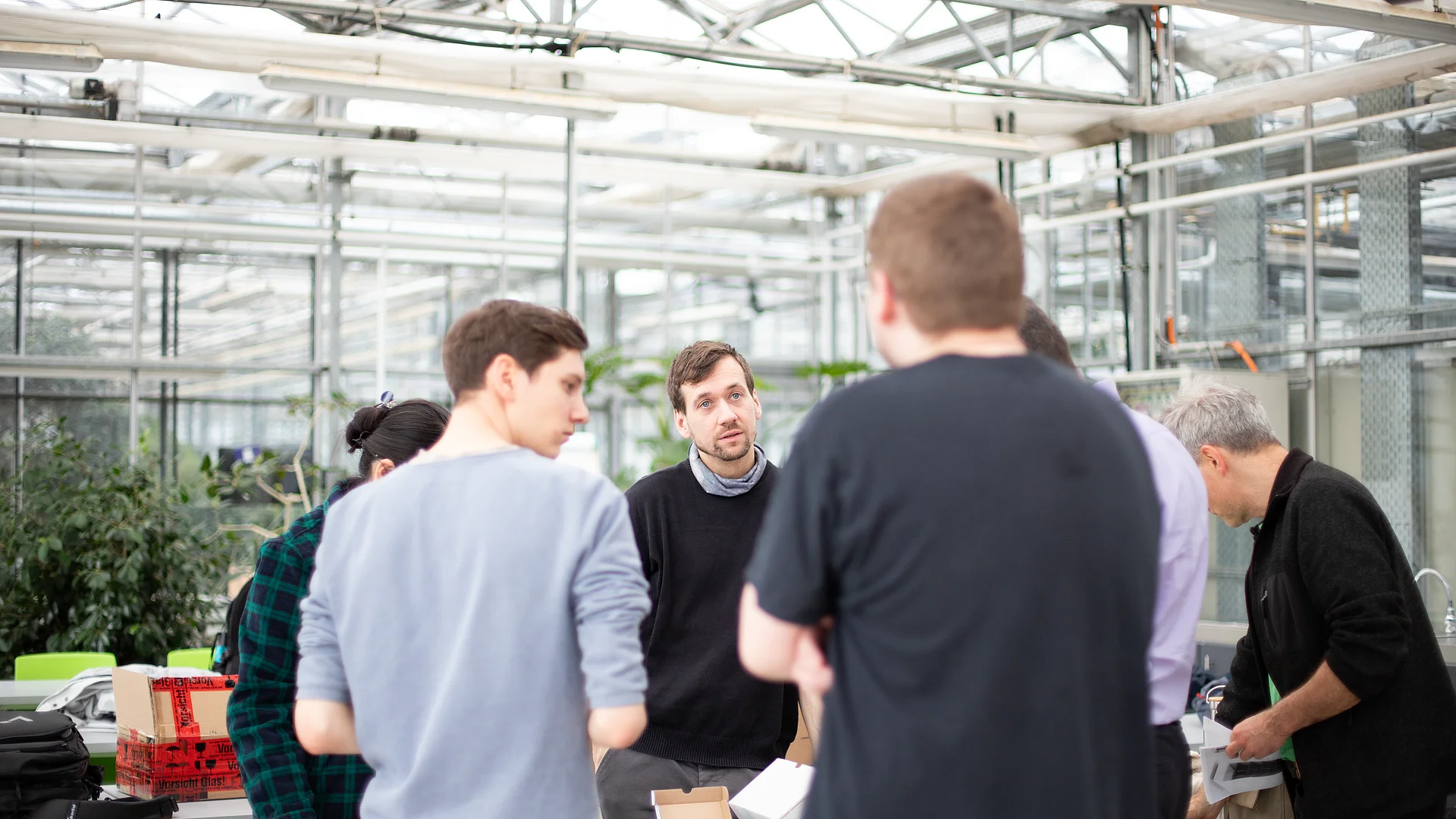
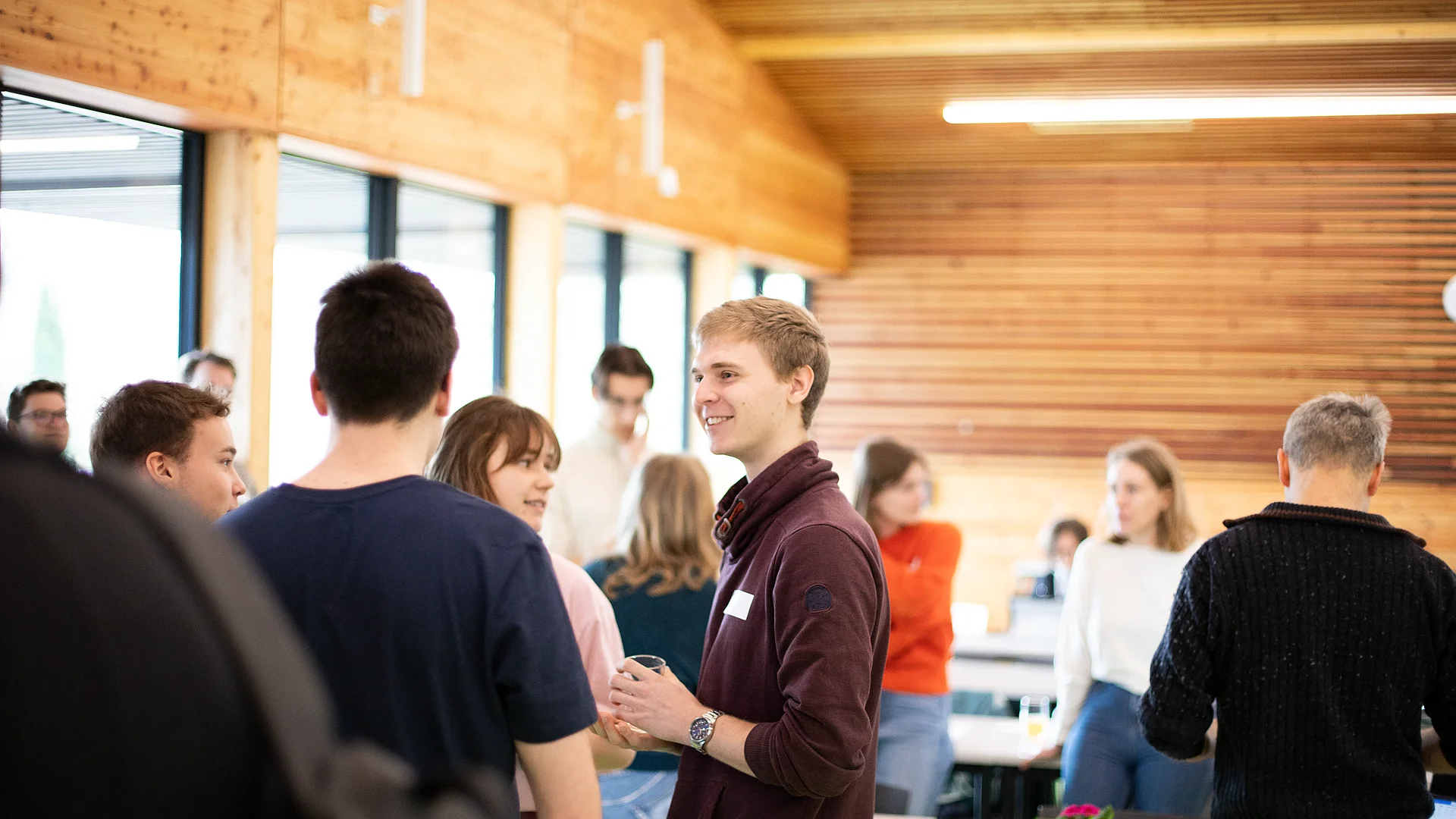
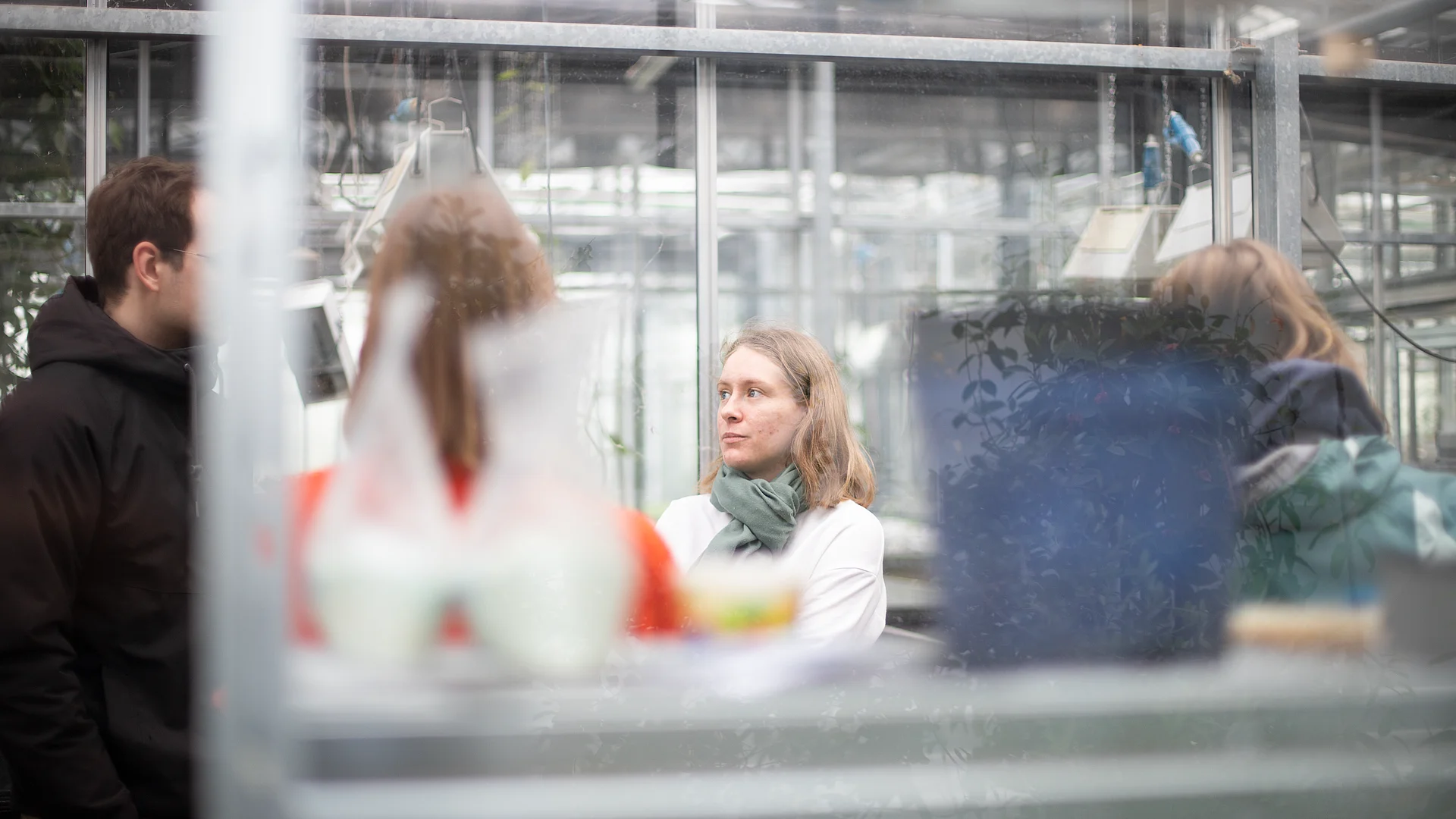
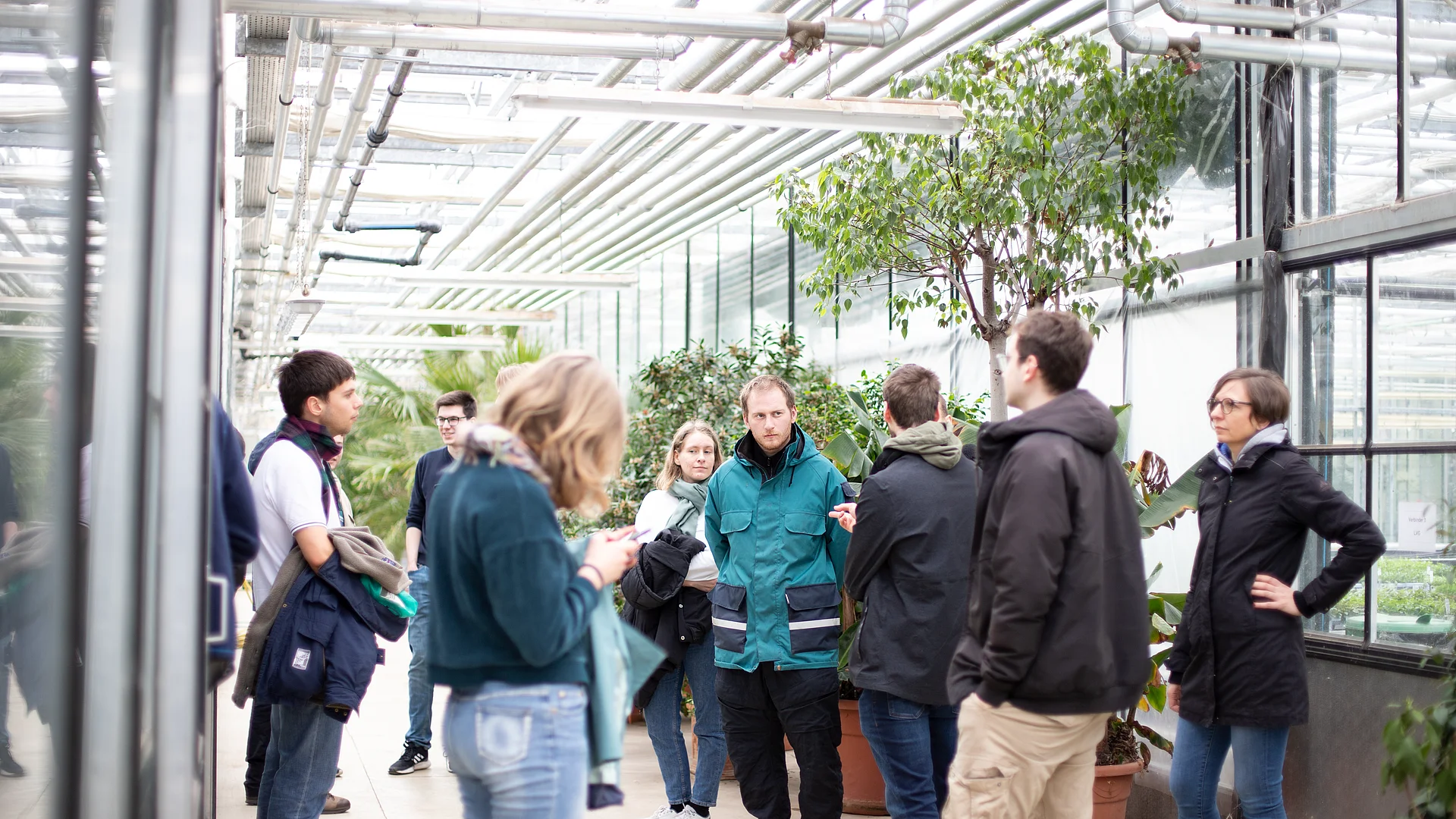
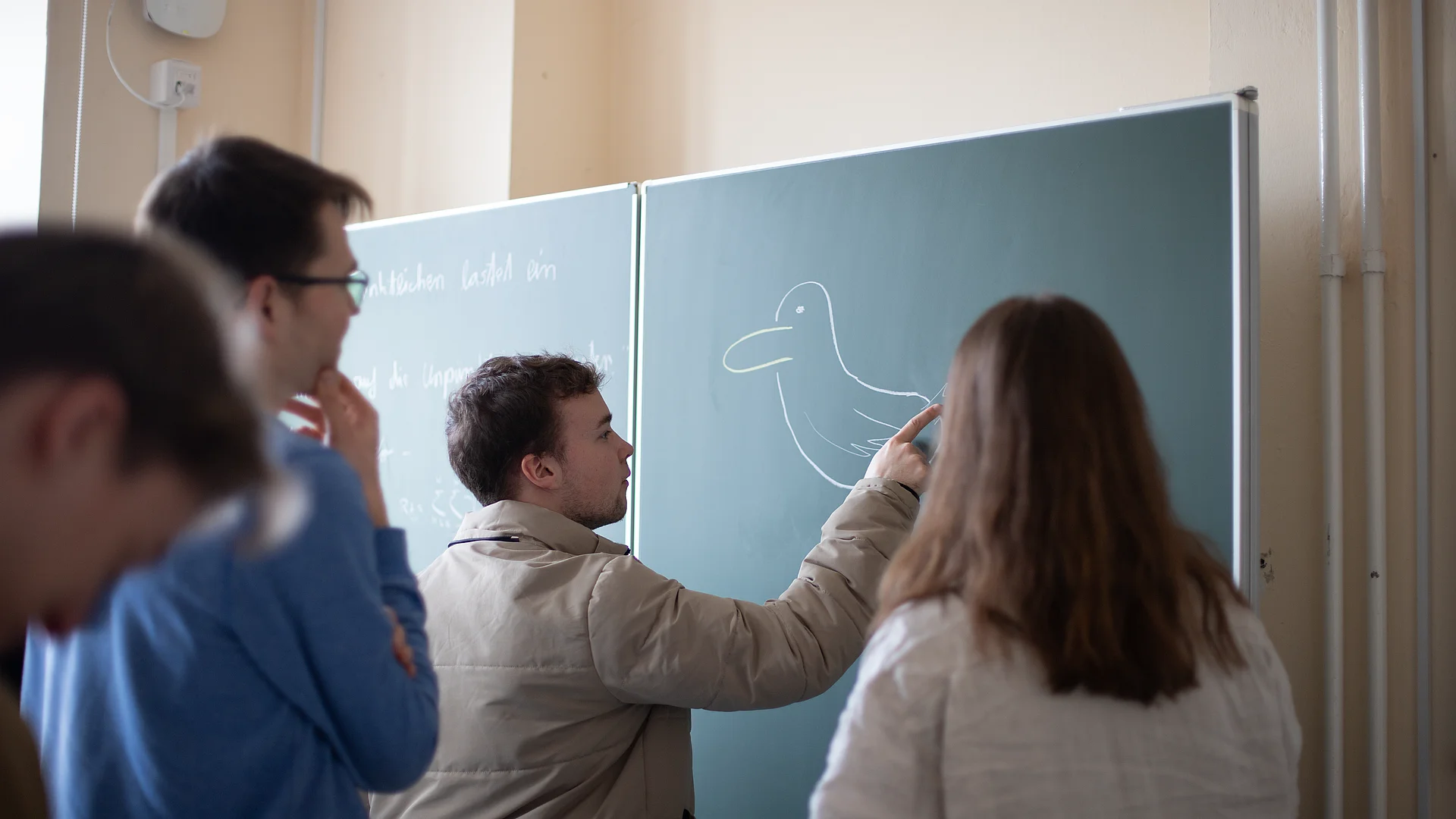
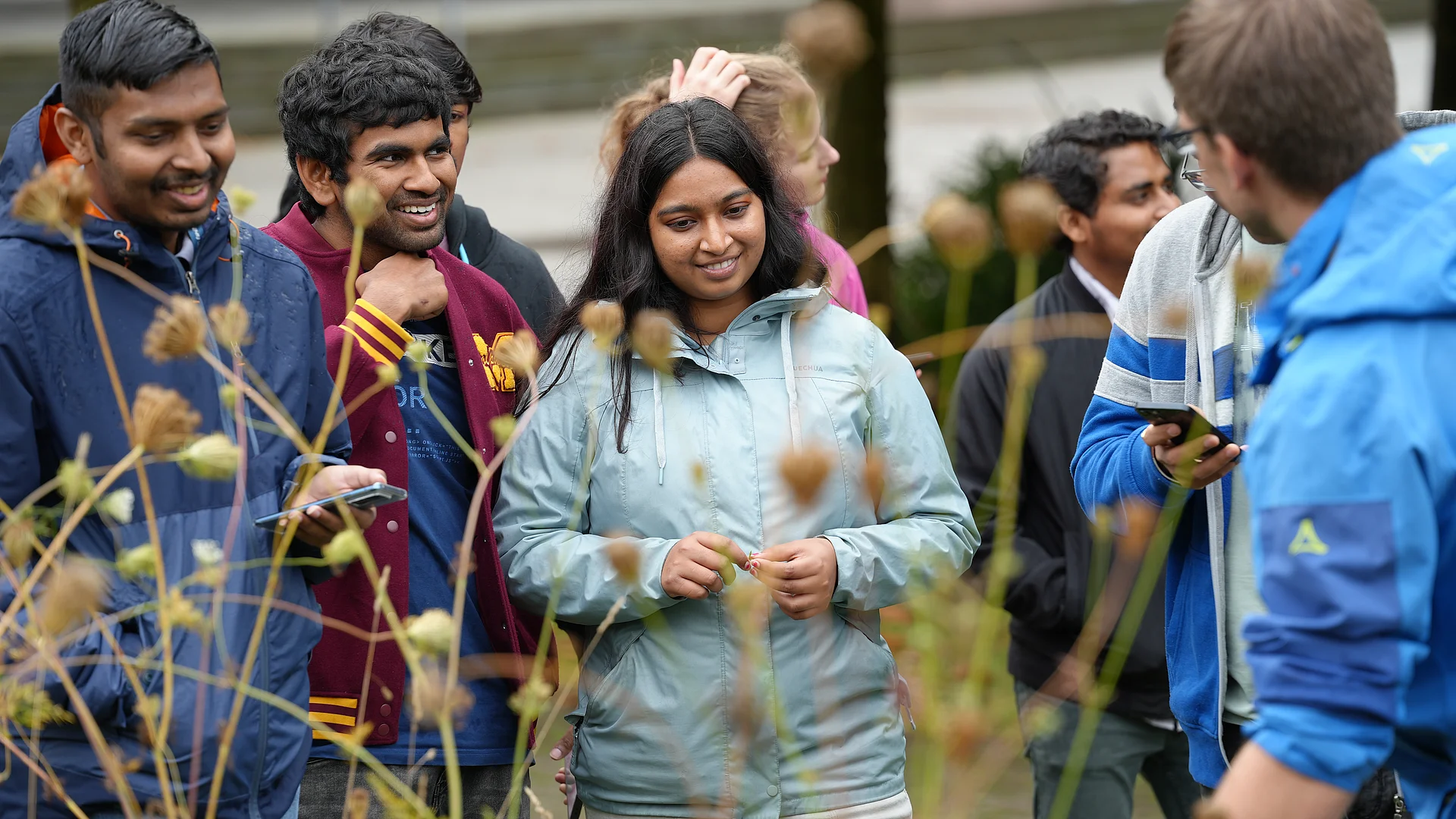
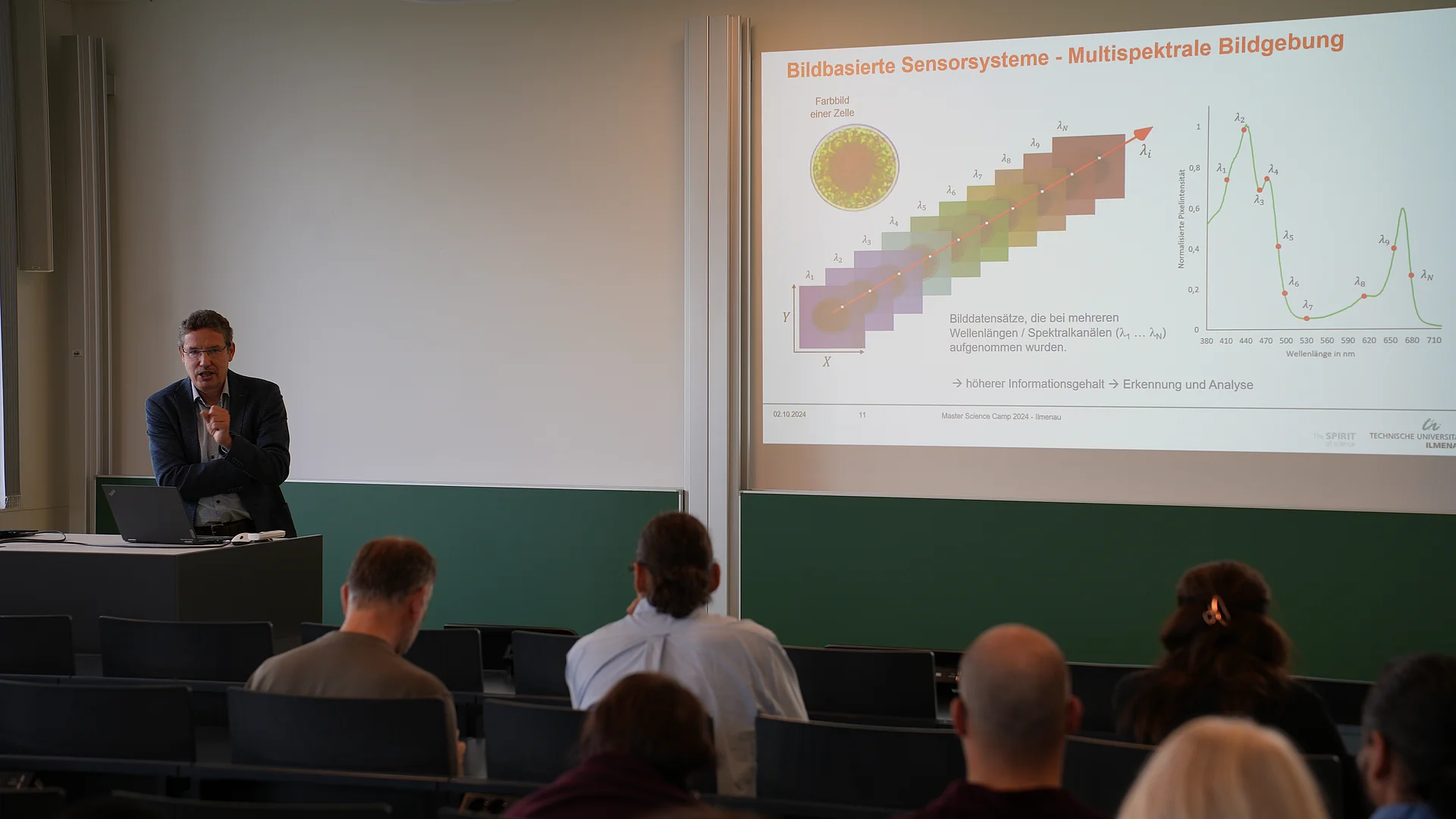
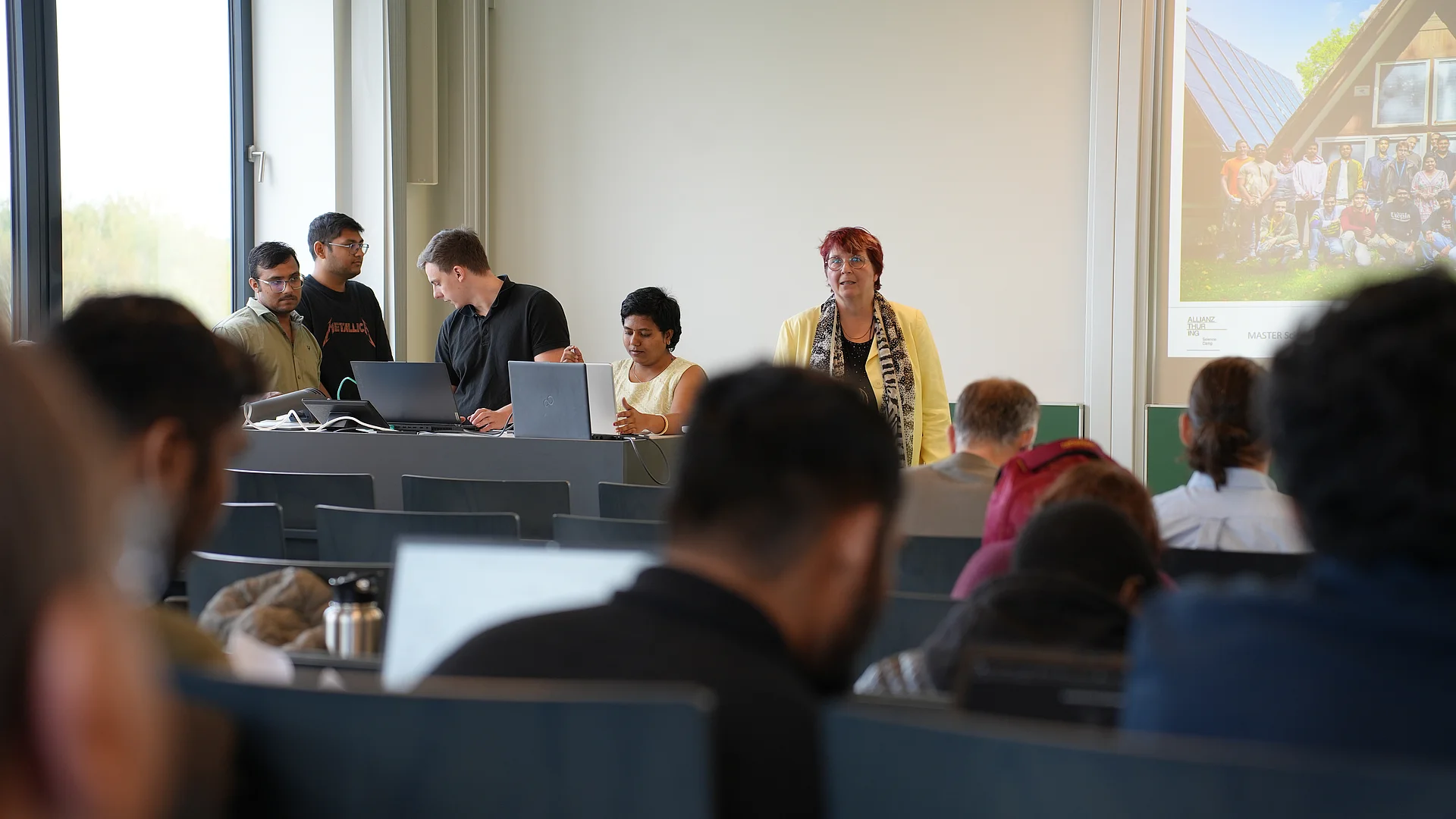
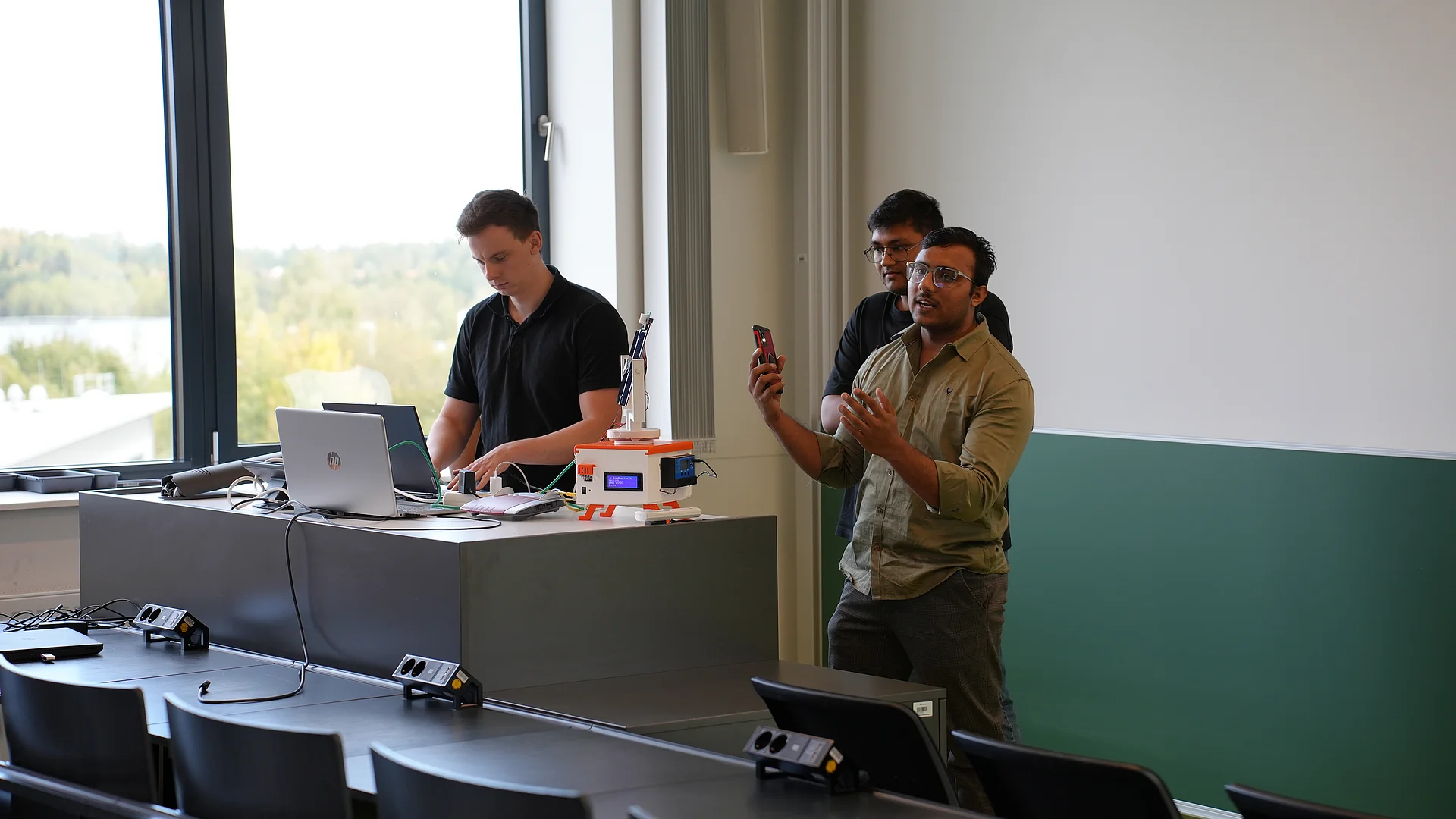
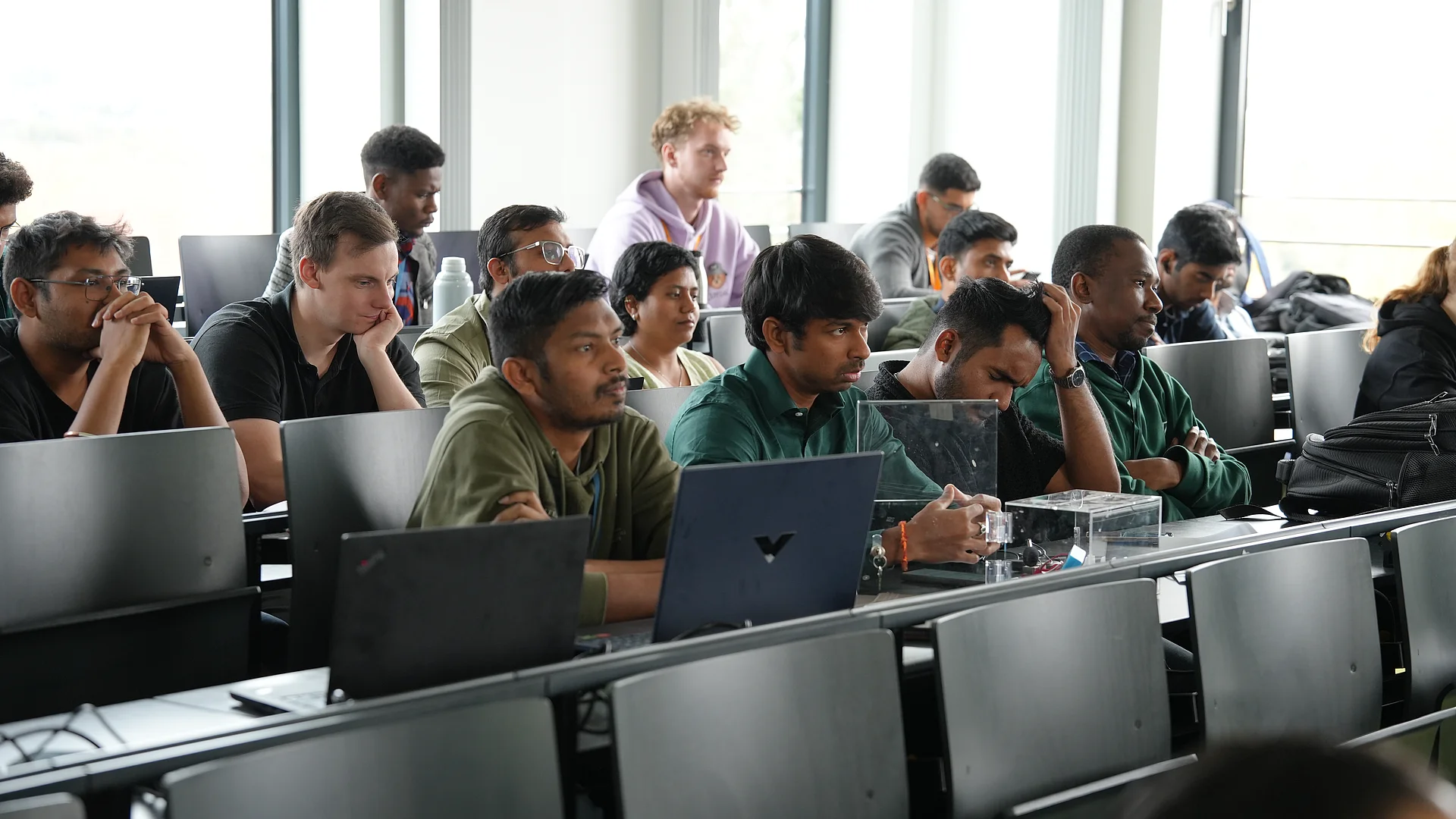
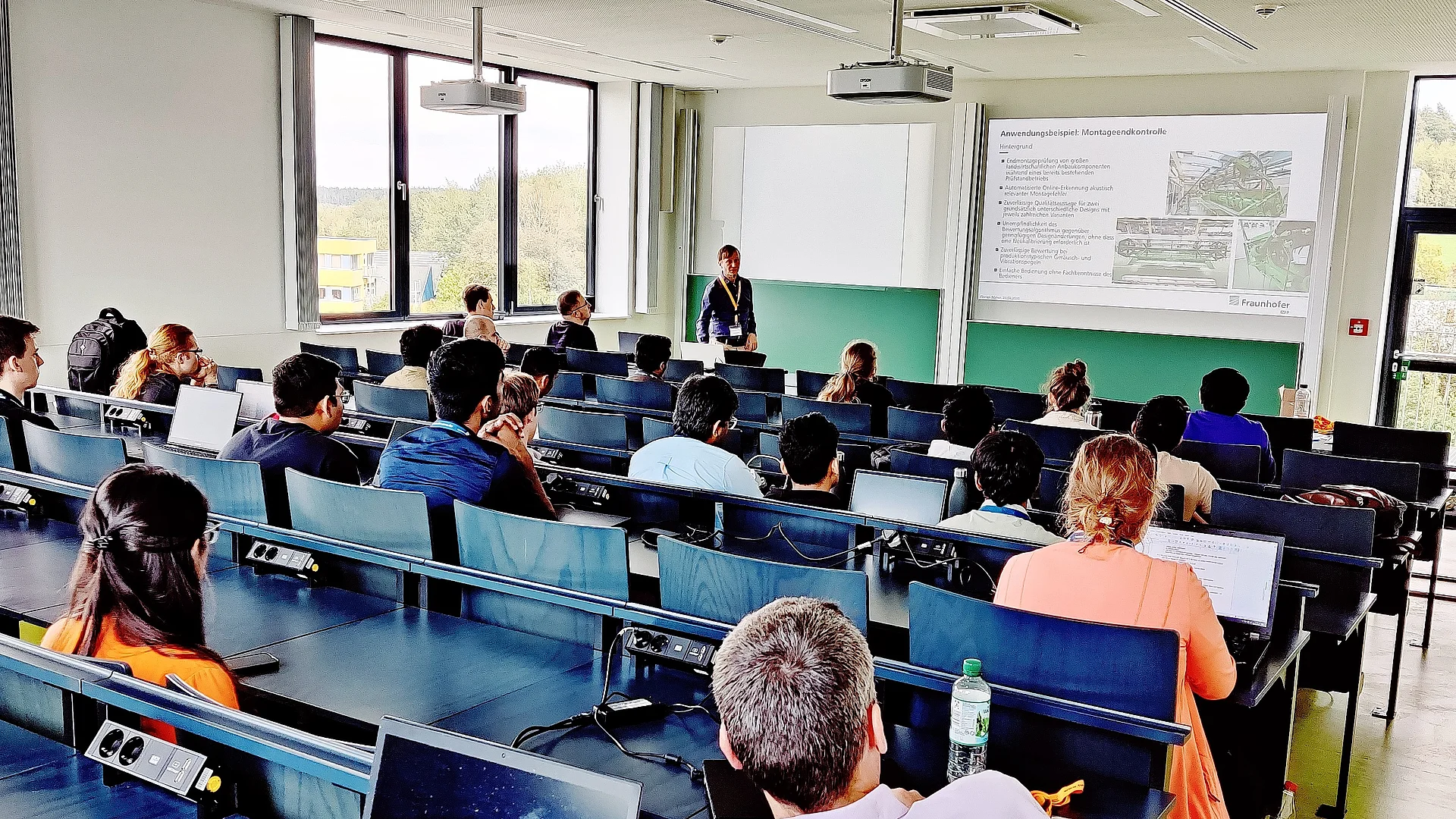
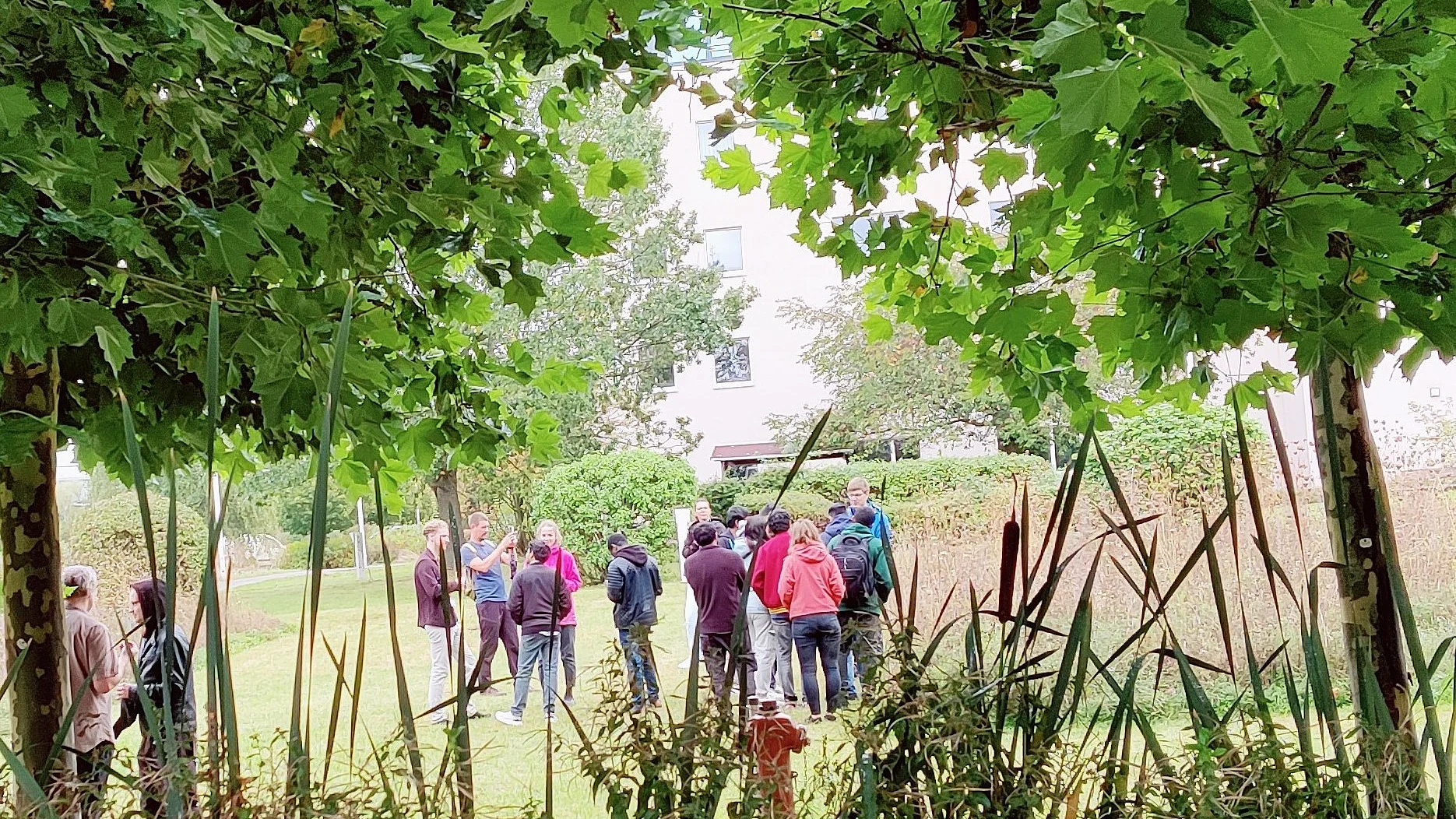
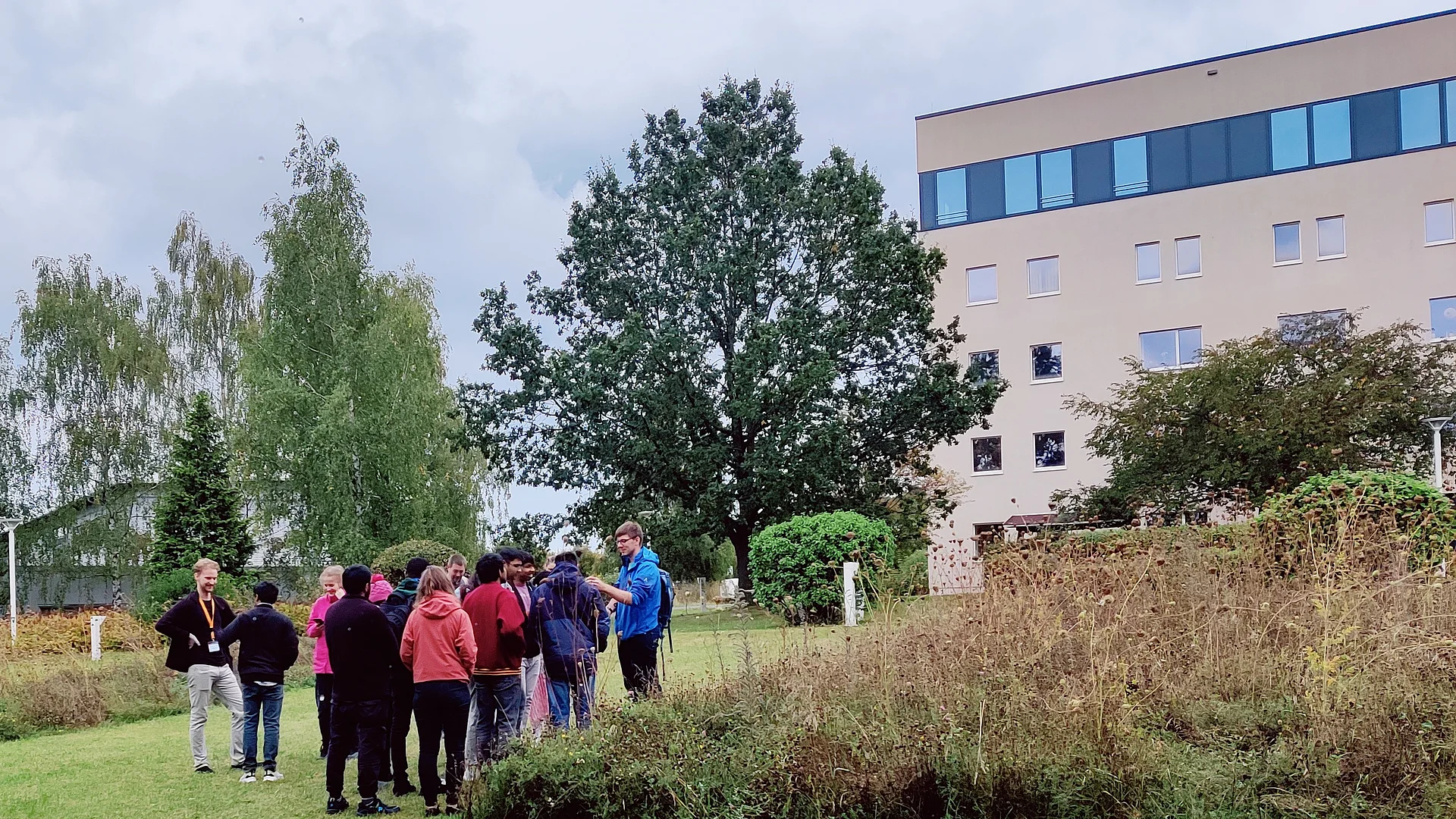
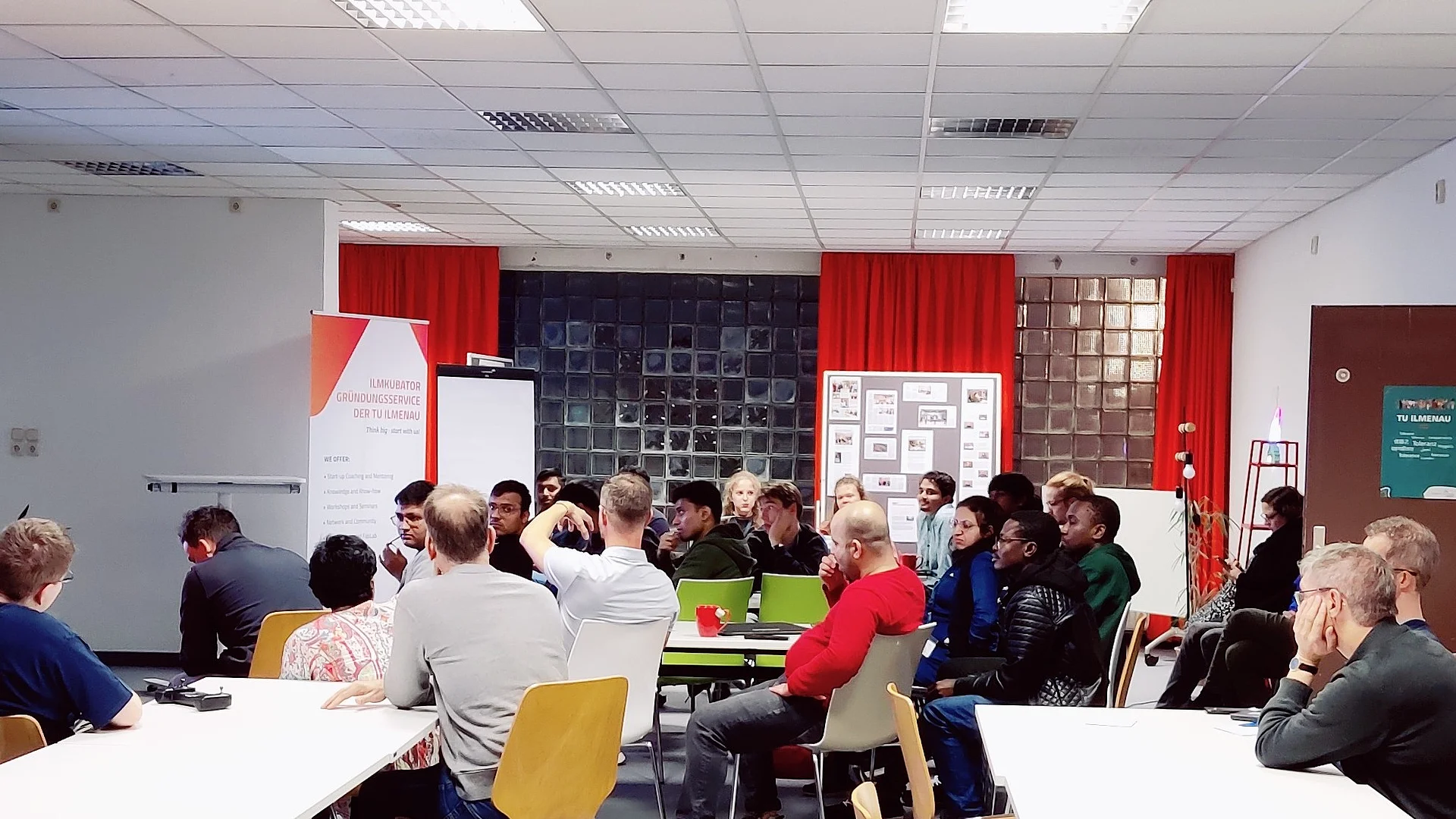
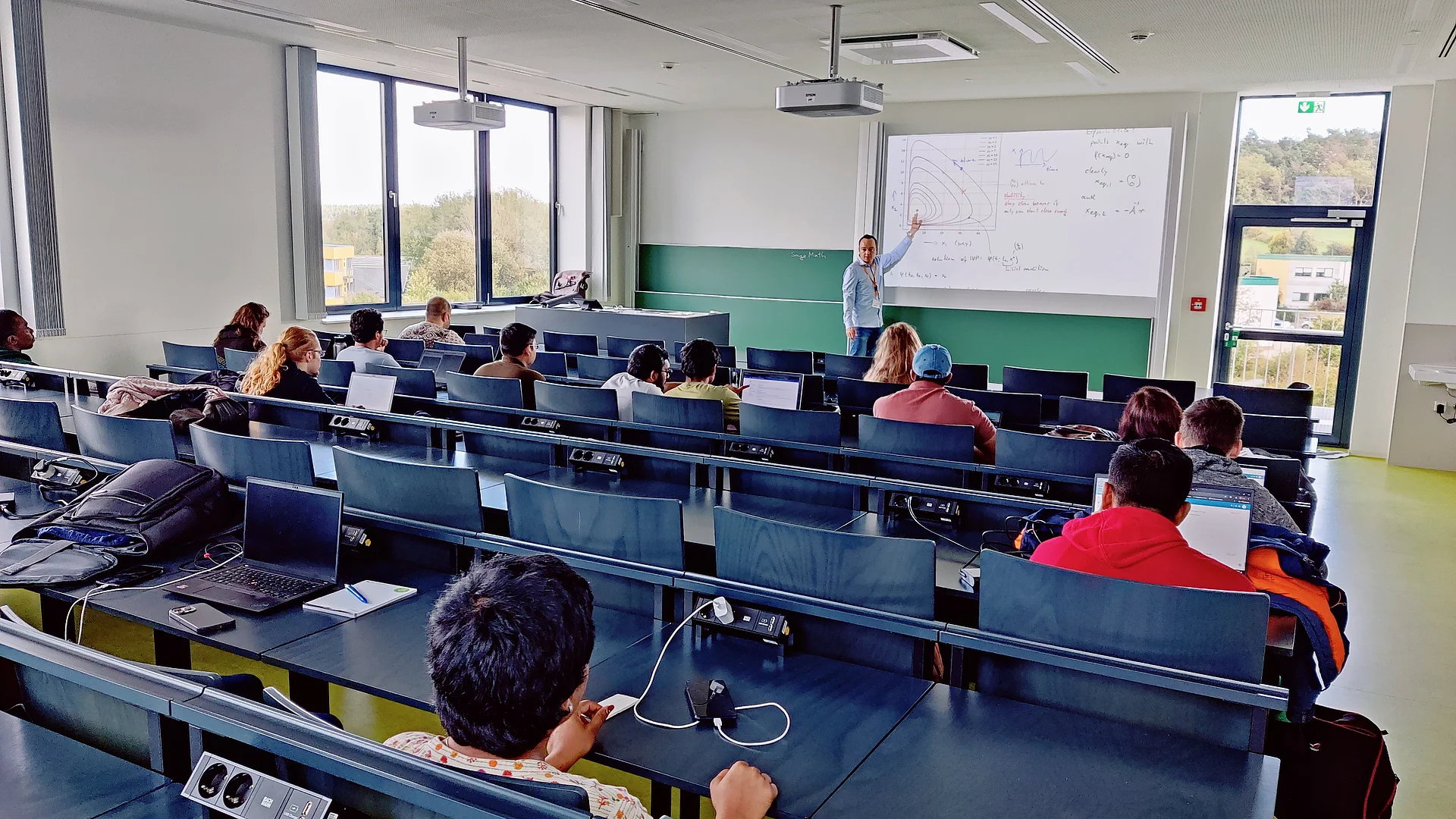
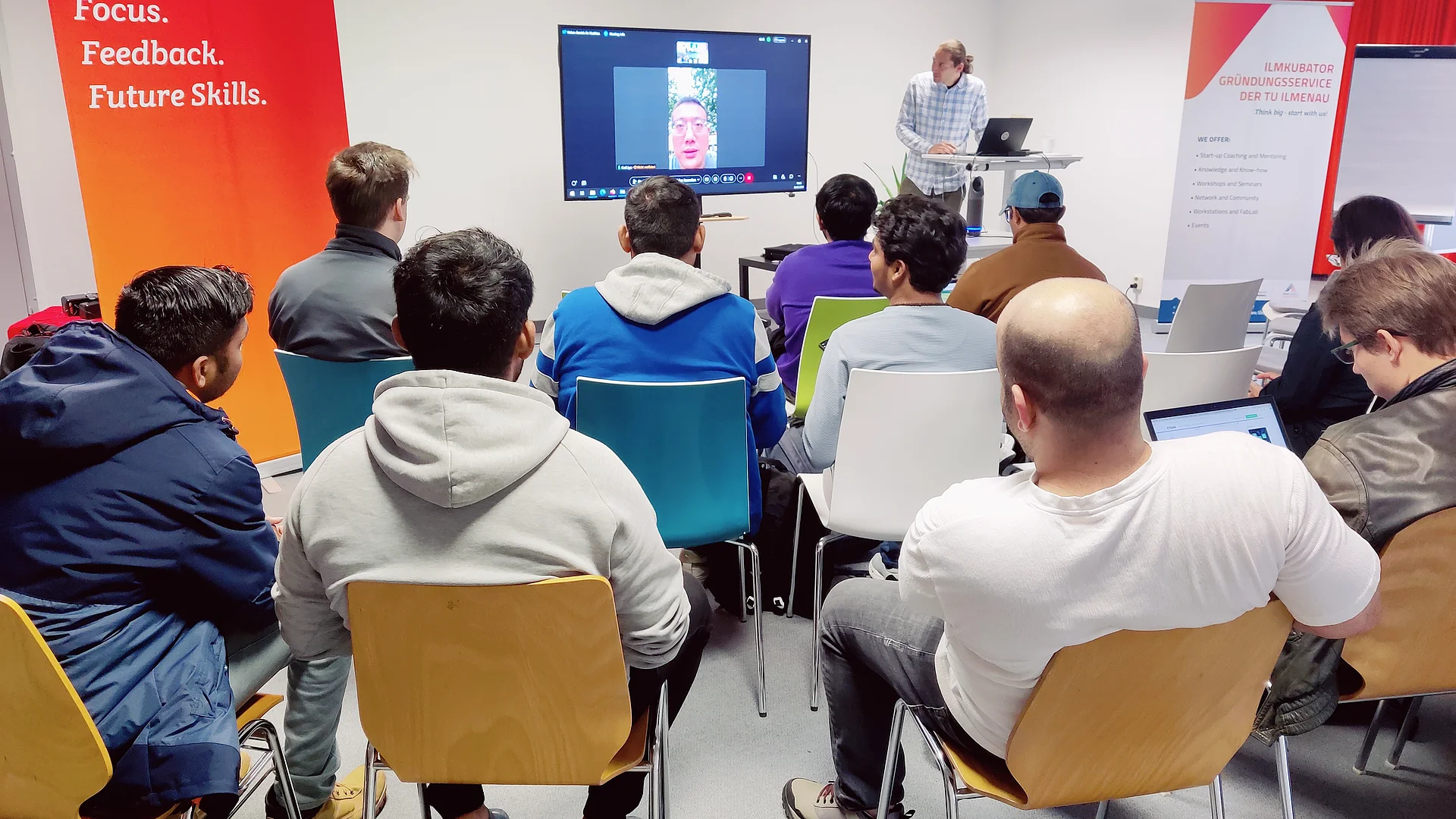
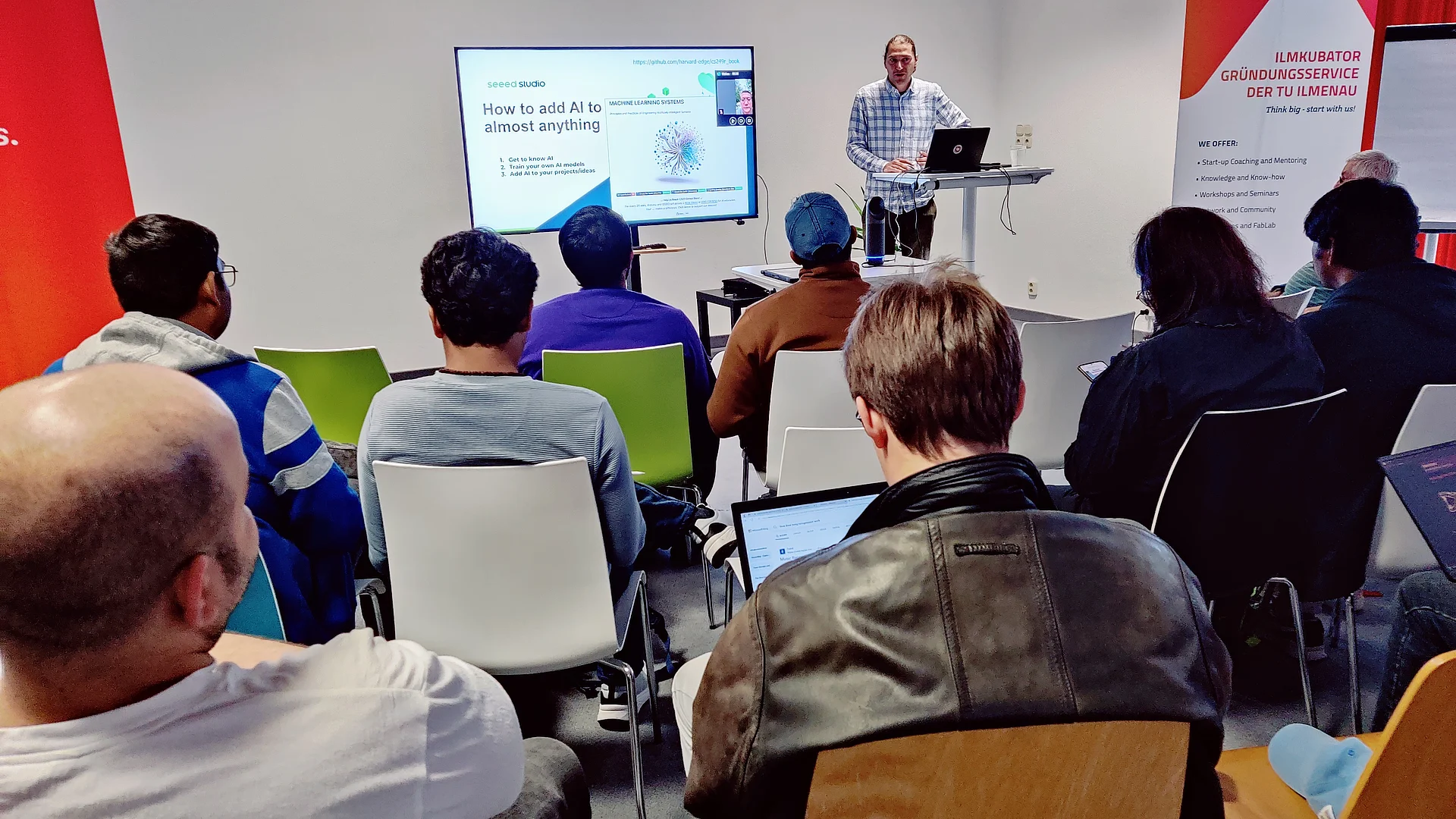
The third Science Camp of the Alliance Thuringian Engineering took place at the Technische Universität Ilmenau from 23.9. to 2.10.2024. For eight days, more than 25 students from the Thuringian universities of the Alliance THÜR ING worked in interdisciplinary teams to study the basic of biodiversity monitoring, machine learning and signal analysis. With days full of dynamic lectures and excursions, each team chose a different project to work with. The options included an auto sufficient prototype of a bird recognition device implementing machine learning. Details about the lectures and schedule can be found here.
For a quick look into more activities from the Allianz’s check out the Instagram account https://www.instagram.com/allianz_thing/


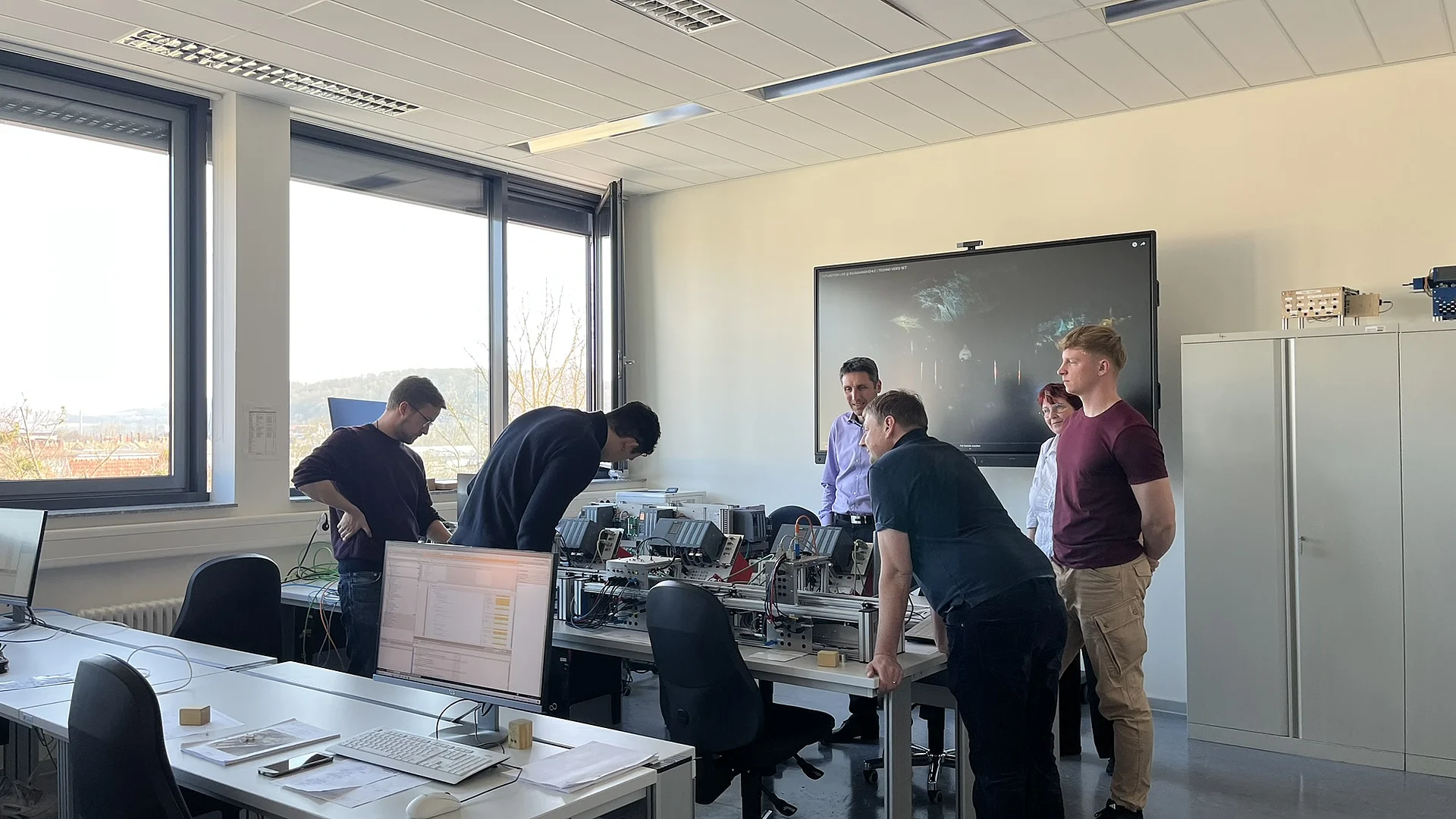
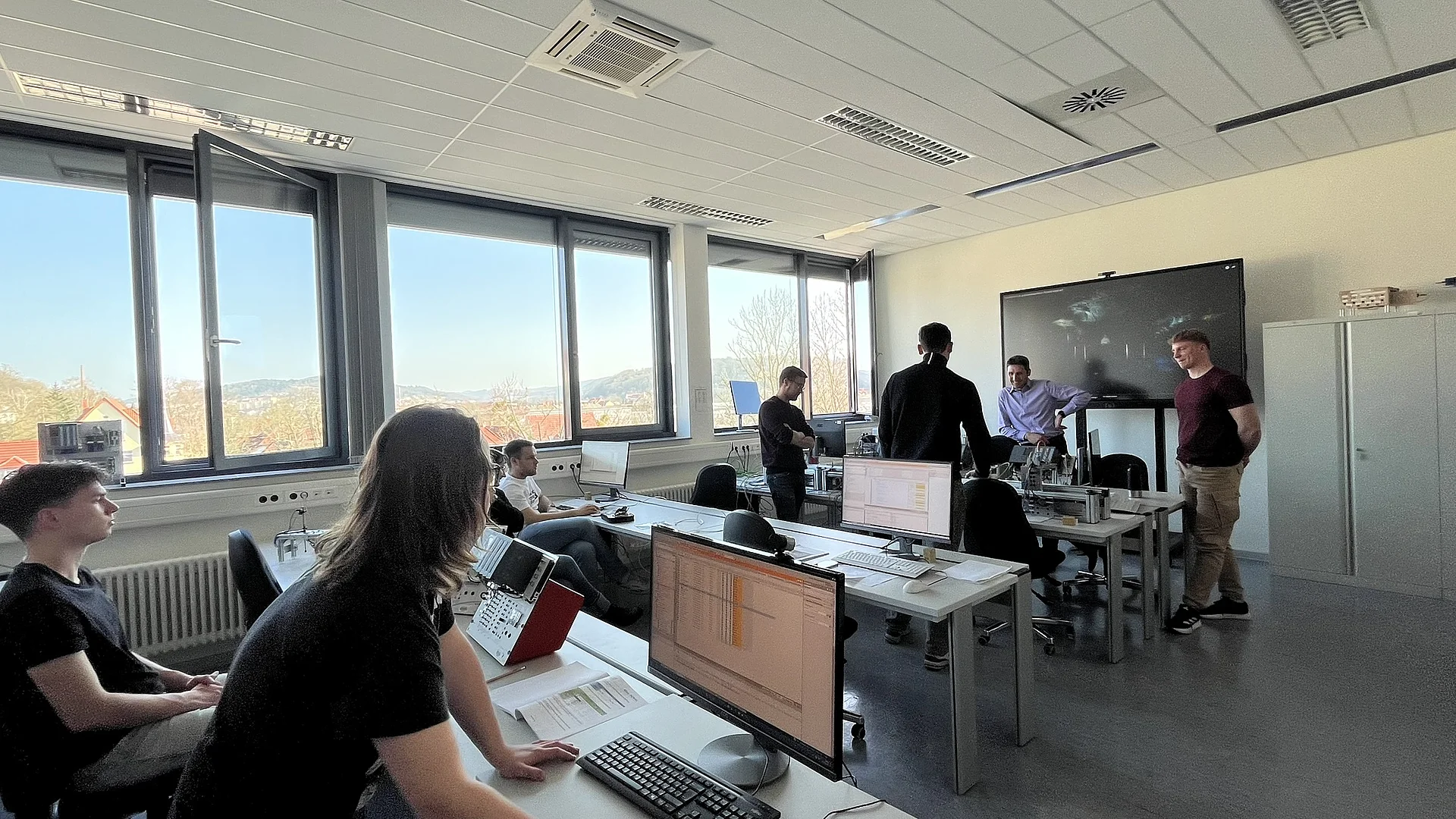
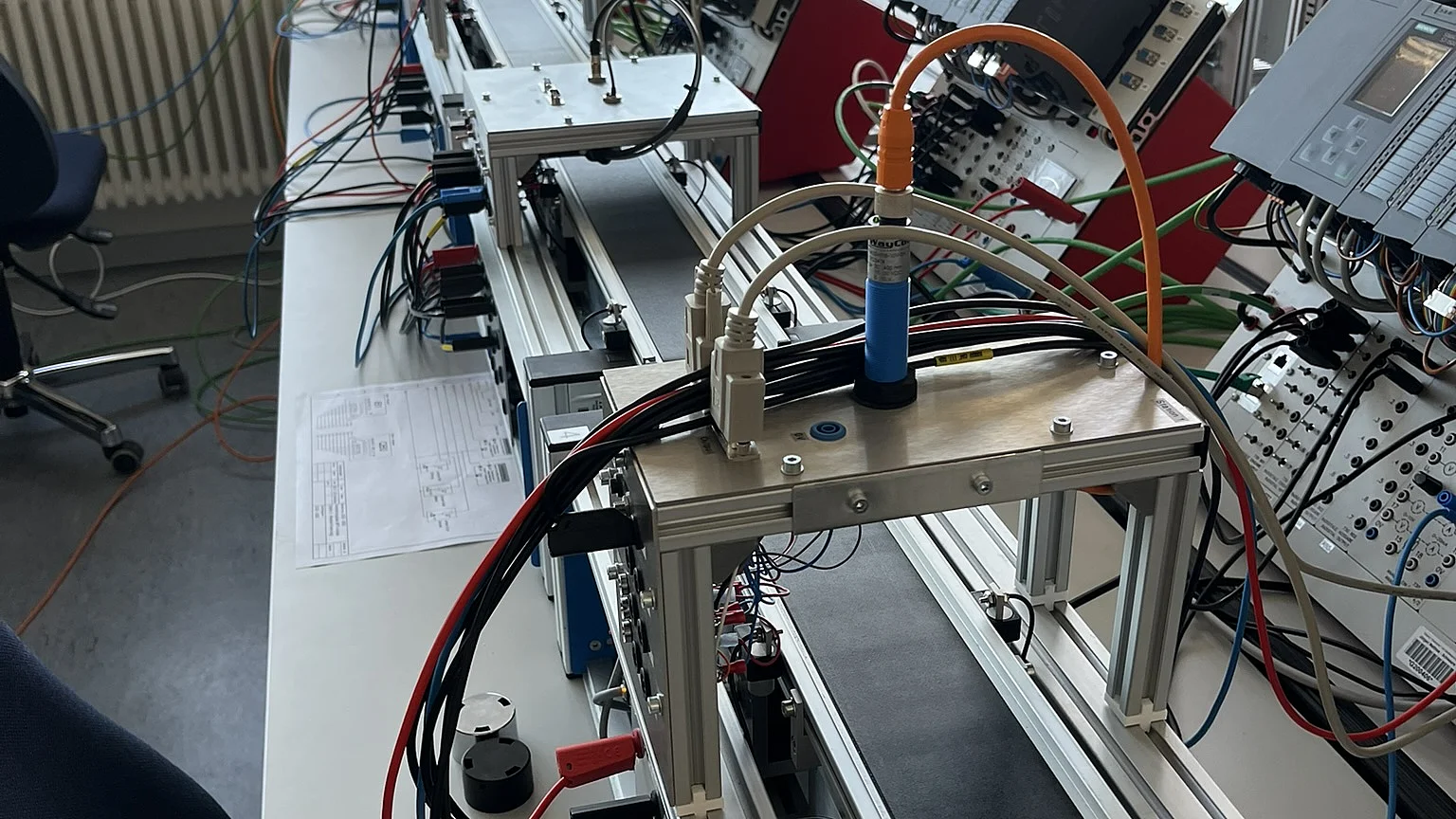
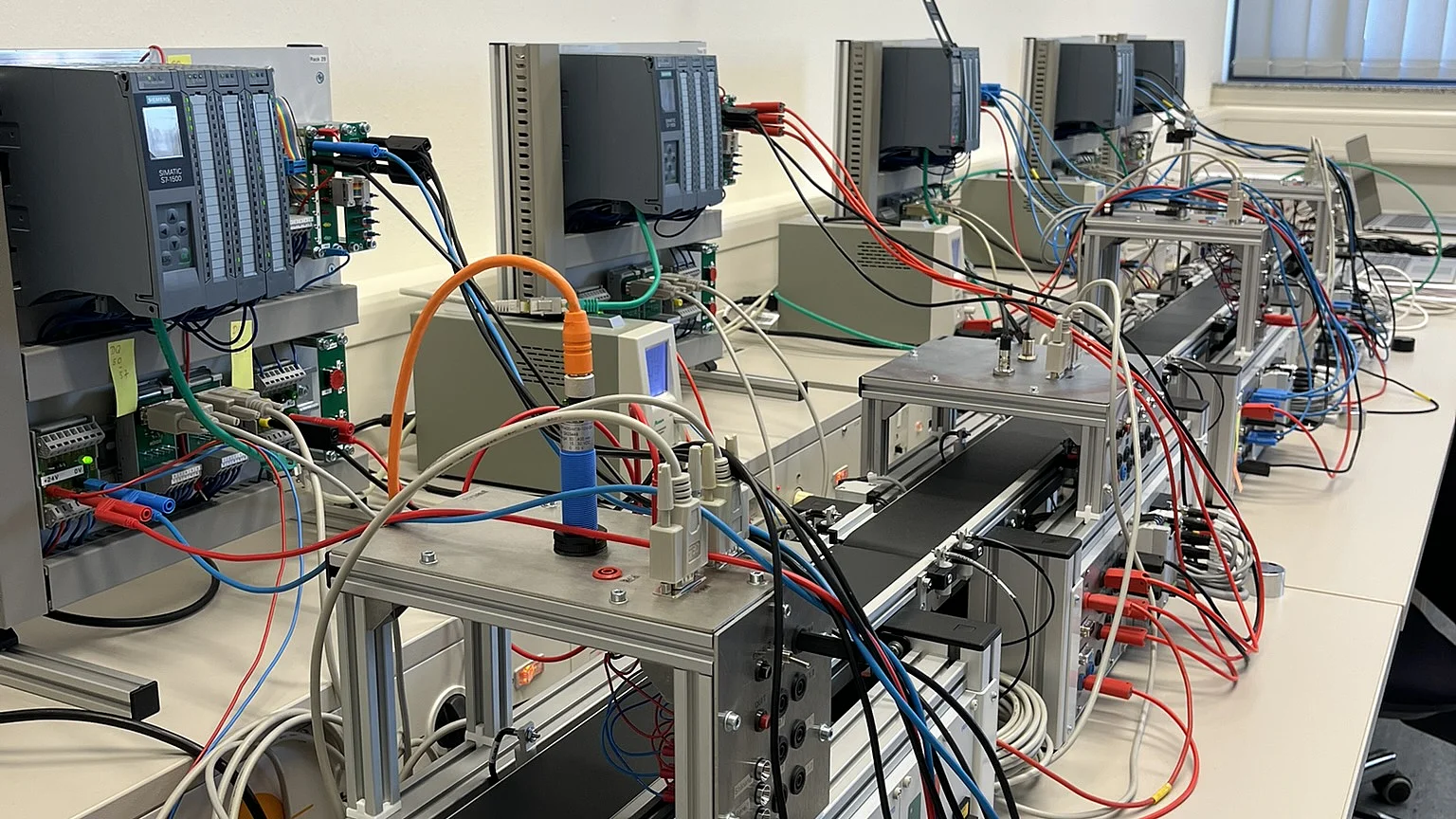
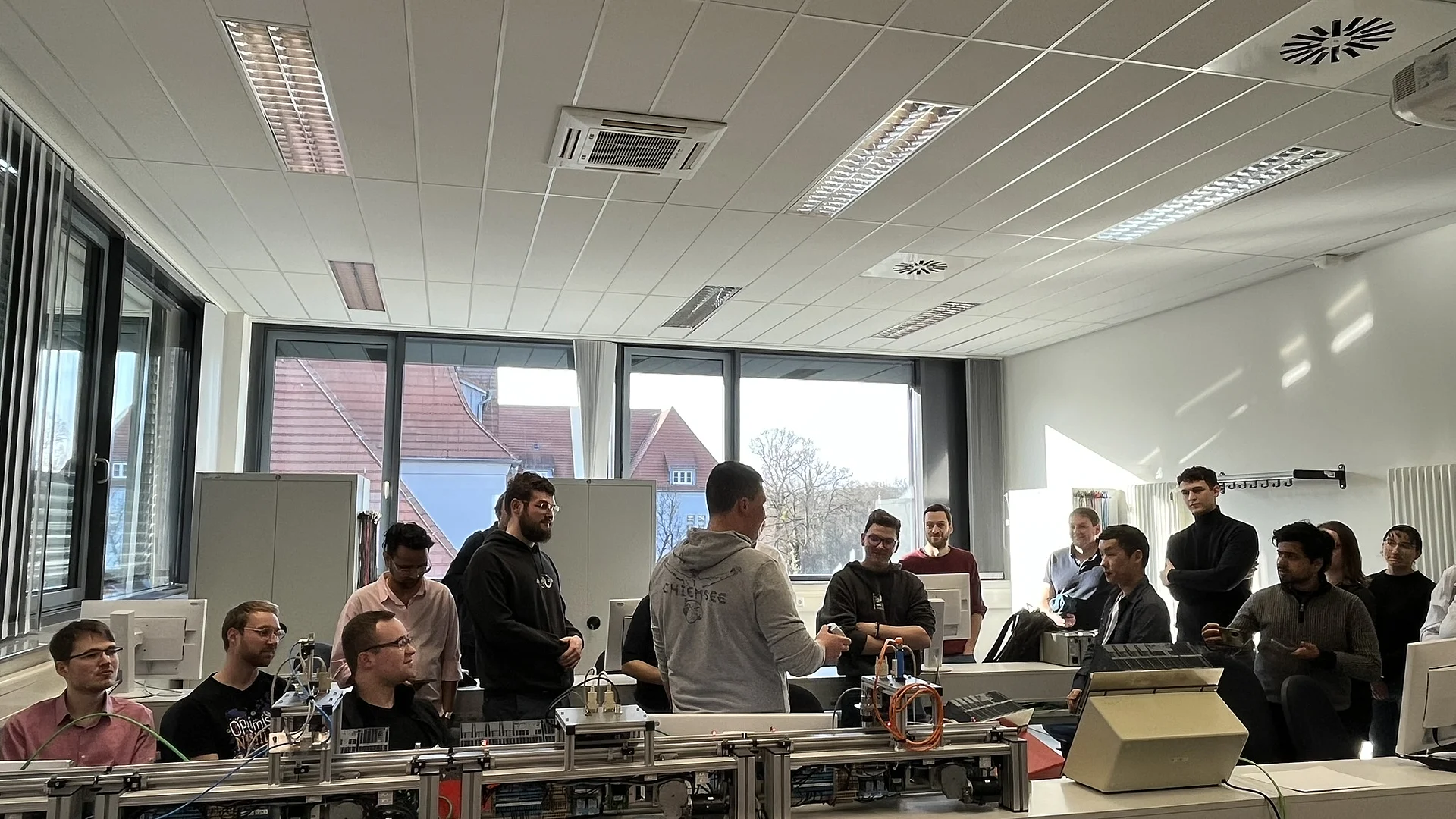
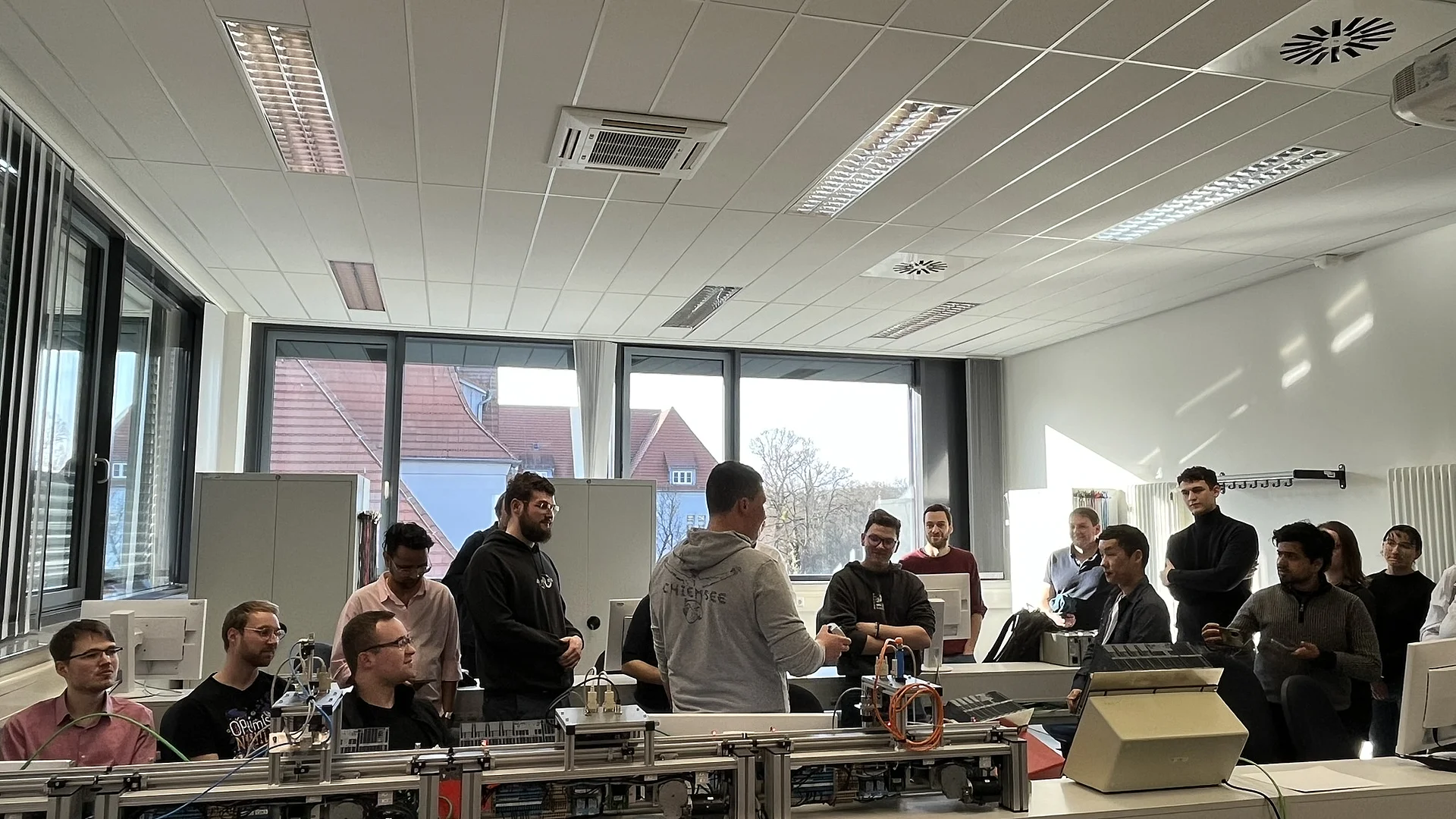
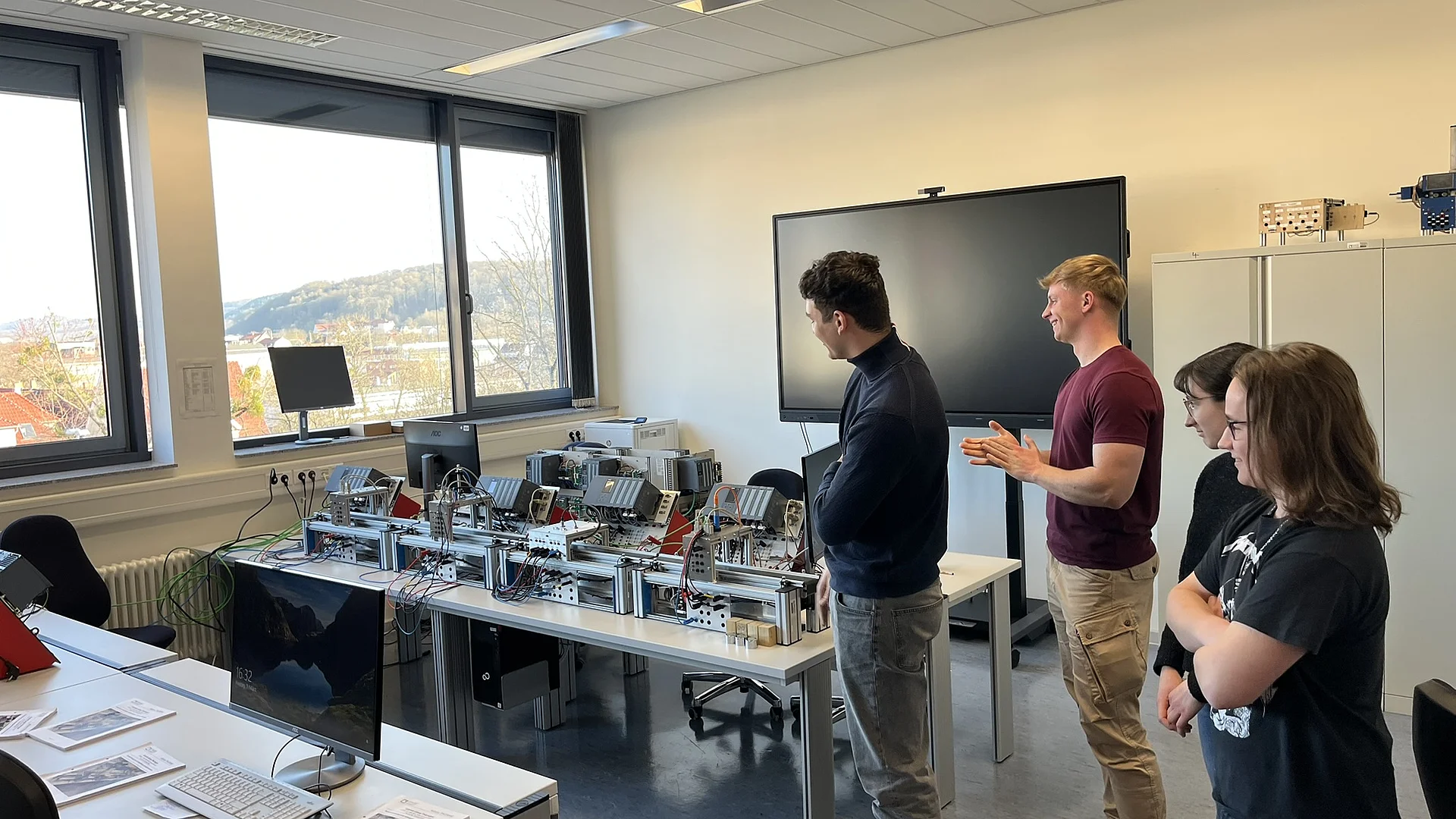
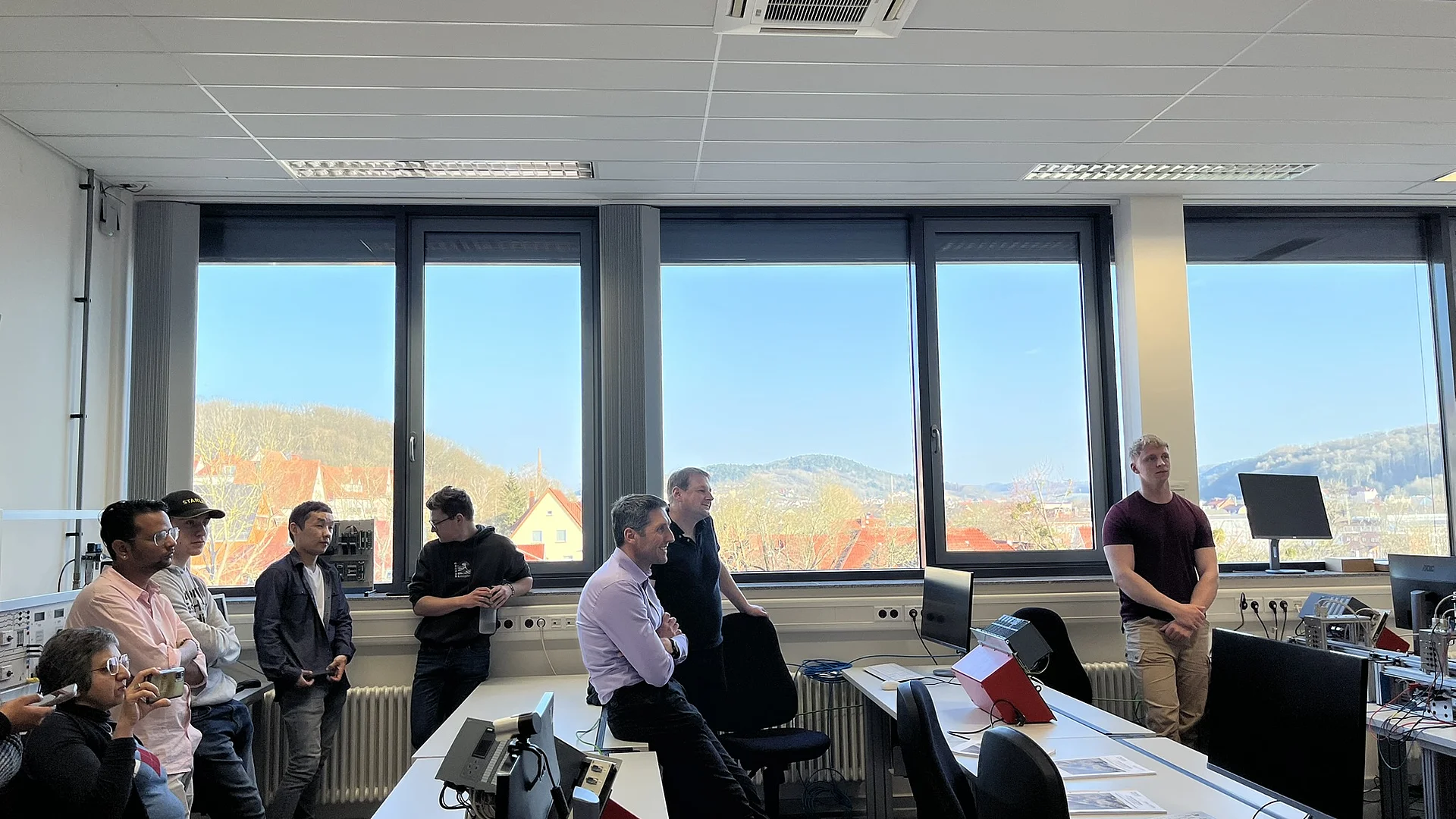
Smart Engineering (2025) Duale Hochschule Gera-Eisenach

Structural Soundscapes (2025) Bauhaus-Universität Weimar
4th Science Camp for Master Students
Structural Soundscapes (2025)
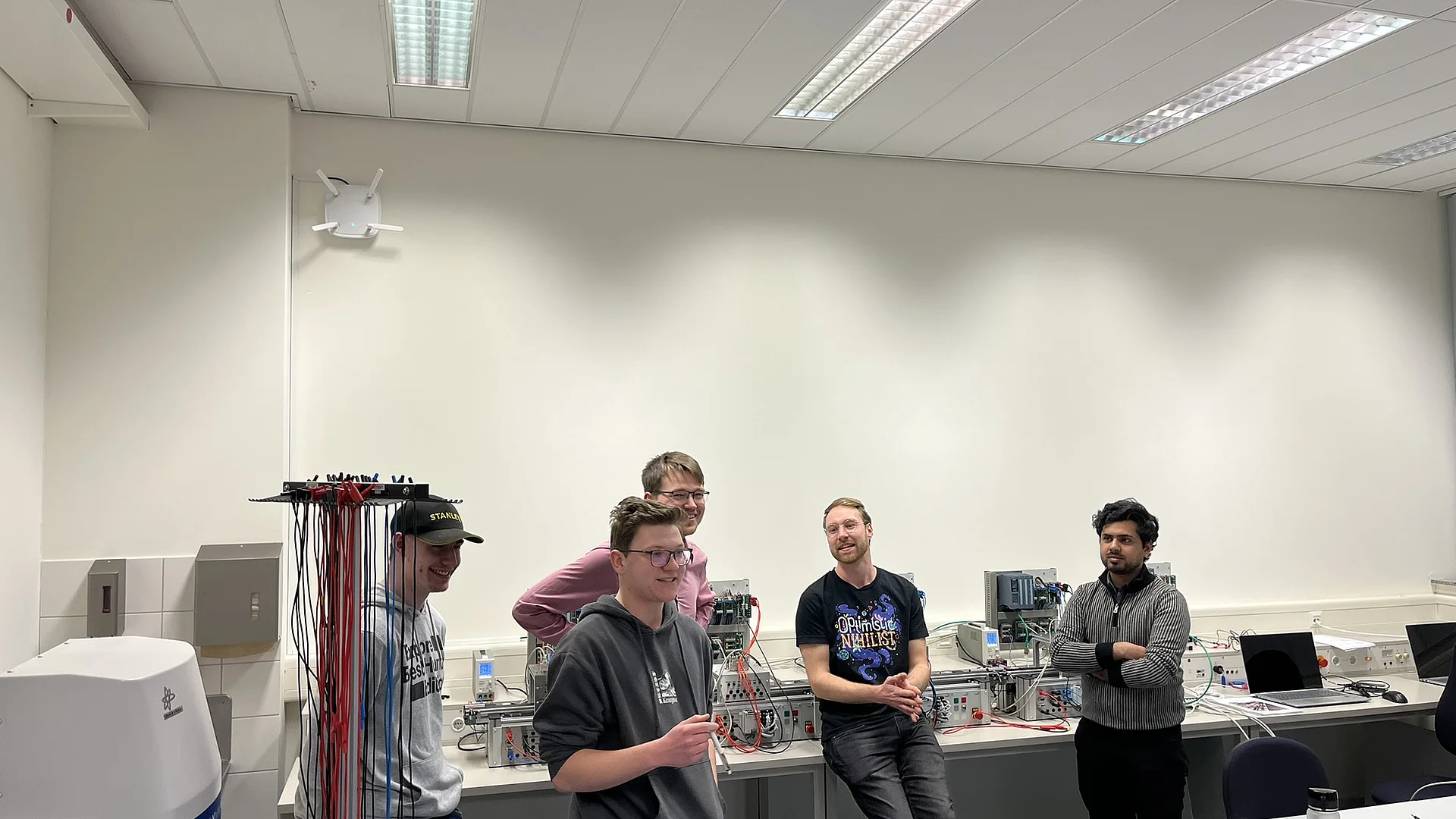
From 22 September to 1 October 2025, the ProTELC Science Camp for Master students took place at Bauhaus-Universität Weimar, bringing together students from across Thuringia under the inspiring theme “Structural Soundscapes – Acoustic Interpretation of Earthquake and Structural Vibrations.”
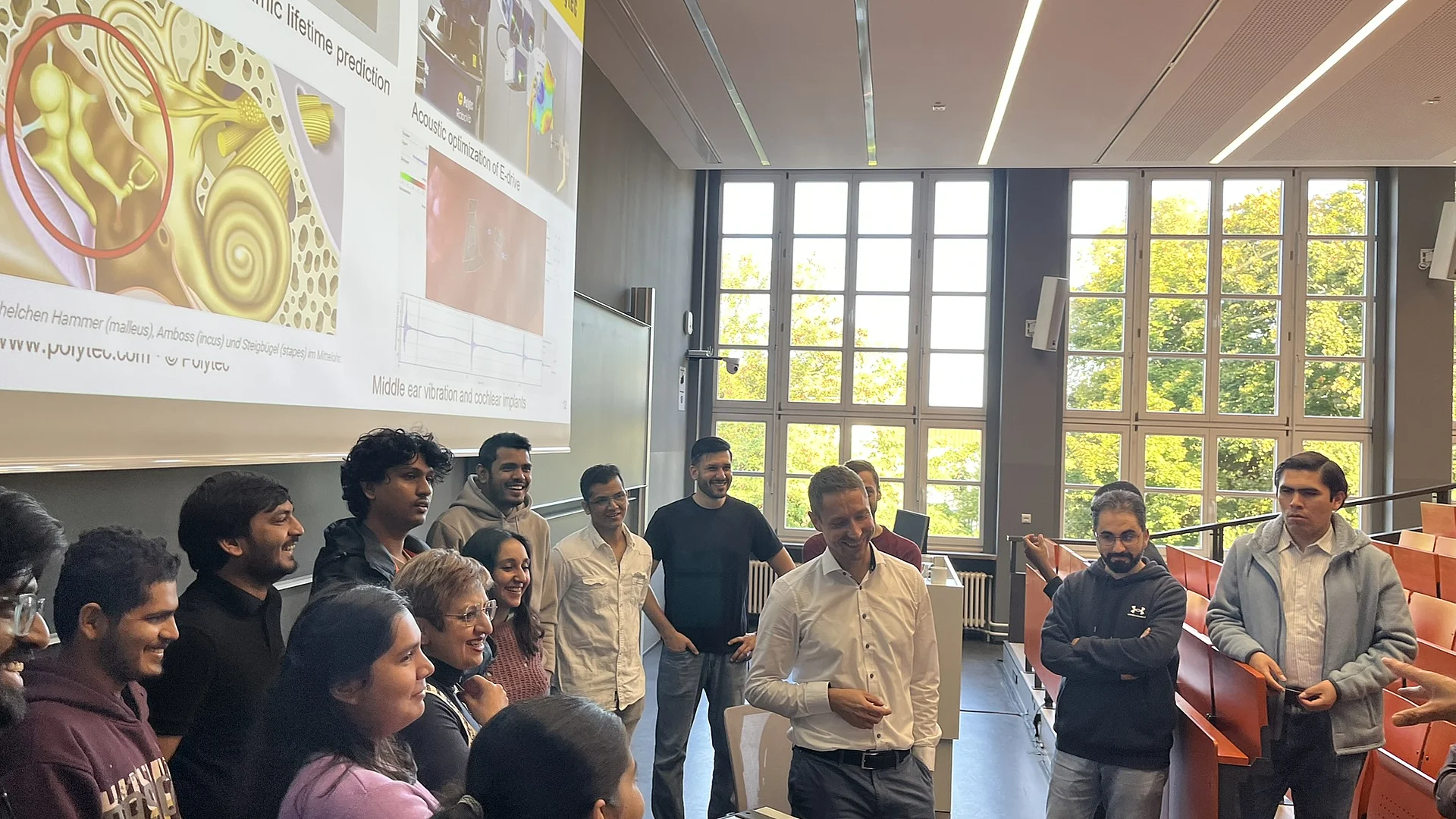
Highlights included an introduction to structural dynamics (by Dr. Thomas Most), Assist. Prof. Angela Poposka (IZIIS, North Macedonia) on shaking table tests and model updating, Prof. Thomas Sattel (TU Ilmenau) on vibrations from macro to nano scales, and Dr. Tariq Maqsood (RMIT University, Australia) presenting advances in natural hazard vulnerability research.
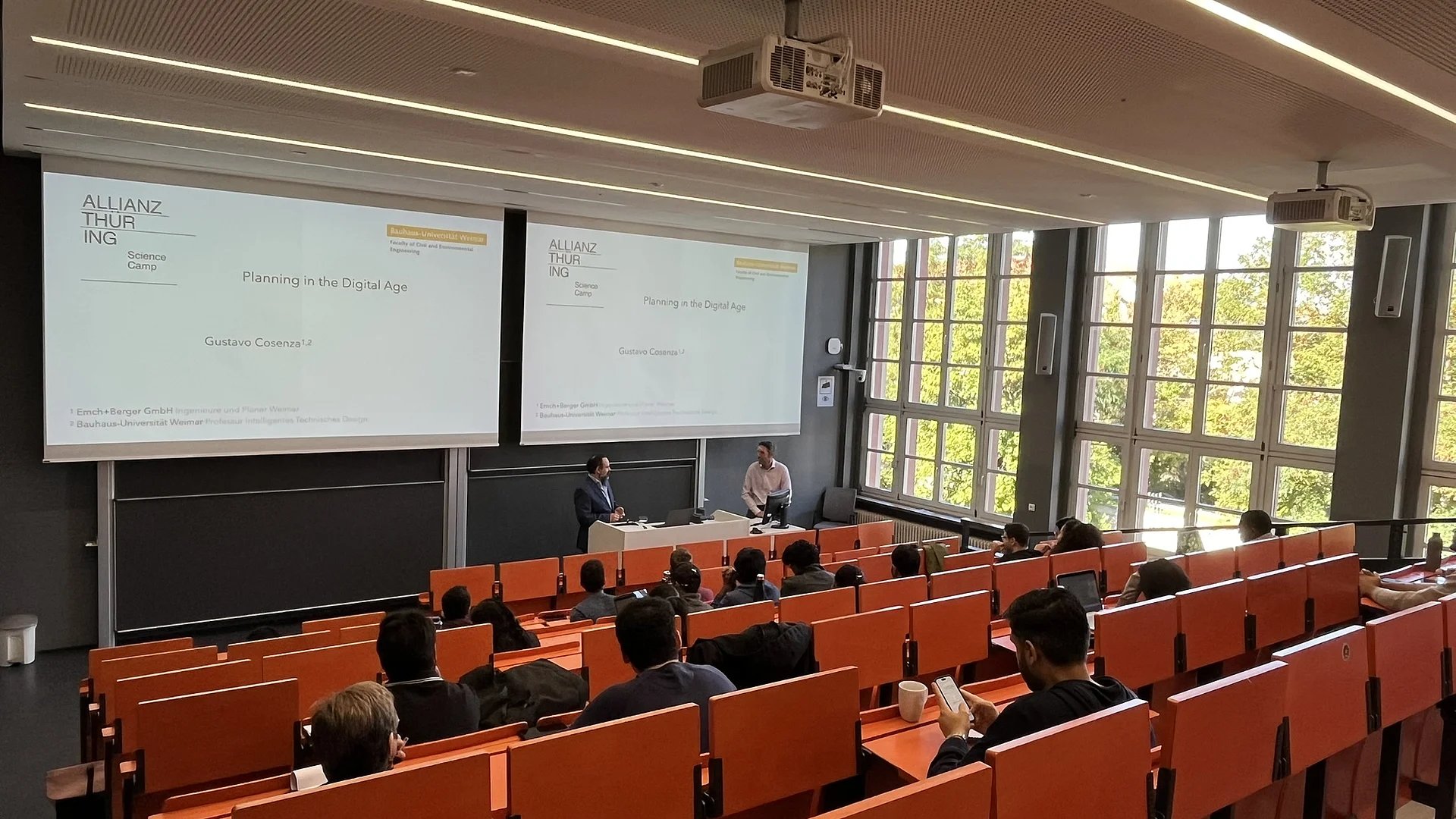
Complementing these were sessions by Dassault Systèmes, Polytec GmbH, and Emch+Berger GmbH, offering insights into digital twins, planning in the digital age, and audio modulation in engineering — bridging academic concepts with real-world applications.
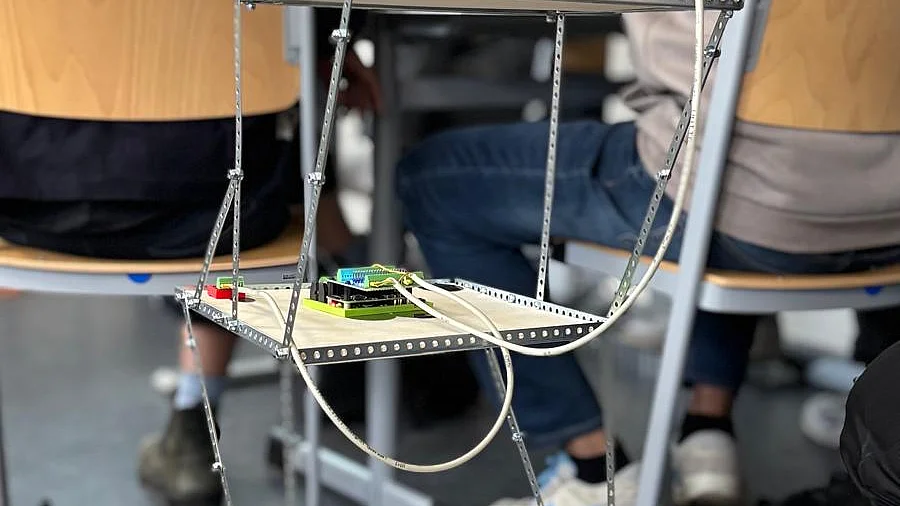
Hosted by the Chair of Advanced Structures (BUW), the Science Camp combined lectures, hands-on experiments, and collaborative workshops. Students installed and instrumented test structures, conducted shaking table tests, and developed digital twins to simulate and interpret vibration data.
The ProTELC Science Camp is part of the Allianz ThürIng initiative, which promotes innovative, practice-oriented learning formats for Master and Bachelor students in STEM disciplines across Thuringia, strengthening collaboration and creativity across universities.
For a quick look into the event check the Allianz’s YouTube post.

Smart Engineering (2026) Duale Hochschule Gera-Eisenach
Structural Echoes (2026) Bauhaus-Universität Weimar
5th Science Camp for Master Students
Structural Echoes (2026)
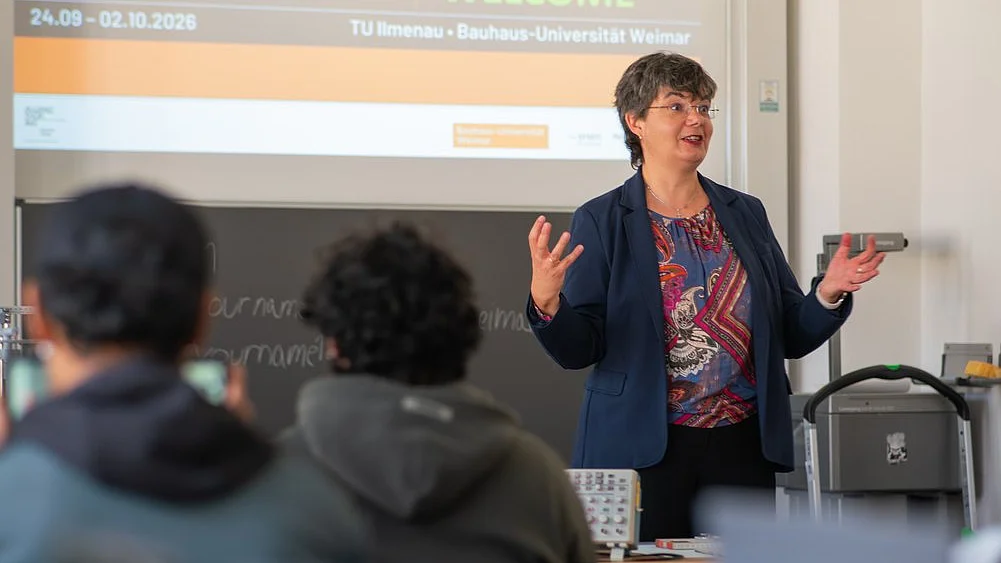
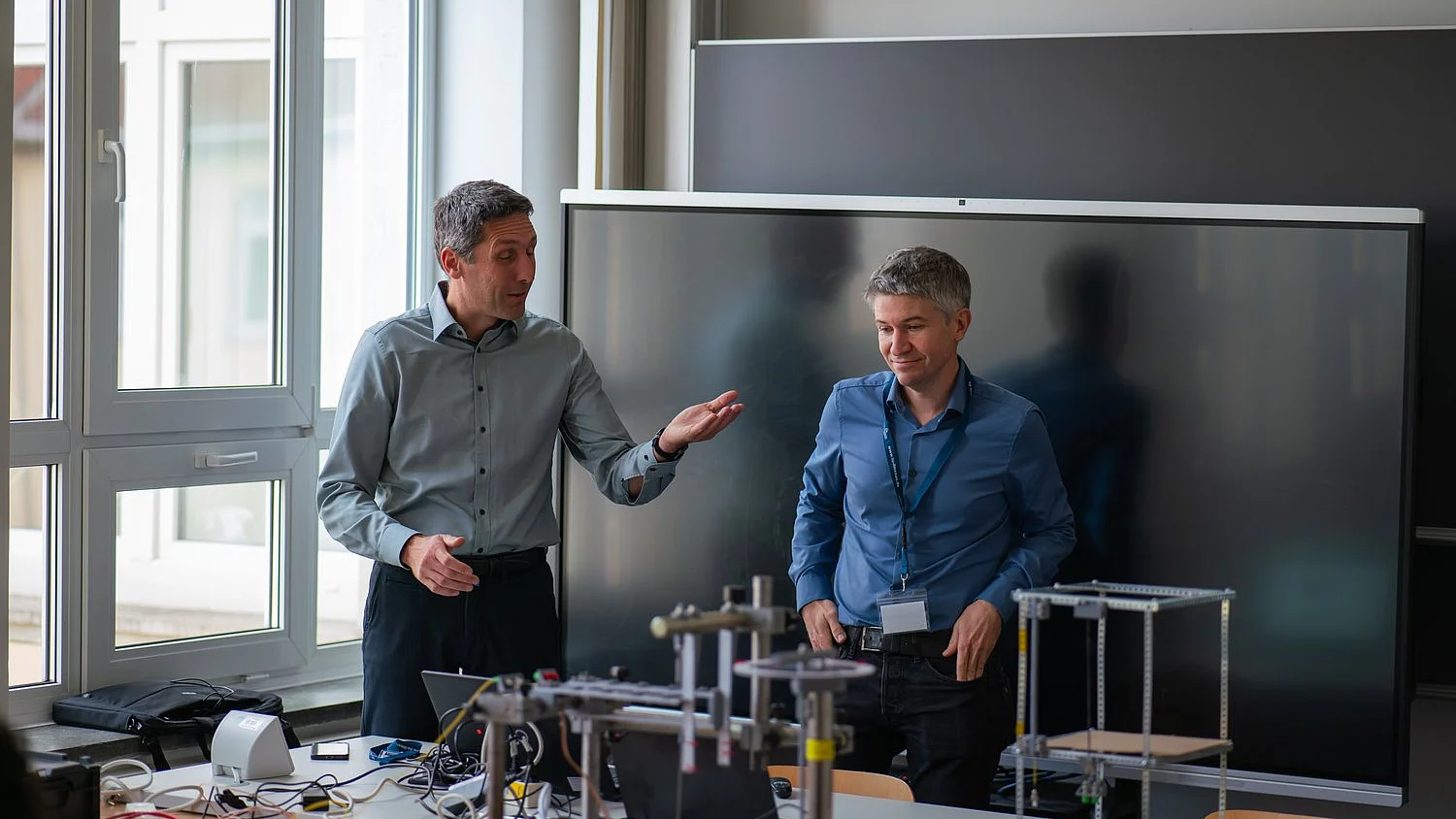
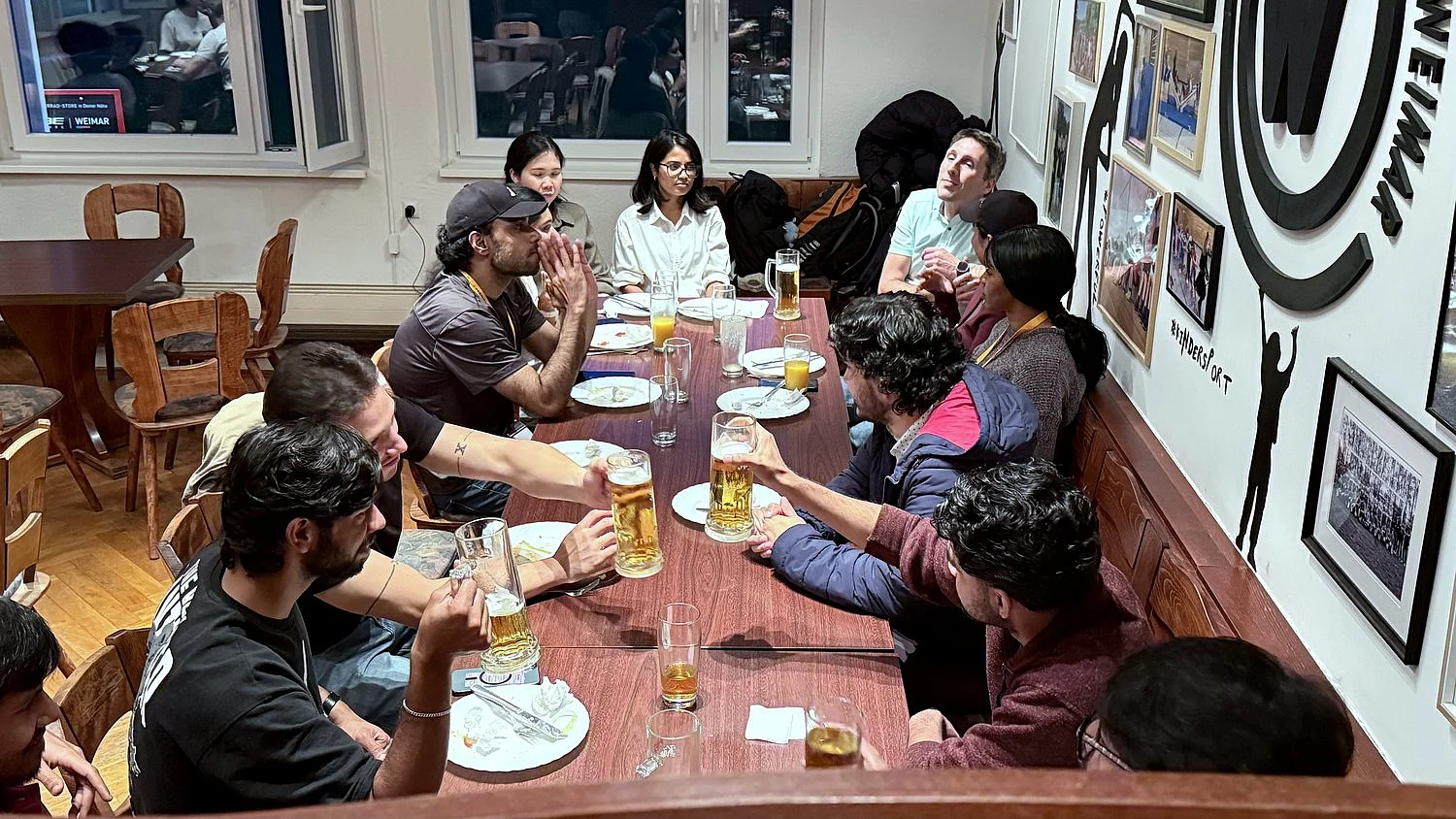
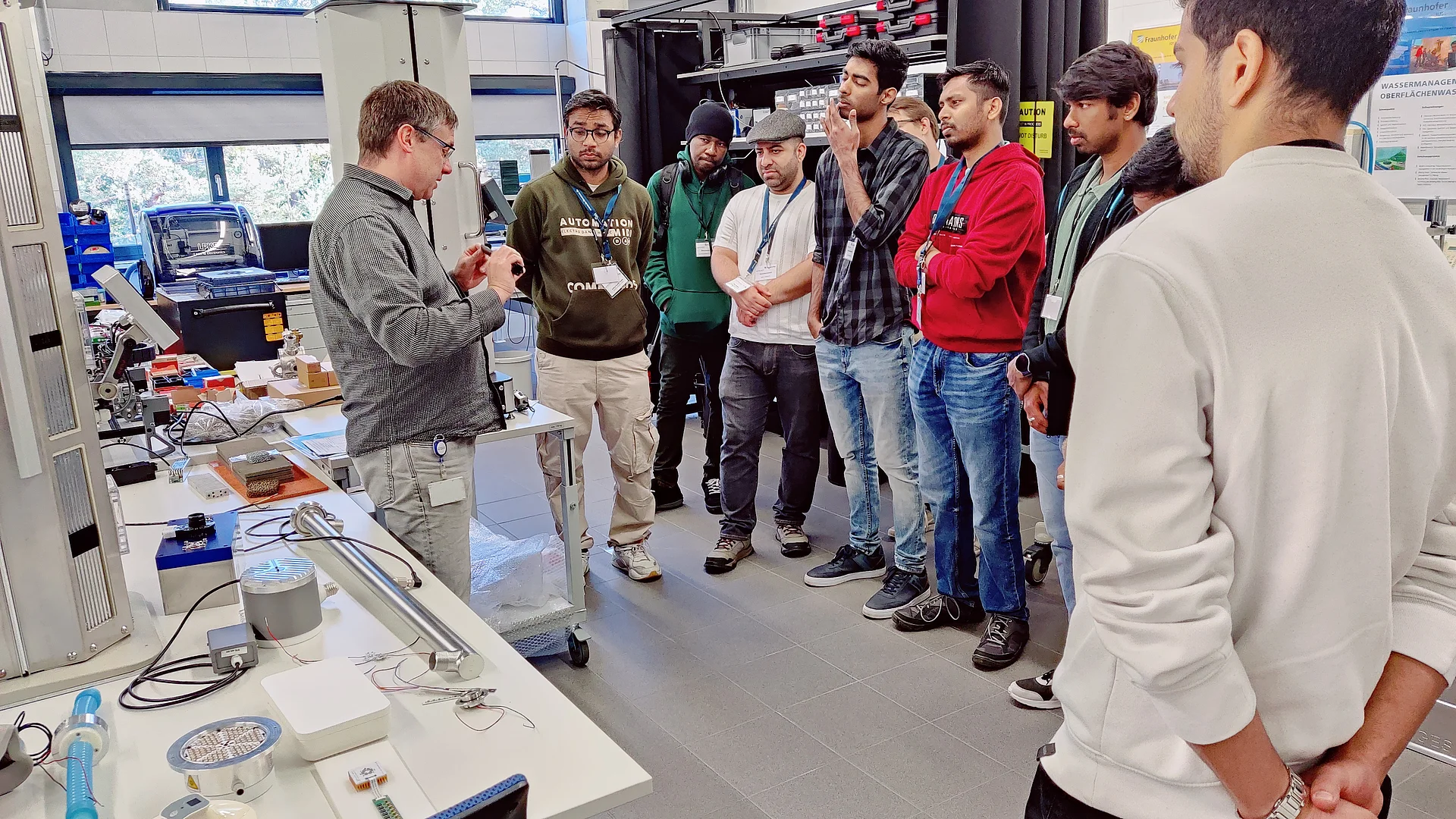
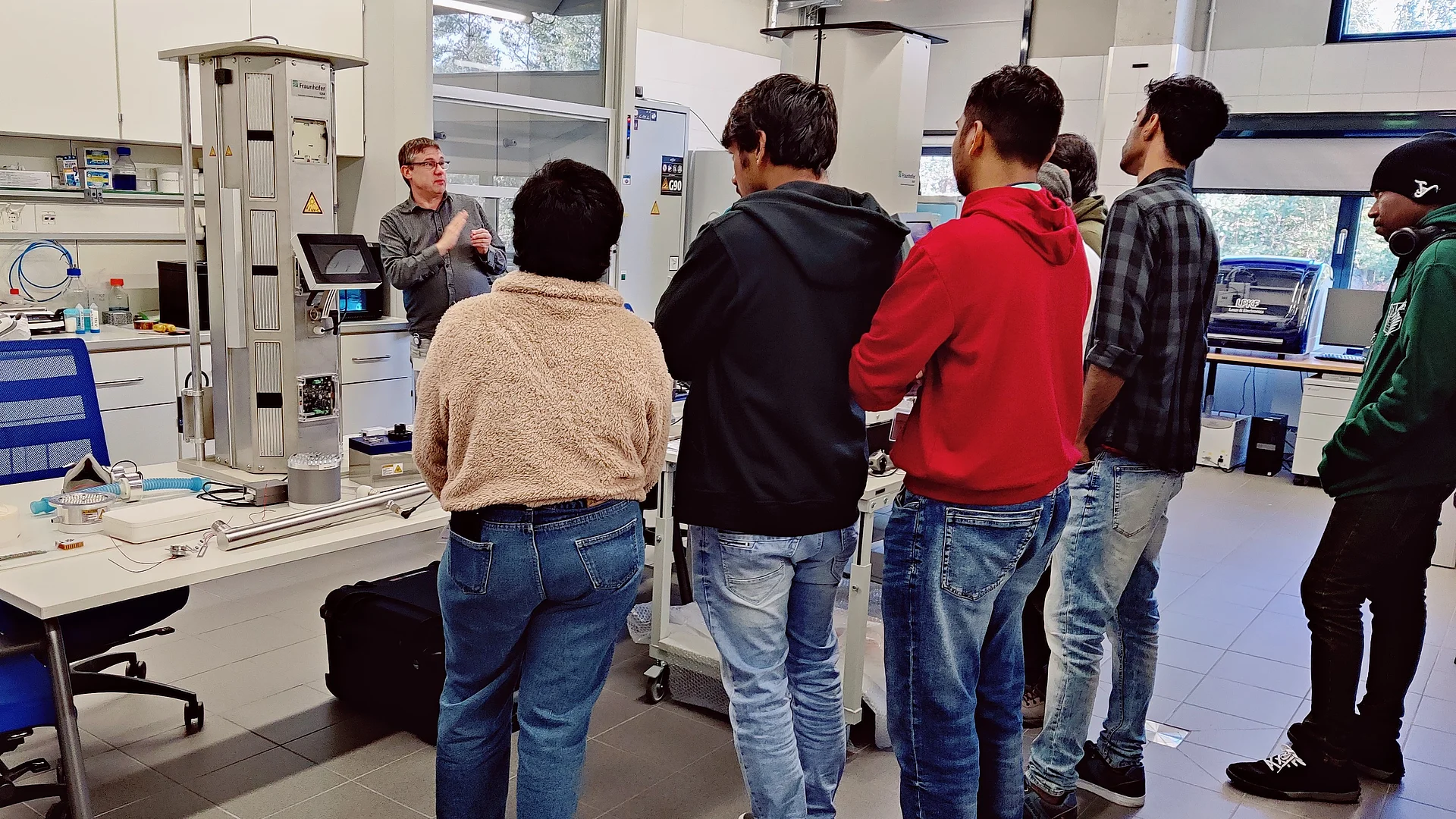
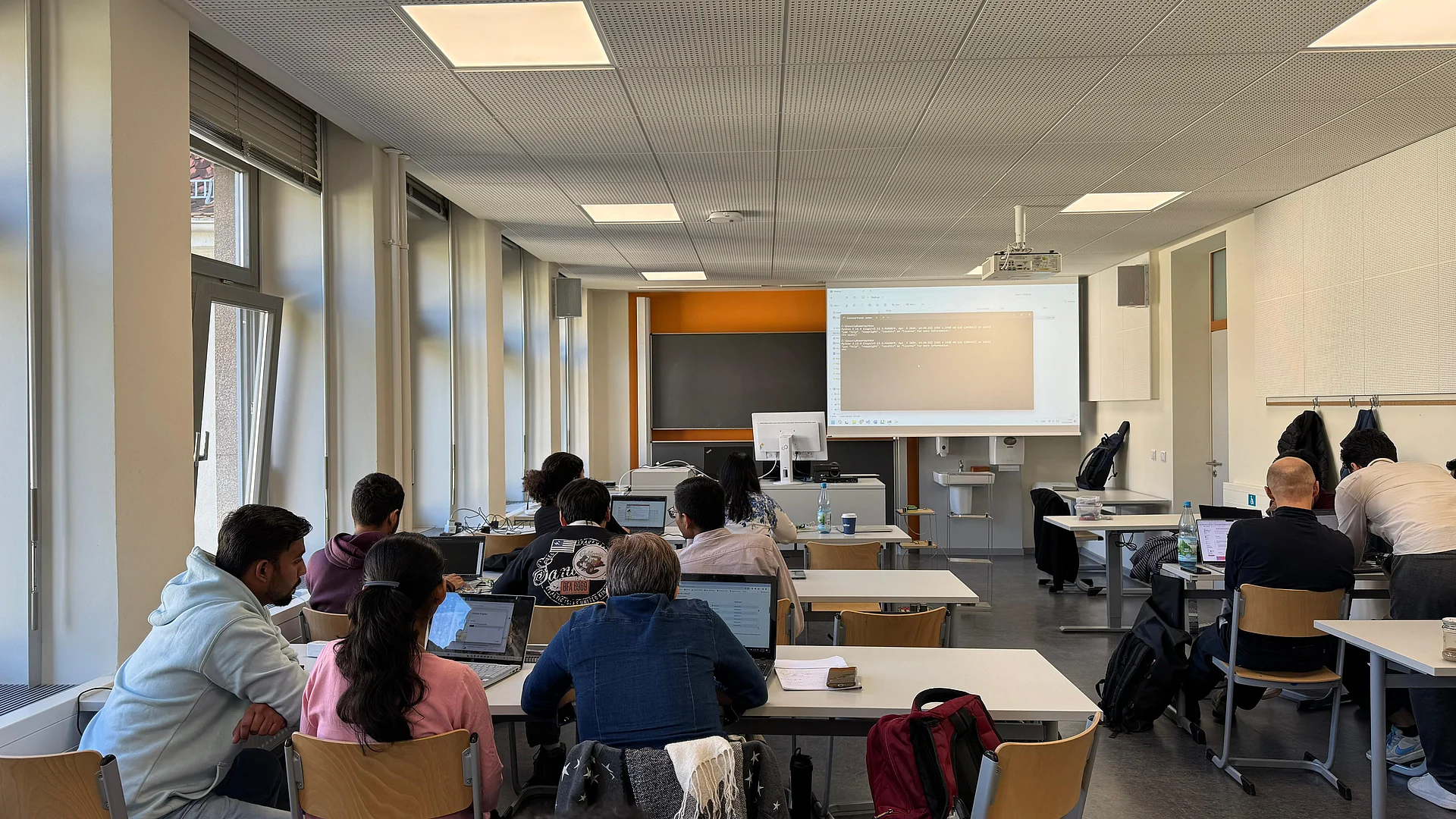
From 24 September to 2 October 2026, the fifth ProTELC Science Camp took place at the Technische Universität Ilmenau and the Bauhaus-Universität Weimar. Twenty-three late-bachelor and master students from four Thuringian universities built their own sensors, tested small-scale structures, and turned the measured vibrations into digital twins and sound.
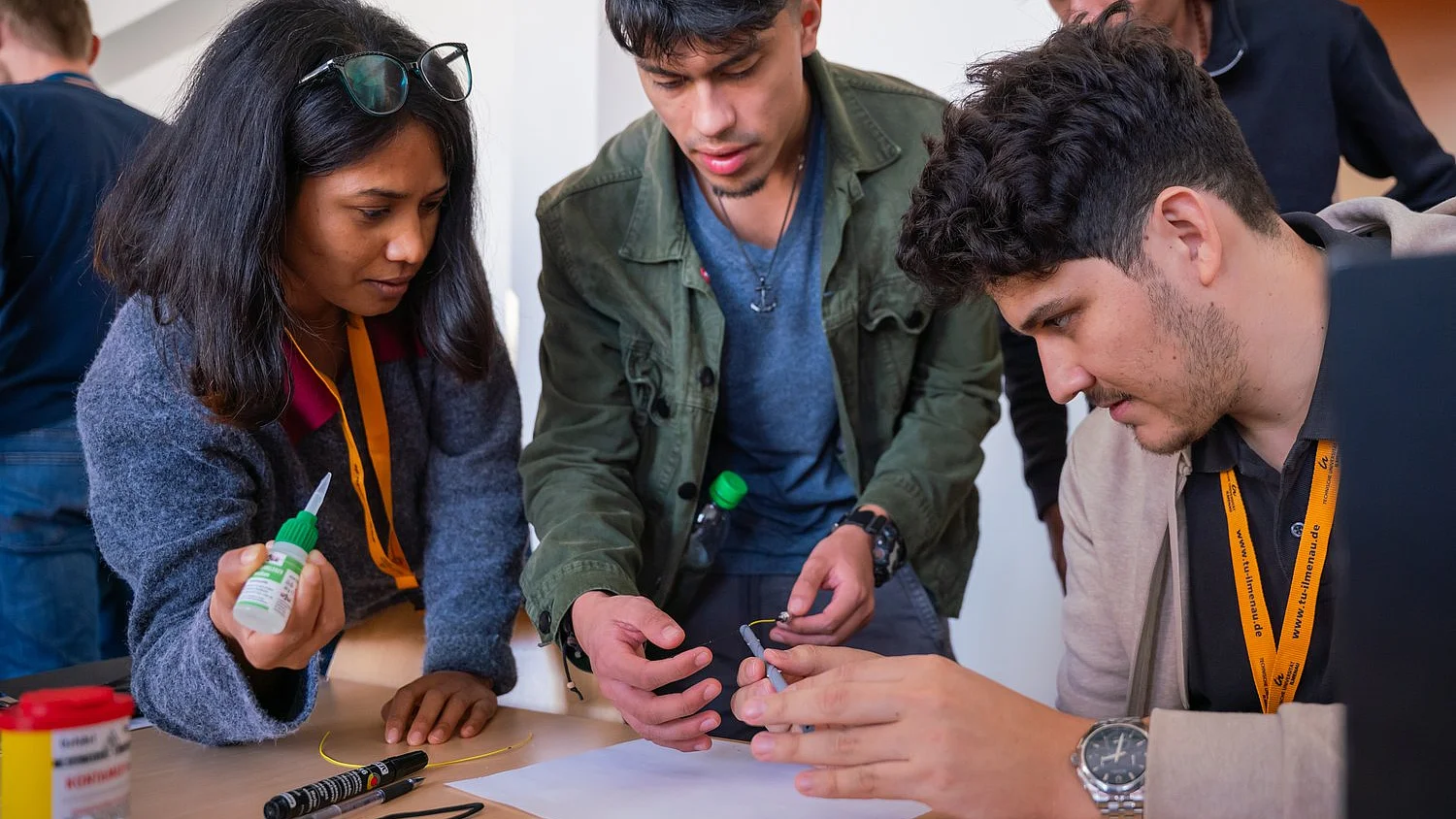
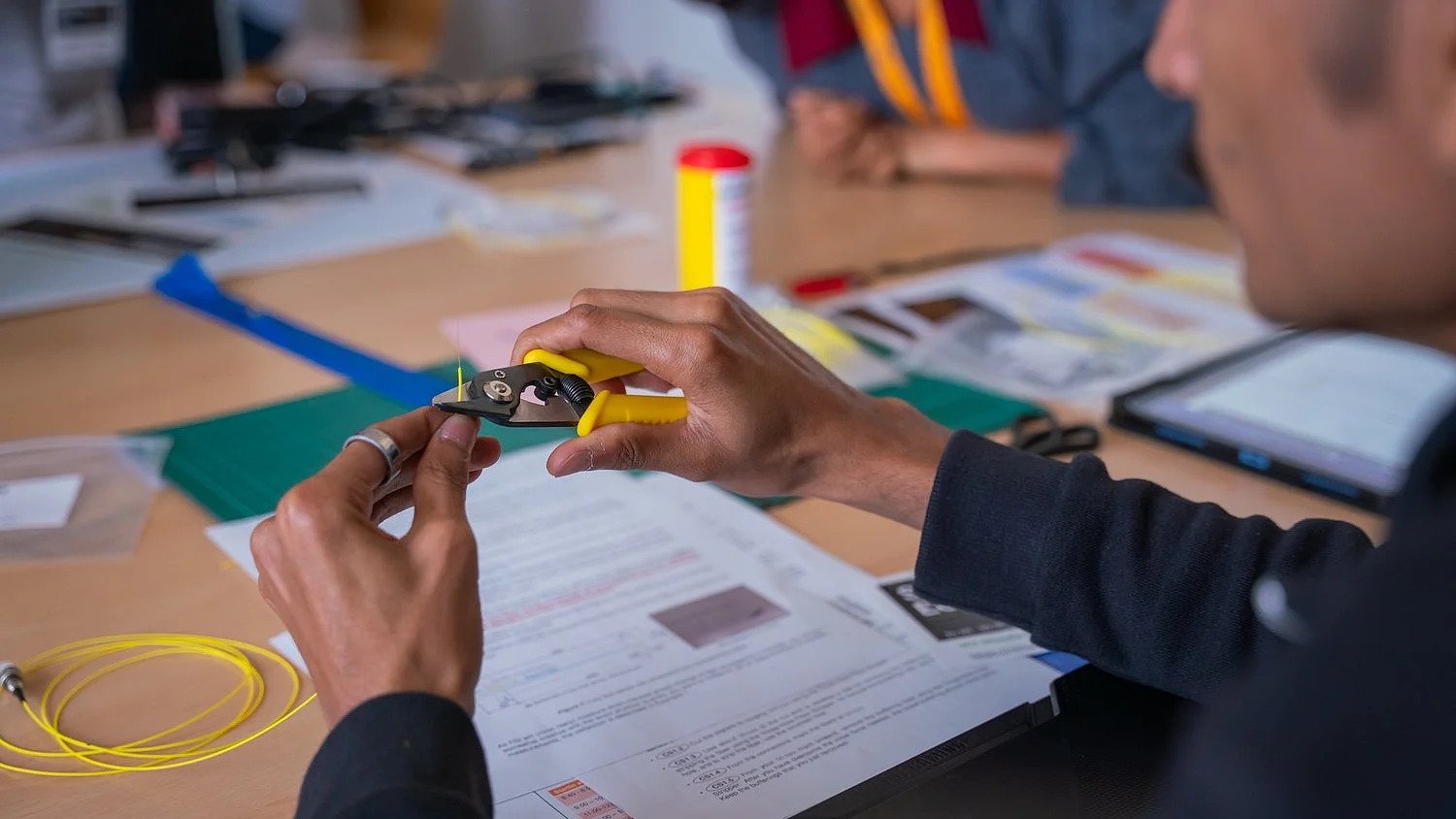
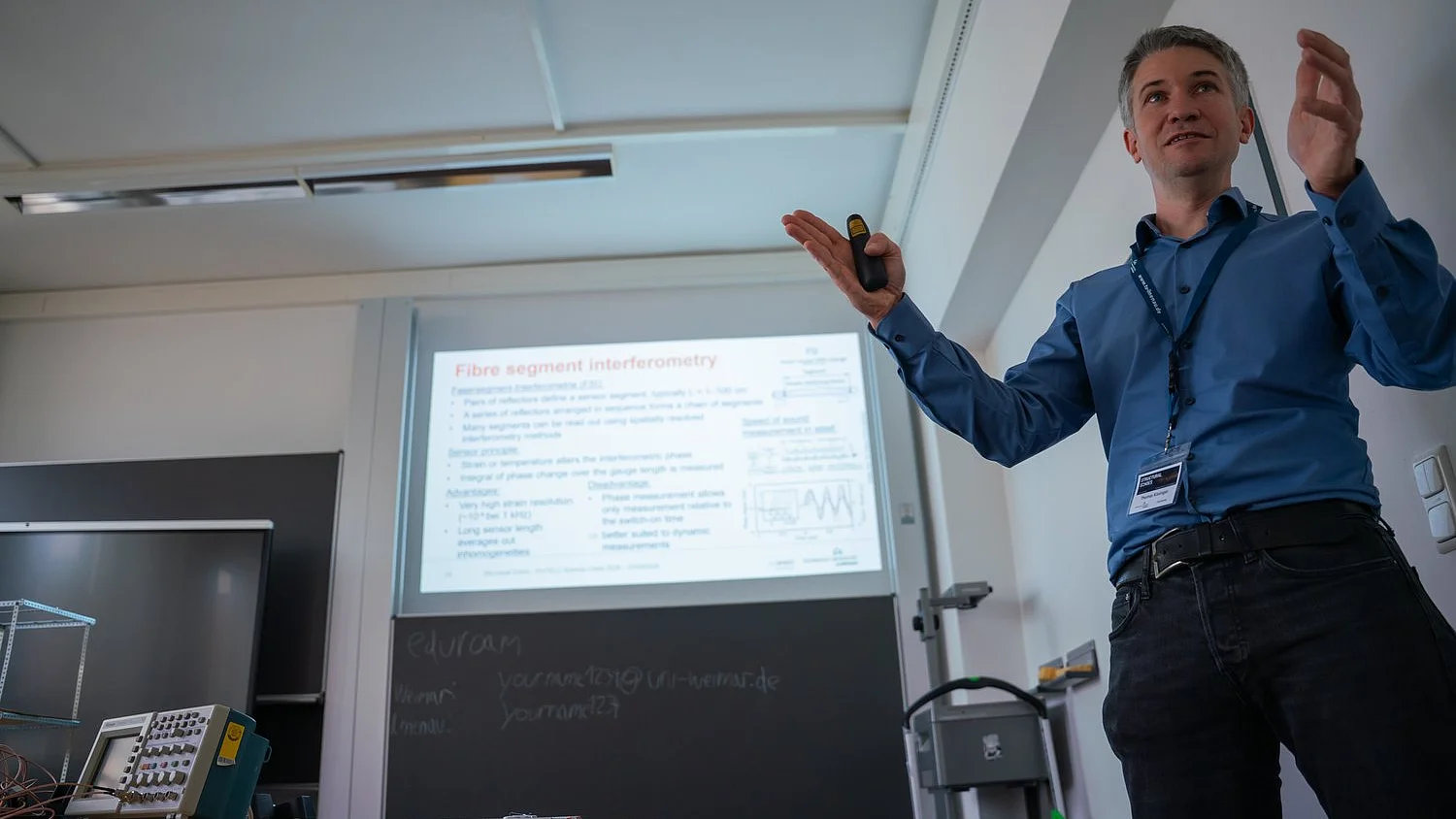
The camp was organised by the Chair of Advanced Structures together with the team of the Technische Universität Ilmenau under the Allianz Thüringer Ingenieurwissenschaften. In the first phase in Ilmenau, the team from the Technische Universität Ilmenau introduced the principles of fibre-optic sensing, and the participants manufactured and calibrated their own sensors before carrying out their first measurements. The programme further included a guided tour of the Fraunhofer Institute for Digital Media Technology IDMT and guest contributions from industry and from the field of process measurement technology.
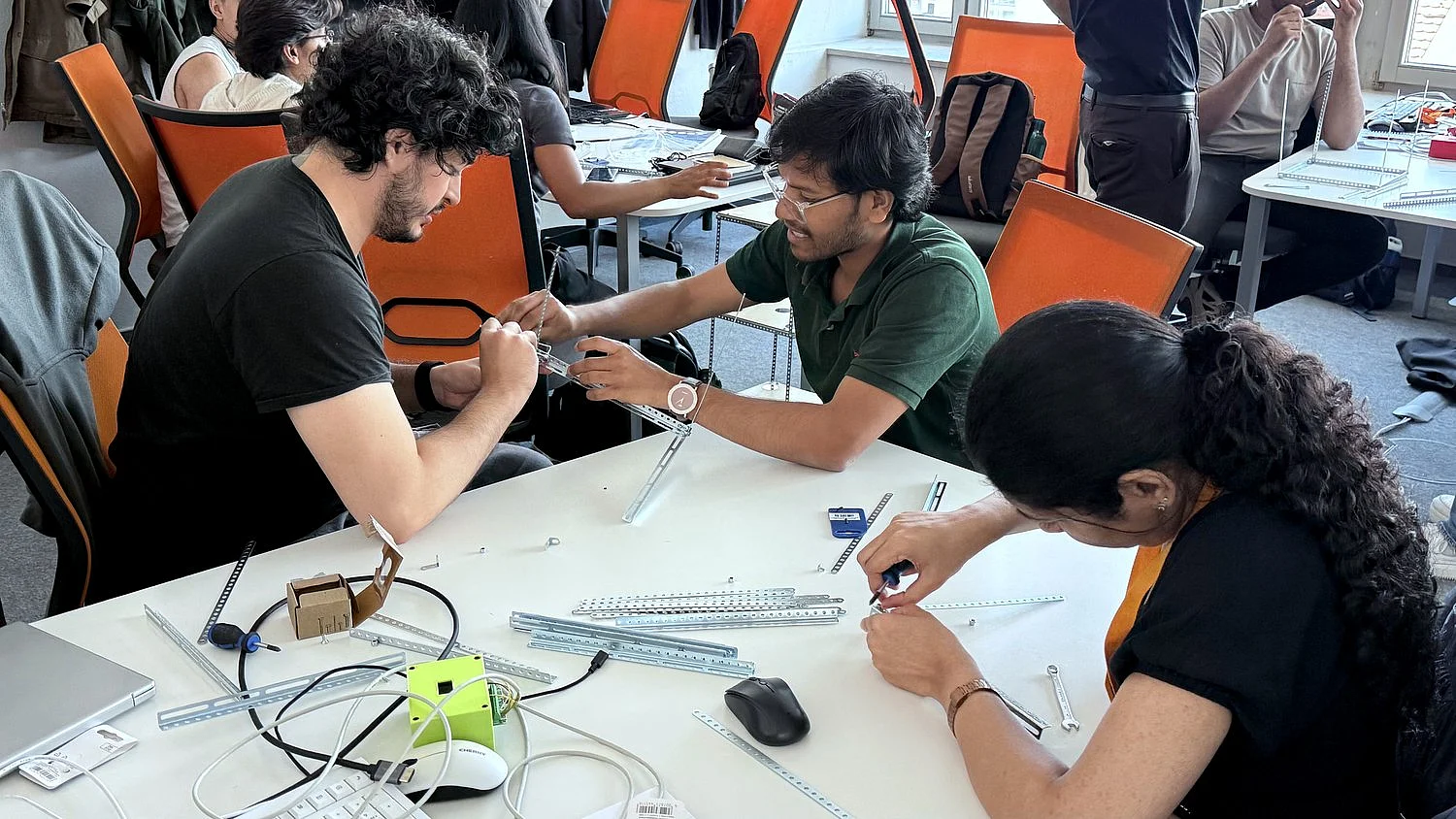
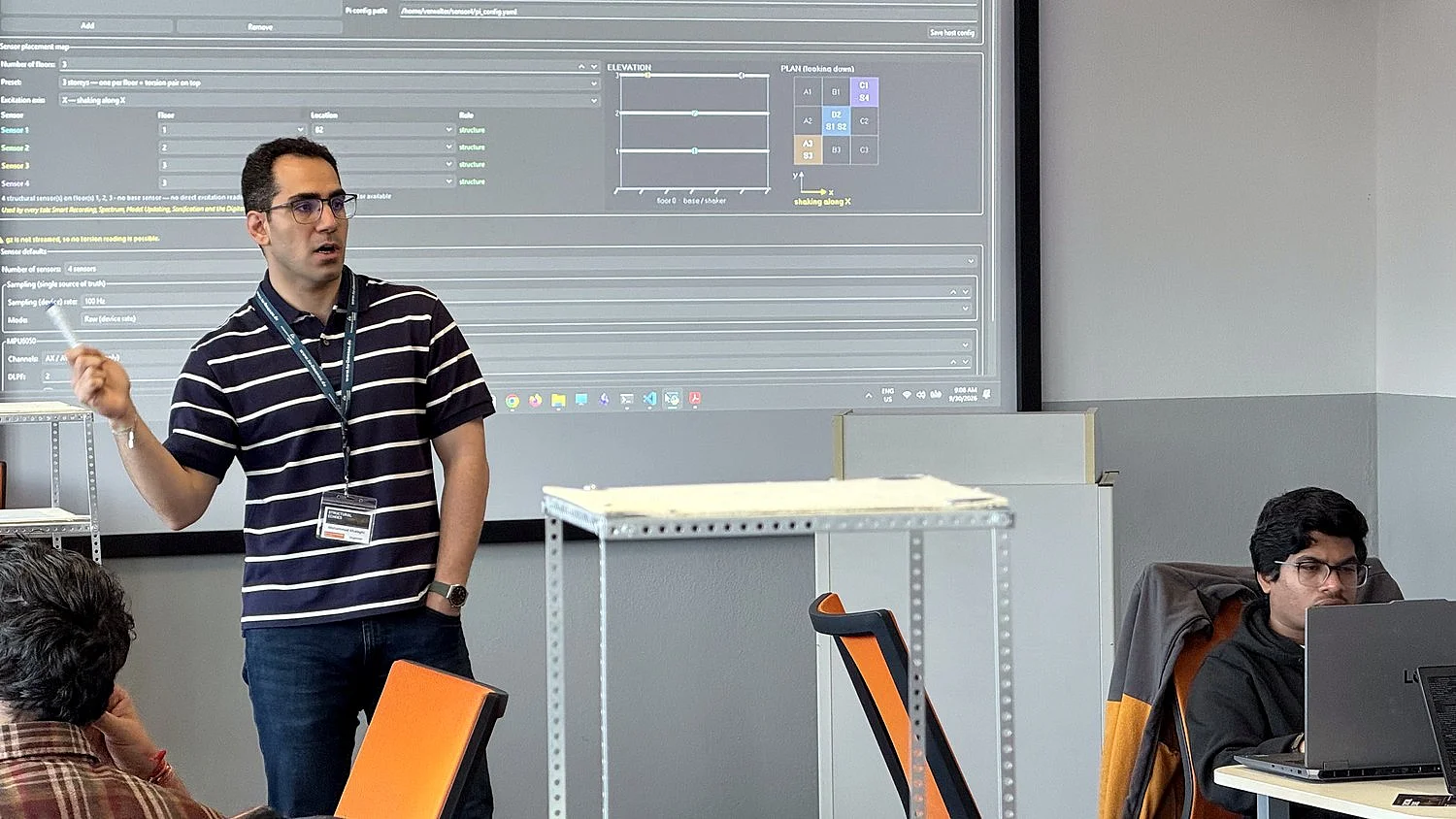
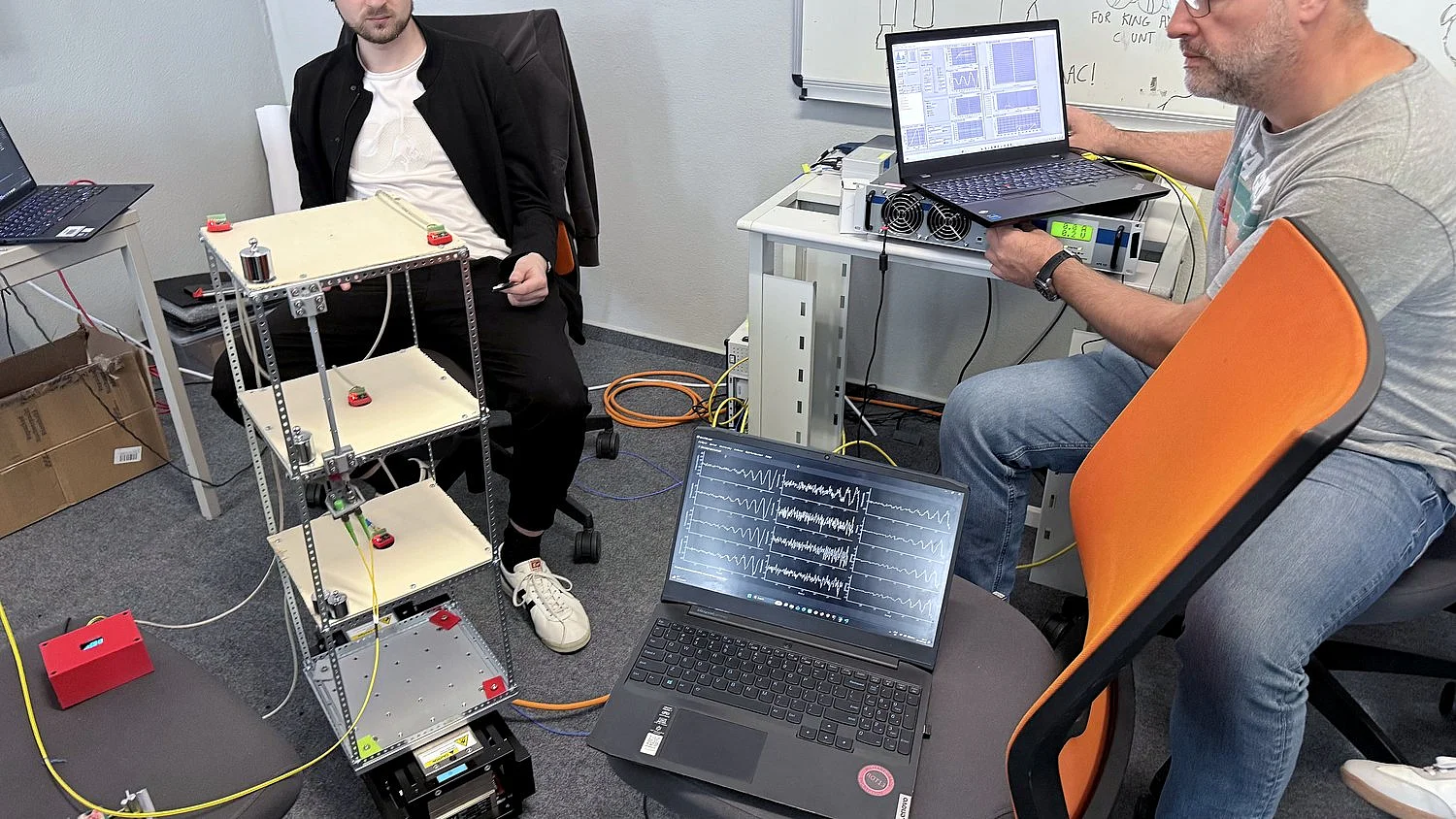
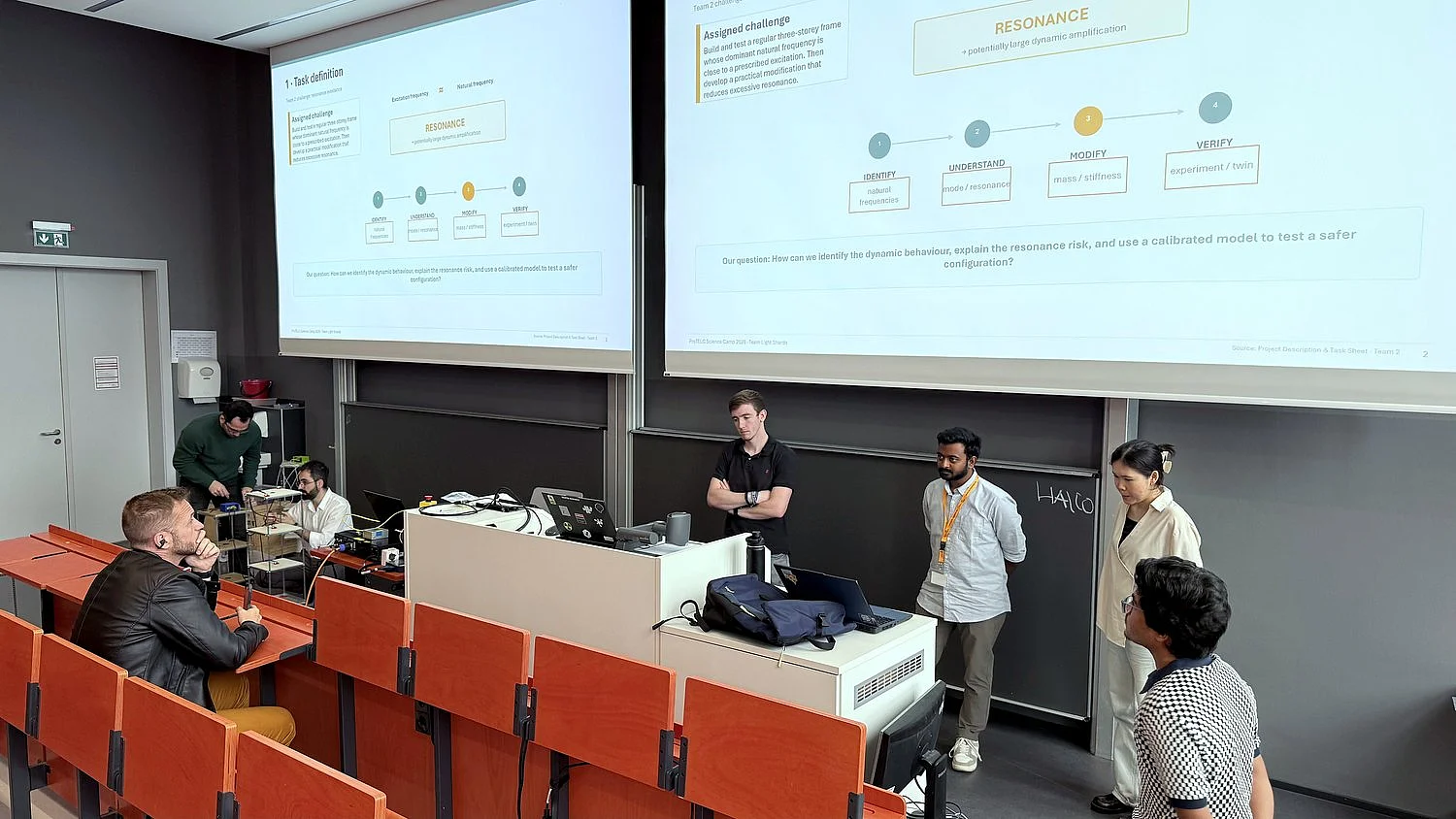
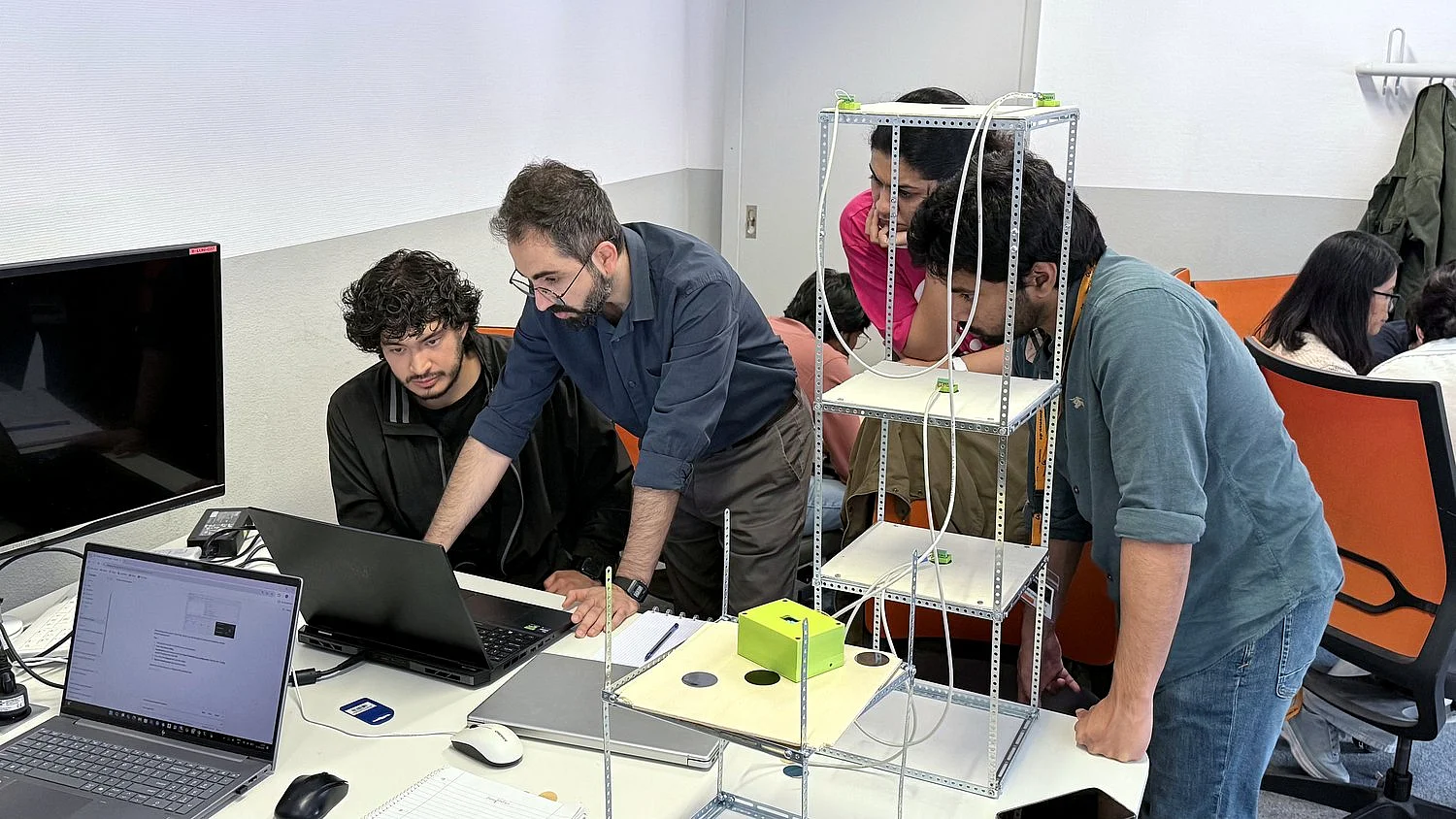
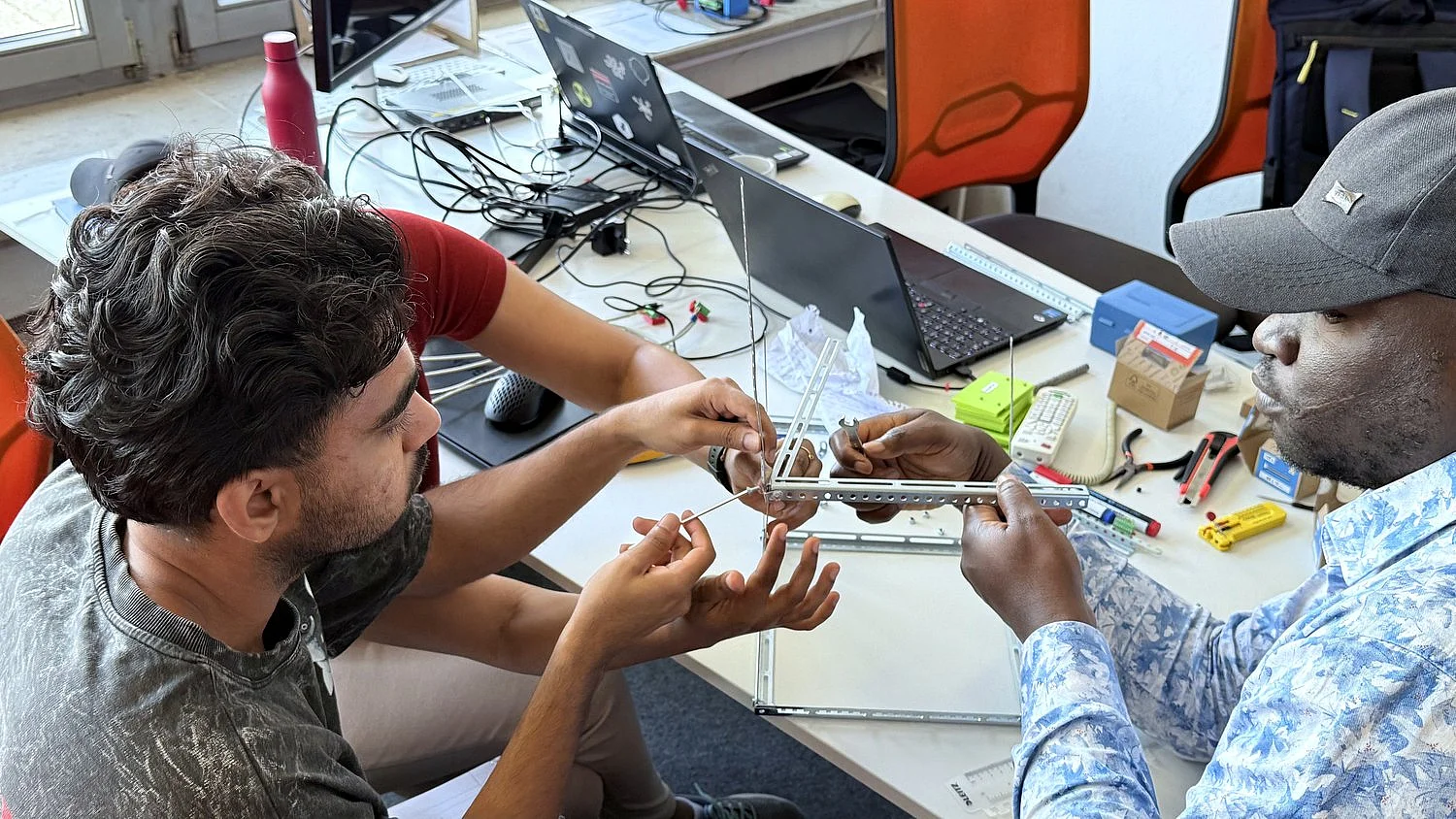
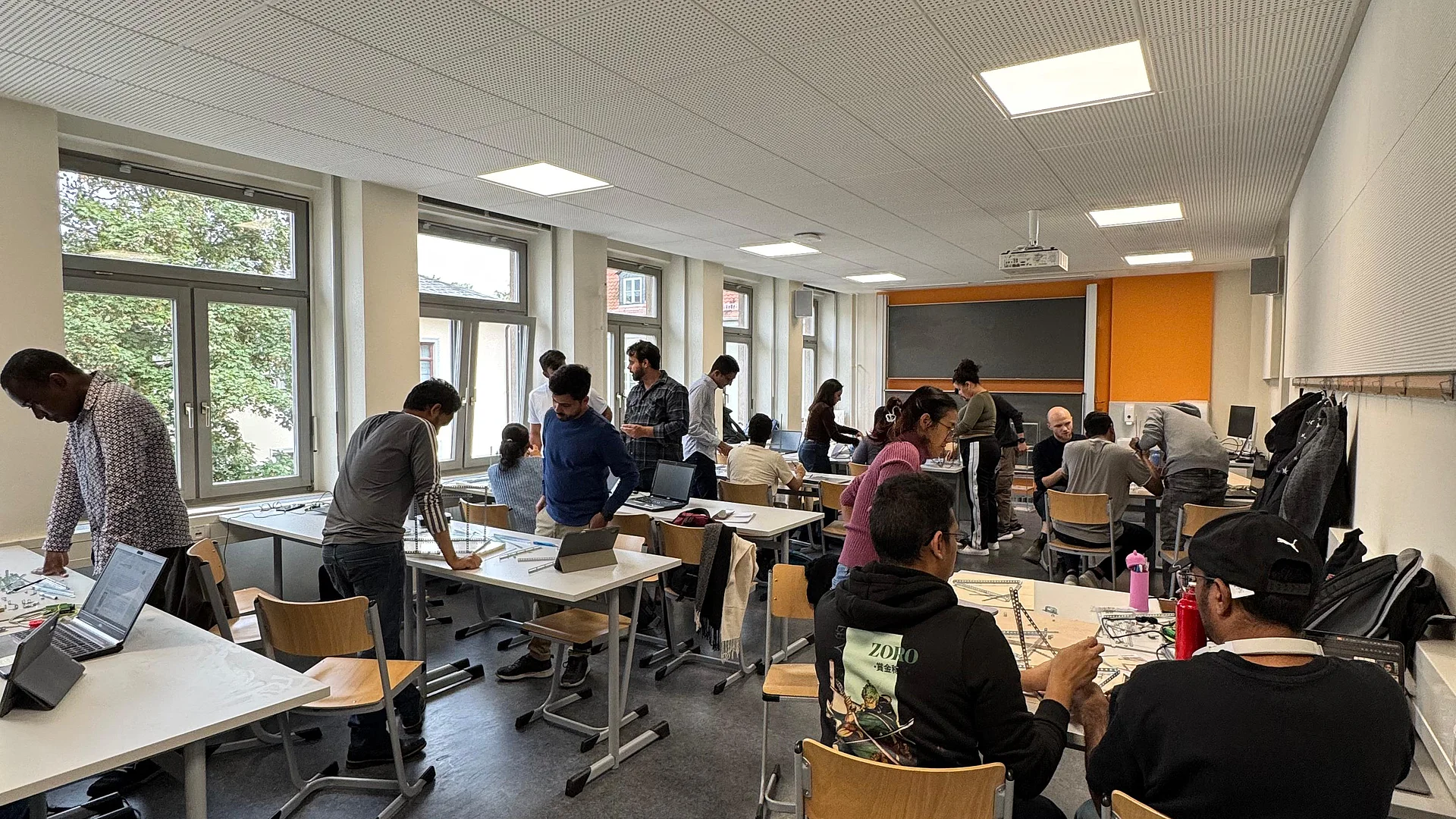
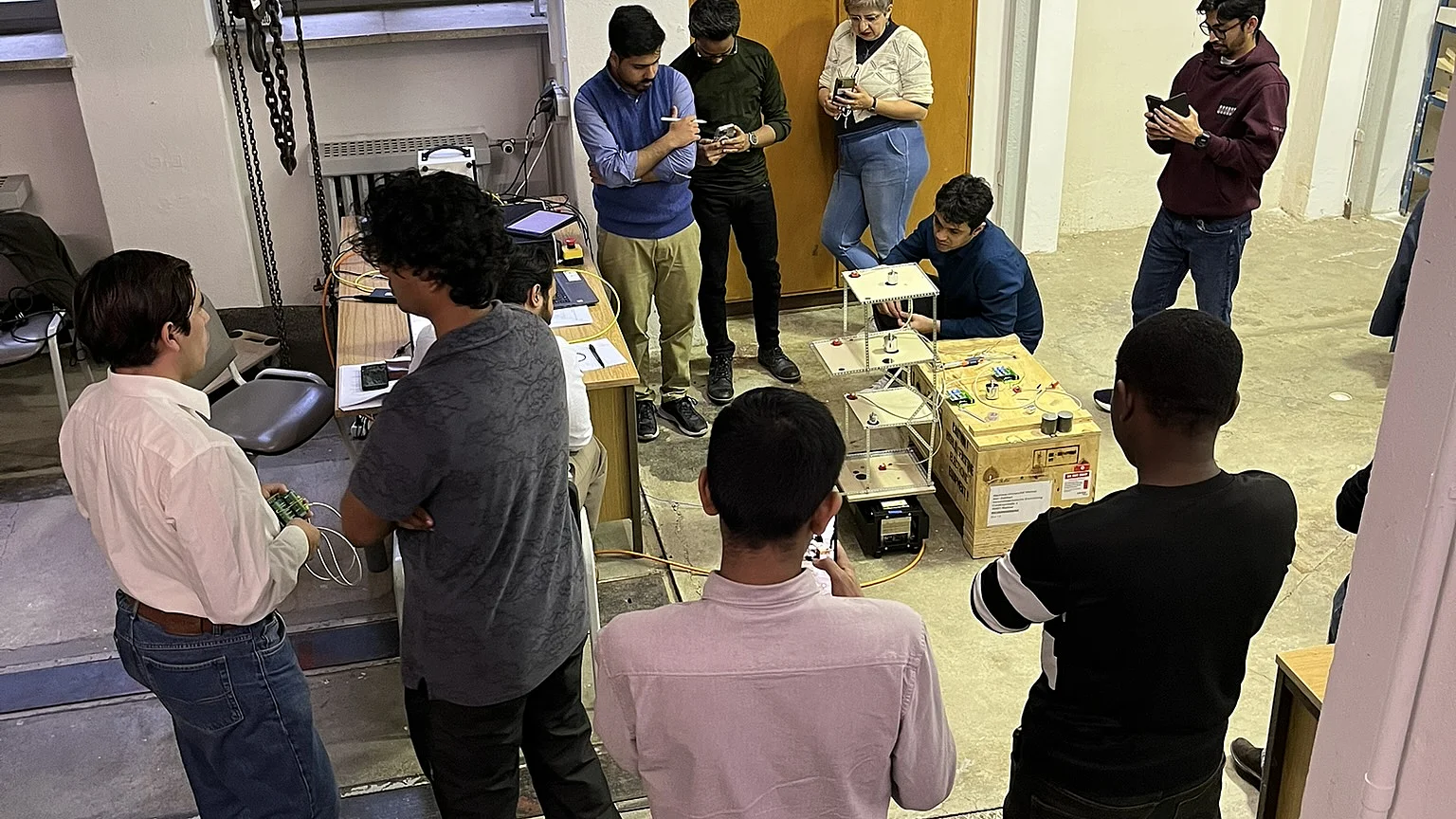
In the second phase in Weimar, the team of the Chair of Advanced Structures guided six student teams through the complete digital twin workflow. The teams assembled small-scale steel frame structures, instrumented them with accelerometers and with the fibre-optic sensors they had built, identified natural frequencies, mode shapes and damping from the measured signals, and calibrated numerical models against their own data. Each team worked on a specific structural challenge, ranging from torsion caused by stiffness asymmetry to soft-storey behaviour and mass irregularity, and had to identify the cause, reproduce it numerically and demonstrate an improvement. The results were presented at a closing exhibition on 2 October, at which the response of each structure was also made audible through sonification.
The learning effect is visible in the final evaluation. Before the camp, three of the sixteen respondents rated their knowledge of digital twins as moderate or better, and two did so for fibre-optic sensing. Afterwards these figures rose to eleven and fourteen, and no respondent reported having no knowledge of either topic. All respondents stated that they would recommend the Science Camp to fellow students.