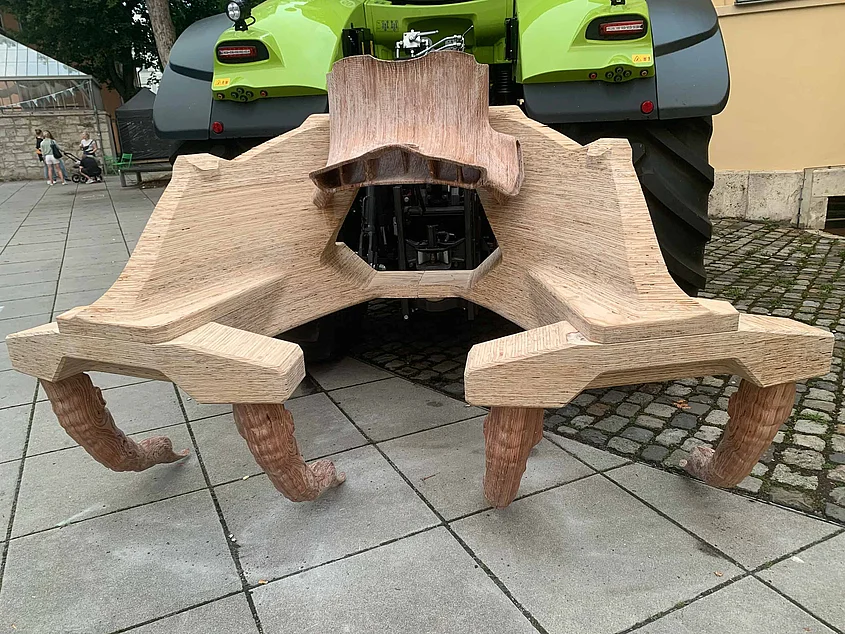
Visual communication is everywhere. It shapes the entire human-made environment as well as the way we communicate. It makes information visible and captures the essence of ideas. It has the power to surprise, to give meaning and impact to communication, and to offer context with the help of images, videos, sound, graphics, and typography. It includes corporate design, editorial design, interaction design, illustration, animation, and data visualisation.
We educate our students to become highly skilled professionals who, with an open mind toward technology and a passion for experimentation and collaboration, help to shape their and our future. Our partners range from local to international and provide our students with opportunities for professional exchange and ongoing exposure beyond academia.

About the degree programme
The Bachelor’s degree programme centres around experimental, concept-driven artistic and design practice. Theoretical, academic, and technical knowledge are considered equally important across these fields.
Starting in the first semester, students begin building a foundation in methodological thinking and an understanding of communication and media processes, as well as their aesthetic, social, economic, and ecological functions. The »interdisciplinary project-based learning« approach, in which students from different disciplines collaborate, encourages this way of thinking.
By means of design strategies and experiments our students create surprising and compelling visual results. Students communicate through the professional use of typography, text, image, artificial intelligence, systems, and structures. Their work depicts, questions, educates, informs, entertains, offers solutions.
There are approximately 140 students in the Visual Communication Bachelor’s degree programme in Weimar. After successfully completing 8 semesters (standard duration), students are awarded a »Bachelor of Arts« degree.
The Professorships
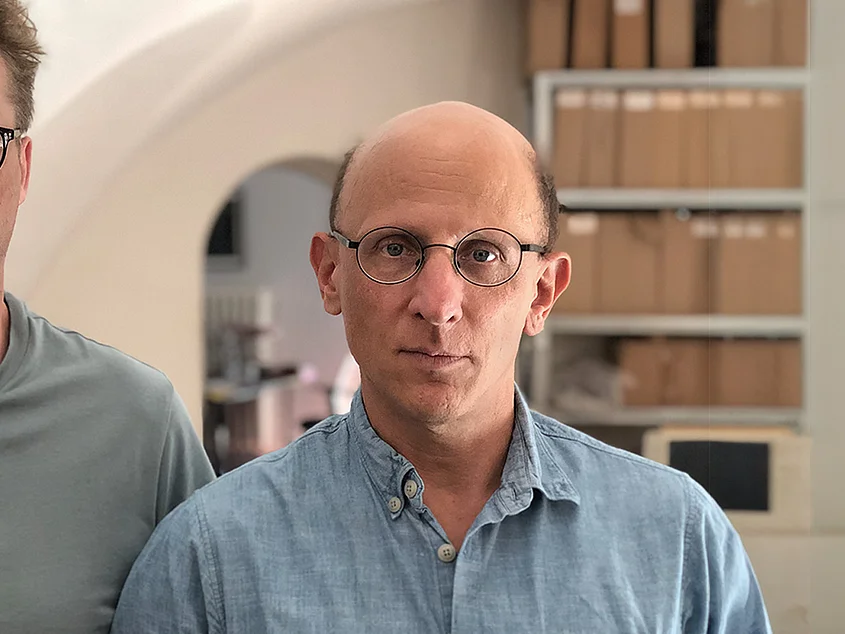
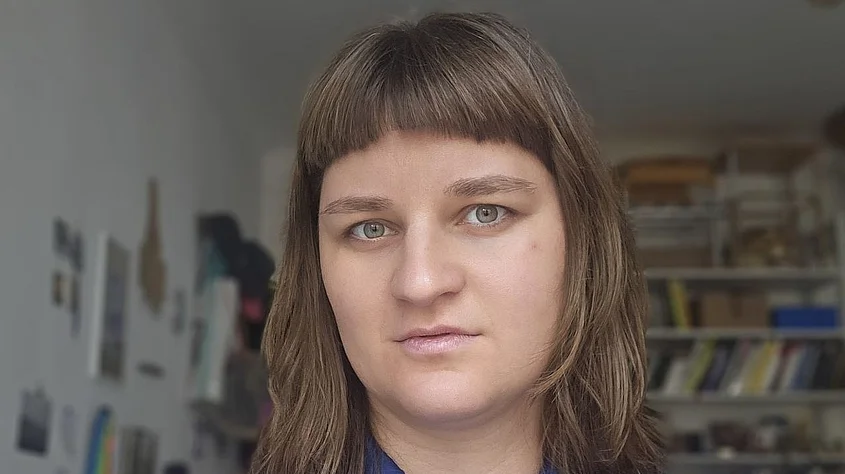
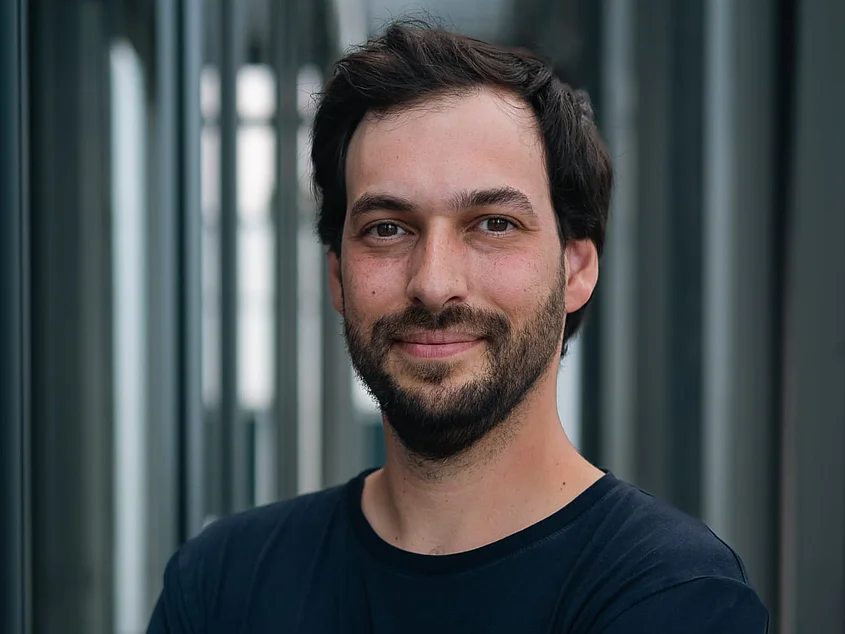
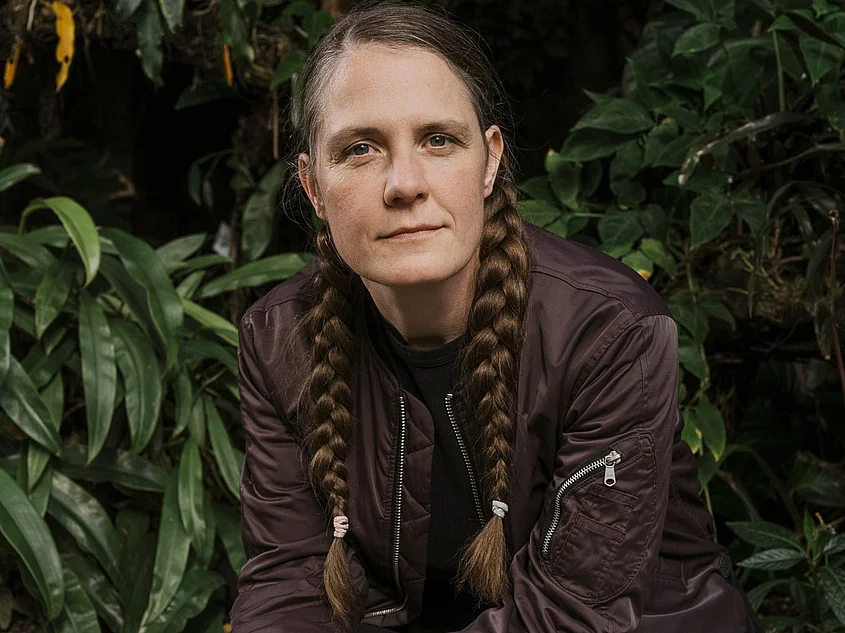
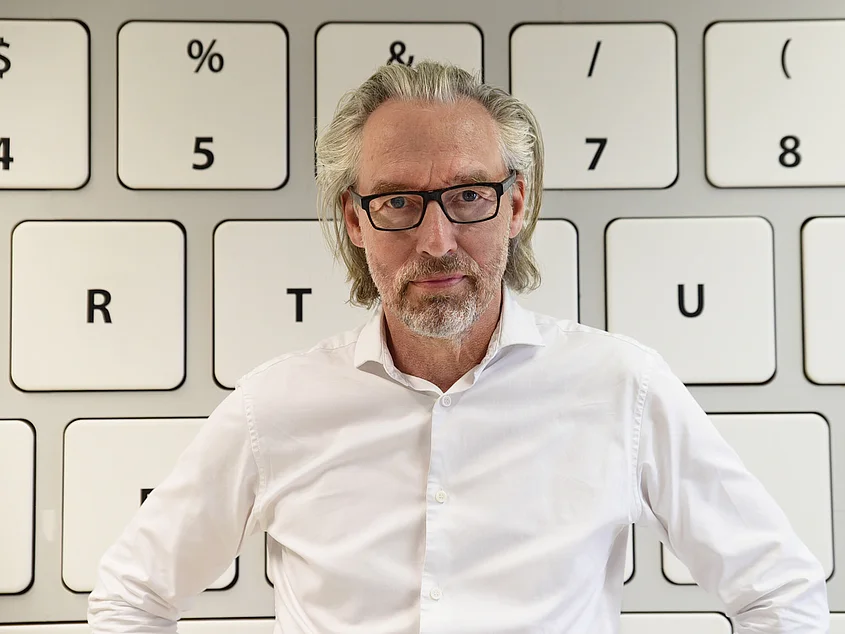
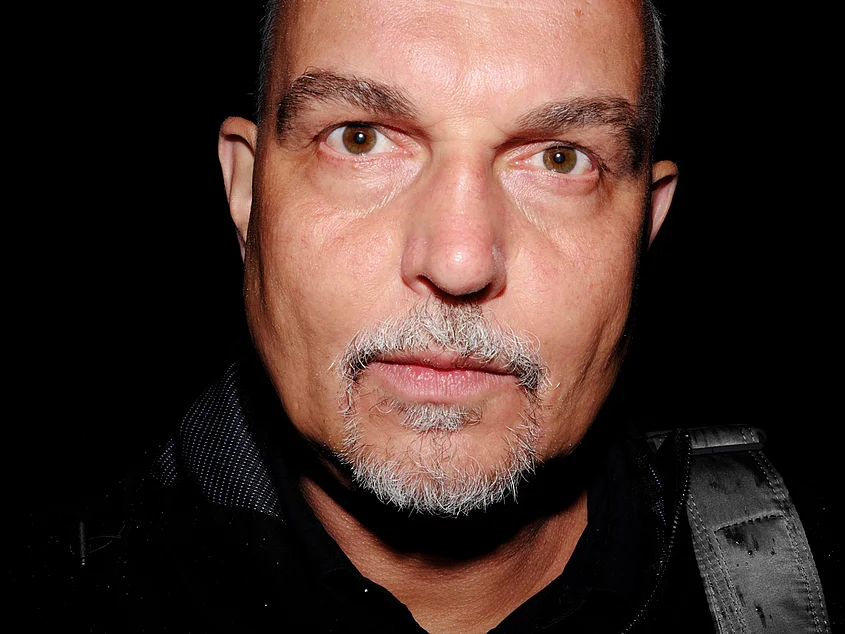
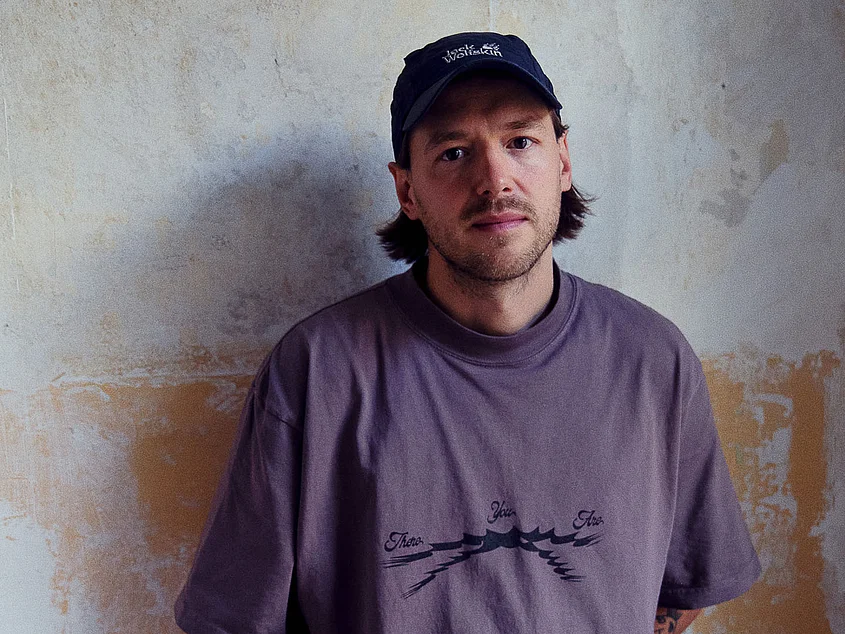
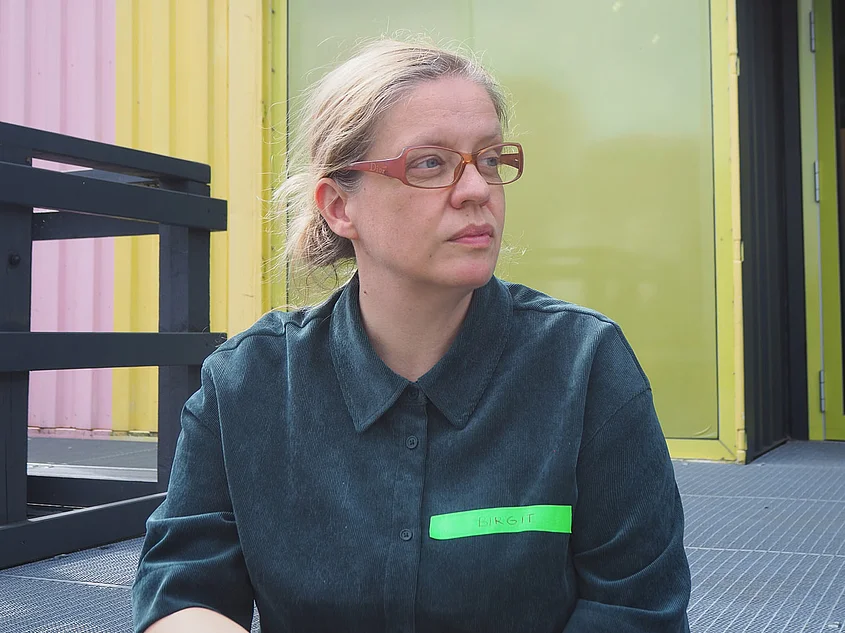
The Visual Communication degree programme is comprised of five professorships whose respective areas of expertise complement one another. The themes of the projects carried out within the programme are updated each semester and tend to be interdisciplinary in nature. Students can also enrol in courses offered by related degree programmes; likewise, students from other programmes can participate in Visual Communication courses. Scientific modules complement the curriculum.
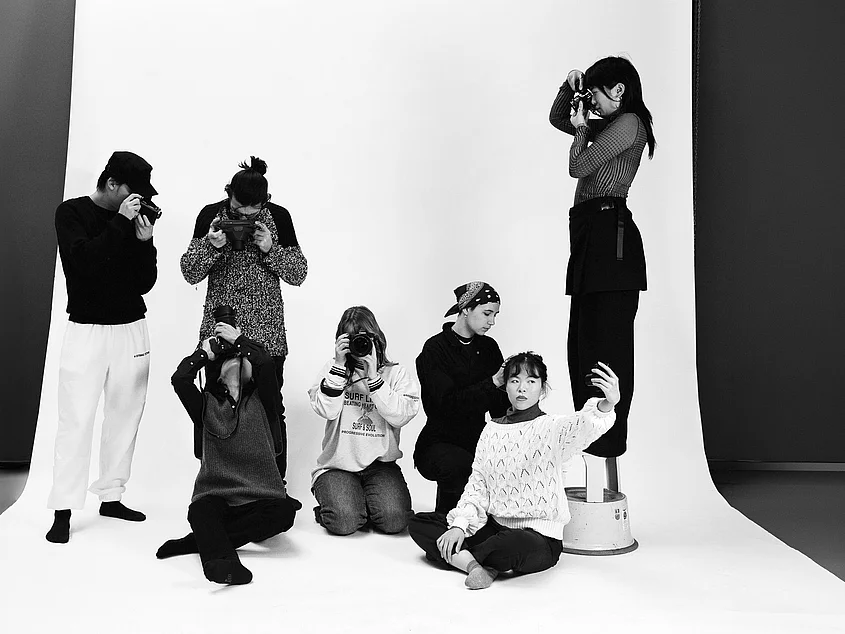
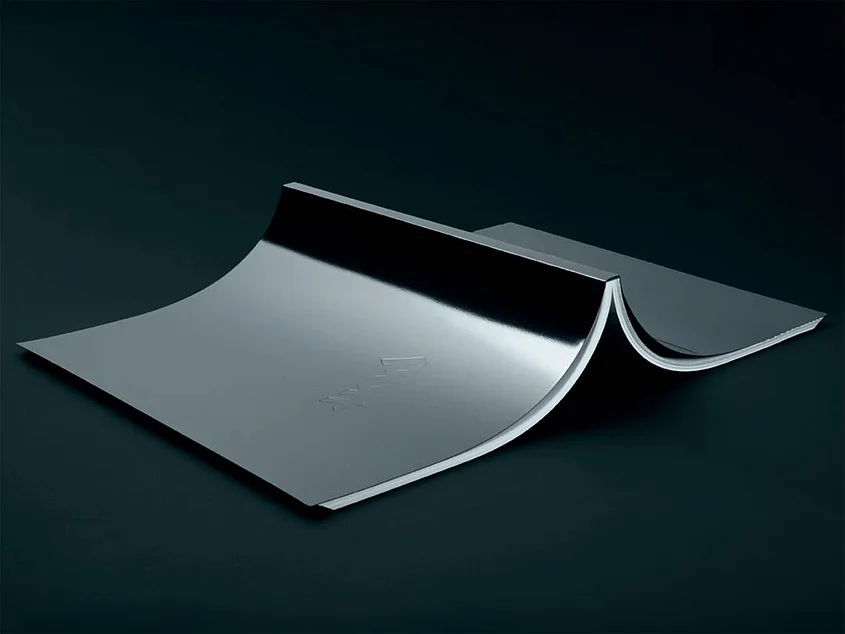
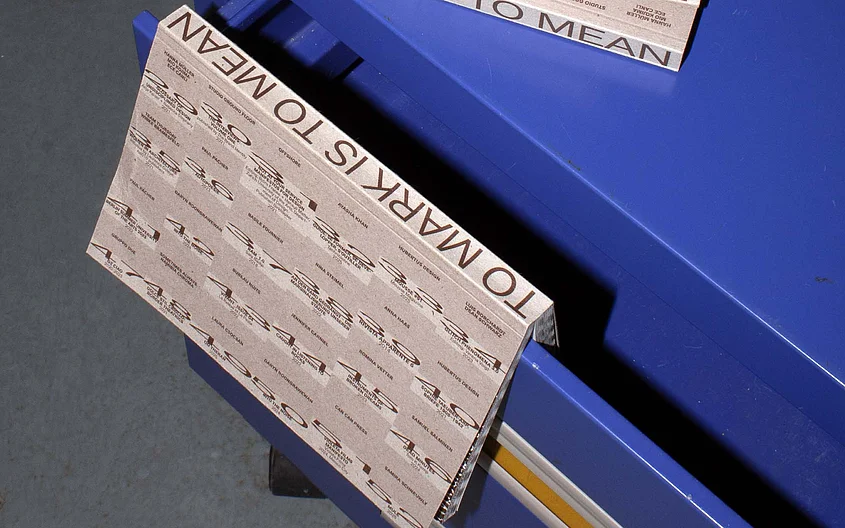



First Year: Laying the Foundation
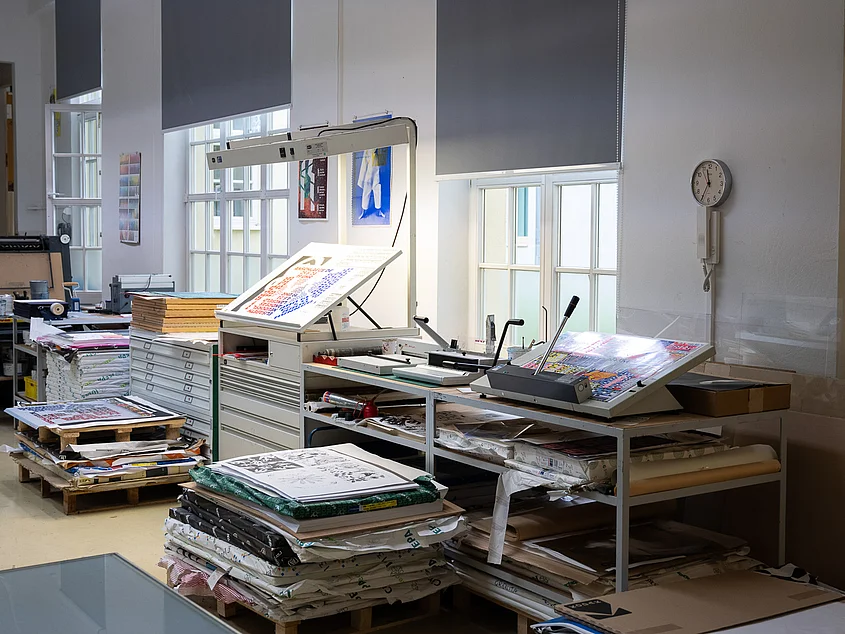
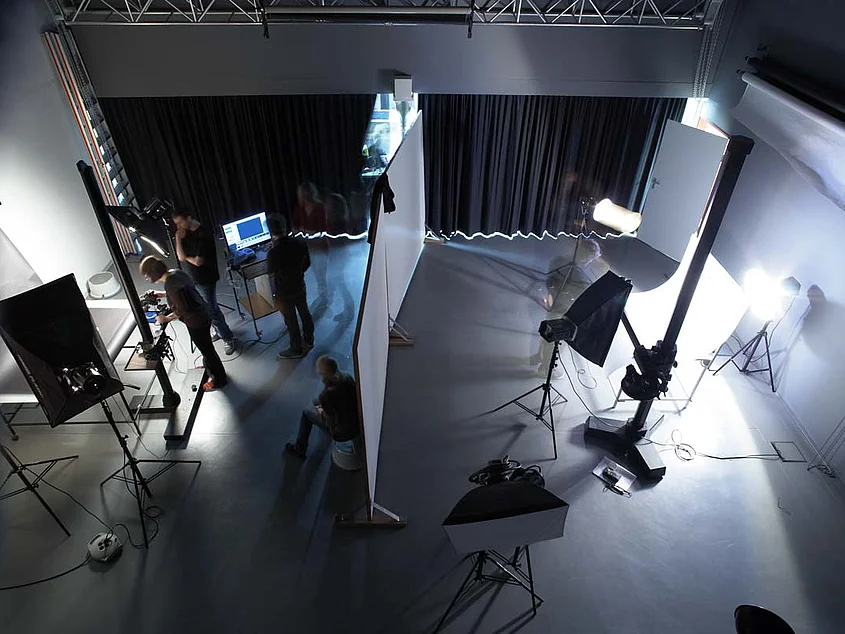
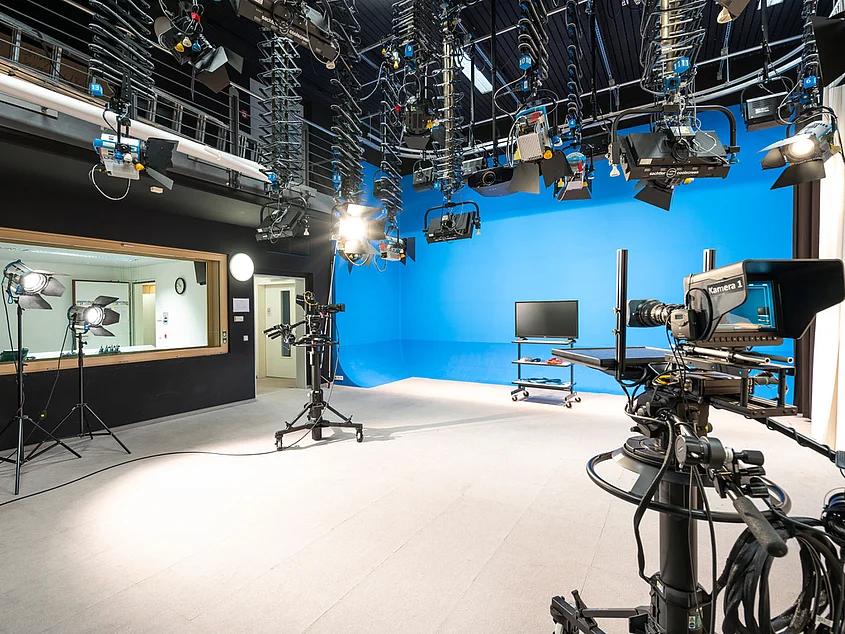
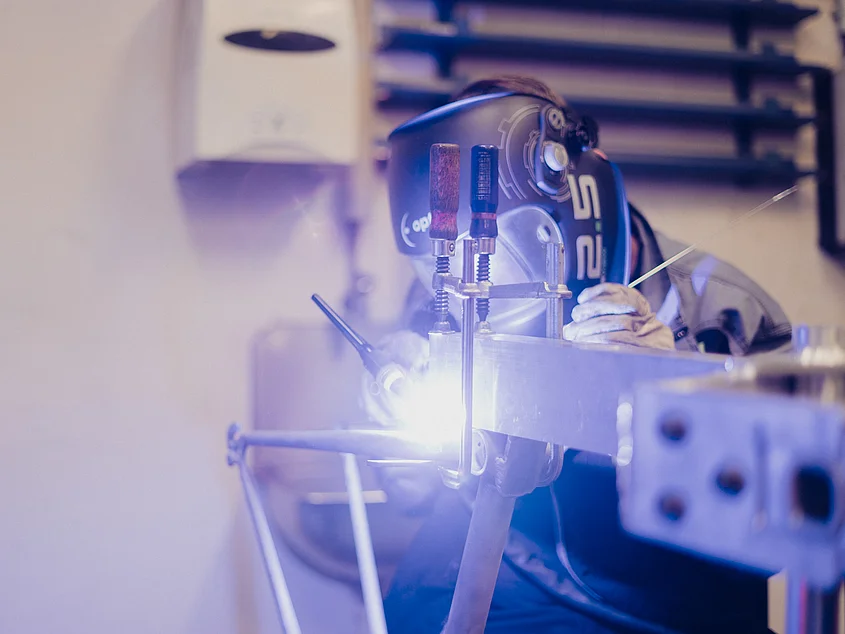
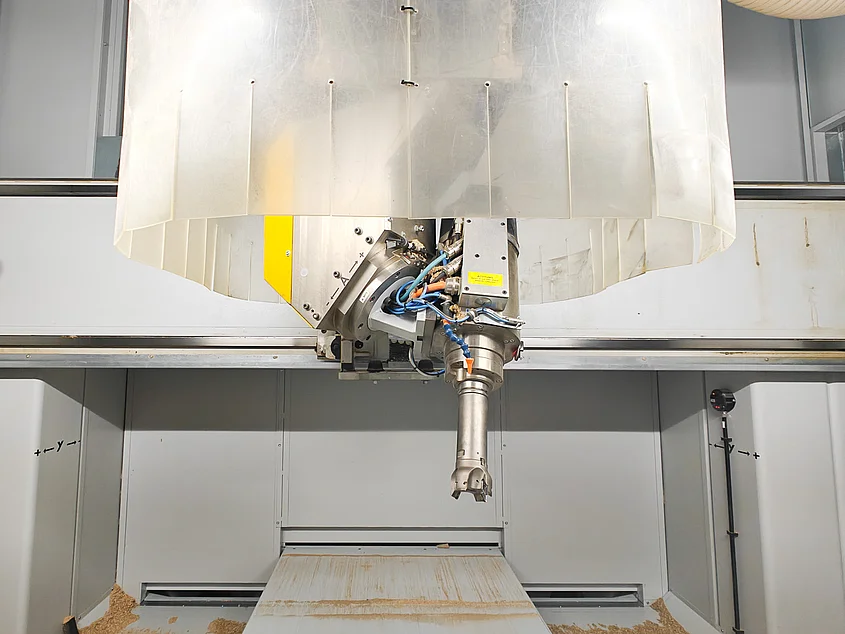
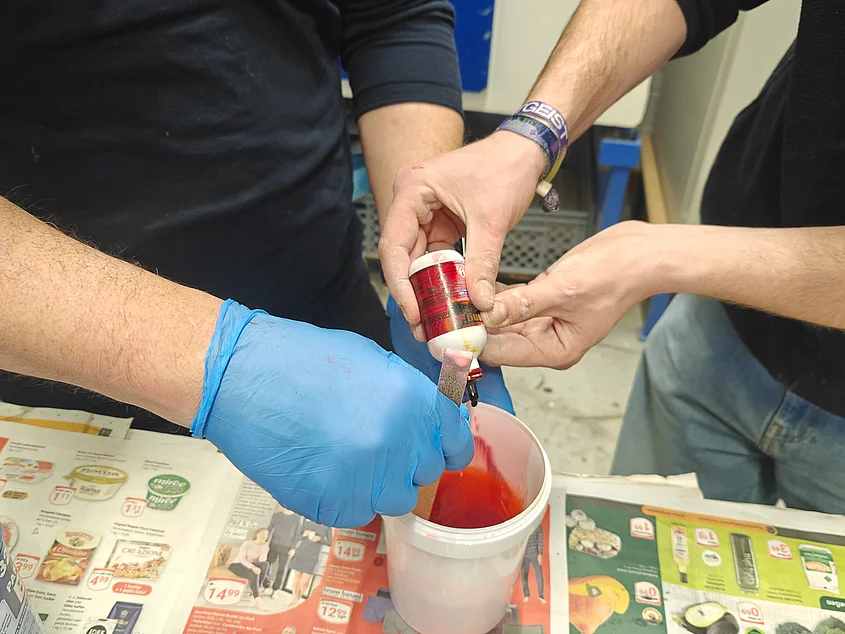
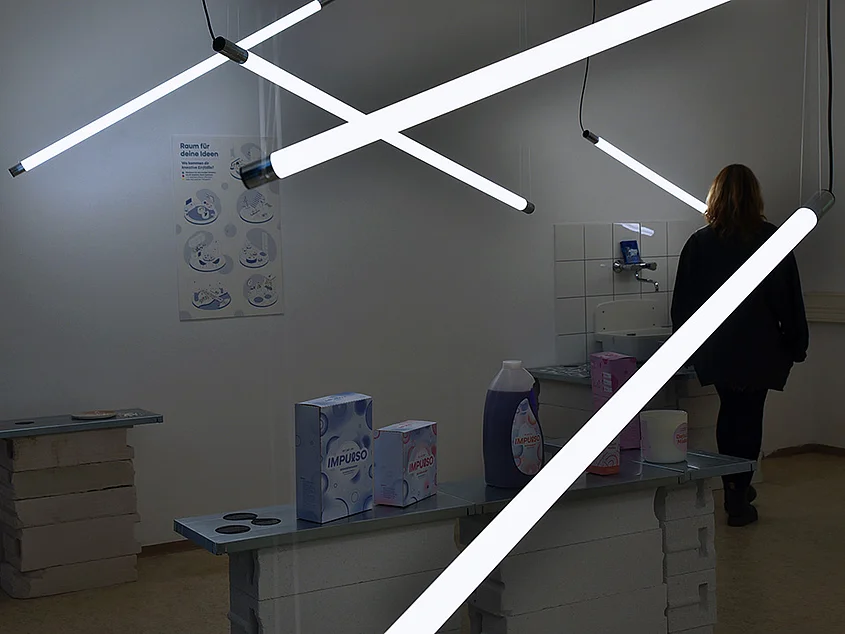
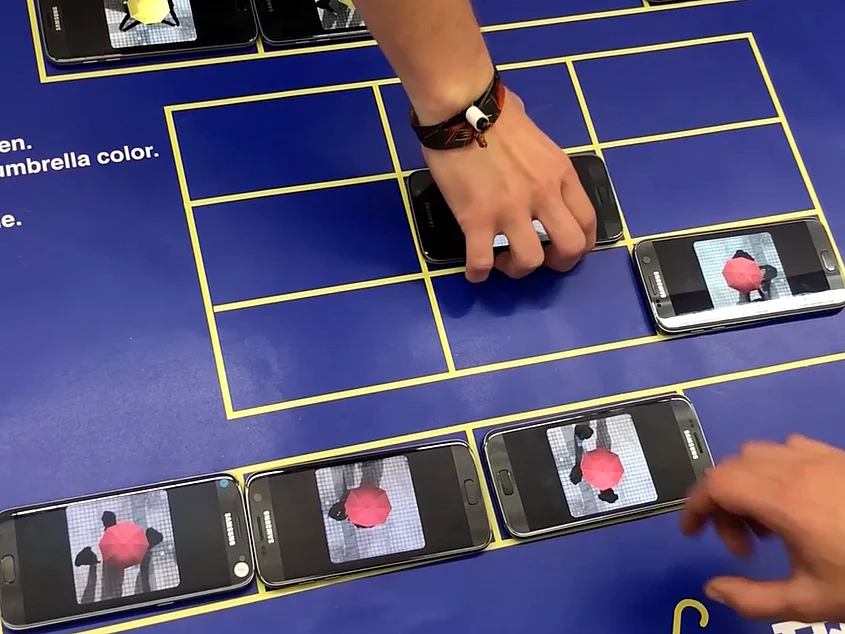
The degree programme begins with two introductory semesters. In project, specialist, and scientific modules, students explore the various fields of visual communication. They develop their first independent projects, discover the Faculty’s workshops, and get to know the professorships, fundamental design methods, and fellow students.
Third and Fourth Semesters: Choosing a Specialisation
In this phase, the programme focusses primarily on projects. They begin defining their specialisations, combining creative practice with critical reflection. Specialist and scientific modules supplement the projects and expand students’ knowledge. Projects may also be carried out in other degree programmes within the Faculty of Art and Design. This provides students with the opportunity to work across disciplines and broaden their perspectives.
Fifth to Seventh Semesters: Defining Your Identity
During this stage, students continue developing their expertise while working with increasing independence. Starting in the fourth semester, students can pursue their own ideas in supervised independent projects. Students may also choose to do an internship or a semester abroad during this period. The Faculty of Art and Design has partnerships with around 75 universities worldwide.
Eighth Semester: Bachelor's Thesis
In order to successfully complete the degree programme, students must develop and implement an independent design project. Career preparation units support the transition to professional practice. The Bachelor's thesis includes the presentation and documentation of individual results.
Application process
All applications for Faculty of Art and Design degree programmes must be submitted online using the Bauhaus.CampusPortal. Registration for the aptitude test is open from 2 February to 31 March. The assignment will be announced in early April. Your application, including all required documents and the completed assignment, must be submitted by 30 April.
The aptitude test for this degree programme consists of three parts:
- Registration for the aptitude test. The assignment, along with information on deadlines and the testing process, is announced in early April.
- Submit your assignment together with your curriculum vitae (including details on your education and previous experience if applicable), your most recent high school transcript proving your university entrance qualification Aptitude interview and presentation of up to 10 original examples of your own creative work (be sure to bring these with you to the interview)
- The programme’s Aptitude Test Commission makes their preliminary selections after reviewing the submitted assignments. Those who make it to the pre-selection stage will be invited to the next stage, which includes participating in an individual interview. Be sure to bring up to 10 original examples of your work (portfolio) with you to the interview.
Additional details on the aptitude test can be found in the Aptitude Test Regulations (currently only available in German).
Language Requirements
Please note that passing the aptitude test does not automatically grant you admission to the degree programme. Be sure to submit proof of your German proficiency with your application documents. You must meet the language requirements by the time of your enrolment at the latest.
Admission to the programme requires a C1 level of German (DSH 2 or TestDAF TDN 4). For questions regarding language proficiency, please contact the Office of Student and Academic Affairs: studium@uni-weimar.de
After graduation
After graduation, students are qualified to pursue careers in the fields of design, media, culture, and communications. Graduates work in agencies, design firms, publishing houses, media companies, cultural institutions, the public sector, or are self-employed. The degree programme provides the foundation for these career paths by combining design practice with conceptual thinking, technical expertise, and the ability to consciously develop visual communication and convey it clearly.
Visual communication influences how information, images, and messages are conveyed and understood. Graduates are employed wherever content needs to be visible, readable, and understood. This includes analogue media, digital processes, moving images, campaigns, exhibitions, and editorial content.
Students learn to work confidently with images, typography, layout, photography, moving images, and digital tools. They think strategically, develop creative judgement skills, collaborate effectively in teams, and make complex content visible, accessible, and easy to understand.
AI based tools are transforming design processes, image creation, research, and editorial work. The degree programme qualifies students to use these tools creatively, evaluate their results, and assess their impact.
Graduates of our Visual Communication programme pursue careers in the following fields:
- Graphic design and communication design
- Typography and editorial design
- Publishing and publication
- Photography and photo editing
- Film, animation, and moving image
- Creative agencies, design studios, and brand communication
- Campaigns, advertising, and public relations
- UI/UX design and digital applications
- Game design and interactive media
- Media design and digital production
- Exhibition design, scenography, and information design
- Curation, cultural institutions, and independent project work
- Research and teaching
- Self-employment and the creative industries