Work areas and equipment
The Modelling Workshop provides workstations and technical equipment for the development and production of models and moulds.
The equipment includes:
- Workstations for manual model making
- Machines for working with wood and plastics
- Cutting and grinding equipment
- Drilling and milling tools
- Hand-held machines and tools
- CAD/CAM-supported work
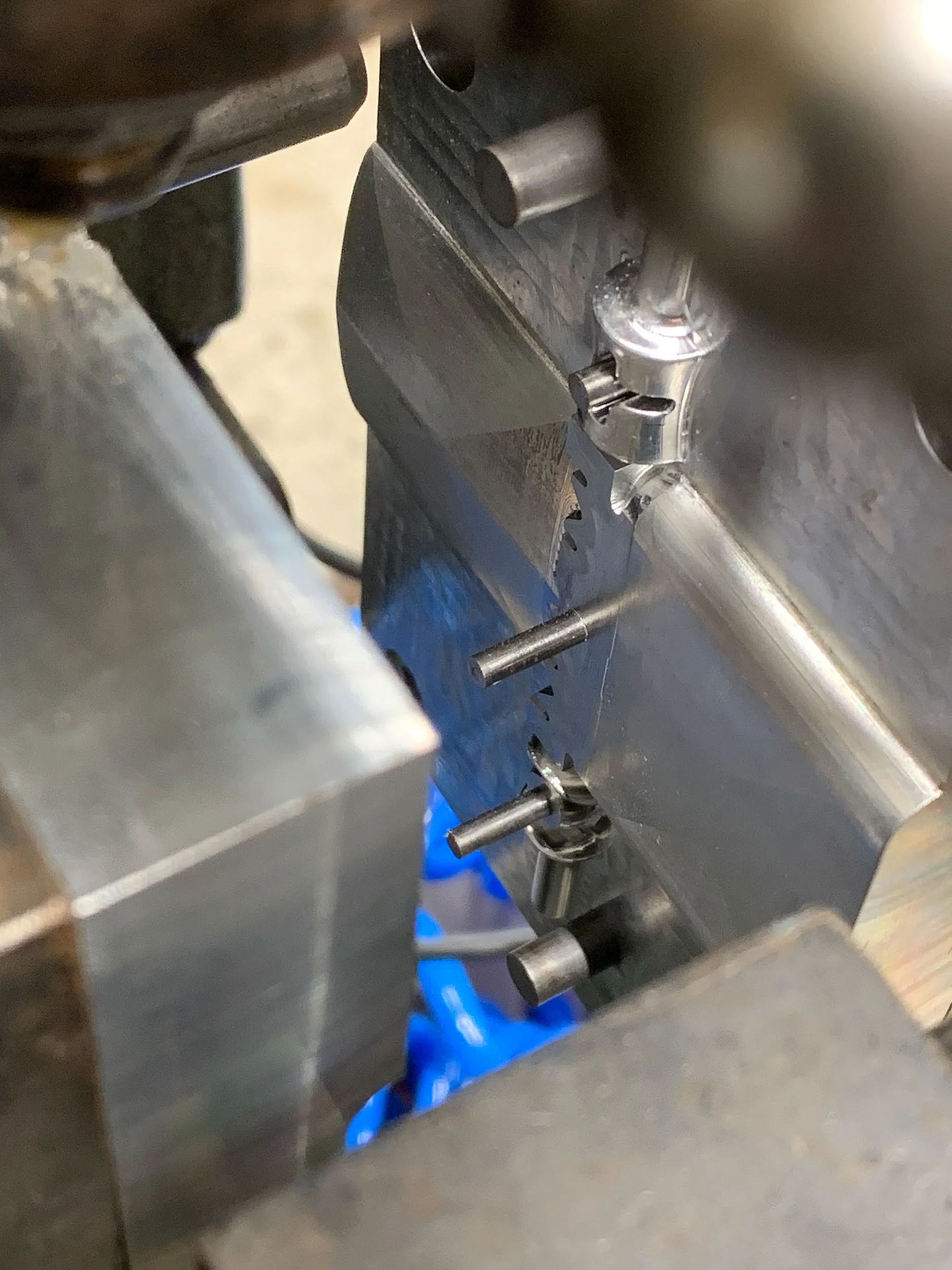
- CNC milling
- 3D printing
- 3D scanning
Materials and Moulding Processes
Students use a variety of materials for model-making:
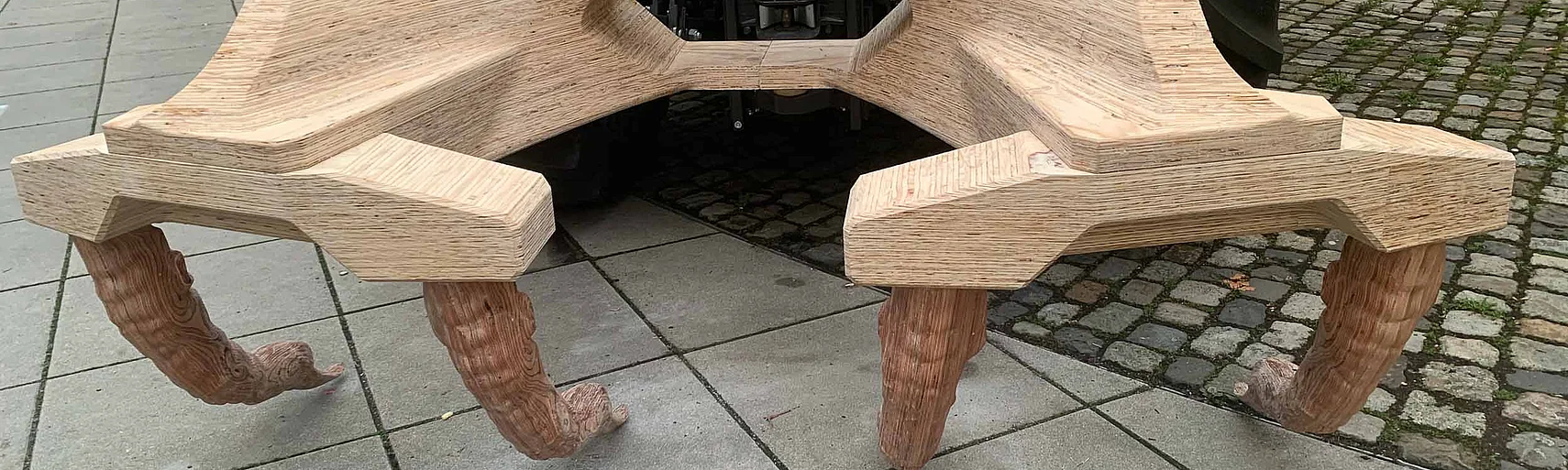
- Wood and wood-based materials
- Plastics (e.g. polystyrene and styrodur, polyurethane, etc.)
- Synthetic resins
- Composite materials
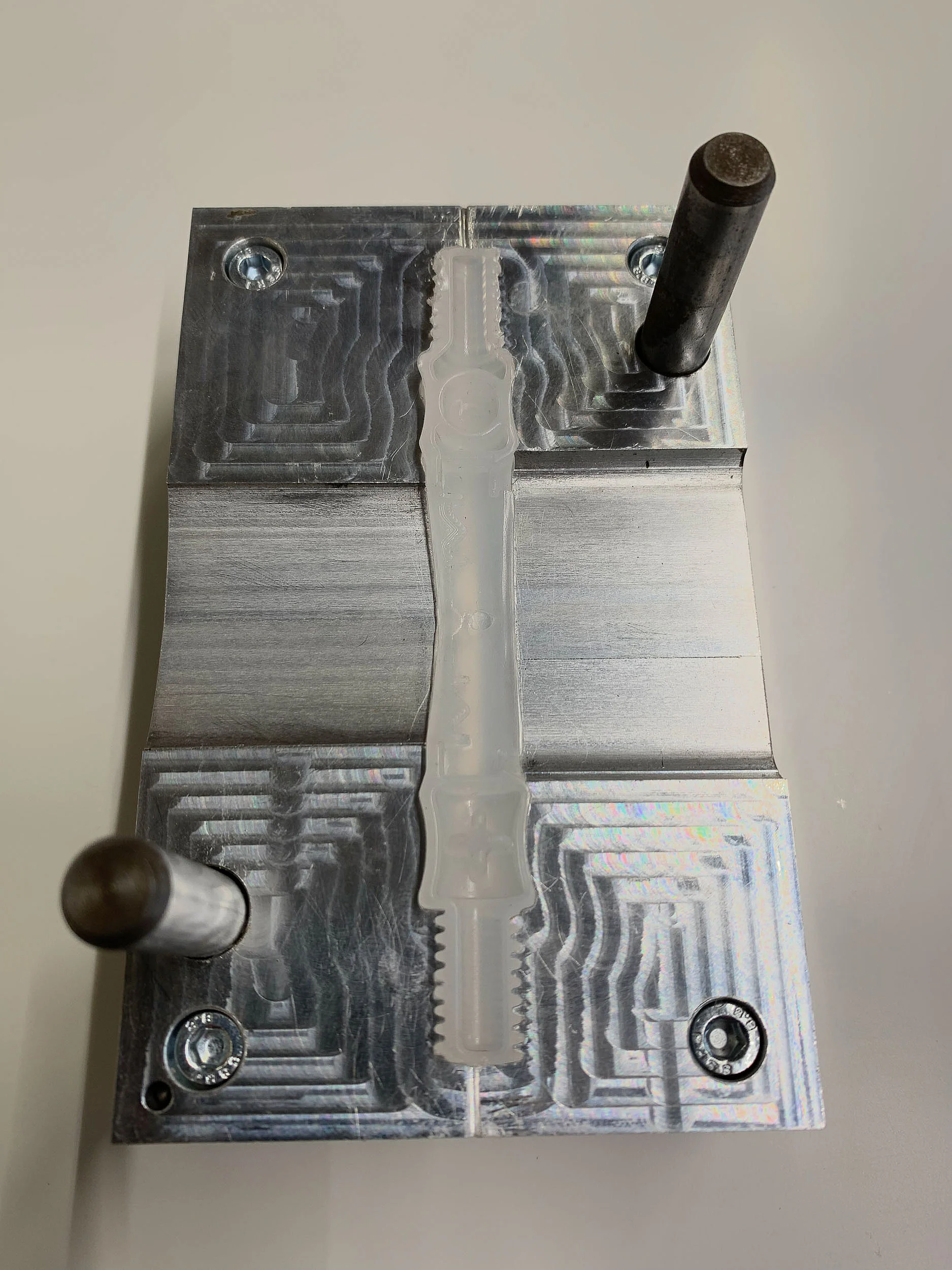
- Aluminium
Models and moulds form the basis for further stages of the process. They enable materials and manufacturing processes to be combined and designs to be transferred to different materials.
Applications and processes:
- Thermoforming and laminating of plastics
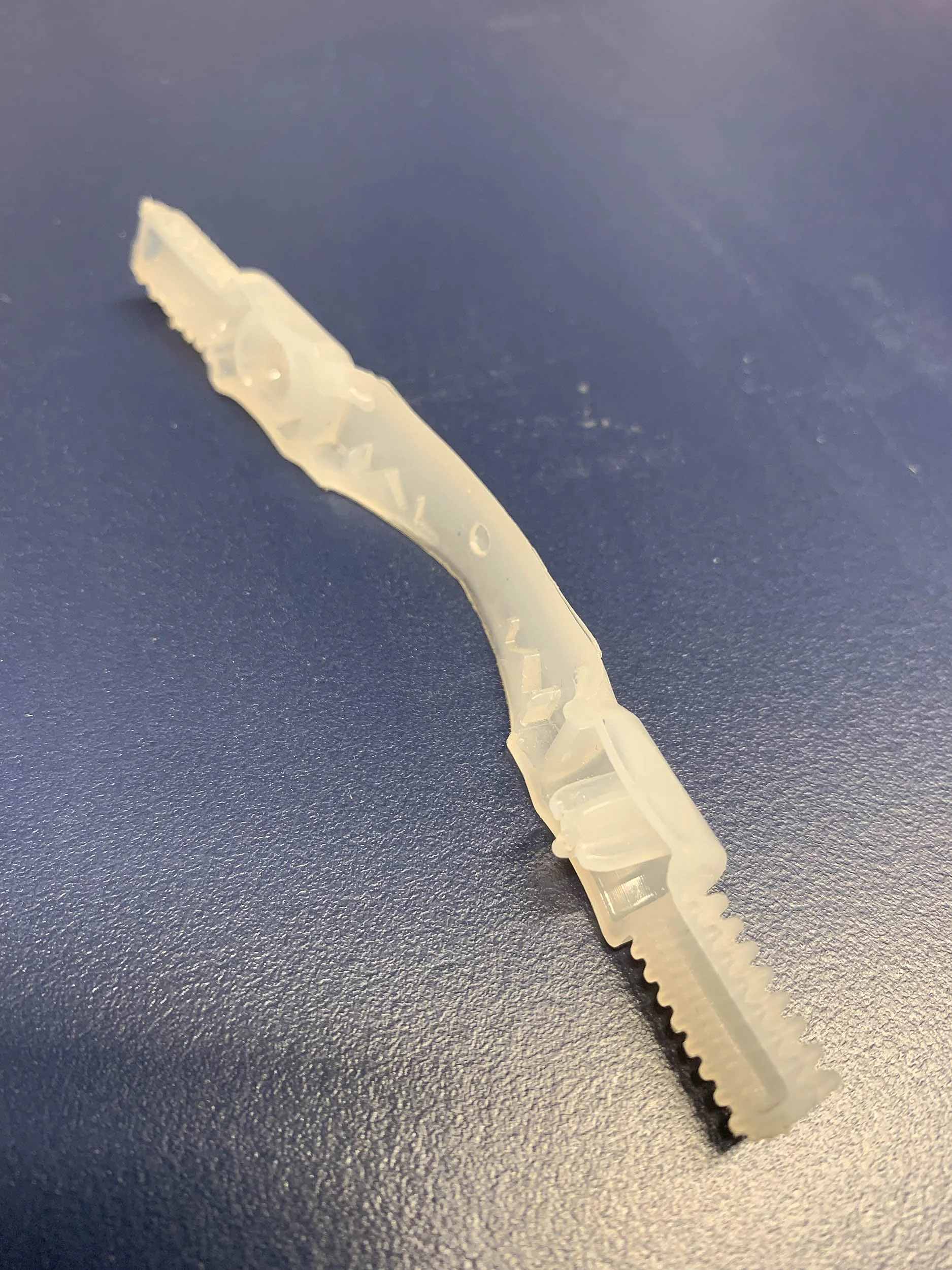
- Casting synthetic resins in moulds
- Models and moulds for clay and ceramic work
- Models and moulds for embossing sheet metal
- Model making for casting (e.g. aluminium)
Working in a study context
Work in the Modelling Workshop is tailored to the requirements of the respective project. Here, mock-ups are created for brainstorming, models for the development of moulds, and moulds for further production processes. Sculptural objects and artistic works are also created here.
Students can collaborate with external partners such as foundries to produce models and core boxes for sand moulding processes or for casting metal objects. In cooperation with glassblowing workshops, moulds for glassblowing are created.
Technical support
Matthias Henkelmann, a qualified designer and master craftsman in the Modelling Workshop, supports the work on site. He advises students on the planning and implementation of their projects, assists with technical queries and provides training in the safe use of machinery and tools.