Product design encompasses the conception and design of products and systems in the context of current social, technological and environmental issues.
Interdisciplinary, project-based learning is at the heart of our teaching. Each semester, students tackle current topics and independently develop new solutions under the individual supervision of instructors. At the Bauhaus-Universität Weimar, students benefit from a multifaceted curriculum — ideas emerge at the intersection of design, science, and technology.
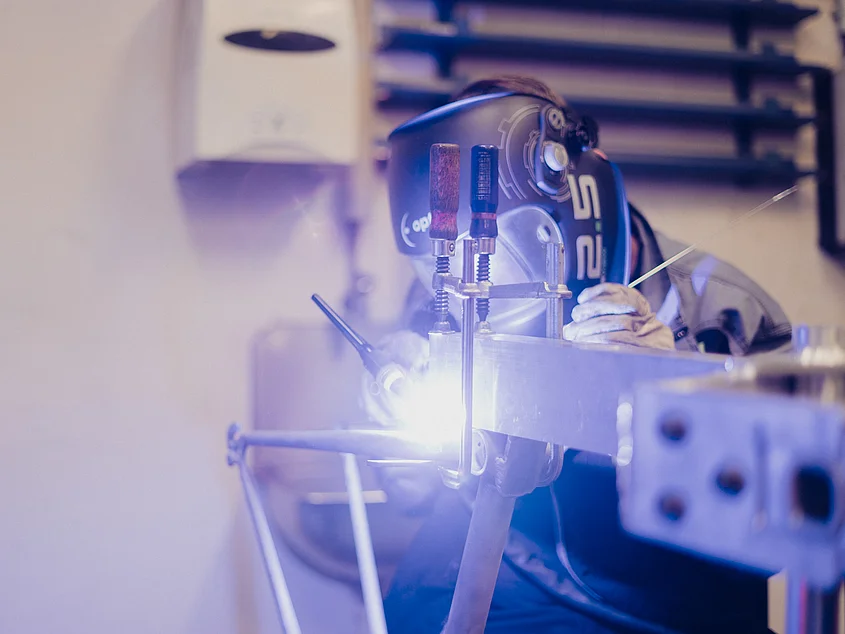
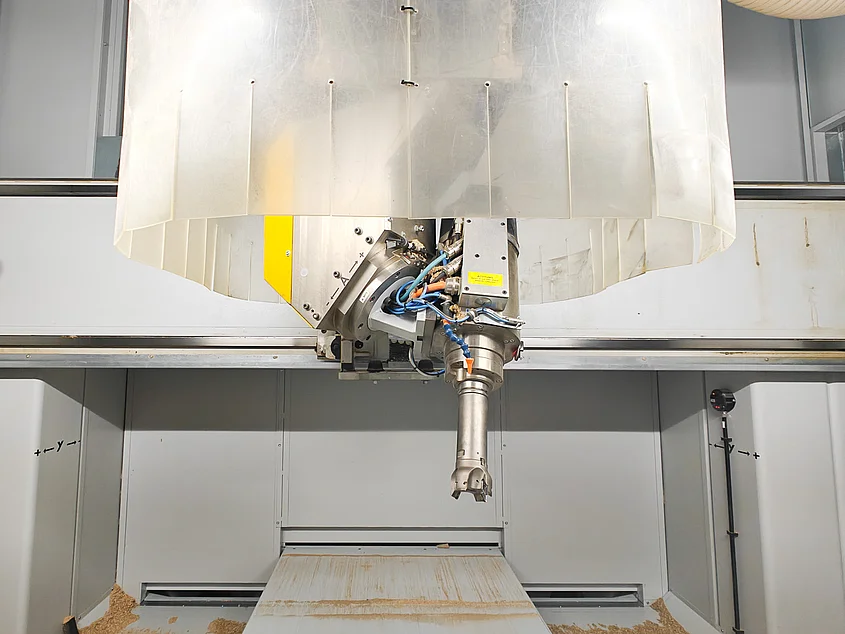
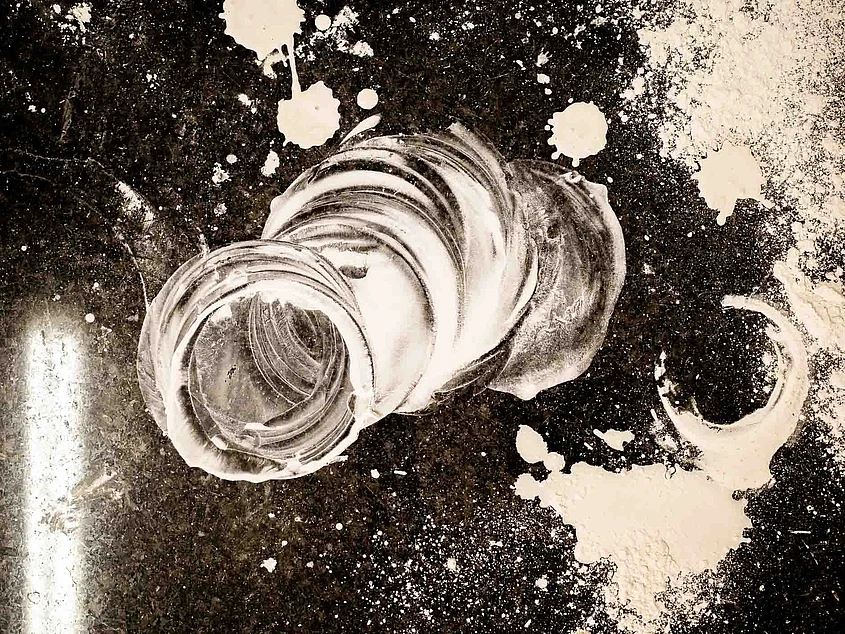
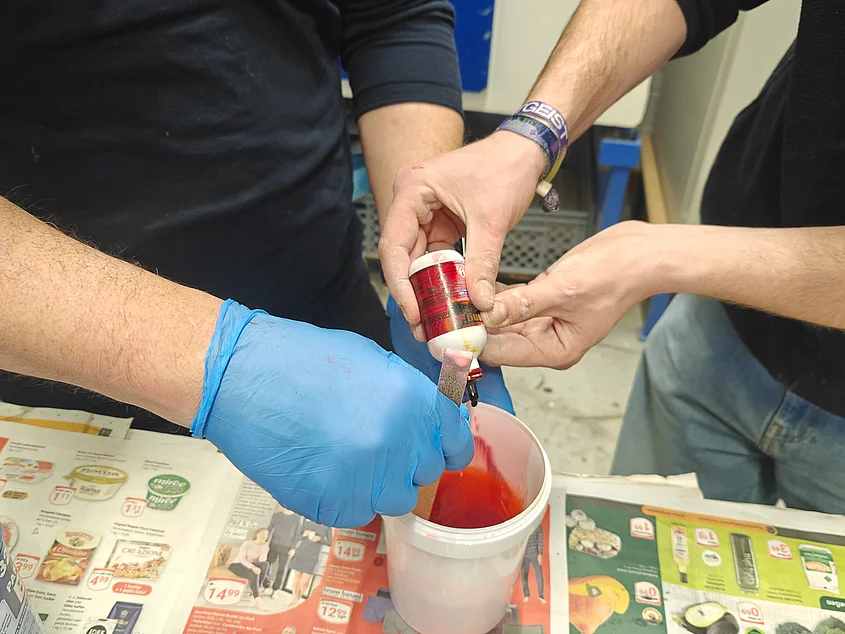
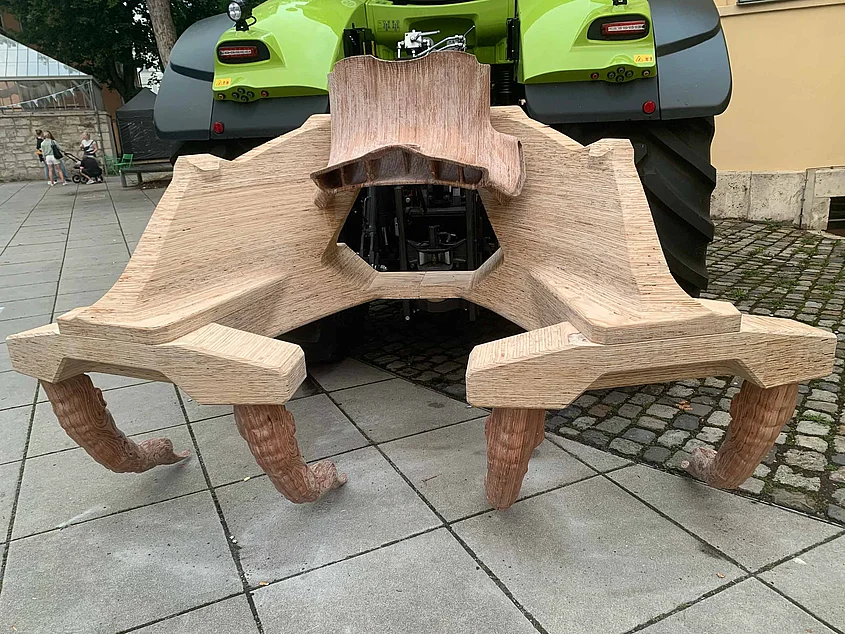
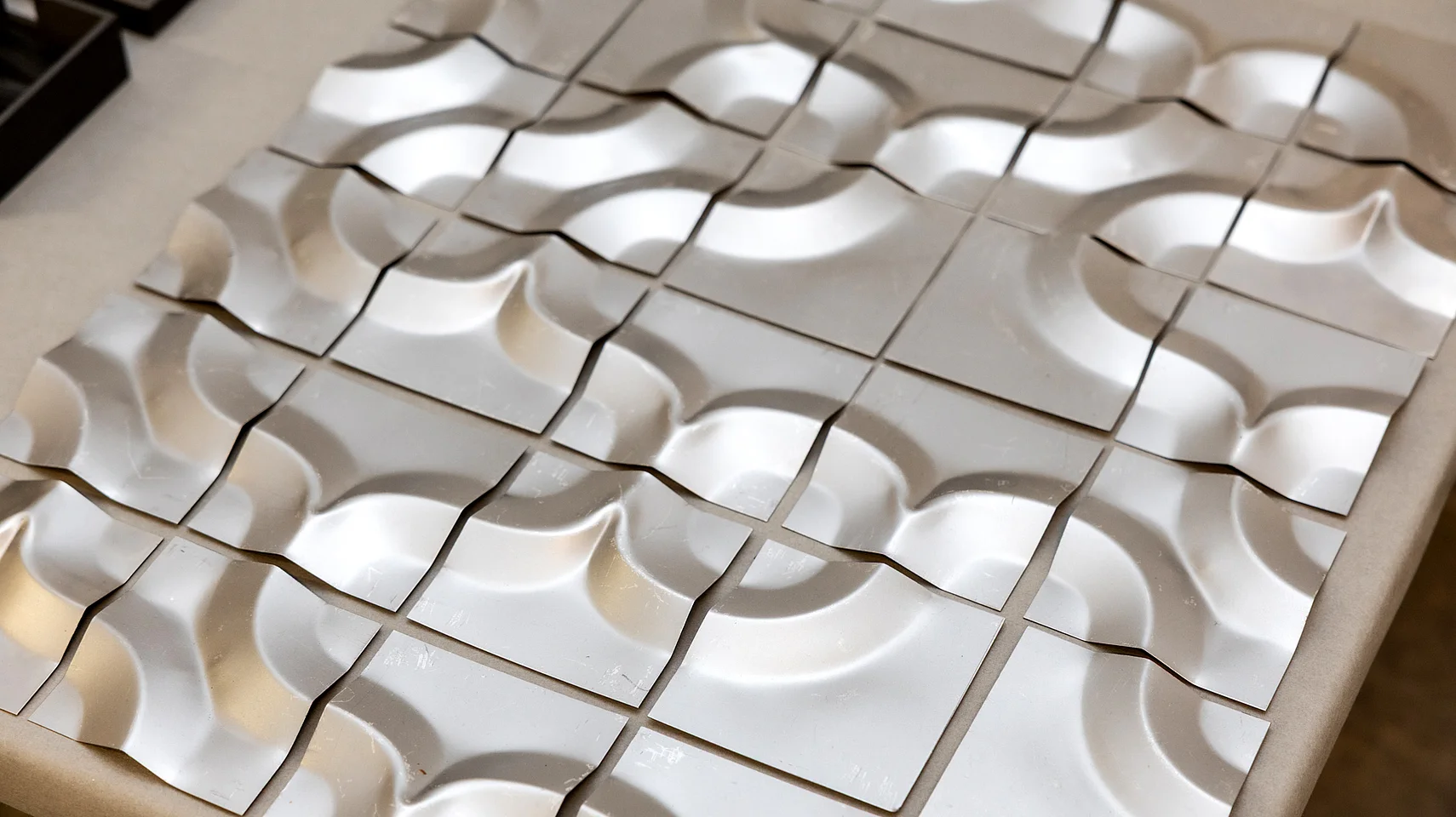
In workshops and laboratories, students work with digital methods, as well as with a broad range of physical materials such as wood, metal, plaster, ceramics, and plastics. There, they bring concepts to life through models in the early stages of a project. They then test these models on physical objects and develop them further through the interplay of thinking and making.
The program cultivates versatile professionals: designers who can create, research, and make informed decisions.

About the degree programme
Product designers work in fields as diverse as the world of physical objects that surrounds us. They create products using traditional crafting techniques, industrial mass production, and hybrid analogue/digital approaches – from conception to development to manufacturing.
The project-based degree programme in Weimar centres around conceiving and designing products and system to meet current needs and opportunities. Teaching focusses on addressing outstanding questions both individually and in groups. Students learn about design by working on concrete, experimental, or speculative projects.
Design seamlessly combines ideas and concepts, theory and practice, materials and manufacturing, analogue and digital, and experimentation and results
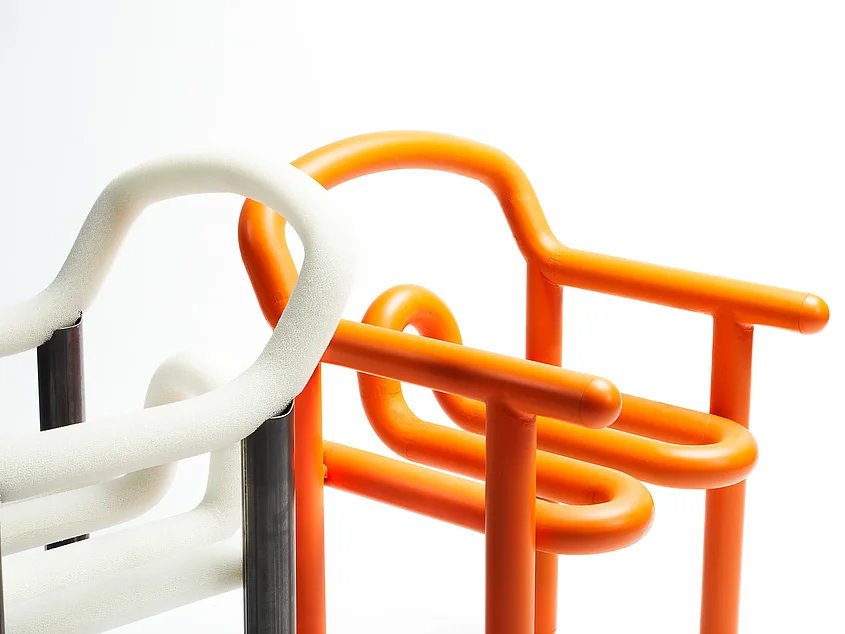
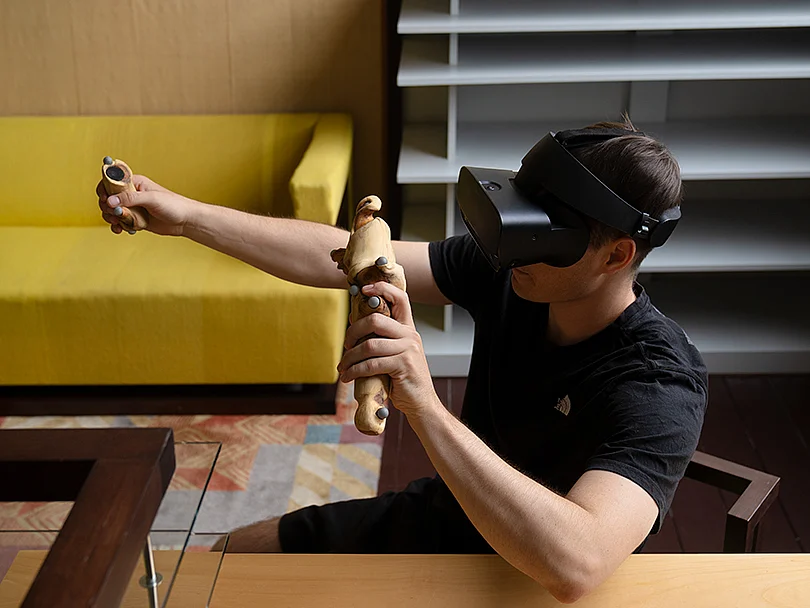
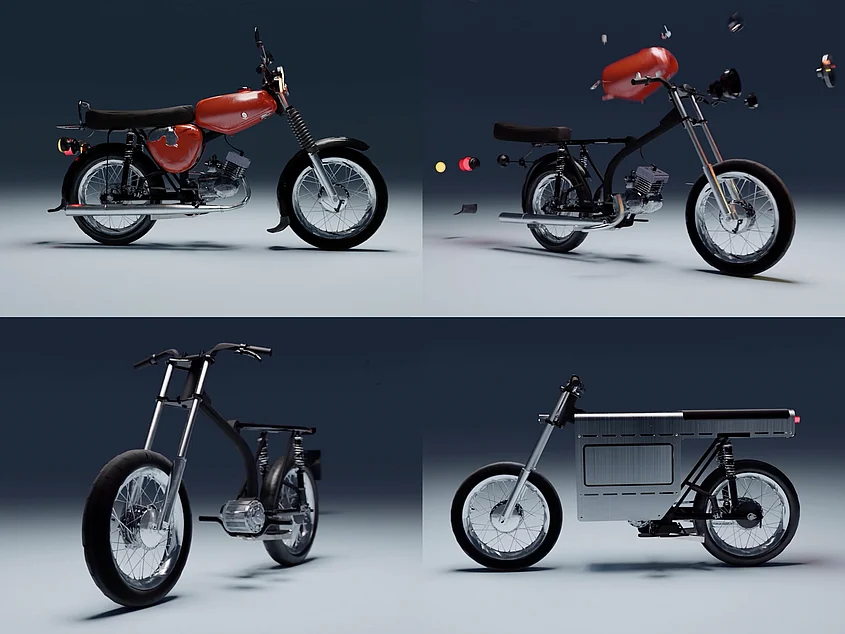
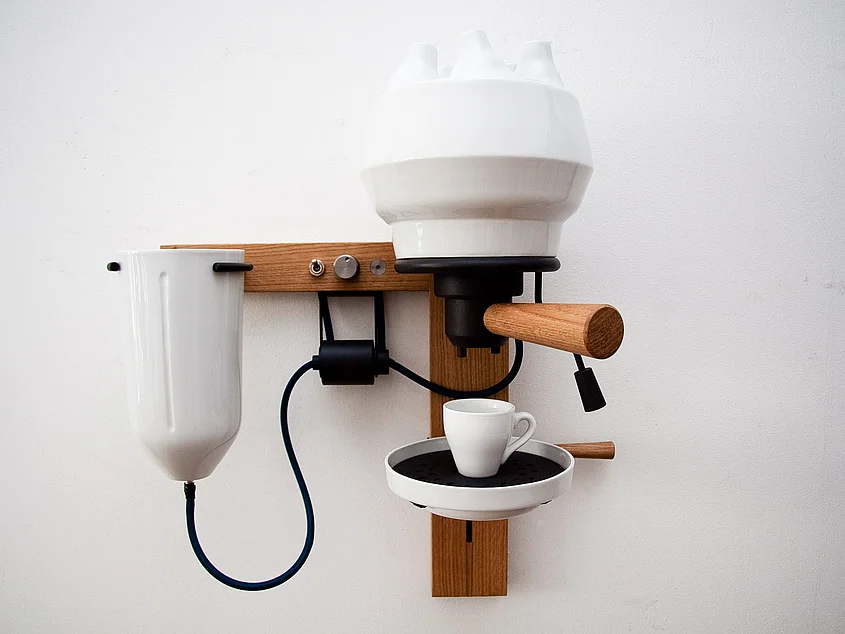
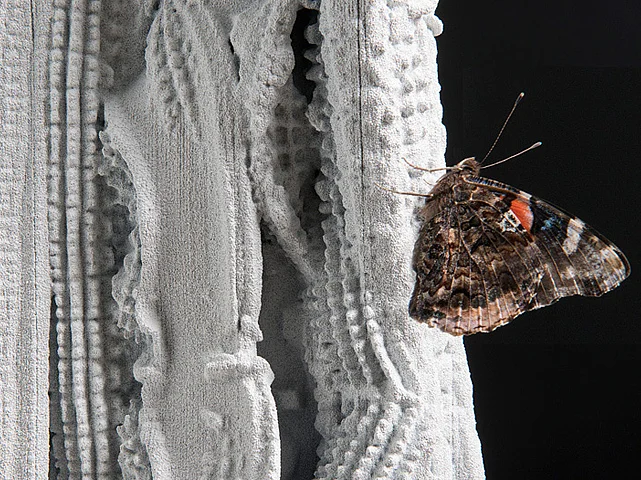
Professors from the Produktdesign (Product Design) degree programme offer new elective project topics every semester. These topics include industrial and craft design, social interaction, digital design and manufacturing, transformation, sustainable design, design and product strategies, as well as branding. The projects are interdisciplinary and developed in collaboration with external partners and interest groups. Students are also encouraged to develop their own project ideas within this project format.
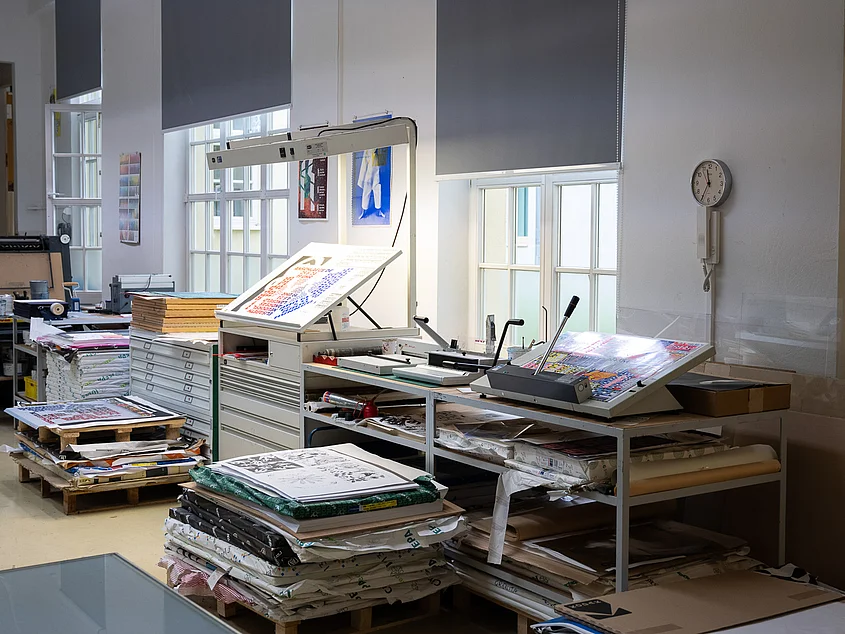
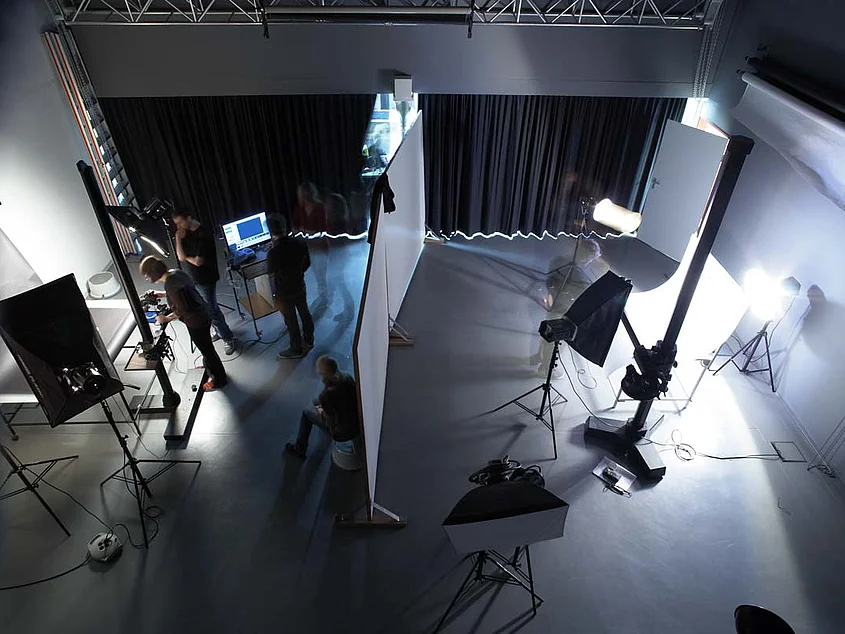
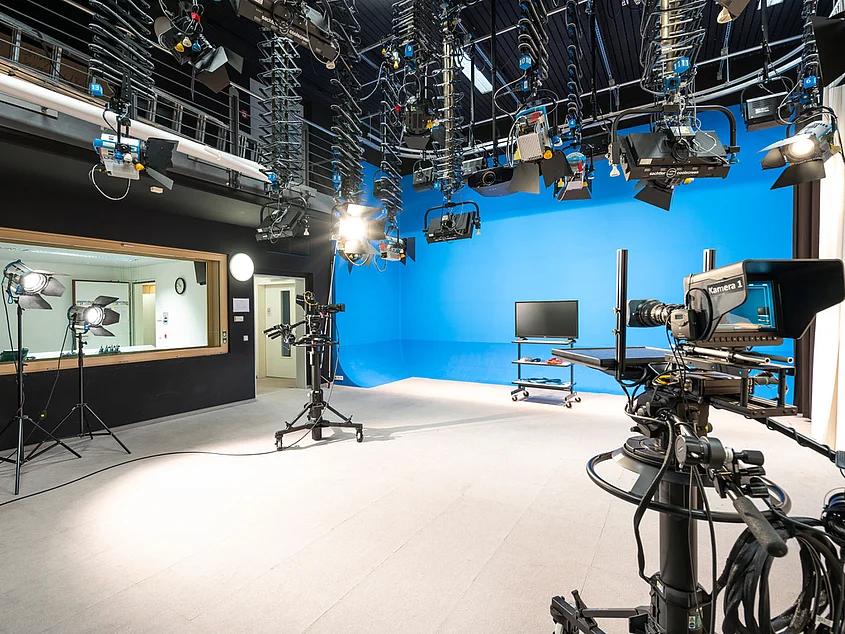
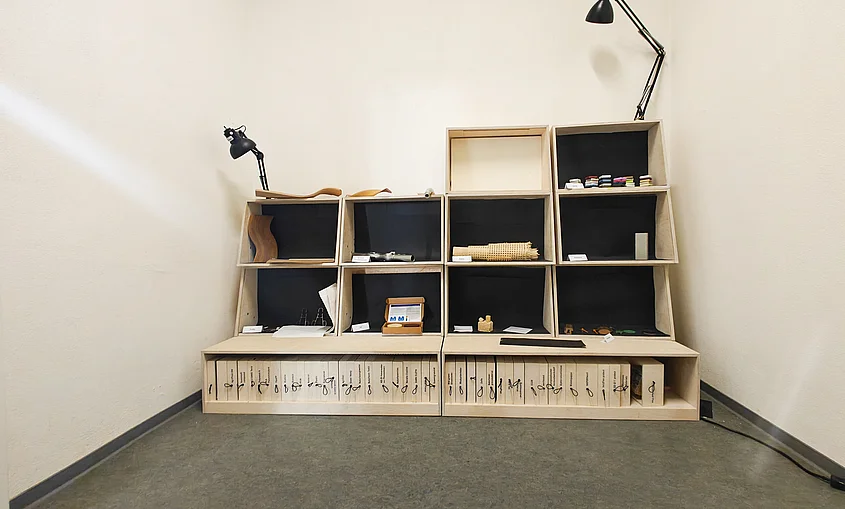
Highly equipped workshops and labs give students the possibility to work with a broad range of materials including: wood, metal, plastic, ceramics, and digital manufacturing.
The mixed-year project-based degree programme fosters a sense of community where students support and motivate one another.

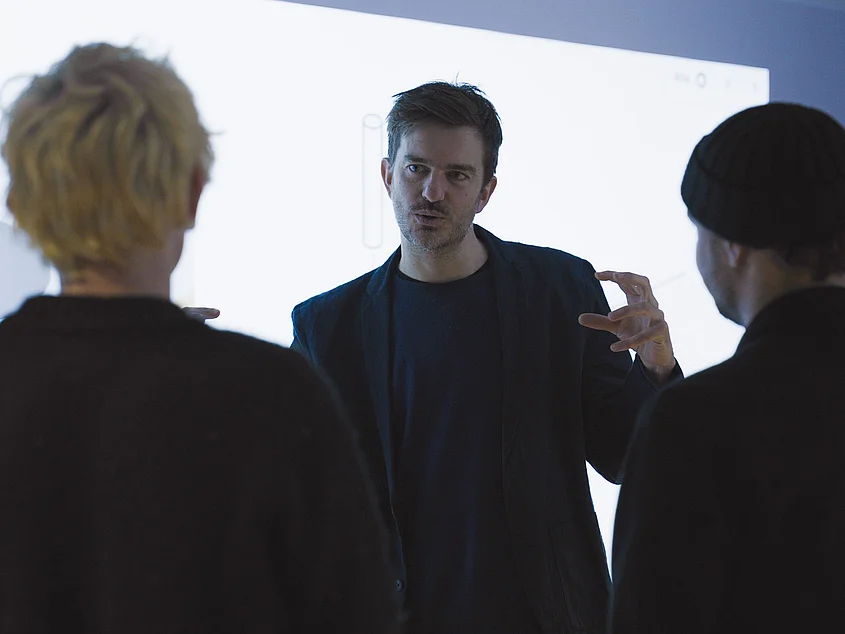

First Year: Laying the Foundation
This programme begins with the »Kurzschluss« introductory course. In this course, students work on various topics in two-week cycles, each of which is supervised by a different faculty member.
This is followed by the »Anschluss« course, which is supervised by two faculty members. In the first two weeks of the semester, students learn the main approaches to product design through project modules, specialist modules, and scientific modules. They practice analogue and digital design and presentation techniques, develop their own initial design solutions, and get to know all of the faculty members and workshops.
Third and Fourth Semesters: Choosing a Specialisation
In this phase, the programme focusses primarily on projects. Students choose specialisations from the various fields of product design and combine design, materials, technology, and academic reflection. Specialist and scientific modules supplement the projects and expand students’ knowledge. One of the projects can also be done through another degree programme. This allows students to incorporate interdisciplinary perspectives into their work.
Fifth to Seventh Semesters: Defining Your Identity
In these semesters, students continue to refine their specialisations and work with increasing independence. Individual ideas are developed through independent projects, which is supervised and supported by staff members. Students may also choose to do an internship or a semester abroad during this period. The Faculty of Art and Design has partnerships with around 75 universities worldwide.
Eighth Semester: Bachelor's Thesis
In order to successfully complete the degree programme, students must develop and implement an independent design project. A specialist module provides support for the practical implementation of the project. A preparatory module guides students through the research, analysis, and documentation phases of the project. The Bachelor's thesis includes the presentation and defence of the work.
Application process
The application for all degree programmes of the Faculty of Art and Design at the Bauhaus-Universität Weimar is exclusively conducted digitally via the Bauhaus.CampusPortal. Please register for the aptitude test – new from 2 February – by 31 March at the best. The homework will be published at the beginning of April. Please upload your application, including all required documents and the completed homework assignment, by 30 April.
The aptitude test for the degree programme is divided into three parts:
- Registration for participation in the aptitude test. We will publish a homework assignment with dates and details of the examination procedure at the beginning of April.
- Upload of the homework solution, motivation letter explaining the desire to study in the degree programme on around one A4 page, your curriculum vitae with details of your education, previous knowledge if applicable and the most recently obtained school certificate as proof of the general higher education entrance qualification
- practical examination, personal interview and presentation of up to 10 original design work samples which you please bring to the interview.
The aptitude test committee of the degree programme makes a preselection after reviewing the solution of the homework. Those who make it to the shortlist will be invited to the further aptitude test and take part in a personal interview, to which please bring up to 10 original design works. Further details on the aptitude test are regulated by the aptitude test regulations (only available in German language).
Please note that passing the aptitude test does not mean automatic admission to the degree programme. Please submit a current proof of language proficiency with your application documents, which shows that you will reach the required language level by the time of your matriculation at the latest.

Language requirements
Lessons are taught in German. You must provide proof of German language proficiency with one of the following or equivalent certificates:
- DSH-2 (Deutsche Sprachprüfung für den Hochschulzugang)
- Test Deutsch als Fremdsprache - DaF (mininum 4xTDN 4)
Prerequisite for International Students are German language skills at the level C 1 (DSH-2 or TestDAF TDN 4). If you have any questions relating to certification, please contact the colleagues at the Office of Student and Academic Affairs: studium[at]uni-weimar.de
For further information visit the website of the Language Centre.
After graduation
The Produktdesign (Product Design) degree programme prepares students for a career in a field where design, technology, research, and social responsibility are closely interconnected. Students acquire skills that are in demand across a wide range of professional fields. These include creative and technical thinking, confident use of materials and digital tools, problem-solving skills, the ability to work collaboratively, and the capacity to communicate complex ideas clearly.
Produktdesign (Product Design) graduates pursue careers in the following fields:
- Industrial design and product development
- Sustainable and transformative design
- Ergonomics and human-centred design
- Furniture and interior design
- Transportation and vehicle design
- Digital product design
- Medical product design
- Exhibition design
- Design consulting
- Design and innovation management
- Project-based work in the public sector
- Self-employment and the creative industries
- Research and teaching
The possible career paths are wide-ranging. Graduates work in companies, design consulting firms, research institutions, cultural organisations, the public sector, or as self-employed professionals. The degree programme provides the foundation for these career paths by combining design practice with critical thinking, technical expertise, and the ability to take responsibility for products, processes, and their impact.