Product design encompasses the conception and design of products and systems in the context of current social, technological and environmental issues.
Interdisciplinary, project-based learning is at the heart of our teaching. Each semester, students tackle current topics and independently develop new solutions under the individual supervision of instructors. At the Bauhaus-Universität Weimar, students benefit from a multifaceted curriculum — ideas emerge at the intersection of design, science, and technology.
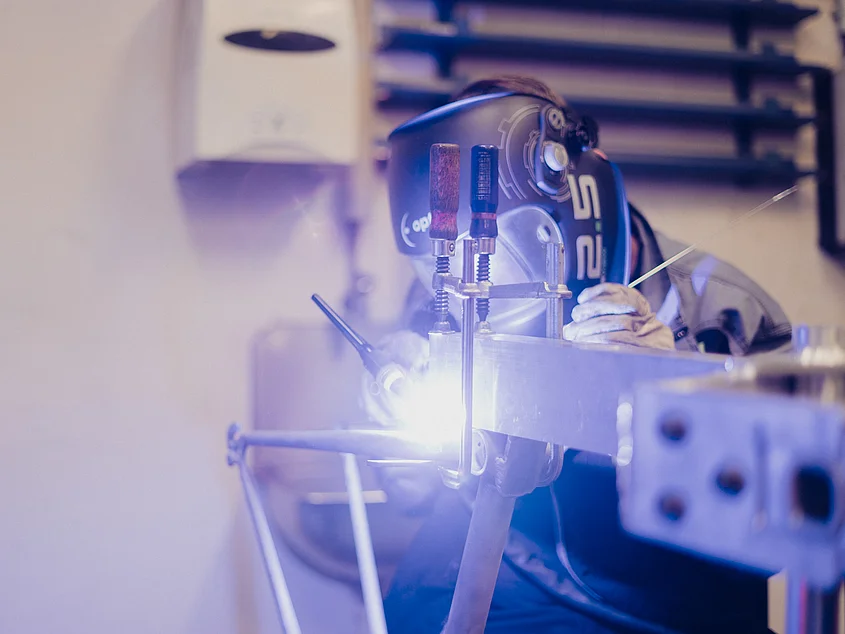
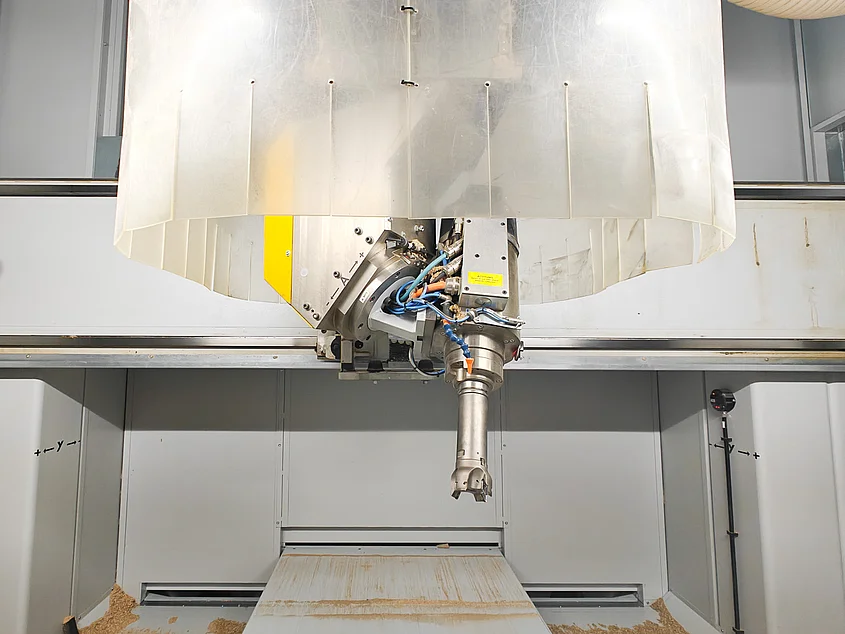
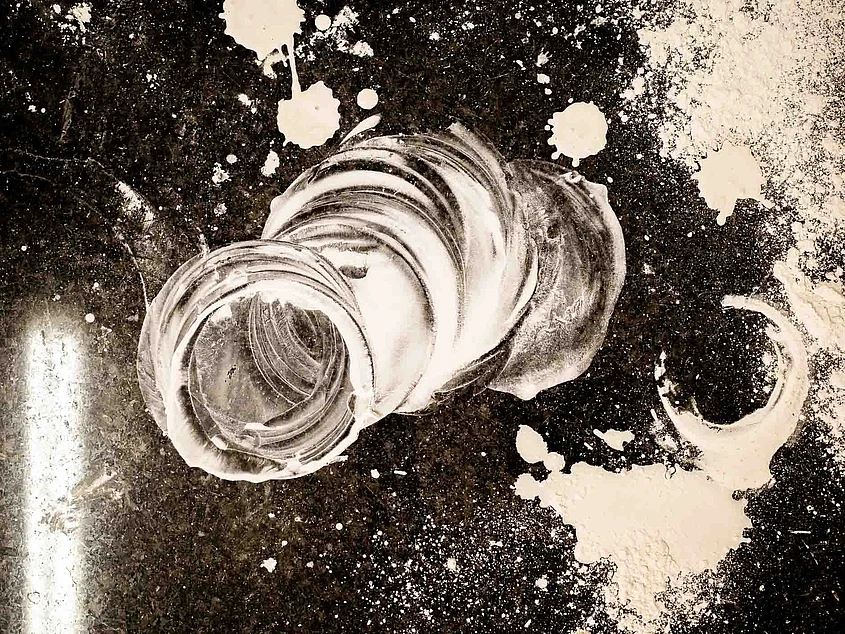
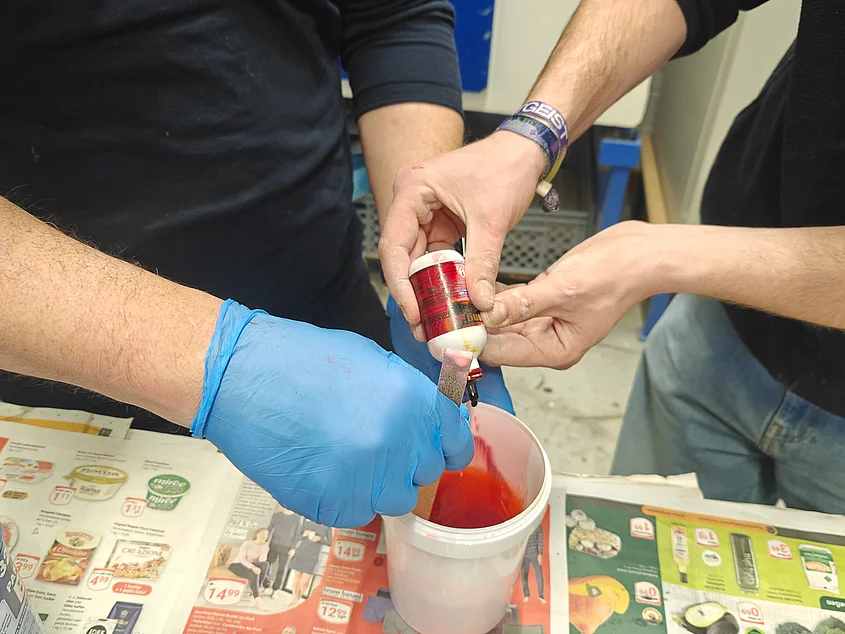
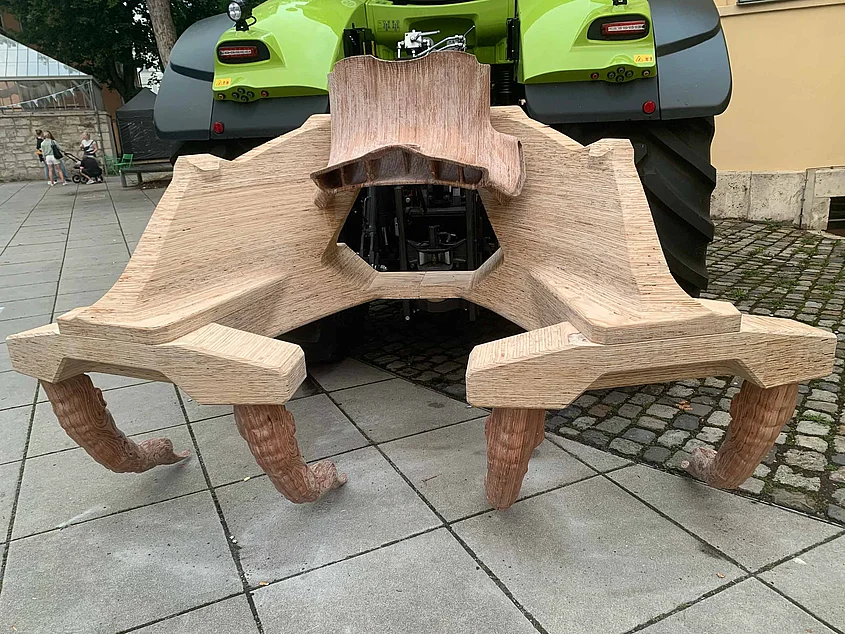
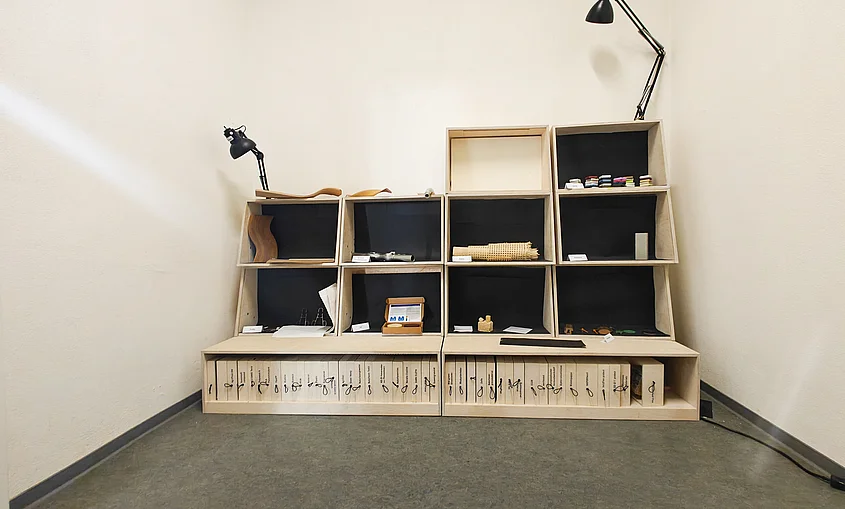
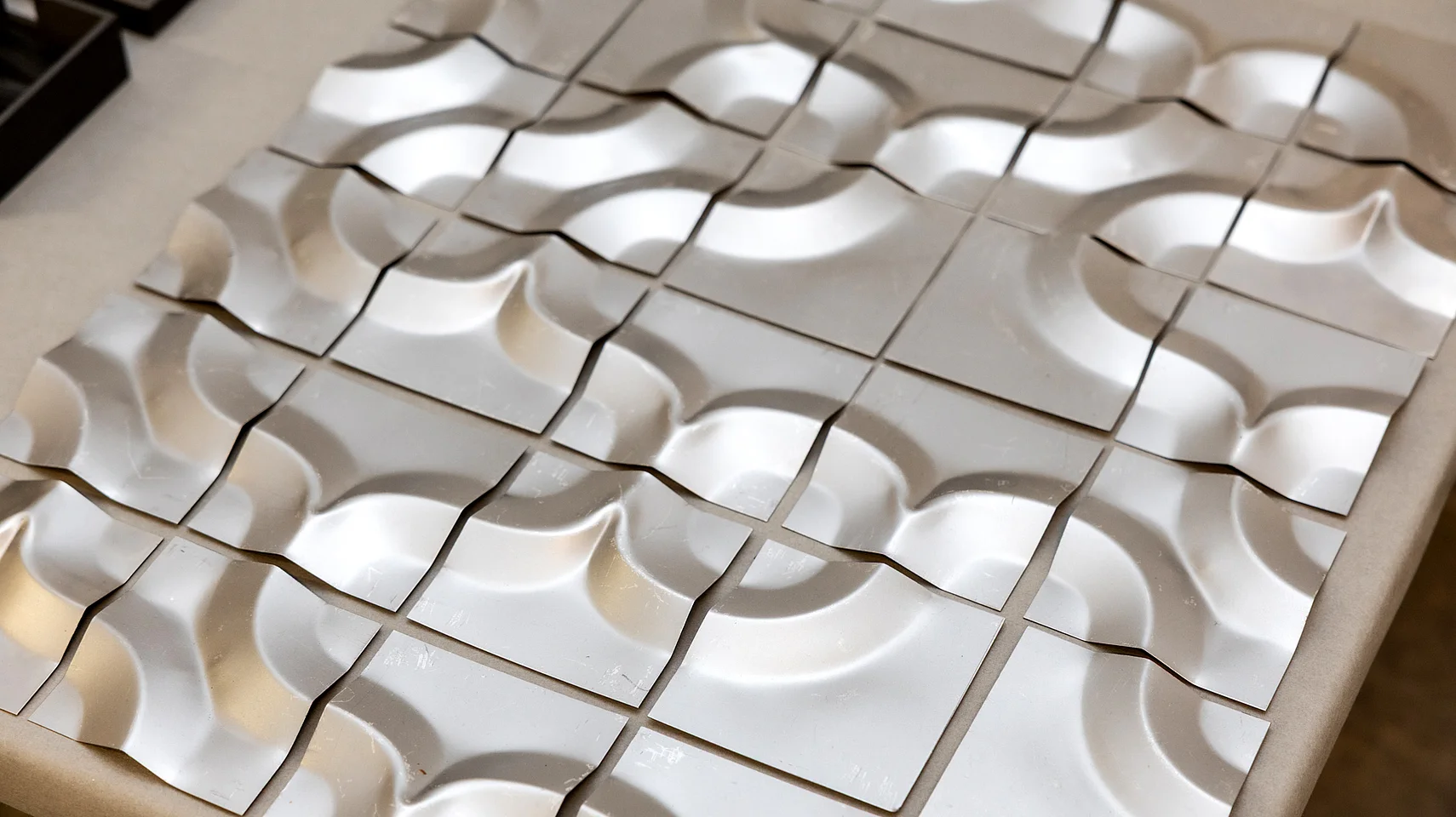
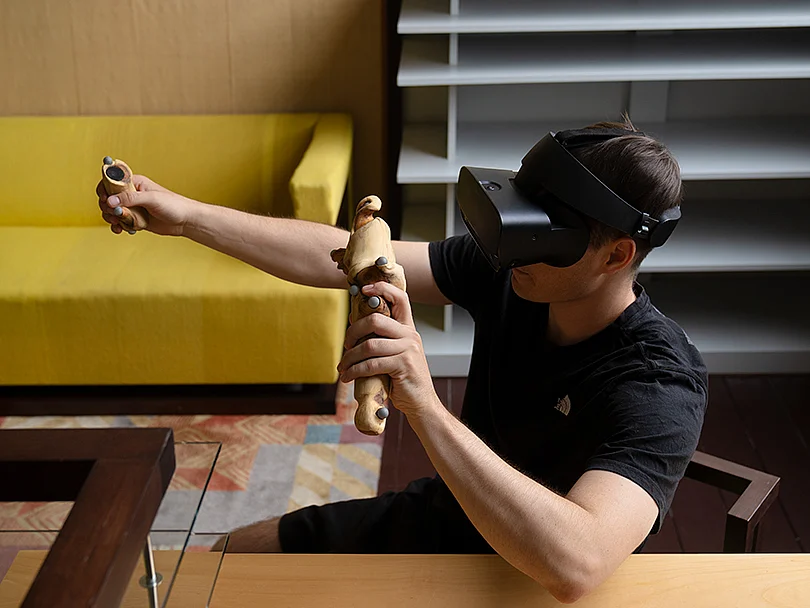
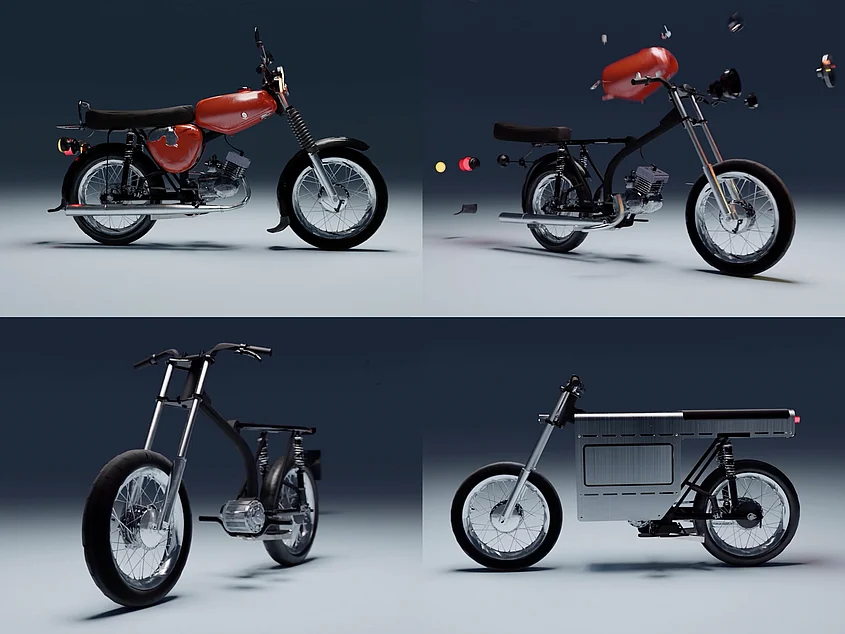
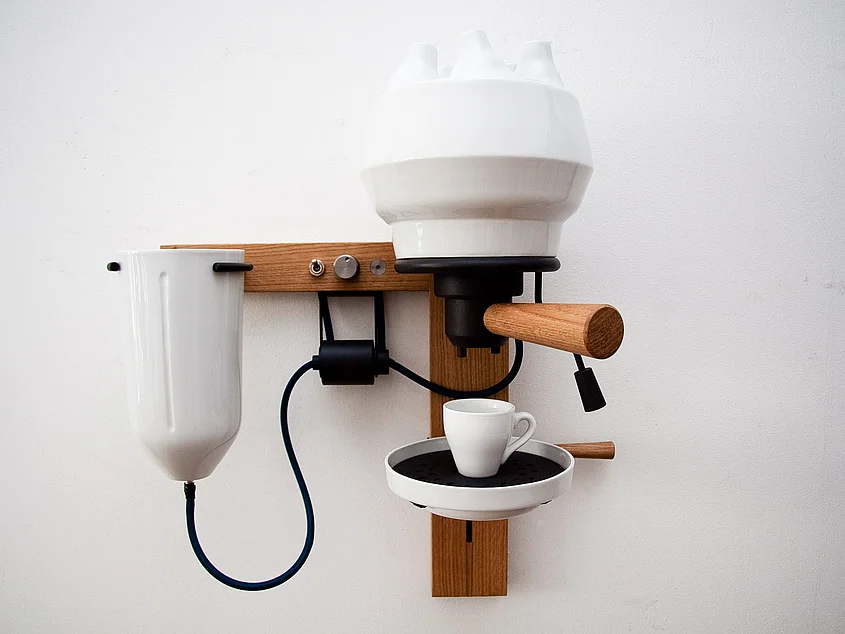
In workshops and laboratories, students work with digital methods, as well as with a broad range of physical materials such as wood, metal, plaster, ceramics, and plastics. There, they bring concepts to life through models in the early stages of a project. They then test these models on physical objects and develop them further through the interplay of thinking and making.
The program cultivates versatile professionals: designers who can create, research, and make informed decisions.

About the degree programme
The Master of Arts in Product Design provides students with the space and time to further develop and deepen their own design approach while positioning themselves in relation to present and future challenges. The programme fosters research, analysis, and the refinement of relevant professional contexts and interconnections.
The M.A.-programme follows the unique ‘Weimar Model’, which focusses mainly on the project as a central study unit. The project module is supported by history and theory seminars as well as workshops and specialist modules, which are largely oriented towards the project requirements. The programme serves the in-depth practical and theoretical exploration of specialised fields of enquiry, which are closely and individually supervised by the degree programme's teaching staff.

The programme allows students to choose from a wide range of topics including the areas of industrial design, design and management, emerging technologies and design, transformation design, design theory and design research. In addition, interdisciplinary and transdisciplinary exchange is encouraged, in particular through collaboration with other faculties, industry partners and external stakeholders.
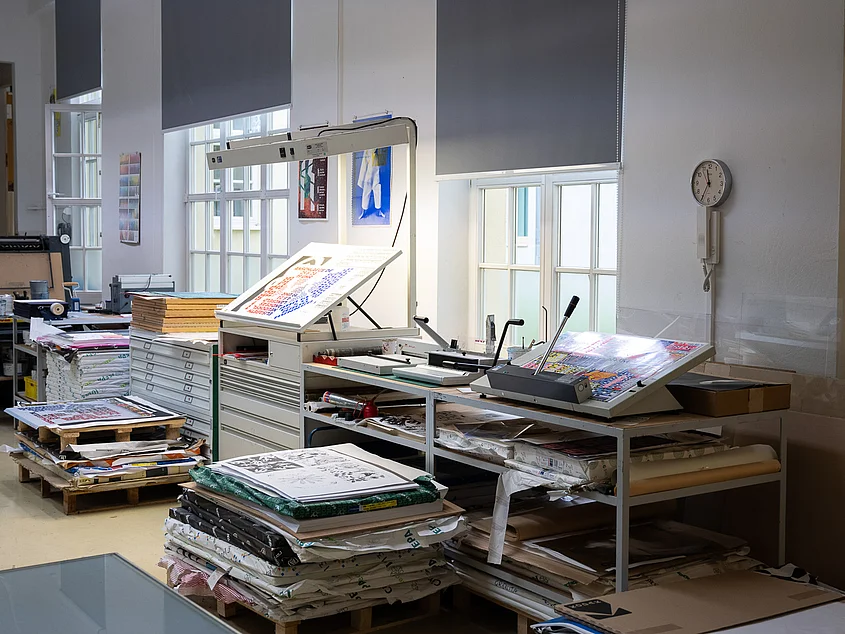
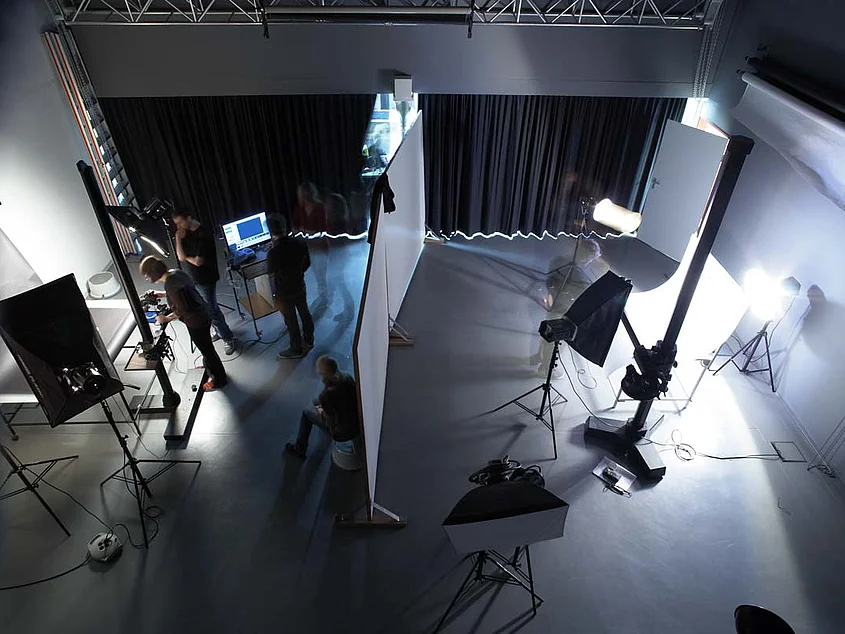
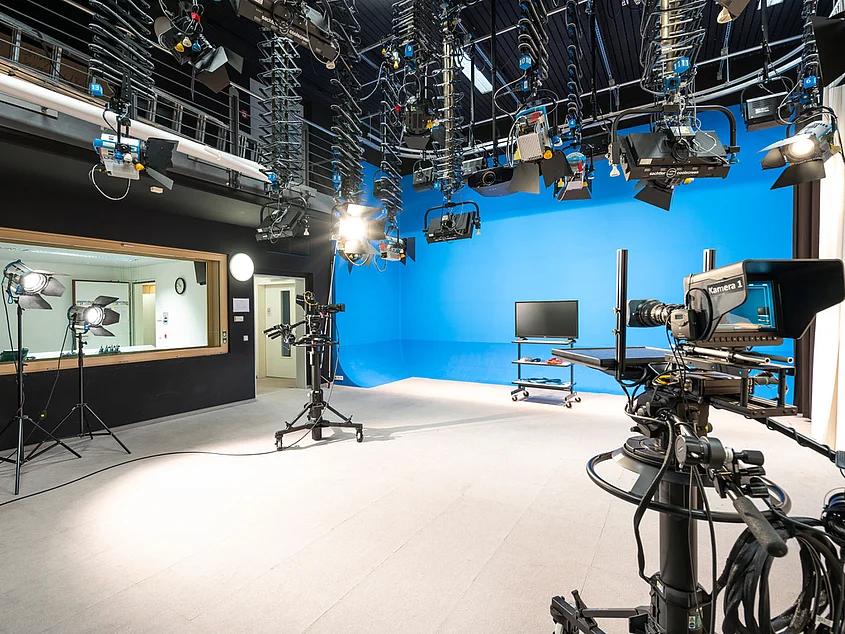
In an atmosphere of togetherness and collaboration within the entire degree programme, projects are created on campus that foreshadow the students' own design practice. In an environment with a lively study culture and excellently equipped workshops, labs and studios, students are supported by the diverse professorships with their projects. They also have the opportunity to present their work in the Master’s Research Seminar (»Masterkolloquium«).
The prescribed period of study, which includes the completion of the master's thesis, is two semesters. Candidates may only enrol in this degree programme in the winter semester.



Degree Dependent: Bridge Semester
The duration of a Master’s degree programme depends on the undergraduate degree. Students who have completed an eight-semester Bachelor’s degree programme may directly begin the Master’s degree programme. A bridge semester is required for students who have completed a seven-semester Bachelor’s degree programme; tow bridge semesters are required for those who have completed a six-semester Bachelor's degree programme. During the bridge semesters, students build their disciplinary and academic foundations while preparing for work in their chosen specialization.
Project Semester
During the project semester, students develop an independent design work on their own design question based on their chosen specialisation. The Master’s project is based on this and carried out from its initial concept to its final implementation. Specialist and scientific modules are completed as part of the process and help students develop their methodological and theoretical skills.
Application process
The application for all degree programmes of the Faculty of Art and Design at the Bauhaus-Universität Weimar is exclusively conducted digitally via the Bauhaus.CampusPortal. Registrations for the aptitude tests are possible from – attention NEW – 2 February of the year. Please complete your application by uploading all necessary documents by 31 March.
To apply for the aptitude test, please submit the following documents online via our Bauhaus.CampusPortal:
- University-entrance diploma (Abitur)
- Curriculum vitae
- Letter of motivation (one page, DIN A4) explaining the desire to study and work and a focus of study
- a portfolio containing samples of design work
- Copy of the certificate from a university degree (Bachelor, Diploma or comparable degree)
- Copy of proof of native-speaker proficiency in German (copy high school diploma (Abitur)
or
first professional qualification in a German-speaking country
or
Proof of language proficiency in the German language at level C 1 of the Common European Framework of Reference (CEFR) by language certificates DSH-2 or TestDAF (4 x TDN 4) or equivalent - Copy of your identity card or passport
- Passport photo (for your student ID card)
You will be invited to take the oral examination part of the aptitude test after the examination committee has evaluated your submitted samples (portfolio) and decided that you may proceed (pre-selection). You will be informed in writing of the result of the aptitude test no later than four weeks after the test has been completed. Further details on the aptitude test are regulated by the aptitude test regulations (only available in German language).
Language requirements
Lessons are taught in German. You must provide proof of German language proficiency. Prerequisite for International Students are German language skills at the level C 1 (DSH-2 or TestDAF TDN 4).
If you have any questions relating to certification, please contact the colleagues at the Office of Student and Academic Affairs: studium@uni-weimar.de.
Please note that passing the aptitude test does not mean automatic admission to the degree programme. Please submit a current proof of language proficiency with your application documents, which shows that you will reach the required language level by the time of your matriculation at the latest.
For further information please visit the website of the Language Centre.
After graduation
The Produktdesign (Product Design) degree programme prepares students for a career in a field where design, technology, research, and social responsibility are closely interconnected. Students acquire skills that are in demand across a wide range of professional fields. These include creative and technical thinking, confident use of materials and digital tools, problem-solving skills, the ability to work collaboratively, and the capacity to communicate complex ideas clearly.
Produktdesign (Product Design) graduates pursue careers in the following fields:
- Industrial design and product development
- Sustainable and transformative design
- Ergonomics and human-centred design
- Furniture and interior design
- Transportation and vehicle design
- Digital product design
- Medical product design
- Exhibition design
- Design consulting
- Design and innovation management
- Project-based work in the public sector
- Self-employment and the creative industries
- Research and teaching
The possible career paths are wide-ranging. Graduates work in companies, design consulting firms, research institutions, cultural organisations, the public sector, or as self-employed professionals. The degree programme provides the foundation for these career paths by combining design practice with critical thinking, technical expertise, and the ability to take responsibility for products, processes, and their impact.