Search

Frequently Searched Pages

Deutsch

Accessibility

Zahl 30 als Symbol für das Namensjubiläum der Bauhaus-Universität Weimar

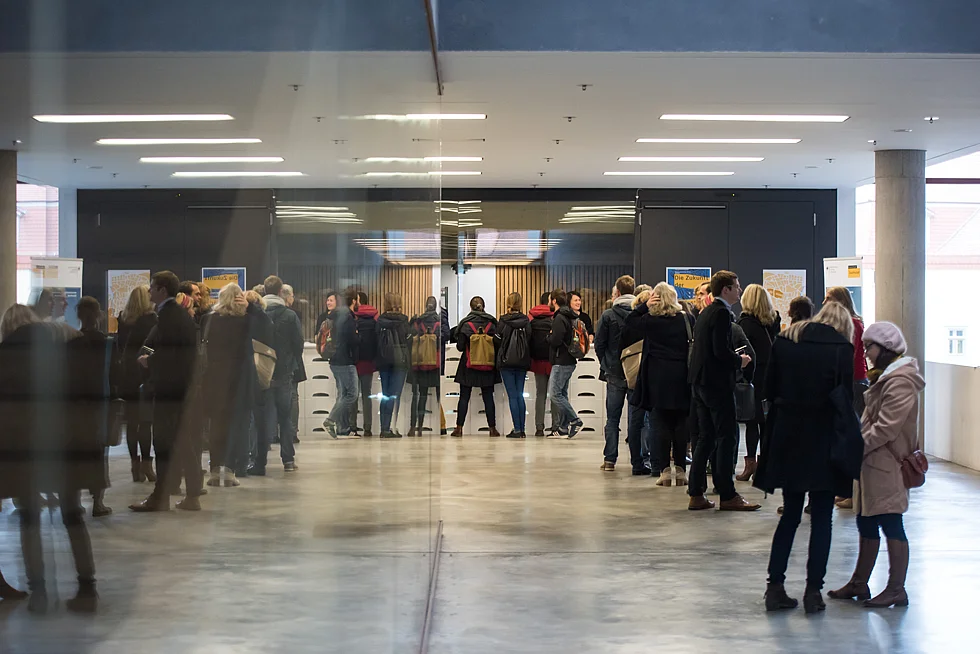
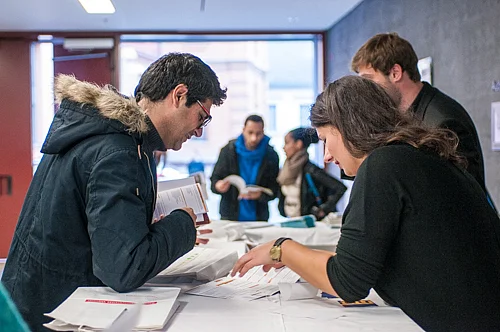
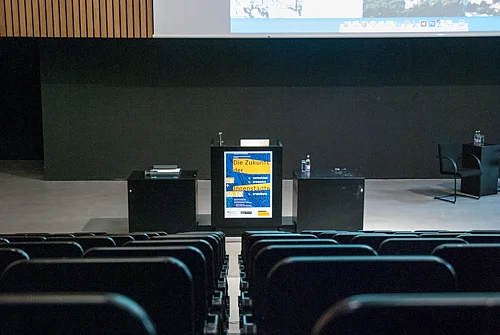
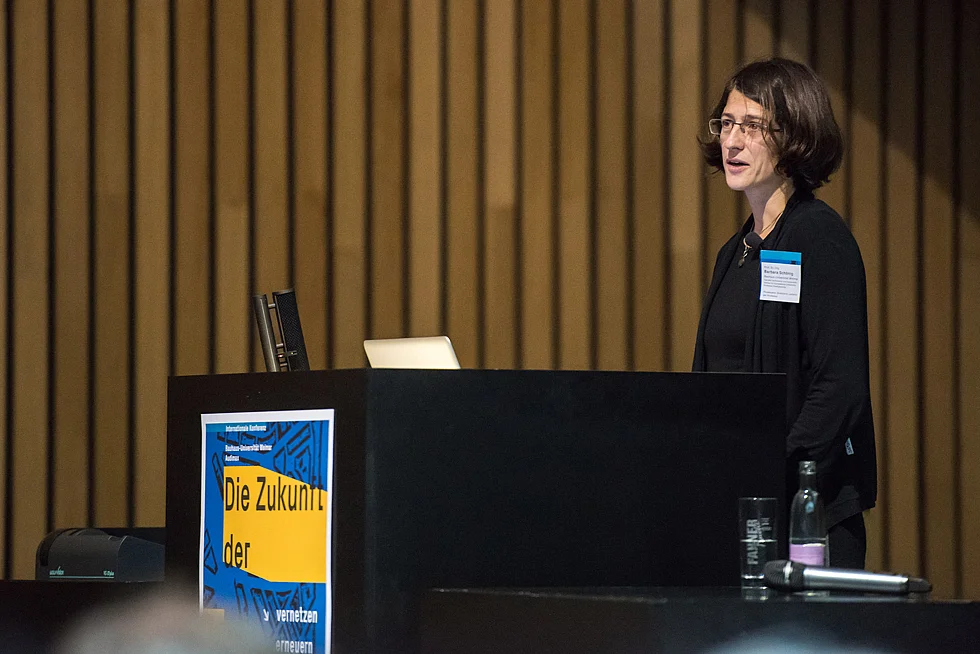
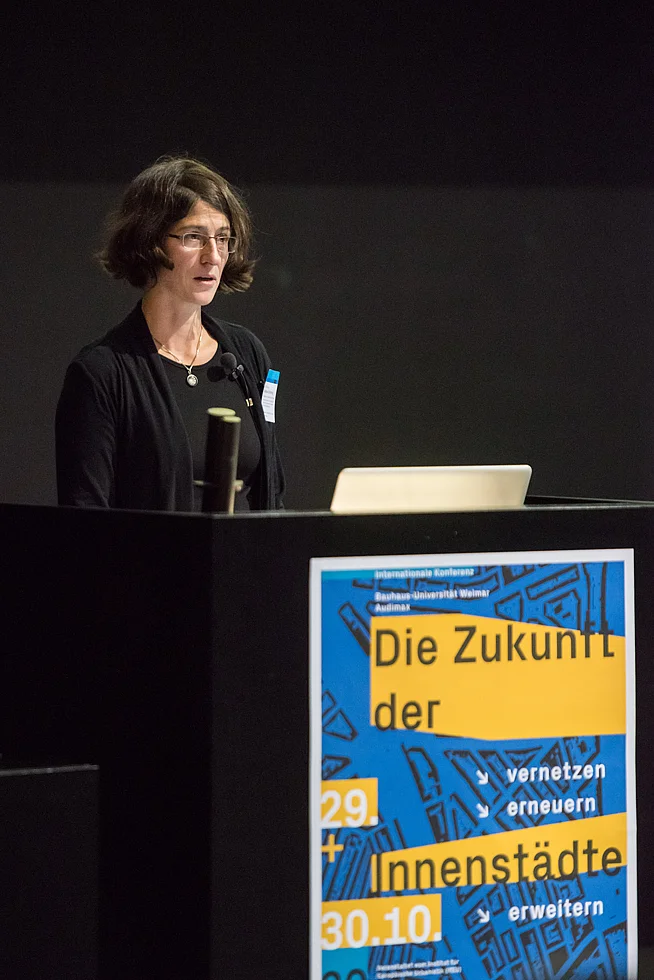
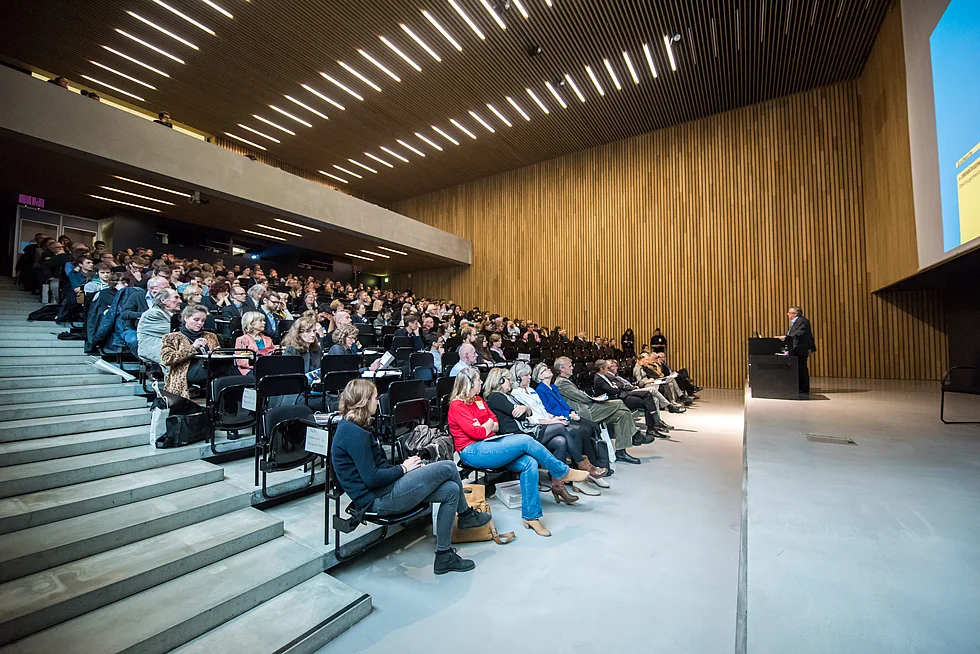
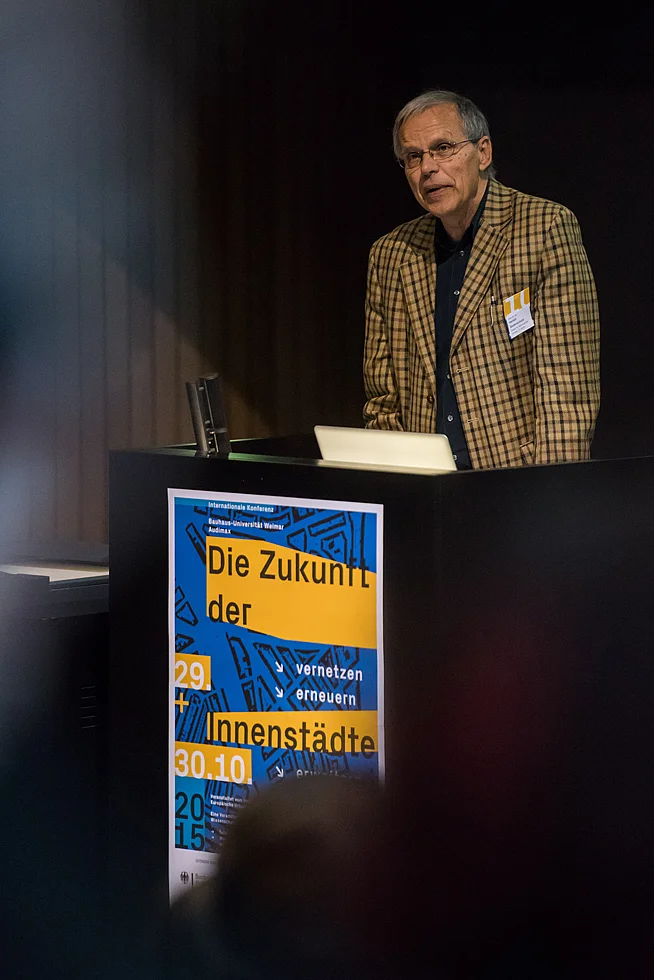
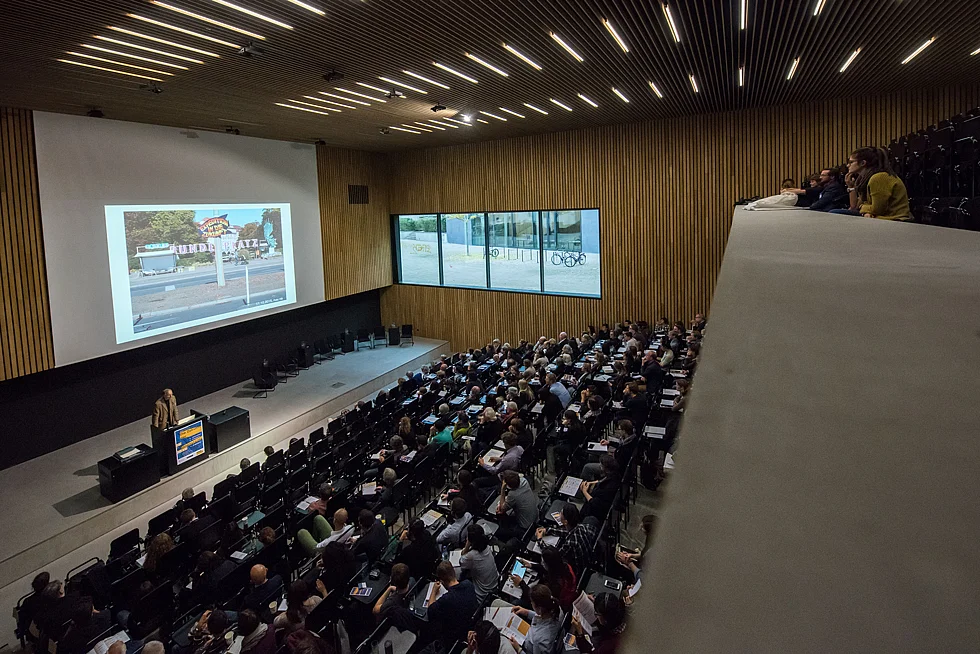
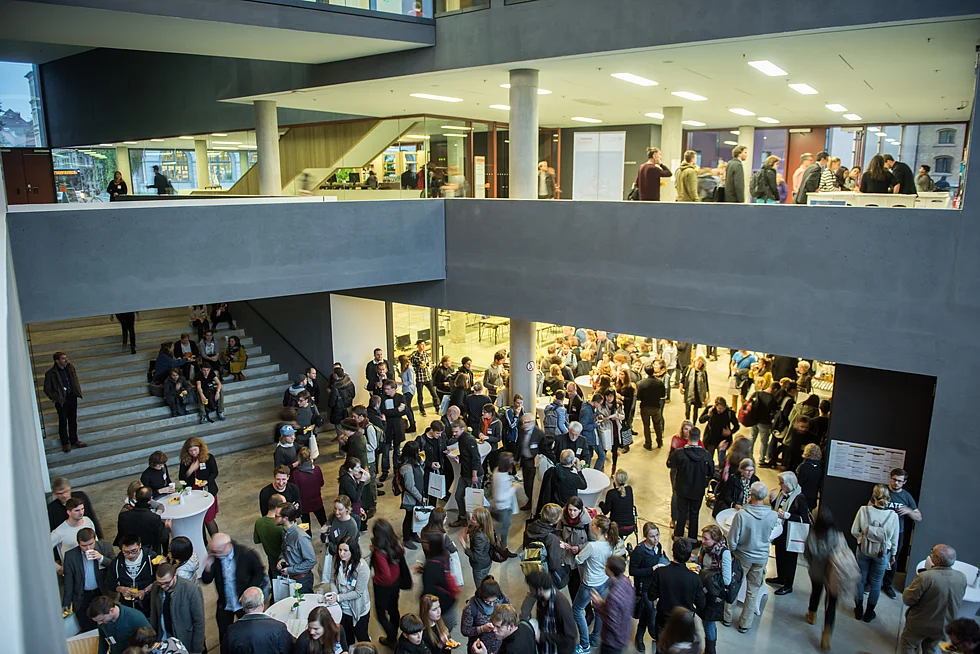
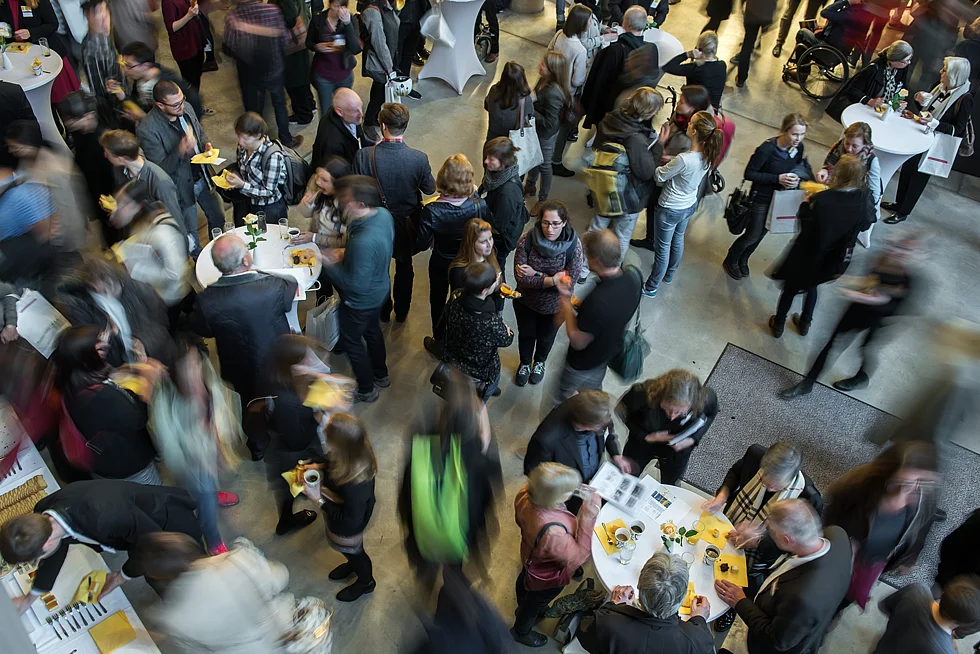
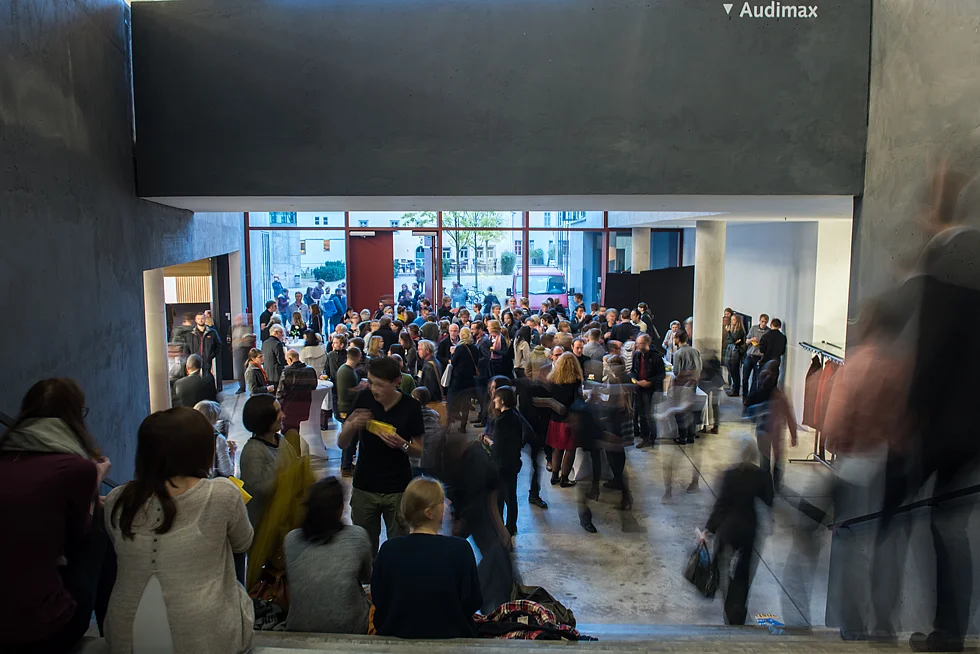
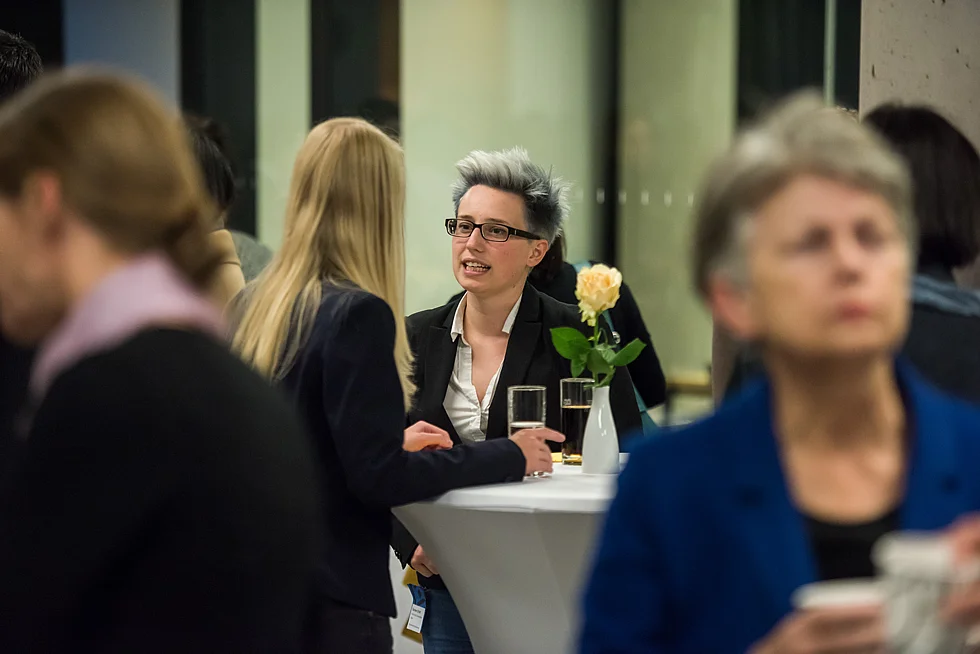
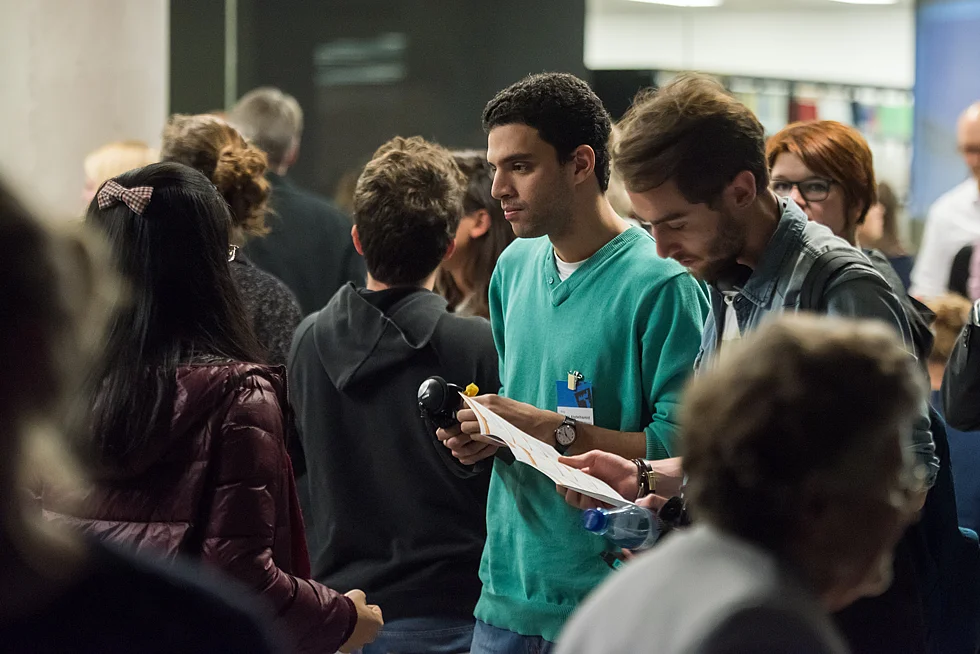
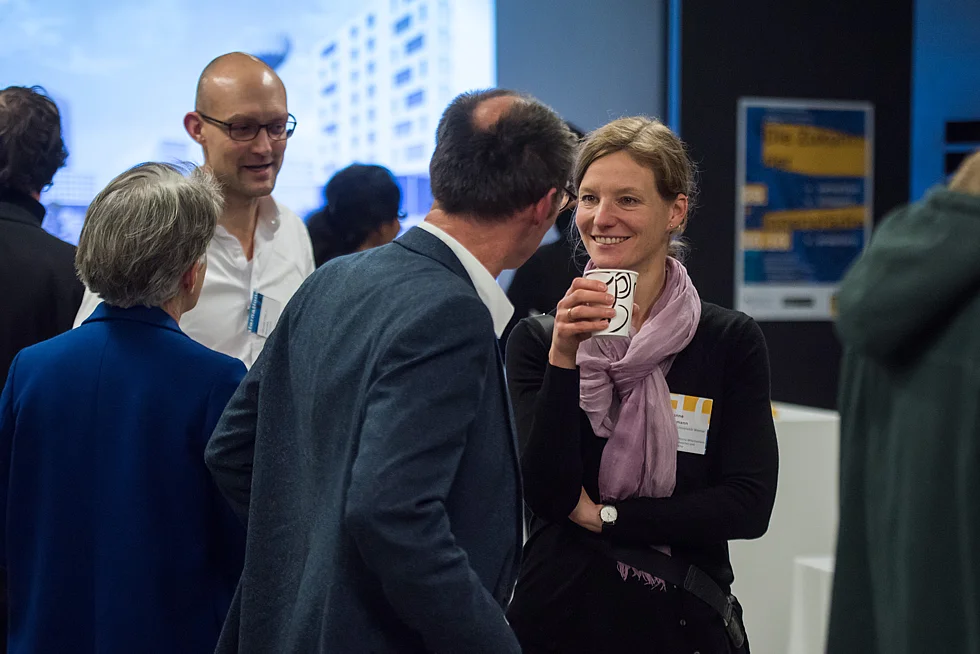
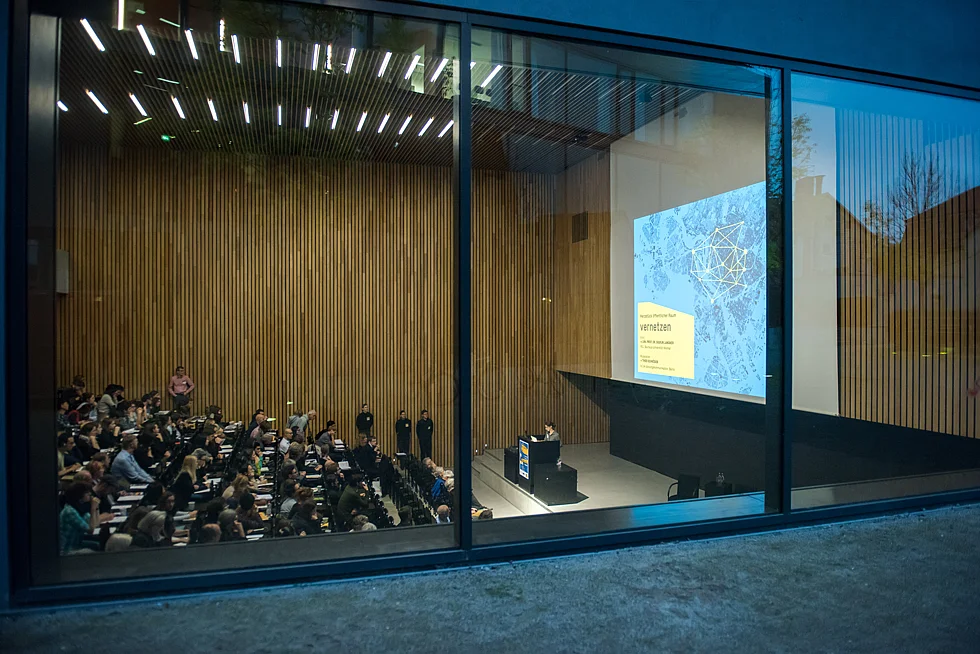
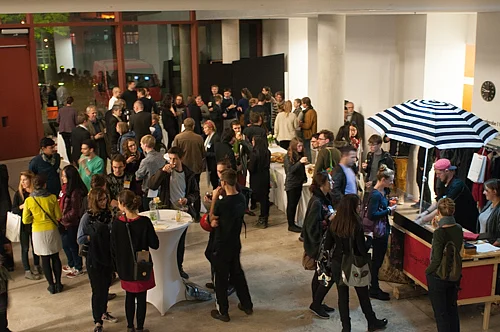
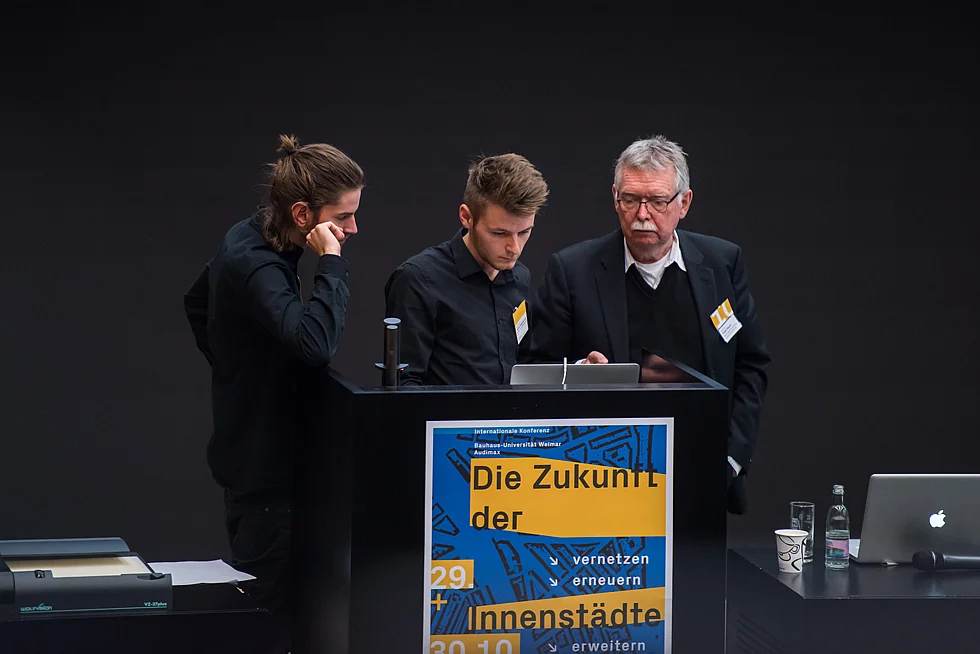
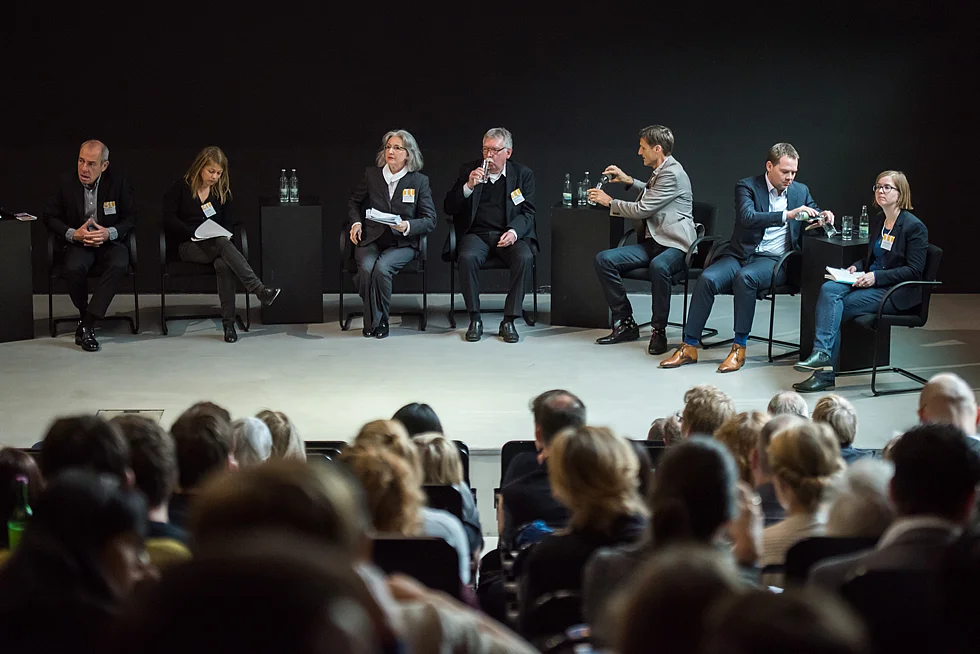
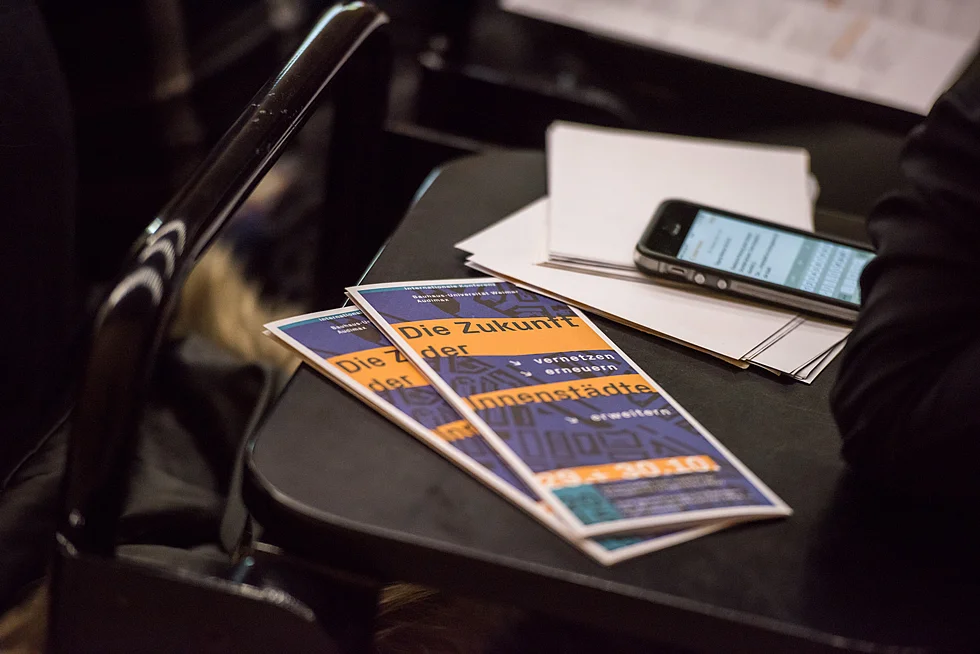
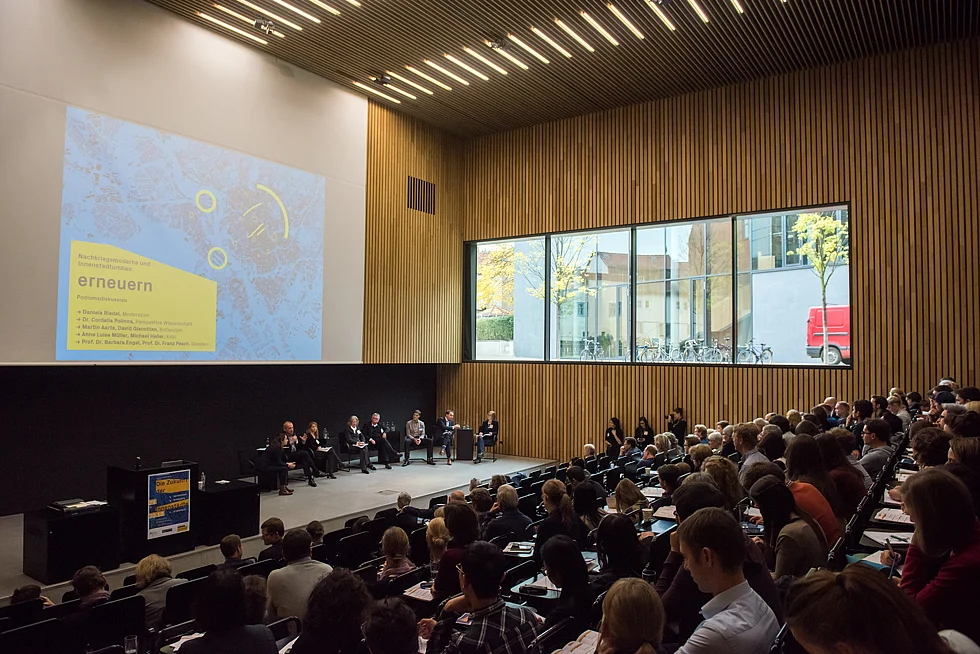
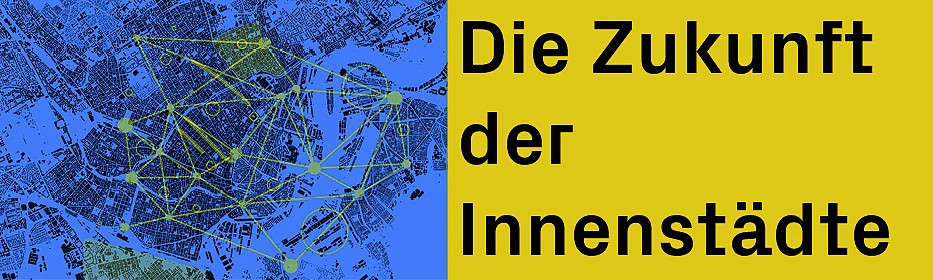
As part of the 2015 Year of Science – City of the Future, the Institute for European Urban Studies at the Bauhaus-Universität Weimar hosted the conference ‘The Future of City Centres’ from 29 to 30 October 2015.

Funded by the Federal Ministry of Education and Research, this international conference was organised jointly by the professorships of StadtArchitektur, Landscape Architecture and Planning, Urban Planning, Conservation and History of Architecture, and Urban Design I.

The results of the conference are made available on these pages as online documentation. You can read about the content of the panels on the relevant pages. You will also find additional contributions there by Dr Juliane von Hagen (née Pegels), Dr Cordelia Polinna and Prof. Sophie Wolfrum, who introduced the three panels on the following topics:

Panel 1 ‘Connecting: The Heart of Public Space’ (Dr Juliane von Hagen)
Panel 2 ‘Renewing: Post-war Modernism and City Centre Redevelopment’ (Dr Cordelia Polinna)
Panel 3 ‘Expanding: New Inner-City Districts” (Professor Sophie Wolfrum)


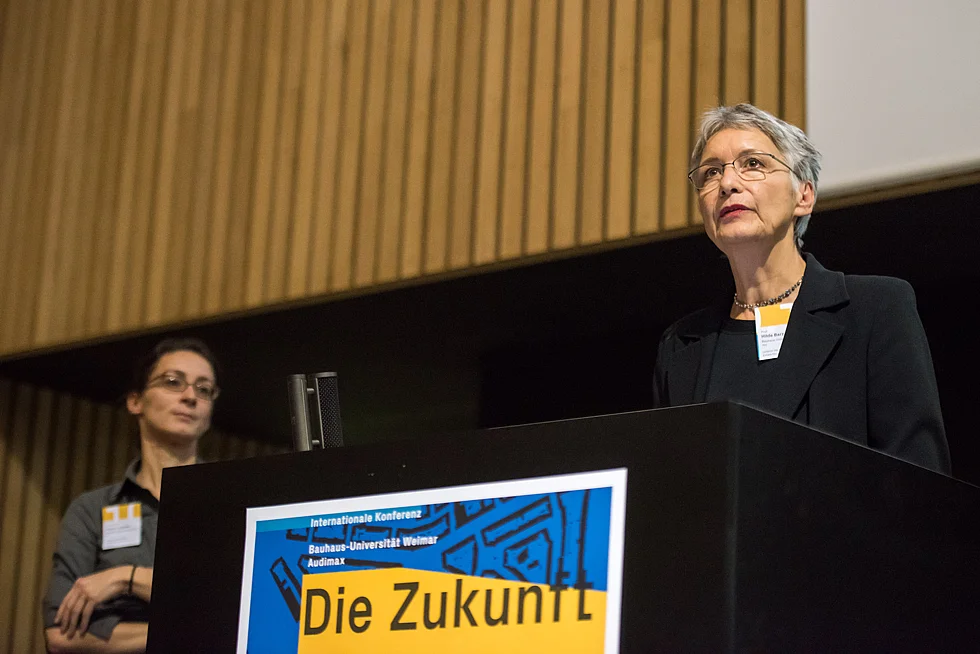
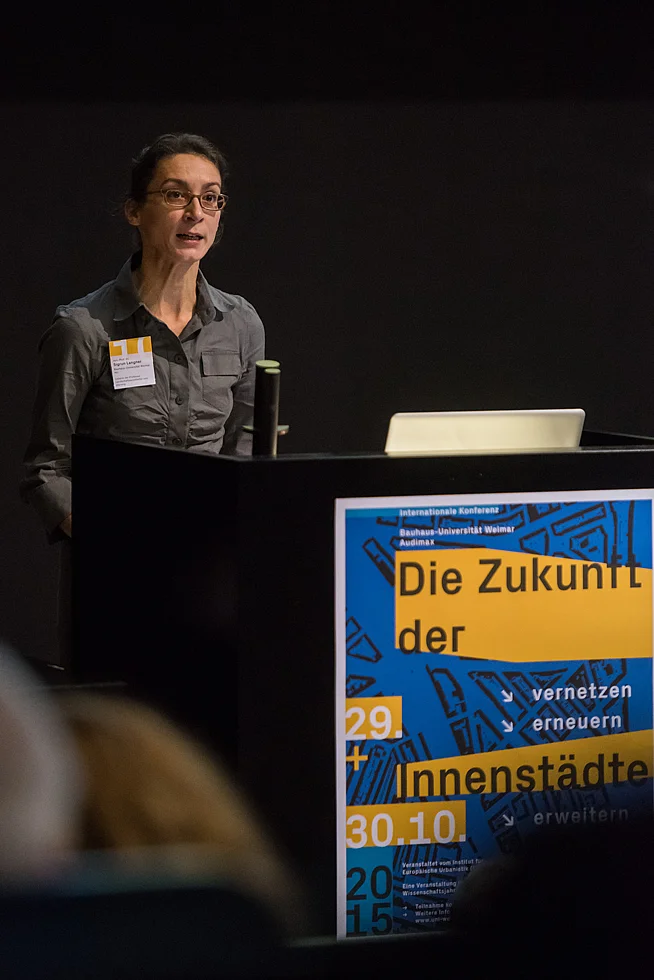
The aim of the event was to present and discuss exemplary approaches to city centre development in a comparative manner, using the nine cities under discussion as case studies. The commonalities and distinctive features of these approaches are summarised once again by the project leaders from the Institute for European Urban Studies, Prof. Hilde Barz-Malfatti and Jun.-Prof. Sigrun Langner, in their concluding contributions on these pages. 

How are vibrant urban spaces created? How can urban development and Urban Design work strategically hand in hand? And how can city centres be designed to be liveable and sustainable? In the search for innovative strategies for city centre development, the focus was on the exchange of experiences between local government, planning practitioners and academia.

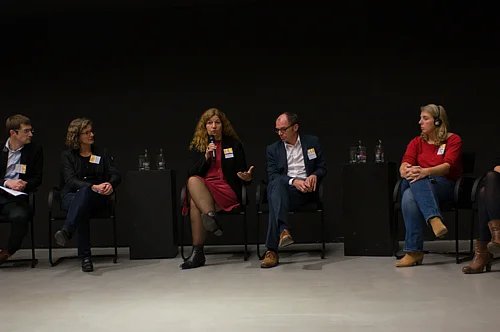
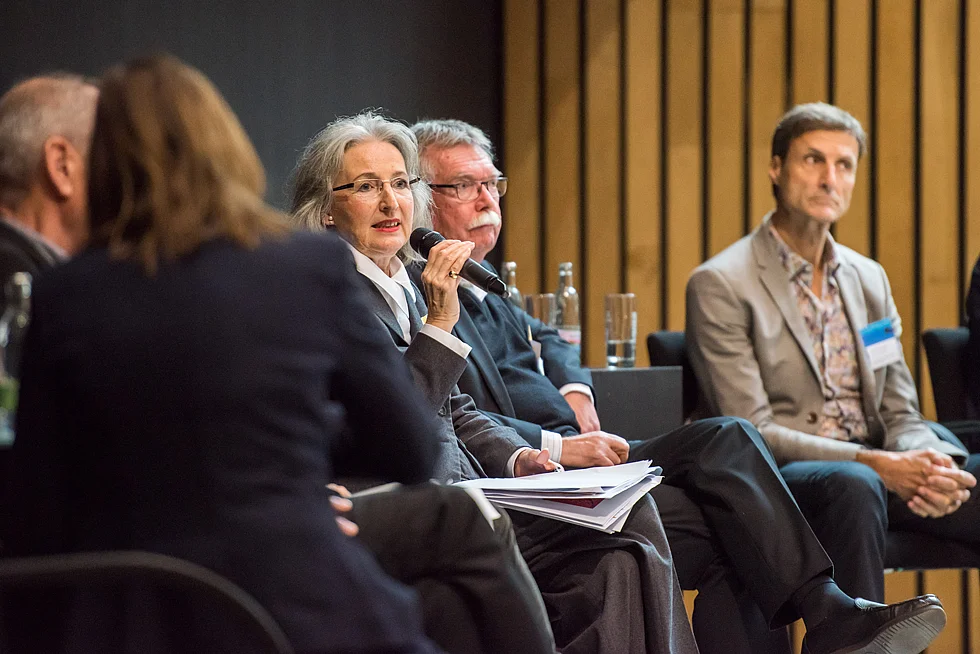
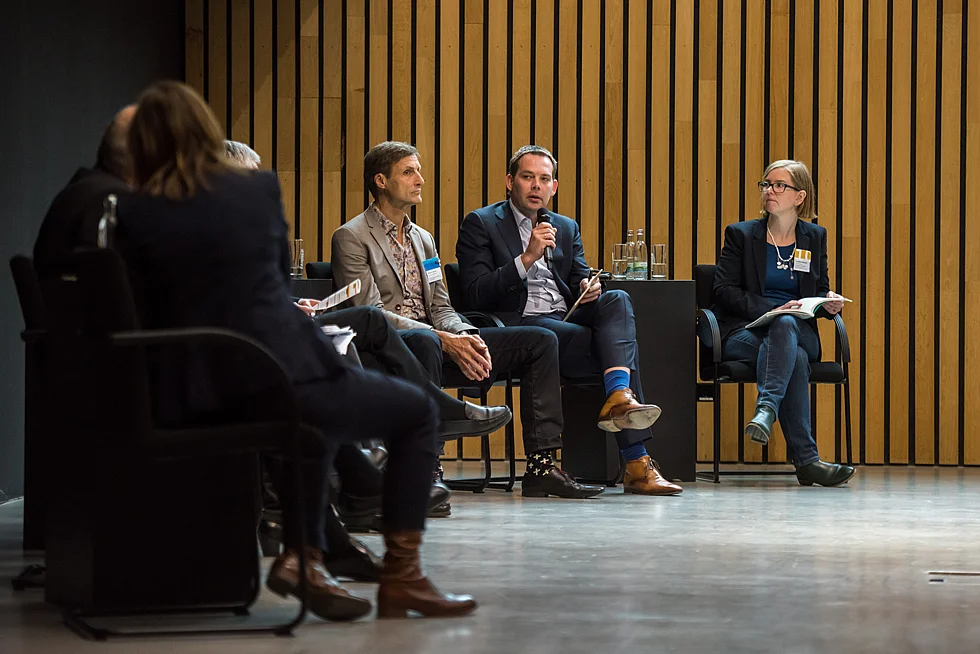
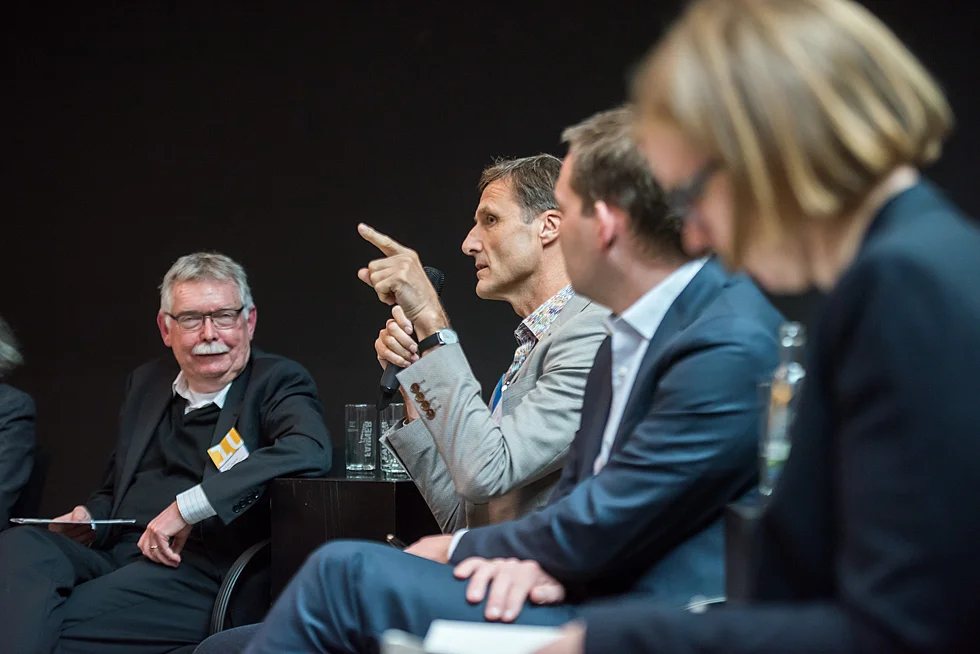
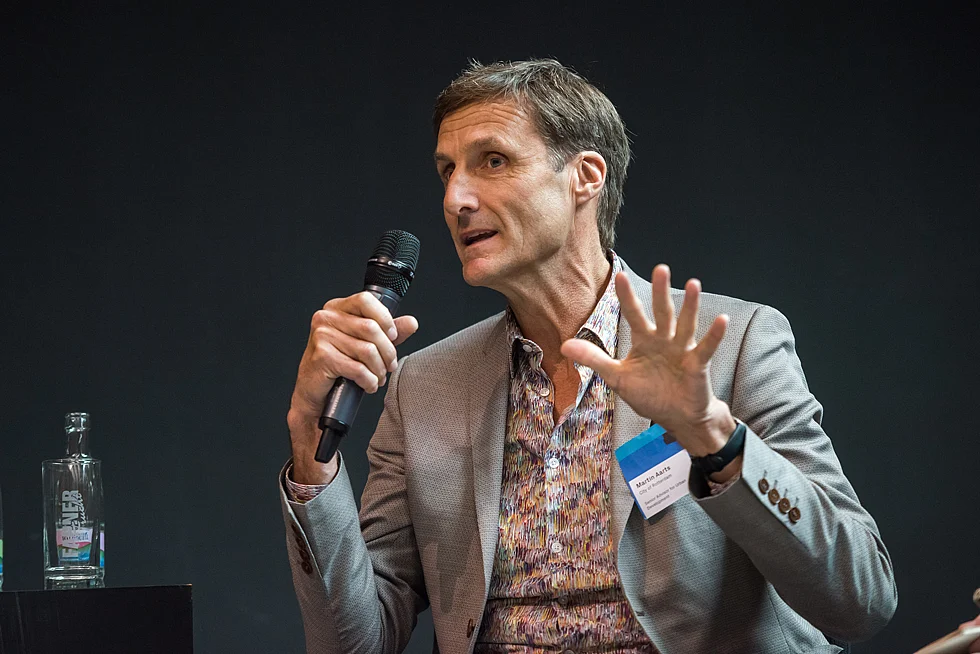
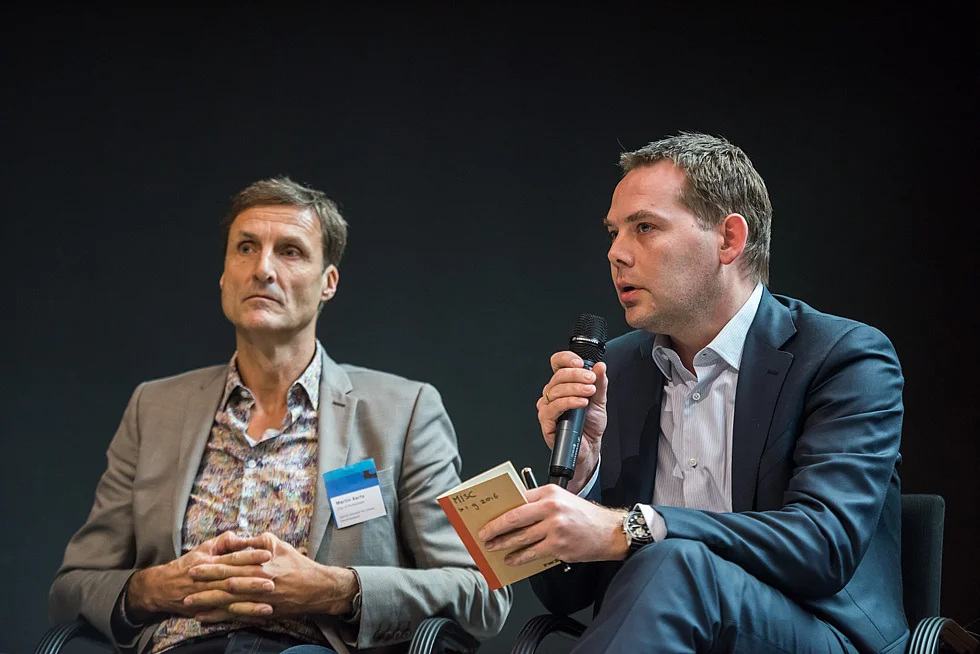
Following an academic introduction to the panel, each city was represented by a presentation from the local authority and a practitioner in the field of urban planning. Each session concluded with a joint discussion among the Expert*innen from all three cities, aimed at critically reflecting on the contribution of these strategies to sustainable urban development.

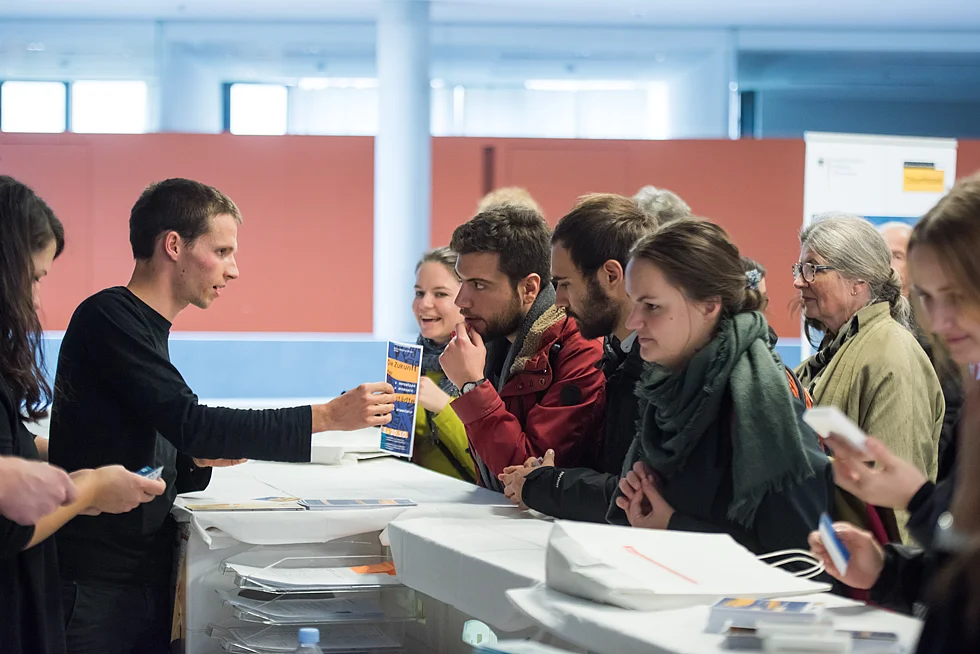
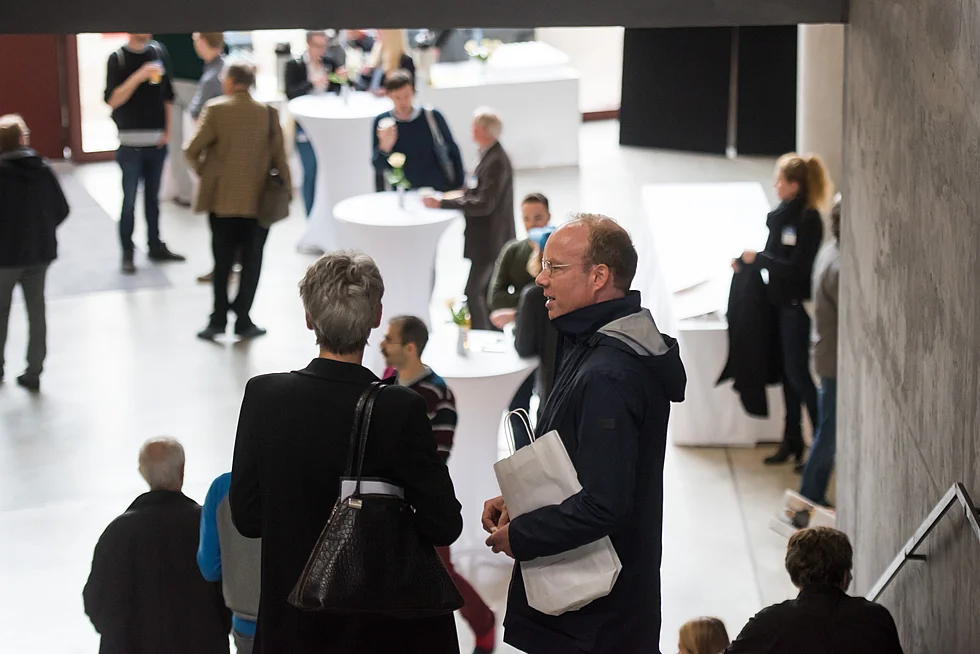
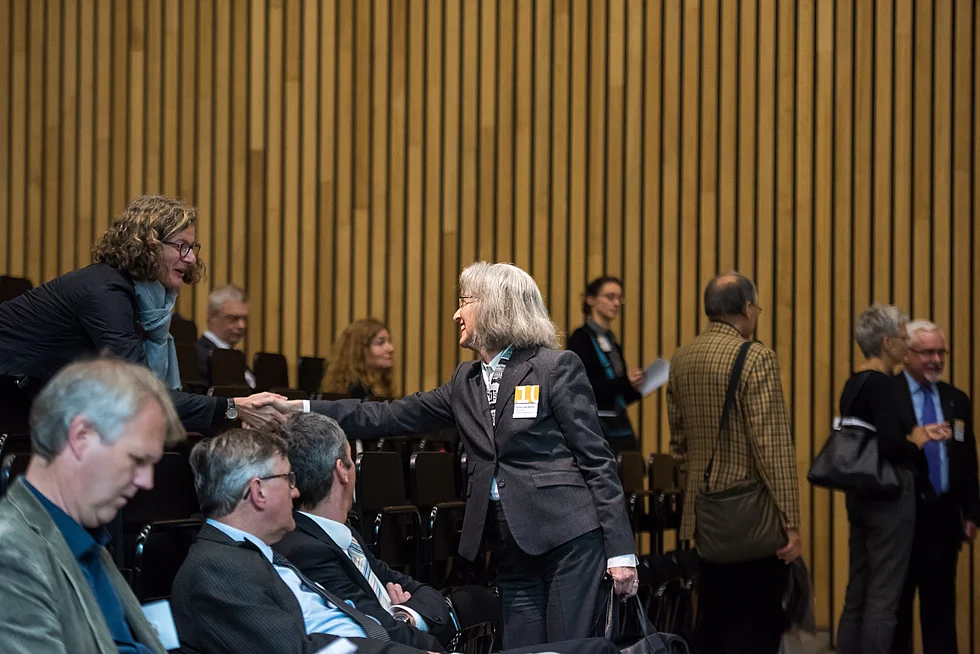
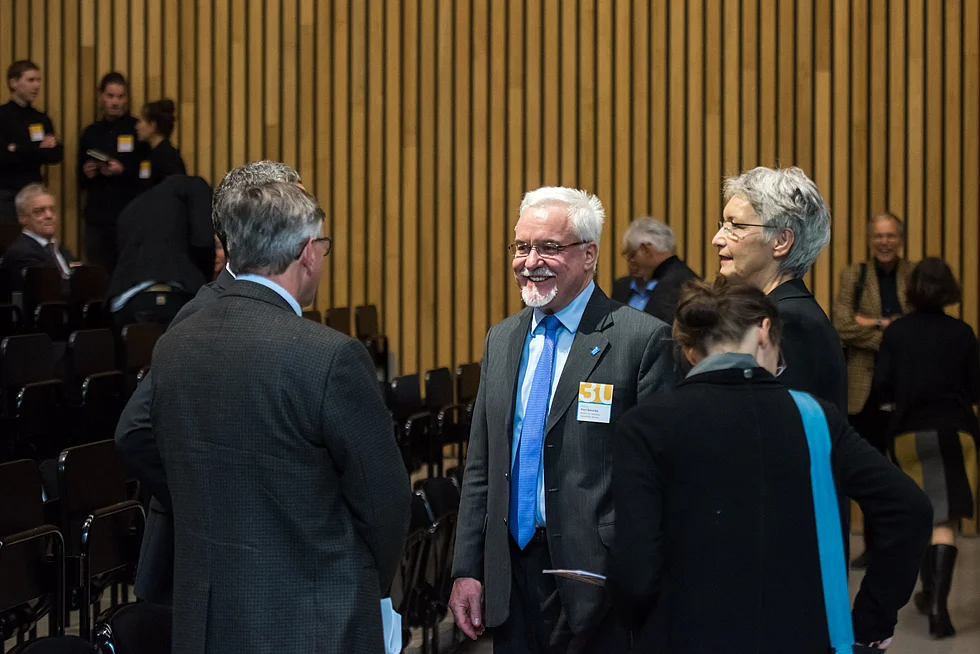
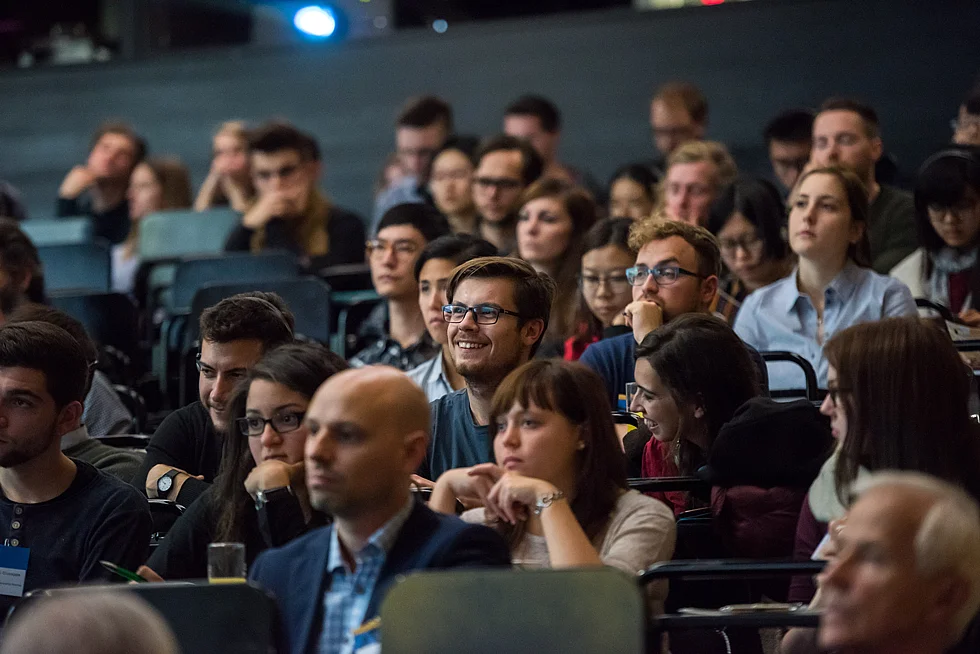
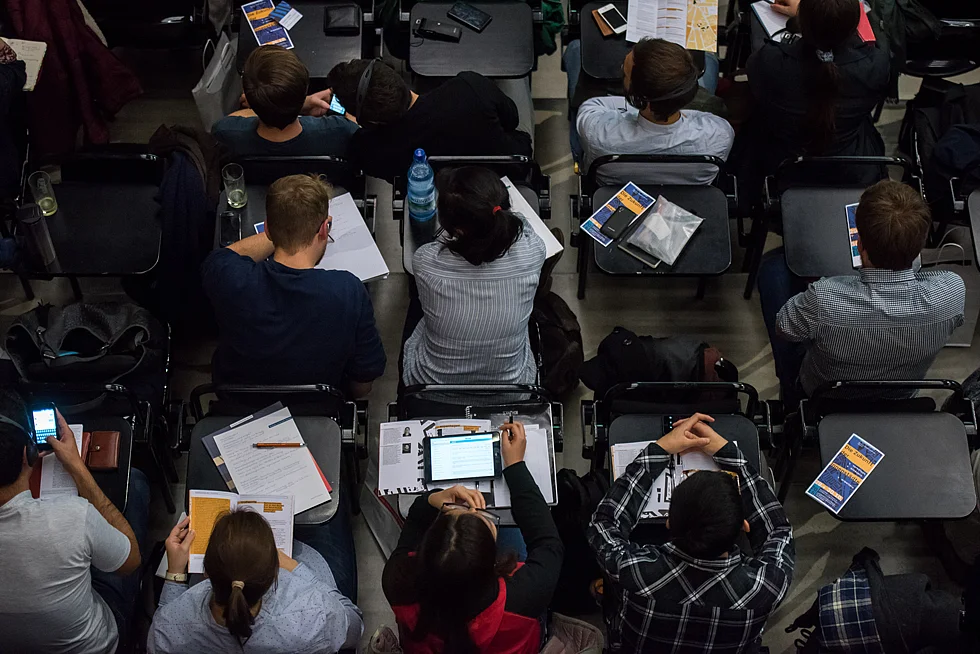
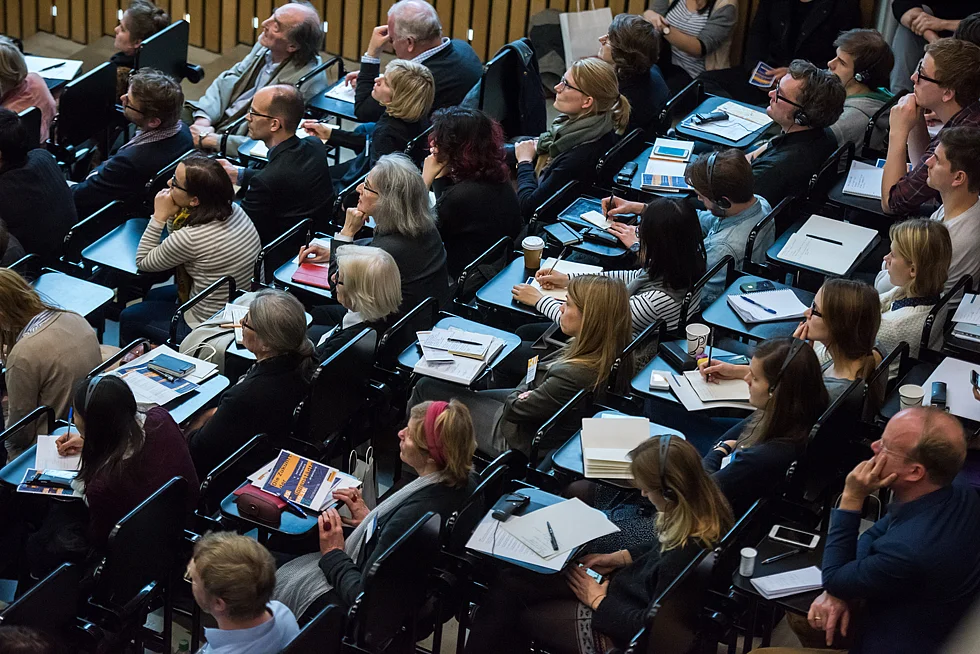
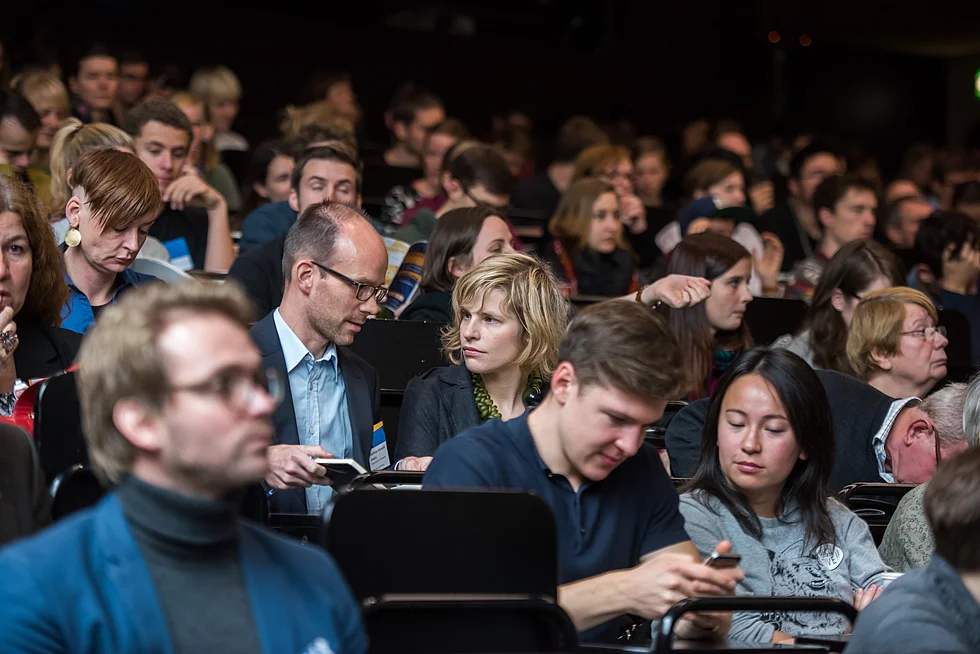
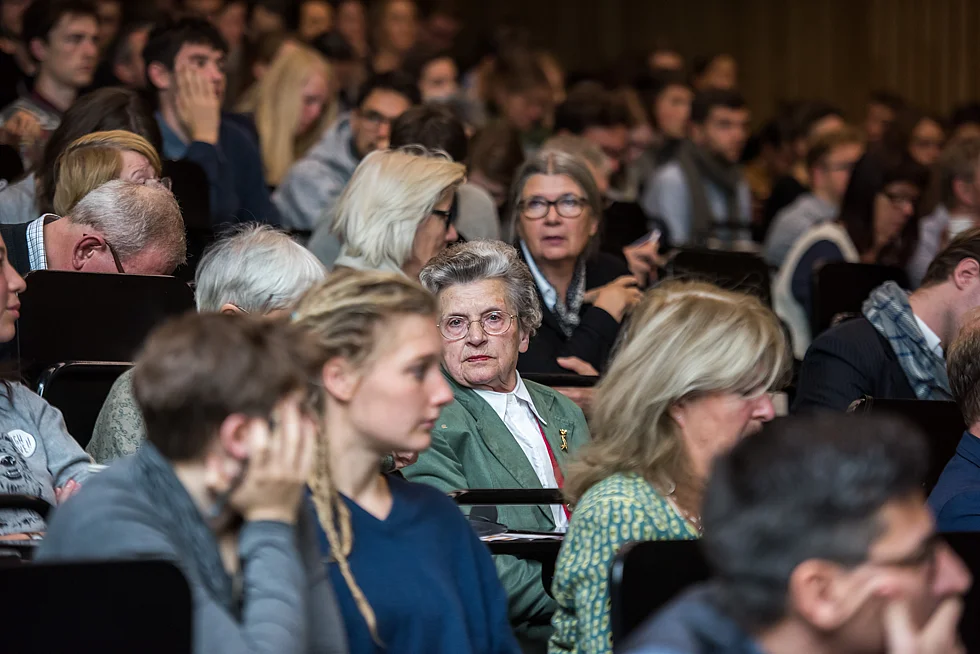
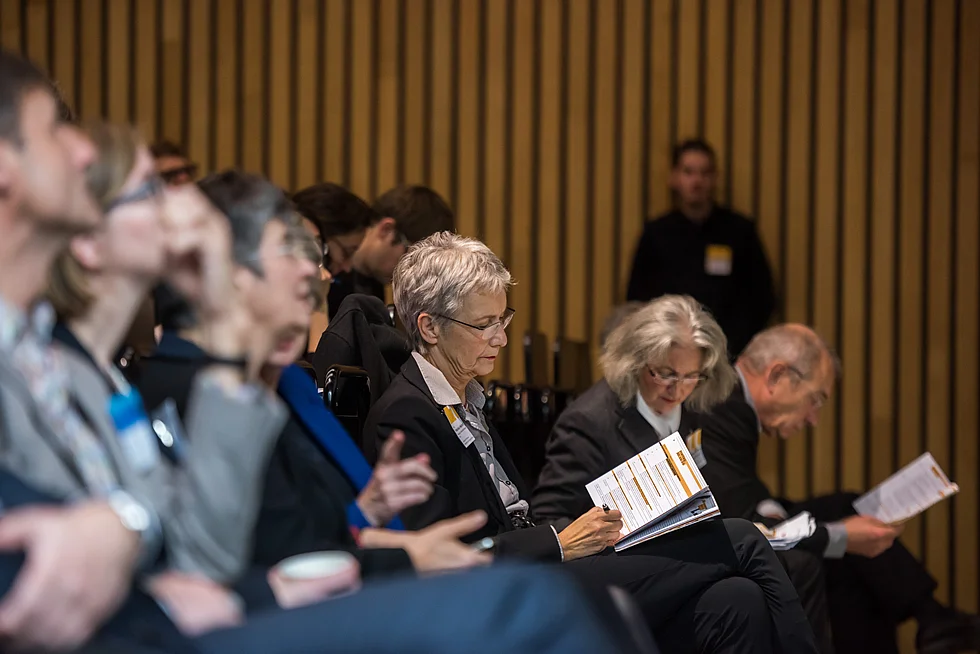
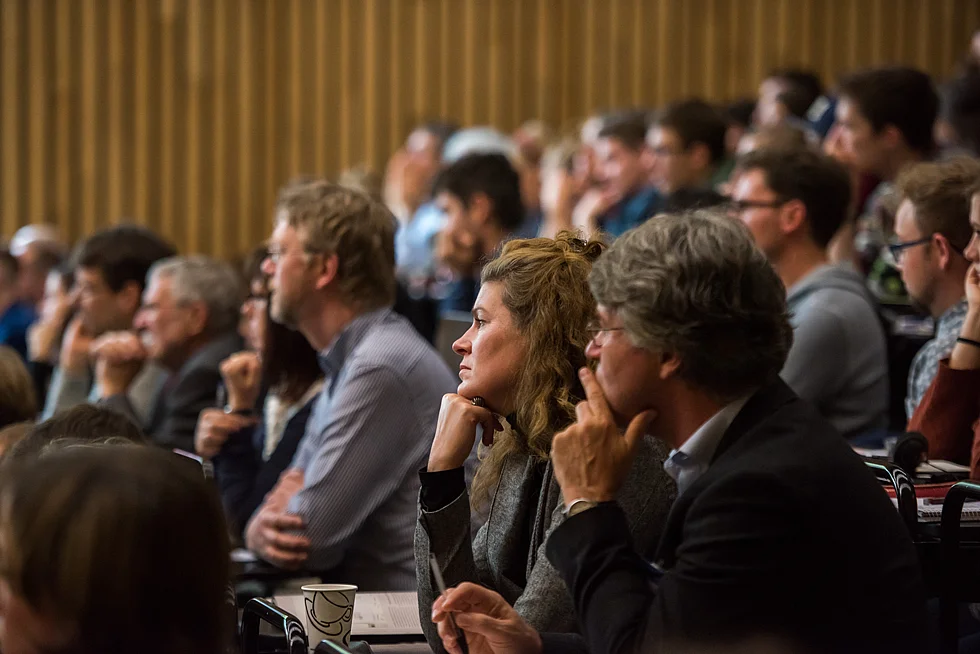
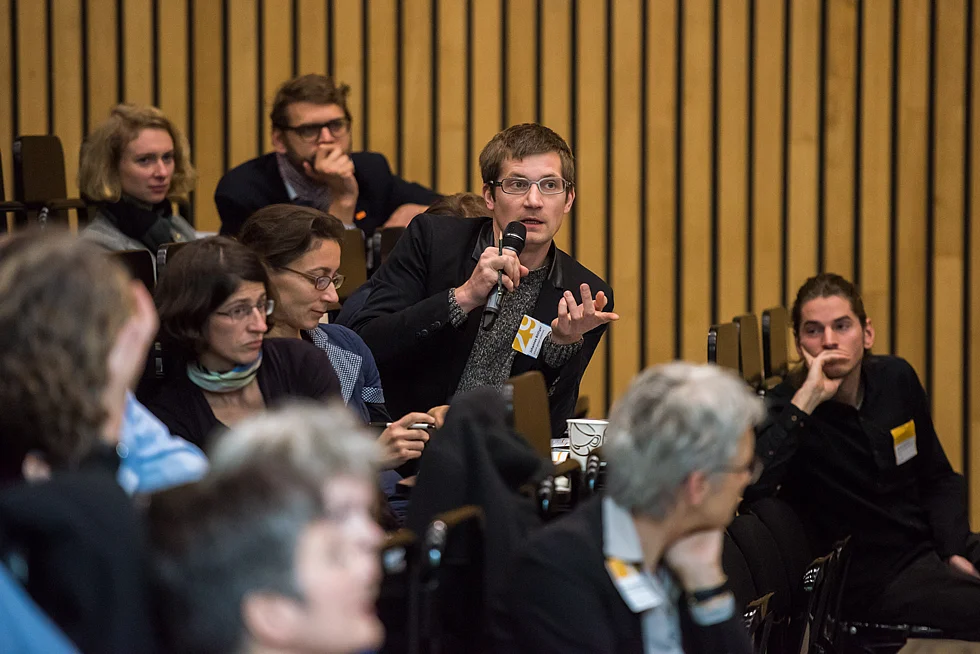
The event format was very well received. The city representatives were able to examine the different strategies, whilst participants gained a comprehensive insight into the diverse approaches and challenges faced by the cities. Critical questions from the audience were also incorporated into the subsequent moderated panel discussion.

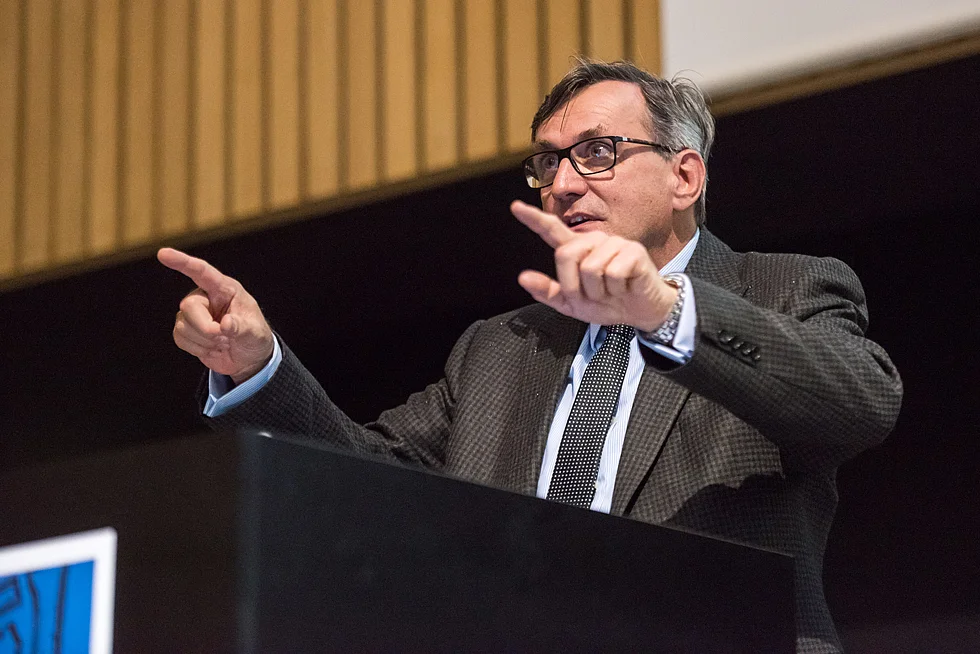
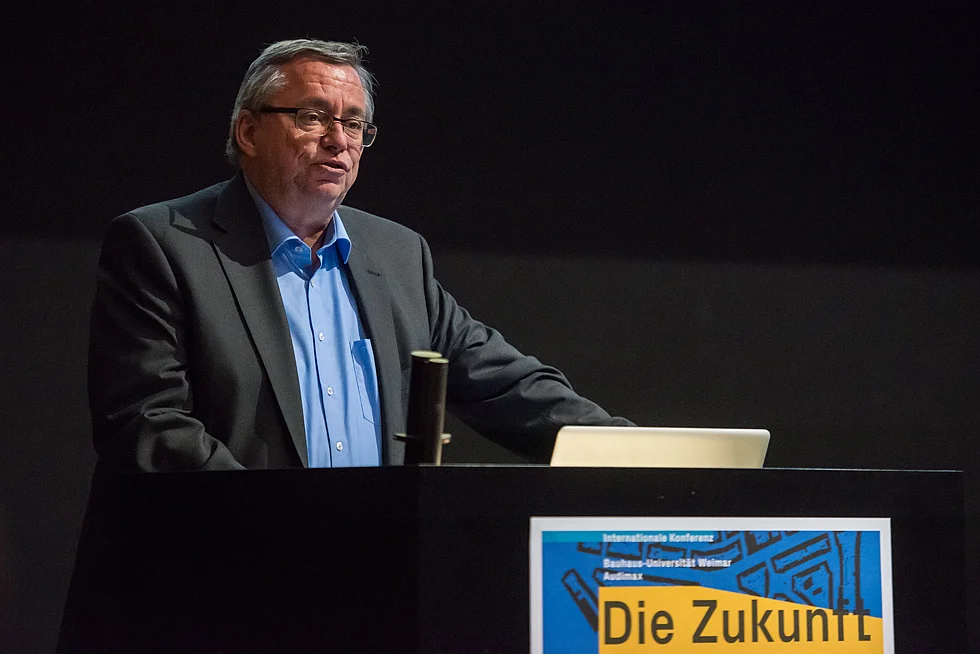
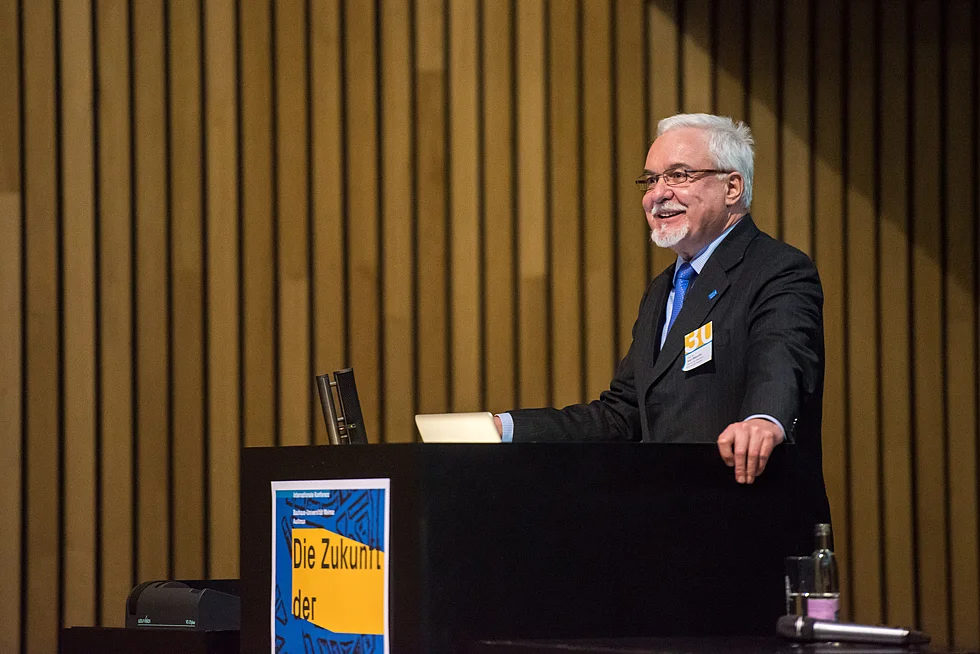
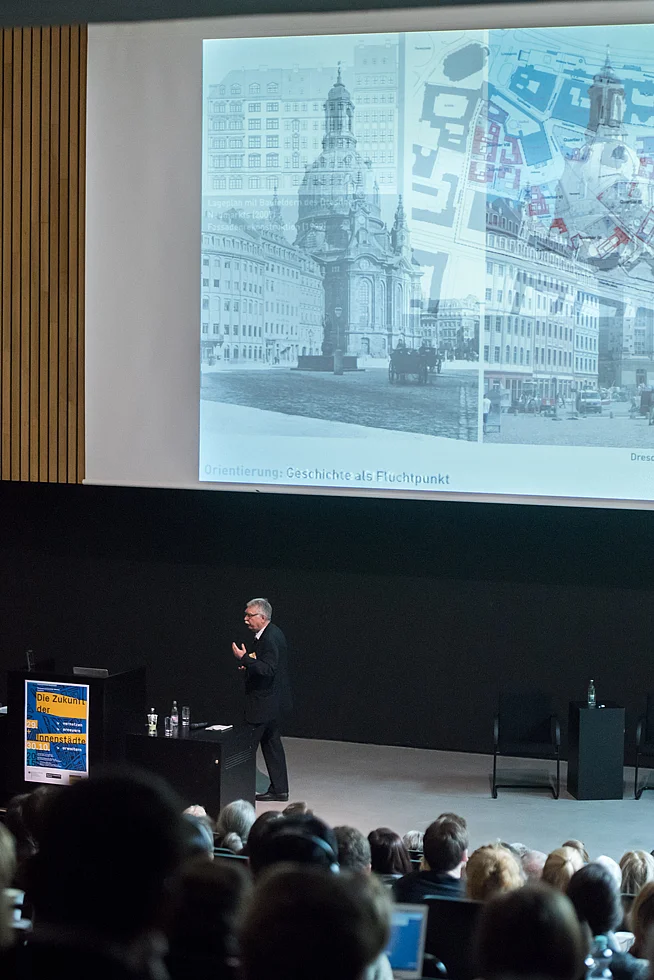
Prof. Dr. em. Harald Bodenschatz (Centre for Metropolitan Studies at the Technical University of Berlin) was invited to deliver the keynote address. In his talk, ‘All well and good: the city of tomorrow as a promise’, he referred to current future scenarios in urban development debates on the topic of housing.

The written version of the keynote speech is available for download here.

Funded by the BMBF


Symposia organised by the Faculty of Architecture and Urbanism

Year of Science 2015

Federal Ministry of Education and Research