





Programme concept and structure
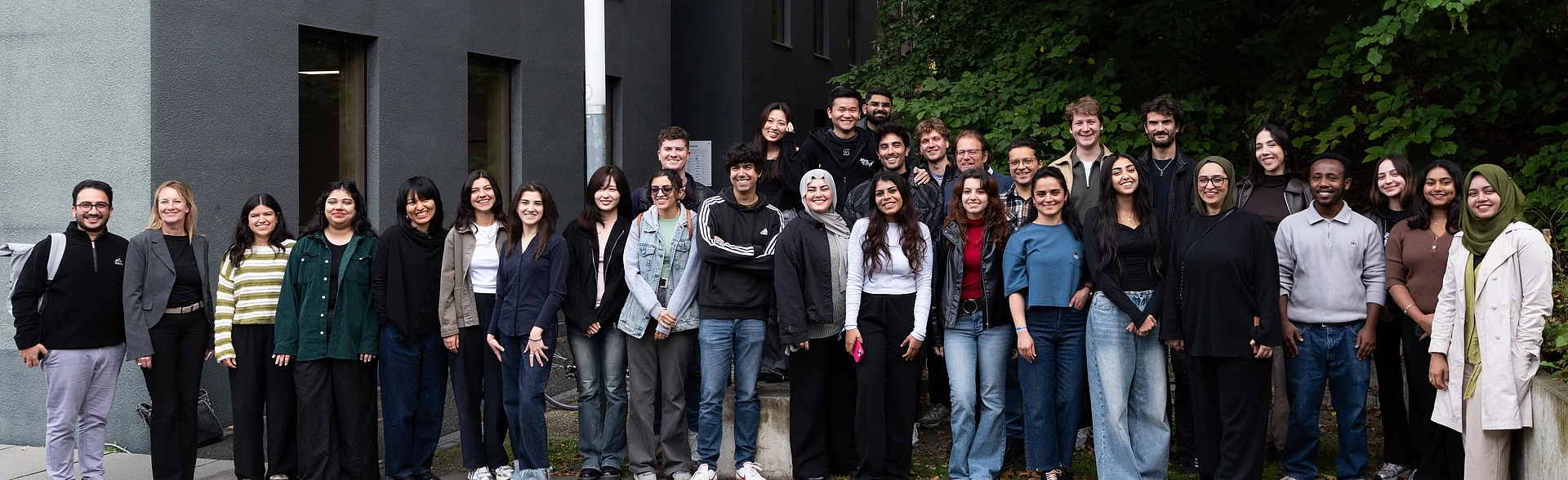
With our international Masters Programmes, going back to the year 1999, we attract an international league of dedicated students with different cultural backgrounds and multiple perspectives on the "urban". We expect our applicants to be committed to further develop and exchange their knowledge while bringing a strong personal and professional interest in the field of urban design in practice, applied research and parametric urban design.
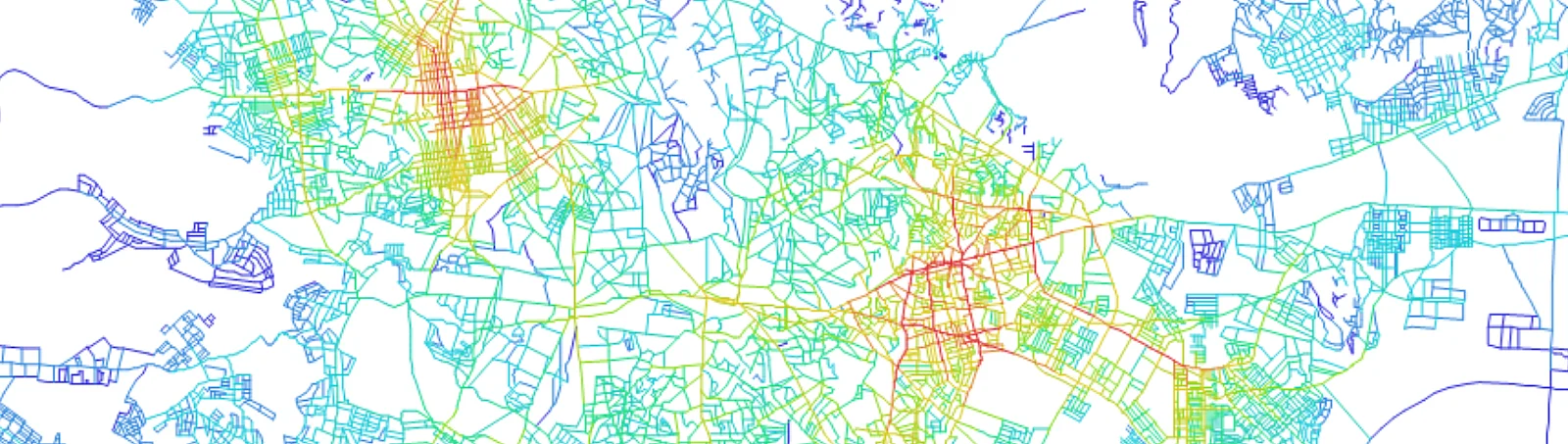
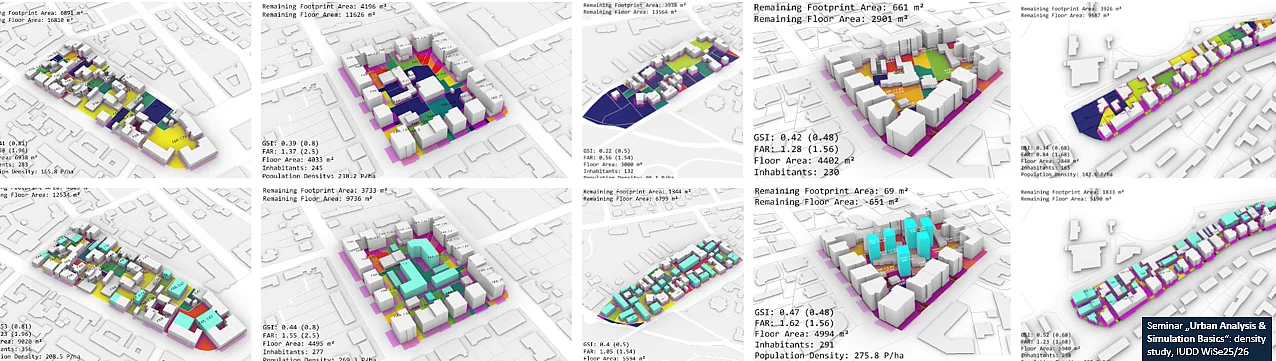
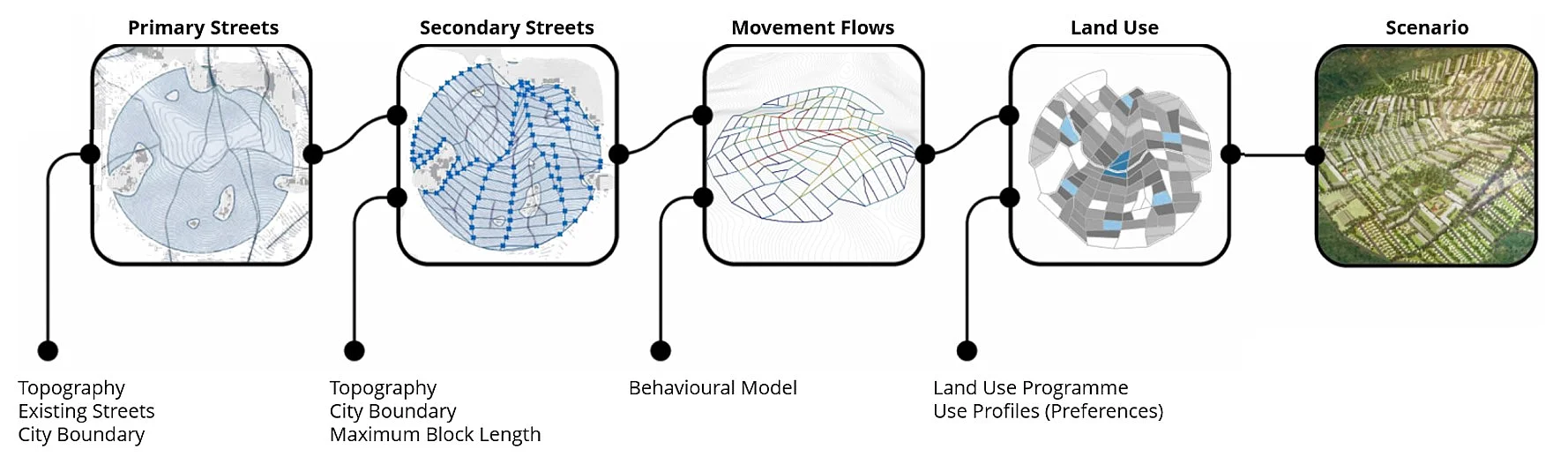
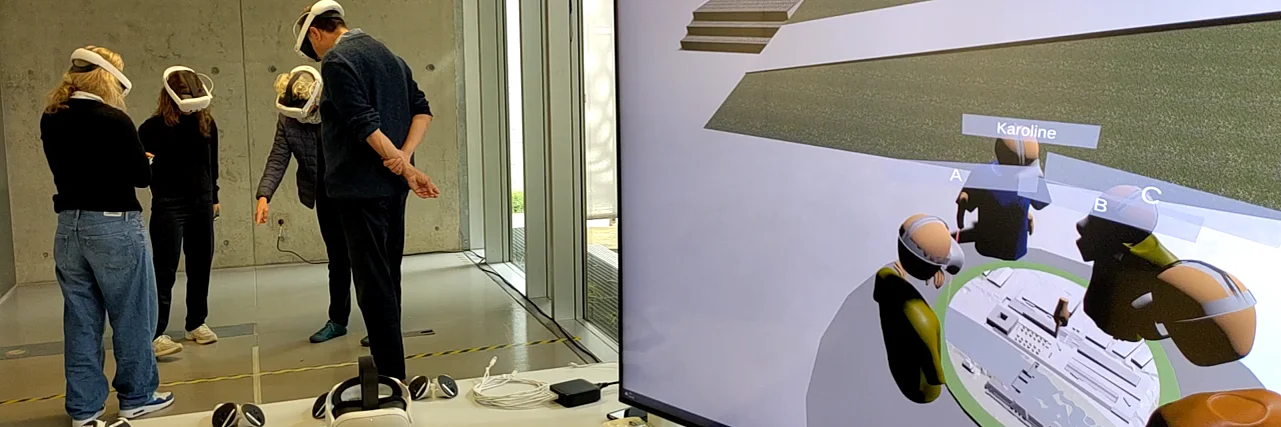
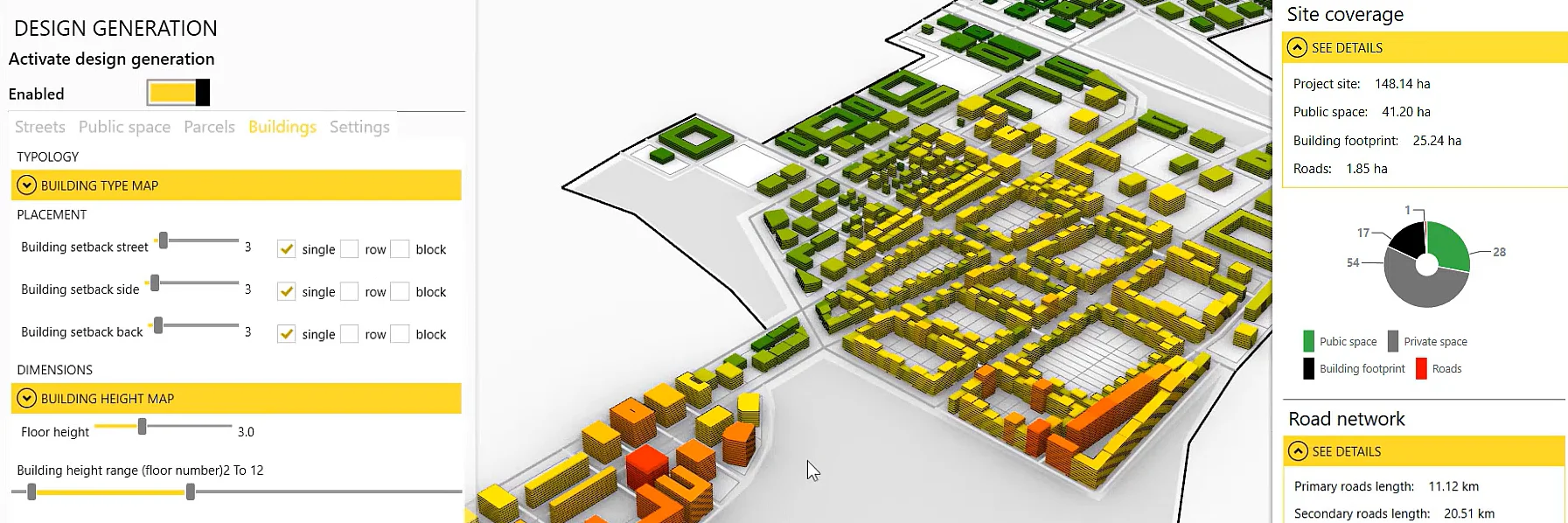
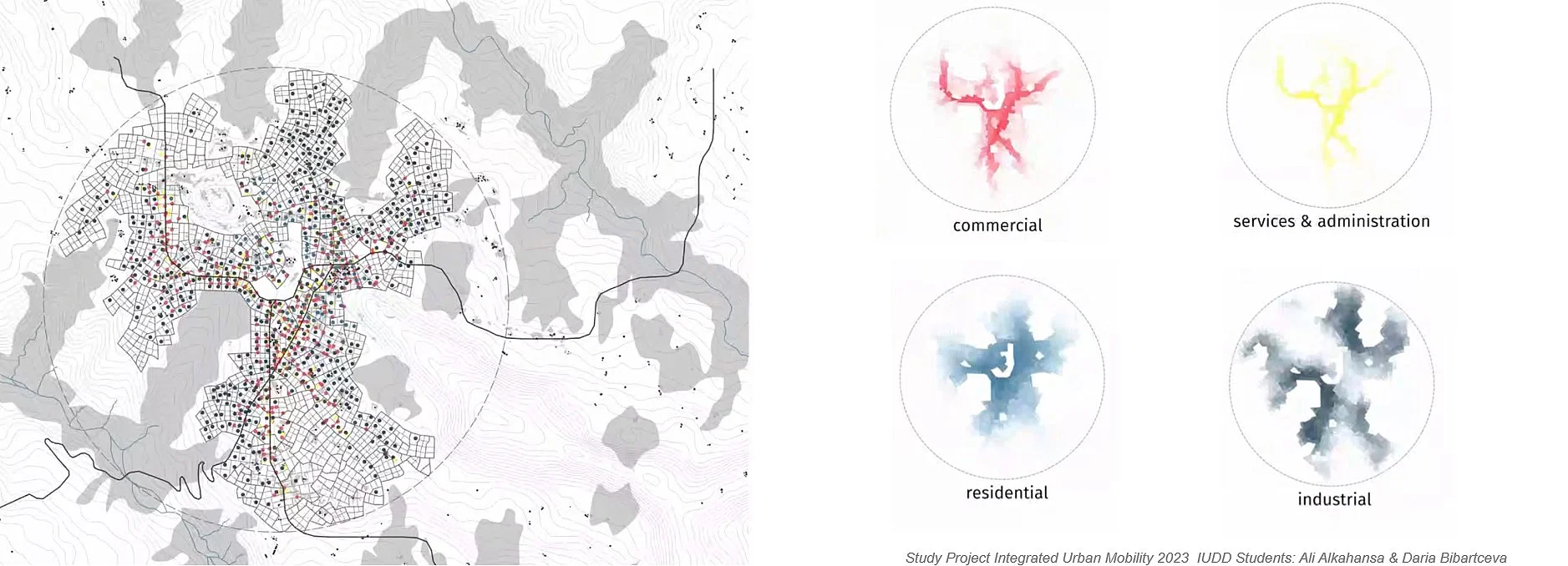
With the special notion on system approaches students are trained in using and applying computational urban design tools in support of analysing and simulating urban design scenarios in an interdisciplinary way.
Taking holistic, ecological, social and cultural aspects into account, the theoretical fundaments are taught in the 1. semester, while these are deepened in the 2. semester applying innovative digital methods for urban analysis and modelling in the Study Projects. Students acquire explorative-experimental as well as research-related and application-orientated skills. In the 3. semester, both approaches are applied in practice through the "Model Projects" by choosing the study focus "Reflective Urban Practice". The supervised compulsory internship takes place in architecture and urban design or planning offices, research institutions or municipalities that have been cooperating with our programme since the year 2000. Alternatively the learnings are further expanded in the academic context at a partner university (previously through the double degree "Advanced Urbanism" with CAUP, Tongji-University Shanghai, operating from 2004 and closed in 2022).
The programme concludes in the 4. semester with an academic thesis with the title "Master of Science (M.Sc.)“. Watch out for some Master Thesis examples. Graduates are employed in international architecture, planning and engineering offices, research institutions and international organisations and authorities.
Both the international profile of the student group and the study specialisations with the possibility of further international profiling in the third semester are characterised by a close interweaving of content, especially with the research area on digital methods, which enables students to adopt a variety of perspectives.
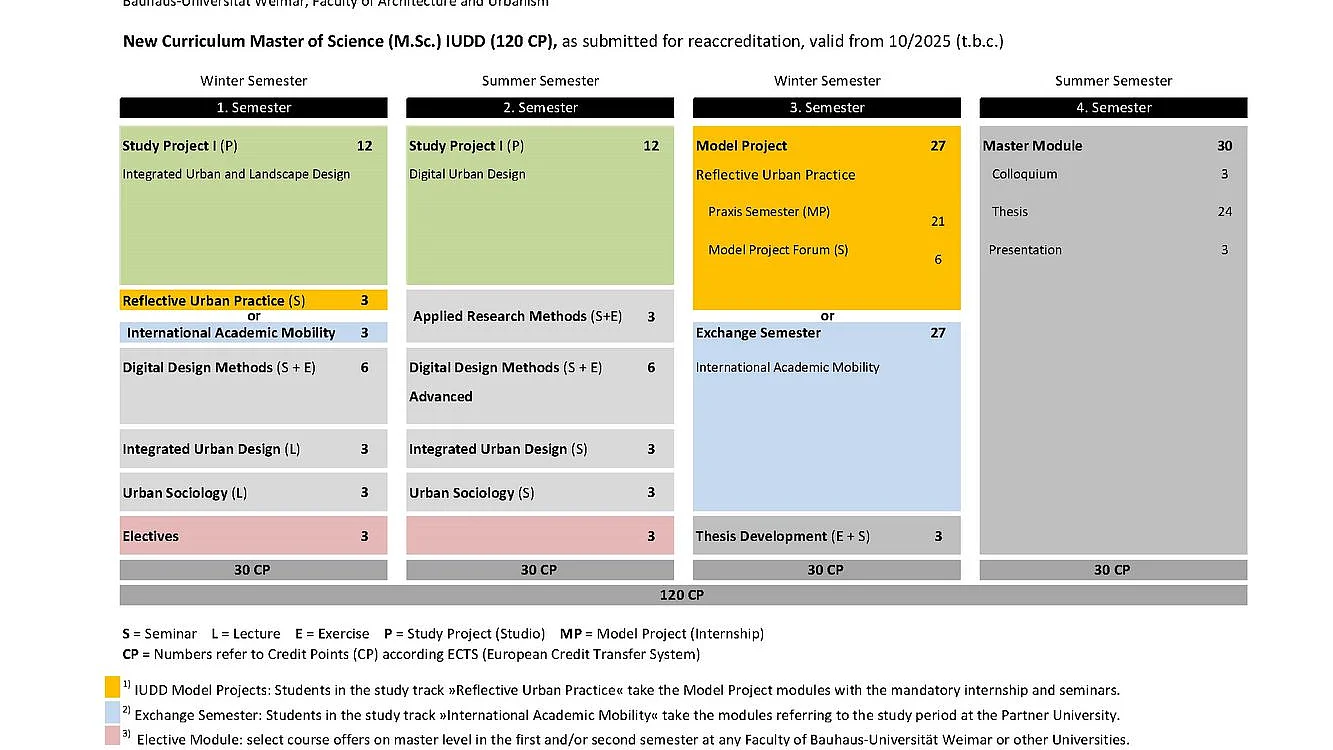
With the master's re-accredidation in 2025 - valid for applicants who will be starting their studies from 1st October 2025 on - we are strengthening the praxis oriented profile of IUDD: Next to the existing 12 CP study project in the 2nd semester, the new study plan integrates a second 12 CP study project in the 1st semester. Attend one of our three IUDD info sessions for updates and questions or contact the academic advisor of the programme! For application details and requirements check the application section!
NEW refined IUDD curriculum from 10/2025 on
With the programme's reaccreditation in 2025 we refined our curriculum by strengthening the application- and project-oriented profile of IUDD. It now includes two study projects (studios) and increased digital components (24 CP in total).
Valid for students immatriculated from 10/2025 on. Main changes:
- Additional 12 CP Study Project I in 1st semester
- Additional 6 CP Digital Design Methods I in 1st semester
Application procedures and deadlines
Applicants from European Union (incl. Switzerland): June 25
The application deadline for the study Programme »Reflective Urban Practice« (M.Sc.) in the study course »Integrated Urban Development and Design« for applicants having the citizenship status of European Union including Switzerland is until June 25 on the Application Platform https://campusportal.uni-weimar.de. Semester starts on October 1st.
Applicants from all other countries (Non-EU applicants): May 15
The application deadline for »Reflective Urban Practice« (M.Sc.) in the study course »Integrated Urban Development and Design« for winter semester starting 1st of October of each year for Non-EU students is May 15. Application need to be uploaded by that date at Uni-Assist
Opening of application platforms
On the online-application platforms the programmes will be only visible when they are opened during the application periods (opening in February at Uni-Assist and in April at GoMoveIn). Please consider to register on the platforms early enough before deadlines.
Information Sessions
Attend one of our IUDD info sessions to get the newest information on the programme.
Application results
The qualification assessment of applicants will take place between end of June and end of July. Due to the large number, applicants are asked to not contact us about the status of your application. We will not be able to give you any answer before final decisions are made.
If your application was considered positive, you will receive an official admission letter from the university soon after. This document enables you to conduct all the administrative affairs such as visa-issues etc. It is the precondition in order to enrol to the University for your Master Programme.
Applicants who will not be successful with their application will also be informed.
As said, you will be contacted from our side, when the selections of students have been made.
Application Procedure for EU Students (incl. Switzerland)
Requirements
Requirements
Before you apply for the Masters programme, please check whether you fulfill the formal requirements for admission. You are eligible to apply for the Masters programme if you
have obtained a university degree (or similar) from a German or a foreign University with at least 180 CP in the disciplines of architecture, urban design, landscape architecture, urban planning / town planning or disciplines related to the built environment. In case of doubt, the examination board decides on the eligibility according to the specific qualification.
can refer to a certain level of professional experience shown through own adequate works samples in a portfolio with design, visual and text-based work, as well as through samples from your previous studies, proving your personal design skills, preferably related to the urban context.
- have an advanced level of English language skills.
- The admission requirement is an undergraduate or graduate degree with a minimum grade of “good” in a technically relevant field that enables the graduate to enter the profession, from either a German university, technical college of administration, state or state recognised academy or an equivalent degree from an international university (equivalent to a final overall grade between 1,0 and 2,5 of the German grading system)
Application Documents and Procedures
Application Documents and Procedures
In order to apply for admission to the programme, you need to hand in the following documents and material online (no hardcopies needed for the application process) through registration on the Application Platform: https://campusportal.uni-weimar.de
- Completed online application form
- Your letter of motivation | 1 page | signed
- As part of your application you are requested to include a PDF file with a minimum of three samples from your previous study or professional work (portfolio) ideally related to IUDD contents and proving your personal design skills (not commercial renderings if not produced by yourself) preferably related to the urban context. The file may consist of samples including, but not limited to:
- works from your previous or current studies (e.g. architectural or urban designs; visuals/text-based/text-supported, summarized Masters or Bachelors thesis or seminar work etc., designs, writings)
- works from internships
- works from previous career
- self-initiated projects
- publications
- voluntary work
We appreciate a short description of each project in the portfolio.
If you include team work, indicate your role and your contribution within the team.
Submit all samples in one single PDF file labelled "Portfolio_last Name_first name". We appreciate portfolios that do not exceed 8 MB. - Certificate and final diploma (including courses and grades) of pre-qualification for university admission : e.g., high school degree (allowing you to enter higher education at a university) which you also needed to study your preceding undergraduate or graduate degree | certified copy
- University degree or similar qualification including all relevant study results (courses and grades) if they are not listed in the degree documents | certified copy, documents not in German or English need to be submitted in a certified translated version, in German or English
- Proof of English language proficiency according to B2 (minimum requirement) of the Common European Framework of Reference (CEFR) for Languages :
- - TOEFL-test, minimum 80 points (internet based)
- Cambridge Certificate, (First Certificate FCE), Grade C
- IELTS, Band 6,0- or others according CEFR B - Your CV (tabular)
- You are free to add additional documents like recommendation letters, work references, etc.
- In addition, and voluntarily, you are encouraged to write and reflect on urban matters by submitting a small essay about one chapter of a book/author related to urbanism and your reflections on this book/author (800 words maximum).
Application Procedure for Non-EU Students
Requirements
Requirements
Before you apply for the Masters programme, please check whether you fulfill the formal requirements for admission. You are eligible to apply for the Masters programme if you
- have obtained a university degree (or similar) from a German or a foreign University with at least 180 CP in the disciplines of architecture, urban design, landscape architecture, urban planning / town planning or disciplines related to the built environment. In case of doubt, the examination board decides on the eligibility according to the specific qualification.
- can refer to a certain level of professional experience shown through own adequate works samples in a portfolio with design, visual and text-based work, as well as through samples from your previous studies, proving your personal design skills, preferably related to the urban context.
- have an advanced level of English language skills.
- The admission requirement is an undergraduate or graduate degree with a minimum grade of “good” in a technically relevant field that enables the graduate to enter the profession, from either a German university, technical college of administration, state or state recognised academy or an equivalent degree from an international university (equivalent to a final overall grade between 1,0 and 2,5 of the German grading system)
Application Documents
Application Documents
In order to apply for admission to the programme, you need to submit the following documents and material through Uni-Assist which you will first need to register for as it is explained in the paragraph "Application Procedure" which you find further down on this page. Please follow the checklist and rules of Uni-Assist considering the submission of certified documents like diploma and certificates.
- Your letter of motivation | 1 page | signed
- As part of your application you are requested to include a PDF file with a minimum of three samples from your previous study or professional work (portfolio) ideally related to IUDD contents and proving your personal design skills (not commercial renderings if not produced by yourself) preferably related to the urban context. The file may consist of samples including, but not limited to:
- works from your previous or current studies (e.g. architectural or urban designs; visuals/text-based/text-supported, summarized Masters or Bachelors thesis or seminar work etc., designs, writings)
- works from internships
- works from previous career
- self-initiated projects
- publications
- voluntary work
We appreciate a short description of each project in the portfolio.
If you include team work, indicate your role and your contribution within the team.
Submit all samples in one single PDF file labelled "Portfolio_last Name_first name". We appreciate portfolios that do not exceed 8 MB. - Certificate and final diploma (including courses and grades) of pre-qualification for university admission : e.g., high school degree (allowing you to enter higher education at a university) which you also needed to study your preceding undergraduate or graduate degree | certified copy
- University degree or similar qualification including all relevant study results (courses and grades) if they are not listed in the degree documents | certified copy, documents not in German or English need to be submitted in a certified translated version, in German or English
- Proof of English language proficiency according to B2 (minimum requirement) of the Common European Framework of Reference (CEFR) for Languages :
- TOEFL-test, minimum 80 points (internet based)
- Cambridge Certificate, (First Certificate FCE), Grade C
- IELTS, Band 6,0- or others according CEFR B - Your CV (tabular)
- You are free to add additional documents like recommendation letters, work references, etc.
- In addition, and voluntarily, you are encouraged to write and reflect on urban matters by submitting a small essay about one chapter of a book/author related to urbanism and your reflections on this book/author (800 words maximum).
Application Procedure
Application Procedure
Once you have made sure that you fulfill the prerequisites and are eligible to apply to the Masters programme »Reflective Urban Practice« in the master's course »Integrated Urban Development and Design IUDD (M.Sc.)«, you can now proceed to apply through Uni-Assist which usually opens mid February for applications in our programme.
Registration
In order to start the application process register with Uni-Assist you will be asked to provide your personal information and to create an account for further use. Once you have entered all information you will be sent a link that will activate your account.As you activate your account, you'll be asked to enter further details. With that step taken, you will then be able to search for the Master's course programme »Integrated Urban Development and Design IUDD (M.Sc.)« and the sub-programme »Reflective Urban Practice«.
Study Offers
This search mask allows you to narrow down your search for the Masters programme you wish to apply for. Enter for example the name of the university and choose Master as the degree you wish to obtain.
Create Application
Once you have chosen the right programme, it is time to create your application. In order to do so, you will be asked further questions. After you have uploaded all necessary documents, you are then asked to print off your form and to submit it online.
Application Deadline: May 15
The application deadline in the programme »Reflective Urban Practice (M.Sc.)«, starting each winter semester is 15th of May each year for Non-EU students. This means that all material has to be delivered to the application platform of Uni-Assist until that date at latest! It is recommended to apply earlier for a smooth process! The application platform usually opens mid February.
Admission and Further Steps
After successful application and admission
After successful application and admission
You will be informed on the results of the eligibility assessment between mid and end of July. Due to the high number of applications, applicants are kindly asked to please abstain from contacting us regarding the results! You will be informed as soon as the examination board has finished the assessment of applications.
If your application was considered positively, you will soon after also receive the official admission letter from the university. This document enables you to conduct all the administrative affairs such as visa-issues etc. And it is the precondition in order to enroll to the University for your Master Programme. Only after having enrolled, you actually become a student of the programme. It is only possible to start your studies in winter term. Denials will also be noticed to applicants.
Additional information: registration requirements for the German Chambers of Architects (Architektenkammern) are not strictly tied to a specific academic title alone. Accordingly, the Master’s programme is not currently listed by the Architects’ Association as a course leading to registration at the chamber. It therefore provides professional competence but does not confer professional qualifications. The degree therefore does not automatically fulfil the requirements for admission to the Chamber of Architects and thus for registration as an ‘architect’ or ‘urban planner’. Regional chambers may, on a case-by-case basis – for example, on the basis of the first university degree or verifiable practical experience – assess whether the degree can be recognised for registration with the chamber despite the lack of direct eligibility.
News & Projects


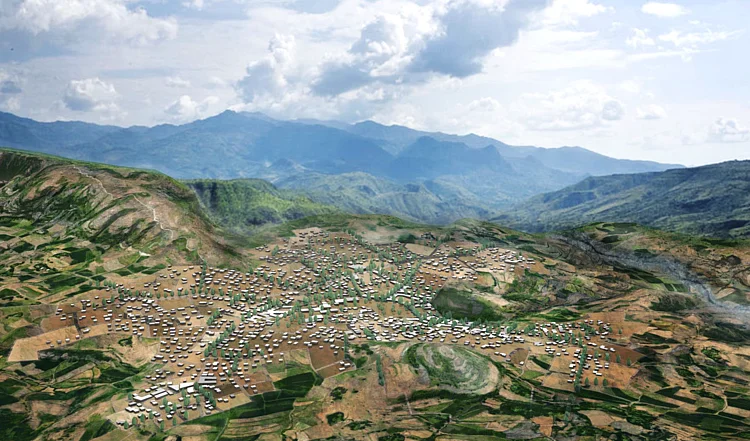

The Model Project
The model project consists of an internship and the model project forum. In the internship the students work at innovative and ambitious businesses to gain experience and work on projects, that will help society move forward in a significant manner. The model project forum happens after the internships and all the partners of the participating businesses will attend and listen to the student-presentations as well as discuss current topics and give lectures.
Become a partner
Become a partner
We would like to invite your company, your institution, your agency to join an extraordinary initiative: The Model Projects of the Master's Course »Integrated Urban Development and Design«. 1
Our Vision
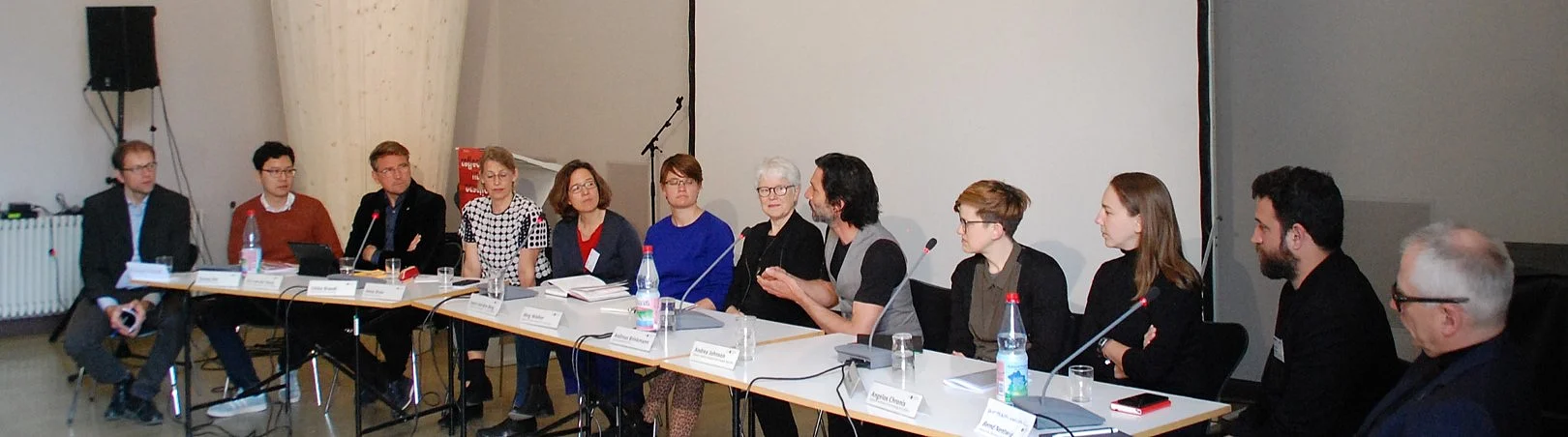
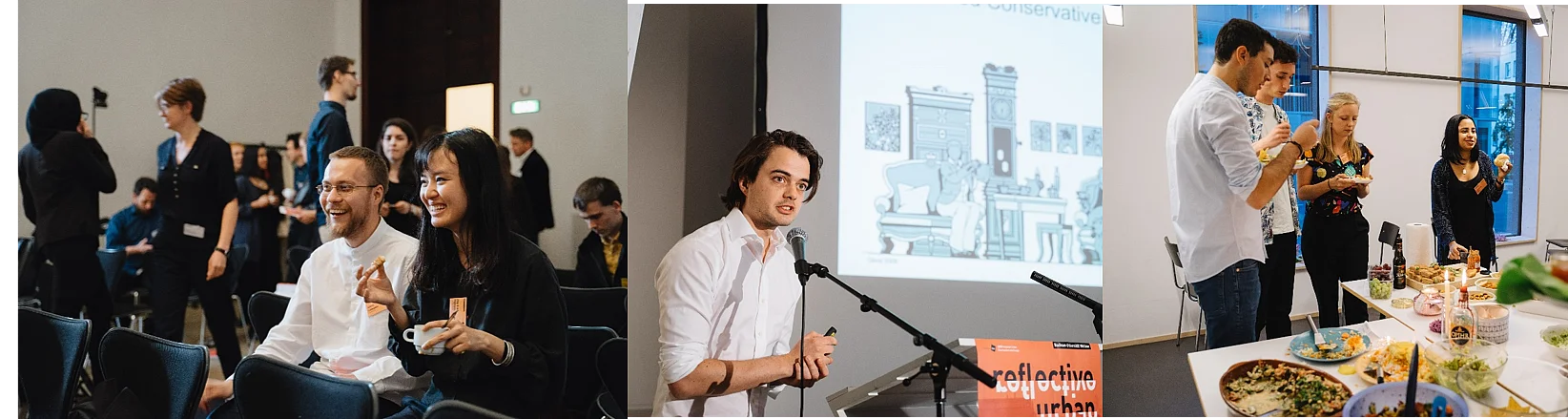
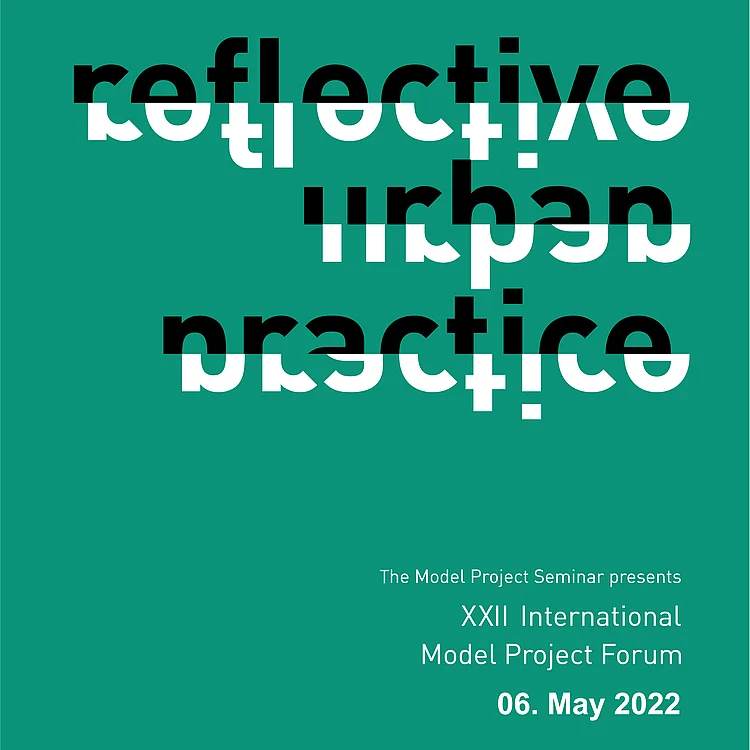
As we strive to initiate the transfer of knowledge between theory and practice by way of a mutually profitable exchange, we are looking for partners in the profession as well as in research institutions. We ask you to incorporate our early professionals into an advanced project which allows them to collaborate in all relevant phases. The model projects take place each year between the months of September and March for a duration of three to six months. All Model Projects are presented each year in the spring during the International Model Project Forum to an audience of students and professionals. The public forums at the Bauhaus-Universität are accompanied by the release of a publication documenting all Model Projects from to time.
A monthly remuneration of approximately 750.00 Euro per month is considered appropriate to the level of qualification the postgraduate students provide. A comparable compensation, i.e. providing accomodation, may account towards the remuneration deemed adequate.
What We Offer
The Model Projects of the Masters programme »Integrated Urban Development and Design« transcend a conventional internship by far to successful matches between master students and praxis partners. Aside from the qualification which our postgraduate students already possess and contribute to your institution, the following features may proof interesting to your organisation:
- Your organisation will become an official Project Partner of the Bauhaus-Universität Weimar with our master study programme and as such part of a growing network of experts in practice-oriented research and the professional field.
- You will be invited to participate in the Model Project Forum, during which the Model Projects are publicly presented in a joint format of students and expert partners. (Travel costs can mostly be covered, we kindly ask to choose the most cost efficient means of transportation)
- The conference lasts for two days and offers you to enter an interdisciplinary dialogue with internationally reknwon experts, participating in the forum as moderators or as speaker.
- A portrait of your organisation is presented at the Model Project Forum.
- Past Model Project Forums were unanimously considered a great experience and success by guests and participants likewise and are a valuable contribution to bring together praxis and academia.
1) the Model Projects previously were part of the former Master programme 'European Urban Studies' from 10/1999-9/2018 and since its reaccreditation as master programme IUSS is continued from 10/2018 on is part of the bauhaus.ifex.
We would be happy to welcome you as a Model Project Partner and supporter of our master programme and the Bauhaus-University Weimar!
Interested to become a Model Project Partner?
Contact us:
Integrated Urban Development and Design (IUDD)
dipl.-ing. (FH) philippe schmidt M.Sc.
Partners
Partners
International Model Project Partners of the Masters course »Reflective Urban Practice« - in the Study Programme »Integrated Urban Development and Design« (M.Sc.)
Contact:
Dipl.-Ing. (FH) Philippe Schmidt M.Sc. (Coordinator)
Tel. +49-(0)3643-58 27 72 Philippe.Schmidt [ at] uni-weimar.de
List of Model Project Partners
Offices, institutions and public entities are listed here with the year, in which students were doing their Model Project internship. Offices in which several students were placed the same year are only listed once.
2026/27
Aino World Inc., Dover, Delaware, USA
Arup Deutschland GmbH, Berlin
Austrian Institute of Technology (AIT), Wien, Austria
Bauhaus Participation Lab (BPL), Weimar
BUUR Part of Sweco, Brussels, Belgium
Design-to-Production, Stuttgart
Form Follows You, Berlin
LAND Germany, Düsseldorf
metris Architekten und Stadtplaner, Heidelberg
Sterling Presser Architects + Engineers, Berlin
2025/26
AS+P Albert Speer + Partner, Frankfurt am Main
Arup Deutschland GmbH, Berlin
Behzadi Architekten, Leipzig
berchtoldkrass space&options, Karlsruhe
Form Follows You, Berlin
gmp Architekten von Gerkan, Marg und Partner, Berlin
Gruppe Planwerk GmbH, Berlin
Henning Larsen, Überlingen
Leibniz-Institut für Raumbezogene Sozialforschung, Erkner
metris Architekten und Stadtplaner, Heidelberg
MUST Städtebau, Köln
Ruimte en Duurzaamheid, Municipality of Amsterdam
Sauerbruch Hutton, Berlin
SBS Architekten, Frankfurt am Main
Staatliches Bauamt, Bamberg
Studio Boden, Graz
UNIT architekti, Prague
2024/25
AS+P Albert Speer + Partner, Frankfurt am Main
Basurama Design and Architecture, Madrid
gmp · Architekten von Gerkan, Marg und Partner, Berlin
Ruimte en Duurzaamheid, City of Amsterdam
LAND Italia, Milano
LAND Germany, Düsseldorf
stadtland, Wien
2023/24
AEP Architekten Eggert Generalplaner, Stuttgart
AS+P Albert Speer + Partner, Frankfurt am Main
Austrian Institute of Technology, Vienna
Capattistaubach Urbane Landschaften, Berlin
Ruimte en Duurzaamheid, Municipality of Amsterdam
De Urbanisten, Rotterdam
GIZ TUMI, Frankfurt am Main
gmp Architekten von Gerkan, Marg und Partner, Berlin
Henning Larsen Ramboll Studio Dreiseitl, Überlingen
Henning Larsen, Copenhagen
INUMO, Bauhaus-Universität Weimar
MUST, Cologne
Pratt Center, Brooklyn, New York
Ruimte en Duurzaamheid, Municipality of Amsterdam
Samolet-Project LTD, Moscow, Russia
Tesla Manufacturing Brandenburg SE, Grünheide (Mark)
2022/23
AS+P Albert Speer + Partner GmbH Frankfurt
Bruno Fioretti Marquez, Berlin
BUUR Part of Sweco, Brussels, Belgium
De Zwarte Hond Architectuur & Stedenbouw, Köln
Gesellschaft für Internationale Zusammenarbeit (GIZ), Bonn
gmp Von Gerkan, Marg und Partner Architekten GmbH, Berlin
Kéré Architecture, Berlin
Lichtenstein Landschaftsarchitekten, Hamburg
MonViso Institute, Ostana
Orange Edge Stadtplanung und Mobilitätsforschung, Hamburg
Ramboll / Henning Larsen, Hamburg
Ruimte en Duurzaamheid (R&D), City of Amsterdam
Topotek 1, Berlin
2021/22
Austrian Institute of Technology (AIT), Wien
Büro für Urbane Projekte, Leipzig
BUUR Part of Sweco
claussen-seggelke – stadtplaner, bauleitplanung und stadtentwicklung, Hamburg
Defacto Architecture & Urbanism, Rotterdam
De Zwarte Hond Architectuur & Stedenbouw, Köln
Gesellschaft für Internationale Zusammenarbeit (GIZ), Bonn
gmp Von Gerkan, Marg und Partner Architekten GmbH, Berlin
IPU Ingenieurbüro für Planung und Umwelt, Erfurt
KCAP Architects & Planners, Rotterdam
metris Architekten, Heidelberg
MVRDV, Rotterdam
Potsdam Institute for Climate Impact Research (PIK), Potsdam
Ruimte en Duurzaamheid (R&D), City of Amsterdam
stadtland, Wien
Vereniging Deltametropool, Rotterdam
2020/21
AS+P Albert Speer + Partner GmbH, Shanghai, China
Austrian Institute of Technology (AIT), Wien, Österreich
BÜRO BLAU - räume. bildung. dialoge. gemeinnützige GmbH, Berlin, Deutschland
De Zwarte Hond Architectuur & Stedenbouw, Köln, Deutschland
gmp Von Gerkan, Marg und Partner Architekten GmbH, Berlin, Deutschland
MLA+ Berlin, Deutschland
MVRDV Rotterdam, Niederlande
Orange Edge Stadtplanung und Mobilitätsforschung, Hamburg, Deutschland
Ruimte en Duurzaamheid (R&D), City of Amsterdam, Niederlande
Stadtverwaltung Fellbach, Deutschland
Topotek 1, Berlin, Deutschland
Dr. Wackerl Büro für Stadtplanung und strategische Projektentwicklung, Köln, Deutschland
Guidelines
Guidelines
1. Content of the IUDD Model Project
The agreements with Model Project Partners are in regard to particular projects. Their extensive integration within the project of the Project Partner which has been agreed upon is binding for both parties. Integration within other projects may only occur if these are relevant within the thematic context of Integrated Urban Development and Design.
The internship agreement includes a specific assignment, ideally research-based design. Its integration into the particular work process needs to guarantee the ability to extensively acquire knowledge of the structure of the project and the Project Partner. Expressedly intended is the ability to contact relevant personnel, transfer between departments and intensive integration into meetings and exterior contacts of the Project Partner. Possibilities of intensive inquiry and research work should be made available.
2. Financing
Usually, a working contract is signed with the Project Partner, guaranteeing a limited special status within the Model Project. The payment needs to be considered for each particular case. We consider a monthly payment of 750.00 Euro per month as an appropriate compensation for our postgraduate students, or a comparable compensation, also in regard of the local rental market for housing, i.e. like providing accommodation or other compensation. The compensation surely also depends from the different professional experience and academic degrees of our postgraduate students.
3. Project Report and Evaluation
Parallel to project oriented tasks, the presentation of an extensive project report is a central objective of the working contract. The project report consists of at least 25 pages (choose landscape or portrait format according to what is more useful for the project you relate to) and is the basis for the intended publication on the Model Projects "Reflective Urban Practice". We are Europe-based but not Europe-centered and our vision of urban studies lays beyond borders - knowing that the influences among different cultural spheres today is a part of how cities are developed. Knowledge exchange that nevertheless identifies how different approaches to solve urban problems and to identify solutions and strategies have a special value.
Part of the work on the report will be introduced within the Model Project Forum "Reflective Urban Practice" in a lecture of 15 minutes + a debate. The report is reflecting practice (in design or research or strategic development etc.) but should use the proper way of scientife writing by using adquate sources (original sources like plans etc, texts, images) and quoting properly.
It is reommended to include the following aspects:
a) Description of the project structure of the Project Partner
- legal construct
- history and context related to the current urban discourse
- tasks / projects of the student
- clients and partners
- working structure, management concept and hierarchic patterns
- leadership and communication structures
Model Projects to which you have collaborated
- project description
- legal construct, financing
- client and partners
- team profile and disciplinary structure/tasks of disciplines involved
- project history
- classification and context of the project related to a broader urban discourse
Your tasks within the Model Project
- range and field of activity
- competence and tasks within the project
- team work
- acceptancy and experience
b) Evaluation
Beyond this, we expect a critical analysis and reflection of the Model Project within the field of topics of the Integrated Urban Development and Design (IUDD) study course.
- Classification of the project within the contemporary discourse of urbanism
- evaluation of the innovative character of the Model Project
- evaluation of the success of the Model Project
During your Model Project time we recommend to write a "Project-Diary". Also, from the beginning on, material should be collected and a well executed documentation of the Model Project (photos etc.) should be conducted.
A successful Model Project internship, the preparatory seminar as well as the Forum seminar and finally the Model Project Forum and is of importance for the success of the study programme "Reflective Urban Practice" in the master study course "Integrated Urban Development and Design". Only by intensive collaboration with interesting Model Project Partners from the various disciplines participating in the field of urban design/urban research/administration/project development may fulfill the expectancy of contributing to the development of a new planning culture.
The team of the study programme "Integrated Urban Development and Design" wish you a successful Model Project experience!
Forum
Studiengangsleiter
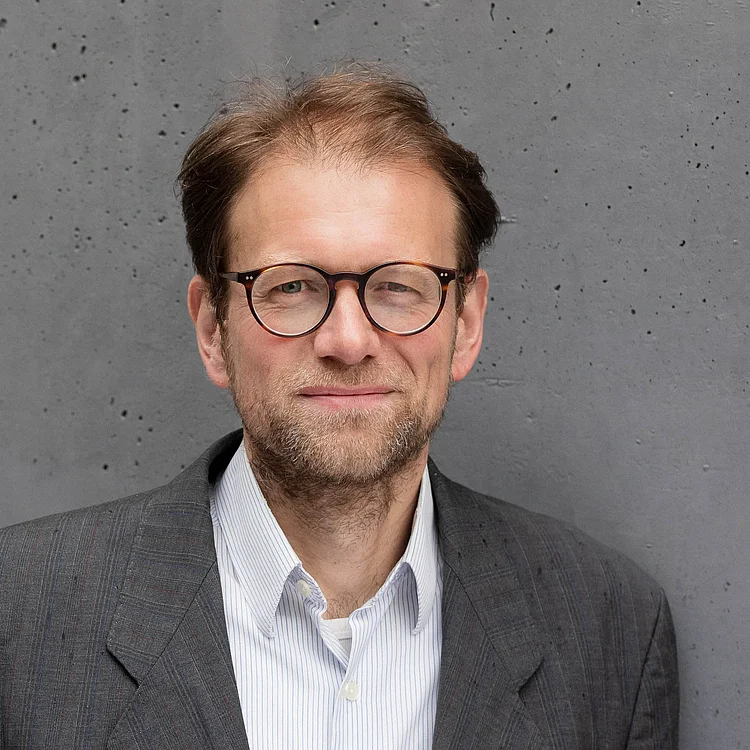
Dr.-Ing. Reinhard König
Lehrstuhlinhaber (komm.)
Teachers
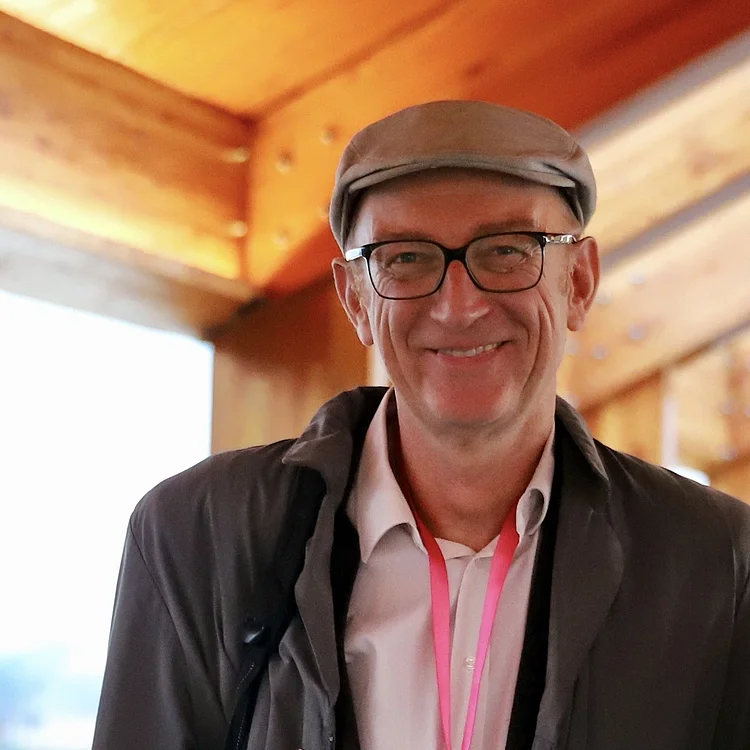
The Master Thesis
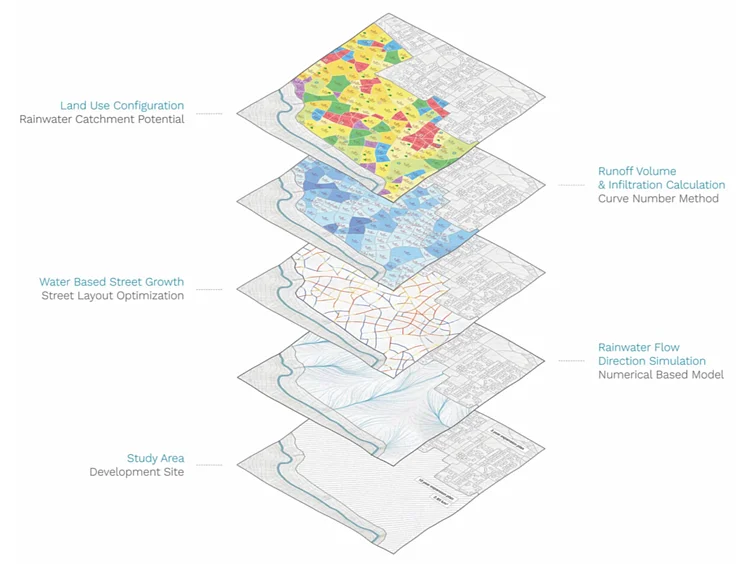
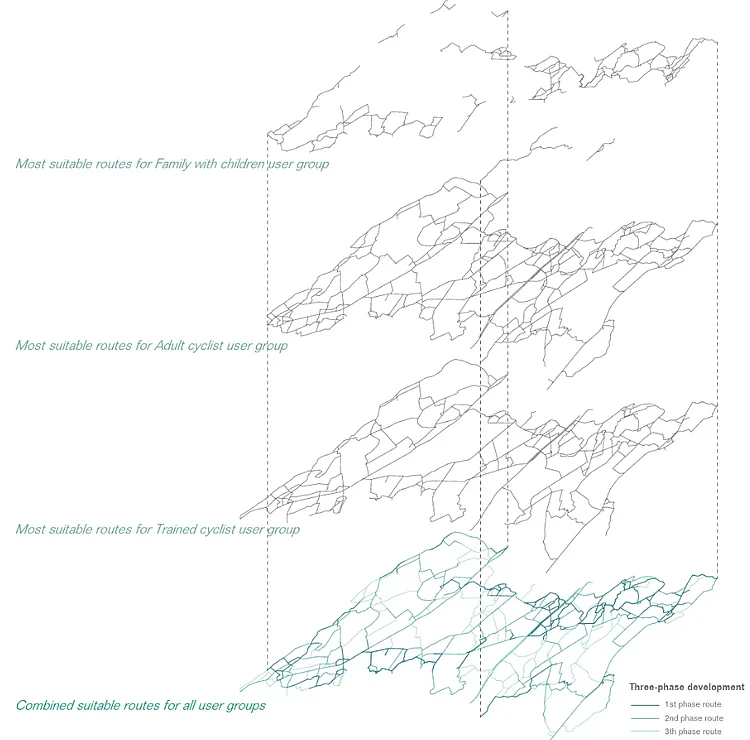
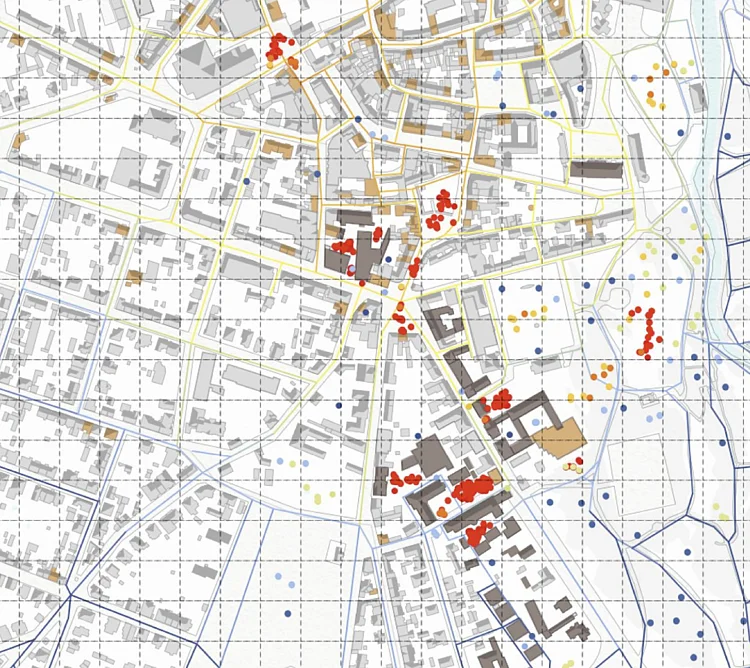
The Master Thesis is the final part of the study programme. All the acquired knowledge and practiced skills will be used in a final project. The examples of theses shown on this page stem mostly from the Chair "Informatik in der Architektur und Urbanistik". However, the part of "completed theses" creates a complete picture of the possible disciplines and topics of master's theses.
Thesis procedures and forms
Thesis procedures and forms
Your Masters thesis represents your final step towards completing your scientific education. It is meant to exhibit the candidates ability to engage with an issue of the urban realm independently - within three months and by way of scientific methods (see § 9 Abs. 6 Examinations Regulations). Key information on the execution of the Masters thesis are compiled in the below guidelines. There are two regular deadlines when you can apply to write your thesis. Please consider that to develop a topic and thesis proposal and to ask suitable examiners/ supervisors of your thesis needs enough time before the registration deadlines.
Master Thesis Application - Deadlines for summer and winter semester
Based on §6 and §17 of the Examination Regulations students have to submit the Thesis Application Form to the IUDD Examination Office (print or email) by the following deadlines at latest before starting to write the master thesis. We are happy ot:
April 10 - for writing the thesis during summer semester
October 10 - for writing the thesis during winter semester
By submitting the Thesis Application Form students apply for a certain subject and supervisors (examiners) of the thesis - based on a thesis proposal (abstract) and are officially registered for that process. Application and registration for the Master Thesis writing phase is either in the summer semester or winter semester. Please check forms and regulations below one month before the deadline as they are part of your preparation to the thesis. After submitting the application form to the examination office. After the office formally checks if prerequirements for the thesis are fulfilled, students will be formally registered for thesis writing by May 1 (summer semester) or November 1 (winter semester) from which the formal writing phase of 12 weeks is starting.
Instructions, forms and regulations (downloads)
1. Find more details in the Thesis Application Form (download here)
2. The requested Performance Control Sheet which has been handed over to students at the beginning of their studies if also available digital
a) for those who started their studies BEFORE winter semester 2025/26 or
b) for those who started studying from winter semester 2025/26 on
3. Find more information as a step-by-step description of the Masters Thesis Procedures here.
4. IUDD Examination Regulations
Submission of master thesis
Three printed versions of the thesis have to be submitted to the IUDD secretary Ms. Annett Wagner at latest or before the final date of submission. Two prints are for the the examiners/supervisors and one for our thesis archive. Although living in digital times it is recommended to print also an additional one for yourself. In case a supervisor abstains from a printed version and asks to only get a digital one, please inform and forward the IUDD secretary through a written statement (Email) from the supervisor.
1. For the final print and digital version of the thesis you are required to include the form “Declaration of originality" as declaration of original work and to sign it - if you fulfil the requirements on the form.
2. Example for the Master´s Thesis Cover Page.
3. Exceptional thesis defense (oral examination): In case you second supervisor is not able to attend your final thesis defense you can suggest and hand in the Application form to suggest a third Supervisor at the IUDD examination office.
Examples of Theses
Examples of Theses

Examination Regulation
Study Regulation
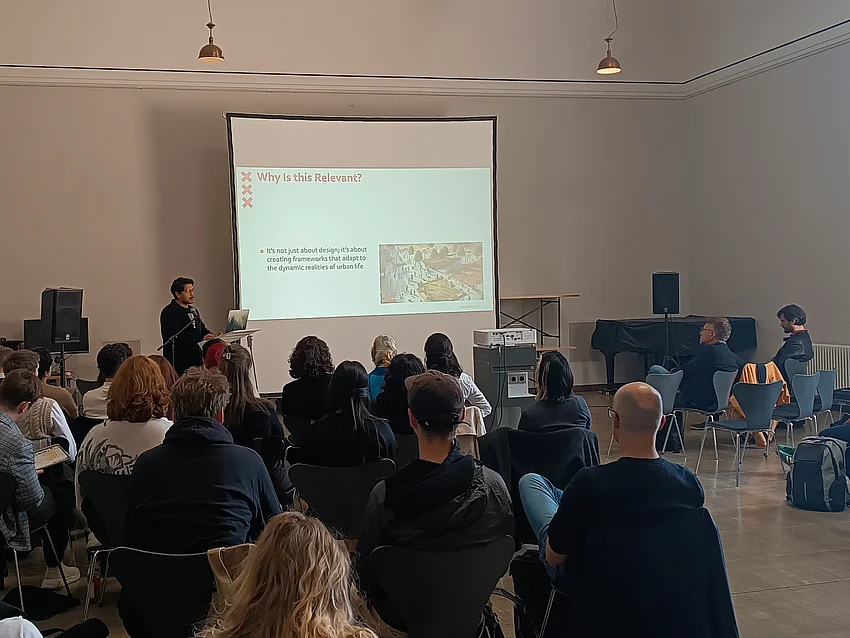
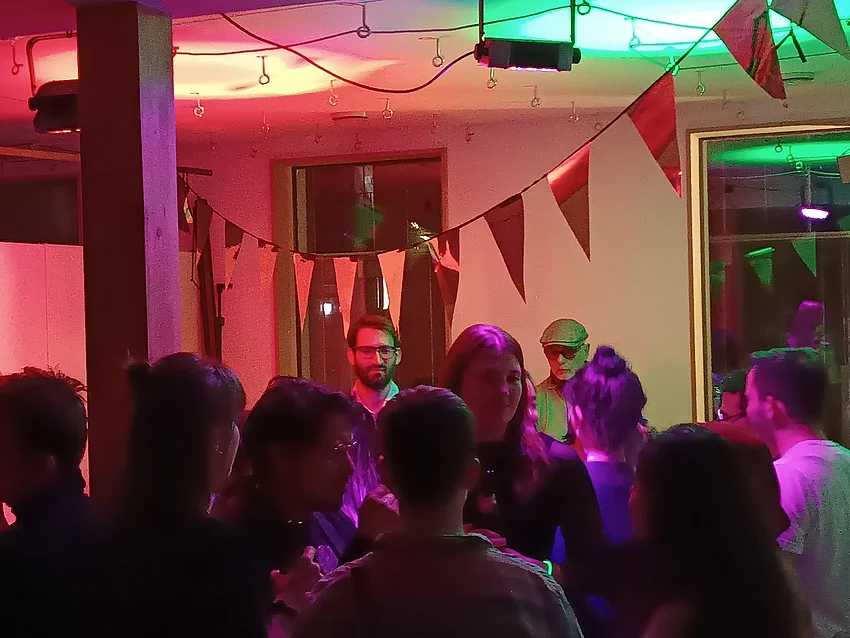
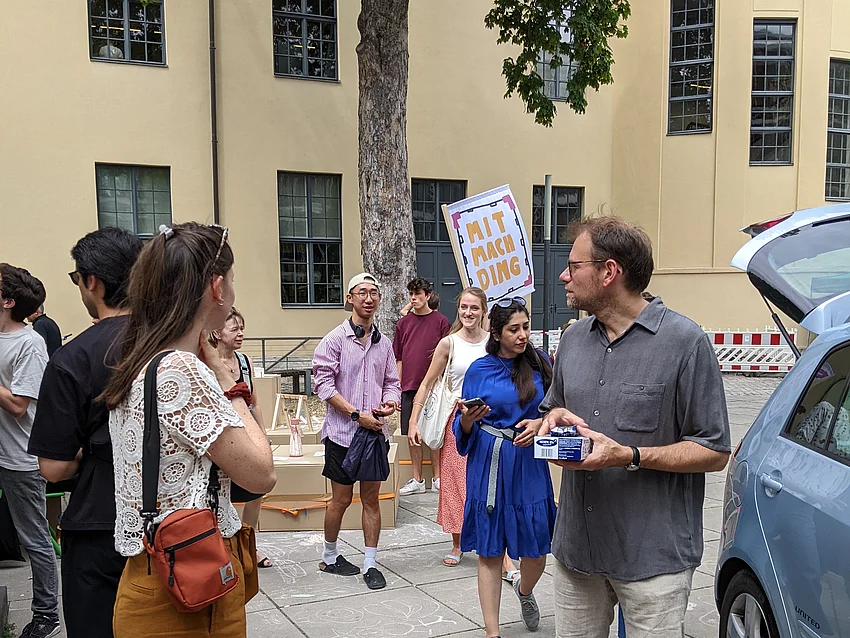
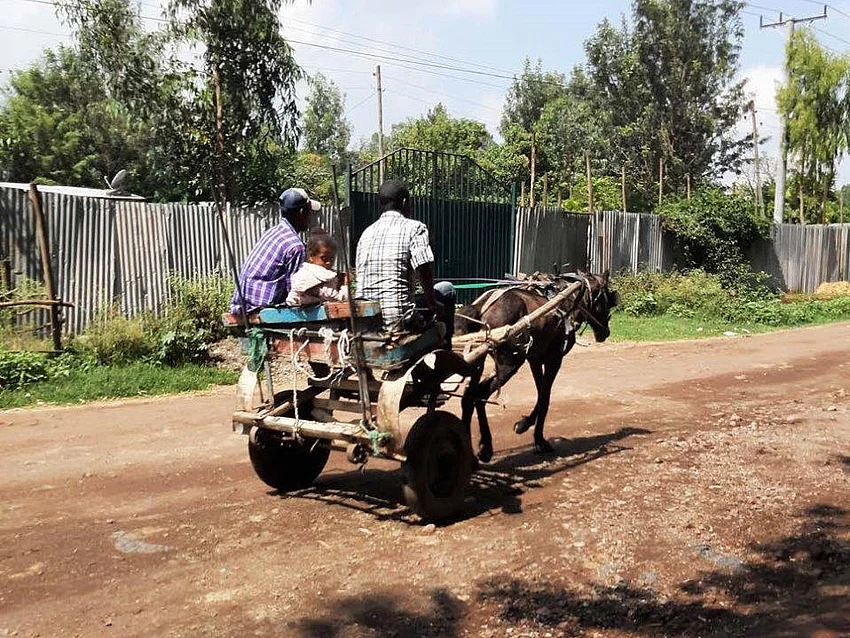
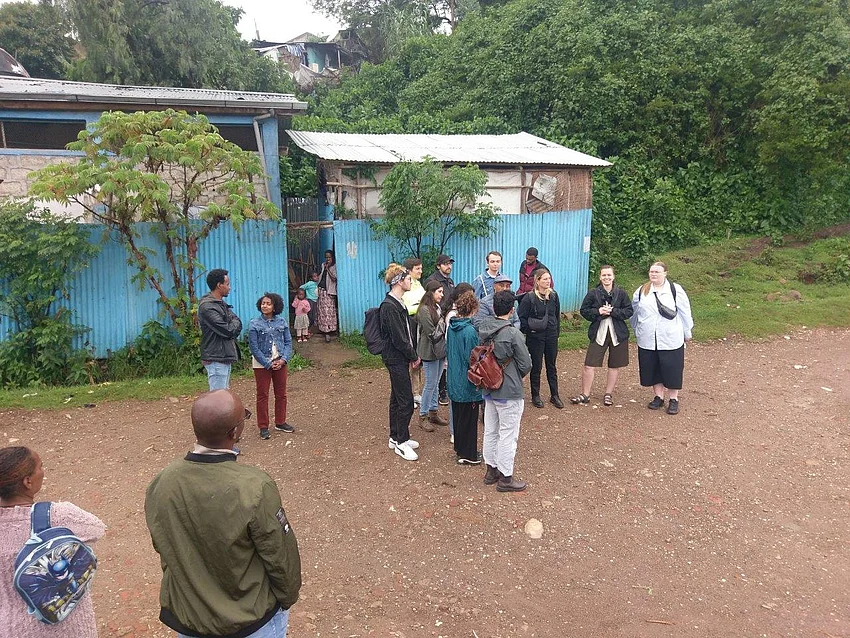
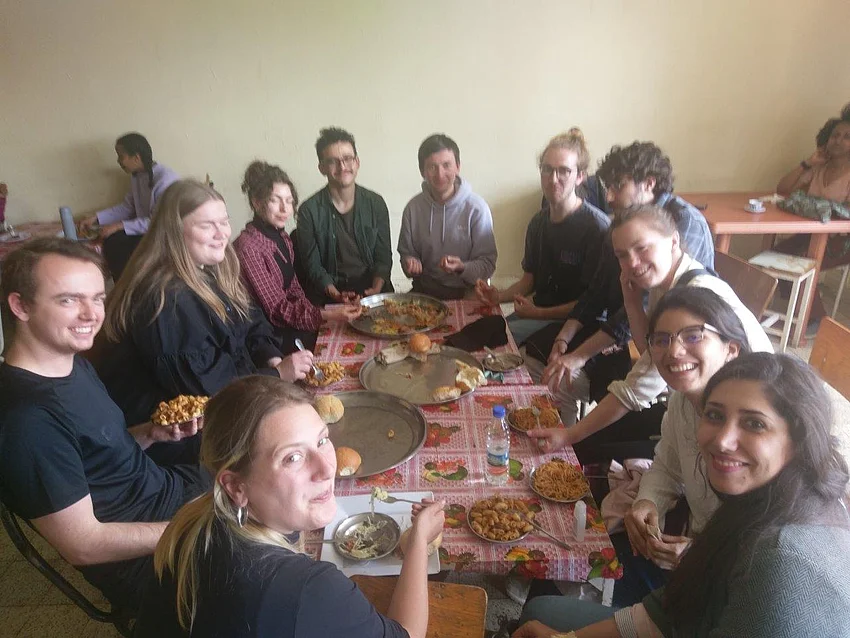
Impressions and Excursions
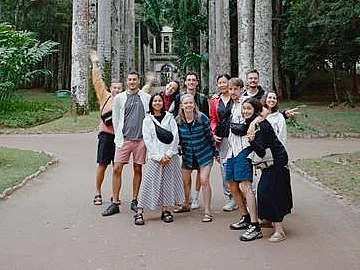
(Image: Martin Oravec)
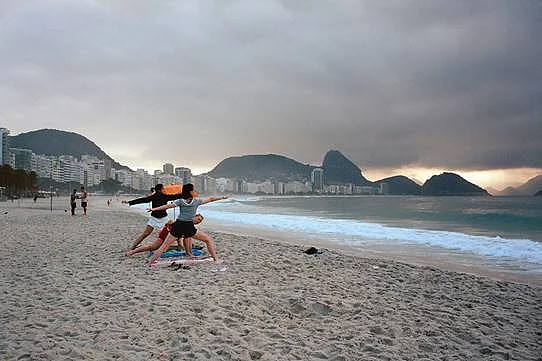
(Image: Martin Oravec)
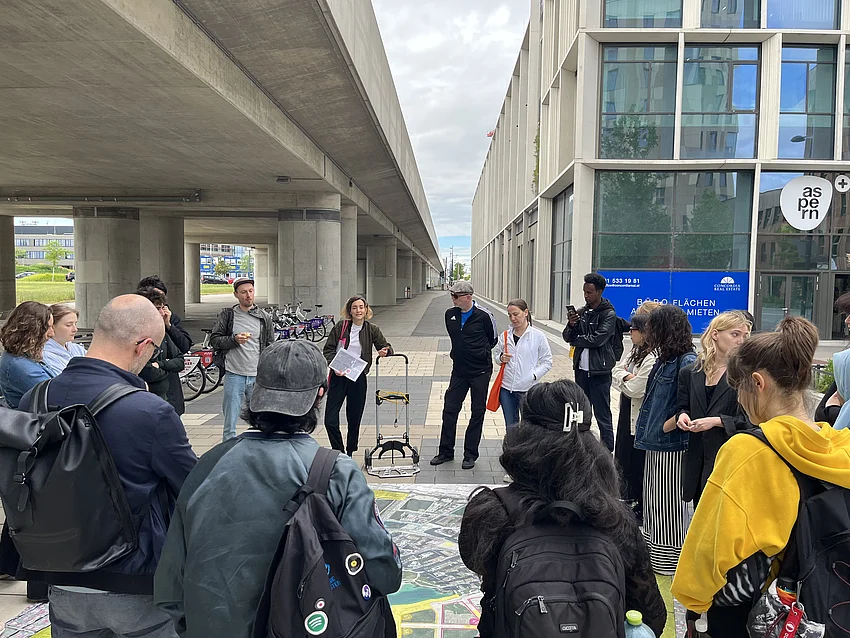
(Image: Lisa Lindemann)
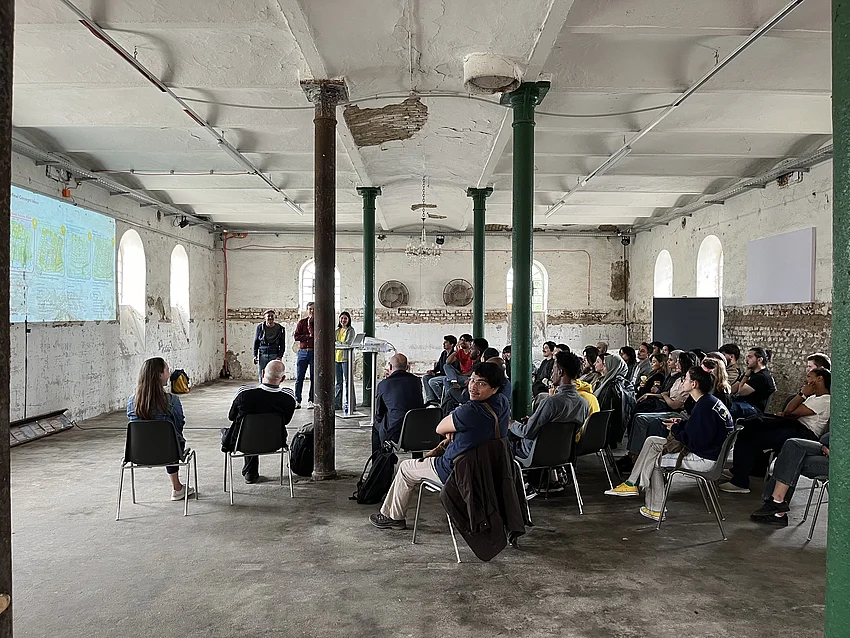
(Image: Lisa Lindemann)
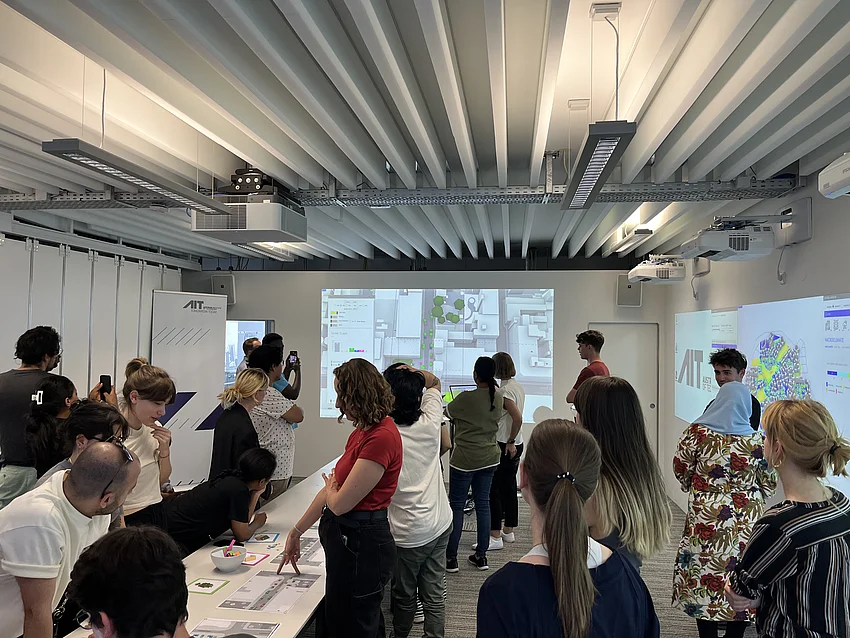
(Image: Lisa Lindemann)
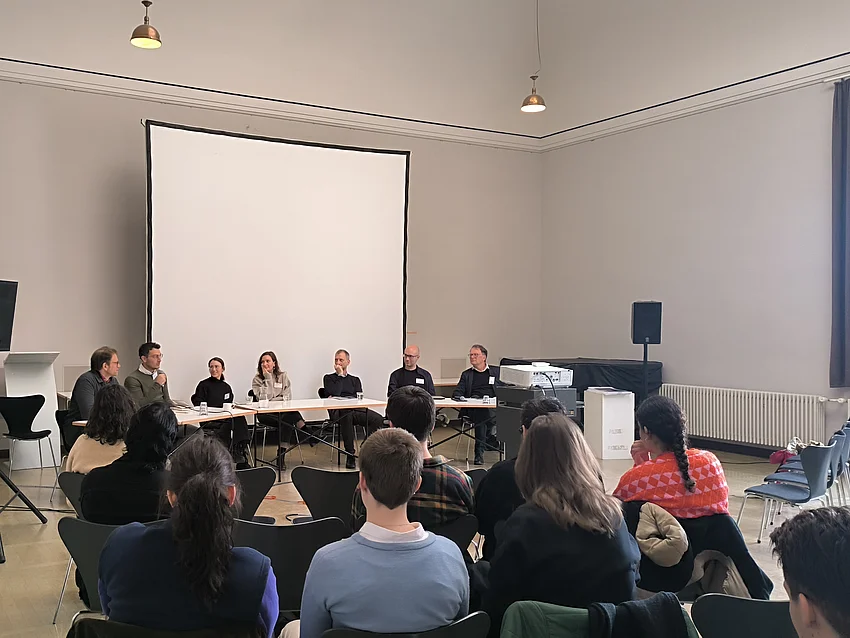
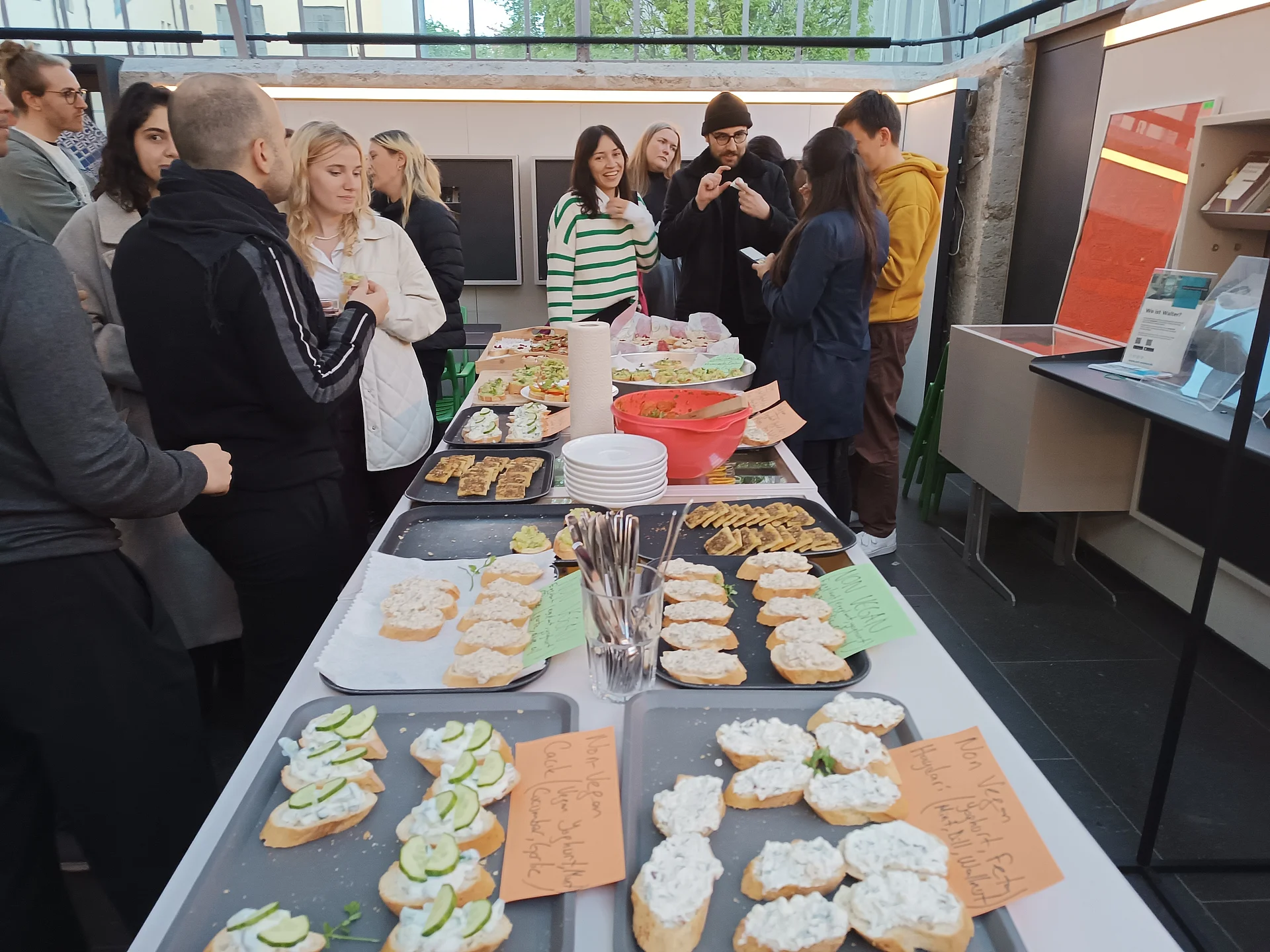
(Image: Philippe Schmidt)
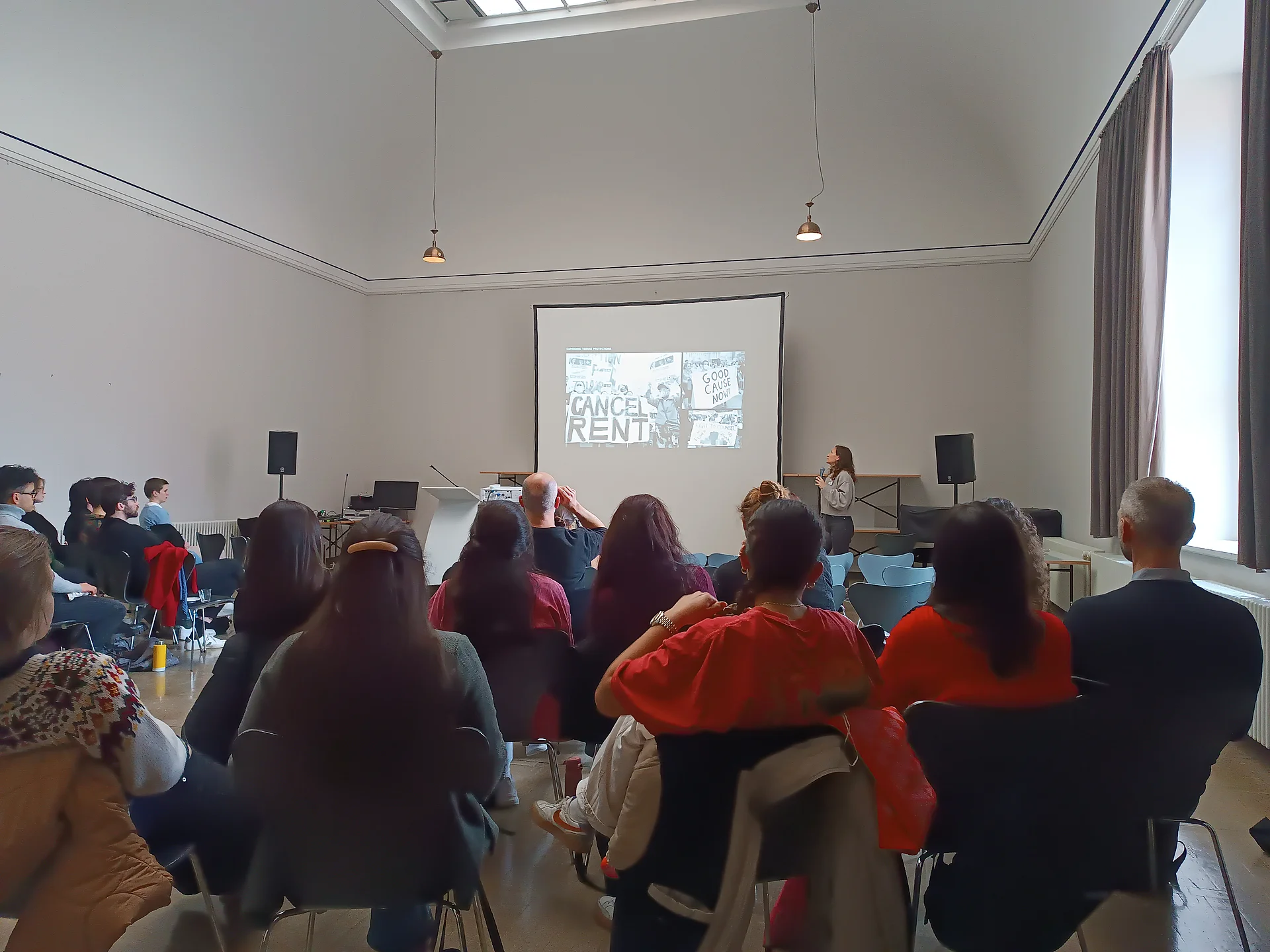
(Image: Philippe Schmidt)
(Image: Tomas Muller)

(Image: Anastasia Surova)

Questions about the programme?
Dipl.-Ing. (FH) Philippe Schmidt M.Sc.
Koordinator
Annett Wagner
Administration
Prof. Dr.-Ing. Reinhard König
Studiengangsleiter Master Integrated Urban Development and Design
Questions about the Enrollment process?
Dezernat Studium und Lehre
Prüfungsausschuss Master IUDD