

About the degree programme
The understanding of visual codes and their potential has become essential in today’s world. Along with written text, an increasing range of visualisation strategies are being used in academic work to support presentations, cognitive processes, and decision-making. Digital media culture in particular relies heavily on analytical visualisation tools, artistic imagery, and illustrative approaches. (Mapping, image statistics, navigation)
New aspects of teaching and research are developed in the Visual Communication Master’s degree programme. Together with the history, theory, and aesthetics of visual communication, they open up new prospects for reflection and access to a broader range of professional fields. Images and visuality as analytical categories, alongside interdisciplinary research approaches in communication studies, provide new methods and possibilities.
Students in our Master’s degree programme can select one of the specialisations offered by the programme’s professorships. Master’s projects are supervised by at least one professor from the programme’s practical disciplines and one professor from theoretical disciplines.

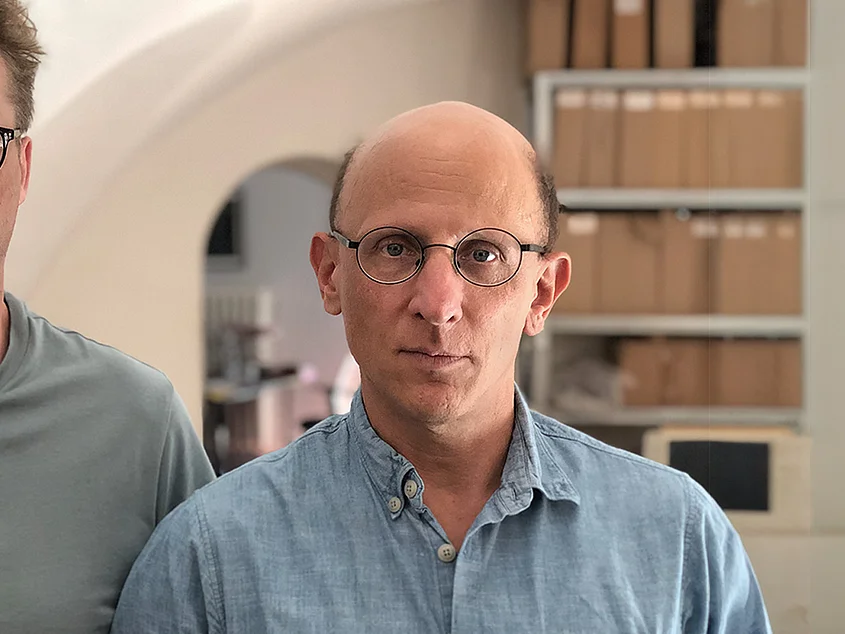
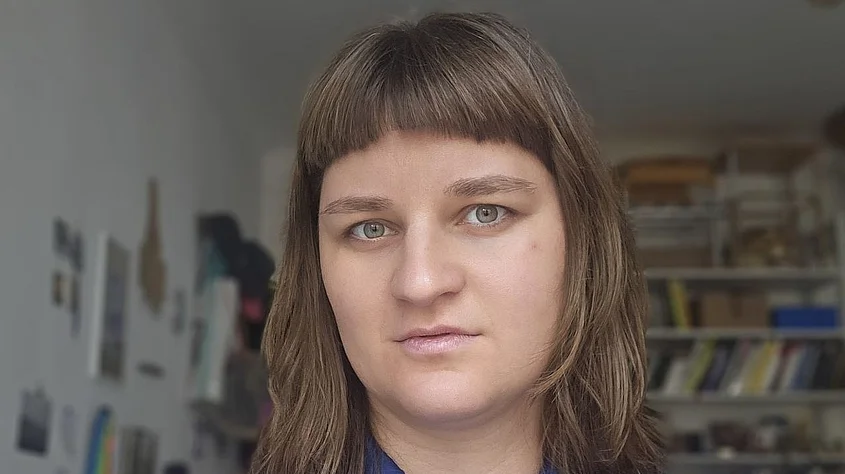
The Professorships
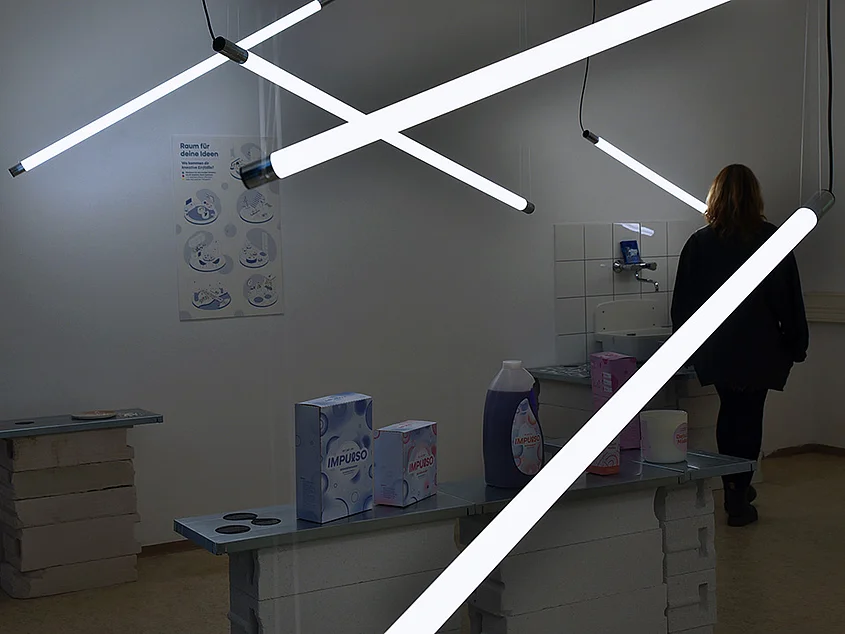
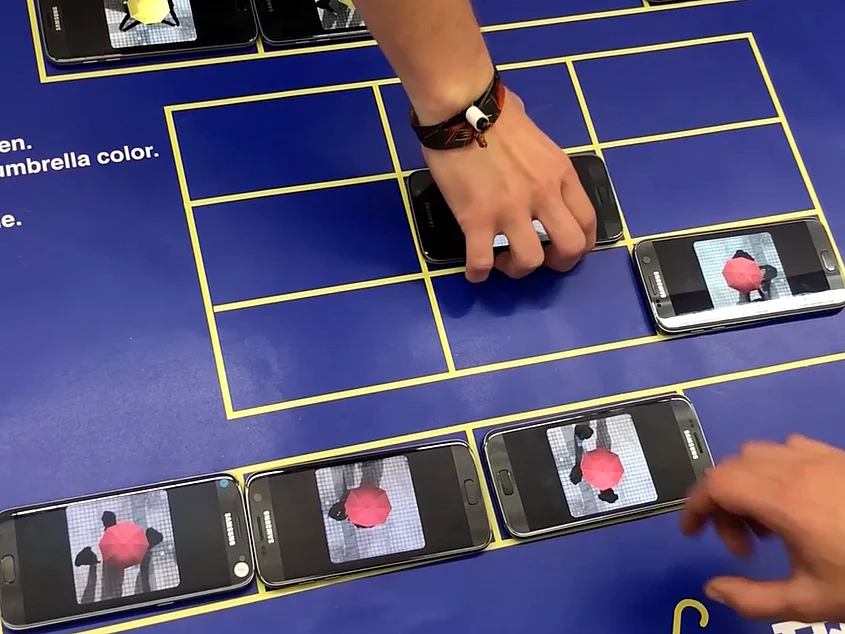
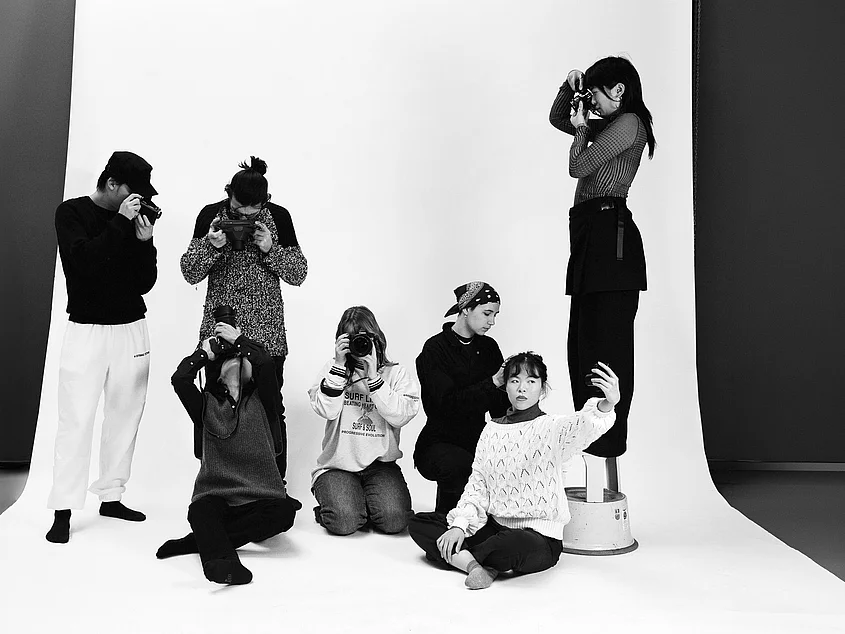
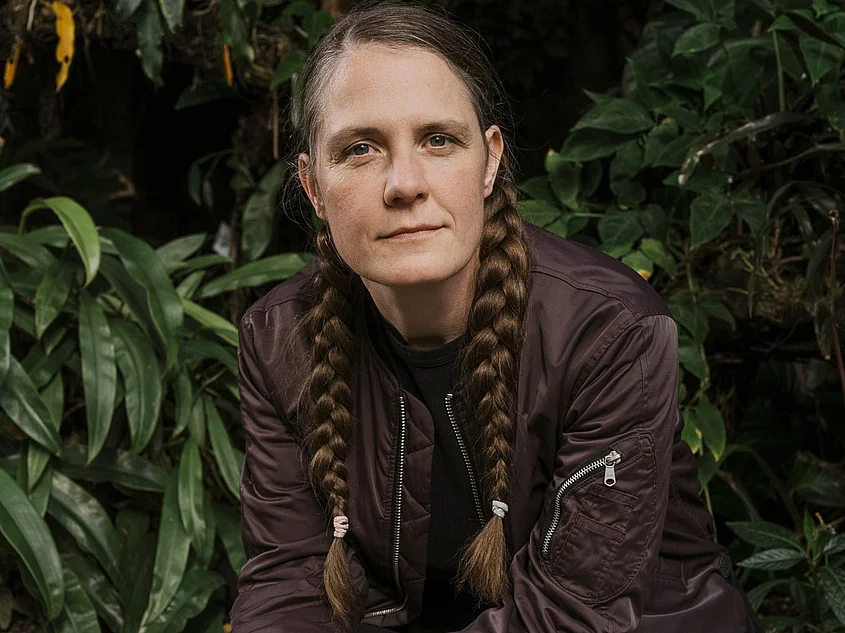
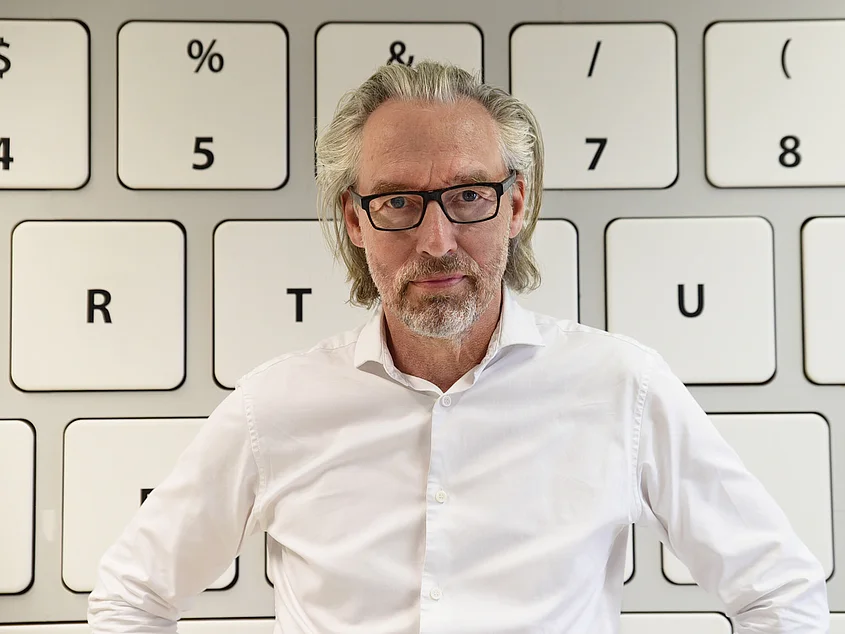
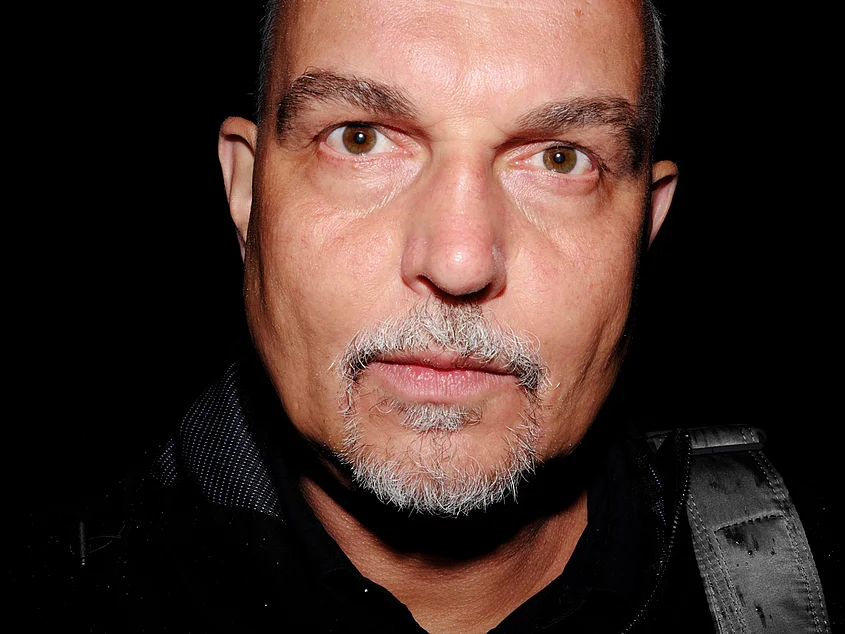
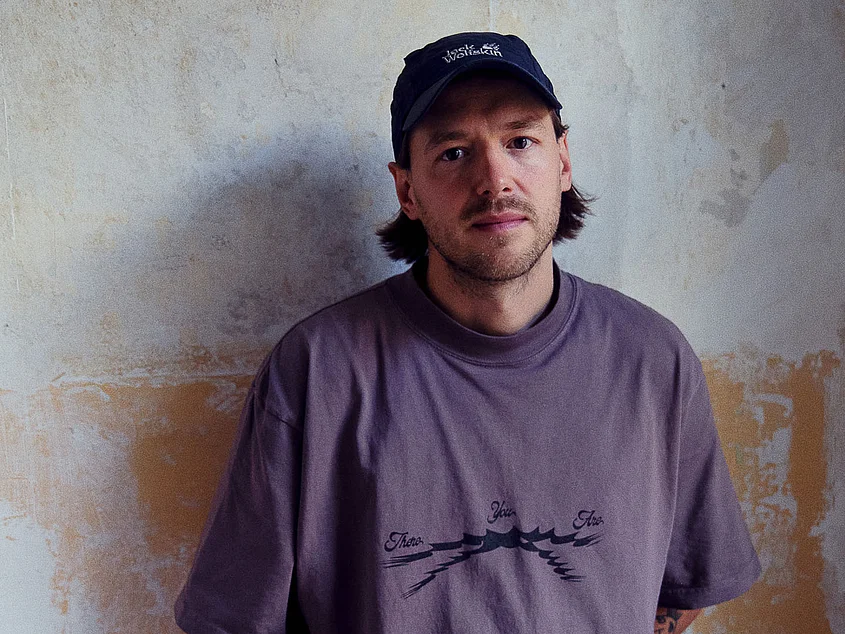
The Visual Communication degree programme is comprised of five professorships whose respective areas of expertise complement one another. The themes of the projects carried out within the programme are updated each semester and tend to be interdisciplinary in nature. Students can also enrol in courses offered by related degree programmes; likewise, students from other programmes can participate in Visual Communication courses. Scientific modules complement the curriculum.



Depending on the Bachelor’s Degree: Bridge Semesters
The duration of the Master’s degree programme depends on the undergraduate degree. Students who have completed an eight-semester Bachelor’s degree programme may directly begin the Master’s degree programme. Students who have completed a seven-semester Bachelor’s degree programme must complete one bridge semester. Those who have completed a six-semester Bachelor’s degree programme must complete two bridge semesters. During the bridge semesters, students build their disciplinary and academic foundations while preparing for work in their chosen specialisation.
Project Semester
Applicants are required to indicate their chosen area of specialisation and submit a brief outline of their proposed Master's project as part of their application. During the project semester, students develop this proposal further in collaboration with their professors and implement it as an independent project. A scientific module and a Master's colloquium are also part of the project and support its development while helping students define their individual design identity.
Final Semester: Master’s Thesis
In the final semester, students develop their project into an independent Master's thesis by combining creative practice with critical reflection while developing a compelling form of visual communication. The Master's thesis's thesis includes the presentation and documentation of results.
Application process
The application for all degree programmes of the Faculty of Art and Design at the Bauhaus-Universität Weimar is exclusively conducted digitally via the Bauhaus.CampusPortal. Registrations for the aptitude tests are possible from – attention NEW – 2 February of the year. Please complete your application by uploading all necessary documents by 31 March.
To apply for the aptitude test, please submit the following documents online via our Bauhaus.CampusPortal:
- University-entrance diploma (Abitur)
- Copy of the certificate from a university degree (Bachelor, Diploma or comparable degree)
- Copy of your identity card or passport
- Motivation letter explaining the desire to study and work, a focus of study and the planned Master's topic presented comprehensively on around one A4 page
- Curriculum vitae
- Digital portfolio containing samples of original design work (as file or download link)
- Copy of proof of native-speaker proficiency in German (copy high school diploma (Abitur)
or - first professional qualification in a German-speaking country
or - Proof of language proficiency in the German language at level C 1 of the Common European Framework of Reference (CEFR) by language certificates DSH-2 or TestDAF (4 x TDN 4)
- Passport photo (for your student ID card)
The examination committee will review your application and decide on your application. You will be informed in writing of the result of the aptitude test no later than four weeks after the test has been completed. Further details on the aptitude test are regulated by the aptitude test regulations (only available in German language).
Language requirements:
Please note that passing the aptitude test does not mean automatic admission to the degree programme. Please submit a current proof of language proficiency with your application documents, which shows that you will reach the required language level by the time of your matriculation at the latest.
Lessons are taught in German. You must provide proof of German language proficiency. Prerequisite for International Students are German language skills at the level C 1 (DSH-2 or TestDAF TDN 4).
If you have any questions relating to certification, please contact the colleagues at the Office of Student and Academic Affairs: studium[at]uni-weimar.de
For further information visit the website of the Language Centre.
After graduation
After graduation, students are qualified to pursue careers in the fields of design, media, culture, and communications. Graduates work in agencies, design firms, publishing houses, media companies, cultural institutions, the public sector, or are self-employed. The degree programme provides the foundation for these career paths by combining design practice with conceptual thinking, technical expertise, and the ability to consciously develop visual communication and convey it clearly.
Visual communication influences how information, images, and messages are conveyed and understood. Graduates are employed wherever content needs to be visible, readable, and understood. This includes analogue media, digital processes, moving images, campaigns, exhibitions, and editorial content.
Students learn to work confidently with images, typography, layout, photography, moving images, and digital tools. They think strategically, develop creative judgement skills, collaborate effectively in teams, and make complex content visible, accessible, and easy to understand.
AI based tools are transforming design processes, image creation, research, and editorial work. The degree programme qualifies students to use these tools creatively, evaluate their results, and assess their impact.
Graduates of our Visual Communication programme pursue careers in the following fields:
- Graphic design and communication design
- Typography and editorial design
- Publishing and publication
- Photography and photo editing
- Film, animation, and moving image
- Creative agencies, design studios, and brand communication
- Campaigns, advertising, and public relations
- UI/UX design and digital applications
- Game design and interactive media
- Media design and digital production
- Exhibition design, scenography, and information design
- Curation, cultural institutions, and independent project work
- Research and teaching
- Self-employment and the creative industries