About the Degree Programme
The Master’s degree programme in Media Art and Design focusses on a chosen specialisation from the very beginning: Film, Interaction, or Sound. The focus is on the independent development and implementation of artistic projects within the chosen specialisation. Throughout the programme, students work in a research-based and experimental way – both in groups and individually. They expand their design skills, test out new methods, and combine artistic practice with critical reflection. In this way, students gain in-depth expertise in one of the specialisations and take part in the contemporary discourse through numerous collaborations as well as exhibition and concert projects. At the centre of this is the development of student’s individual artistic identity.
Film
Film
A specialisation in Film offers space for the development of independent and experimental film projects. Starting from the tradition of the auteur film, students engage with audiovisual language and its aesthetic, dramaturgical, and technical possibilities. At the centre are artistic innovation, the exploration of cinematic means and narrative forms, and a critical engagement with artificial intelligence, considered in the context of film's historical and political development.
Students develop their own cinematic concepts and implement them using analogue or digital techniques – individually or in teams, as single works or in serial forms and formats. The spectrum ranges from animation, documentary, and narrative film to hybrid narrative forms and experimental film.
A foundation in the crafts of screenwriting, directing, camera, editing, sound, and lighting supports students in implementing their own projects. The animation workshops, the film and television studio, and editing and post-production rooms are available for this purpose. External professionals from film and television add industry-specific expertise to the programme.
Interaction
Interaction
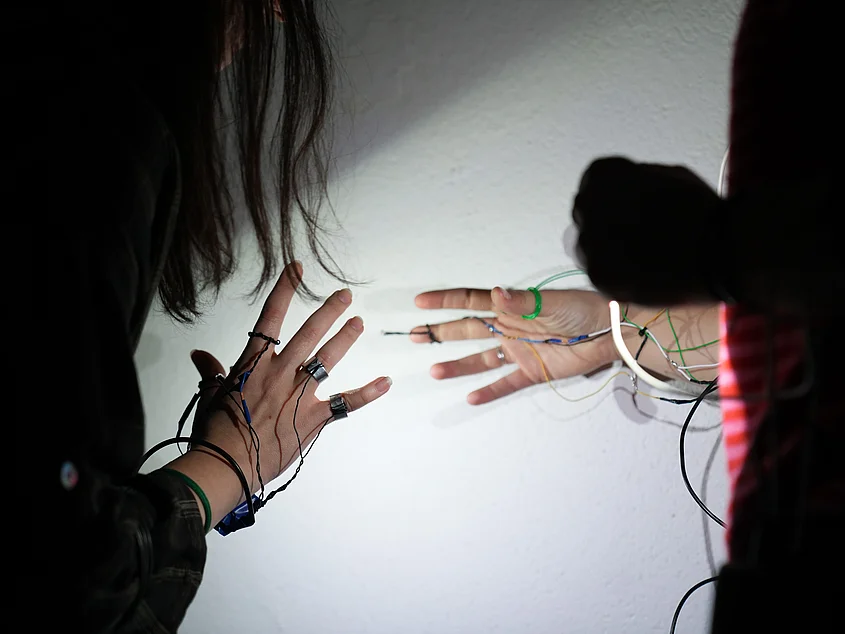
A specialisation in Interaction involves exploring the relationships between people, space, technology, and materials. Students investigate how physical and digital systems can be combined with one another through movement, light, sound, gestures, or data. The programme combines experimental artistic practice with design-focussed and socially relevant questions: How do spaces react to their users? When does technology itself become an active participant? How do interactions generate aesthetic or critical experiences?
The spectrum ranges from interactive installations, performative spaces, and light-based pieces to physical interfaces, prototyping, and experimental electronics. The focus of the programme is on artistic exploration of technology as a tool, a material, and a subject of critical reflection.
Students learn to implement their own concepts using digital and analogue methods, including sensors, microcontrollers, 3D printing, and light as an interactive medium. The programme encourages students to create new forms of communication, perception, and materiality. In addition to technical expertise and design precision, a critical engagement with technological systems, sustainability, and the social dimensions of media plays a central role.
Sound
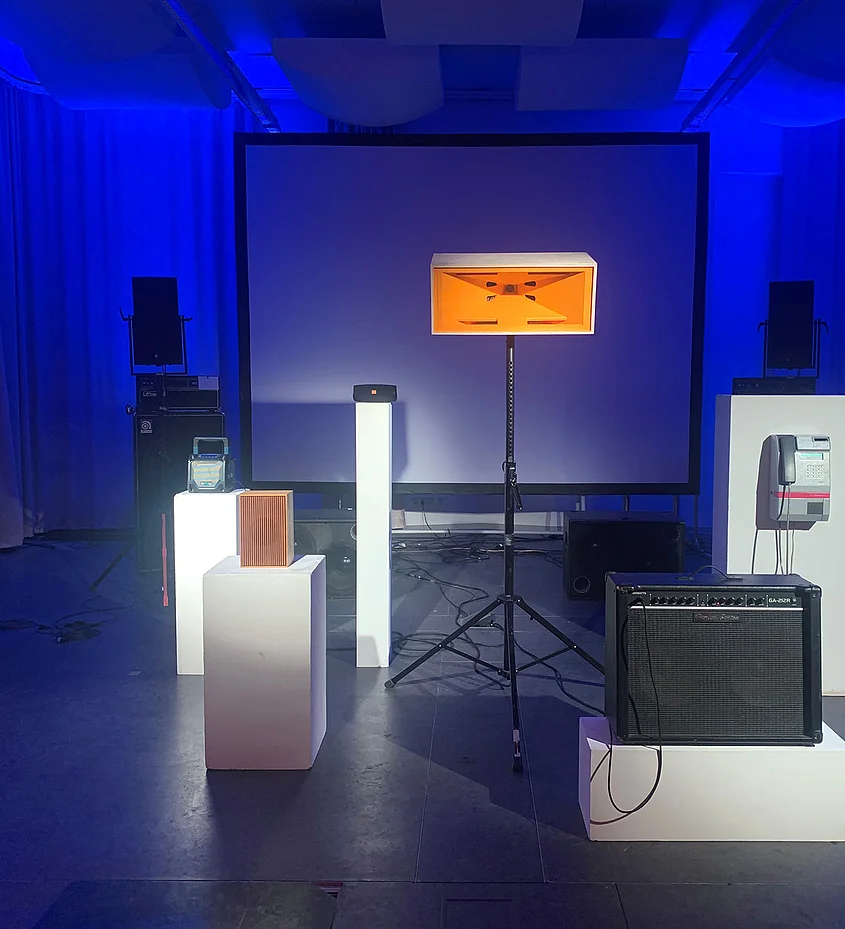
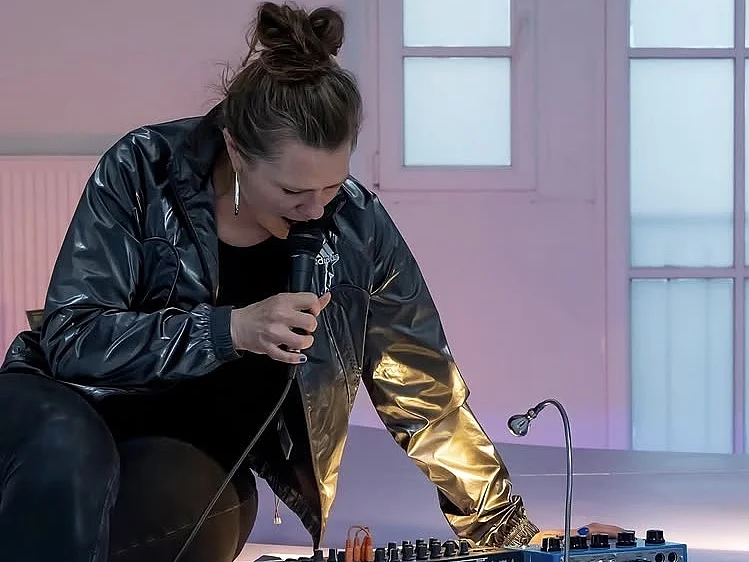
A specialisation in Sound teaches students to develop their own artistic voices through contemporary approaches to listening, electroacoustic composition, radio art, and acoustic narration. During this process, they also explore analogue, digital, and mechanical instruments, as well as location-specific, performative, and sculptural methods. The programme combines artistic practice in professionally equipped studios with critical reflection, and its broad spectrum of approaches emphasises the multidisciplinary nature of sound.
The Sound programme is unique in Germany when it comes to its diversity and scope. Sound is explored from an interdisciplinary perspective alongside the teaching of technical skills. Examples include courses on recording techniques, acoustics, editing, mixing, playback, writing for radio, conducting interviews, sound synthesis, programming, and building acoustic sensors, instruments, and performance setups. Seminars on sound studies, radio theory, and contemporary music encourage critical engagement.
Real-Life Examples
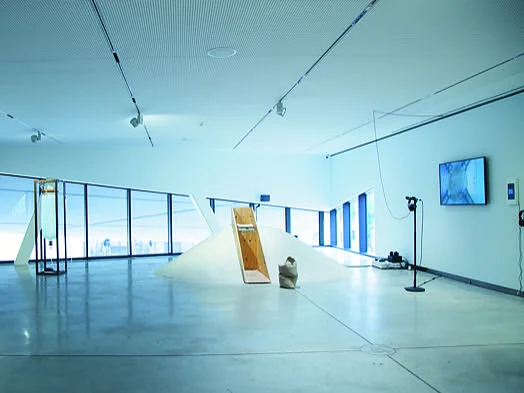
The artistic and media practice of Media Art and Design becomes public in a wide range of formats: exhibitions, film events, TV, radio, and sound productions, concerts, interactive installations, talks, and performances.
Students and teaching staff use these forms and formats to present their work and to make artistic, technological, and social issues public. In doing so, media and performative forms themselves also become objects of artistic exploration – for instance, when a space responds to its audience, or when an intervention in public space opens up new perspectives.
Collaborations with practitioners from research, art, culture, and media, and their institutions, as well as participation in festivals, conferences, and congresses, carry the projects beyond the University and out into the world. Below are some of the events that take place on a regular basis:
Projects from the Media Art and Design programmes are regularly showcased at international events such as Ars Electronica, next_generation ZKM, the Hörspielsommer Leipzig, the Berlin Hörspielfestival, DOK Leipzig – International Leipzig Festival for Documentary and Animated Film, and Festival d'Animation Annecy.
Summer Reel is the Film specialisation's most important University-internal event: every year, students curate a film programme for the first weekend in July at the close of »summaery«, which is presented publicly in the city or in the Audimax.
TeleVisionale. Since relocating from Baden-Baden to Weimar, this German television festival has been a partner of the Bauhaus-Universität Weimar. Since 2026, a regular course module has been offered in the context of the festival, called TeleVisionale – Film and Series Festival Weimar.
Regular workshops in the field of Interaction are conceived as open spaces for artistic and experimental thinking. New objects, artefacts, and installations emerge through experimentation, interaction, and collaborative making at the intersection between interplay people, material, and technology.
Regular artist talks in the field of Interaction make space for encounters, exchange, and new perspectives. International artists offer insights into their practice and invite us to explore the relationships between nature, technology, space, and perception together.
Sonic Talks: internationally renowned artists and researchers are regularly invited to Weimar to share insights into contemporary artistic practice.
Sonic Tuesdays: a recurring listening and performance series in the field of Sound. This series is open to students, staff, and guests.
Strömungen: a recurring sound festival held by all three Sound professorships at the end of each semester.
On Air: the student initiative and Experimental Radio programme bauhaus.fm broadcasts every Monday and at the end of each semester on 106.6 kHz/Radio Lotte in the Weimar area, and worldwide via stream.
Archive: Expa 2.0, a growing archive of sound and radio art comprising more than 9,000 works from over 100 years of sound art, available to students, teaching staff, and researchers at the Bauhaus-Universität Weimar and the University of Music FRANZ LISZT.

Outstanding Facilities
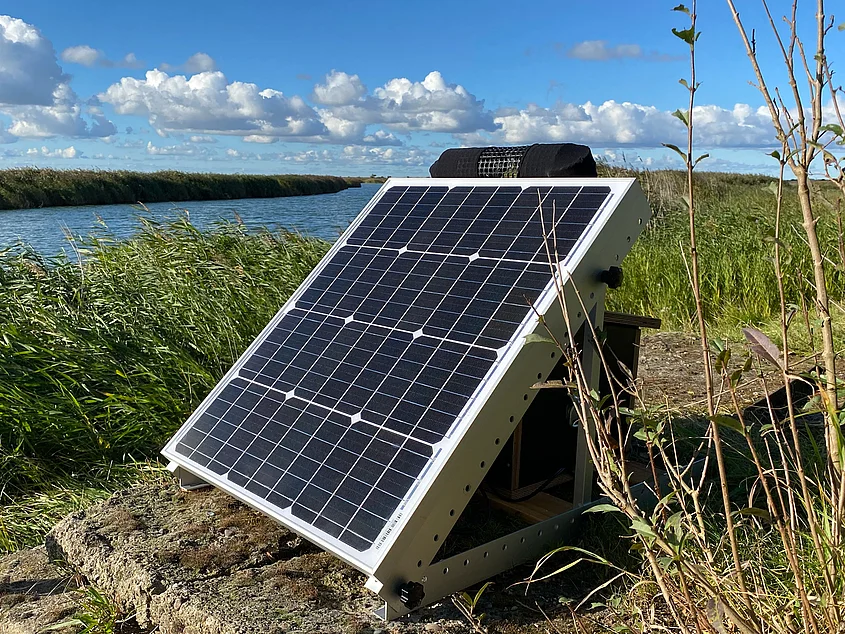
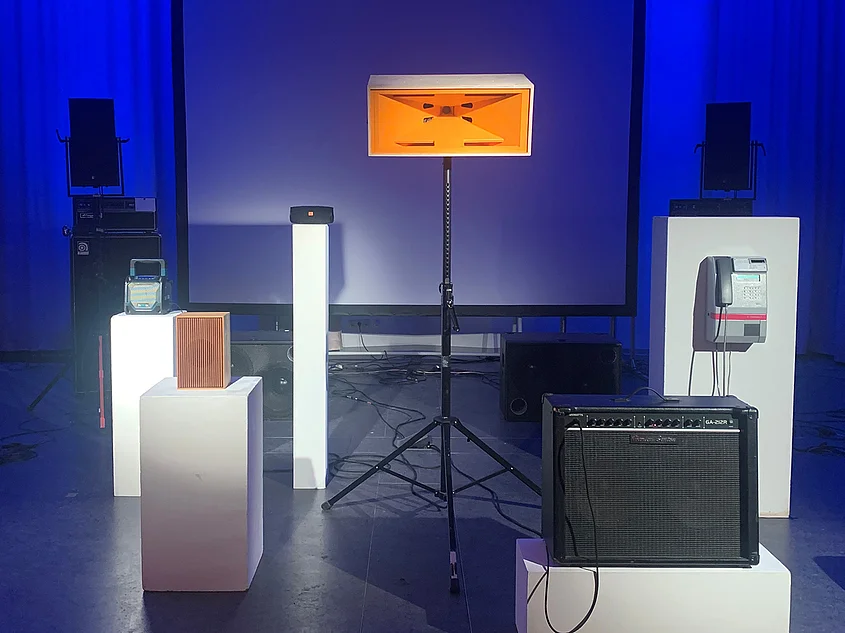
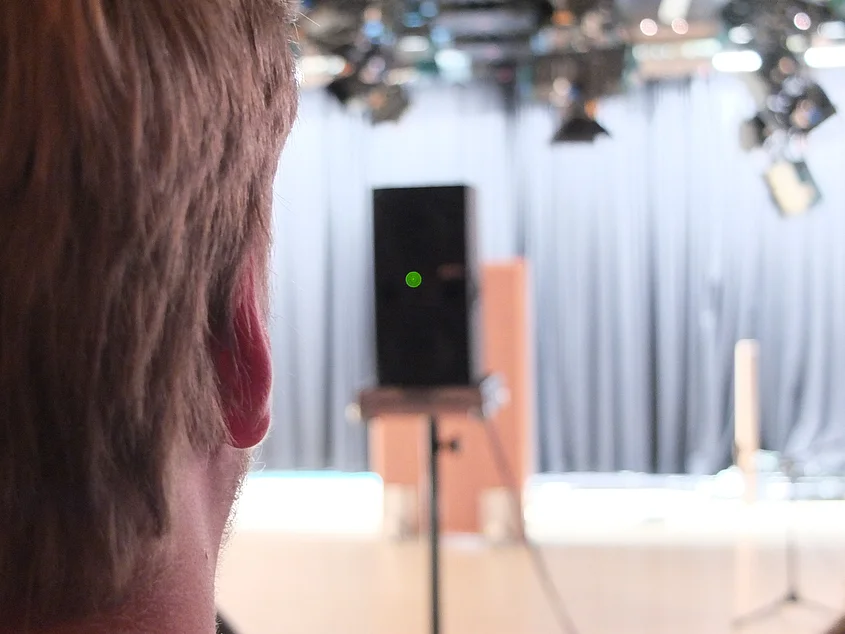
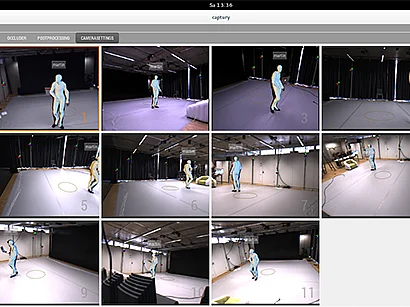
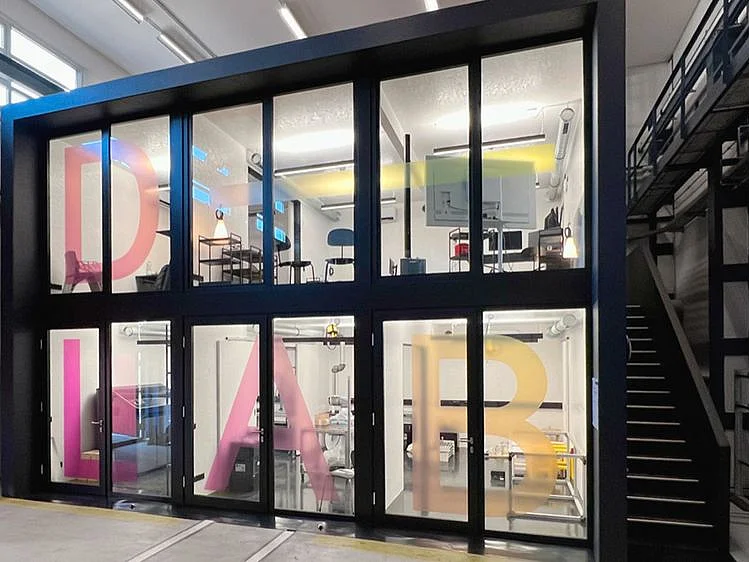
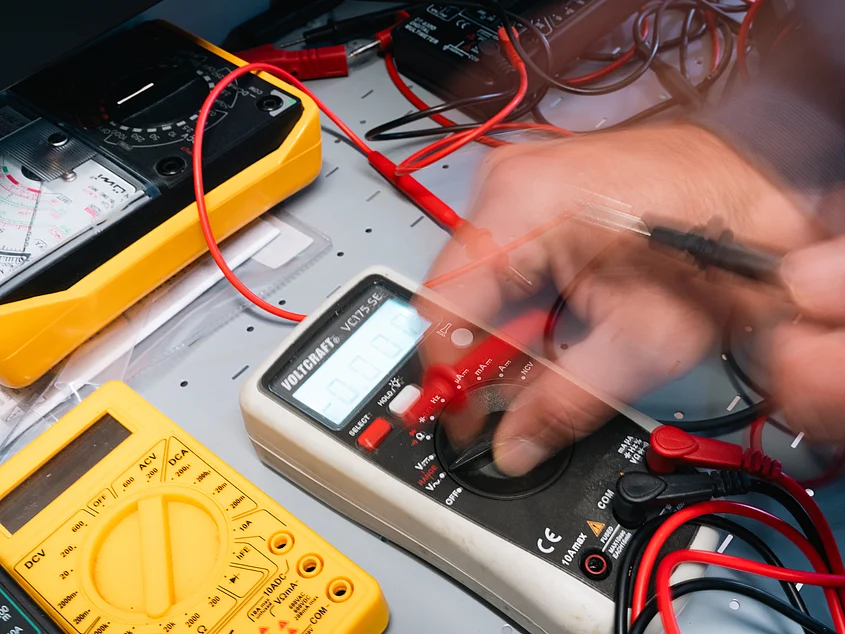
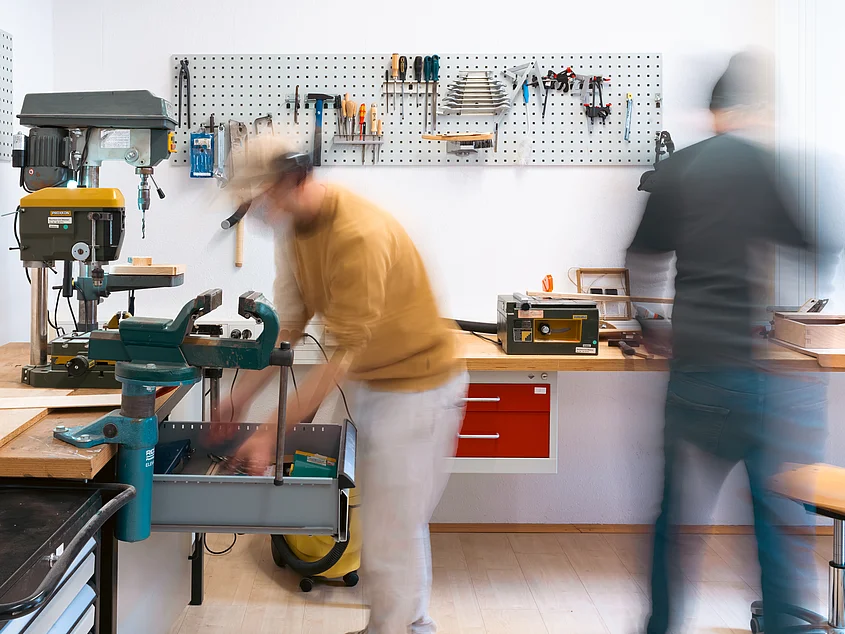
The Bauhaus-Universität Weimar’s Media Art and Design programme provides students with access to an exceptionally diverse network of laboratories and studios. These spaces encourage exchange, interdisciplinary collaboration, and experimental learning.
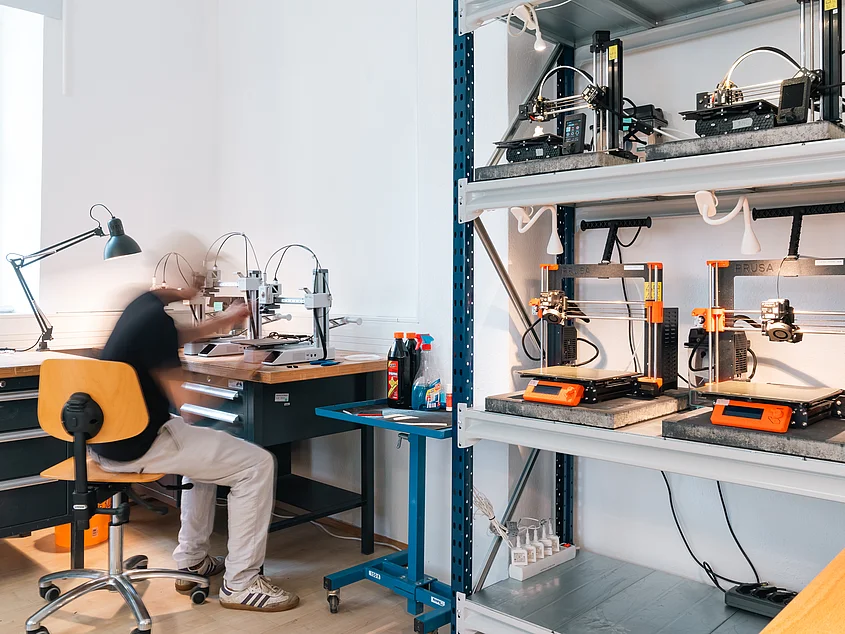
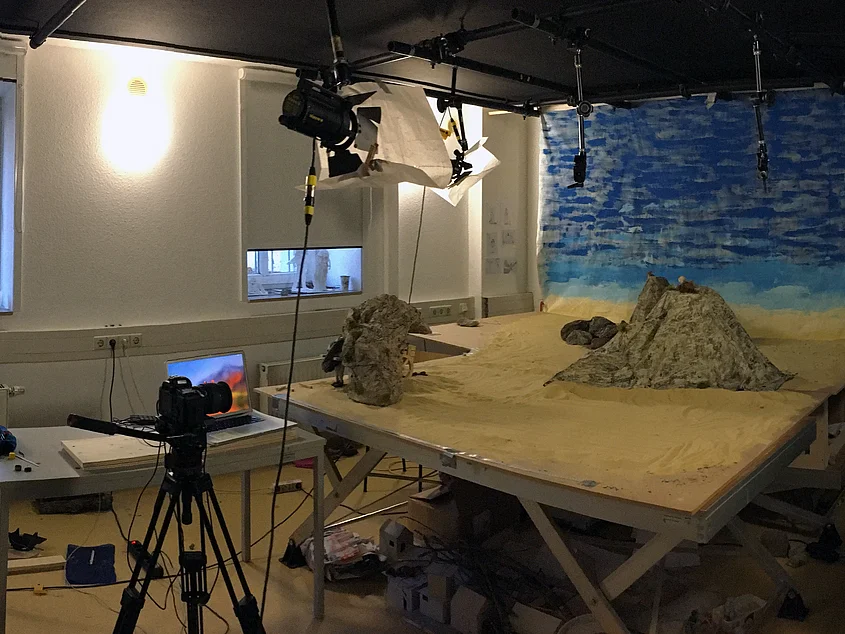
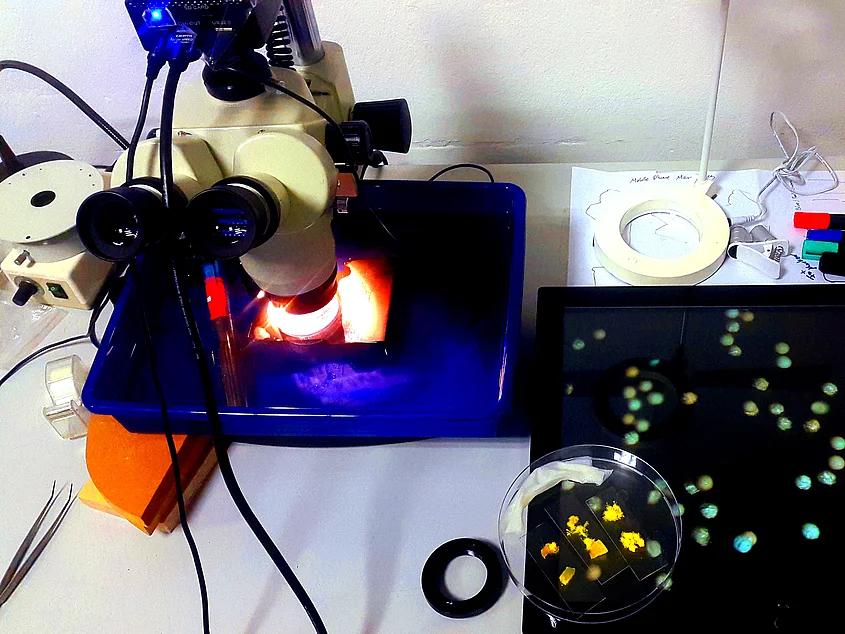
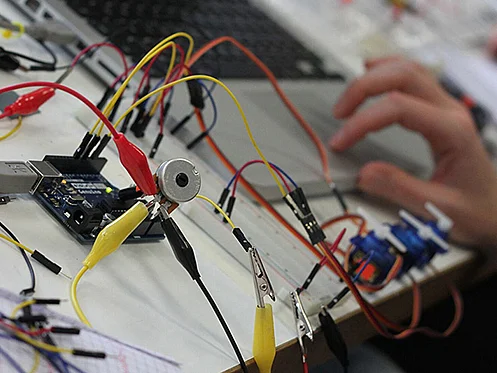
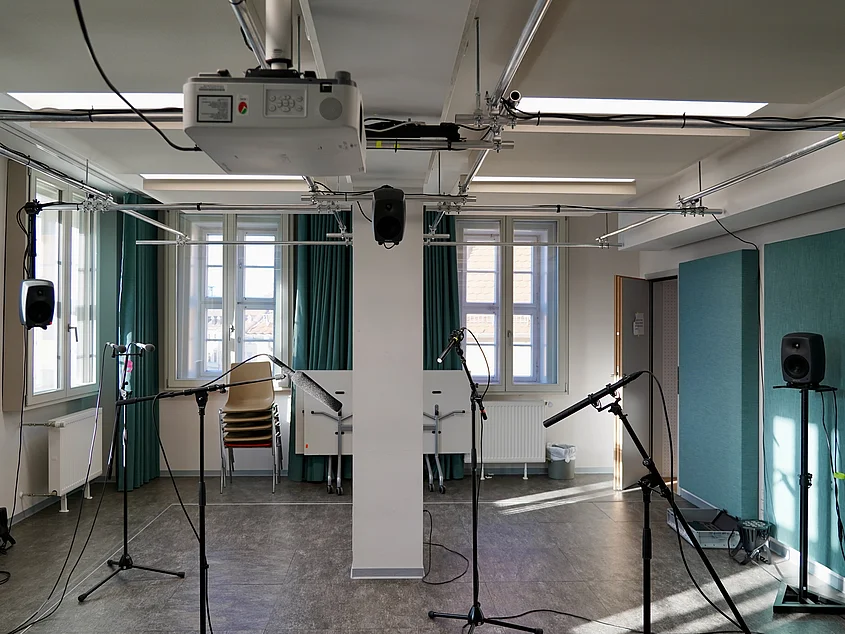
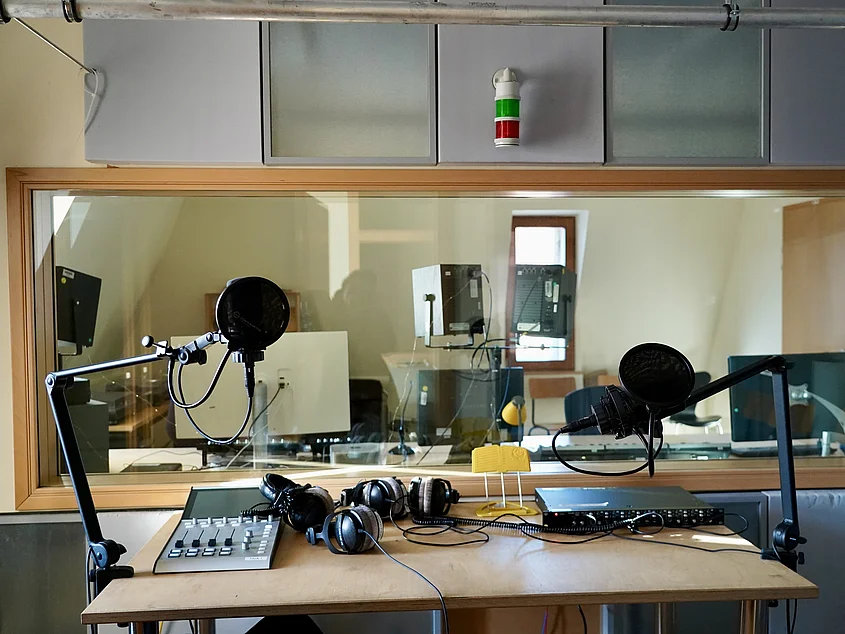
The Film programme offers access to the Stop-Motion Studio, the Digitale Zeichentrickstudio, and the Legetrickstudio. These are supplemented by the programme’s film production spaces and editing rooms. The Interaction programme features a comprehensive, professionally equipped laboratory which includes the Electronic Lab, Prototyping Lab, Digital Bauhaus Lab, and the 3D Print Lab. Work in the Sound programme is carried out in professionally equipped studios: the Radio Studio, the Radio Production Studio, the Sound Lab for experimental and installation-based sound projects, the Studio for Electro-Acoustic Music (SeaM) with its numerous studio spaces, and the Medienhaus television studio (Studio 1) for working in large groups with actors and choirs.





Degree Dependent: Bridge Semester
Students who have completed an eight-semester Bachelor’s degree programme may directly begin the two-semester Master’s degree programme. Students who have completed a seven-semester Bachelor's degree programme must complete one bridge semester, and students who have completed a six-semester Bachelor’s degree programme must complete two bridge semesters. Projects, specialist modules, and scientific modules during the bridge semester(s) help prepare students for the Master’s degree programme. Course content is coordinated together with faculty members responsible for the respective are of specialisation.
Project Semester
Students concentrate on the specialisation they chose during the application process. The individual Master projects are developed and implemented within this specialisation. The project combines research and conceptual development with artistic or design experiments. Specialist modules support the project and refine students’ technical, creative, and professional skills.
Application process
The application for all degree programmes of the Faculty of Art and Design at the Bauhaus-Universität Weimar is exclusively conducted digitally via the Bauhaus.CampusPortal. Registrations for the aptitude tests are possible from – attention NEW – 2 February of the year. Please complete your application by uploading all necessary documents by 31 March.
Students can begin the Media Art and Design master programme in the winter semester.
Application and Admissions Procedures:
The prerequisite for admission to the degree programme is either a Bachelor of Fine Arts degree in Media Art and Design from the Faculty of Art and Design or a first university degree recognized as professionally relevant by the responsible examination committee. Applicants must also pass an aptitude test based on their artistic portfolio. The specifics of this are determined by the aptitude test regulations in Media Art and Design (German) / English reading version (not legally binding). A personal interview is usually not a compulsory part of the procedure.
The following documents must be submitted via our Bauhaus.CampusPortal:
- Artistic portfolio, i.e. a compilation of own artistic/creative works (formats: PDF (max. 20 MB); if applicable, links to hosted interactive or time-based works [Soundcloud, Vimeo, Github, private website, etc.])
- motivation letter explaining the desire to study and work presented comprehensively on around one A4 page
- Curriculum vitae in table form (incl. contact, name, e-mail address, postal address)
- if relevant unauthenticated copies of previous academic certificates
- if relevant certificates or evidence of internships, or a list of previous exhibitions, artistic-design works or publications
- School leaving certificate
- Passport photo
- Identity card
- proof of German language skills
Language requirements
For international students
In order to be admitted to the Master's programme, international students are required to provide proof of German language skills at the level C1 (DSH- 2 or TestDaF TDN 4). For further information or questions concerning these requirements, please contact the colleagues at the Office of Student and Academic Affairs: studium[at]uni-weimar.de.
Please bear in mind that passing the aptitude test does not in itself mean admission to the degree programme. Along with a positive reply, you will be provided with a link to the online application form. We will then check whether your enrolment is valid on the basis of the documents you have submitted (previous academic certificates and proof of language skills). This confirmation of your artistic aptitude is valid for two academic years, i.e. the year of your application and the following year of study.
Enrolment deadline:
Successful applicants can then enrol online by 30th September.
After Graduation
The Media Art and Design programme prepares students for a career in a field where artistic practice, design, technology, and social responsibility are closely interconnected. Students are taught to confidently work with image, sound, space, time, and digital tools. They learn to think conceptually, master technology, work in groups, and conceptualise media developments.
AI tools are transforming media production, artistic processes, and digital spaces. This programme equips students not only to use these tools, but to critically evaluate and influence their results and to integrate them into their own artistic and design work.
Graduates of the Media Art and Design programme pursue careers in the following fields:
- Film production, directing, cinematography, lighting, editing, and post-production
- Animated film, documentary filmmaking, and experimental film
- Props, scenography, and production design
- Theatre and performative arts
- Sound design, sound art, radio drama, audio features, podcasts, and audio walks
- Media art, installation, and performance
- Immersive media, VR/XR, and interactive environments
- Interaction design, physical computing, and prototyping
- Creative technology and creative coding
- AI-based artistic and design practice
- Editorial work, journalism, and audiovisual media
- Festivals, exhibitions, and curatorial practice
- Cultural institutions and independent project work
- Research and teaching
- Self-employment and the creative industries
After graduation, students are qualified to pursue artistic, media, cultural, and academic career paths. Graduates work in institutions, production companies, editorial offices, studios, festivals, research positions, or as self-employed professionals. The degree programme provides the foundation for these career paths by combining artistic and design practice with technical expertise and a critical awareness of media developments.