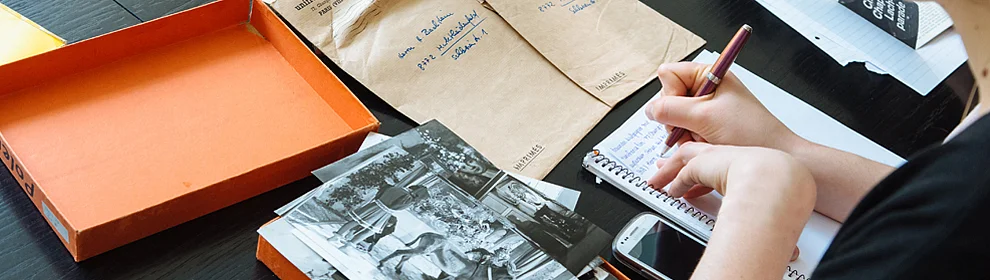
The social phenomenon of the selfie, crowd innovation, the cultural technique of remixing, or the poignant interaction between people and smartphones – no topic is off-limits to our students. This is because Medienkultur in Weimar is characterised by a particularly broad approach to its subject matter: Within the fields of Media Studies, cultural studies and Media Economics, we are not solely interested in mass and communication media in the traditional sense. Rather, we seek out media transitions and interfaces – including those with other academic disciplines such as sociology, philosophy, the history of science and research into cultural techniques.

Individual projects and final projects: advisors and infrastructure
The faculty gives you the freedom and confidence to pursue your own interests and research projects during your studies. The necessary infrastructure is in place: small seminar groups and very well-equipped classrooms and libraries. The professors and staff take the time to support you: you can discuss topics for seminar papers and final projects at any time during consultation sessions.
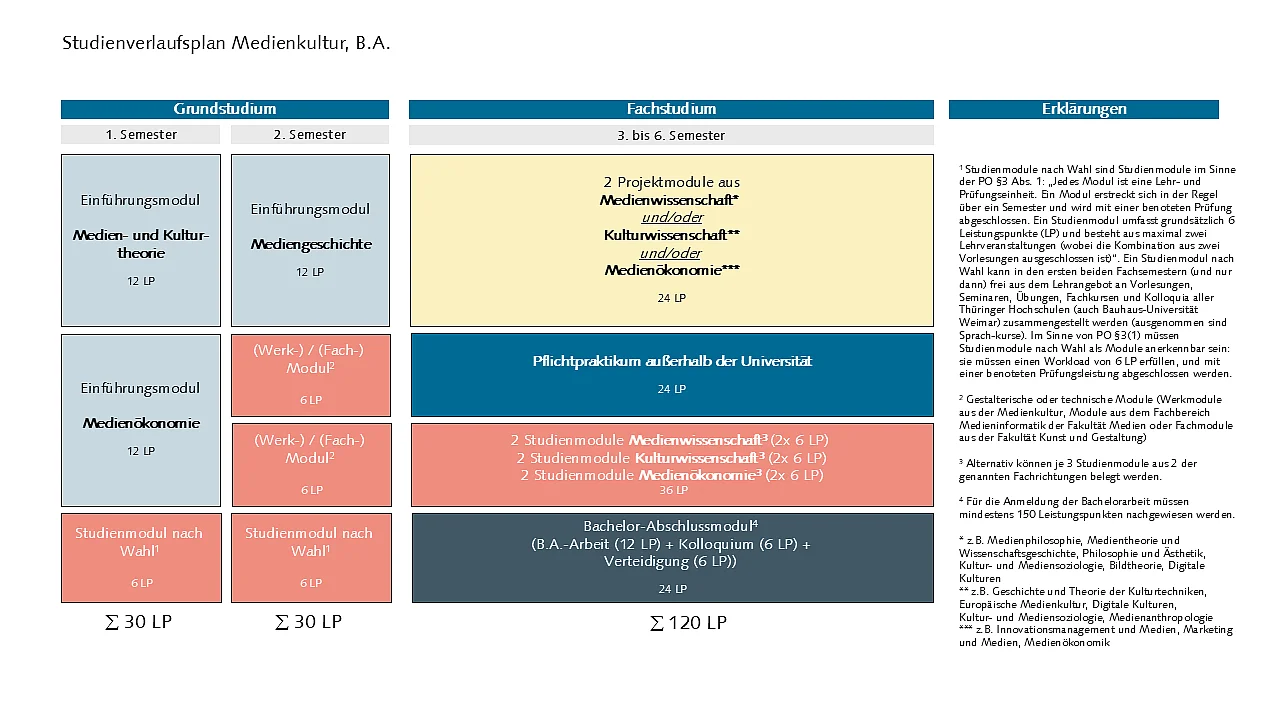
During the two foundation semesters (Grundstudium), professors introduce key media and culture theories. You will learn how to analyse texts, the fundamentals of media economics and view films that will then be discussed – so you’ll get to go to the cinema regularly, too! You will also look at the bigger picture and take modules from the Computer Science and Media as well as the Media Art and Design programmes. You will be familiarised with fundamental methods and content during the foundation semesters (Grundstudium) and receive preliminary orientation for your further studies.
You will then be free to select courses and projects from the fields of Media Studies, Cultural Studies and Media Economics. In line with the Bauhaus tradition, the faculty offers project-based study. This mixed format comprising lectures and seminars in small groups will allow you to consider specific content in greater depth. You are able to choose from the courses offered by our professors and to plan your own individual timetable.
The practical module in the fourth or fifth semester can be used for an internship or in-depth project in the artistic field. A semester abroad is also possible and encouraged. The faculty will gladly help you to organise this and offers a variety of attractive exchange opportunities.
The sixth semester is devoted entirely to completing your final project. We do not assign you a topic. Instead, you yourself must decide on both a question and your supervisor. For more information on the study formalities, please see the study and examination regulations.
Project-based course of study: Individual specialisation in Media Studies, cultural studies and Media Economics
You will then have a choice of courses and projects in the fields of Media Studies, cultural studies and Media Economics. In keeping with the Bauhaus tradition, the faculty offers a project-based course of study: a combined format of lectures and seminars in small groups, which enables you to specialise in specific subject areas and study them in greater depth. You can choose from the range of professorships offered by our departments and tailor your timetable to suit your individual needs.
Compulsory work placement on the Bachelor’s degree programme in Medienkultur: 12 weeks’ practical experience
The Medienkultur studies programme in Weimar also includes a compulsory 12-week work placement, which should be completed between the third and sixth semesters. Work carried out abroad may also be recognised for these studies, provided it relates to a subject area relevant to the studies. » Information sheet: ‘Internship Regulations for BA Students’
International experience: exchange programmes and partner universities
In general, the Faculty of Media supports its students at all times in gaining experience abroad whilst they are in their studies. Information on the wide range of partner universities for the Bachelor’s degree programme in Medienkultur can be found here.
Medienkultur final project: Independent choice of topic and advisor
The sixth semester is set aside for you to write your final project. We do not prescribe a topic: you choose the topic and your advisor yourself. Further information on the formalities of the studies is set out in the study and examination regulations.
Archival and literary research
- Why, and in what media formats, do we archive anything at all – as individuals and as communities?
- Do we change when our archiving formats change, for example, by moving them into digital spaces?
- How can theories of archiving benefit from their immediate cultural context – for example, Weimar media theory from the historical and cultural context of Weimar – and vice versa?
Digital Cultures
- How do digital, networked media shape digital cultures, and what are the distinctive features and mechanisms of these media cultures?
- What breaks, but also what continuities, can be identified between digital media cultures and historically preceding media cultures?
- What are the consequences of increasing automation and algorithmisation for media practices and media aesthetics?
- What new interconnections between human practices and technical processes are emerging?
Europäische Medienkultur
History and Theory of Cultural Technologies
- How does our understanding of culture change if we do not view it as a realm of the intellectual, but instead examine the techniques that create culture in the first place?
- What does it mean to focus on the materiality and use of media?
- How do cultural techniques establish and stabilise networks and infrastructures?
Marketing and Media Research
Media Economics
Media Philosophy
- What do the media do?
- If the media help to shape the way we think, act and feel – how must we reflect on our development in relation to the media in order to do justice to this relationship?
- If we do not allow ourselves to be led astray by superficial talk of ‘the media’ into the mistaken assumption that we already know what media are: who or what, then, can be described as a medium for whom or what in specific media processes?
- Must we not often conceive of media processes as reciprocal processes – being a medium for one another?
- Is there such a thing as a life without media?
- Do only humans have media? Or is it possible to conceive of media in a way that is not anthropocentric?
- How can we conceive of relationships between humans, animals and technology(ies) from a media perspective?
Sociology of Culture and Media Sociology
Philosophy and Aesthetics
Media Theory and the History of Science
- What influence do the media have on the development and dissemination of scientific knowledge?
- How do new technologies for Visualization, communication and storage of scientific data affect the research process?
- Conversely, what contribution does scientific research make to the development of new media?
Lectureship in Film and Media Studies
Lectureship in Society and Digitalisation

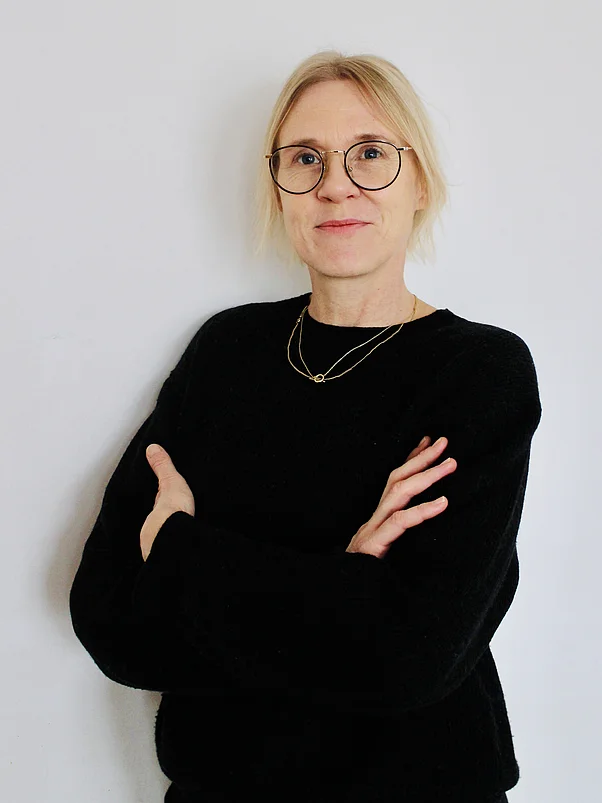
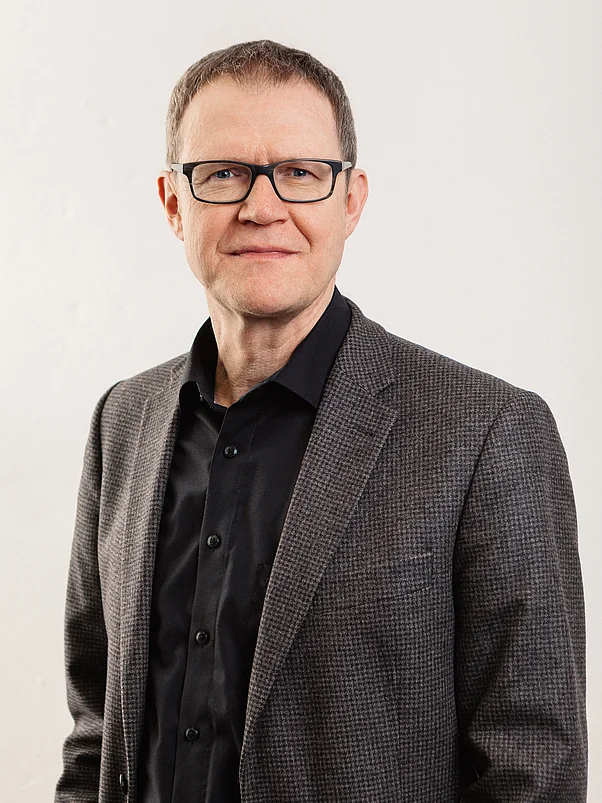
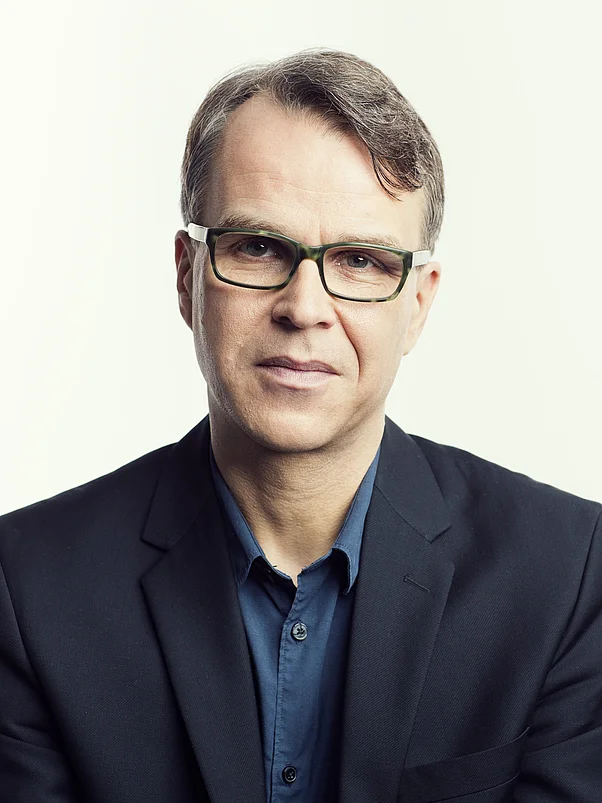
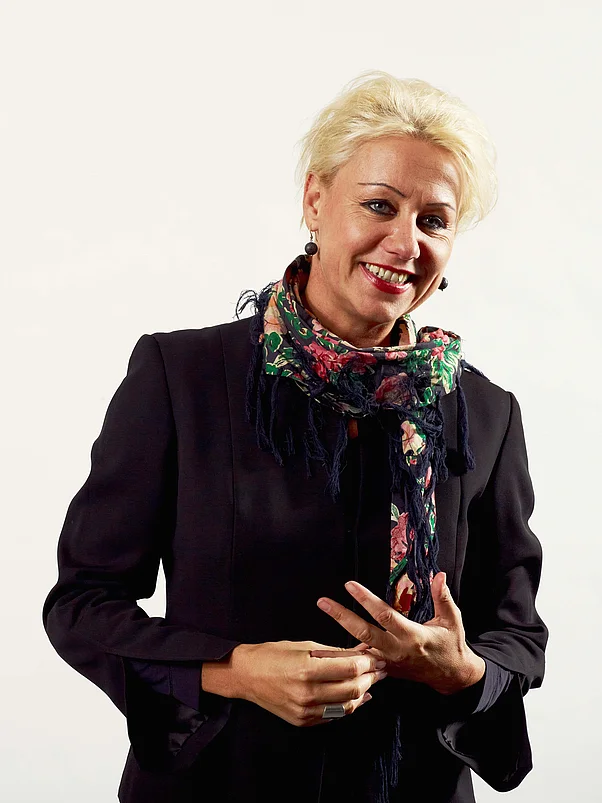

The German language Bachelor’s degree programme »Medienkultur« (Media Culture) can be started in winter semester only.
Admission requirement is a valid high school diploma. No further restrictions are required.
Application submissions can be made online by the end of September of each year.
The courses are held in German. To be admitted a German language level of C1 (GER) is required. The level must be certified by the DSH-2 or TestDaF (4 x TDN 4) certificates or equivalent certificates. English skills are not required.
Enrolement deadline: 30 September
Please submit your online application here.
Study requirements
- Interest in different phenomena in media, cultural and everyday life
- Willingness to engage in unconventional research topics and perspectives
- Passion for open questions, long and sometimes extremely long theoretical texts and the scientific practice of wonder
- Independence, creativity and flexibility in your studies
- Openness to interdisciplinary initiatives and networks
Career prospects: Skills for challenging roles
The Medienkultur degree programme trains you to become independent professionals in the field of media production. You will learn to tackle complex issues in an unconventional, innovative and well-founded manner – and these are precisely the sort of minds today’s professional world is looking for! The studies focus on developing interdisciplinary skills for demanding professional fields that require creative and reflective thinking. The faculty supports and encourages practical experience outside the university. The university’s Career Services also advise you on further opportunities after graduation.
Further studies: Master’s degree at the Faculty of Media
There is a wide range of opportunities for further studies in Weimar or at other universities. Depending on the specialisation of your Bachelor’s degree programme, you can go on to study for a Master’s degree in Media Studies, Cultural Studies or Media Management. At the Faculty of Media, we offer three research-oriented Master’s degree programmes: Media Studies, Media Ecologies and Media Management.
You will acquire these skills during your studies in Medienkultur
- Analytical thinking when dealing with products, processes and structures in the media and culture
- The ability to work independently and take personal responsibility
- Academic qualifications for Master's degree programmes with a research focus
- Presentation and research skills
- Organisational and conceptual skills
- Critical reflection on historical and contemporary everyday phenomena
- Ability to work in an interdisciplinary manner at the interface with different stakeholders
Our graduates work in the following areas, for example
- Cultural management, public relations
- Editorial work in radio, print, television, online and publishing
- Film production, film distribution and film funding
- Decision-making management or (business) consultancy for the mass media and entertainment industry
- Programme planning
Partner universities Media Culture (B.A.)
Brazil
City: Belo Horizonte
University: Universidade Federal de Minas Gerais
Faculty: Faculdade de Filosofia e Ciências Humanas
Places: 1
Language of instruction: Portuguese
Advisor: Prof. Dr Andreas Ziemann
France
City: Lyon
University: Université Lumière Lyon 2
Faculty: Institut de la communication
Places: 2
Language of instruction: French
Advisor: Dr Katja Hettich
City: Lyon
University: Université Lumière Lyon 2
Faculty: UFR Lettres, Sciences du Langage et Arts
Places: 2
Language of instruction: French
Advisor: Dr Katja Hettich
City: Paris
University: Université Paris Cité
Faculty: UFR Lettres, Arts et Cinéma
Places: 2
Language of instruction: French
Advisor: Dr Katja Hettich
City: Paris
University: Université Gustave Eiffel
Faculty: UFR Lettres, Arts, Création et Technologies (LACT)
Places: 1
Language of instruction: French
Advisor: Dr Katja Hettich
Italy
City: Siena
University: Università degli studi di Siena
Faculty: Department of Social, Political and Cognitive Sciences
Places: 1
Language of instruction: Italian
Advisor: Prof. Dr Andreas Ziemann
Canada
City: Montreal
University: Concordia University
Faculty: Faculty of Fine Arts
Places: 2
Language of instruction: English
Advisor: Prof. Dr Henning Schmidgen
City: Vancouver
University: University of British Columbia
Faculty: Department of Central, Eastern and Northern European Studies
Places: 1
Language of instruction: English
Advisor: Prof. Dr Jörg Paulus
Poland
City: Wrocław
University: University of Wrocław
Faculty: Faculty of Letters / Institute of Journalism and Social Communication
Places: 2
Language of instruction: Polish/English
Advisor: Prof. Dr Jörg Paulus
City: Kraków
University: Jagiellonian University
Faculty: Faculty of Philology
Places: 2
Language of instruction: Polish/English/German
Advisor: Prof. Dr Jörg Paulus
Netherlands
City: Maastricht
University: Maastricht
University Faculty: Faculty of Arts and Social Sciences
Places: 2
Language of instruction: Dutch/English
Advisor: Dr Katja Hettich
Austria
City: Vienna
University: University of Vienna
Faculty: Institute for Theatre, Film and Media Studies
Places: 2
Language of instruction: German
Advisor: Prof. Dr Andreas Ziemann
Sweden
City: Malmö
University: Malmö Högskola
Faculty: Faculty of Culture and Society
Places: 1
Language of instruction: Swedish/English
Advisor: Prof. Dr Jörg Paulus
Switzerland
City: Basel
University: University of Basel
Faculty: Institute of Sociology
Places: 2
Language of instruction: German
Advisor: Prof. Dr Lorenz Engell
Slovenia
City: Ljubljana
University: University of Ljubljana
Faculty: Faculty of Social Sciences
Places: 1
Language of instruction: Slovenian/English
Advisor: Prof. Dr Andreas Ziemann
Spain
City: Barcelona
University: Universitat Pompeu Fabra Barcelona
Faculty: Department of Communication
Places: 2
Language of instruction: Spanish/Catalan
Advisor: Prof. Dr Andreas Ziemann
City: Girona
University: University of Girona
Faculty: Faculty of Tourism
Places: 2
Language of instruction: Spanish/Catalan
Advisor: Prof. Dr Andreas Ziemann
South Korea
City: Gwangju
University: Chonnam National University
Faculty: Department of German Language and Literature
Places: 2–4
Language of instruction: English
Advisor: Dr Simon Frisch
Taiwan
Town: Zhongli, Taoyuan
University: National Central University
Faculty: Department of English
Places: 1–2
Language of instruction: English/Chinese
Advisor: Dr Simon Frisch
Czech Republic
Czech Republic
City: Zlín
University: Tomáš Baťa University
Faculty: Faculty of Multimedia Communications
Places: 2
Language of instruction: English/Czech
Advisor: Jun.-Prof. Dr Jürgen Rösch
Hungary
City: Budapest
University: Eötvös Loránd University
Faculty: Faculty of Humanities
Places: 4
Language of instruction: Hungarian/English
Advisor: Dr Simon Frisch