

Who We Are
This technically-oriented HCI master’s degree programme further offers the opportunity to participate in interdisciplinary projects and to attend courses from other study programs, such as Media Art and Design, Product Design, Media Architecture, Media Management or faculties, such as Architecture and Urban Design, Art and Design, or Civil Engineering.
The Programme
This international master’s degree programme is based on the following two basic pillars:
- The study of a range of current topics within the field of human-computer interaction and psychology: usability, user-centred design and user interface testing, HCI research methods, physiological computing and innovative interface technologies such as virtual reality, mobile systems, adaptive systems, mixed reality, ubiquitous computing, image analysis, and graphic interfaces.
- The acquisition of key skills and competences through a project-based study approach including active training of scientific communication, presentation and written skills in small groups.
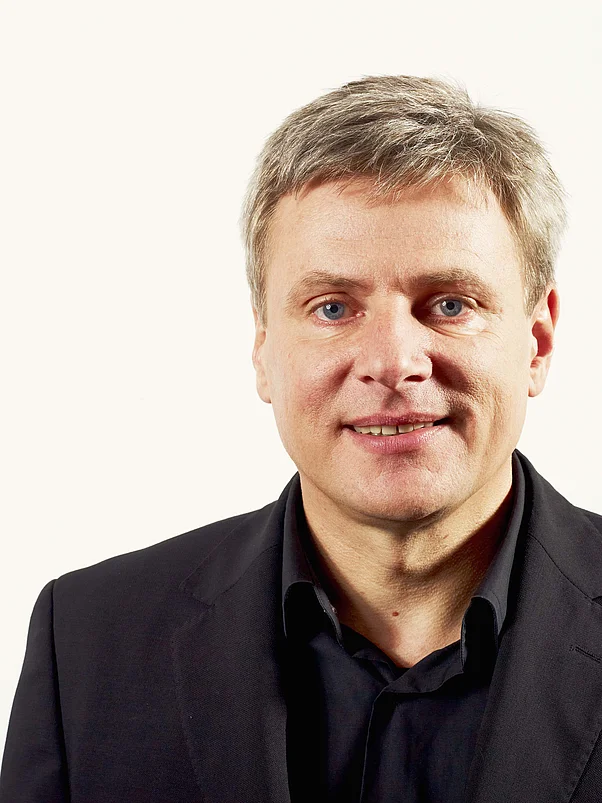
Prof. Dr. Bernd Fröhlich
Professur Virtuelle Realität und Visualisierung

Prof. Dr. Eva Hornecker
Professur Human-Computer Interaction

Jun.-Prof. Dr. rer. nat. Robert P. Spang
Juniorprofessur Usability
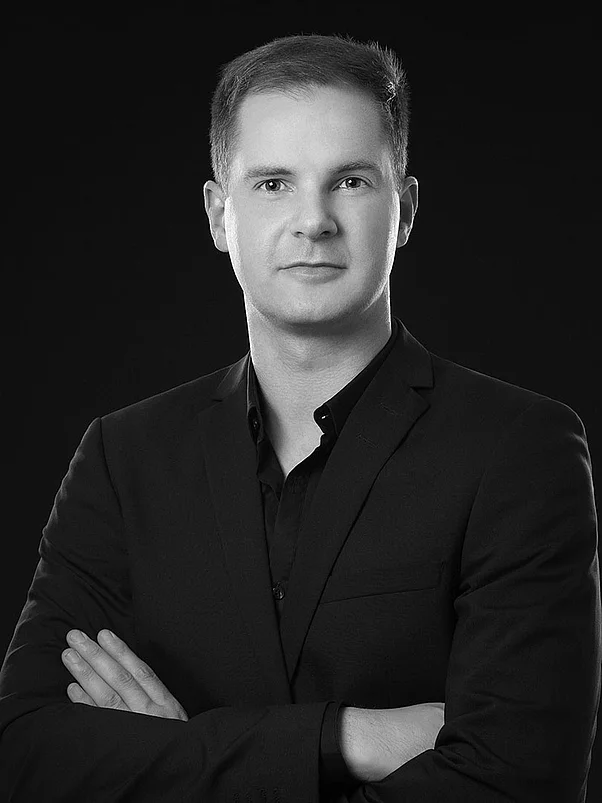
Prof. Dr. Jan Willmann
Professor of Design Theory and Design Research
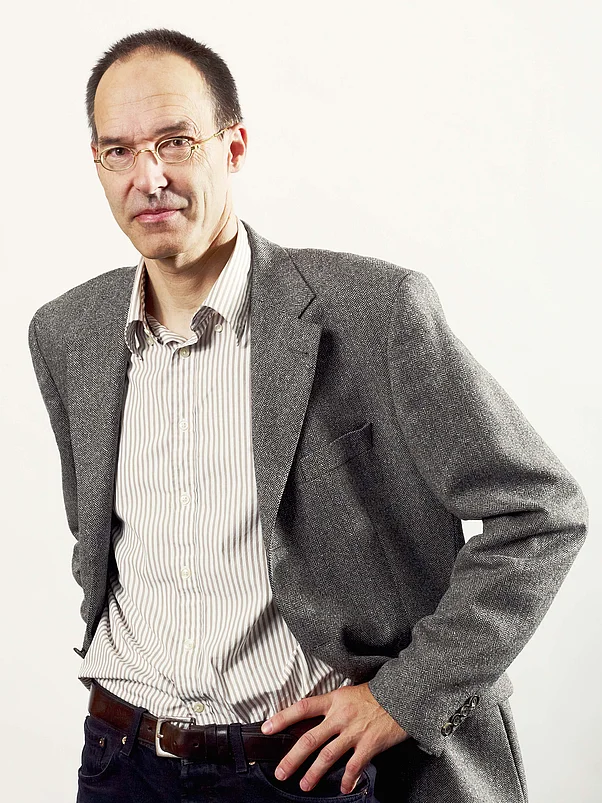
Prof. Dr. Benno Stein
Professur Intelligente Informationssysteme

Prof. Dr. Jan Oliver Ringert
Professur Software Engineering
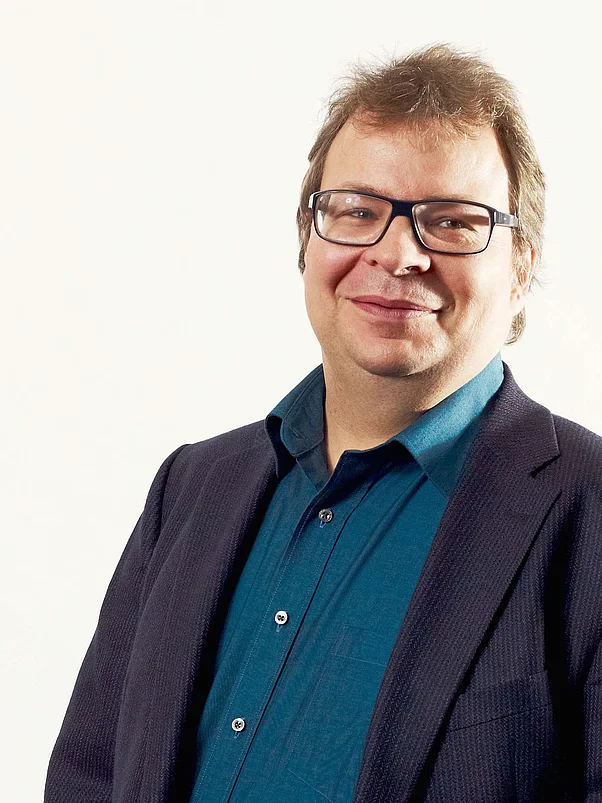
Prof. Dr. Stefan Lucks
Professur Informationssicherheit und Kryptographie
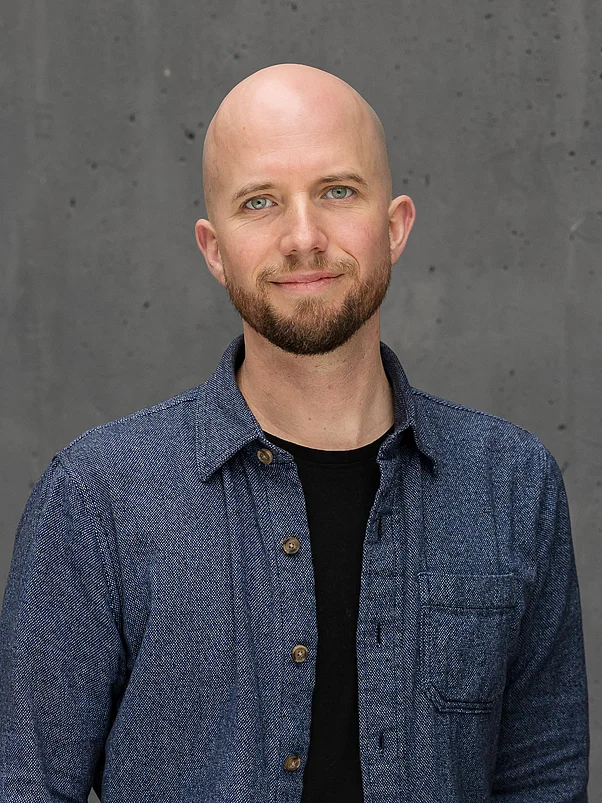
Jun.-Prof. Dr. Maurice Jakesch
Juniorprofessur Computational Social Science
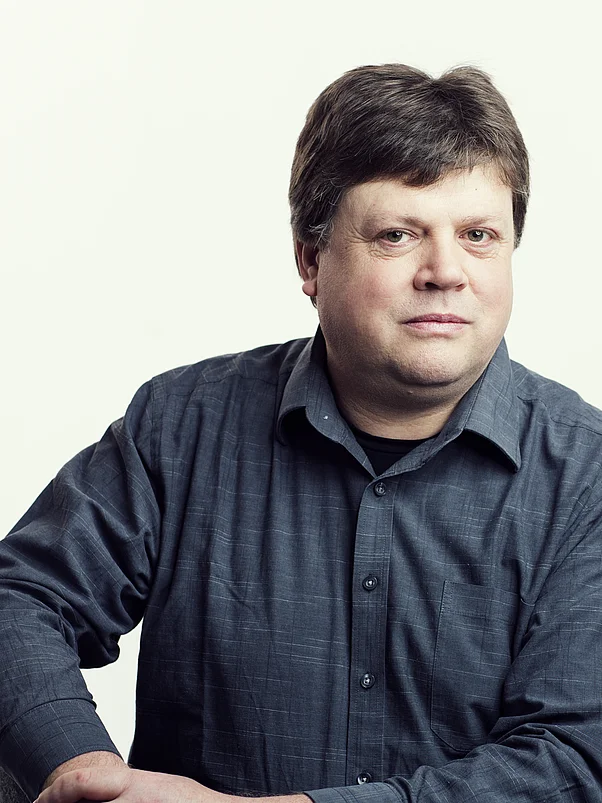
Dr. Andreas Jakoby
Dozentur Algorithm Engineering
Programme Structure
The programme comprises 120 ECTS, with the following compulsory elective, compulsory, elective and research components:
- Four modules covering the areas of 'HCI Fundamentals' and 'HCI Technologies': Psychology, HCI Concepts and Methods, Visual Interfaces and Computer Vision; each module with 6 ECTS; within each module students can choose one from 2 courses on offer for the module.
- A specialisation module where students choose one further course from 'HCI concepts and methods' and 'HCI technologies' areas.
- A Design Theory course, focusing on design theory and digital culture, run at the Faculty of Arts + Design.
- Two research projects, comprising 30 ECTS in total (12 ECTS + 18 ECTS).
- Electives module (24 ECTS in total).
- The Master’s thesis module (30 ECTS).
In accordance with the Weimar model, research projects make up a large proportion of our master’s programme. The electives module allows students to incorporate a large variety of courses from other degree programmes and faculties alongside the general Computer Science for Digital Media course catalogue.
The fourth and final semester is dedicated to preparation of the master’s thesis, the topic of which may be selected from the suggested topics of the various professorships. Following successful defence of the master’s thesis, a Master of Science degree is awarded.
The standard duration of the Human-Computer Interaction M.Sc. degree programme is four semesters. Students can begin this programme in either the winter or the summer semester.
The electives module allows for the inclusion of a range of courses from other programs, such as Media Studies, Media Management, Architecture and Urbanism, Media Art and Design, Product Design, Visual Communication, and others. An additional HCI-related project may also be incorporated.
Courses from Computer Science for Digital Media that have not already been calculated into the master’s programme may also be included. Furthermore, graded language courses worth a maximum of 7 credit points may be brought into the Electives module.
The Electives module (along with projects and theses) enables students to create their personal profile and specialisation. Some of our students have done a 3d project in Product Design, while others have decided to deepen their technological expertise in Computer Science courses. Many students take part in various Media Arts and Design or Arts/Design courses (Fachmodule) that mix creative work with lab-based practical skill acquisition. For German-speaking students there is also the option to attend courses in neighbouring Jena or Erfurt Universities (on request).
Defences / Theses
Completed Theses
2024
Benedikt Breitschopf
The Impact of Sham Audio Biofeedback on Heart Rate and Heart Rate Variability.
Gutachter*innen/examiners: Jun.-Prof. Dr. Jan Ehlers, Prof. Dr. Volker Rodehorst
Leslie Nielsen
Development of usability heuristics for non-immersive virtual environments within educational desktop applications.
Gutachter*innen/examiners: Prof. Dr. Ing. Eva Hornecker / Prof. Dr. Heinrich Söbke (Faculty of Civil Engineering BUW / Hochschule Weserbergland)
Yara Youssef
Designing the SmartHome Handbook: Understanding User Perspectives on Collaboration and Documentation in Shared Smart Homes.
Gutachter*innen/examiners: Prof. Dr. Ing. Eva Hornecker / Dr. Frank Beruscha (Robert Bosch GmbH, Renningen, Corporate Research)
Sreyoshi Dutta
A Qualitative Investigation of the Relationship between Use of Instagram and Emotional Well-being of Indian Youth
Gutachter*innen/examiners: Prof. Dr. Ing. Eva Hornecker / Prof. Jan Ehlers
2023
Krishna Priya Choudoor
Interface for Spatial 3D Replay to Guide Exploration in Virtual Museums
Gutachter*innen/examiners: Prof. Dr. Bernd Fröhlich /Prof. Dr. Ing. Eva Hornecker
Josephin Kröger
A serious software security card game for product owners and managers
Gutachter*innen/examiners: Prof. Dr. Stefan Lucks / Dr. Stefan Dziwok (Fraunhofer IEM, Paderborn)
Ibrahim Mammadov
Exploring Requirements for a phenological data collection application through contextual enquiry.
Gutachter*innen/examiners: Prof. Dr. Ing. Eva Hornecker / Prof. Dr. Brigitta König-Ries (FSU Jena)
Irene López García
Supporting Interaction with a Conversational Agent in Virtual Knowledge Spaces
Gutachter*innen/examiners: Prof. Dr. Bernd Fröhlich /Prof. Dr. Ing. Eva Hornecker
Mira Thieme
The role of physicality in the comparison of user engagement with physical and AR data representations
Gutachter*innen/examiners: Prof. Dr. Ing. Eva Hornecker / Dr. Dominic Potts (Univ. of Bath)
Annika-Marlen Richter
The Development & Evaluation of a Scheduling Tool in a UX-driven Process
Gutachter*innen/examiners: Prof. Jan Ehlers / Prof. Dr. Ing. Eva Hornecker
Laura Simon
Tattoo-based biofeedback interace as supportive therapy method for tension headache and migraine patients
Gutachter*innen/examiners: Prof. Dr. Ing. Eva Hornecker / Jun.-Prof. Dr. Jan Ehlers
Anas Alnayef
Designing a Tangible User Interface for Home Office Environments
Gutachter*innen/examiners: Prof. Dr. Ing. Eva Hornecker / Prof. Florian Echtler (Univ. of Aalborg)
Paul Anton Rainer
Influence of Movement Pattern and Stimulus Speed on Smooth Pursuit Eye Movements
Gutachter*innen/examiners: Jun.-Prof. Dr. Jan Ehlers / Prof. Dr. Ing. Eva Hornecker
Hasina Arab
Factor for the Design of Technology for Measuring Breastfeeding Milk Flow
Gutachter*innen/examiners: Prof. Dr. Ing. Eva Hornecker / Jun.-Prof. Dr. Jan Ehlers
Lina Klass
Gaze-controlled Websites Using Webcam Eye Tracking
Gutachter*innen/examiners: Jun.-Prof. Dr. Jan Ehlers / Dr. Tim Gollub
Beril Coskun
Giving Voice Through the Narratives: Understanding the Multifaceted Views of Body-Focused Repetitive Behaviors Using Story Completion Method
Gutachter*innen/examiners: Prof. Dr. Ing. Eva Hornecker / Jun.-Prof. Dr. Jan Ehlers
Magarita Osipova
Smart Cities for Women's Safety: An Exploration of Problems and Solutions through Co-Design in Different Cities Worldwide
Gutachter*innen/examiners: Prof. Dr. Ing. Eva Hornecker / Prof. Dr.-Ing. Dr. hc. Corinna Bath (Universität Augsburg)
2022
Albert Langensiepen
Switching between privat and public data display of a wearable for emotion visualisation
Gutachter/examiners: Prof. Dr. Ing. Eva Hornecker / Jun.-Prof. Dr. Jan Ehlers
Julien Breunig
Mapping different modalities to data sets
Gutachter/examiners: Prof. Dr. Ing. Eva Hornecker / Dr. Magdalena Wolska
Anjali Kunder
The impact of 3D Virtual Technology on interior design choices of young adults
Gutachter/examiners: Prof. Dr. Ing. Eva Hornecker / Jun.-Prof. Dr. Jan Ehlers
Javeria Rasheed
Usability and Command Line Interfaces - Filling the gap
Gutachter/examiners: Prof. Dr. Ing. Eva Hornecker / Jun.-Prof. Dr. Jan Ehlers
Tahmina Arab
Developing a Mobile Technology that Facilitates International Students Settling in Weimar
Gutachter/examiners: Prof. Dr. Ing. Eva Hornecker / Jun.-Prof. Dr. Jan Ehlers
Tony Jan Zöppig
Spatial Awareness for Augmented Reality Users in Asymmetrical Collaborative Extended Realities
Gutachter/examiners: Prof. Dr. Bernd Fröhlich / Prof. Dr. Ing. Eva Hornecker
Yonlawan Yotinsoponkul
Influence of Touch and Auditory on Memorability of Data Physicalization
Gutachter/examiners: Prof. Dr. Ing. Eva Hornecker / Jun.-Prof. Dr. Jan Ehlers
Ankith Kodanda
Magic Teleporting Carpet: A light weight metaphor for enabling dynamic group navigation in multi-user VR
Gutachter/examiners: Prof. Dr. Bernd Fröhlich / Jun.-Prof. Dr. Jan Ehlers
Nita Kinanti
PulseSHOT: A Biofeedback VideoGame to Remain Calm in Stressful Scenarios
Gutachter/examiners: Jun.-Prof. Dr. Jan Ehlers / Prof. Dr. Charles Wüthrich
Maximilian Andreas Kullmann
Introducing Roboticising User Interfaces (RUIs) - Utilising mehanics' inherent psychophysical feedback as means for cooperation with semi-automated systems
Gutachter/examiners: Prof. Dr. Ing. Eva Hornecker / Jun.-Prof. Dr. Jan Ehlers
Youngmo Oh
Human-Artifacts Interaction (HAI): What factors influence remembering of retrospective memories cued by artifacts in the homes of people living alone
Gutachter/examiners: Prof. Dr. Ing .Eva Hornecker / Prof. Elise van den Hoven (University of Technology Sydney)
Thi Thien Nhi Dam
Applying User-centered Design to Identify Design Implications for Blockschain-powered Digital Ownership Solutions in Visual Art
Gutachter/examiners: Prof. Dr. Ing. Eva Hornecker / Prof. Dr. Alexander Piazza (Hochschule Ansbach)
Ahmad Alikaj
User Experience in Virtual Environments
Gutachter/examiners: Prof. Dr. Ing. Eva Hornecker / Vertr.-Prof. Dr.-Ing. Sven Schneider (Fac. of Architecture)
Mohammed Qumail
Voice - A Travelers companion App with Design Focused on User Centered Design, Data Privacy and Material Design
Gutachter/examiners: Prof. Dr. Ing. Eva Hornecker / Prof. Florian Echtler (Aalborg University)
Revathy Nair
Break up or Patch up: Finding the factors influencing a sustainable user relationship with smartphones through Designs probes
Gutachter/examiners: Prof. Dr. Ing. Eva Hornecker / Jun.-Prof. Dr. Jan Ehlers
Abhay Syal
Exploring care, culture & technology: How is care practised through technology in Asian international students in Germany?
Gutachter/examiners: Prof. Dr. Ing. Eva Hornecker / Jun.-Prof. Dr. Jan Ehlers
Aalok Shashidhar Gokhale
Mid-Air Jumping through Immersive Virtual Environments
Gutachter/examiners: Prof. Dr. Bernd Fröhlich / Jun.-Prof. Dr. Jan Ehlers
Florian Tobias Schmeidl
Immersive Authoring for Augmented Reality Head-Up Display Concept Development
Gutachter/examiners: Prof. Dr. Bernd Fröhlich / Jun.-Prof. Dr. Jan Ehlers
Mohd Saif Khan
Learning to Tag Environmental Sounds in Nightlong Audio
Gutachter/examiners: Prof. Dr. Benno Stein / Jun.-Prof. Dr. Jan Ehlers
Arika Dodani
Bird Box
Mapping Data in Different Output Modalities and Measuring Data Interpretation and User Experience
Gutachter/examiners: Prof. Dr. Ing. Eva Hornecker / Dr. Trevor Hogan, CIT Cork (Irland)
2021
Oliver Singler
Goethe can touch you: Quantifying the Experience of Poetry Recitals by Physiological Means
Gutachter/examiners: Jun.-Prof. Dr. Jan Ehlers / Dr. Magdalena Wolska
Ramsha Saad Thaniana
Jumping for Guided Navigation in Immersive Virtual Environments
Gutachter/examiners: Prof. Dr. Bernd Fröhlich / Jun.-Prof. Dr. Jan Ehlers
Sophie Grimme
Design and evaluation of a zoomorphic mobile cleaning unit for dementia care homes
Gutachter/examiners: Prof. Dr. Ing. Eva Hornecker / Dr. Emanuela Marchetti (University of Southern Denmark)
Fauziah Permatasari
Rob-E: A Field Study of Young Adults Inhabitation With A Social Robot
Gutachter/examiners: Prof. Jan Ehlers / Prof. Dr. Nicola Döring (TU Ilmenau)
Yazan Joseph Banna
Employing Technology in Enhancing Pro-Environmental Behaviour and Creating Methods for Environmental Protection: A focus on the role of individuals at home
Gutachter/examiners: Prof. Jan Ehlers / Prof. Dr. Ing. Eva Hornecker /
Carlos Ricardo Pozo Vintimilla
Eye tracking analysis for evaluating visual attention in a digital environment-implementation showroom
Gutachter/examiners: Jun.-Prof. Dr. Jan Ehlers / Prof. Dr. Sven Schneider
Nguyen, Thi Yen
Exploring Head and Eye Movements as an Integrated Concept for HCI
Gutachter/examiners: Prof. Jan Ehlers / Prof. Dr. Ing. Eva Hornecker /
Jyotsna Gorle
Hash-based signature schemes for device authentication in smart home networks
Gutachter/examiners: Prof. Dr. Stefan Lucks / Prof. Dr. Florian Echtler (Aalborg University)
Georgi Sharadze
Spatial Challenges in Video Games with Impossible Geometry
Gutachter/examiners: Jun.-Prof. Dr. Jan Ehlers / Prof. Dr. Charles Wüthrich
Ruxin Zhang
Effects of Sham Biofeedback on Cognitive Arousal and Decision Making
Gutachter/examiners: Prof. Jan Ehlers / Prof. Dr. Ing. Eva Hornecker /
Larisa Sorokina
User Study of the Suicide Prevention Application
Gutachter/examiners: Prof. Dr. Ing. Eva Hornecker / PD Dr. Gerd Wagner (Universitätsklinikum Jena)
Luis Alberto Alvarez Zendejas
Design Principles for Diabetes Family-management Systems in Middle-income Countries
Gutachter/examiners: Prof. Dr. Ing. Eva Hornecker / Dr. Marilyn Lennon (University of Strathclade, Glasgow)
2020
Sang Minh Nguyen
Visualization of Temporal Patterns in Cluster Monitoring
Gutachter/examiners: Prof. Dr. Bernd Fröhlich / Dr. Michael Völske
Darpan Vats
Study of digital Data Exchange Interaction Design for Facility Management
Gutachter/examiners: Vertr.-Prof. Dr. Florian Echtler / Jun.-Prof. Dr. Jan Ehlers
Dang Thi Hoang Yen
A practical approach for thumb-to-index interaction as input for ubiquitous screen
Gutachter/examiners: Jun.-Prof. Dr. Jan Ehlers / Prof. Dr. Ing. Eva Hornecker
He Ren
A Study of Differences in Understanding and Memorization between Physicalization and Virtualization.
Gutachter/examiners: Prof. Eva Hornecker / Jun.Prof. Jan Ehlers
Christopher Heiden
Development of an Augmented Accessory for Nightlife
Gutachter/examiners: Jun.-Prof. Dr. Jan Ehlers / Prof. Dr.-Ing. Johann Habakuk Israel (HTW Berlin)
Hiyeon Kim
A Visual Analysis Tool for Geolocation Inference Methods
Gutachter/examiners: Prof. Dr. Bernd Fröhlich / Prof. Dr. Benno Stein
Fan Fan
Mining Arguments from Experts
Gutachter/examiners: Prof. Dr. Benno Stein / PD Dr. Andreas Jakoby
Erich Flock
Train & Touch. A mobile application that uses real time face tracking to move the content on the screen
Gutachter/examiners: Vertr.-Prof. Dr. Florian Echtler / Jun.-Prof. Dr. Jan Ehlers
Gareth Rendle
The Temporal TSDF-SVO: Exploiting temporal coherence in 4D dataset visualisation
Gutachter/examiners: Prof. Dr. Bernd Fröhlich / Prof. Dr.-Ing. Volker Rodehorst
Liselot Ramirez
Mixed Reality Interface Prototype for Smart Home Systems
Gutachter/examiners: Prof. Dr. Ing. Eva Hornecker / Prof. Christian Koch, Intelligent Technical Design, Fac. of Civil Engineering)
2019
Anton Brams
Reinventing and evaluating an efficient Text Input Device
Gutachter/examiners: Jun.-Prof. Dr. Florian Echtler / Prof. Dr. Ing. Eva Hornecker
Erika Garcés Fernández
Towards Visualization of Relationships Between Highly Branching Hierarchies
Gutachter: Prof. Dr. Bernd Fröhlich / Prof. Dr. Martin Potthast (Uni Leipzig)
Aziz Niyazov
Design and Evaluation of Non-Rectangular User Interfaces
Gutachter: Prof. Dr. Ing. Eva Hornecker / Dr. Marcos Serrano (University of Toulouse)
Annika Theresa Meinecke
Applied Pupillometry – Inducing Pupil Size Changes in Noisy Environments
Gutachter: Vertr.-Prof. Dr. Jan Ehlers / Prof. Dr. Ing. Eva Hornecker
Clara Pauline Bimberg
Joint Navigation of Spatially Distributed Partners in Immersive Virtual Environments
- mit Auszeichnung -
Gutachter: Prof. Dr. Bernd Fröhlich / Vertr.-Prof. Dr. Jan Ehlers
Lynn Hoff
Exploring Mechanisms of Action in Biofeedback Applications
Gutachter: Vertr.-Prof. Dr. Jan Ehlers / Prof. Dr. Ing. Eva Hornecker
Anton Frolov
Spatio-Temporal Integration for Real-Time High-Fidelity Reconstruction of 3D Video Avatars
Gutachter: Prof. Dr. Bernd Fröhlich / Prof. Dr.-Ing. Volker Rodehorst
2018
Asif Iqbal
Privacy Aspect of Human Behaviour on the Internet
Gutachter: PD Dr. Andreas Jakoby / Vertr.-Prof. Dr. Jan Ehlers
Hauke Sandhaus
An Ambient Display for Feedforward Information in Autonomous Vehicles
Gutachter/examiners: Prof. Dr. Eva Hornecker / Vertr.-Prof. Dr. Jan Ehlers
Gabriela Molina
Touch Interaction with Scatterplot Matrix Visualizations on a Tiled-Wall Display
Gutachter/examiners: Prof. Dr. Bernd Fröhlich / Jun.-Prof. Dr. Florian Echtler
Fernando Cardenas
Facilitating face-to-face interactions in a social meeting with an App
Gutachter/examiners: Prof. Dr. Ing. Eva Hornecker / Jun.-Prof. Dr. Florian Echtler
Johannes Hartmann
Binary List Search on Small Screens
Gutachter/examiners: Jun.-Prof. Dr. Florian Echtler / Prof. Dr. Ing. Eva Hornecker
2017
Andreas Berst
Shaketrack - Comparing sensor locations for acceleration based handshake matching
Examiners: Junior-Prof. Dr. Florian Echtler / Prof. Dr. Eva Hornecker
Mark Eisenberg
Designing an Interface for Connecting a Web of Things
Examiners: Prof. Dr. Eva Hornecker / Junior-Prof. Dr. Florian Echtler
Preetha Moorthy
Textile Interfaces for Kids: A touch and feel book
Examiners: Prof. Dr. Eva Hornecker / Prof. Andreas Mühlenberend
Pavel Karpashevich
Digitization of human body abstraction in theatrical and dance performances
Examiners: Prof. Dr. Eva Hornecker / Prof. Wolfgang Sattler
2016
Hasibullah Sahibzada
Comparison of interactive and non-interactive Advertisement in Public Display
Examiners: Prof. Dr. Eva Hornecker / Junior-Prof. Dr. Florian Echtler
Application Procedure
The English-taught Human-Computer Interaction Master's programme begins in the winter as well as in the summer semester. Please also check our FAQ after reading through this page, before asking questions about application issues.
Prospective students who have obtained their first university degree outside the European Union (EU), must apply via: www.uni-assist.de.
- Admissions deadline (winter semester): 15 July
- Admissions deadline (summer semester): 15 January
Applicants who graduated within the European Union (EU) and do not require a visa apply online at: Online-Application.
- Admissions deadline (winter semester): 30 September
- Admissions deadline (summer semester): 31 March
Admission Procedures & Requirements
Admission requires a Bachelor of Science degree in Human-Computer Interaction, Computer Science or a related technical-scientific field that contains sufficient numbers of courses in computer science and HCI. If the converted credit-weighted average grade of your Bachelor's degree is at least 2.0 in the German system (1 is excellent, 4 is bad), your chances of acceptance are very good.
Applications have to include a motivation letter of 2 to 4 pages length, explaining the specific motivation for doing an HCI degree, and an overview of educational or work experience, in particular regarding projects, internships, extracurricular activities or research activity with relevance for HCI. Wherever possible, these activities should be documented.
Proof of English Language Skills (non-German applicants):
Candidates must provide proof of good English language skills of level B2. Level B2 of the „Common European Framework of Reference for Languages“ (CEFR) can be proved by submitting:
• certification of a Bachelor’s degree in a native English-speaking country (US, CAN, UK, NZ, AUS, ...).
If this is not possible, please submit one of the language certificates listed below. This should not be more than 2 years old (comparable certification will be assessed on a case-by-case basis). (additional information for German applicants can be found on the bottom of this page)
| English language certification | minimum result/level | organisation |
TOEFL: Test of English as a foreign language : Internet based (0-120 points) The TOEFL code of Bauhaus-Universität Weimar is 8968. It is sometimes listed under "Bauhaus-Universitaet Weimar" or "Bauhaus University Weimar" |
85 |
|
| TOEFL: computer-based (0-300 points) | 213 | www.ets.org |
| IELTS: International Englisch Language Testing System | Grade 6.5 IELTS (maximum 1 test component 6.0, none 5.5) |
|
| English for Speakers of other languages (ESOL) (Cambridge University) | First Certificate in English (FCE) |
|
| Pearson PTE Academic Test (10-90 points) | 68 points minimum (changing to 70 minimum for the upcoming intake for SS 2027) | https://www.pearsonpte.com/ |
Any questions appertaining to the above certification should be addressed to: studium[at]uni-weimar.de.
Für deutschsprachige Studienbewerber*innen gilt:
Voraussetzung für die Zulassung zum Studium Human-Computer Interaction ist ein Abschluss Bachelor of Science mit mindestens der Note „gut" in den Studiengängen Mensch-Computer-Interaktion (Human-Computer Interaction/HCI) oder Medieninformatik oder ein vom zuständigen Prüfungsausschuss als fachlich einschlägig anerkannter, erster berufsqualifizierender Hochschulabschluss oder Abschluss einer staatlichen oder staatlich anerkannten Berufsakademie. Als fachlich einschlägig gelten im Hauptfach belegte Studiengänge der Mensch-Computer-Interaktion (Human-Computer Interaction), der Medieninformatik und der Informatik sowie andere technisch-wissenschaftliche Studiengänge mit HCI-Bezug und signifikanten Informatikanteilen.
Das Niveau B2 des »Gemeinsamen europäischen Referenzrahmens für Sprachen« (GER) können Sie für die Sprache Englisch nachweisen durch:
- die Vorlage Ihres Abiturzeugnisses, mit dem Englischunterricht über mindestens 6 Jahre (ab Klasse 7) bis zum Abschluss (Abitur) nachgewiesen wird. Die Abschlussnote, ggf. die Durchschnittsnote der letzten zwei Jahre, muss mindestens die Note 2 (gut) bzw. 10 Punkte sein;
oder
- die Vorlage eines Nachweises über ein erfolgreich abgeschlossenes englischsprachiges Bachelor-Studium (in einem Englisch-Muttersprachlichen Land).
Alumni Voices
Hasibullah (Afghanistan)
Human Computer Interaction always interested me. I first started CS&M at BUW, where HCI subjects are included. When the new HCI program started, I switched. During my masters, I worked on various interdisciplinary projects where I enhanced my knowledge in interaction design, user-centered design, statistical analysis, usability engineering and testing. In one project, I did research on interactive costumes for the theater stage and developed one in teamwork. This gave me a lot of insight on how and where to start research from, how to organize and face challenges in a project.
The HCI faculty is always open to new ideas and I took the opportunity to suggest ideas for my theses. My thesis was on “Comparison of Interactive and Non-interactive advertisement in public displays”. Doing this I met many helpful people inside and outside University, with full assistance of my professors and the whole department. I could successfully conduct my experiments with the available resources and a comfortable place. With the support of HCI staff, an academic paper was written for a conference, and if it is accepted, it will be my first ever paper published.
The HCI master encourages students to participate in projects and lectures from other departments. In a course from Media Art I learned about generating electronic music. I developed an interactive music installation where users can generate and control music on a table. I worked on the LightWalk project from Media Architecture, and programmed its interaction using Kinect sensors. This was exhibited at the Jena City Light festival and thousands of people experienced the installation. I have done two other projects in my interdisciplinary electives.
Weimar, besides of its rich cultural heritage, has a fairly relaxed study environment, being a non-crowded city. I could focus on my studies and projects anywhere, working undisturbed in the lab, the park or my dormitory. I met so many people from different countries and cultures. Now I have many international friends and have good personal contact with them even when I leave Weimar.
If you would like to have an excellent educational background, good study conditions, a multi cultural environment and a good career, then you should not miss the opportunity to join the HCI program.
Pavel (Belarus)
Coming from a Human Factors background and with experience of working in IT-companies, the Human-Computer Interaction (HCI) Master’s program was a great opportunity to learn the essence of user-centered design and ubiquitous computing, as well as to build a practical skill set for application of HCI research methods.
The program had several serious advantages. First, it is possible (and you are encouraged!) to take courses from virtually any other program or department at Bauhaus University and other universities in the region. Second, during my studies, I had a chance to participate in two semester-long research projects. Results of one of these were shaped into an academic paper, which was accepted for publication at the MUM conference. Third, my Master’s thesis had interdisciplinary nature, combining HCI with product design and performance art; furthermore, it was done in cooperation with respectable German theaters.
Some of the mandatory courses can be considered challenging, as they expect in-depth course content understanding and demonstration of technical skills. The challenge is fair, and I am glad that I’ve acquired this knowledge and skills.
All in all, I believe that the HCI Master's program was a jump-start for my career in the academic field and a solid preparation for my current PhD studies.
Preetha (India)
Starting as an Engineer in Computer Science, I began my studies in the Computer Science and Media Master’s. Having only a little experience in the IT industry, I wasn’t satisfied and ready to work in front of a screen all day! Hence, when I attended the first lecture in HCI, I knew this was my calling. With much inspiration from Prof. Dr. Eva Hornecker, today I am proud to say that I am a Master’s Graduate in HCI. The HCI program provided various opportunities to not just learn about Usability of devices or prototyping systems based on user-centred approaches, but also other fields, ranging from Architecture to Product Design.
The program allowed me to think outside of my comfort zone to explore other fields from an HCI perspective, which enabled me to understand that HCI is not just limited to building prototypes but also evaluating it. Along with the two semester projects, I had the chance to do a semester project in Product Design, which later proved advantageous for my Master’s thesis. My thesis was based on the integration of electronics and fabrics by creating an interactive touch and feel book for children. An interdisciplinary approach combined designing the product and its evaluation.
Though courses can be a bit challenging, persistence and attainment of in-depth skills and knowledge made the climb to the top of the mountain (finishing my Masters!) worthwhile. I believe the Master’s program in HCI has nurtured me for a career in academic research and enabled me to pursue a PhD.
Mark (Ireland)
The HCI program at Bauhaus-Universität Weimar is perfect for those who want to strengthen their academic profile and put their best foot forward in the search for a postgraduate career. My B.Sc. in Digital Media Design was a mixture of computer science, product design and sociological research and I found the HCI curriculum to be a fitting progression.
The course is challenging and requires a decent technical background, yet it allowed me to engage my interests and wasn’t so overwhelming that I couldn’t take time for myself and make new personal connections. Weimar is very multicultural, meaning that you can meet people and students from all walks of life.
HCI has abundant choice of electives, so I was able to take relevant modules from the Media Arts and Design program. My two semester-long projects were focused around live projection mapping technology and urban projection interaction, making them eye-catching pieces for my portfolio. I found that the practice in academic writing, critical thinking and problem solving is very beneficial for future work. The computer science focused modules provided fascinating insight into modern software and hardware development processes. I learned more about the core of UX practically through Usability Testing and statistics, application of HCI Theory and Interaction Design.
My Master’s thesis involved the creation of an Internet of Things interface, which I entitled “HomeNodes”. The interface was projected onto household objects. Users could connect objects using a touch enabled wall interface and by tapping a smartphone on different objects. HomeNodes was subsequently tested and evaluated with users.
Having finished my Masters degree, I currently work as UX/UI Designer in Munich at BMW. Here I can already see how the skills acquired in my studies will apply to an enterprise environment. The course overall has expanded my horizon and provided me with lasting memories and experiences.
Gabriela (Venezuela)
The HCI Master's programme is best for people who want to work on user-centered design and interaction technologies. Ideally, you have a technical background and are interested in academic research.
I had the opportunity to learn about very diverse and relevant topics such as computer vision, machine learning, virtual reality, and game design. In the research projects, you go through the whole process of designing, implementing and evaluating an innovative technological tool to conduct research on a particular problem. You learn how to work in a team, possibly a multidisciplinary one.
In my first project, we collaborated with architects to develop a multi-touch application for floorplan search on tablets and tabletops. In my second project, we designed and evaluated a game to explore innovative game input devices. For my Master's thesis, I developed a data visualization framework for tiled-wall displays. We focused on designing and implementing multi-touch interaction techniques to help users visually explore data on the tiled-wall.
Thanks to the overall experience, I got into data visualization research, and I'm currently pursuing my PhD on the topic. The Master allowed me to discover new topics in the field of computer science, to specialize in my favorite one, and to discover my interest in academic research. At the same time, despite its small size, Weimar has an active and very welcoming international student community
Tony (Germany)
During an internship, I discovered my interest in working with and developing new human-machine interfaces such as augmented and virtual reality. This led me to search for a master's program to expand my knowledge in this field, and found the HCI program in Weimar.
As my bachelor's degree had a strong focus on marketing, I was given a set of courses as admission requirement to enhance my limited background in software engineering and programming. These courses were challenging, but manageable with some dedication. It was particularly nice that I could also count some of these achievements as elective courses towards my master's degree. The high level of requirements also applies to some of the mandatory courses and the exercises and assignments for these. As a student, you are expected to engage with challenging topics and questions on both conceptual and technical levels. However, the excellent teaching and helpfulness of professors and lecturers enable significant learning progress and study achievements.
In addition to the warm and friendly atmosphere at Bauhaus-Universität, I was especially delighted by the high level of self-determination given in the program. This is facilitated partially by a wide range of elective courses. These allow attending lectures from other faculties as well as other universities in Thuringia, thus allowing a truly customized study experience aligned with personal interests. Furthermore, there is the option to take part-time semesters to facilitate coordination with concurrent work as a student employee, for example.
During my studies, I was particularly fascinated by the Virtual Reality lectures, which led me to complete both semester projects and my master's thesis in this field. Following my graduation in 2022, I now work as a research assistant at the group of Virtual Reality and Visualization, and look forward to further exciting years at Bauhaus-Universität.
Youngmo (South Korea)
In reflecting upon my journey as a graduate of the HCI program at BUW, I am struck by the profound influence it has had on my path as a UX designer. This educational odyssey, marked by its demanding nature, has proven to be a crucible of growth, blending challenge with reward in equal measure.
Throughout the program, I encountered various challenges, particularly in understanding the intricate dynamics between technology and human behavior. From conducting thorough user research to crafting intuitive design solutions, each step demanded meticulous attention to detail and a deep comprehension of user needs. A significant aspect were the two mandatory projects in the curriculum. These served as a test bed for applying academic learning and technical skills. Through comprehensive research and development, I was able to uncover common challenges and develop innovative solutions, refining my skills in innovation, problem-solving, and collaboration.
Studying in Weimar's vibrant arts and culture scene enriched my educational experience, exposing me to diverse perspectives and fostering adaptability. Collaborating with peers from varied backgrounds challenged me to think critically and navigate different professional cultures effectively.
Despite challenges, completing the HCI program at BUW has equipped me with the skills and resilience necessary to excel in the ever-evolving field of UX design. As I shape innovative digital experiences across diverse industries, I am grateful for the valuable lessons learned during my time in the program and look forward to seeing how this educational background will continuously help me to impact people's lives in meaningful ways.
Urszula (Poland)
I graduated with a bachelor in Computer Science and then I asked myself: 'What now?' I knew my heart wasn't in programming and that I needed to find something that would spark my curiosity again. Then I found HCI and it was a perfect choice. The HCI Master at Bauhaus gave me so much more than I actually imagined. The classes are conducted by academics who are passionate about their field and always so helpful and insightful. The classes varied from design, research, to programming and all of those gave me a true broader perspective on what I want to do.
The path that took my heart in the program was UX research. The projects we did prepared me to work in a company and to do my portfolio, which can't be told about the majority of universities out there. I even ended up writing a research paper and attending a conference presenting my work. In the world of conglomerate universities, I had been just a number. In Weimar, I actually had an impact on the community and on my own progress. And I had support all the way. Now I've started a job in UX in Poland, doing UX research operations in a big e-commerce company, just 3 months after defending my thesis and I feel confident in what I do.
Lauren (USA)
After my bachelor’s in computer science and working as a software engineer, I knew I wanted to better understand the relationship between humans and the technology we use. This led me to pursue HCI in Weimar as I was drawn to the University’s history in design and the program’s highly technical approach.
The coursework introduced a diverse range of challenging topics which had me discover new interests, such as extended reality and gamification. I was able to take courses outside of the curriculum’s scope which made my studies feel well rounded in the liberal arts. Two semesters were dominated by project work with many interesting topics to choose from, where I got to delve into new areas of study, like game design and economics. In addition, I could propose a thesis topic of my choice which made the time spent working on it engaging and exciting. I felt the program was flexible, especially in the later semesters, which allowed me to seek out opportunities such as attending the 'A Maze. Playful Media' Festival in Berlin and working on papers which were presented at conferences.
Living and working in Weimar was a considerable highlight. The city is a cultural and historical hub, which students are encouraged to explore, with a relaxed atmosphere which made the transition to living in a new country very comfortable. I found ample opportunity to socialize, enjoy nature and practice speaking German and ended my time in Weimar with a group of international friends whom I cherish. The HCI program is a good fit for students who are interested in interdisciplinary approaches to learning, desire a deep theoretical understanding of HCI, have a strong internal motivation and sense of intellectual curiosity. I feel that my time in Weimar has changed the way I think about technology and helps me be a more thoughtful and capable developer.
Career Prospects
The HCI Master was developed based upon our experiences with the long-standing Computer Science for Digital Media Master programme. CS4DM graduates have all readily found employment in industry and academia, in R&D departments at large companies (e.g. Volkswagen, BMW), research institutes (e.g. Fraunhofer), as well as at universities, with many continuing into a PhD.
The ability to design complex systems and interfaces with regard to usability and appropriateness for the usage context increases in importance. HCI graduates can work both in software development, in particular in conception and development of novel interface technologies, and in the area of usability and user research, which both grow in demand on the job market. Our unique project-based study approach provides graduates with a skill set that qualifies them both for research and industry careers, and that provides the flexibility to either become a specialist or generalist-allrounder.
Meanwhile, over 100 students graduated, and indeed - many of our HCI graduates work in UX/Usability, e.g. as UX/UI Researcher (or UX Designer) or UX Design-Technologist in industry, several have embarked on a PhD (e.g. in HCI, VR or Visualisation), some work as creative technologists, while others went for a more technical job in IoS, mobile or frontend development as well as VR development/design, or as consultants, data analysts and in quality assurance. Notably, sometimes technical positions include some UX related work. As the local IT industry keeps growing with high demand for tech-experts, increasing numbers of students found jobs with IT companies nearby in Jena and Erfurt.
The program is a good preparation for complex jobs that require research skills, collaboration with different disciplines across domain expertise, and working with or considering the perspective of users and stakeholders, users behaviors and mental models. A number of alumni have therefore over the years grown into product manager or product owner roles.
Some graduates also develop startups. The Bauhaus-Universität Weimar offers support for this via the startup hub neudeli incubator, which consults and trains in entrepreneurship and has office spaces and an uni-internal pre-seed funding program.
In 2024 the Bauhaus-Universität Weimar further starts the „Bauhaus Career Track - Local Networks for Global Talents" program (funded by the DAAD) which aims at easing access to the German and especially the local job market for international students. This will provide offers for German language courses before, during and after studying, coaching for job finding, alumni-mentoring, workshops on specifics of the German job market, career fairs and company visits.
Course Guidance
Prof. Dr. Eva Hornecker
Professur Human-Computer Interaction