IN TUNE


Open Call
Apply now for workshop and experience alternative design processes
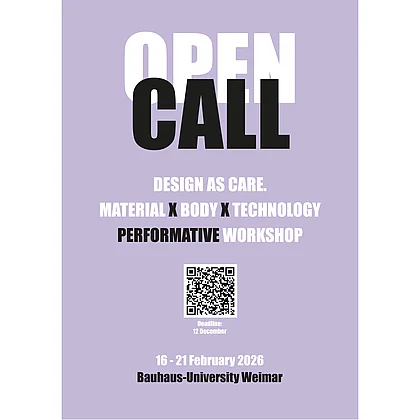
The practice-based research project IN TUNE invites students and academic/artistic staff at the Bauhaus-Universität Weimar to a one-week research workshop exploring alternative design and production processes. The focus is on material-oriented and body-related working methods at the interface of craftsmanship, digital technology, and performative practice. Applications are open until 12 December 2025.
Drawing on theories of New Materialism and New Dramaturgy, IN TUNE approaches material as an active co-creator and design as a corporeal, open-ended process. At its core, the workshop investigates the dynamic interplay between material, body, technology, and social context – beyond notions of classical authorship.
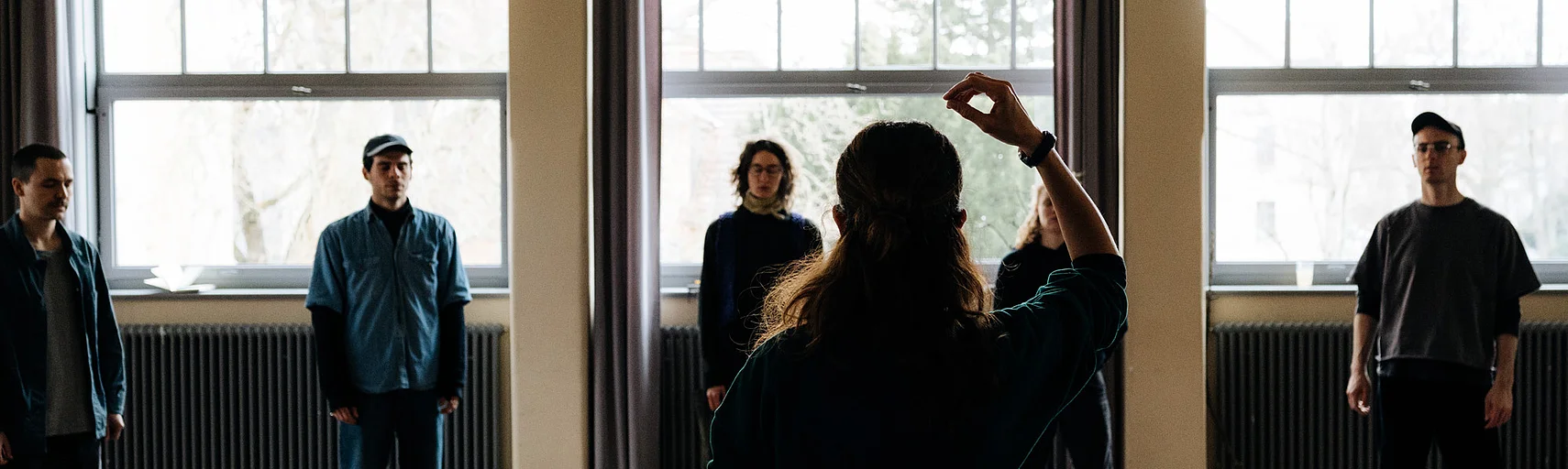
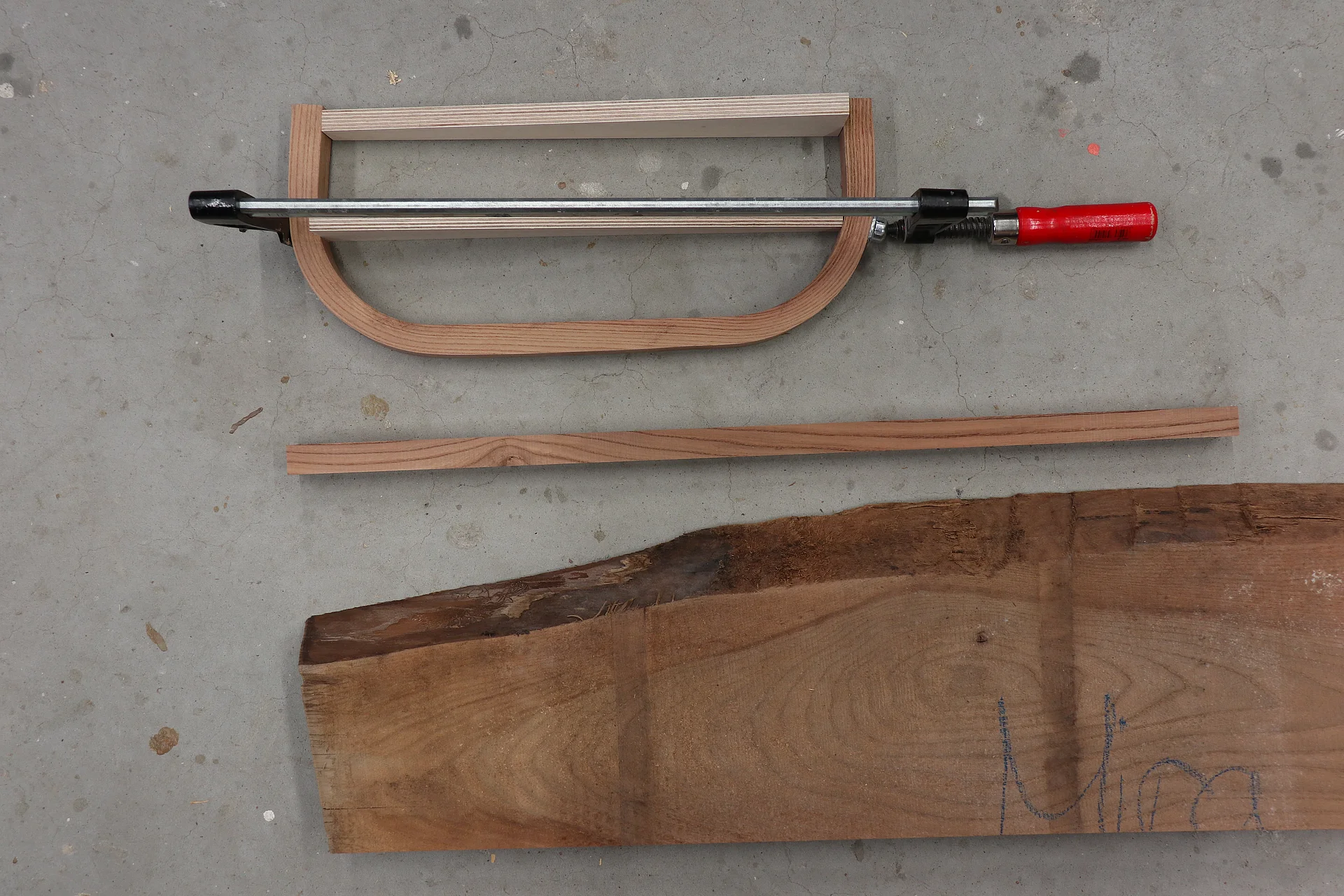
The workshop combines craft-based and digital techniques, artistic research, and performative methods. Historical artefacts from the Bauhaus Archive serve as points of departure for a contemporary re-fabrication – they are reinterpreted, transformed, and placed within new material and narrative contexts. The focus lies on a practical and performative engagement with materials such as textile and wood, through weaving, steam bending, 3D scanning, and body-based exercises. The hands-on work in the workshops will be complemented by impulse lectures, excursions, and performative sessions.
IN TUNE understands itself as a collective space of learning and making, where sensory, theoretical, and technical forms of knowledge stand side by side. The goal is to explore design as a care practice and to experiment with new ways of cooperation, attentiveness, and responsibility.
Who can participate?
We are looking for designers, researchers, and students who wish to explore design as an open, body-based, and material-driven field of experimentation.
We particularly invite individuals who:
- work with material and movement, craft and technology;
- are interested in performative, speculative, or research-based design practices;
- seek to connect historical reflection with current questions of social and ecological transformation;
- enjoy interdisciplinary collaboration and collective processes;
- and are open to developing their own design approaches in dialogue with others.
There are two places available for students and two places for academic/artistic staff of the Bauhaus-Universität Weimar.
Participation requires a bachelor’s degree in architecture, design, or a related field. No specific technical skills are required – only curiosity, openness, and a willingness to engage physically and practically in the work.
Dates: 15 – 21 February 2026
Location: Bauhaus-Universität Weimar
Workshop language: English
Application deadline: 12 December 2025
Please submit a short motivation letter (max. 1 page, in English) and a portfolio or work sample (max. 10 MB) by 12 December 2025 to: mara.truebenbach[at]uni-weimar.de
Your motivation letter should briefly address the following:
- Why would you like to participate in the workshop?
- What experiences or interests connect you to material, the body, or performative design?
- What would you like to explore or experiment with during the workshop?
Questions about the application: Mira Müller mira.mueller[at]uni-weimar.de / Dr. Mara Trübenbach mara.truebenbach[at]uni-weimar.de
IN TUNE Research Workshop

The IN TUNE Research Workshop is a two-week program scheduled for early 2026 at Bauhaus University Weimar. It brings together international designers, researchers, and students to explore design as a dynamic interplay of material, body, and technology.
The focus lies on practical and performative engagement with materials such as textiles and wood. Through weaving, steam bending, 3D scanning, and body-based exercises, participants explore alternative design processes. The starting point is historical objects from the Bauhaus Archive and Museum, which are examined and transformed through a re-design perspective.
The workshop sees itself as a collective space for learning and production, where diverse perspectives and forms of knowledge—sensory, theoretical, technical—are treated as equally valuable. Keynote lectures, excursions, and performative formats complement the hands-on work in the studios.
The aim is to understand design as a practice of care, and to experiment with new narrative, material, and design approaches that transcend conventional authorship.
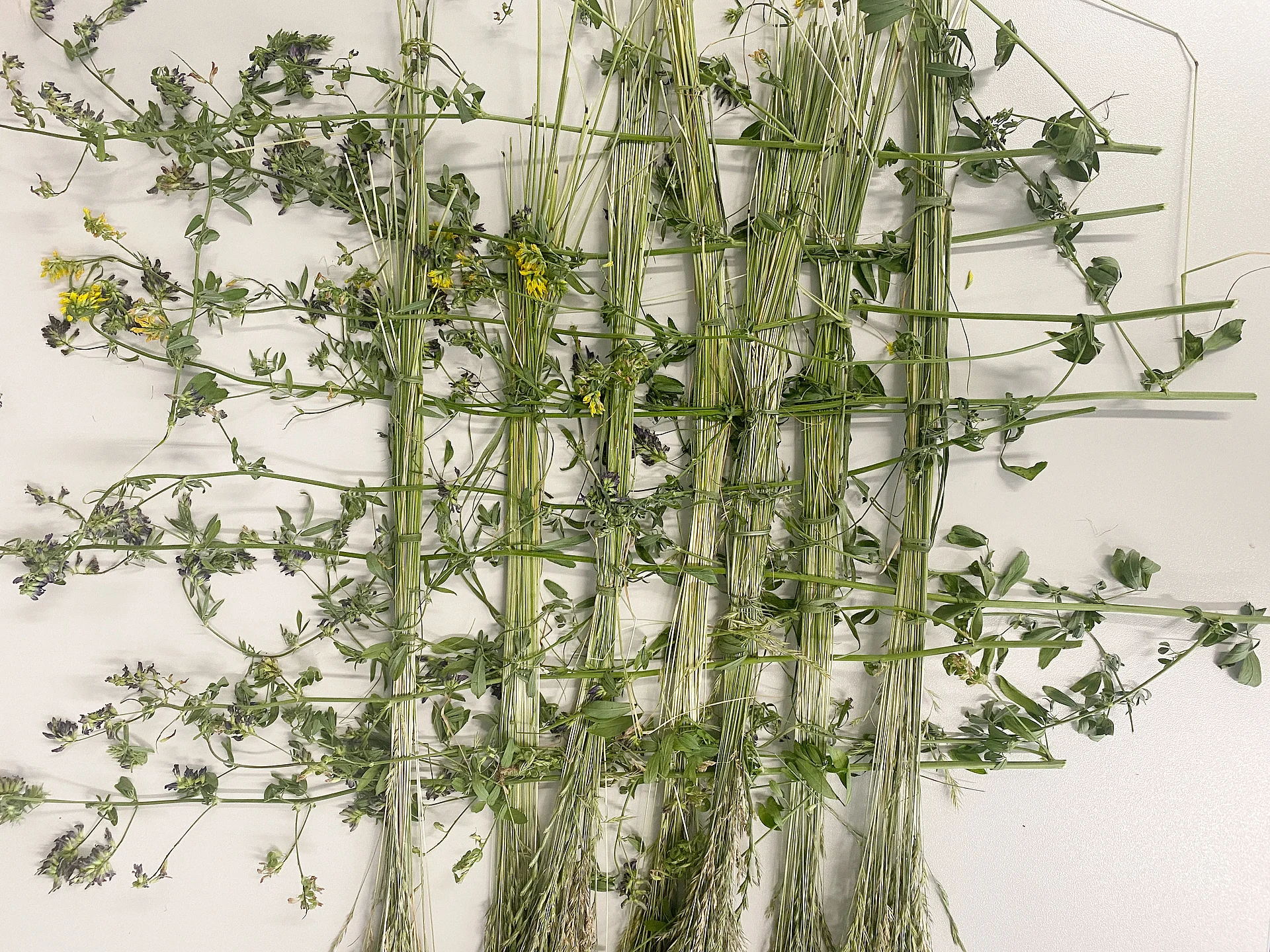
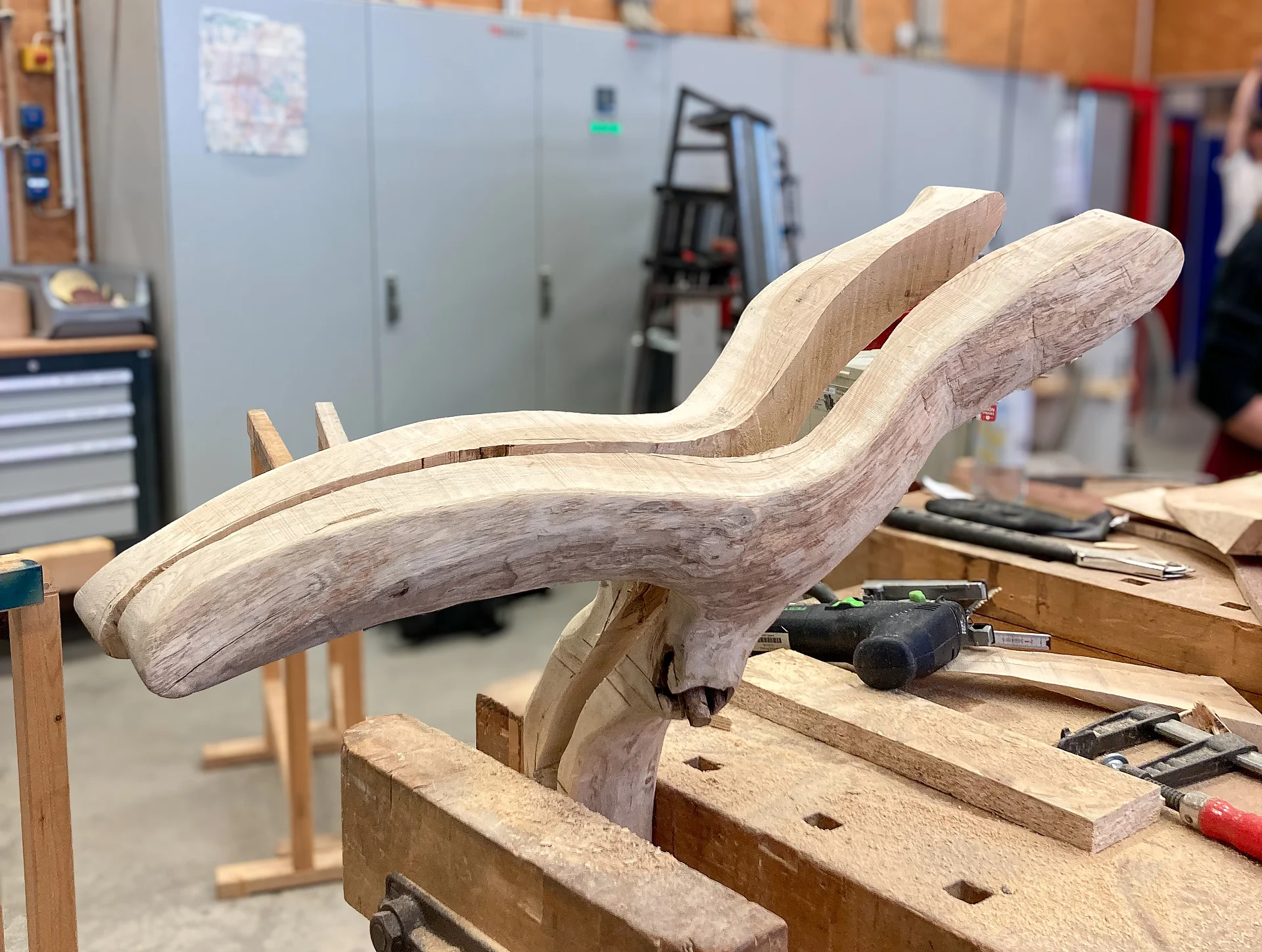
Our research project IN TUNE is divided into three interrelated phases. Theory, practice, and reflection are treated equally and frame a design-based research approach that is experimental, performative, and interdisciplinary.
1. Preparation Phase (May – December 2025)
In this initial phase, we develop the theoretical foundation of the project. We explore concepts of materiality, authorship, and performativity in the context of design and create preliminary methodological approaches. In parallel, we write an introductory paper and develop a curatorial concept that structurally prepares both the workshop and its later documentation.
2. Practice Phase: IN TUNE Research Workshop (January – March 2026)
At the heart of the project is our two-week research workshop at Bauhaus University Weimar. Here, international designers, students, and collaborators from research and practice come together to jointly experiment with alternative design processes.
We work with techniques such as steam bending, weaving, 3D scanning, and digital fabrication—always in combination with body-related, performative exercises. Historical objects from the Bauhaus Archive and Museum serve as starting points for re-designs and re-fabrications. The workshop is enriched by keynote lectures, excursions, and shared reflection formats.
3. Evaluation and Dissemination Phase (April – May 2026)
To conclude the project, we prepare the outcomes of the workshop for an exhibition as part of summaery 2026. The exhibition will then be further developed into a traveling format. At the same time, we work on an academic publication to consolidate our findings and make them applicable for future teaching and research formats.
Design as Attunement
IN TUNE understands design as a relational, processual act that unfolds between body, material, technology, and context. It draws on New Materialism and New Dramaturgy, complemented by feminist and ecological design perspectives. Central to the approach is the concept of attunement—a design practice based on responsiveness, negotiation, and presence in the process.
Matter Speaks
New Materialism—as explored by thinkers like Jane Bennett, Karen Barad, and Rosi Braidotti—understands material not as a passive carrier of meaning, but as an active agent in the web of design. Concepts such as “vibrant matter” (Bennett) or “intra-action” (Barad) emphasize that form and meaning do not pre-exist but emerge through the process—through interactions between things, bodies, and atmospheres. This perspective calls for an attitude of listening, responsiveness, and collaborative creation: matter speaks, and it demands resonance, not control.
Design as Spatial Composition
New Dramaturgy, inspired by the work of Maaike Bleeker, Christel Stalpaert, and Hans-Thies Lehmann, moves away from linear narrative and instead understands dramaturgy as a spatial, bodily composition. In design, this offers a model that keeps processes open, creates interstitial spaces, and allows meaning to emerge rather than represent it.
This approach is closely linked to performative practices, where design does not dictate but arises from action, material interaction, and bodily situatedness.
Care, Critique, Context
Feminist theories—such as those of Donna Haraway, Maria Puig de la Bellacasa, and Lucy Suchman—shape our understanding of design as a practice of care. This perspective asks how forms can emerge without dominating others. It places care, responsibility, and relationality at the center—including our relationships with objects, archives, materials, and stories.
When combined with ecological and posthumanist ideas, this fosters a design attitude that dismantles hierarchies, opens processes, and rethinks the relationship between humans and the world.
Dialogue with the Historical Bauhaus
At the same time, we enter into a productive dialogue with the history of the Bauhaus—especially its early Weimar phase, characterized by material experimentation, interdisciplinary collaboration, and societal shifts. Historical objects from the Bauhaus Archive and Museum in Weimar serve as a starting point for a re-fabrication that does not reproduce the past, but instead reconstructs, questions, and transforms it.